

Best Things to Do in Nice , France
Nice is one of the most beautiful and distinctive cities on the French Riviera. Located between the Mediterranean Sea and the foothills of the Alps, the city combines glamorous seaside scenery, colorful historic neighborhoods, elegant Belle Époque architecture, museums, gardens, markets, beaches and a rich Mediterranean food culture. For travelers searching for the best things to do in Nice, France, the city offers an impressive variety of experiences within a relatively compact urban area.
Nice is much more than a destination for relaxing beside the sea. Its historic center contains narrow lanes, Baroque churches, colorful façades and lively squares, while the Promenade des Anglais stretches beside the famous Baie des Anges. Above the city, Castle Hill provides spectacular panoramic views, while districts such as Cimiez, Mont Boron, the Port of Nice and the Carré d’Or reveal different aspects of the city’s history and lifestyle.
Nice also has an important international cultural identity. Artists including Henri Matisse and Marc Chagall were deeply connected with the region, and the city contains museums dedicated to their work. The official Nice Côte d’Azur Tourist Office describes Nice as an open-air museum where Belle Époque, Art Deco, Baroque and modern architecture coexist.
Since 2021, Nice has been listed as a UNESCO World Heritage Site under the name “Nice, Winter Resort Town of the Riviera.” UNESCO recognizes the city’s historic development as a cosmopolitan winter resort and its distinctive architectural and urban landscape shaped by international visitors from the 18th century onward.
This guide explores the best places to visit in Nice, the top attractions, museums, beaches, viewpoints, historic neighborhoods, food experiences, romantic activities, family attractions, seasonal experiences and practical travel ideas for building a memorable Nice itinerary.
Walk Along the Promenade des Anglais
One of the first things to do in Nice should be walking along the Promenade des Anglais, the city’s legendary waterfront boulevard.
Stretching for approximately seven kilometers along the Baie des Anges, the Promenade des Anglais is one of the defining symbols of Nice. The wide seafront route is popular with pedestrians, cyclists, runners and visitors simply enjoying the Mediterranean scenery. The official tourism office describes it as the postcard image of Nice and one of the essential experiences for visitors.
The promenade is particularly beautiful in the morning when the light reflects across the Mediterranean. Early risers can enjoy a peaceful walk while watching the coastline change color under the rising sun.
The route also passes some of Nice’s most famous architecture, including grand hotels, historic villas and the iconic Hôtel Negresco.
The promenade’s history is closely connected to the development of Nice as an international winter resort. UNESCO explains that British visitors in the early 19th century helped establish the coastal path that eventually developed into the famous Promenade des Anglais.
Enjoy the Mediterranean Views
The attraction of the Promenade des Anglais is not limited to its architecture. The Mediterranean itself is the main visual attraction.
The coastline around Nice is famous for its distinctive blue-green water, and the combination of sea, mountains and urban architecture gives the city an unmistakable appearance.
Take time to sit on one of the famous blue chairs and watch the boats, swimmers, cyclists and pedestrians passing by.
The promenade is also an excellent location for photography. Morning light provides softer colors, while sunset can create dramatic views toward the Baie des Anges.
Explore Vieux Nice
For many travelers, Vieux Nice, or Old Nice, is the most charming part of the city.
The historic neighborhood is filled with narrow streets, colorful buildings, small squares, churches, restaurants, cafés, bakeries and local shops. The atmosphere is very different from the grand seaside boulevard.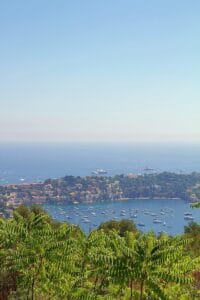
Walking through Vieux Nice is best done without a strict schedule. The pleasure comes from turning down small streets and discovering unexpected courtyards, old façades and hidden cafés.
The historic center is also one of the areas where Nice’s Mediterranean and Italian influences are most visible. Nice belonged to the Kingdom of Sardinia before becoming part of France in 1860, and its architectural and culinary traditions still reflect this history. UNESCO emphasizes the city’s mixture of influences as part of its cultural significance.
Discover the Colorful Streets of Old Nice
The narrow streets of Vieux Nice are particularly attractive to photographers.
Pastel yellow, orange, red and ochre façades create a warm visual palette that contrasts beautifully with the deep blue Mediterranean nearby.
During the day, the streets are lively with shoppers and visitors. In the evening, restaurants and wine bars create a more relaxed atmosphere.
A walk through Old Nice is therefore enjoyable at almost any time of day.
Visit Cours Saleya Market
Cours Saleya is one of the most lively places to visit in Old Nice.
The market area is surrounded by colorful historic buildings and filled with flowers, fresh produce, local specialties and food stalls depending on the day and season.
The flower market is particularly associated with Nice and reflects the city’s long relationship with horticulture.
A morning visit is an excellent way to experience local life before exploring the rest of Vieux Nice.
Taste Local Products
Cours Saleya is also a useful place to discover ingredients associated with Provençal and Niçoise cuisine.
Depending on the season, visitors may encounter fresh fruit, vegetables, herbs, flowers, olives and other regional products.
The market is especially attractive for travelers interested in French Riviera food, Provençal cuisine and traditional Nice dishes.
Visit Place Masséna
Place Masséna is one of the most recognizable public spaces in Nice.
Its large open layout, red façades, arcades and distinctive modern sculptures make it a natural meeting point between the Old Town, the city center and the waterfront.
Place Masséna is particularly attractive around sunset and after dark when the surrounding architecture and public art become illuminated.
The square is also an excellent starting point for exploring the Promenade du Paillon, Avenue Jean Médecin and the nearby Old Town.
Photograph the Architecture
Place Masséna is an excellent location for architectural photography.
The symmetry of the buildings and the openness of the square create a strong contrast with the narrow streets of Vieux Nice.
For travelers interested in Nice France photography, this is one of the easiest places to capture the city’s distinctive architectural character.
Relax at Promenade du Paillon
The Promenade du Paillon provides a peaceful green corridor through the heart of Nice.
It connects important parts of the city and creates a refreshing contrast to the surrounding streets.
Promenade du Paillon is particularly enjoyable for families, couples and travelers looking for a relaxed walk between sightseeing stops.
The official tourism office identifies the Promenade du Paillon as one of the important elements of the UNESCO-listed urban landscape.
Climb Castle Hill
One of the best things to do in Nice is visiting Castle Hill, known in French as Colline du Château.
Despite its name, there is no longer a functioning medieval castle at the top. The historic fortifications were largely destroyed centuries ago, but the hill remains one of the city’s most important landmarks.
Colline du Château offers extraordinary views over the Old Town, Port of Nice, Promenade des Anglais and Baie des Anges.
The official tourism office includes the hill among the major components of Nice’s UNESCO-listed urban landscape.
Visit the Cascade du Château
At the top of Castle Hill, the Cascade du Château provides one of Nice’s most photographed viewpoints.
Cascade du Château is surrounded by greenery and offers an attractive place to stop during a walk.
The waterfall is artificial rather than a natural mountain cascade, but its setting makes it an enjoyable feature of the park.
Photograph the Baie des Anges
Castle Hill is arguably one of the best places for panoramic photography in Nice.
From above, you can see the curved coastline of the Baie des Anges stretching toward the horizon.
The contrast between the turquoise sea, red and orange Old Town rooftops and surrounding mountains creates one of the most recognizable views of the French Riviera.
Discover the Historic Harbor
The Port of Nice offers another perspective on the city.
Unlike the glamorous Promenade des Anglais, the port has a more working maritime character.
Colorful boats, yachts, ferries and historic buildings surround the harbor.
The port is also an excellent place to begin exploring Mont Boron and the eastern side of Nice.
The UNESCO-listed area extends along the coast through the Port of Nice and toward Mont Boron.
Watch the Boats
A leisurely walk around the port is especially pleasant in the late afternoon.
The harbor provides opportunities for photography and offers a quieter alternative to the busiest sections of the waterfront.
Restaurants and cafés nearby make it easy to combine sightseeing with a meal.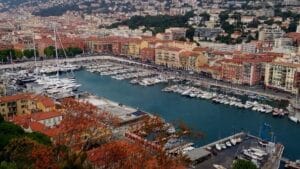
Walk Through Nice’s Green Hills
Mont Boron is one of the best places to experience the natural side of Nice.
The wooded hill rises between the city and the Mediterranean, providing walking trails, viewpoints and peaceful surroundings.
It is an excellent choice if you want to escape the urban center without traveling far outside the city.
Discover Fort du Mont Alban
The historic Fort du Mont Alban sits above Nice and provides impressive views toward both Nice and Villefranche-sur-Mer.
The fort is an important part of the area’s military history and its elevated position makes the surrounding landscape particularly spectacular.
Travelers interested in combining Nice sightseeing and hiking can include Mont Boron in a longer walking itinerary.
Discover Henri Matisse in Nice
Nice has an especially strong connection with Henri Matisse, and the Musée Matisse is one of the city’s most important cultural attractions.
Matisse Museum is located in Cimiez, surrounded by gardens and historic sites.
The museum provides an opportunity to understand Matisse’s artistic development and his connection with the Mediterranean environment.
The official Nice tourism office highlights museums devoted to Matisse, Chagall and Renoir as important parts of the region’s artistic heritage.
Explore Cimiez Alongside the Museum
The best way to visit the Matisse Museum is to combine it with the other attractions of Cimiez.
The area contains Roman archaeological remains, historic churches, gardens and elegant residential architecture.
This makes Cimiez ideal for travelers who want to combine art, history and architecture in Nice.
Visit the Marc Chagall National Museum
The Marc Chagall National Museum is another essential attraction for art lovers.
Marc Chagall National Museum houses an important collection related to Chagall, including works connected with his biblical themes.
The museum offers a different artistic experience from the Matisse Museum, making it worthwhile to visit both.
For travelers researching best museums in Nice France, the Chagall Museum should be high on the itinerary.
Discover Roman Nice
Cimiez is one of the most historically significant areas of Nice.
The neighborhood was associated with the ancient Roman settlement of Cemenelum, and archaeological remains provide evidence of the city’s Roman past.
The Roman ruins include remains of an amphitheater, baths and other structures.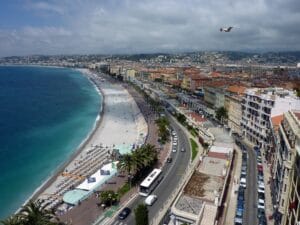
This makes Cimiez particularly interesting for travelers who want to explore Roman history in Nice.
Visit the Cimiez Gardens
The gardens around the archaeological area provide a peaceful environment for walking.
Jardin des Arènes de Cimiez is especially attractive when the weather is pleasant.
Combining the gardens, Roman ruins and Matisse Museum makes Cimiez one of the best half-day cultural excursions within Nice.
Visit the Russian Orthodox Cathedral
The Russian Orthodox Cathedral of Saint Nicholas is one of the most visually distinctive buildings in Nice.
Cathédrale Saint-Nicolas de Nice is recognizable by its ornate exterior and colorful domes.
The cathedral reflects the important role Russian visitors played in Nice’s history as an international winter resort.
UNESCO’s description of Nice emphasizes the city’s development through international visitors and the architectural influences they brought to the city.
Visit Villa Masséna
The Villa Masséna Museum provides another opportunity to understand the history of Nice.
Villa Masséna, musée d’art et d’histoire is located close to the Promenade des Anglais.
The museum explores the history of Nice and its development as a resort city.
Its location also makes it convenient to combine with the Promenade des Anglais and nearby architectural attractions.
Best Things to Do in Nice When It Rains
Rain does not have to ruin a Nice vacation.
The city has numerous museums covering art, archaeology, history and culture.
The official tourism office recently highlighted the city’s roughly fifteen museums and recommended attractions ranging from Matisse and Chagall collections to archaeological and natural-history experiences for rainy days.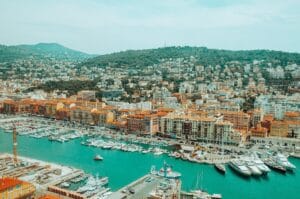
Palais Lascaris, Villa Masséna, Musée Matisse, Musée Chagall and the Musée des Beaux-Arts can all help turn an unsettled day into a cultural experience.
Best Time to Visit Nice
Spring is an excellent time to visit Nice.
Temperatures are generally comfortable for walking, the gardens become increasingly colorful and the city is less dominated by peak summer beach tourism.
It is particularly suitable for travelers who want to focus on architecture, museums and outdoor sightseeing.
Visit Nice in Summer
Summer is the classic French Riviera season.
The Mediterranean becomes the center of the experience, with swimming, beach days, coastal walks and outdoor dining.
However, summer is also the busiest period, so popular attractions and accommodations can be crowded.
Where to Stay in Nice
Vieux Nice is ideal for travelers who want atmosphere and proximity to historic attractions.
You will be surrounded by restaurants, cafés, markets and narrow streets.
The trade-off is that the area can become lively and busy during peak periods.
Stay Near the Promenade des Anglais
Staying near the waterfront provides immediate access to the beach and sea views.
It is particularly appealing for couples and travelers who prioritize the Mediterranean experience.
Stay in the Carré d’Or
The Carré d’Or is suitable for visitors seeking central accommodation, shopping and elegant architecture.
It provides easy access to both the waterfront and central Nice.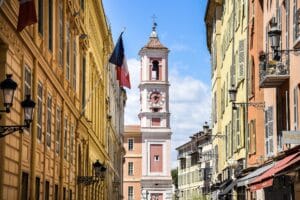
Conclusion
Nice is much more than a beautiful destination on the French Riviera. It is a city where the Mediterranean Sea, historic architecture, art, gastronomy, beaches and cultural heritage come together in a remarkably compact destination. From walking along the famous Promenade des Anglais and exploring the colorful streets of Vieux Nice to enjoying the panoramic views from Castle Hill, there are countless ways to experience the character of the city.
One of the most fascinating aspects of Nice is its history as an international winter resort. UNESCO recognizes Nice, Winter Resort Town of the Riviera as a World Heritage Site, highlighting how the city’s architecture, gardens, promenades and urban landscape were shaped by British, Italian, French, Russian and other international influences. Nice was officially inscribed on the UNESCO World Heritage List in 2021.
- UNESCO World Heritage Centre – Nice, Winter Resort Town of the Riviera: UNESCO official heritage page
- Nice Côte d’Azur Official Tourist Office – UNESCO and Heritage: Nice Côte d’Azur official tourism website
- City of Nice – Nice World Heritage: Ville de Nice official website
- France.fr – Official France Tourism: France.fr official Nice destination guide
Author

Related posts
Best Places to Visit in Dinant
- 0
- 4,779 words
Best Places to Visit in Dinant, Belgium Dinant is one of the most beautiful small towns in Belgium and one of the...
Read out all
Best Places to Visit in Mont-Saint-Michel
- 0
- 4,964 words
Best Places to Visit in Mont-Saint-Michel , France Mont-Saint-Michel is one of the most extraordinary destinations in France and one of the...
Read out all
UNGA
- 0
- 5,649 words
UNGA (United Nations General Assembly ) The United Nations General Assembly, commonly known as the UN General Assembly or UNGA, is one...
Read out all
Best Places to Visit in Kathmandu
- 0
- 4,089 words
Best Places to Visit in Kathmandu , Nepal Kathmandu, the capital of Nepal, is one of South Asia’s most fascinating travel destinations....
Read out all
Best Places to Visit in Vilnius
- 0
- 5,246 words
Best Places to Visit in Vilnius , Lithuania Vilnius, the capital of Lithuania, is one of the most fascinating destinations in the...
Read out all
Best Places to Visit in Riga
- 0
- 6,005 words
Best Places to Visit in Riga , Latvia Riga, the capital of Latvia, is one of the most fascinating destinations in the...
Read out all