
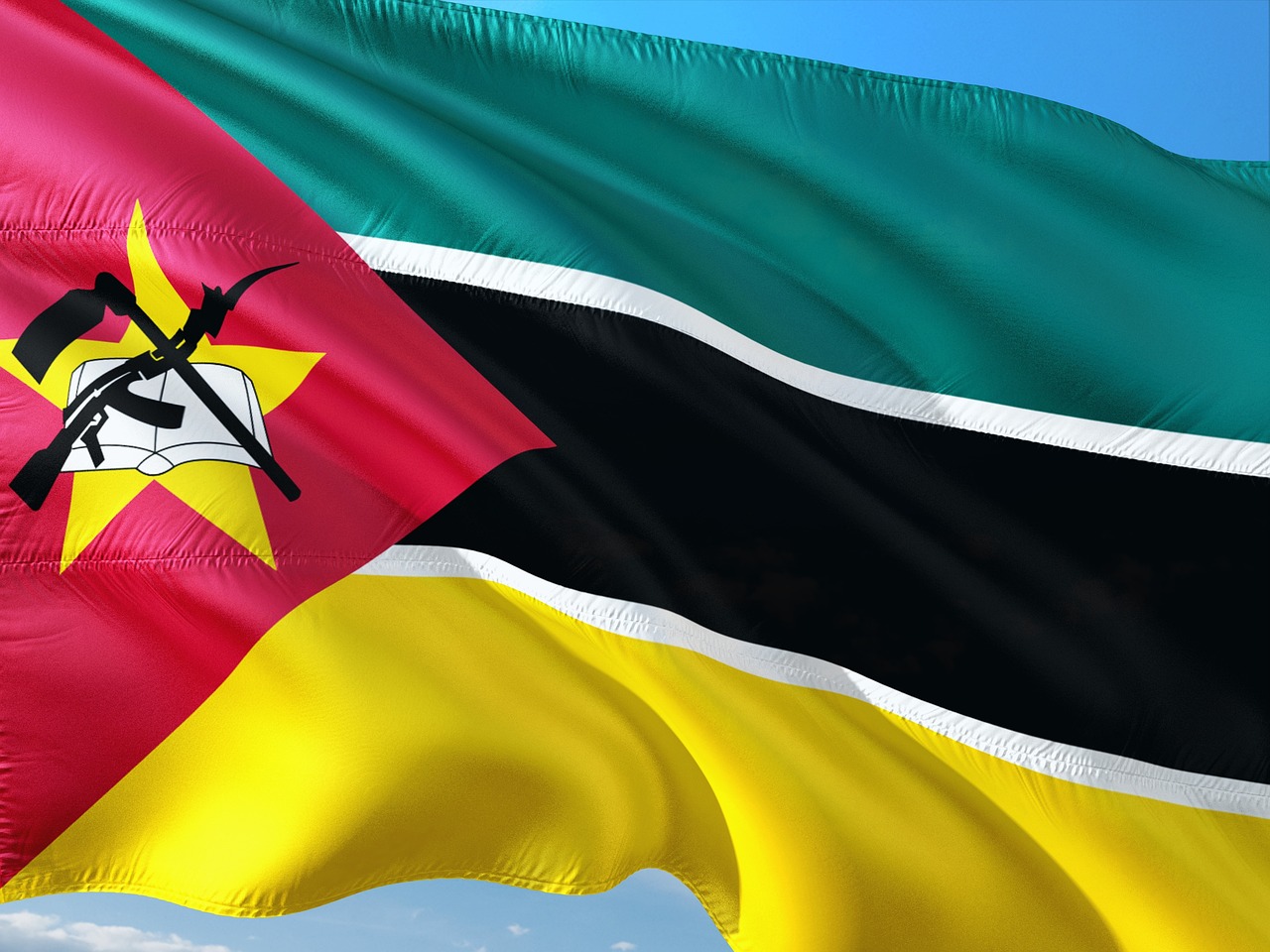
Mozambique: A Hidden Treasure of Africa
Mozambique is an attractive and varied land that can be found in the southern-eastern coast of Africa. The land borders the warm waters of the Indian Ocean. Indeed, the land boasts pristine beaches, a rich culture, friendly people, and an interesting history. Even though Mozambique is not as populated as many holiday destinations worldwide, the country is gaining popularity gradually due to its beauty. Tourists who have visited the land in the past have found a land that is a true untouched paradise, with a lot of both culture and wildlife. Mozambique has something to suit all tastes. Nature enthusiasts appreciate its national parks and sea life. History enthusiasts discover its colonial settlements and historic trade routes. Those who love beach holidays simply relax on its white sandy shores. Adventure seekers go diving, snorkeling, or discover distant islands. Because of its rich mix of attractions, Mozambique promises to become one of Africa’s most exciting places to travel.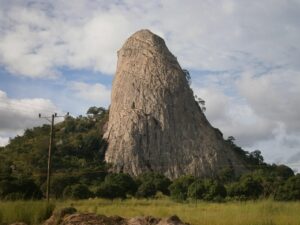
Mozambique’s Location and Global Significance
Mozambique is located in Southeast Africa and borders the countries of Tanzania, Malawi, Zambia, Zimbabwe, Eswatini, and South Africa. On the eastern side, it shares the Indian Ocean coastline, which has had significant influence in the country’s history and culture. Mozambique has, in the past, been the route through which trade between Africa, the Middle East, and Asia was conducted. Due to its location along the coast, Mozambique also emerged as a hub for sea trade. The influence of Arabian merchants of the Swahili tribe and even the Portuguese explorers can be seen in Mozambique. Mozambique also remains connected with the global community through its architecture, cuisine, language, and culture.
Geography and Natural Landscape of Mozambique
Mozambique has a remarkably varied landscape. There are long coastal plains, river valleys, hills, as well as highlands in the Western part of the country. Rivers, for instance, the Zambezi River, contribute greatly in terms of agriculture, wildlife, as well as transportation. Mozambique has a coastline that extends over 2,400 kilometers. Along this coastline, the visitor will discover palm-lined beaches, coral reefs, mangrove forests, and fishing villages. In the more inland areas, the country gets greener and more mountainous, with steeper elevations around the borders with the countries of Zimbabwe and Malawi.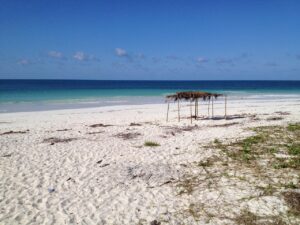
Climate and Best Time to Visit Mozambique
Climatic conditions in Mozambique are tropical. This implies that temperatures are relatively warm throughout the year. Two major seasons occur, and they include the dry season, which normally runs from May to October. This is the best time to visit. At this time, the weather is good, wildlife experiences are also good, and beaches are also ideal. There is a wet season which extends from November to April. When it is wet, the countryside is very green, though the heavy rainfall may make it difficult to travel. However, it is a great season for nature enthusiasts.
A Brief History of Mozambique
Mozambique has a rich and complex history. There were African kingdoms and trading centers in the country before the arrival of the European colonizers. The Arab and Swahili traders were among the earliest to arrive and established settlements in Mozambique along the coast. In the late 15th century, the Portuguese arrived in Mozambique and afterwards ruled the land for almost 500 years. Mozambique gained its independence in 1975, followed by decades of civil unrest. In the years that followed the return of peace, Mozambique has been concentrating on its development and the development of its tourism industry.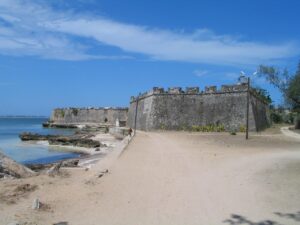
Culture and Daily Life in Mozambique
The Mozambican culture is very vibrant and expressive. Music, dance, and narration are an integral part of the Mozambican experience. Dances in Mozambique take place during celebrations and events, whereas the music consists of African beats, Portuguese, and Arabic elements. Family and community have major values in Mozambique. The people are friendly and welcoming to tourists. Portuguese is widely recognized as the official language; however, there are various local languages in every region in Mozambique. The cultural diversity in Mozambique has made this country unique in traditions and practices.
Tourism in Mozambique: An Emerging African Destination
The tourism industry in Mozambique continues to develop as the global community catches a glimpse of its untouched nature and the welcoming people. Situated in the southeastern region of the African continent bordering the Indian Ocean, Mozambique boasts stunning tropical coastlines, cities that are full of life, nature reserves home to a diverse wildlife, and cultural heritage. Contrary to many beautiful tourist destinations, the environment in Mozambique is at peace and as genuine as can be. The tourism sector in Mozambique is largely influenced by geography, history, and culture. This is a blend of an African culture and Portuguese cultural influences, which is reflected in the architecture, language, cuisine, and lifestyle. The result is an encounter of cultures during tourism exposure to beaches, islands, historic settlements, and wildlife.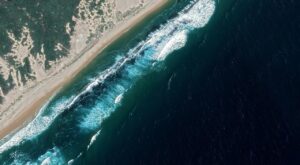
Coastal Tourism in Mozambique and Indian Ocean Beaches
One of the largest draws of tourism in the country is the beautiful coastline that Mozambique has to offer. Mozambique borders the Indian Ocean and has over 2,400 kilometers of coastline that is widely regarded as the longest and most beautiful in Africa. The beaches in this country are known for their white sands, blue waters, coral reefs, and calm environments. Unlike in many holiday destinations that have many people, the beaches in Mozambique are quiet with a tranquil atmosphere. It is this reason, among many more, why holidaymakers visit the beaches in Mozambique.
Island Tourism in Mozambique: Bazaruto and Quirimbas Archipelagos
Island tourism is also one of the most alluring experiences found in Mozambique. One of the most renowned tourist spots in Mozambique is the Archipelago of Bazaruto. Located close to the town of Vilankulo, the archipelago is a national park. It is recognized for its sand dunes, transparent blue water, coral reefs, and a spectrum of marine life. Tourists throng to Bazaruto for snorkeling, diving, sailing, or relaxing in the ecologically friendly resorts. On the similar note, the Quirimbas Archipelago in the north of Mozambique presents a relatively more distant and culturally rich island experience. The islands themselves blend wonderful beaches with traditional fishing villages and rich history.
Marine Tourism and Diving in Mozambique
Mozambique is ranked among the leading countries in Africa for marine tourism. This is due to the tropical waters of the Indian Ocean, which support whale sharks, mantas, dolphins, and sea turtles. As a result, diving and snorkeling tourist activities are rising rapidly. Tofo Beach is famous worldwide for scuba diving, particularly for whale shark encounters and manta ray sightings. Other forms of marine tourism found in the tourism industry of Mozambique include whale observation, primarily during the migration period. Some travelers particularly look for “scuba diving in Mozambique,” which has abundant sea life.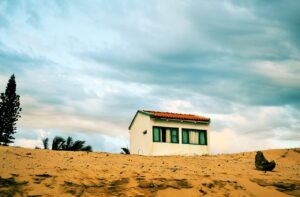
Cultural Tourism in Mozambique
Cultural tourism: Cultural tourism contributes largely to the tourism of Mozambique. Mozambique has a diversity of ethnic groups, each of which has a variety of cultures, songs, dances, and artwork. Cultural tourism in Mozambique is an amazing experience, as people there are friendly and eager to show their culture to anyone who comes to Mozambique.
Maputo Tourism: Capital City Attractions
Maputo, the capital of Mozambique, is another major destination for city-break tourists. As the capital of Mozambique, Maputo is a tourist destination that has a mix of history, culture, night life, and beach attractions. The city boasts wide streets, colonial buildings, and modern cafes. Maputo has attractions like the Maputo Railway Station, historic forts, and museums that provide information about the history of the country. Maputo’s culinary experience also makes it an attractive travel destination, especially the seafood meals that were influenced by Portuguese and African cuisine. Maputo travel experience suits tourists interested in experiencing urban and cultural experiences.
Wildlife and Eco-Tourism in Mozambique
While Mozambique is world famous for its beaches and beautiful landscapes, tours related to wildlife are also a crucial aspect of the travel experience. The national parks and reserves of Mozambique are gradually getting restored and protected as a result of conservation work that was carried out over the years. The Gorongosa National Park of Mozambique is a major ecotourism destination. Gorongosa provides safari activities where visitors can explore the possibility of witnessing elephant, lion, antelope, bird, and more wildlife. Eco-touring in Mozambique aims for a more sustainable approach. Eco-tourists will contribute towards the preservation of wildlife.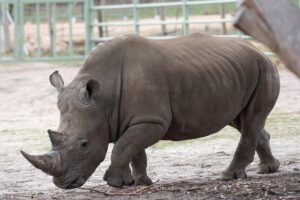
Adventure Tourism in Mozambique
Adventure travel in Mozambique is on the rise because of the varied landscape in the country. Vacationers can engage in adventure activities such as surfing, kite surfing, kayaking, deep-sea fishing, hiking, and sandboarding. The coastal nature of the country means that Mozambique has the right conditions for adventure activities such as surfing and other aquatic sports. The fact that it is a growing tourism destination makes it appealing to the adventurer, since they get the sense that they are discovering something new. The relatively unexploited nature of the destination is what entices the global tourist.
Culinary Tourism in Mozambique
Food tours in Mozambique contribute significantly to the tourism experience. Mozambican cuisine is known for its use of fish, spices, coconut milk, as well as chili. Various Brazilian, Portuguese, as well as African, cuisine preparation methods can be experienced. Seafood like prawns, crab, and fish is in plenty along the coasts. Peri-peri sauce is recognized globally and is of Mozambican origins. In fact, culinary tourism is one platform that gives tourists an insight into the country’s history and culture through taste, and this makes dining an experience one will never forget.
Religious and Historical Tourism in Mozambique
Mozambique also presents religious and historical tourism sites. The ancient churches, mosques, and forts are proof of the multicultural heritage of the country. Ilha de Moçambique is one of the prominent historical tourist sites in Mozambique and has been declared a UNESCO World Heritage Site. Ilha de Moçambique was one of the main trade hubs between Africa, Asia, and Europe. These days, visitors flock to this site for historical structures, stone buildings, and cultural museums. This site is particularly famous among those tourists who focus on historical visits and world heritage tourism.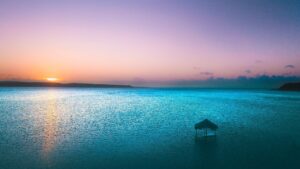
Why Mozambique Tourism Is Gaining Global Attention
Tourist destinations in Mozambique are gradually gaining international popularity since they present an unusual feature in the modern tourist industry, that of authenticity. Tourists would like to explore the unvisited beaches, marine life, culture, along with the hospitable people. Compared to the destinations of mass tourist streams, the places in Mozambique are serene. With better infrastructure and the rise of eco-tourism, Mozambique has increasingly become the favorite destination of responsible travelers. Mozambique offers the best of Africa because of its coastline, wildlife, culture, and adventures.
Surrounding Countries and Regional Travel Connections
Mozambique is situated in the southeastern part of Africa and shares borders with several other major nations that greatly impact its culture, economy, tourism, and travel paths. These neighboring countries have histories, geographical features, and commercial ties with Mozambique. Knowing the neighboring countries of Mozambique allows travelers, researchers, and tourists to recognize that Mozambique, rather than being a separate and independent travel or research destination, is also an important part of Africa’s southern region. Every neighboring country has features such as landscapes and cultures that complement the coastal attractions of Mozambique.
Tanzania and Mozambique Border Region
To the north of Mozambique, there is Tanzania, which is famous worldwide for its wildlife, mountains, and Swahili culture. The boundary between Mozambique and Tanzania is defined by both riverine and forest land with similar cultural beliefs. There was historical trade between Northern Mozambique and Tanzanian coastal cities, and this resulted in the strong cultural ties that exist between the two nations to date. Visitors who travel through Mozambique’s north usually move on into southern Tanzania, particularly towards destinations such as Dar es Salaam and Zanzibar. This area is of great significance in tourism since it offers a link from the unexplored beaches of Mozambique’s north to the already developed tourist infrastructure of Tanzania. In addition, the Tanzania and Mozambique border areas share the Swahili coast. This explains the similarities in the two countries’ cultures, cuisines, and customs.
Malawi and Its Connection with Mozambique
Malawi borders Mozambique to the northwest and shares ties with it through geographical and historical realities. The important connection between these countries could be identified in Lake Malawi or Lake Nyasa, which runs along the border between these countries. The enormous freshwater lake acts as an important resource for people from Malawi and Mozambique for fishing and transport purposes. Most Malawians move through Mozambique to access the Indian Ocean, while Mozambicans also use Malawi as a corridor to the interior of southern Africa. There is a strong cultural tie, more so among the communities on the borders, who share cultures, languages, and heritage. For tourists, accessing the beach resorts of Mozambique and the lake resorts of Malawi provides a well-rounded holiday package.
Zambia and Mozambique Regional Relationship
Zambia is also bordering Mozambique in the west and is regarded as crucial in regional trade and transportation. The fact that Zambia is a landlocked country makes Mozambique its vital gateway to the Indian Ocean through its major ports like Beira and Nacala. The ports are also vital in exports and imports to and from Zambia, thus bridging the relationship between the two countries economically. From the tourism point of view, there is a great combination between the tourism attractions in Zambia and those in Mozambique. Zambia is renowned for the Victoria Falls, the national parks, and the wildlife. On the other hand, Mozambique is known for its beaches and marine life. Most tourists who come from outside the region often pay visits to the wildlife in Zambia and the beaches in Mozambique.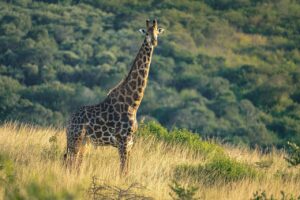
Zimbabwe and Mozambique Border Influence
Zimbabwe also shares its western border with Mozambique, and there have been historical and cultural links between the two countries for many years. There have been periods in history, including the time of colonization and the independence movements, when there was great involvement between the two countries. One of the key aspects given by Mozambique to Zimbabwe relates to access to the coastline, especially via the port city of Beira, which still acts as a major transport artery. In terms of tourist importance, the transit route that originates here helps in the easy flow of visitors from Zimbabwe’s cultural and historical points of interest to the Mozambican coastline. This particular border area still constitutes a major tourist route in Southern Africa.
Eswatini (Swaziland) and Mozambique Cross-Border Life
Eswatini, or Swaziland, is a small country that borders Mozambique in the south. Although it is a small country, it has a distinct cultural identity that gives the country great significance in the region, particularly in terms of Tourism and Trade. The border regions between Eswatini and Mozambique are teeming with people crossing the borders for jobs, trade, and visits. But tourists from Eswatini often travel into the southern part of the Republic of Mozambique with the aim of reaching the coastal areas. While Eswatini is famous for its culture, game reserves, and traditional handicrafts, the Republic of Mozambique is famous for its beaches.
South Africa and Mozambique Strong Regional Partnership
Ties South Africa is the most influential of Mozambique’s neighbors and shares a long border with the country to the south. The relationship between South Africa and Mozambique is amongst the best relationships the continent has, in terms of trade, vacations, movement of labor, and cultural interactions. Many Mozambicans live and work in South Africa, while South Africans vacation frequently in Mozambique. The southern part of Mozambique, especially the cities of Maputo and the holiday destinations that border South Africa, has been known to be a popular holiday spot within South Africa. The ease of access to the destinations as well as the affordability of the holiday resorts in Mozambique has made it the popular holiday spot that it is known to be.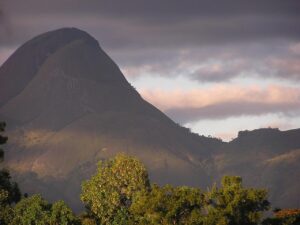
Conclusion
Mozambique is a land of natural beauty, cultural richness, and endless coastline. It offers travelers a chance to explore Africa in a calm, authentic, and meaningful way. From vibrant cities to peaceful islands, from wildlife parks to traditional villages, Mozambique provides unforgettable experiences. tourism in Mozambique offers a complete and meaningful travel experience. From stunning beaches and island escapes to wildlife safaris and cultural encounters, the country has something for every type of traveler. Its natural beauty, combined with warm hospitality and growing tourism services, ensures that Mozambique will continue to attract visitors from around the world. Those who visit Mozambique often leave with deep memories and a strong desire to return. It is not just a destination; it is a journey into the heart of Africa.
Author

sadikhan.ceo@gmail.com
Related posts
Slovakia
- 0
- 2,323 words
Slovakia : Discover the Hidden Gem of Central Europe Tucked right in the heart of Central Europe, Slovakia is one of those...
Read out all
Singapore
- 0
- 2,246 words
Singapore : A Global City and Travel Hub Singapore’s one of those places where modern life and nature seem to fit together...
Seychelles
- 0
- 2,644 words
Seychelles : A Dream Destination in the Indian Ocean You hear about places as “dream destinations” all the time, but Seychelles totally...
Serbia
- 0
- 2,789 words
Serbia Travel Guide: Regions of the Balkan Nation Serbia sits right at the heart of the Balkans, and honestly, it’s one of...
Read out all
Senegal
- 0
- 2,277 words
Senegal Travel Guide: Discover the Culture, History, Tourism, and Surrounding Regions of West Africa Welcome to Senegal—a place that really captures the...
Read out all
Saudi Arabia
- 0
- 2,914 words
Saudi Arabia: A Powerful Nation in the Middle East and Global Importance of the Kingdom Saudi Arabia stands out as one of...
Read out all