

What Are the Best Things to Do in Buenos Aires
Buenos Aires is one of South America’s most exciting travel destinations, known for its European-style architecture, rich cultural heritage, world-famous tango, outstanding cuisine, historic neighborhoods, and vibrant nightlife. As the capital and largest city of Argentina, Buenos Aires welcomes millions of visitors each year who come to experience its unique blend of history, art, music, and modern urban life.
Often referred to as the “Paris of South America,” Buenos Aires offers grand boulevards, elegant buildings, beautiful parks, renowned museums, lively cafés, and colorful districts filled with local character. Whether you are interested in history, architecture, football, gastronomy, or cultural experiences, the city offers countless attractions that make every visit memorable.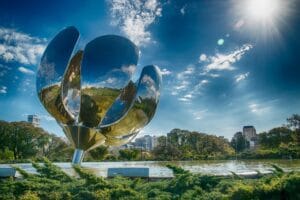
For official visitor information, visit:
Why Is Buenos Aires Famous?
Buenos Aires is famous for its tango music and dance, passionate football culture, elegant architecture, delicious Argentine beef, vibrant arts scene, and historic neighborhoods.
The city has long been one of Latin America’s cultural capitals, attracting writers, artists, musicians, and travelers from around the world. Its unique mix of European influences and Argentine traditions creates an atmosphere unlike any other destination in South America.
Buenos Aires is also celebrated for its cafés, bookstores, theatres, museums, and lively public squares that reflect the city’s rich cultural identity.
Visit Plaza de Mayo
One of the city’s most important historic landmarks is Plaza de Mayo.
Since the city’s early history, this central square has been the setting for major political, cultural, and social events in Argentina. Visitors can admire beautiful colonial architecture, historic monuments, and government buildings while learning about the country’s fascinating past.
The square remains one of Buenos Aires’ most visited attractions and serves as an excellent starting point for exploring the historic city center.
Explore Casa Rosada
Overlooking Plaza de Mayo stands the iconic Casa Rosada, the official executive office of Argentina’s president.
Its distinctive pink façade has become one of the country’s most recognizable landmarks. Visitors can admire its impressive architecture and learn about its important role in Argentine political history.
Casa Rosada has witnessed numerous historic speeches, celebrations, and national events, making it a symbol of Argentina’s democratic institutions.
Discover Teatro Colón
The magnificent Teatro Colón is widely regarded as one of the world’s finest opera houses.
Opened in 1908, the theatre is celebrated for its exceptional acoustics, luxurious interiors, elegant architecture, and outstanding artistic performances.
Visitors can join guided tours to admire beautifully decorated halls, grand staircases, rehearsal rooms, and the spectacular main auditorium.
The theatre continues to host internationally renowned opera, ballet, and classical music performances throughout the year.
Walk Through La Boca
One of Buenos Aires’ most colorful neighborhoods is La Boca.
Famous for its brightly painted houses, lively atmosphere, street performers, and artistic traditions, La Boca offers visitors a vibrant introduction to Argentine culture.
The neighborhood’s famous Caminito street features local artists, tango dancers, souvenir shops, cafés, and galleries that celebrate Buenos Aires’ creative spirit.
La Boca remains one of the city’s most photographed destinations.
Visit Recoleta Cemetery
The historic Recoleta Cemetery is one of the world’s most remarkable cemeteries.
Rather than a traditional burial ground, it resembles an open-air museum filled with elaborate mausoleums, sculptures, chapels, and impressive architectural monuments.
Many of Argentina’s most influential political leaders, writers, scientists, and public figures are buried here, including Eva Perón.
Walking through its peaceful avenues provides fascinating insights into Argentina’s history and artistic heritage.
Explore Palermo
The neighborhood of Palermo is one of Buenos Aires’ most fashionable districts.
Known for its tree-lined streets, parks, botanical gardens, trendy cafés, restaurants, designer boutiques, and nightlife, Palermo offers visitors a modern contrast to the city’s historic center.
The area is especially popular among food lovers, photographers, and travelers seeking contemporary Argentine culture.
Discover San Telmo
San Telmo is one of the oldest neighborhoods in Buenos Aires.
Its cobblestone streets, colonial architecture, antique shops, historic cafés, and traditional tango performances preserve much of the city’s historic character.
On weekends, the famous San Telmo Market attracts visitors searching for antiques, handmade crafts, artwork, vintage items, and authentic local cuisine.
The neighborhood provides an excellent opportunity to experience Buenos Aires’ rich cultural traditions.
Experience Argentine Cuisine
Buenos Aires is internationally recognized for its exceptional food.
The city is particularly famous for high-quality Argentine beef, expertly prepared steaks, traditional grilled meats, fresh pastries, handmade pasta, and regional desserts.
Visitors can also enjoy traditional empanadas, dulce de leche desserts, artisan ice cream, and locally produced wines from Argentina’s renowned wine regions.
Dining in Buenos Aires combines outstanding cuisine with warm hospitality and vibrant restaurant culture.
Learn About Tango Culture
Tango was born in Buenos Aires during the late nineteenth century and remains one of the city’s defining cultural traditions.
Throughout the city, visitors can experience live tango performances, dance schools, music venues, and cultural centers dedicated to preserving this internationally celebrated art form.
The emotional music, elegant choreography, and passionate storytelling of tango continue to attract audiences from around the world.
Buenos Aires remains the global capital of tango.
Visit the Metropolitan Cathedral
Located near Plaza de Mayo, Buenos Aires Metropolitan Cathedral is one of Argentina’s most important religious landmarks.
Its impressive neoclassical exterior and beautifully decorated interior reflect centuries of architectural development and religious history.
The cathedral has played an important role in the nation’s spiritual and cultural life and continues to welcome visitors from around the world.
Explore Buenos Aires’ Museums
Buenos Aires is home to numerous outstanding museums covering history, fine arts, science, contemporary culture, and Argentine heritage.
Museum collections feature works by local and international artists alongside historical artifacts that illustrate the country’s political, cultural, and artistic development.
Whether interested in painting, sculpture, archaeology, photography, or modern design, visitors will find museums suited to every interest.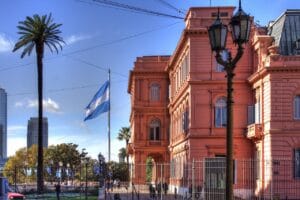
Enjoy Buenos Aires’ Café Culture
The city’s café culture forms an essential part of daily life.
Historic cafés have served writers, artists, politicians, and intellectuals for generations, creating welcoming spaces for conversation, reading, and relaxation.
Visitors can enjoy excellent Argentine coffee, freshly baked pastries, traditional desserts, and people-watching while experiencing one of Buenos Aires’ most cherished traditions.
Many historic cafés retain their original architecture and elegant interiors, adding to their timeless appeal.
Why Buenos Aires Should Be on Every Traveler’s Bucket List
Buenos Aires combines history, culture, architecture, music, gastronomy, and hospitality into one unforgettable destination.
From exploring Plaza de Mayo and Teatro Colón to discovering colorful La Boca, elegant Recoleta, and lively Palermo, visitors experience a city rich in diversity and creativity.
Whether you are passionate about tango, football, fine dining, architecture, or history, Buenos Aires offers extraordinary experiences that appeal to travelers of every age and interest.
Experience an Authentic Tango Show
No visit to Buenos Aires is complete without experiencing authentic Argentine tango. Born in the working-class neighborhoods of Buenos Aires during the late nineteenth century, tango has evolved into one of the world’s most recognized dance traditions and is an essential part of the city’s cultural identity.
Visitors can enjoy professional tango performances in historic theaters, elegant dance halls, and traditional milongas, where local dancers gather to practice and socialize. Many venues combine live orchestras, exceptional choreography, and authentic Argentine cuisine, creating an unforgettable cultural experience.
Tango performances allow travelers to understand the passion, elegance, and emotional storytelling that have made this dance famous worldwide.
Discover Puerto Madero
One of Buenos Aires’ most modern neighborhoods is Puerto Madero.
Once an old dockland district, Puerto Madero has been transformed into a vibrant waterfront area featuring luxury hotels, fine restaurants, modern office buildings, parks, and scenic walking paths.
Visitors enjoy beautiful river views, contemporary architecture, outdoor cafés, and relaxing evening strolls. The neighborhood offers a striking contrast to the city’s historic districts while showcasing Buenos Aires’ modern development.
Visit the Japanese Garden
The beautiful Buenos Aires Japanese Garden is one of the largest Japanese gardens outside Japan.
The garden features peaceful ponds, elegant bridges, traditional landscaping, koi fish, bonsai collections, and authentic Japanese architecture. Visitors appreciate its tranquil atmosphere while enjoying tea ceremonies, cultural exhibitions, and seasonal flower displays.
It provides an ideal escape from the busy city center and remains one of Buenos Aires’ most relaxing attractions.
Best Time to Visit Buenos Aires
Buenos Aires is an attractive destination throughout the year, although each season offers a different travel experience.
Spring, from September to November, is widely regarded as one of the best times to visit because of mild temperatures, blooming jacaranda trees, and comfortable sightseeing conditions. Autumn, from March to May, also provides pleasant weather and fewer crowds.
Summer can be warm and humid, while winter offers cooler temperatures that remain comfortable for exploring museums, theaters, cafés, and historic neighborhoods.
Is Buenos Aires Expensive for Tourists?
Buenos Aires is generally considered more affordable than many major cities in North America and Western Europe.
Visitors can find accommodation, dining, transportation, and entertainment options across a wide range of budgets. Luxury hotels and fine dining are available, but travelers can also enjoy excellent local restaurants, cafés, public parks, museums, and cultural attractions at reasonable prices.
Planning ahead and comparing accommodation options can help maximize value during your visit.
How Many Days Do You Need in Buenos Aires?
A stay of four to five days is ideal for first-time visitors.
This allows enough time to explore Plaza de Mayo, Casa Rosada, Teatro Colón, Recoleta Cemetery, La Boca, Palermo, San Telmo, Puerto Madero, museums, parks, and traditional tango performances while also experiencing the city’s renowned food culture.
Travelers interested in nearby destinations or football matches may wish to extend their stay to one week.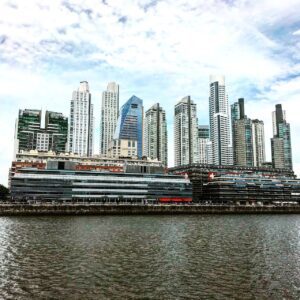
Public Transportation in Buenos Aires
Buenos Aires has one of South America’s most extensive public transportation systems.
The city is served by buses, commuter trains, and the historic subway system known as the Subte, which connects many major tourist attractions and business districts. Taxis and ride-hailing services are also widely available, while walking remains one of the best ways to explore neighborhoods such as San Telmo, Palermo, and Recoleta.
Transportation is generally convenient, making it easy for visitors to navigate the city.
Shopping in Buenos Aires
Buenos Aires offers outstanding shopping opportunities for every traveler.
Visitors can browse designer boutiques, shopping malls, artisan markets, bookstores, antique shops, and local craft stores. Popular purchases include Argentine leather products, handcrafted jewelry, traditional mate accessories, tango souvenirs, local artwork, and premium Argentine wines.
Markets in San Telmo and boutiques in Palermo provide particularly memorable shopping experiences.
Explore Buenos Aires’ Nightlife
Buenos Aires is famous for its energetic nightlife.
The city offers elegant cocktail bars, rooftop lounges, live music venues, jazz clubs, theaters, comedy performances, and traditional tango houses. Many restaurants remain open late into the evening, reflecting the city’s vibrant social culture.
Whether enjoying a live tango performance or relaxing at an outdoor café, visitors quickly discover why Buenos Aires is regarded as one of Latin America’s most exciting cities after dark.
Take a Day Trip from Buenos Aires
Buenos Aires serves as an excellent base for exploring nearby destinations.
Visitors often take day trips to Tigre to explore the Paraná Delta by boat, visit charming riverside markets, and enjoy outdoor recreation. Others choose to spend time in the historic town of San Antonio de Areco, where Argentina’s traditional gaucho culture can be experienced through ranch visits, horseback riding, and local festivals.
These excursions provide a deeper understanding of Argentina beyond its capital city.
Is Buenos Aires Safe for Tourists?
Buenos Aires is a popular international destination and is generally safe for visitors who follow standard travel precautions.
Travelers should remain aware of their surroundings, keep valuables secure, avoid displaying expensive items unnecessarily, and use licensed transportation services when appropriate. Staying informed about local advice and exercising common sense contributes to a safe and enjoyable visit.
Most tourists explore the city’s major attractions without difficulty while enjoying its welcoming atmosphere.
Why Buenos Aires Is Worth Visiting
Buenos Aires combines European elegance with distinctive Argentine traditions, creating one of South America’s most fascinating destinations.
Its historic landmarks, vibrant neighborhoods, outstanding museums, world-famous tango, excellent cuisine, welcoming cafés, and passionate football culture provide visitors with an exceptional variety of experiences.
Whether admiring the grandeur of Teatro Colón, strolling through Recoleta, watching tango dancers in San Telmo, or enjoying an authentic Argentine steak, every visit reveals another layer of the city’s unique character.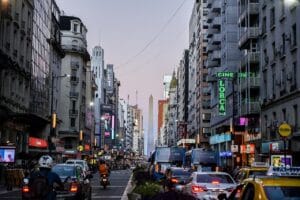
Conclusion
Buenos Aires is a destination that successfully blends history, culture, architecture, gastronomy, music, and modern urban life. Visitors can explore famous attractions such as Plaza de Mayo, Casa Rosada, Teatro Colón, and Recoleta Cemetery while also experiencing authentic tango performances, beautiful parks, vibrant markets, and exceptional Argentine cuisine.
Whether you are visiting for history, culture, food, art, nightlife, or simply to experience one of South America’s most dynamic cities, Buenos Aires offers unforgettable memories and rewarding experiences for every traveler.
For official travel information, visit:
Author

Related posts
Best Places to Visit in Dinant
- 0
- 4,895 words
Best Places to Visit in Dinant, Belgium Dinant is one of the most beautiful small towns in Belgium and one of the...
Read out all
Best Places to Visit in Mont-Saint-Michel
- 0
- 4,974 words
Best Places to Visit in Mont-Saint-Michel , France Mont-Saint-Michel is one of the most extraordinary destinations in France and one of the...
Read out all
UNGA
- 0
- 5,649 words
UNGA (United Nations General Assembly ) The United Nations General Assembly, commonly known as the UN General Assembly or UNGA, is one...
Read out all
Best Places to Visit in Kathmandu
- 0
- 4,089 words
Best Places to Visit in Kathmandu , Nepal Kathmandu, the capital of Nepal, is one of South Asia’s most fascinating travel destinations....
Read out all
Best Places to Visit in Vilnius
- 0
- 5,246 words
Best Places to Visit in Vilnius , Lithuania Vilnius, the capital of Lithuania, is one of the most fascinating destinations in the...
Read out all
Best Places to Visit in Riga
- 0
- 6,005 words
Best Places to Visit in Riga , Latvia Riga, the capital of Latvia, is one of the most fascinating destinations in the...
Read out all