

Taipei, Taiwan
Taipei is a city where ancient traditions, modern architecture, mountain landscapes, incredible food, temples, shopping districts, hot springs, museums, and lively night markets come together in one remarkably accessible destination. As the capital of Taiwan, Taipei is the country’s political, cultural, economic, and transportation center, but it also feels surprisingly relaxed and approachable for travelers. Taiwan’s Tourism Administration describes Taipei as a modern cosmopolitan city where historic temples, contemporary urban life, restaurants, night markets, mountains, parks, and hot springs exist side by side.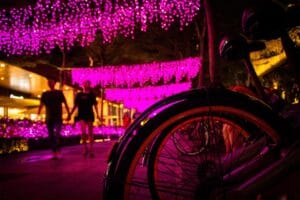
For anyone researching Taipei travel, things to do in Taipei, or the best places to visit in Taiwan, the city offers an unusually broad range of experiences. You can admire the skyline from Taipei 101 in the morning, examine centuries-old Chinese treasures at the National Palace Museum in the afternoon, eat your way through a night market after sunset, and finish the day in a traditional hot spring.
Taipei is also an excellent base for exploring northern Taiwan. Day trips can take you toward mountain villages, coastal landscapes, hot-spring towns, historic districts, waterfalls, tea plantations, and other destinations around the Taipei Basin.
The official Taipei Travel website currently lists hundreds of attractions and provides information about transportation, maps, public buses, YouBike, the MRT, airport connections, events, and tourist services.
Understanding Taipei Before Your Trip
Taipei sits in northern Taiwan in a basin surrounded by mountains. This geography is one of the reasons the city feels different from many other Asian capitals. Dense urban neighborhoods occupy the central areas, while forested hills and volcanic mountain landscapes begin surprisingly close to the city center.
The result is a destination where nature is never very far away. Travelers can spend the morning hiking, return to the city for lunch, visit a museum during the afternoon, and explore a night market in the evening.
Taipei’s identity is also shaped by layers of history. Japanese colonial architecture like japan, traditional Chinese temples like china, modern Taiwanese culture, indigenous influences, contemporary art, and international business all contribute to the city’s character.
This mixture is one of the strongest reasons to include Taipei, Taiwan in an Asian travel itinerary.
Taipei 101: The City’s Most Iconic Landmark
No Taipei sightseeing itinerary is complete without Taipei 101. Standing at 508 meters, the skyscraper dominates the Taipei skyline and has become one of Taiwan’s most recognizable symbols.
Taipei 101 was the world’s tallest building from 2004 until 2010. Its architecture combines modern engineering with traditional East Asian symbolism, including design elements inspired by bamboo and auspicious numerology.
The observation deck provides extraordinary views across Taipei and the surrounding mountains. According to Taiwan’s official tourism information, the 89th-floor observation deck sits approximately 382 meters above the ground and offers 360-degree panoramic views. Visitors can also see the building’s enormous tuned mass damper, an engineering feature designed to help stabilize the tower during strong winds and earthquakes.
For first-time visitors, Taipei 101 is more than a viewpoint. It is an introduction to the city’s modern identity.
Official information can be checked through Taipei Travel and the building’s own visitor information before visiting.
Visit Taipei 101 at Sunset
Sunset is one of the best times to visit Taipei 101 because the city changes dramatically as daylight fades.
During clear weather, the mountains surrounding Taipei become visible beyond the dense urban landscape. As evening arrives, thousands of buildings begin illuminating the city, while Taipei’s streets transform into a network of lights.
Photographers should consider visiting shortly before sunset rather than arriving after dark. This provides an opportunity to photograph both daylight and nighttime Taipei from the same location.
See Taipei 101 From Elephant Mountain
One of the most famous viewpoints of Taipei 101 is Xiangshan, also known as Elephant Mountain.
The Xiangshan Hiking Trail climbs through forested slopes overlooking the city. The trail is relatively close to central Taipei and has become one of the city’s most popular locations for sunset photography.
The reward for the climb is an extraordinary view of Taipei 101 surrounded by the city’s dense urban landscape.
Taipei’s official attraction directory lists Xiangshan among its major attractions, alongside Taipei 101, Longshan Temple, the National Palace Museum, Dihua Street, and major night markets.
The trail involves stairs and elevation, so comfortable footwear is recommended. Going during cooler hours also makes the climb much more enjoyable.
Explore Xinyi District
Xinyi District is Taipei’s modern commercial heart and the neighborhood surrounding Taipei 101.
Here you will find luxury shopping malls, international restaurants, department stores, offices, cultural venues, cafés, hotels, and modern public spaces.
The contrast between Xinyi and older parts of Taipei demonstrates the city’s unusual architectural diversity. Within a short MRT journey, visitors can move from centuries-old temples and traditional markets into a skyline dominated by contemporary towers.
Xinyi is especially attractive at night when Taipei 101 is illuminated and the surrounding streets become energetic with shoppers, restaurants, and entertainment.
Visit the National Palace Museum
The National Palace Museum is one of the most important cultural attractions in Taipei and one of the world’s great museums of Chinese art.
Its collection includes hundreds of thousands of historical objects representing centuries of Chinese artistic and cultural development. Among its most famous treasures are the Jadeite Cabbage and the Meat-shaped Stone.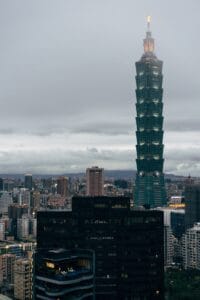
The museum itself is designed in a traditional Chinese palace-inspired style, creating a striking setting for the collection.
Taiwan’s official tourism information describes the National Palace Museum as a world-renowned cultural destination and highlights its extensive collection, multilingual guided tours, lectures, and educational programs.
For travelers interested in Chinese history, art, calligraphy, ceramics, jade, painting, and imperial culture, this should be one of the highest priorities on a Taipei itinerary.
Check the museum’s official website for current exhibitions, opening times, ticket information, and collection highlights before your visit.
Discover the Famous Jadeite Cabbage
The Jadeite Cabbage is one of the National Palace Museum’s most recognizable objects.
Carved from a piece of jade containing different natural colors, the sculpture cleverly uses the stone’s variations to represent the leaves and stalk of a cabbage.
Its popularity demonstrates how Chinese craftsmen could transform naturally occurring materials into objects combining technical skill, symbolism, and aesthetic beauty.
The museum’s collection contains many other objects that are equally important historically, so visitors should avoid treating the Jadeite Cabbage as the only reason to visit.
Explore Dihua Street
Dihua Street is one of Taipei’s best neighborhoods for experiencing historic architecture, traditional commerce, tea shops, herbal medicine stores, fabric businesses, cafés, restaurants, and cultural boutiques.
Located in the Dadaocheng area, the street preserves buildings and streetscapes that reflect Taipei’s commercial history.
Taiwan’s official tourism information identifies Dihua Street, Dadaocheng, and the surrounding historic district as important attractions.
The atmosphere becomes especially interesting around traditional festivals, when shops and streets fill with decorations and seasonal products.
Experience Dadaocheng’s Historic Atmosphere
Dadaocheng is more than a single street. It is a historic district where older commercial buildings, traditional shops, restaurants, temples, creative businesses, and modern cafés coexist.
The district offers a slower pace than the commercial center around Taipei 101.
Visitors can spend several hours walking through the neighborhood, stopping for tea, traditional snacks, photographs, and small independent shops.
Dadaocheng is particularly rewarding for travelers who want to discover old Taipei rather than only visiting the city’s modern landmarks.
Visit Longshan Temple
Lungshan Temple, commonly called Longshan Temple, is one of Taipei’s most important religious and historical landmarks.
Founded in the 18th century, the temple has experienced destruction and reconstruction throughout its history but remains an active place of worship.
Its ornate roof decorations, carved columns, incense-filled courtyards, statues, and ceremonial spaces provide visitors with an opportunity to observe traditional Taiwanese religious culture.
Taiwan’s Tourism Administration lists Longshan Temple among Taipei’s leading attractions, categorizing it as a historic site and place associated with prayer and blessings.
Visitors should remember that Longshan Temple is a functioning religious site rather than simply a tourist attraction. Dressing respectfully and avoiding disruptive photography during ceremonies are important.
Explore Bopiliao Historical Block
Near Longshan Temple is Bopiliao Historical Block, an area known for its historic architecture and preserved streets.
The red-brick buildings and traditional façades provide a glimpse into earlier periods of Taipei’s urban development.
Because Bopiliao is close to Longshan Temple and Huaxi Street, these attractions can easily be combined into one walking route.
This is an excellent neighborhood for travelers interested in Taipei history, traditional architecture, and cultural tourism.
Walk Through Ximending
Ximending is one of Taipei’s most energetic neighborhoods and a major center for shopping, entertainment, street food, fashion, youth culture, and nightlife.
Often compared with other famous Asian entertainment districts, Ximending has its own distinctive Taiwanese personality.
Pedestrian streets fill with restaurants, shops, cafés, street performers, cinemas, and colorful signs.
The district is particularly lively after dark.
Taiwan’s Tourism Administration identifies Ximending as one of Taipei’s major visitor attractions.
Visit the Red House
The Red House in Ximending is one of Taipei’s best-known historic buildings.
Its distinctive red-brick architecture dates from the early 20th century and has become associated with cultural activities, creative businesses, exhibitions, and the surrounding arts community.
The Red House demonstrates how Taipei has adapted historical architecture to contemporary urban culture.
It is an excellent stop while exploring Ximending.
Explore Taipei’s Night Markets
Taipei’s night markets are among the city’s most famous attractions and an essential part of Taipei food culture.
The markets combine street food, shopping, entertainment, games, local snacks, desserts, drinks, and social life.
Taiwan’s official tourism information highlights night markets as one of Taipei’s defining experiences and lists Shilin, Raohe, Huaxi Street, and other markets among major attractions.
For travelers visiting Taipei for the first time, spending an evening at a night market is almost essential.
Taste the Food at Raohe Street Night Market
Raohe Street Tourist Night Market is one of Taipei’s most famous food markets.
The market stretches along a relatively compact route, making it convenient for first-time visitors who want to sample multiple Taiwanese dishes without becoming overwhelmed by an enormous market.
Popular foods include pepper buns, grilled seafood, oyster omelets, fried snacks, noodles, fruit desserts, and traditional sweets.
The ornate entrance gate and nearby Songshan Ciyou Temple add a cultural dimension to the food experience.
Taiwan’s Tourism Administration specifically lists Raohe Street Tourist Night Market among Taipei’s major attractions.
Explore Shilin Night Market
Shilin Night Market is one of the most famous names in Taipei night market tourism.
The area offers a huge variety of food, shopping, clothing, souvenirs, games, and entertainment.
Because it is large and popular, visitors should expect crowds, particularly during peak evening hours.
Travelers interested in trying many different Taiwanese foods in one evening will find plenty of options here.
Try Traditional Taiwanese Street Food
Taipei’s food culture deserves an entire trip by itself.
Visitors should try foods such as beef noodle soup, scallion pancakes, oyster omelets, xiaolongbao, lu rou fan, fried chicken, pepper buns, stinky tofu, shaved ice, pineapple cakes, and bubble tea.
Not every dish will appeal to every traveler, but part of the pleasure is experimenting.
Taipei’s food scene ranges from Michelin-recognized restaurants to tiny family-run stalls, making it possible to experience both sophisticated and extremely casual Taiwanese cuisine.
Eat Authentic Beef Noodle Soup
Beef noodle soup is one of Taiwan’s most recognizable comfort foods.
The dish combines slow-cooked beef, noodles, vegetables, herbs, and a richly flavored broth.
Different restaurants use different combinations of spices and preparation techniques, so there is no single definitive version.
Trying beef noodle soup at a local restaurant is one of the easiest ways to begin exploring Taiwanese cuisine.
Try Xiao Long Bao
Taipei is famous for soup dumplings, especially at internationally recognized restaurants such as Din Tai Fung.
Xiaolongbao contain delicate dumpling wrappers filled with savory meat and hot soup.
The proper technique involves carefully lifting the dumpling, placing it into a spoon, creating a small opening to release some steam, and then eating it carefully.
Taipei is one of the best places in the world to experience this style of dumpling.
Best Time to Visit Taipei
Taipei can be visited throughout the year, but different seasons offer different experiences.
Spring brings pleasant temperatures and seasonal flowers.
Summer is hot and humid and can experience heavy rain and typhoons, but the city remains lively and indoor attractions provide plenty of alternatives.
Autumn is often attractive for travelers who prefer milder weather.
Winter can be cool, damp, and cloudy, but it is an excellent time for hot springs, museums, tea houses, and food-focused travel.
Because weather conditions can change, travelers should check official forecasts shortly before departure.
Taipei in Spring
Spring is an attractive season for exploring Taipei’s mountains and parks.
Yangmingshan can be particularly beautiful when flowers are blooming.
The combination of comfortable temperatures and green landscapes makes spring suitable for hiking and outdoor sightseeing.
Taipei in Summer
Summer in Taipei is hot, humid, and sometimes rainy.
Plan outdoor activities early in the morning and keep museums, shopping centers, cafés, and cultural attractions available for the hottest parts of the day.
Always carry water and consider sun protection.
Taipei in Autumn
Autumn can be one of the most comfortable periods for city sightseeing.
The weather is generally more suitable for walking, hiking, and exploring outdoor neighborhoods.
It is also a good season for combining central Taipei with day trips to northern Taiwan.
Taipei in Winter
Winter brings cooler temperatures and occasional rain.
This is the perfect excuse to explore Beitou’s hot springs, drink Taiwanese tea, visit museums, eat hot noodle soups, and spend evenings in night markets.
For travelers who do not mind cooler weather, winter can be extremely rewarding.
How Many Days Do You Need in Taipei?
Three days is enough to experience Taipei’s most famous landmarks, but five days provides a much more comfortable trip.
A three-day visitor can explore Taipei 101 and Xinyi, Chiang Kai-shek Memorial Hall, Longshan Temple, Ximending, and a night market.
Five days allows time for the National Palace Museum, Beitou, Yangmingshan, Dadaocheng, Maokong, and a day trip.
Seven days provides enough time to add Jiufen, Shifen, the North Coast, additional museums, food tours, shopping, and relaxed neighborhood exploration.
Three-Day Taipei Itinerary
Day One: Taipei’s Modern and Historic Icons
Begin with Taipei 101 and the surrounding Xinyi district.
Continue to Chiang Kai-shek Memorial Hall during the afternoon.
Explore Ximending in the evening and finish the day with Taiwanese street food.
Day Two: Culture, Temples and Night Markets
Begin at the National Palace Museum.
Return toward central Taipei and explore Longshan Temple and Bopiliao Historical Block.
Continue to Dihua Street and Dadaocheng.
Finish at Raohe or another major night market.
Day Three: Mountains and Hot Springs
Spend the morning in Beitou.
Explore Thermal Valley and the hot-spring district before continuing toward Yangmingshan.
Alternatively, take the Maokong Gondola and enjoy tea in the mountains before returning to Taipei.
Five-Day Taipei Itinerary
A five-day trip can combine the major attractions with one day outside the city.
Spend the first day around Taipei 101, Xinyi, and Elephant Mountain.
Use the second day for Longshan Temple, Ximending, Dihua Street, and a night market.
Spend the third day at the National Palace Museum and Beitou.
Use the fourth day for Jiufen and Shifen.
Keep the fifth day flexible for Maokong, shopping, cafés, museums, or another neighborhood.
Seven-Day Taipei Itinerary
A week allows travelers to experience Taipei without rushing.
The first two days can focus on central attractions.
The third day can be dedicated to museums and cultural districts.
The fourth day can explore Beitou and Yangmingshan.
The fifth day can be spent in Jiufen and Shifen.
The sixth day can explore Maokong and Taipei Zoo.
The seventh day can remain flexible for food, shopping, markets, cafés, and attractions missed earlier.
Where to Stay in Taipei
Taipei offers accommodation in almost every price category, from hostels and guesthouses to international luxury hotels.
Ximending is particularly convenient for first-time visitors who prioritize nightlife, shopping, and easy transportation.
Xinyi is ideal for travelers who prefer modern luxury, Taipei 101 views, shopping, and business-district convenience.
Zhongshan and Da’an offer attractive options for travelers interested in cafés, restaurants, design, and neighborhood culture.
Staying near an MRT station is generally more important than choosing a hotel based solely on its neighborhood name.
Is Taipei Expensive?
Compared with many major Asian capitals, Taipei can be relatively accessible for budget travelers.
Public transportation is convenient, local food can be inexpensive, and many cultural attractions and public spaces are affordable or free.
However, luxury hotels, international restaurants, premium shopping, and private excursions can significantly increase the cost.
A traveler can therefore experience Taipei on either a modest budget or a luxury travel budget.
Is Taipei Good for Families?
Taipei is an excellent family destination.
Children can enjoy Taipei Zoo, the Maokong Gondola, night markets, parks, museums, interactive exhibitions, and easy public transportation.
The city’s combination of modern infrastructure and accessible attractions makes it particularly convenient for families traveling with children.
Is Taipei Good for Couples?
Taipei offers plenty for couples, including mountain tea houses, night markets, sunset viewpoints, hot springs, romantic restaurants, cafés, and scenic day trips.
Watching the city from Elephant Mountain, enjoying tea in Maokong, and visiting Jiufen can create especially memorable experiences.
Is Taipei Good for Solo Travelers?
Taipei is particularly suitable for solo travel because attractions are easy to reach independently and the city offers many casual food experiences.
Night markets, cafés, museums, temples, hiking trails, and public transportation allow solo travelers to build flexible schedules.
The ability to travel independently without renting a car is another major advantage.
Responsible Tourism in Taipei
Travelers can help protect Taipei’s environment and culture by using public transportation, reducing disposable plastics, respecting temples, following hiking-trail regulations, avoiding littering, and supporting independent local businesses.
When visiting religious sites, remember that worshippers are using the space for genuine religious practices.
When visiting mountain areas, remain on marked trails and respect wildlife.
Responsible tourism helps ensure that Taipei remains both a welcoming destination and a livable city.
Why Taipei Is One of Asia’s Best City Destinations
Taipei’s greatest strength is its balance.
It is modern without losing its traditions.
It is densely urban but surrounded by mountains.
It has sophisticated restaurants alongside inexpensive street food.
It contains enormous museums and tiny neighborhood temples.
It offers skyscraper viewpoints and forest hiking trails.
It has luxury shopping districts alongside traditional markets.
And perhaps most importantly, the city is easy to explore.
Taipei’s official transportation information confirms that the MRT is a central component of the city’s public transportation network, while EasyCard provides convenient access to multiple transportation and retail services.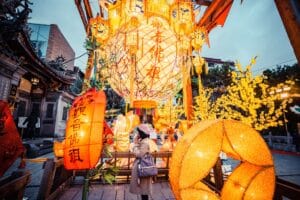
That combination makes Taipei an excellent destination for first-time visitors to Taiwan as well as experienced travelers looking for a deeper exploration of East Asia.
Conclusion
Taipei is much more than a gateway to Taiwan. It is a destination capable of filling an entire vacation with food, culture, history, nature, shopping, architecture, and memorable experiences.
The city’s iconic skyline begins with Taipei 101, but its personality is revealed through its neighborhoods.
Longshan Temple introduces visitors to Taiwan’s living religious traditions. Dihua Street and Dadaocheng reveal the city’s commercial history. Ximending showcases contemporary youth culture. Night markets demonstrate why Taiwanese food is internationally celebrated. The National Palace Museum connects Taipei with centuries of Chinese artistic heritage.
Beyond the city center, Yangmingshan and Beitou demonstrate Taipei’s extraordinary relationship with nature. Maokong introduces visitors to Taiwan’s tea culture, while Jiufen, Shifen, and the North Coast provide easy opportunities to explore beyond the capital.
For current opening hours, exhibitions, transportation information, events, maps, accessibility information, and attraction updates, use official tourism resources rather than relying exclusively on older travel articles.
Official Taipei Tourism: Taipei Travel — Taipei City’s official tourism website provides attraction information, events, maps, transportation resources, tourist services, and current city updates.
Official Taiwan Tourism Administration: Taiwan Tourism — the national tourism authority’s official travel information for Taipei and destinations throughout Taiwan.
Official Taipei MRT information: Taipei Metro travel information — current information about MRT routes, tickets, fares, and travel procedures.
Official Taipei attractions directory: Taipei attractions — the official attraction database currently lists hundreds of Taipei attractions and allows visitors to search by category and accessibility.
Author

Related posts
Best Places to Visit in Dinant
- 0
- 4,895 words
Best Places to Visit in Dinant, Belgium Dinant is one of the most beautiful small towns in Belgium and one of the...
Read out all
Best Places to Visit in Mont-Saint-Michel
- 0
- 4,974 words
Best Places to Visit in Mont-Saint-Michel , France Mont-Saint-Michel is one of the most extraordinary destinations in France and one of the...
Read out all
UNGA
- 0
- 5,649 words
UNGA (United Nations General Assembly ) The United Nations General Assembly, commonly known as the UN General Assembly or UNGA, is one...
Read out all
Best Places to Visit in Kathmandu
- 0
- 4,089 words
Best Places to Visit in Kathmandu , Nepal Kathmandu, the capital of Nepal, is one of South Asia’s most fascinating travel destinations....
Read out all
Best Places to Visit in Vilnius
- 0
- 5,246 words
Best Places to Visit in Vilnius , Lithuania Vilnius, the capital of Lithuania, is one of the most fascinating destinations in the...
Read out all
Best Places to Visit in Riga
- 0
- 6,005 words
Best Places to Visit in Riga , Latvia Riga, the capital of Latvia, is one of the most fascinating destinations in the...
Read out all