

Best Things to Do in Bogota , Colombia
Bogotá, the capital of Colombia, is one of the most fascinating cities in South America and an increasingly popular destination for travelers looking for history, culture, art, food, architecture, nature, and authentic Colombian experiences. Located high in the Andes Mountains at approximately 2,600 meters above sea level, Bogotá offers a completely different atmosphere from Colombia’s Caribbean coastal destinations. Its cool mountain climate, historic neighborhoods, dramatic surrounding landscapes, museums, restaurants, markets, and vibrant cultural scene make it an exciting destination for both first-time visitors and experienced travelers.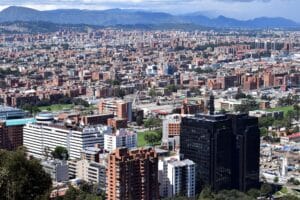
For anyone searching for the best things to do in Bogotá, Colombia, the city offers an impressive combination of historic landmarks and modern attractions. Travelers can explore the cobblestone streets of La Candelaria, admire colonial architecture, visit the world-famous Gold Museum, discover the artistic legacy of Fernando Botero, climb Monserrate for spectacular views, explore colorful street art, taste traditional Colombian cuisine, and experience the lively atmosphere of Bogotá’s neighborhoods.
Why Bogotá Is Worth Visiting
Bogotá is worth visiting because it offers an authentic introduction to Colombia’s history, culture, and modern urban life. While destinations such as Cartagena are famous for their colonial architecture and Caribbean atmosphere, Bogotá provides a different perspective on the country through its museums, mountain setting, cultural institutions, restaurants, universities, galleries, and historic neighborhoods.
The city is particularly attractive to travelers interested in museums and art. Bogotá has some of the most important cultural institutions in Colombia, including the Museo del Oro, Museo Botero, Museo Nacional de Colombia, and numerous contemporary art galleries.
The surrounding Andes Mountains provide another reason to visit. The dramatic elevation gives Bogotá panoramic viewpoints and access to natural destinations outside the city. Monserrate is the most famous example, but travelers can also explore waterfalls, forests, hiking trails, lagoons, and smaller mountain communities in the surrounding region.
Bogotá is also one of Colombia’s most important culinary destinations. Traditional dishes such as ajiaco, tamal, bandeja paisa, empanadas, arepas, and chocolate con queso provide visitors with an opportunity to discover the country’s regional food culture.
Explore La Candelaria
La Candelaria is the historic heart of Bogotá and one of the first places travelers should visit. The neighborhood is characterized by colorful colonial buildings, narrow streets, historic churches, museums, universities, cafés, restaurants, galleries, and vibrant street art.
Walking through La Candelaria feels like stepping into another period of Bogotá’s history. Many buildings preserve architectural details from the colonial and republican periods, while contemporary murals and independent businesses create a lively modern atmosphere.
The neighborhood is compact enough to explore on foot, although the steep streets and altitude can make walking more tiring than expected. Travelers should take their time, stay hydrated, and allow themselves to adjust to Bogotá’s elevation.
La Candelaria is also home to many of Bogotá’s most important attractions, making it an ideal starting point for a first visit.
Visit Plaza de Bolívar
Plaza de Bolívar is the central public square of Bogotá’s historic district and one of the most important landmarks in the city.
The square is surrounded by significant buildings, including Bogotá Cathedral, the Capitolio Nacional, the Palacio Liévano, and the Palacio de Justicia.
The plaza has played an important role in Bogotá’s political and historical development. Today, it remains a busy public space where visitors can observe local life while admiring the surrounding architecture.
The large open square provides an excellent starting point for exploring La Candelaria because many major attractions are within walking distance.
Explore Bogotá Cathedral
The Catedral Primada de Colombia, officially known as the Metropolitan and Primate Cathedral Basilica of Bogotá, is one of the most important religious buildings in Colombia.
Located on Plaza de Bolívar, the cathedral dominates the historic square with its impressive neoclassical architecture.
The current structure reflects several stages of construction and rebuilding, demonstrating the long architectural history of Bogotá.
Visitors interested in Colombian history, architecture, and religion should include the cathedral during their exploration of the historic center.
Visit the Museo del Oro
The Museo del Oro, or Gold Museum, is one of the best things to do in Bogotá and one of the most important museums in Colombia.
The museum contains an extraordinary collection of pre-Columbian gold and other archaeological artifacts representing Indigenous cultures that existed in the region before the arrival of the Spanish.
The collection demonstrates the importance of gold in Indigenous societies and challenges the common misconception that gold was valued only for monetary reasons. Many objects had religious, ceremonial, political, and symbolic significance.
The museum provides an essential introduction to Colombia’s Indigenous heritage and is particularly useful for travelers who want to understand the country’s history before European colonization.
The museum’s official website provides current information about exhibitions, tickets, opening times, and visitor services.
Museo del Oro – Official Website
Discover Pre-Columbian Colombia at the Gold Museum
One of the most fascinating aspects of the Museo del Oro is the opportunity to learn about the sophisticated societies that existed in Colombia before Spanish colonization.
The artifacts reveal advanced techniques in metalworking, craftsmanship, symbolism, and artistic expression.
The famous Muisca tradition of goldworking is particularly important when discussing the cultural history of the Bogotá region.
The museum therefore provides historical context for the legend of El Dorado and helps visitors understand why Colombia became associated with stories of extraordinary wealth.
Learn About the Legend of El Dorado
The legend of El Dorado is closely associated with Colombia and particularly with the Indigenous Muisca people of the Bogotá highlands.
Although popular European interpretations transformed the story into a search for a lost golden city, its historical roots are connected to Indigenous ceremonial traditions.
The Museo del Oro provides valuable context for understanding the origins of the legend.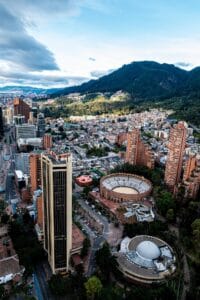
Learning about El Dorado in Bogotá is much more meaningful after visiting the museum and understanding the historical cultures behind the story.
Visit the Museo Botero
The Museo Botero is another major cultural attraction in Bogotá.
The museum is dedicated to Colombian artist Fernando Botero, internationally known for his distinctive artistic style featuring figures with exaggerated volume.
The collection includes numerous works by Botero as well as pieces by other internationally recognized artists.
The museum is located in La Candelaria, making it convenient to combine with the Gold Museum and other historic attractions.
For art lovers, the Museo Botero is one of the essential places to visit in Bogotá.
Museo Botero – Official Website
Explore Fernando Botero’s Artistic Legacy
Fernando Botero is one of Colombia’s most internationally recognized artists, and his work has become an important part of Colombian cultural identity.
His distinctive style is often immediately recognizable because of its emphasis on volume and proportion.
Exploring Botero’s work in Bogotá provides travelers with a deeper understanding of one of Colombia’s most influential modern artists.
The museum’s collection also places Botero’s work within a broader international artistic context.
Visit the Museo Nacional de Colombia
The Museo Nacional de Colombia is one of the country’s most important museums.
Located in a historic former prison building, the museum contains collections covering Colombian archaeology, history, art, and culture.
The museum provides a broader historical perspective than many specialized museums in Bogotá.
Travelers who want to understand Colombia’s development from Indigenous societies through colonialism, independence, and modern history can benefit greatly from a visit.
Museo Nacional de Colombia – Official Website
Explore Bogotá’s Street Art
Bogotá is internationally recognized for its vibrant street-art culture.
Colorful murals can be found throughout the city, especially around La Candelaria and other central neighborhoods.
The artwork ranges from large-scale political murals to colorful portraits, abstract compositions, Indigenous themes, social commentary, and contemporary Colombian identity.
Street art is not simply decoration in Bogotá. It has become an important part of the city’s cultural conversation.
Visitors can explore murals independently or join a guided Bogotá street-art tour to learn about artists, techniques, historical events, and social themes.
Hike Up Monserrate
Adventure travelers can hike to Monserrate using the established mountain trail.
The hike is physically demanding because of the altitude and steep elevation gain.
Visitors should be properly acclimatized, carry water, wear suitable footwear, and pay attention to local safety guidance.
For travelers who enjoy hiking, reaching the summit under their own power can be particularly rewarding.
Visit the Sanctuary of Monserrate
The sanctuary at the summit of Monserrate is an important religious destination for Colombians.
The site has a long history of pilgrimage and remains a significant place of worship.
Visitors should remember that Monserrate is not simply a tourist viewpoint. It is also a religious site, so respectful behavior is appropriate.
Explore Bogotá’s Museums
Bogotá has one of the strongest museum scenes in Colombia.
In addition to the Gold Museum, Botero Museum, and National Museum, visitors can explore museums focused on colonial art, modern art, archaeology, military history, money, science, and cultural heritage.
Travelers interested in museums can easily spend several days exploring Bogotá’s cultural institutions.
This is especially useful during rainy periods because museums provide excellent indoor activities.
Discover Bogotá’s Colonial Architecture
Bogotá’s historic architecture reflects centuries of cultural change.
Spanish colonial buildings can be found alongside republican-era architecture and modern developments.
La Candelaria is the best area for observing historic houses with colorful facades, traditional balconies, wooden doors, and tiled roofs.
Walking through the neighborhood provides a visual history of Bogotá’s architectural evolution.
Walk Through Carrera Séptima
Carrera Séptima is one of Bogotá’s most important urban corridors.
Parts of the route have become associated with pedestrian activity, cultural events, shops, restaurants, street performers, and public life.
Walking along Carrera Séptima provides an opportunity to experience contemporary Bogotá beyond the historic district.
The atmosphere can change considerably depending on the time of day and current events.
Experience Bogotá’s Ciclovía
Bogotá is famous for its cycling culture, particularly the city’s Ciclovía program.
On designated days, numerous major roads are closed or restricted to motor vehicles, allowing cyclists, runners, skaters, and pedestrians to use them.
The program has become one of Bogotá’s most distinctive urban traditions.
For travelers interested in sustainable tourism and cycling, participating in Ciclovía can provide an authentic experience of Bogotá’s innovative approach to public space.
Explore Bogotá by Bicycle
Cycling is an excellent way to experience Bogotá.
The city’s extensive cycling infrastructure provides routes through neighborhoods, parks, and major urban areas.
Travelers can rent bicycles or join organized cycling tours.
Because Bogotá is a high-altitude city with busy roads, visitors should choose routes carefully and follow local traffic and cycling regulations.
Visit Parque Metropolitano Simón Bolívar
Parque Metropolitano Simón Bolívar is one of Bogotá’s largest urban green spaces.
The park provides opportunities for walking, cycling, jogging, outdoor activities, concerts, and relaxation.
Its large size makes it feel very different from the historic center.
For travelers who want a break from museums and urban sightseeing, the park offers a more relaxed environment.
Explore Bogotá’s Parks and Green Spaces
Bogotá has numerous parks and green spaces that contribute to the city’s quality of life.
The city’s high-altitude location and surrounding mountains create an environment where urban areas coexist closely with nature.
Visitors can explore parks in different neighborhoods, enjoy walking routes, or simply relax after a busy day of sightseeing.
Discover Usaquén
Usaquén is one of Bogotá’s most attractive neighborhoods for visitors interested in restaurants, shopping, markets, and historic atmosphere.
The neighborhood developed around a former town that was eventually incorporated into Bogotá.
Today, it combines colonial-style architecture with modern restaurants, cafés, boutiques, and cultural spaces.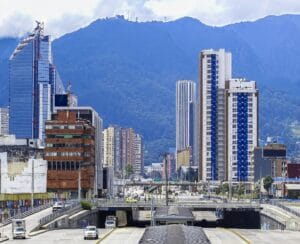
Usaquén is particularly popular during weekends when markets and local events create a lively atmosphere.
Visit the Usaquén Market
The Usaquén market is an excellent place to discover Colombian crafts, artwork, jewelry, food, and souvenirs.
The market atmosphere allows visitors to interact with local artisans and explore products representing different parts of Colombia.
Travelers looking for authentic souvenirs can spend several hours browsing the stalls and surrounding shops.
Explore Zona T
Zona T is one of Bogotá’s most popular areas for restaurants, shopping, nightlife, and entertainment.
The neighborhood has a modern atmosphere and attracts both locals and international visitors.
Travelers looking for contemporary Bogotá can explore its restaurants, cafés, bars, shopping centers, and pedestrian areas.
Discover Zona G
Zona G is famous for its food scene.
The neighborhood contains numerous restaurants ranging from Colombian cuisine to international dining and contemporary gastronomy.
For travelers who want to experience Bogotá’s modern culinary culture, Zona G is one of the best areas to explore.
Experience Colombian Cuisine in Bogotá
Food is one of the best ways to understand Bogotá and Colombia.
Bogotá’s cuisine reflects Indigenous ingredients, Spanish colonial influences, African traditions, and culinary practices from different regions of Colombia.
Because people from across the country live in the capital, visitors can taste dishes from many Colombian regions in one city.
Traditional Bogotá cuisine is particularly associated with hearty dishes suited to the city’s cool mountain climate.
Try Ajiaco Bogotano
Ajiaco is one of Bogotá’s most famous traditional dishes.
This hearty soup typically contains several types of potatoes, chicken, corn, herbs, and the distinctive herb guascas.
It is often served with avocado, capers, and cream.
Ajiaco is particularly enjoyable in Bogotá because the city’s cool climate makes warm soups especially appealing.
Trying authentic ajiaco should be part of any serious Bogotá food itinerary.
Taste Colombian Arepas
Arepas are among Colombia’s most recognizable foods.
They are made primarily from corn and can be prepared in many different ways depending on the region.
In Bogotá, visitors can find arepas served for breakfast, as snacks, or alongside other dishes.
Because Colombian arepa traditions vary across the country, trying different regional versions can be an interesting culinary experience.
Try Colombian Empanadas
Colombian empanadas are another popular food to try in Bogotá.
They are typically made with a corn-based exterior and filled with ingredients such as meat, potatoes, rice, or other regional combinations.
They are widely available from restaurants, cafés, street vendors, and markets.
For travelers exploring Bogotá on foot, empanadas provide an inexpensive way to sample Colombian flavors.
Discover Chocolate con Queso
Chocolate con queso is a traditional Colombian combination that may surprise international visitors.
Hot chocolate is served with pieces of cheese, which are sometimes placed directly into the hot drink.
The combination is particularly associated with Bogotá and the Andean region.
Although it may sound unusual, it is an important part of local food culture and worth trying at least once.
Explore Colombian Coffee Culture
Colombia is one of the world’s most famous coffee-producing countries, and Bogotá offers excellent opportunities to experience Colombian coffee.
Specialty coffee shops serve beans from different Colombian regions and often explain their origins, processing methods, and flavor profiles.
Travelers interested in coffee can learn how altitude, soil, climate, and processing influence Colombian coffee.
Bogotá is also a convenient place to purchase high-quality Colombian beans as souvenirs.
Visit a Traditional Bogotá Market
Markets provide a different perspective on Bogotá’s food culture.
Visitors can find tropical fruits, Andean produce, herbs, vegetables, meats, flowers, spices, and prepared foods.
Traditional markets are particularly valuable for travelers interested in understanding the diversity of Colombian agriculture.
The city has several markets where visitors can explore local produce and traditional dishes.
Explore Paloquemao Market
Paloquemao is one of Bogotá’s best-known traditional markets.
The market is famous for its enormous selection of fruits, vegetables, flowers, meat, seafood, and Colombian ingredients.
It is an excellent destination for food lovers and photographers.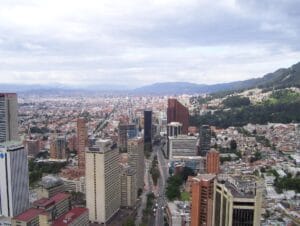
The market also provides an opportunity to observe everyday commercial life in Bogotá outside the polished tourist districts.
Take a Colombian Food Tour
A food tour is one of the best ways to experience Bogotá’s culinary culture.
A knowledgeable local guide can introduce travelers to traditional dishes, markets, snacks, fruits, coffee, desserts, and drinks while explaining their cultural significance.
Food tours can also help visitors discover restaurants and markets that they might not find independently.
Explore Bogotá’s Contemporary Art Scene
Bogotá has a strong contemporary art community.
Numerous galleries and cultural institutions showcase Colombian and international artists.
The city’s art scene explores themes such as identity, politics, conflict, migration, Indigenous heritage, urban life, and globalization.
Travelers interested in modern art should explore both established museums and independent galleries.
Visit the Museo de Arte Moderno de Bogotá
The Museo de Arte Moderno de Bogotá, commonly known as MAMBO, is one of the city’s important contemporary cultural institutions.
The museum showcases modern and contemporary art from Colombia and beyond.
Its exhibitions provide an opportunity to understand the evolution of Colombian artistic expression during the twentieth and twenty-first centuries.
Explore Bogotá’s Cultural Centers
Cultural centers throughout Bogotá host exhibitions, performances, workshops, concerts, film screenings, and educational programs.
Travelers should check current cultural calendars because programming changes frequently.
Visiting cultural centers can provide a more local experience than visiting only the city’s major tourist attractions.
Discover Bogotá’s Music Scene
Bogotá has a diverse music scene that includes Colombian traditional music, Latin American genres, rock, electronic music, jazz, and international performances.
The city hosts concerts and festivals throughout the year.
Travelers interested in music should check current event schedules during their visit.
Experience Bogotá’s Nightlife
Bogotá has a lively nightlife scene, particularly in neighborhoods such as Chapinero, Zona T, Zona G, and parts of La Candelaria.
Visitors can find cocktail bars, live music venues, dance clubs, craft beer bars, restaurants, and cultural events.
The nightlife experience varies significantly between neighborhoods.
Travelers should take appropriate precautions at night and use reputable transportation when returning to their accommodation.
Explore Chapinero
Chapinero is one of Bogotá’s most diverse and energetic neighborhoods.
The area contains restaurants, cafés, cultural spaces, shops, bars, and nightlife venues.
It also provides insight into Bogotá’s contemporary urban culture.
Travelers looking for an experience beyond traditional sightseeing can spend an evening exploring Chapinero’s restaurants and cultural venues.
Visit the Capitolio Nacional
The Capitolio Nacional is one of the most important government buildings surrounding Plaza de Bolívar.
Its monumental architecture reflects Colombia’s republican period and political development.
The building contributes to the historical character of Bogotá’s central square.
Visitors should check whether tours or public access are available during their travel dates.
Explore the Palacio de Justicia Area
The Palacio de Justicia is another important building on Plaza de Bolívar.
The site has significant historical importance in Colombia and has been associated with major events in the country’s modern history.
Its location in the central plaza makes it easy to observe while exploring Bogotá’s historic district.
Explore Bogotá’s Literary Culture
Bogotá has a strong literary tradition and has been recognized internationally for its cultural importance.
Bookshops, libraries, cultural centers, literary festivals, and independent publishers contribute to the city’s intellectual atmosphere.
Travelers interested in literature can visit bookstores and cultural institutions throughout the city.
Visit Biblioteca Luis Ángel Arango
The Biblioteca Luis Ángel Arango is one of Colombia’s most important libraries and cultural institutions.
It hosts exhibitions, cultural programs, concerts, lectures, and educational activities.
The library is located in the historic center and can easily be combined with visits to the Botero Museum and other attractions in La Candelaria.
Explore Bogotá’s Religious Heritage
Bogotá contains numerous historic churches representing different periods of Colombian religious and architectural history.
Visitors can explore churches in La Candelaria and the historic center while walking between museums and plazas.
These religious buildings provide insight into the importance of Catholicism in Colombian history.
Discover Bogotá’s Local Neighborhoods
One of the best ways to understand Bogotá is to explore beyond the main tourist attractions.
Neighborhoods such as Chapinero, Usaquén, Teusaquillo, La Macarena, and parts of the northern districts offer different architectural styles, restaurants, parks, and cultural experiences.
Travelers who spend time outside the historic center can see how Bogotá functions as a modern Colombian capital.
Explore La Macarena
La Macarena is known for restaurants, cafés, cultural venues, galleries, and a relaxed atmosphere.
The neighborhood has become popular with visitors interested in food and culture.
Its location near important museums makes it convenient for travelers who want to combine sightseeing with a good meal.
Take a Day Trip to Zipaquirá
Zipaquirá is one of the most popular day trips from Bogotá.
The town is famous for the Salt Cathedral, an extraordinary underground religious complex built within salt mines.
The journey from Bogotá provides an opportunity to experience a smaller Colombian town while visiting one of the country’s most unusual attractions.
Visit the Salt Cathedral of Zipaquirá
The Salt Cathedral is one of Colombia’s most distinctive tourist attractions.
The complex is located underground within tunnels originally associated with salt mining.
Visitors walk through a series of chambers featuring crosses, sculptures, lighting, and religious installations carved or constructed within the salt environment.
The attraction combines geology, architecture, engineering, and religion in a highly unusual setting.
Explore Villa de Leyva
Villa de Leyva is another popular destination that can be visited from Bogotá, although travelers with enough time may prefer staying overnight.
The historic town is famous for its large colonial plaza, whitewashed buildings, cobblestone streets, churches, museums, and surrounding countryside.
Its slower pace provides a strong contrast with Bogotá.
Villa de Leyva is particularly attractive for travelers interested in colonial architecture and small-town Colombian culture.
Discover the Colombian Páramo
The páramo is one of Colombia’s most distinctive ecosystems.
These high-altitude landscapes are characterized by unique vegetation, cold temperatures, mist, wetlands, and dramatic mountain scenery.
Travelers interested in nature and photography can experience páramo environments around Bogotá.
Because these ecosystems are fragile, visitors should remain on designated trails and follow local environmental guidelines.
Visit the Bogotá Botanical Garden
The Bogotá Botanical Garden is an excellent place to learn about Colombia’s extraordinary plant diversity.
The garden contains collections representing different Colombian ecosystems and provides a peaceful environment within the city.
It is especially valuable for travelers who cannot visit remote regions of Colombia but still want to learn about the country’s biodiversity.
Experience Bogotá’s Flower Culture
Colombia is one of the world’s major flower-producing countries, and flowers are an important part of the country’s agricultural economy and cultural identity.
Bogotá’s markets and gardens provide opportunities to see the extraordinary variety of flowers grown in Colombia.
Flower lovers can also learn more about Colombian floriculture through local markets and specialized experiences.
Best Time to Visit Bogotá
Bogotá can be visited throughout the year because of its relatively consistent high-altitude climate.
Temperatures are generally cooler than many travelers expect from a South American capital, and rain can occur throughout the year.
The best time to visit depends on individual preferences and itinerary plans.
Travelers who want to explore museums and cultural attractions can visit during periods of less favorable weather, while hikers should pay close attention to rainfall and mountain conditions.
Bogotá Weather
Bogotá’s elevation has a major influence on its climate.
The city generally has mild daytime temperatures but can become cool, especially in the evenings and during rainy weather.
Travelers should bring layers and a waterproof jacket rather than assuming Colombia will always be hot.
The climate is very different from coastal Colombia, so visitors traveling between Bogotá and Cartagena or Santa Marta may need to adjust their clothing accordingly.
Three-Day Bogotá Itinerary
A three-day Bogotá itinerary can begin in La Candelaria. Spend the morning exploring Plaza de Bolívar and nearby historic buildings before visiting the Museo del Oro. In the afternoon, explore the Botero Museum and surrounding cultural attractions.
The second day can begin with Monserrate, followed by lunch featuring traditional Bogotá cuisine. Spend the afternoon exploring street art and local neighborhoods before experiencing Bogotá’s modern restaurant scene in the evening.
The third day can focus on Usaquén, local markets, coffee shops, parks, and contemporary culture. Travelers who prefer a day trip can instead visit Zipaquirá and the Salt Cathedral.
Bogotá for Food Lovers
Bogotá is an excellent destination for food-focused travelers.
The city provides access to traditional Andean dishes as well as cuisine from Colombia’s Caribbean, Pacific, Amazonian, and other regions.
Restaurants range from traditional family-owned establishments to modern Colombian restaurants that reinterpret local ingredients.
Travelers should explore both traditional food and contemporary Colombian cuisine to understand the evolution of the country’s culinary culture.
Bogotá for Couples
Bogotá can be a rewarding destination for couples.
Romantic experiences can include watching the sunset from Monserrate, exploring historic streets in La Candelaria, enjoying a long Colombian dinner, visiting art museums, discovering cafés, and taking day trips into the surrounding mountains.
The city’s cooler climate and cultural atmosphere provide a different romantic experience from Colombia’s tropical coast.
Bogotá for Families
Families can find many educational and entertaining attractions in Bogotá.
The Gold Museum provides an introduction to pre-Columbian cultures, while the Botanical Garden offers nature experiences.
The city’s parks, museums, markets, and day trips provide variety for travelers with children.
Families should plan around Bogotá’s altitude, especially during the first day.
Bogotá for Solo Travelers
Bogotá offers many opportunities for solo travelers interested in culture, history, food, and urban exploration.
Guided walking tours, food tours, cycling experiences, and museum visits can make it easier to meet other travelers.
Solo visitors should take appropriate urban safety precautions and research neighborhoods before exploring them at night.
Is Bogotá Safe for Tourists?
Bogotá is a major international city and receives visitors from around the world, but travelers should use normal precautions appropriate to a large urban destination.
Visitors should avoid displaying expensive electronics or jewelry unnecessarily, remain aware of their surroundings, use reputable transportation, and be especially careful in crowded areas.
Travelers should research current local safety conditions and official travel advice before their trip because circumstances can change.
The safest experience usually comes from planning routes in advance, choosing reputable accommodation, and using trusted transportation.
Getting Around Bogotá
Bogotá has an extensive public transportation system, including the TransMilenio bus rapid transit network and local buses.
Taxis and ride-hailing services can also be useful for visitors depending on current availability and local regulations.
Walking is ideal for compact neighborhoods such as La Candelaria, but the city’s enormous size means transportation is usually necessary when traveling between distant districts.
Traffic can be heavy, particularly during peak hours, so visitors should allow additional time for journeys.
Bogotá Travel Tips
Travelers visiting Bogotá should prepare for changing weather, high altitude, urban traffic, and the city’s large geographic size.
Comfortable walking shoes are useful because many of the city’s most interesting neighborhoods are best explored on foot.
A light waterproof jacket is also useful because rain can occur unexpectedly.
Visitors should keep important documents secure and use reputable transportation.
Most importantly, travelers should avoid trying to see the entire city in one day. Bogotá rewards visitors who slow down and explore its museums, neighborhoods, food, and culture.
Official Colombia Tourism Information
Travelers planning a trip to Bogotá and Colombia should consult official tourism information for current destination information, attractions, travel inspiration, and practical planning resources.
Colombia Travel – Official Tourism Website
The official tourism website provides information about Bogotá, Colombian destinations, cultural attractions, nature, food, events, and travel experiences.
Conclution
Bogotá is a city that rewards curiosity. Its greatest attraction is not a single monument but the extraordinary combination of history, culture, art, food, nature, and modern urban life found throughout the city.
The historic streets of La Candelaria provide an introduction to Bogotá’s colonial past, while Plaza de Bolívar reveals the city’s political and architectural importance. The Museo del Oro opens a window into Colombia’s Indigenous heritage, while the Museo Botero introduces visitors to one of the country’s most internationally recognized artists.
Monserrate provides spectacular views over the enormous Andean capital, while Bogotá’s street art reveals the creativity and social energy of contemporary Colombia. Neighborhoods such as Usaquén, Chapinero, Zona G, and La Macarena provide additional opportunities to experience the city’s modern food, culture, shopping, and nightlife scenes.
Travelers planning a trip to Bogotá and Colombia should consult official tourism information for current destination information, attractions, travel inspiration, and practical planning resources.
Author

Related posts
Best Places to Visit in Dinant
- 0
- 4,779 words
Best Places to Visit in Dinant, Belgium Dinant is one of the most beautiful small towns in Belgium and one of the...
Read out all
Best Places to Visit in Mont-Saint-Michel
- 0
- 4,964 words
Best Places to Visit in Mont-Saint-Michel , France Mont-Saint-Michel is one of the most extraordinary destinations in France and one of the...
Read out all
UNGA
- 0
- 5,649 words
UNGA (United Nations General Assembly ) The United Nations General Assembly, commonly known as the UN General Assembly or UNGA, is one...
Read out all
Best Places to Visit in Kathmandu
- 0
- 4,089 words
Best Places to Visit in Kathmandu , Nepal Kathmandu, the capital of Nepal, is one of South Asia’s most fascinating travel destinations....
Read out all
Best Places to Visit in Vilnius
- 0
- 5,246 words
Best Places to Visit in Vilnius , Lithuania Vilnius, the capital of Lithuania, is one of the most fascinating destinations in the...
Read out all
Best Places to Visit in Riga
- 0
- 6,005 words
Best Places to Visit in Riga , Latvia Riga, the capital of Latvia, is one of the most fascinating destinations in the...
Read out all