
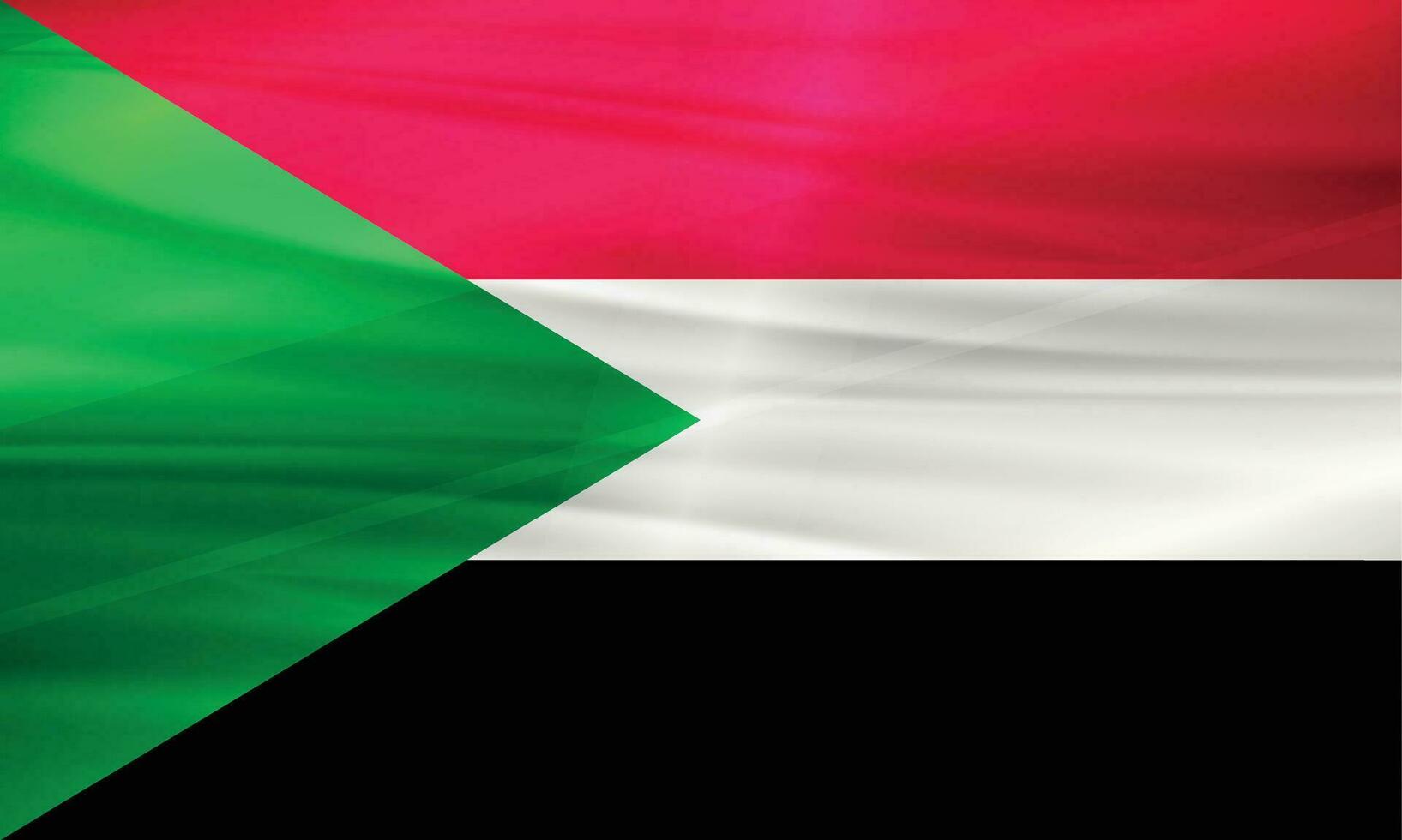
Sudan : A Country of Ancient History and Remarkable Landscapes
Sudan is one of Africa’s most historically significant countries, with a landscape shaped by the Nile River, the Sahara Desert, the Nubian Desert, mountains, archaeological sites and the Red Sea coastline. Its geographical position connected ancient African kingdoms with Egypt, the Mediterranean world and trading networks extending across the continent. These connections helped create a rich cultural heritage that remains visible in Sudan’s monuments, languages, architecture and traditional communities.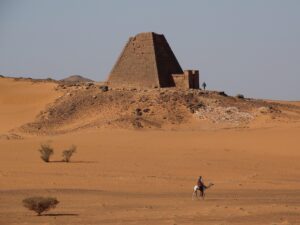
For travellers researching the best places to visit in Sudan, the country offers an extraordinary collection of historical and natural attractions. The ancient pyramids of Meroe, the sacred mountain of Gebel Barkal, the temples of Naqa, the archaeological remains of Kerma and the historic settlements along the Nile are among its most remarkable destinations. The Red Sea coast also has important marine environments, while the country’s deserts offer dramatic scenery and a fascinating record of ancient human settlement.
Sudan’s identity cannot be understood through archaeological attractions alone. Nubian culture, traditional music, local crafts, historic markets, rural settlements and the importance of the Nile all contribute to the country’s character. Its history includes ancient kingdoms, Egyptian influence, Christian Nubian states, Islamic traditions and modern African history.
However, the ongoing armed conflict has severely affected the country’s security, infrastructure and cultural heritage. Visitors should not assume that the attractions described in this article are currently open, reachable or safe. Sudan is best approached as a destination for historical research and future travel planning until independent security assessments and official travel advice indicate otherwise.
Meroe Pyramids: Sudan’s Most Famous Ancient Attraction
The Pyramids of Meroe are among the most extraordinary archaeological landmarks in Africa and one of the most recognisable symbols of ancient Sudan. Located in the semi-desert landscape of the River Nile and Atbara region, these pyramids were constructed as royal and elite burial monuments of the Kingdom of Kush. Their steep sides, compact proportions and distinctive appearance make them different from the more familiar pyramids of Egypt.
Meroe became an important royal centre of the Kushite kingdom, particularly from the third century BCE onwards. The surrounding archaeological landscape contains royal cemeteries, temples, settlement remains and evidence of sophisticated water management. These monuments demonstrate the wealth, religious traditions and architectural achievements of the Kushite civilisation.
The pyramids are especially fascinating because they show how the rulers of Kush developed their own funerary architecture while maintaining connections with Egyptian religious and artistic traditions. Their designs include elements associated with ancient Egyptian culture, but the overall appearance and arrangement of the monuments reflect a distinctive Nubian tradition.
The Royal Cemetery of Meroe
The Royal Cemetery of Meroe is one of the most significant archaeological areas associated with the ancient Kushite kingdom. It contains the burial monuments of kings, queens and members of the royal elite who ruled from this important political and cultural centre.
The cemetery’s pyramids rise from the desert landscape, creating an impressive architectural scene against the surrounding hills and open sky. Many structures contain or once contained funerary chambers and decorative elements associated with Kushite religious beliefs.
The cemetery is particularly important for understanding royal succession, burial customs and the relationship between political authority and religion in ancient Kush. The monuments also reveal how local traditions developed over time, incorporating influences from Egypt and other neighbouring cultures without losing their distinctive character.
Visitors studying the site through archaeological publications and UNESCO records can discover how researchers use inscriptions, architectural remains, burial chambers and artefacts to reconstruct the history of Meroe.
Meroe Ancient City
Beyond the famous pyramids, the ancient city of Meroe offers another important perspective on the Kingdom of Kush. The city was a major political, economic and cultural centre, and its remains reveal that ancient Meroe was much more than a royal burial location.
Archaeological evidence indicates that the settlement included domestic buildings, religious structures, industrial areas and installations associated with water management. The city also had connections with trade and production, including metalworking and ceramic manufacture.
Meroe’s location near the Nile and its wider network of routes helped support its importance as a centre of regional exchange. Its history demonstrates the ability of the Kushite kingdom to maintain complex political and economic relationships across northeastern Africa.
The archaeological landscape is essential to understanding how ancient Sudanese society functioned, how its rulers exercised power and how its people interacted with the surrounding environment.
Naqa: An Extraordinary Ancient Temple Complex
Naqa is one of the most important archaeological destinations associated with the ancient Kingdom of Kush. Situated in a semi-desert landscape, the site contains remarkable temples and religious monuments that reveal the artistic and spiritual traditions of the Meroitic period.
The Temple of Amun is among Naqa’s best-known monuments. Its architecture and decorative elements demonstrate the importance of religious institutions in Kushite society. The site also includes the Temple of Apedemak, dedicated to a powerful lion-headed deity associated with the Meroitic religious world.
The Temple of Apedemak is particularly interesting because its reliefs demonstrate the distinctive artistic style of ancient Kush. Its imagery offers insight into how local religious traditions developed alongside influences from ancient Egypt and other cultures.
Musawwarat es-Sufra: The Great Enclosure
Musawwarat es-Sufra is another extraordinary archaeological site connected with the Kingdom of Kush. Its most famous feature is the Great Enclosure, a complex of large courtyards, corridors, walls and interconnected structures that has attracted the attention of archaeologists for generations.
The site is particularly unusual because its architectural layout differs from many conventional ancient temple complexes. The purpose of every part of the Great Enclosure is not fully understood, and researchers continue to study its history, religious associations and possible ceremonial functions.
Musawwarat es-Sufra also includes temples and other archaeological remains that provide evidence of the Meroitic civilisation. The site’s monumental scale suggests that it was an important place within the religious and political landscape of ancient Kush.
Gebel Barkal: The Sacred Mountain of Ancient Kush
Gebel Barkal is one of Sudan’s most important historical and religious landmarks. Located near Karima in northern Sudan, this distinctive sandstone mountain rises dramatically above the surrounding landscape. Its unusual shape and religious associations made it an important sacred place during ancient times.
Gebel Barkal was closely connected with the worship of Amun, one of the most important deities in the ancient Egyptian and Kushite religious traditions. The mountain was regarded as a sacred place, and temples were constructed near its base. Its religious significance continued through different periods of regional history.
The surrounding archaeological landscape includes temples, royal monuments and settlement remains. Together, these structures demonstrate the importance of the Napatan civilisation and its relationship with the wider Nile Valley.
The Temples at Gebel Barkal
The temples surrounding Gebel Barkal are among the most important remains of ancient Kushite religious architecture. Their foundations, columns, walls and decorative elements provide evidence of the religious importance of the area.
The Temple of Amun is particularly significant because it reflects the relationship between Kushite rulers and the religious traditions associated with the god Amun. The temple complex also demonstrates the influence of Egyptian architectural and religious ideas within the ancient kingdom.
The surviving monuments are important to historians because they contain evidence of ancient construction techniques, religious iconography and political relationships. They also show how the Kushite rulers adapted and developed architectural traditions to express their own authority.
El-Kurru: The Royal Burial Ground of Ancient Kings
El-Kurru is an important archaeological site within the wider Napatan region. It is associated with the royal burial traditions of early Kushite rulers and contains pyramids, tombs and underground burial chambers.
The site is particularly valuable because some burial chambers preserve decorative paintings and inscriptions that provide insight into ancient religious beliefs. These artworks reveal the influence of Egyptian funerary traditions as well as the distinctive historical identity of Kush.
El-Kurru is closely connected with the development of the Napatan kingdom and the rise of Kushite power in the Nile Valley. It helps historians understand the political and religious foundations of the kingdom before Meroe became its principal royal centre.
The site’s archaeological significance makes it one of the most important historical places to research when exploring Sudan’s ancient civilisation.
Nuri: The Pyramids of the Napatan Kings
Nuri is another important royal cemetery in northern Sudan. It contains pyramids associated with Kushite kings and members of the royal family, including the famous ruler Taharqa.
The pyramids at Nuri form part of a distinctive funerary landscape that demonstrates the importance of royal burial traditions in the ancient kingdom. Their architectural style reflects the development of Kushite pyramid construction and the religious beliefs associated with kingship and the afterlife.
Nuri is especially important for understanding the political history of the Napatan kingdom. The site connects royal individuals with the wider archaeological landscape of Gebel Barkal and El-Kurru.
Together, these sites reveal how Kushite rulers used monumental architecture to express authority, preserve royal memory and maintain religious traditions.
Sanam: An Ancient Settlement of the Napatan Region
Sanam is one of the archaeological areas associated with the UNESCO-listed Gebel Barkal and the Sites of the Napatan Region. Its remains contribute to the understanding of ancient settlement patterns and the development of the Kushite state.
The site’s historical importance is connected with the wider network of religious, royal and residential centres that developed along the Nile. Archaeological remains help researchers understand how ancient communities organised their settlements and interacted with the political and religious institutions of the kingdom.
Sanam is a useful reminder that ancient Sudan was not simply a collection of pyramids and temples. It contained towns, settlements, production areas and communities that supported a complex civilisation.
Zuma: Ancient Burial Mounds and Nubian Heritage
Zuma is another archaeological site within the Napatan region. It is particularly known for its burial mounds and funerary remains, which provide evidence of burial traditions that continued beyond the main Napatan and Meroitic periods.
The site’s importance lies in the way it demonstrates continuity and change in the cultural history of the Middle Nile Valley. Its burial structures help archaeologists study the development of local traditions and the relationships between different historical communities.
Zuma contributes to the wider UNESCO World Heritage landscape that includes Gebel Barkal, El-Kurru, Nuri and Sanam. It helps explain how ancient cultural practices evolved over time in northern Sudan.
Kerma: One of Africa’s Oldest Urban Civilisations
Kerma is one of the most important archaeological destinations in Sudan and a major centre for understanding ancient Nubian history. Located in northern Sudan near the Nile, the site was the heart of the Kingdom of Kerma, an influential civilisation that developed long before the height of Meroitic power.
Kerma was an important political and economic centre, with evidence of monumental architecture, settlement organisation, craft production and long-distance connections. Its history demonstrates that complex societies existed in the Middle Nile region thousands of years ago.
The most famous architectural feature associated with Kerma is the Deffufa, a monumental mud-brick structure that remains one of the most distinctive ancient buildings in Sudan. Its scale and construction provide insight into the architectural achievements of the Kerma civilisation.
The Western Deffufa at Kerma
The Western Deffufa is the most recognisable monument at Kerma and one of the most remarkable examples of ancient mud-brick architecture in Africa.
The structure was built using layers of mud brick and reflects the engineering skills of the people who lived in the region. Its monumental size suggests that it served an important ceremonial or religious function within the ancient settlement.
Archaeologists have studied the Deffufa and its surrounding structures to understand the organisation of Kerma society. The remains provide evidence of construction methods, religious practices and the development of early urban life in the Middle Nile region.
For visitors researching the best historical places in Sudan, the Western Deffufa is an essential monument because it represents a civilisation with a long and distinctive history.
Dokki Gel: An Important Archaeological Area Near Kerma
Dokki Gel is an archaeological area associated with the wider Kerma region. Its remains provide additional evidence of ancient settlement and monumental construction in northern Sudan.
The site is important because it contributes to understanding the political and religious development of the Kingdom of Kerma and its relationships with neighbouring powers.
Research into the monuments of Kerma and Dokki Gel helps reveal how the region developed as a centre of authority, trade and cultural exchange. These remains are particularly valuable for understanding the ancient history of Nubia before the emergence of the later Kushite kingdoms.
Old Dongola: A Historic Centre of Christian Nubia
Old Dongola is one of Sudan’s most significant historical destinations and an important archaeological centre associated with medieval Nubian civilisation. Located in northern Sudan, the site was a major settlement and political centre during the Christian period of Nubian history.
The remains include churches, religious buildings, fortifications, domestic structures and other archaeological features. They provide evidence of the development of Christianity in Nubia and the cultural connections between the Nile Valley, Egypt and other parts of the medieval world.
Old Dongola is particularly interesting because it demonstrates that Sudan’s history extends far beyond the ancient kingdoms of Kush and Napata. Christian Nubian states developed distinctive religious, artistic and architectural traditions that shaped the region for centuries.
The archaeological remains also offer insight into the daily life of medieval communities, including their settlement patterns, religious institutions and political organisation.
Old Dongola appears on Sudan’s UNESCO Tentative List, highlighting its international archaeological importance. <Cite refs={[“turn335085search2”]}/>
The Churches of Old Dongola
The churches of Old Dongola are among the most important features of the archaeological site. Their remains provide evidence of the Christian traditions that developed in medieval Nubia.
The buildings and surviving decorative elements help researchers understand the architectural styles and religious practices of the period. Their design reflects local Nubian traditions as well as influences from wider Christian communities.
The churches are particularly valuable for studying the history of Christianity in Africa. They show how religious institutions developed in the Middle Nile region and became central to the cultural identity of medieval Nubian communities.
Dongola: A Historic Nile City
Dongola is an important city in northern Sudan with a long association with Nubian culture and the Nile River. Its location near the river has supported settlement, agriculture, trade and transport throughout different historical periods.
The wider Dongola region is particularly significant for its archaeological heritage, including Old Dongola and nearby historical settlements. It also offers insight into traditional Nubian life and the importance of the Nile in shaping local communities.
The landscape around Dongola combines riverine agriculture, desert scenery and settlements that reflect centuries of adaptation to the environment.
For historical research, Dongola is an important starting point for understanding the cultural geography of northern Sudan and the development of Nubian civilisation.
Sai Island: Archaeology Along the Nile
Sai Island is one of the important archaeological locations in northern Sudan. Situated in the Nile, the island contains evidence of settlement and cultural activity from different historical periods.
Its archaeological importance is connected with the long history of human occupation along the Nile and the region’s relationship with ancient Egypt and Nubian kingdoms.
The remains found on Sai Island help researchers understand the development of settlements, political control and cultural exchange in the Middle Nile region. The island’s position along the river also demonstrates why waterways were so important for ancient transport and communication.
The Temple of Soleb: A Remarkable Ancient Egyptian Monument in Sudan
The Temple of Soleb is one of the most important ancient Egyptian-style monuments located in present-day Sudan. Built during the reign of Pharaoh Amenhotep III, the temple is associated with the religious and political expansion of ancient Egypt into Nubia.
Its architectural remains include columns, carved reliefs and decorative elements that demonstrate the artistic traditions of the New Kingdom period. The temple is particularly interesting because it reflects the relationship between Egyptian royal power and the communities of the Middle Nile region.
Sanganeb Marine National Park: Sudan’s Red Sea Underwater Heritage
Sudan’s Red Sea coast contains remarkable marine environments, and Sanganeb Marine National Park is among the country’s most important natural attractions.
Sanganeb is an offshore coral reef system known for its underwater landscapes and marine biodiversity. Its reefs, clear waters and marine habitats have made the area significant for conservation and scientific research.
The marine environment is associated with a wide variety of coral species and marine organisms. Reef ecosystems support fish populations and provide habitat for many forms of underwater life.
For divers and marine researchers, Sanganeb represents an important part of Sudan’s natural heritage. The Red Sea has long been recognised for its coral reefs and underwater ecosystems, and Sudan’s marine protected areas contribute to the conservation of this wider environment.
Dungonab Bay and Mukkawar Island Marine National Park
Dungonab Bay and Mukkawar Island Marine National Park form one of Sudan’s most important protected marine landscapes. Located along the Red Sea coast, the area is recognised for its ecological importance and distinctive marine habitats.
The environment includes coral reefs, seagrass beds, coastal ecosystems and important habitats for marine species. The protected area is significant for the conservation of biodiversity and the ecological health of the Red Sea.
The region is also important for understanding the relationship between coastal communities and marine resources. Fishing traditions, local livelihoods and environmental protection all contribute to the cultural and natural importance of the area.
Port Sudan: The Historic Red Sea Port
Port Sudan is one of Sudan’s most important coastal cities and a major port on the Red Sea. Its location has made it central to maritime trade, transport and the country’s connection with international shipping routes.
The city has a different atmosphere from the ancient archaeological centres of northern Sudan. Its identity is shaped by the sea, port activities, coastal communities and commercial connections.
The surrounding region is known for its Red Sea landscapes and marine environments. Historically, Port Sudan has also served as a gateway to coastal attractions and diving areas.
For a future travel itinerary, Port Sudan would be an important geographical centre for understanding Sudan’s maritime history and Red Sea culture. However, the current security situation and availability of transport, accommodation and services must be independently verified before any travel is considered.
Suakin: A Historic Red Sea Trading Town
Suakin is one of Sudan’s most fascinating historical coastal destinations. Located near Port Sudan, the town was historically an important Red Sea port and trading centre linking northeastern Africa with Arabia and other parts of the Indian Ocean world.
Suakin is especially famous for its historic buildings, which were constructed using coral stone and other local materials. The remains of houses, mosques and public structures demonstrate the town’s former commercial importance and distinctive architectural traditions.
The historic settlement reflects centuries of trade, pilgrimage, migration and cultural exchange. Its location made it an important point of contact between African and Arabian societies.
Suakin Island and Its Historic Architecture
Suakin Island is closely associated with the town’s historic maritime identity. Its surviving buildings and architectural remains reveal the relationship between the settlement and the Red Sea.
The coral-stone construction is particularly interesting because it demonstrates how local building materials were adapted to the coastal environment. The remains also reflect architectural influences from different communities that participated in regional trade.
Suakin’s historic landscape is an important subject for architecture enthusiasts, historians and researchers studying Red Sea trading networks.
Khartoum: The Historic Capital at the Meeting of the Niles
Khartoum occupies a unique geographical position at the meeting point of the Blue Nile and White Nile. Their confluence is one of the most recognisable geographical features of Sudan and has shaped the city’s historical and economic development.
Historically, Khartoum served as the country’s capital and became an important centre of government, education, commerce and culture. The city developed around its river location, with bridges and roads connecting different districts.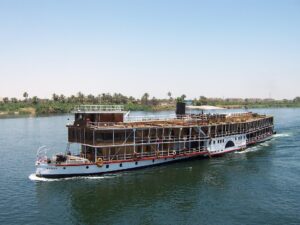
Khartoum has also been an important centre for understanding modern Sudanese history. Its museums, public institutions, markets and historic buildings have reflected different periods of the country’s political and cultural development.
However, Khartoum has been heavily affected by the conflict that began in 2023. Infrastructure, public services and cultural institutions have faced serious disruption and damage. It is not appropriate to treat the city as an ordinary tourist destination under current conditions.
The Confluence of the Blue Nile and White Nile
The meeting point of the Blue Nile and White Nile is one of the most important geographical landmarks in Sudan. The two rivers join at Khartoum to form the main Nile, which continues north through Sudan and into Egypt.
The Blue Nile originates in the Ethiopian Highlands, while the White Nile has its headwaters in the Great Lakes region of East Africa. Their meeting creates a powerful geographical connection between several countries and landscapes.
The confluence is important for understanding the Nile’s geography, agriculture, water resources and historical role in African civilisation.
The river system has supported settlements, farming, trade and transport for thousands of years. It also remains central to Sudan’s modern economy and environmental future.
Omdurman: A City of Culture and History
Omdurman is located across the Nile from Khartoum and is one of Sudan’s most historically significant urban centres. The city has long been associated with Sudanese cultural identity, religious traditions, markets and modern political history.
Omdurman became particularly important during the Mahdist period in the nineteenth century. Its historical role remains visible in the city’s cultural memory and important heritage locations.
The city is also known for traditional markets, local crafts, music and religious institutions. Its cultural identity provides an important contrast with the archaeological heritage of ancient northern Sudan.
Like Khartoum, Omdurman has been severely affected by the ongoing conflict. Its historical and cultural importance should not be interpreted as an indication that it is currently suitable for tourism.
The National Museum of Sudan
The National Museum of Sudan in Khartoum has historically been one of the most important institutions for understanding the country’s archaeological heritage. Its collections have included artefacts from ancient Nubia, Kushite kingdoms and other historical periods.
The museum has been particularly significant for preserving objects associated with the history of the Nile Valley. Its collections have helped researchers and visitors understand the artistic, religious and political traditions of ancient Sudan.
The museum’s importance extends beyond its exhibitions. It represents a major centre of cultural preservation and archaeological research.
However, the conflict has created serious risks for Sudan’s museums and heritage collections. The condition, security and accessibility of the National Museum should be verified through current UNESCO and heritage-protection reporting rather than assumed from older visitor information.
Omdurman Market: Traditional Sudanese Trade and Culture
Omdurman Market has historically been one of the most famous traditional markets in Sudan. It has served as an important commercial and social centre where people could find local products, household goods, clothing, spices, crafts and traditional items.
Markets in Sudan are more than shopping destinations. They are places where social relationships, regional trade and everyday cultural traditions come together.
Omdurman’s market culture reflects the diversity of Sudanese society and its connections with different regions. Visitors researching traditional Sudanese life may find historical descriptions and documentary material about the market particularly interesting.
Because of the conflict and security situation, no visitor should assume the market is currently operating normally or safe to visit.
Dinder National Park: Sudan’s Wildlife Heritage
Dinder National Park is one of Sudan’s most important protected natural areas. Located in southeastern Sudan near the Ethiopian border, the park contains savannah landscapes, seasonal wetlands, grasslands and woodland habitats.
The park is ecologically important because it supports wildlife and birdlife associated with the region’s varied habitats. Its ecosystems are influenced by seasonal rainfall and the movement of water through the landscape.
Dinder is an important destination for conservation research and understanding the biodiversity of northeastern Africa. Its habitats provide a contrast with Sudan’s deserts and archaeological landscapes.
Jebel Marra: Mountains and Volcanic Landscapes
Jebel Marra is a mountainous region in western Sudan known for its distinctive landscapes, elevated terrain and volcanic history. The region contains mountains, valleys, agricultural areas and dramatic natural scenery.
The volcanic landscape is particularly interesting for geology enthusiasts because it reflects ancient geological processes that shaped the region. Its higher elevations also create different environmental conditions from the surrounding arid and semi-arid landscapes.
Jebel Marra has cultural and geographical importance for communities living in the surrounding region. Its landscapes have historically supported farming and settlement in areas where water availability and elevation create different conditions from the desert lowlands.
Despite its natural beauty, the region is within an area affected by serious conflict and insecurity. It must not be presented as a currently accessible tourist destination.
Deriba Crater: A Volcanic Natural Landmark
Deriba Crater is one of the most remarkable geological features associated with Jebel Marra. The volcanic crater landscape includes a dramatic depression and crater lakes that have attracted scientific and geographical interest.
The area is important for understanding the volcanic history of western Sudan. Its elevated location and unusual geological formations make it a distinctive natural feature within the country’s wider landscape.
The Nubian Desert: A Vast Landscape of Sand and Rock
The Nubian Desert covers a large area of northeastern Sudan and forms part of the wider Sahara region. Its landscape includes rocky plateaus, sandy areas, dry valleys and isolated mountains.
The desert has played an important role in the history of human settlement and trade. Ancient communities adapted to its difficult environment through knowledge of water sources, seasonal conditions and routes connecting settlements along the Nile and Red Sea.
The Nubian Desert is also closely associated with the archaeological heritage of ancient Sudan. Many important sites are located within or near semi-desert landscapes, where pyramids and temples create striking contrasts with the surrounding environment.
For geographical research and photography, the Nubian Desert is one of Sudan’s most distinctive landscapes. Any future exploration would require careful planning, reliable local expertise and verified security conditions.
The Nile River: The Lifeline of Sudan
The Nile River is central to Sudan’s geography, history, culture and economy. Its waters have supported settlements, agriculture and trade for thousands of years.
Many of Sudan’s most important archaeological sites developed near the river because access to water made permanent settlement possible. The Nile also provided a natural transport route connecting communities and kingdoms across the Middle Nile region.
Modern Sudanese life continues to depend heavily on the river system. Farming, fishing, transport and water supply all demonstrate the Nile’s importance.
The river landscapes of Sudan are especially distinctive because they contrast with the surrounding desert. Green agricultural areas, date-palm groves and settlements create narrow corridors of life along the water.
Nubian Villages and Traditional Architecture
Nubian villages are an important part of Sudan’s cultural heritage. Traditional settlements along the Nile are associated with distinctive architectural styles, decorative house designs, family traditions and community life.
Nubian houses have historically used local materials and practical designs adapted to the hot climate. Colourful exterior decoration, courtyards and shaded spaces are among the features associated with traditional Nubian architecture.
The villages also reflect the cultural importance of family, community relationships, language, music and hospitality. Nubian identity has developed over centuries through connections with the Nile, ancient kingdoms and neighbouring communities.
For anyone studying Sudanese culture, traditional Nubian settlements offer an important perspective beyond the country’s archaeological monuments.
Sudanese Food and Traditional Cuisine
Sudanese cuisine reflects the country’s geography, agricultural traditions and cultural connections with northeastern Africa and the wider Arab world. Traditional meals often include grains, legumes, vegetables, meat and locally available ingredients.
Kisra is one of Sudan’s best-known traditional foods. It is a thin fermented flatbread commonly made from sorghum and served with stews and sauces. Its importance reflects the central role of sorghum in Sudanese food culture.
Asida is another traditional dish, often prepared from flour and served with savoury sauces or stews. Ful medames, made from fava beans, is also widely associated with everyday meals in Sudan and other parts of the region.
Sudanese food culture includes a variety of meat dishes, vegetable preparations, breads and traditional drinks. Tea and coffee are important parts of hospitality and social gatherings.
Exploring food is an essential way to understand Sudan’s cultural identity. However, current food availability and hospitality services have been severely disrupted in many areas by conflict.
Sudanese Coffee and Hospitality Traditions
Coffee has an important place in Sudanese hospitality and social life. Traditional coffee preparation and serving are associated with gatherings, conversation and welcoming guests.
Coffee traditions vary between communities, but they often involve careful preparation and shared social experiences. Tea is also widely enjoyed and forms part of everyday hospitality.
Hospitality is an important aspect of Sudanese culture. Visitors researching the country’s traditions often encounter descriptions of generous welcomes, family gatherings and the importance of sharing food and drinks.
Traditional Sudanese Music and Cultural Heritage
Sudan’s musical traditions reflect its diverse communities and long history of cultural exchange. Traditional music can include percussion, string instruments, regional rhythms and songs connected with social occasions.
Music plays a role in celebrations, weddings, religious events and community gatherings. Different parts of Sudan have distinctive musical traditions that reflect local languages, history and cultural identity.
The country’s cultural diversity is also visible through traditional clothing, crafts, storytelling and oral history. These traditions are important elements of Sudan’s intangible cultural heritage.
Sudan’s Ancient History: From Kerma to Meroe
Sudan’s ancient history includes several powerful kingdoms and cultural periods that developed along the Nile. Kerma was one of the earliest major centres, followed by the development of the Napatan and Meroitic kingdoms of Kush.
The Kingdom of Kush became an influential power in northeastern Africa and maintained connections with ancient Egypt. At certain points in history, Kushite rulers governed Egypt as the Twenty-Fifth Dynasty.
The later Meroitic period is associated with the development of a distinctive language, script, artistic tradition and monumental architecture. The pyramids and temples of Meroe demonstrate the achievements of this civilisation.
Sudan’s history also includes medieval Christian Nubian kingdoms and the development of Islamic political and cultural institutions. This broad historical timeline makes the country especially important for understanding African history.
Best Time to Visit Sudan: Climate and Seasonal Considerations
Under normal conditions, Sudan has a predominantly hot and dry climate, although conditions vary considerably between regions. The desert north is generally very arid, while areas in the south and west experience more seasonal rainfall.
Historically, the cooler months between approximately November and February have been considered more comfortable for exploring desert archaeological sites than the hottest months. Daytime temperatures can still be high in some regions, but conditions may be less extreme than during the summer.
The period around the rainy season can affect road conditions and access to certain rural areas. Regional differences are important, particularly in mountainous and southern landscapes.
However, climate is not the main factor determining whether Sudan can currently be visited. The armed conflict and associated security risks override ordinary seasonal travel considerations. A future visitor should consider travel only when official advice and reliable local assessments indicate that the specific destination and route are safe.
How to Plan a Future Trip to Sudan
A future trip to Sudan would require much more preparation than a typical holiday. Travellers would need to confirm entry requirements, security conditions, transport arrangements, accommodation availability, medical facilities and access to archaeological sites.
Travel outside major cities has historically required additional planning and, in some circumstances, official permits. Current rules may have changed, and old travel guides should not be treated as reliable descriptions of present arrangements.
A qualified local specialist, reputable archaeological organisation or established travel operator would be essential for any future journey once travel becomes appropriate. Independent desert travel, unverified transport arrangements and journeys through areas affected by conflict should be avoided.
Travellers should also ensure that their insurance explicitly covers their destination and activities. Many policies exclude travel against government advice or exclude conflict-related incidents.
How to Research Sudan’s Archaeological Sites
People interested in Sudan’s heritage can learn about its ancient sites through UNESCO documentation, archaeological publications, museum research, university projects and cultural heritage organisations.
UNESCO’s World Heritage Centre provides detailed descriptions of the Archaeological Sites of the Island of Meroe and Gebel Barkal and the Sites of the Napatan Region. These pages explain the historical importance, architectural features and international heritage value of the monuments.
Academic research is particularly valuable for understanding the Kingdom of Kerma, ancient Nubian kingdoms, Meroitic writing and the development of medieval Christian Nubia.
Sudan’s archaeological heritage also deserves attention because conflict can place monuments, museums and cultural collections at risk. Reading current heritage-protection reports can help visitors understand the challenges facing the country’s historic sites.
Responsible Tourism and Protection of Sudan’s Heritage
Responsible tourism is essential for protecting archaeological sites and supporting local communities. Ancient monuments are irreplaceable cultural resources, and even ordinary visitor behaviour can contribute to deterioration.
When conditions eventually permit tourism, visitors should respect site boundaries, avoid touching fragile surfaces, never remove artefacts and follow instructions from heritage authorities. Photography rules should also be respected, particularly at archaeological, government and security-related locations.
Responsible travel should support legitimate local businesses and conservation projects while respecting community traditions and cultural practices.
International heritage organisations, local researchers and Sudanese communities play important roles in preserving the country’s historical identity. Supporting credible conservation work and learning about the country’s heritage are meaningful ways to engage with Sudan even when travel is not possible.
Is Sudan Worth Visiting?
Sudan is unquestionably important for travellers interested in ancient history, African civilisation, archaeology, architecture and natural landscapes. Its pyramids, temples, royal cemeteries and Nubian settlements represent a remarkable cultural heritage that deserves greater international recognition.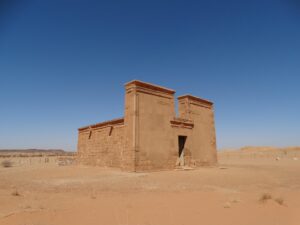
The Meroe pyramids, Gebel Barkal, Kerma, Old Dongola, Naqa and Musawwarat es-Sufra are among the country’s most significant historical destinations. The Red Sea marine parks add an important natural dimension, while Suakin and the Nile settlements demonstrate the country’s historic connections with regional trade and cultural exchange.
However, whether Sudan is worth visiting at a particular time is a separate question from its historical importance. Given the severe security situation and official warnings against travel, a recreational visit should not be planned unless the relevant government travel advisory changes and the specific destination and route are independently confirmed to be safe.
For now, Sudan is a country to learn about, research and appreciate through its remarkable history while prioritising the safety of residents and potential visitors.
Conclusion
Sudan is home to some of Africa’s most extraordinary archaeological and cultural treasures. From the royal pyramids of Meroe and the sacred mountain of Gebel Barkal to the ancient settlement of Kerma and the medieval remains of Old Dongola, the country offers an exceptional record of human civilisation along the Nile.
Its heritage also extends to the historic Red Sea town of Suakin, the marine ecosystems of Sanganeb and Dungonab Bay, the mountains of Jebel Marra and the traditional communities that have shaped Sudanese cultural life.
The country’s historical importance deserves recognition beyond its best-known monuments. Sudan’s ancient kingdoms, Nubian traditions, religious history, architecture, food and music form a rich cultural identity that contributes significantly to African and world history.
UNESCO World Heritage and Archaeological Sites
UNESCO – Sudan: World Heritage Properties
UNESCO – Archaeological Sites of the Island of Meroe
UNESCO – Gebel Barkal and the Sites of the Napatan Region
UNESCO – Sanganeb Marine National Park and Dungonab Bay
Sudan Travel Safety and Official Advice
UK Government – Sudan Travel Advice
Author

Related posts
Sri Lanka
- 0
- 5,566 words
Sri Lanka : A Complete Travel Guide to the Island Paradise Sri Lanka is one of the most fascinating travel destinations in...
Read out all
Uruguay
- 0
- 6,511 words
Uruguay : A Complete Travel Guide to South America’s Coastal Gem Uruguay is a small but captivating country in southeastern South America,...
Read out all
OPEC
- 0
- 5,679 words
OPEC OPEC stands for the Organization of the Petroleum Exporting Countries. It is an intergovernmental organization created by major oil-producing countries to...
Read out all
How Do I Find Reliable Wholesale Suppliers
- 0
- 9,103 words
How Do I Find Reliable Wholesale Suppliers ? Finding reliable wholesale suppliers is one of the most important tasks for anyone starting...
Read out all
What Is Happening in the World?
- 0
- 5,355 words
What Is Happening in the World? The world is currently experiencing a period of overlapping crises and opportunities. Political disputes, military conflicts,...
Read out all
BRICS
- 0
- 5,794 words
BRICS : History, Members, Economy, Goals, Expansion and Global Influence BRICS is an international grouping of major emerging economies and developing countries...
Read out all