
Danube Delta, Romania : A Complete Travel Guide
The Danube Delta is one of the most extraordinary natural destinations in Europe, offering a remarkable combination of peaceful waterways, enormous reed beds, freshwater lakes, traditional fishing villages, sandy beaches and rare wildlife. Located in southeastern Romania, where the Danube River flows into the Black Sea, this spectacular wetland is a dream destination for travellers who appreciate nature, adventure, photography and authentic cultural experiences. Unlike many popular European holiday destinations, the Danube Delta is not defined by busy shopping streets or crowded attractions. Its beauty comes from its quiet canals, open horizons, bird-filled lakes and traditional communities that have maintained a close relationship with the river for generations.
Recognised as a UNESCO World Heritage Site, the Danube Delta is internationally important for its biodiversity and ecological value. Its lakes and marshes provide habitats for more than 300 bird species and approximately 45 freshwater fish species, making it one of the most rewarding destinations in Europe for birdwatching and wildlife photography. The landscape is constantly changing with the seasons, from springtime bird activity and summer greenery to autumn migration and peaceful winter scenery. UNESCO’s official Danube Delta page provides an introduction to the site’s international natural importance.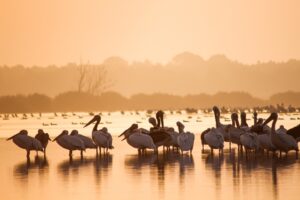
Understanding the Geography of the Danube Delta
The Danube Delta is formed where the Danube River reaches the Black Sea after travelling through several European countries. Over thousands of years, the river has deposited sediment that has created an extensive network of waterways, islands, lakes, marshes, reed beds and sandbanks. The resulting landscape is one of the most distinctive wetland environments in Europe. The Romanian section is the best-known tourism area, although the wider delta also extends into Ukrainian territory.
The delta is shaped by three principal branches: Chilia, Sulina and Sfântu Gheorghe. Each branch has its own character and connects with smaller canals, lakes and settlements. The Chilia branch forms the northern part of the delta, while the Sulina branch is an important navigation route. The Sfântu Gheorghe branch flows through the southern delta towards the Black Sea. Between these waterways are countless natural habitats that make the region attractive to birdwatchers, fishermen, photographers and nature enthusiasts.
Tulcea: The Main Gateway to the Danube Delta
Tulcea is one of the most important places to begin a journey through the Danube Delta. Situated on the western edge of the delta, this Romanian city serves as a major transport gateway for visitors travelling towards the waterways and villages. Many organised boat excursions, passenger services and private transfers begin here, making Tulcea a practical base for planning a first visit.
The city is worth exploring before travelling deeper into the wetlands. Its waterfront provides attractive views of the Danube, especially during the early morning and evening when boats move through the harbour and the surrounding landscape becomes quieter. Visitors can enjoy riverside walks, discover local restaurants and learn more about the history and culture of the Dobrogea region. Tulcea also provides an opportunity to organise accommodation, transport and guided excursions before entering areas that are accessible mainly by water.
Travellers arriving from Bucharest can reach Tulcea by road or public transport, although schedules and journey times should be checked before departure. From Tulcea, many settlements in the delta are reached by scheduled passenger boats or private transfers. For transport information and regional visitor resources, consult Danube Parks’ Danube Delta travel information.
Sulina: A Historic Harbour Town Where the Danube Meets the Black Sea
Sulina is one of the most fascinating destinations in the Danube Delta. Located near the mouth of the Sulina branch, where the Danube reaches the Black Sea, this small harbour town combines natural scenery, maritime history, traditional architecture and a relaxed coastal atmosphere. It is particularly interesting for travellers who want to experience both the river environment and the open coastline during the same holiday.
Historically, Sulina played an important role in European maritime trade and navigation. Its position at the entrance to the Danube made it an important point for ships travelling between the river and the Black Sea. The town developed a cosmopolitan character as sailors, merchants and international communities passed through the harbour. Although its role has changed over time, visitors can still discover traces of its maritime past in its historic buildings, lighthouse heritage and multicultural atmosphere.
Another interesting excursion from Sulina is Musura Bay. This coastal area is known for its birdlife and the meeting of freshwater and marine environments. Depending on the season and conditions, visitors may observe pelicans, swans, gulls, terns and other waterbirds. Boat trips should be organised with knowledgeable local operators so that wildlife habitats and restricted areas are respected. More information about Sulina and nearby attractions is available through Visit Delta’s destination guide.
Sfântu Gheorghe: A Traditional Fishing Village and Beautiful Wild Beach
Sfântu Gheorghe is one of the most memorable destinations in the southern Danube Delta. This traditional fishing village is situated near the mouth of the Sfântu Gheorghe branch, where the river reaches the Black Sea. Its remote location, sandy surroundings and strong connection with fishing traditions give it a distinctive atmosphere that appeals to visitors looking for a quieter Romanian holiday. The village is known for its traditional character, peaceful streets and local way of life. Visitors can discover houses, gardens, small guesthouses and places where residents continue to maintain connections with fishing and the surrounding natural environment. The village offers a different experience from Sulina because it feels more rural and closely connected to the traditional communities of the delta.
Mila 23: Experience the Traditional Fishing Culture of the Delta
Mila 23 is one of the best-known traditional settlements in the heart of the Danube Delta. Accessible by water, the village is surrounded by canals, lakes and wetlands, giving it a setting that feels far removed from the busy pace of modern cities. It is particularly attractive to travellers interested in traditional fishing communities, local food, river landscapes and authentic village experiences.
The village’s name comes from its location along the historic Sulina navigation route, measured in nautical miles from Sulina. Mila 23 is closely associated with the Lipovan community, whose cultural traditions, architecture and fishing heritage form an important part of the region’s identity. Visitors can observe the relationship between the village and its waterways, where boats are essential for everyday transport and local activities.
Mila 23 is also known as the birthplace of Ivan Patzaichin, the celebrated Romanian canoeist and Olympic champion. His sporting achievements have made the village familiar to many people in Romania and beyond. For visitors, this connection adds another dimension to the village’s identity and its relationship with water sports and river life.
Crișan: A Convenient Base for Exploring the Central Delta
Crișan is an important settlement in the central Danube Delta and a convenient place to stay when exploring the region’s canals and lakes. Located along the Sulina waterway, the village provides access to several natural attractions and is frequently used as a base for boat excursions. Its location makes it useful for travellers who want to explore Mila 23, nearby lakes, forest areas and other traditional settlements.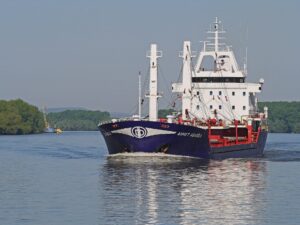
The village has a relaxed atmosphere, with guesthouses, accommodation facilities and local services that cater to visitors arriving by boat. Staying in Crișan can make it easier to arrange excursions without travelling back to Tulcea every day. Local guides and accommodation providers can often help visitors plan routes according to their interests, whether they prefer birdwatching, photography, fishing or simply enjoying the scenery.
Letea Forest: A Unique Landscape of Ancient Trees and Sand Dunes
Letea Forest is one of the most extraordinary natural attractions in the Danube Delta. Located on a sandy ridge in the northeastern part of the reserve, it offers a surprising contrast to the surrounding wetlands. Instead of open water and reed beds, visitors encounter ancient-looking oak trees, climbing plants, sandy clearings and a landscape that can resemble a natural jungle.
The forest developed on an old marine sand ridge, creating a distinctive environment where woodland and dunes exist close to the wetland ecosystem. Its combination of old trees, unusual vegetation and sandy ground makes it one of the most photographed natural areas in Romania. Some trees have impressive forms, with branches shaped by age and environmental conditions. Climbing plants winding around trunks add to the forest’s unusual appearance.
Letea Forest is an excellent destination for nature photography, walking and learning about the unusual relationship between dunes and woodland. It is particularly rewarding for travellers who want to see a side of the Danube Delta that differs from the familiar image of boats moving through reed-lined canals. Read more about its natural importance and visitor guidance through the Danube Delta Letea Forest guide and the Visit Delta natural attractions page.
Caraorman Forest: Explore the Mysterious Black Forest
Caraorman Forest is another remarkable woodland attraction in the Danube Delta. Its name is commonly associated with the meaning “Black Forest,” and the area is known for its old trees, sandy landscape and unusual natural scenery. Located on the Caraorman sand ridge, the forest creates a striking contrast with the surrounding lakes, channels and reed beds.
The forest is famous for its large oak trees and distinctive vegetation. One of its best-known natural features is the Kneeling Oak, an old tree whose unusual shape has become a popular subject for visitors and photographers. The wider landscape includes sand dunes, open clearings and woodland habitats that support different species of birds and other wildlife.
Access to Caraorman Forest is subject to conservation rules. Some areas have strict protection status, and visitors should not assume that every section is open for independent exploration. Guided visits and authorised routes are the safest way to discover the area while respecting its protected status. The Caraorman Forest information page explains why access and conservation management are important.
Lake Fortuna: A Beautiful Place for Birdwatching
Lake Fortuna is one of the most interesting lakes to explore in the central Danube Delta. Its open water, surrounding reeds and wetland vegetation create suitable habitats for a variety of waterbirds. The lake is often included in boat excursions that travel through the central waterways, making it an attractive stop for nature lovers and photographers.
The scenery around Lake Fortuna changes throughout the year. In spring and summer, reeds and aquatic plants create a green environment, while the water provides feeding and resting areas for birds. During migration seasons, the wider delta becomes particularly important for birds travelling between breeding and wintering areas. The lake and its surrounding channels can therefore offer rewarding wildlife observation opportunities.
Lake Roșu and Lake Puiu: Discover the Delta’s Picturesque Waterways
Lake Roșu and Lake Puiu are among the attractive lake destinations in the central and eastern Danube Delta. These lakes are connected to a wider network of canals and waterways, creating opportunities for boat excursions through reed beds, open water and wetland habitats. Their names and surrounding landscapes make them popular features of nature-focused itineraries.
Lake Roșu is an appealing destination for travellers who want to explore the natural environment beyond the main navigation channels. The surrounding vegetation creates a peaceful atmosphere, and the lake may provide opportunities to observe waterbirds and other wildlife. The experience is particularly enjoyable when the water is calm and the boat moves slowly through the surrounding channels.
Lake Merhei and the Northern Wetlands
Lake Merhei and the surrounding northern wetlands are particularly interesting for travellers seeking quieter and less frequently visited parts of the Danube Delta. This region contains a complex network of lakes, channels and reed beds that provide important habitats for birds and aquatic species.
The northern part of the delta has a distinctive character, with waterways that connect traditional settlements and natural areas. Boat excursions around the Merhei and Matița lake systems can reveal a landscape of open water, dense reeds and quiet channels. Visitors may see a variety of birds, depending on the season and water conditions.
The area is particularly appealing to experienced birdwatchers and nature photographers who prefer slower excursions away from the busiest tourist routes. However, access to certain protected areas is restricted. Travellers should arrange excursions with operators who understand the reserve’s official routes and current access regulations.
Lake Razim: Romania’s Vast Coastal Lagoon
Lake Razim, also known as Lake Razelm, is one of the most impressive bodies of water in the wider Danube Delta region. Located south of the main delta, it forms part of the Razim-Sinoe lagoon complex and offers a different landscape from the narrow canals and reed-lined lakes found deeper inside the wetlands.
The lake is known for its broad open water and coastal character. Its size creates impressive views, particularly during calm weather when the sky is reflected across the water. It is an important area for fishing, local livelihoods and wetland biodiversity. The surrounding settlements also provide opportunities to explore the cultural history of the Dobrogea region.
Boat excursions around Lake Razim can connect visitors with destinations such as Gura Portiței and Jurilovca. The experience is different from travelling through the narrow canals of the central delta because the lake offers wider horizons and a more open-water atmosphere.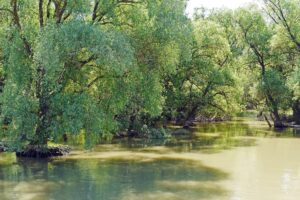
Lake Razim is also a good destination for travellers interested in combining nature with local culture. Nearby villages, traditional restaurants and historic attractions make it possible to plan a broader journey through the southern part of the Danube Delta region. Visit Delta’s guide to channels and lakes provides further information about the region’s waterways.
Gura Portiței: A Peaceful Coastal Escape
Gura Portiței is a distinctive holiday destination situated between the coastal lagoon environment and the Black Sea. It is particularly attractive to visitors who want to combine a Danube Delta excursion with a beach holiday. The destination is associated with sandy coastal scenery, quiet surroundings and access by boat from the Jurilovca area.
The journey towards Gura Portiței is part of the attraction. Depending on the departure point and route, visitors travel across Lake Razim and through surrounding waterways before reaching the coastal area. The landscape changes from open lagoon water to sandy beaches and the Black Sea coastline, creating a memorable transition.
Gura Portiței is suitable for travellers seeking relaxation, photography and a peaceful seaside atmosphere. It can also be included in a longer itinerary exploring Jurilovca, Lake Razim and the southern Danube Delta. Accommodation and services may vary by season, so visitors should check arrangements before travelling.
The destination is especially appealing for couples, families and nature lovers who prefer quieter coastal locations rather than crowded commercial resorts. As with other parts of the delta, visitors should respect local environmental rules and avoid leaving rubbish on the beach.
Jurilovca: A Traditional Fishing Community and Gateway to the Southern Delta
Jurilovca is a traditional settlement in the southern Danube Delta region, known for its fishing heritage and Lipovan cultural influences. It is an excellent destination for travellers who want to understand the relationship between local communities, fishing traditions and the surrounding lagoon landscape.
The village provides access to Lake Razim and nearby coastal destinations. Its harbour and waterfront are important parts of local life, and visitors can observe fishing boats and the activities associated with the region’s traditional economy. The settlement also provides accommodation, restaurants and services for travellers exploring the southern delta.
Jurilovca is a particularly good starting point for excursions to Gura Portiței. The boat journey across the lagoon offers beautiful views and a chance to experience the open-water environment. Visitors interested in history can also explore nearby archaeological and cultural sites, including the remains associated with ancient Greek settlements along the coast.
Sarichioi: Discover Lipovan Culture and Traditional Architecture
Sarichioi is a culturally interesting village in the wider Danube Delta region. It is associated with the Lipovan community, whose history, traditions and religious heritage contribute to the cultural diversity of Dobrogea. The village is a rewarding destination for visitors who want to experience more than the natural attractions of the delta.
The settlement is known for its traditional houses and local character. Walking through the village provides an opportunity to observe the architecture and everyday life of a community with a long history in the region. Visitors interested in cultural tourism may find it especially valuable to learn about the Lipovan community, its traditions and its connection with fishing and the surrounding lakes.
Sarichioi can be combined with visits to other southern destinations, including Jurilovca and Lake Razim. It is a useful stop for travellers who have extra time and want to explore the wider region beyond the main boat routes.
Chilia Veche: Explore the Northern Danube Delta
Chilia Veche is a traditional settlement in the northern part of the Danube Delta. Located near the Chilia branch, it provides a different perspective on the region compared with the more frequently visited destinations around Sulina and Mila 23.
The village is connected with the river and the surrounding wetlands, and its location makes it an interesting base for exploring northern waterways. The wider area contains channels, lakes and traditional settlements that reflect the diversity of the delta. Visitors who choose this region may experience a quieter style of travel, with fewer of the facilities found in the main tourist centres.
Boat trips around the northern delta can provide opportunities to observe wildlife and explore the landscape. Travellers should plan transport carefully because services may be less frequent than on the main routes. It is also important to check local conditions and any access restrictions before setting out.
Periprava: A Remote Village in the Northern Delta
Periprava is one of the more remote settlements in the Danube Delta and appeals to visitors who are interested in quiet rural landscapes and traditional communities. Its location near the northern waterways makes it a useful destination for travellers seeking to explore a less familiar part of the region.
The journey to Periprava is an experience in itself. Waterways, reed beds and open wetlands create a landscape that feels far removed from major urban centres. The village provides an opportunity to appreciate the slower pace of life in the delta and understand how local communities depend on river transport and the natural environment.
Visitors should arrange transport and accommodation in advance, especially outside the main summer season. The remote location means that services and schedules may be limited. A local guide can help organise excursions and explain the natural and cultural features of the northern delta.
Musura Bay: A Special Meeting Point of River and Sea
Musura Bay is an interesting coastal area near Sulina where the Danube’s freshwater environment meets the Black Sea. This transition creates a distinctive ecosystem that supports a variety of birds and aquatic life. The bay is especially appealing to wildlife photographers and travellers interested in the natural geography of the river mouth.
Birdlife is one of the main attractions. Depending on the season, visitors may observe pelicans, swans, gulls, terns and other waterbirds around the bay and nearby wetlands. The combination of reeds, shallow water and coastal scenery makes it a rewarding place for a guided boat excursion.
The area is also visually impressive because it demonstrates the connection between the river and the sea. Travellers can appreciate how the Danube gradually changes as it approaches the Black Sea, creating an environment shaped by both freshwater and marine influences. Access should be arranged responsibly, as sensitive habitats and restricted areas may be present.
The Danube’s Canals: The Best Way to Experience the Delta
The canals of the Danube Delta are among its most memorable attractions. They connect villages, lakes and natural habitats, creating a network of waterways that can be explored by boat. For many visitors, travelling through these canals is the defining experience of a Danube Delta holiday.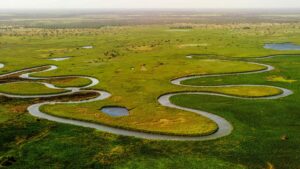
Some canals are broad and easy to navigate, while others are narrow waterways surrounded by reeds and overhanging trees. A small boat can provide a closer view of the vegetation and wildlife, while larger boats are suitable for certain main routes. The experience changes according to the time of day, season and water conditions.
The canals are not simply tourist attractions. They are essential transport routes for local communities and form part of the ecological system that sustains the delta. Responsible boat travel is therefore important. Visitors should avoid disturbing birds, entering restricted areas or creating unnecessary noise. For route ideas, consult the Danube Delta waterway route guide.
Birdwatching in the Danube Delta: A Paradise for Nature Lovers
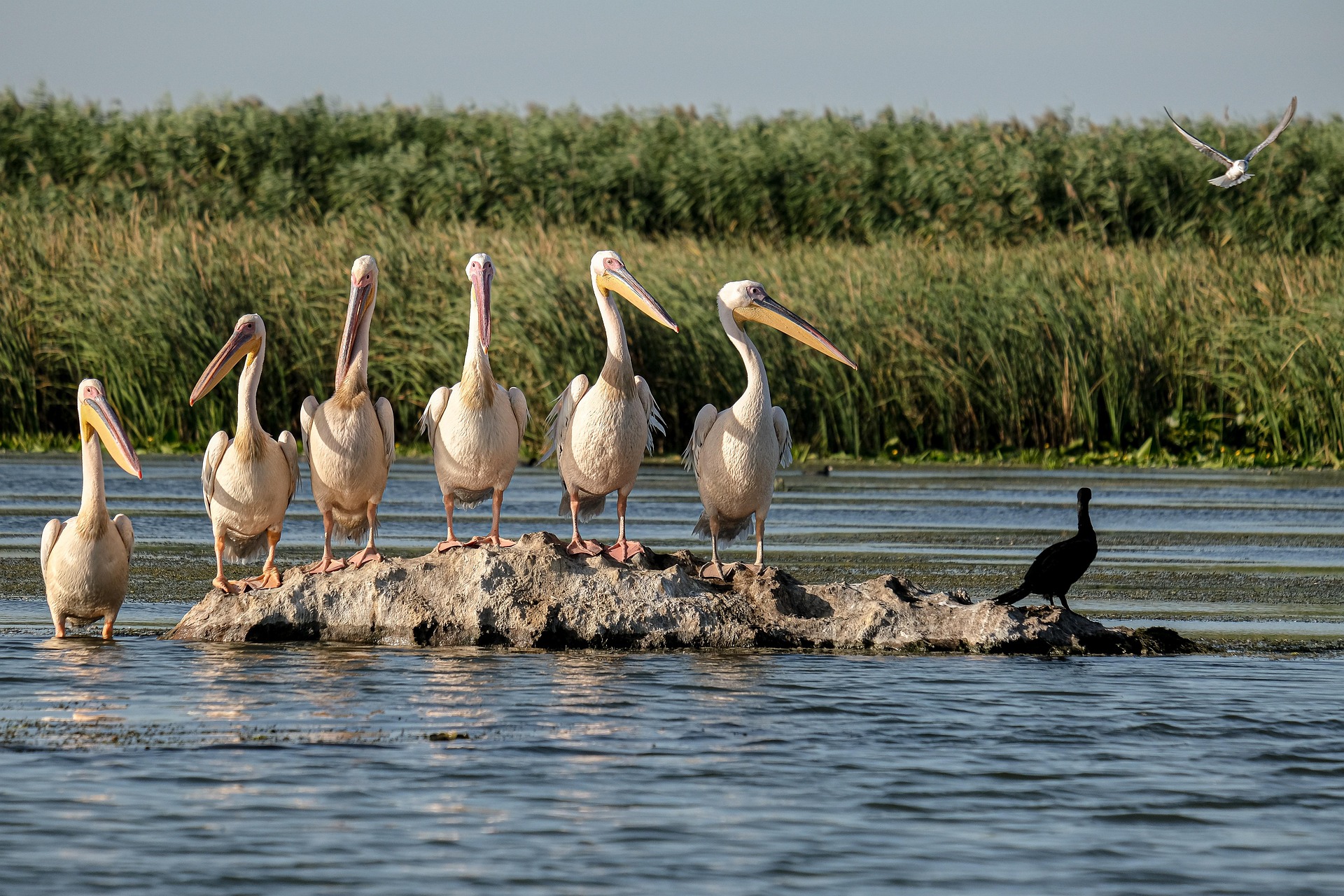
Birdwatching is one of the most rewarding activities in the Danube Delta. The wetlands provide habitats for a remarkable variety of birds, including pelicans, herons, cormorants, egrets, swans, ducks, terns and birds of prey. The region is also an important location for migratory birds travelling between different parts of Europe, Asia and Africa.
The great white pelican is one of the most recognisable species associated with the delta. Seeing a group of pelicans moving across the water or flying above the reed beds is an unforgettable experience. Dalmatian pelicans are another important species in the region and are of particular interest to conservationists and wildlife enthusiasts.
The best birdwatching experiences often take place during quiet boat trips in the early morning. Birds may be feeding, resting or moving between different wetland habitats, and the soft morning light is excellent for photography. Spring and autumn can be especially rewarding because of migration activity, although the exact species and numbers vary according to weather and environmental conditions.
Visitors do not need to be expert birdwatchers to enjoy the experience. A pair of binoculars, a camera with a suitable zoom lens and a knowledgeable guide can make a major difference. It is important to avoid approaching nests or disturbing bird colonies. Responsible observation helps protect the wildlife that makes the Danube Delta so special.
Fishing Traditions and Local Food in the Danube Delta
Fishing has been central to life in the Danube Delta for generations. The river, lakes and canals provide food and livelihoods for many communities, and local cuisine reflects this close relationship with the water. Visitors who want to experience the culture of the delta should make time to try traditional fish dishes prepared by local cooks.
Fish soup is one of the best-known regional specialities. Recipes vary between communities and households, but many use locally familiar freshwater fish and a combination of vegetables and herbs. Another popular dish is storceag, a traditional fish soup associated with the Sfântu Gheorghe area. Grilled fish, baked fish and other seasonal preparations are also common in restaurants and guesthouses.
The Danube Delta Biosphere Reserve: Understanding Its Natural Importance
The Danube Delta Biosphere Reserve protects one of Europe’s most valuable wetland ecosystems. Its importance extends beyond tourism because the wetlands provide habitats for wildlife, support local communities, help regulate water systems and contribute to the wider ecological health of the Black Sea region.
The reserve includes different types of protected landscapes, including lakes, marshes, reed beds, forests, coastal lagoons and river channels. Some areas are open to carefully managed tourism, while others have strict protection status and are reserved for conservation and scientific purposes. Visitors should never assume that every lake, island or forest can be entered freely.
The reserve’s ecological importance is also connected to its vegetation. Reed beds and wetland plants provide shelter for wildlife, help filter water and contribute to the natural functioning of the ecosystem. The forests and sand ridges create additional habitats that increase the region’s biodiversity.
The Danube Delta is best enjoyed as a place where nature comes first. Travellers who choose guided excursions, respect wildlife and follow official routes contribute to the protection of this remarkable destination. UNESCO’s World Heritage information and the Danube Delta Biosphere Reserve resources provide further background for visitors.
Best Time to Visit the Danube Delta
The best time to visit the Danube Delta depends on the type of experience you want. Spring is an excellent season for birdwatching and observing the return of migratory species. The wetlands become greener, flowers appear and wildlife activity increases. Temperatures are generally more comfortable for boat excursions than during the hottest part of summer.
Summer is the most popular season for many visitors because the weather is warm and the region is suitable for boat trips, village stays and beach holidays. Sulina and Sfântu Gheorghe are particularly attractive during this period because travellers can combine the delta’s waterways with time beside the Black Sea. However, summer can also bring mosquitoes, higher temperatures and greater demand for accommodation.
Autumn is a wonderful season for photographers and nature lovers. The landscape begins to change colour, the light can be beautiful and migratory birds move through the region. It is often a good time for travellers who prefer a quieter atmosphere than the busiest summer months.
Winter offers a different experience. The delta can be peaceful and atmospheric, with cold weather and fewer visitors. Some services and excursions may operate less frequently, and weather conditions can affect transport. Winter is best suited to travellers who are comfortable with a more limited tourism schedule and who have arranged their accommodation and transport in advance.
How to Reach the Danube Delta
Tulcea is the main gateway for many journeys into the Romanian Danube Delta. Travellers arriving from Bucharest can continue to Tulcea by road or public transport. The best option depends on budget, travel time and the departure point. Visitors should check current bus and train schedules before making reservations because services can change.
From Tulcea, the delta’s villages and natural attractions are reached mainly by water. Public passenger boats connect major settlements, while private transfers and guided excursions offer more flexibility. Some visitors choose to stay in Tulcea and take day trips, while others travel deeper into the delta and spend several nights in places such as Crișan, Mila 23, Sulina or Sfântu Gheorghe.
Murighiol is another useful access point, particularly for travellers exploring the southern delta and Lake Razim area. Jurilovca is convenient for boat trips towards Gura Portiței. The best starting point depends on which attractions you want to visit.
Travellers should not assume that a normal road journey can reach every village. Many settlements are accessible only by boat, and public transport may have limited schedules. It is wise to organise transfers and excursions before arriving, especially if you are visiting during a busy summer period.
Boat Tours: The Essential Danube Delta Experience
A boat tour is one of the best ways to discover the Danube Delta. The waterways connect many of the region’s most attractive places, and travelling by boat allows visitors to see landscapes that cannot be reached by ordinary roads. A guided excursion can include narrow canals, open lakes, traditional villages, birdwatching locations and coastal areas.
Short excursions from Tulcea are suitable for travellers with limited time. Longer trips can reach Mila 23, Crișan, Sulina or other destinations, depending on the operator and route. Visitors staying in the delta for several days can arrange different excursions to explore forests, lakes and villages without repeating the same journey.
Kayaking and Canoeing in the Danube Delta
Kayaking and canoeing are attractive activities for travellers who want to experience the delta at a slower pace. A kayak can move through some narrow waterways that are unsuitable for larger boats, allowing visitors to observe reeds, trees and wildlife from close range. The quiet movement of a paddle craft can also reduce disturbance compared with louder motorised excursions.
However, the delta is a complex wetland environment. Water levels, currents, weather and navigation conditions can change, and not every channel is suitable for inexperienced paddlers. Visitors should choose guided trips or approved routes and use appropriate safety equipment. A local operator can explain which areas are suitable for kayaking and where access is restricted.
Kayaking is particularly rewarding for nature photographers and travellers who enjoy outdoor activities. It allows time to appreciate small details, such as water lilies, reflections, insects and birds resting along the banks. Visitors should always keep a respectful distance from wildlife and avoid entering nesting areas.
Photography in the Danube Delta
The Danube Delta is one of Romania’s most photogenic natural destinations. Its combination of open water, misty mornings, reed beds, traditional boats, ancient trees and birdlife provides endless opportunities for landscape and wildlife photography.
Early morning is often the best time for photography because the light is soft and the water can be calm. Mist may appear above the lakes, creating atmospheric images of boats and birds. Sunset is another rewarding period, especially around Sulina, Sfântu Gheorghe and open sections of the river.
Wildlife photography requires patience and suitable equipment. A telephoto lens can help capture birds without approaching too closely. A camera with good performance in changing light is useful for early morning excursions. Visitors should avoid using flash near wildlife and should never disturb nests or colonies to obtain a photograph.
Drone use should not be assumed to be freely permitted. The reserve has specific rules for photography and filming, and visitors should check the current permit requirements before operating a drone or undertaking commercial photography. The official ARBDD online permit portal provides information about permits and relevant activities.
Historic and Cultural Attractions Around the Danube Delta
Although the Danube Delta is best known for its natural environment, the wider region also has a rich cultural and archaeological heritage. The Dobrogea area has been influenced by different communities and historical periods, creating a mixture of Romanian, Lipovan, Greek, Ottoman and other cultural traditions. The historic town of Sulina is one of the most interesting places for visitors who enjoy maritime history. Its old lighthouse heritage and multicultural cemetery provide insight into the international character of the former harbour. The town’s churches and historic streets also reflect its changing population and long relationship with navigation. Near Jurilovca, visitors can explore archaeological sites associated with ancient Greek settlement in the region. The ruins of Argamum, located near Cape Doloșman, are particularly interesting for travellers who want to combine coastal scenery with history. The nearby landscape offers views across Lake Razim and the surrounding lagoon system.
Where to Stay in the Danube Delta
Accommodation in the Danube Delta ranges from simple guesthouses and family-run pensions to more comfortable hotels and nature-focused resorts. The best place to stay depends on the kind of holiday you want and the attractions you plan to visit. Tulcea is a convenient option for travellers who prefer easy access to transport, restaurants and organised excursions. It is particularly useful for a short visit or for visitors who want to explore the delta through day trips. Crișan and Mila 23 are attractive choices for travellers who want to stay deeper inside the delta. These villages provide access to waterways and nature excursions, and their guesthouses can offer a more immersive experience of local life. Staying overnight also allows visitors to enjoy the peaceful atmosphere after day-trip boats have departed.
Traditional Food to Try in the Danube Delta
Food is an important part of a Danube Delta holiday. The region’s cuisine reflects its fishing traditions, local ingredients and the cultural influences of the communities living around the river and lakes. Fish dishes are especially prominent, and many restaurants and guesthouses serve recipes that have been passed down through generations.
Fish soup is one of the most recognisable dishes. It is often prepared with freshwater fish and vegetables, although recipes vary between villages. Storceag is another traditional speciality associated with the region, particularly the Sfântu Gheorghe area. It is a creamy fish soup that visitors may encounter in local restaurants.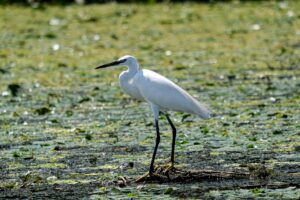
Grilled carp, catfish and other freshwater fish are also common menu choices, depending on local availability and legal fishing seasons. Some establishments serve fish with polenta, garlic sauce or seasonal vegetables. These meals provide a satisfying introduction to the region’s culinary identity.
Visitors should choose restaurants that follow responsible sourcing practices and comply with fishing regulations. Protected species and fish caught during restricted periods should never be part of a meal. Asking about local ingredients and traditional preparation methods can make dining more interesting.
Responsible Tourism in the Danube Delta
Responsible tourism is essential in the Danube Delta because its ecosystems are sensitive and many wildlife species depend on undisturbed habitats. Visitors should follow official routes, use authorised guides where necessary and avoid entering strictly protected areas without permission.
Noise pollution can disturb birds and other wildlife, particularly during nesting and breeding seasons. Travellers should ask boat operators to reduce speed where appropriate, maintain a suitable distance from bird colonies and avoid sudden approaches. Feeding wild animals is also discouraged because it can change their natural behaviour.
Rubbish should always be carried away and disposed of properly. Plastic bottles, food packaging and other waste can damage wetland habitats and threaten wildlife. Visitors should avoid removing plants, collecting shells or disturbing natural features.
The reserve has official access requirements and different permits may apply to visitors, vehicles, boats, fishing and certain photography activities. The official ARBDD permit portal lists available permits and current fees. The portal currently displays a tourist access permit price of 5 Romanian lei for one day, 15 lei for seven days and 30 lei through the end of the year; fees and eligibility rules should be checked again before travel.
Practical Travel Tips for Visiting the Danube Delta
Planning is important when visiting the Danube Delta because transport and services are different from those in major European cities. Many settlements are accessible mainly by boat, and public transport may operate according to fixed schedules. Visitors should confirm departure times, transfer arrangements and return journeys before travelling.
Mosquito repellent is useful, especially during warmer months and near wetlands. Lightweight long-sleeved clothing can provide protection during early morning and evening excursions. Comfortable footwear, sun protection, a hat and drinking water are also important for boat trips and outdoor activities.
Is the Danube Delta Suitable for Families?
The Danube Delta can be an excellent destination for families who enjoy nature and outdoor activities. Children can learn about birds, fish, wetlands and traditional fishing communities while travelling by boat and exploring villages. A guided excursion can turn the trip into an educational experience, helping young visitors understand why wetlands are important for the environment.
Families should choose boat trips that are suitable for children’s ages and comfort levels. Safety equipment, shade, drinking water and appropriate trip duration should be confirmed before booking. Some journeys can take several hours, and young children may find long excursions tiring.
Sulina and Sfântu Gheorghe are attractive options for families who want to combine nature exploration with beach time. However, parents should supervise children carefully around water and follow local swimming advice. The delta is a natural environment, so visitors should not expect the same facilities available at large commercial resorts.
Is the Danube Delta Worth Visiting?
The Danube Delta is absolutely worth visiting for travellers who want to experience a distinctive natural destination in Europe. Its combination of waterways, wildlife, traditional villages, forests and coastal landscapes makes it different from almost any other holiday destination in Romania. It is particularly rewarding for people who enjoy slow travel, nature photography, birdwatching, local food and cultural experiences.
The region is not ideal for visitors who want a highly structured city break with frequent transport and large numbers of commercial attractions. Instead, the delta rewards travellers who are willing to plan ahead, spend time on the water and adapt to local conditions. Its remote character is part of its appeal.
A visit can be as relaxing or adventurous as you choose. You can spend the morning watching pelicans from a boat, enjoy a traditional fish lunch in a fishing village, explore a forest in the afternoon and finish the day beside the Black Sea. These experiences make the Danube Delta one of the most memorable natural destinations in southeastern Europe.
Conclusion
The Danube Delta is a remarkable destination where natural beauty, wildlife and traditional culture come together. From the historic harbour town of Sulina and the peaceful fishing village of Sfântu Gheorghe to the traditional community of Mila 23 and the extraordinary Letea Forest, the region offers a wide range of experiences for different types of travellers. Its lakes, canals, reed beds and coastal landscapes create a constantly changing environment that is best explored slowly.
For first-time visitors, Tulcea is a practical starting point, while Crișan and Mila 23 provide excellent access to the central delta. Sulina offers a combination of maritime history and beach scenery, and Sfântu Gheorghe is ideal for travellers who want a traditional village atmosphere. Nature enthusiasts should consider Letea Forest, Caraorman Forest, Lake Fortuna and the wider lake systems, while visitors interested in coastal scenery can explore Gura Portiței and Lake Razim.
UNESCO World Heritage Centre – Danube Delta: https://whc.unesco.org/en/list/588
Visit Delta – Official Regional Tourism Information: https://visit-delta.ro/en/
Visit Delta – Natural Attractions, Lakes, Forests and Beaches: https://visit-delta.ro/en/natural-attractions/
Visit Delta – Destinations and Traditional Villages: https://visit-delta.ro/en/destinatii/
Visit Delta – Boat Trips: https://visit-delta.ro/en/experiences/boat-trips/
Danube Delta – Navigable Tourist Routes: https://danubedelta.org/en/navigable-routes-in-the-danube-delta/
Author

Related posts
Chaco Culture, New Mexico
- 0
- 5,921 words
Chaco Culture, New Mexico : A Complete Travel Guide to Ancient Puebloan Heritage Chaco Culture is one of the most remarkable archaeological...
Read out all
Places to Visit in Bisotun
- 0
- 5,002 words
Places to Visit in Bisotun , Iran Bisotun, also spelled Behistun or Bistoun, is one of the most important archaeological destinations in...
Read out all
Places to Visit in Pirin National Park
- 0
- 5,730 words
Places to Visit in Pirin National Park , Bulgaria Pirin National Park is one of the most remarkable destinations in Bulgaria for...
Read out all
Best Places to Visit in Dinant
- 0
- 4,895 words
Best Places to Visit in Dinant, Belgium Dinant is one of the most beautiful small towns in Belgium and one of the...
Read out all
Best Places to Visit in Mont-Saint-Michel
- 0
- 4,974 words
Best Places to Visit in Mont-Saint-Michel , France Mont-Saint-Michel is one of the most extraordinary destinations in France and one of the...
Read out all
UNGA
- 0
- 5,649 words
UNGA (United Nations General Assembly ) The United Nations General Assembly, commonly known as the UN General Assembly or UNGA, is one...
Read out all