
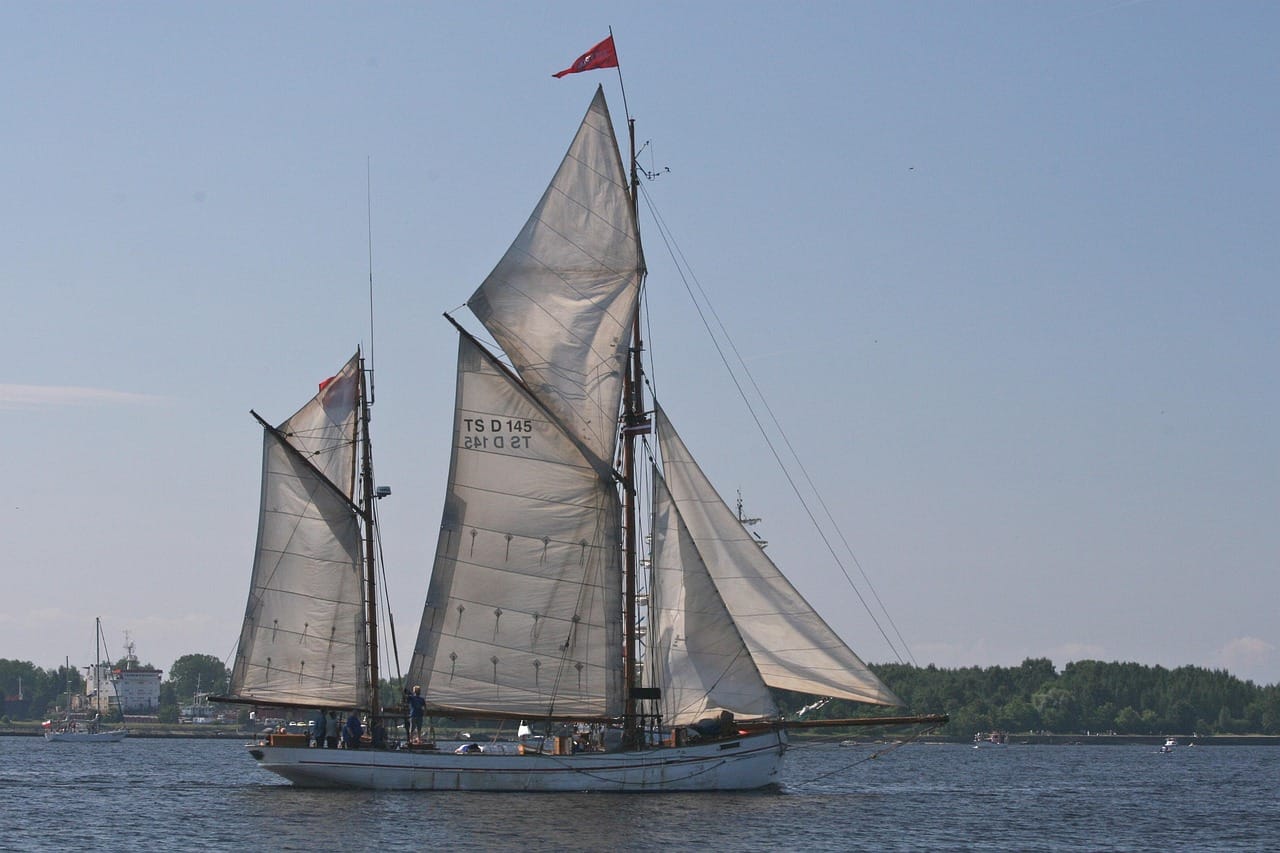
Best Places to Visit in Riga , Latvia
Riga, the capital of Latvia, is one of the most fascinating destinations in the Baltic region. Located along the Daugava River near the Baltic Sea, Riga combines medieval streets, historic churches, elegant Art Nouveau architecture, colorful markets, museums, parks, modern cafés, cultural venues, and lively neighborhoods. For travelers searching for the best places to visit in Riga, Latvia, the city offers an unusually diverse experience within a relatively compact urban area.
Riga is the largest city in Latvia and one of the principal cultural centers of the Baltic states. Its historic center is recognized as a UNESCO World Heritage Site, while the city center is internationally known for its exceptional collection of Art Nouveau buildings. Latvia’s official tourism portal describes Riga as a city where medieval architecture, Art Nouveau, wooden buildings, museums, food culture, and modern urban life exist side by side.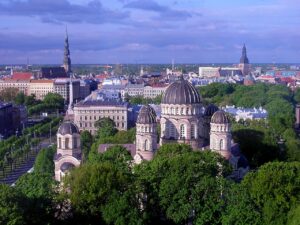
The city is particularly attractive for travelers who enjoy walking. Many of the most famous Riga tourist attractions are located within or close to the historic center. You can begin the morning among medieval buildings in Old Town Riga, walk toward the Freedom Monument, continue through the parks and boulevards, explore Art Nouveau architecture around Alberta Street, visit an art museum, and finish the afternoon tasting Latvian food at Riga Central Market.
Old Town Riga : The Historic Heart of Latvia’s Capital
Old Town Riga, known locally as Vecrīga, is the first place most visitors should explore. This historic district represents the oldest part of the city and contains an extraordinary concentration of churches, medieval buildings, merchant houses, narrow streets, squares, restaurants and cultural landmarks.
The historic center of Riga has been a UNESCO World Heritage Site since 1997. Its architectural character reflects several centuries of European history, with Romanesque, Gothic, Baroque, Classicist and later architectural influences appearing throughout the district.
Walking through Old Town Riga is one of the best things to do in Riga because the experience is not limited to visiting individual attractions. The streets themselves are part of the attraction. Cobblestone lanes, colorful facades, small courtyards and historic squares create an atmosphere that is especially enjoyable when explored slowly.
Visitors can begin around Town Hall Square and gradually walk toward Dome Square, St. Peter’s Church, the Swedish Gate, the Three Brothers and Riga Castle. Because many attractions are close together, Old Town can easily occupy several hours of a Riga sightseeing itinerary.
The official Riga tourism information describes Old Town as the historic center of the capital, with many buildings recognized as cultural monuments. The district also contains numerous cafés, restaurants and bars, making it convenient to combine sightseeing with Latvian food and coffee breaks.
Town Hall Square and the House of the Black Heads
Town Hall Square is one of the most recognizable locations in Riga Old Town. The square is dominated by the magnificent House of the Black Heads, an architectural landmark that has become one of the symbols of Riga.
The House of the Black Heads dates back to the 14th century and was historically associated with the Brotherhood of Blackheads, a merchant organization. Its elaborate exterior combines decorative details and architectural influences that make it particularly striking when viewed from the square.
The building suffered severe destruction during the Second World War and was later demolished during the Soviet period. After Latvia regained independence, the House of the Black Heads was reconstructed and reopened in 1999.
Today, visitors can explore restored interiors, historical exhibitions and spaces associated with the building’s long history. The contrast between its reconstructed appearance and its complicated history makes it an important place for travelers interested in Latvian history and European heritage.
For photography enthusiasts, Town Hall Square is also one of the best places to photograph Riga’s historic architecture. The ornate facade, surrounding buildings and open character of the square provide excellent opportunities during both daylight and evening.
Riga Dome Cathedral and Dome Square
Riga Dome Cathedral is another essential attraction in the historic center. Construction began in 1211, making the cathedral closely connected with the early history of medieval Riga.
The cathedral is notable not only for its age but also for the mixture of architectural styles visible in the building. Romanesque, Gothic, Baroque and Art Nouveau influences can be identified as the cathedral evolved and was renovated over the centuries.
Dome Square surrounding the cathedral is one of the largest and most atmospheric squares in Old Riga. It is an excellent place to pause after walking through the narrower streets of the historic center.
The cathedral is also important for music lovers because it has a long tradition of concerts. Its famous organ is one of the major features associated with the building, and attending a concert can provide a completely different experience from simply viewing the cathedral as an architectural attraction.
Travelers interested in religious history, medieval architecture, classical music and European cultural heritage should therefore include Riga Dome Cathedral in their itinerary.
St. Peter’s Church: One of Riga’s Best Viewpoints
St. Peter’s Church is one of the most recognizable landmarks in Riga. Its tall tower dominates the Old Town skyline, making it easy to identify from many parts of the city.
The church is an important example of medieval monumental architecture in the Baltic region. Its history reaches back to the 13th century, and the building has experienced numerous reconstructions throughout the centuries.
One of the major reasons tourists visit St. Peter’s Church is its observation platform. From the elevated viewpoint, visitors can see the rooftops of Old Riga, the Daugava River, bridges, modern parts of the city and the surrounding landscape.
For travelers searching for the best views in Riga, St. Peter’s Church is one of the classic choices. The elevated perspective also helps visitors understand the relationship between the medieval Old Town, the river and the newer districts surrounding the historic center.
The experience is particularly attractive around sunset, although opening arrangements and access conditions should be checked before visiting.
The Three Brothers: A Small Architectural Treasure
The Three Brothers are among the most photographed buildings in Riga Old Town. This group of historic houses represents different periods of Riga’s architectural development and stands as an excellent example of how the city’s residential architecture evolved.
The buildings are located close together, creating a visually distinctive facade that has become a popular stop on walking tours.
The Three Brothers are especially interesting because they demonstrate that Riga’s historical character is not limited to monumental churches and large public buildings. Everyday residential architecture also reveals the development of the city over several centuries.
For photographers, architecture enthusiasts and visitors exploring Old Riga on foot, the Three Brothers provide a quick but memorable stop.
Riga Castle: History Beside the Daugava River
Riga Castle stands on the banks of the Daugava River and has played an important role in Latvia’s political and cultural history.
The castle was originally constructed in the 14th century for the Livonian Order. Over subsequent centuries, its role and appearance changed as Riga passed through different political eras.
Today, Riga Castle is the official residence of the President of Latvia. Parts of the complex are associated with museums and cultural institutions, while the building itself remains an important historical landmark.
Its location near the river makes Riga Castle particularly convenient to combine with a walk along the Daugava waterfront and nearby Old Town streets.
Visitors should remember that Riga Castle is a functioning official residence, so not every part of the building is accessible as a normal tourist attraction.
Freedom Monument: A Symbol of Latvia
The Freedom Monument is one of the most important landmarks in central Riga. Located between the historic center and the city’s major boulevards, it represents Latvian independence, national unity and freedom.
The monument was unveiled in 1935 and was funded entirely through donations from residents. Designed by sculptor Kārlis Zāle, the monument reaches approximately 42.7 meters in height and incorporates numerous sculptural figures representing Latvian history and cultural themes.
At the top stands a woman holding three stars. These represent Latvia’s historical regions and have become one of the monument’s most recognizable visual features.
The Freedom Monument is more than an architectural attraction. It is closely connected with Latvia’s modern national history and remains an important ceremonial location.
Its central position also makes it an excellent starting point for exploring Riga. From here, travelers can walk toward Old Town, Bastejkalns Park, the National Opera, the Art Nouveau district or the city’s major shopping streets.
Bastejkalns Park and Riga’s Canal
Bastejkalns Park is one of the most pleasant green spaces near central Riga. Located around the city’s canal, the park provides a peaceful contrast to the historic streets and busy roads surrounding it.
The canal area is particularly attractive for travelers who enjoy walking, photography and urban landscapes. Bridges, trees, pathways, water and historic buildings create a scenic environment in the middle of the capital.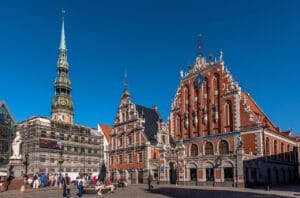
The park connects naturally with other central attractions, including the Freedom Monument and the Latvian National Opera and Ballet.
During warmer months, the area becomes especially pleasant for a relaxed walk. In autumn, the changing foliage creates a different atmosphere, while winter can transform the park into a quieter and more atmospheric part of the city.
Latvian National Opera and Ballet
The Latvian National Opera and Ballet is one of the country’s most important cultural institutions and one of the architectural highlights of central Riga.
The historic opera building dates from the 19th century and is often called the White House of Riga. Its location beside the canal and landscaped gardens makes the surrounding area one of the most attractive parts of the city center.
Attending an opera or ballet performance is an excellent way to experience Riga’s cultural life rather than simply sightseeing.
The institution presents classical opera, ballet, contemporary productions and Latvian works. Guided tours can also provide visitors with an opportunity to learn about the building and see areas that may not be visible during an ordinary performance.
Travelers who enjoy performing arts should check the official schedule before their trip because performances vary throughout the year.
Riga Art Nouveau District: A Paradise for Architecture Lovers
Riga is internationally famous for Art Nouveau architecture, and exploring the city’s Art Nouveau district is one of the best things to do in Riga.
The Quiet Centre, located approximately a short walk from Old Town, contains an extraordinary collection of early 20th-century buildings. Riga’s Art Nouveau heritage developed during a period of rapid economic and cultural growth.
Alberta Street is perhaps the most famous street for seeing this architectural style. Its buildings feature elaborate decorative elements, sculptural faces, geometric forms, floral motifs, balconies and dramatic facades.
The Art Nouveau district is not a single attraction. It is an urban architectural experience. Walking slowly through Alberta Street, Elizabetes Street and surrounding streets allows visitors to appreciate how different architects interpreted the style.
For travelers searching for Riga Art Nouveau architecture, this district should be near the top of the itinerary.
Alberta Street and Elizabetes Street
Alberta Street is one of the most important destinations for architecture photography in Riga. Several buildings here are recognized for their architectural significance, and the street demonstrates the remarkable variety possible within Art Nouveau design.
Elizabetes Street is another essential stop. Some of its facades are among the most visually famous examples of Riga’s architectural heritage.
The best way to experience these streets is to walk rather than simply photograph one building and leave. Look upward at the decorative details, balconies, windows, sculptures and geometric patterns.
The surrounding Quiet Centre also contains cafés, restaurants, embassies, galleries and cultural spaces, so visitors can easily spend half a day in this part of Riga.
Riga Art Nouveau Museum
The Riga Art Nouveau Museum is an ideal destination for travelers who want to understand the architecture rather than simply photograph it.
Located in the Art Nouveau district, the museum presents the lifestyle and interiors associated with Riga’s early 20th-century urban culture.
The museum helps explain the historical context behind the city’s elaborate architecture. Instead of seeing Art Nouveau merely as beautiful decoration, visitors can learn how the style influenced furniture, interiors, daily life and design.
Combining the museum with a walking tour of Alberta Street is one of the best ways to experience Riga’s Art Nouveau heritage.
Latvian National Museum of Art
The Latvian National Museum of Art is one of Riga’s most important cultural attractions.
The museum contains a major collection of Latvian art and illustrates the development of visual arts in the country. Its collection covers important periods in Latvian artistic history, while the building itself is an architectural attraction.
The museum underwent major renovation and reopened in 2016, combining historic architecture with modern exhibition spaces.
For visitors who want to understand Latvia beyond its streets and monuments, the museum provides valuable cultural context. Art can reveal social changes, national identity and historical developments that are not always obvious when visiting tourist landmarks.
A visit to the Latvian National Museum of Art can also be combined easily with the nearby parks, Freedom Monument and Art Nouveau district.
Riga Central Market: The Taste of Local Riga
Riga Central Market is one of the most unique places to visit in the city. Located close to the Old Town and Daugava River, the market occupies a group of enormous historic pavilions.
The pavilions originally had another industrial purpose and were later transformed into market buildings. Riga Central Market opened in 1930 and became one of the city’s major commercial centers.
Today, the market is famous for its food, local produce, fish, meat, dairy products, vegetables, fruits, bread, sweets and Latvian specialties.
For travelers interested in Latvian food, Riga Central Market is much more than a shopping location. It provides an opportunity to observe everyday life and experience ingredients used in Latvian cuisine.
Try local rye bread, smoked fish, dairy products, seasonal berries and other regional foods while exploring the different market halls.
The market’s location also makes it convenient for travelers arriving by train or bus, because Riga’s major transportation hubs are nearby.
Latvian Food to Try in Riga
Riga is a particularly interesting destination for travelers who enjoy food because Latvian cuisine reflects the country’s climate, agriculture and historical influences.
Rye bread is an important part of Latvian food culture and can be found in many forms. Smoked fish, potatoes, dairy products, mushrooms, berries and seasonal vegetables also appear frequently in traditional and contemporary cuisine.
Visitors should also look for dishes using local ingredients rather than limiting themselves to international restaurant menus.
Riga’s modern restaurant scene combines traditional Latvian ingredients with contemporary European techniques. This means travelers can experience both traditional food and modern interpretations of Baltic cuisine during the same trip.
Central Market, neighborhood markets, cafés and restaurants provide different opportunities to explore the local food culture.
Āgenskalns Market: Explore Riga Beyond Old Town
Āgenskalns Market is one of the best places to visit in Riga for travelers who want to experience local neighborhood culture.
Located on the left bank of the Daugava in Pārdaugava, the market has operated since the late 19th century. Its historic pavilion was renovated and reopened in 2022.
Today, the market includes local producers, food businesses, cafés and street-food options.
Āgenskalns is different from Riga Central Market because it feels more neighborhood-oriented. Visitors can observe local residents shopping, eating and meeting friends.
The market is particularly useful for travelers who want to experience Riga beyond the main tourist route.
Pārdaugava: Discover Riga’s Wooden Architecture
Pārdaugava, meaning the area across the Daugava, offers a completely different side of Riga.
While central Riga is known for grand Art Nouveau buildings and medieval monuments, Pārdaugava contains many wooden houses, quieter streets, local markets and neighborhood cafés.
Latvia has preserved a remarkable amount of historic wooden architecture, and Riga’s wooden houses provide insight into the city’s residential past.
Walking through Pārdaugava can feel less like conventional sightseeing and more like discovering how Riga functions as a living city.
The area is especially attractive for photographers and travelers who prefer authentic neighborhoods over heavily visited tourist attractions.
Kalnciema Quarter: Wooden Architecture, Food and Local Culture
Kalnciema Quarter is another excellent destination on the left bank of the Daugava.
The area is known for its restored wooden architecture and its community atmosphere. One of the most popular experiences is the traditional Saturday market, where local farmers, craftsmen, designers and food producers gather.
Depending on the season, visitors may find handmade products, food, drinks, design objects, crafts and cultural activities.
Kalnciema Quarter demonstrates the creative side of Riga and is especially attractive for visitors interested in design, architecture, local food and independent businesses.
If your trip includes a Saturday, checking the current market schedule can help you decide whether to include this neighborhood in your itinerary.
Riga’s Daugava River Waterfront
The Daugava River is central to Riga’s geography and history. Walking along the river provides a different perspective of the city compared with exploring Old Town.
From the waterfront, visitors can see historic buildings, bridges, modern architecture and the changing Riga skyline.
The river is also a good place for photography, especially around sunrise and sunset.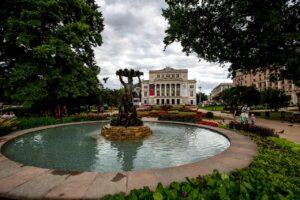
Boat trips may also be available depending on the season and current operator schedules. A river cruise can offer an alternative way to understand Riga’s layout and architecture.
For travelers staying several days, combining a walk along the Daugava with visits to Central Market, Old Town and the National Library creates a natural route through several important parts of the city.
Latvian National Library: The Castle of Light
Across the Daugava stands the Latvian National Library, commonly associated with the name Castle of Light.
The building has become one of Riga’s most recognizable modern architectural landmarks. Its unusual form creates a strong contrast with the medieval architecture visible across the river.
The library is an important cultural institution rather than simply a tourist viewpoint. Depending on current access arrangements and events, visitors may be able to explore public areas and cultural exhibitions.
The best way to appreciate the building is to view it both from nearby and from the historic center across the Daugava.
Riga’s Central Parks and Green Spaces
Riga is often described through its architecture, but its green spaces are equally important to the city’s character.
The canal parks around central Riga create a continuous green environment connecting major landmarks. Visitors can walk through these areas between Old Town and the central boulevards without feeling surrounded by traffic.
Parks become especially attractive during spring and summer when trees and flowers transform the city.
For travelers visiting in autumn, Riga’s parks offer colorful scenery, while winter creates a quieter atmosphere around the historic center.
Taking time to walk through the parks is one of the simplest ways to experience Riga at a slower pace.
Mežaparks: Riga’s Green Escape
Mežaparks is one of Riga’s major recreational areas and provides an opportunity to experience the city surrounded by nature.
The district is known for its greenery, residential environment and recreational opportunities. It is also home to Riga Zoo.
Mežaparks is suitable for travelers who want to escape the concentration of historic buildings for several hours.
The area demonstrates why Riga is more than an urban sightseeing destination. Forests, parks and recreational spaces form an important part of everyday life in Latvia’s capital.
Riga Zoo: A Family-Friendly Riga Attraction
Riga Zoo is a popular attraction for families and travelers interested in wildlife.
The zoo is located in Mežaparks, allowing visitors to combine a visit with time outdoors.
For families traveling with children, Riga Zoo can provide a change of pace after several hours of visiting churches, museums and historic buildings.
Because opening times and animal exhibits can change, travelers should check current information before visiting.
Riga Motor Museum: A Different Side of Latvia
The Riga Motor Museum is one of the most interesting attractions for travelers who are interested in automobiles, engineering and transportation history.
The museum contains a large collection of historic vehicles and presents the development of motoring through different periods.
Its subject matter makes it very different from Riga’s medieval churches and Art Nouveau buildings, which is precisely why it is worth considering.
Visitors interested in Soviet-era history may also find the collection particularly interesting because automobiles can reveal a great deal about technology, society and daily life during different historical periods.
The museum is located outside the immediate Old Town area, so it is better suited to a half-day itinerary rather than being added casually between nearby attractions.
Miera Street: Riga’s Creative Neighborhood
Miera Street has developed a reputation for cafés, independent businesses, creative spaces and a more alternative atmosphere.
It is an interesting destination for travelers who want to experience contemporary Riga rather than concentrating entirely on historic attractions.
The neighborhood is particularly suitable for café culture, independent design, creative industries and relaxed evening exploration.
Miera Street also helps demonstrate how Riga has evolved from a medieval trading city into a modern European capital with diverse cultural neighborhoods.
Riga’s Café Culture
Riga has a strong café culture, and taking time for coffee is one of the easiest ways to slow down during a sightseeing trip.
Instead of treating cafés simply as places to rest between attractions, visitors can use them as part of the Riga experience.
Historic Old Town cafés provide atmospheric surroundings, while neighborhoods such as the Quiet Centre and Miera Street offer contemporary environments.
Local pastries, cakes, rye bread and seasonal ingredients can make a café stop an enjoyable introduction to Latvian food culture.
Riga’s Nightlife and Evening Atmosphere
Riga has a lively evening scene concentrated around Old Town and several central neighborhoods.
The historic streets become particularly atmospheric after sunset when restaurants, cafés, bars and cultural venues become active.
Travelers interested in nightlife should explore the city according to their interests rather than assuming that Old Town represents the entire evening scene.
Riga also has concert venues, theaters, independent cultural spaces and seasonal events, making cultural entertainment an important part of the city’s nightlife.
Riga Bourse and Cultural Museums
Riga contains several museums that provide deeper insight into Latvian and European culture.
The Riga Bourse, located in Old Town, is particularly relevant for visitors interested in art, international cultural connections and historical collections.
Museum visits can make a Riga trip more meaningful because the city’s architecture alone does not tell the complete story of Latvia.
Travelers interested in history should consider combining museums with walking tours so that the historical information can be connected with actual buildings and neighborhoods.
Swedish Gate and Medieval Riga
The Swedish Gate is one of the surviving historic elements associated with Riga’s former fortifications.
Located in Old Town, it provides another reminder that Riga was once a fortified medieval trading city.
Walking through the Swedish Gate and the surrounding streets is especially enjoyable because the area is quieter than some of the main Old Town squares.
This is a good example of why travelers should leave time for unplanned exploration when visiting Riga. Some of the most memorable experiences come from small architectural details rather than famous attractions.
Riga’s Medieval Streets and Hidden Courtyards
One of the best ways to experience Riga is simply to wander.
Old Town contains narrow streets, historic facades, courtyards, churches and small squares that are easy to miss when following a strict itinerary.
Instead of rushing between landmarks, travelers should allow time to explore side streets.
The architecture changes subtly from one street to another, revealing different periods and functions. Merchant buildings, religious structures, residential houses and public spaces all contribute to the character of Old Riga.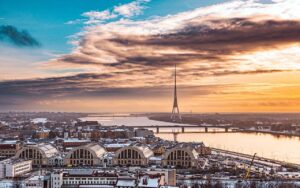
For photographers, these smaller spaces can sometimes be more rewarding than the city’s most famous landmarks.
Riga for Architecture Lovers
Riga is arguably one of the strongest destinations in Northern Europe for travelers interested in architecture.
The city offers medieval Gothic buildings in Old Town, Romanesque and Baroque influences around historic churches, 19th-century boulevards, early 20th-century Art Nouveau masterpieces, wooden houses in Pārdaugava and modern architecture along the Daugava.
This diversity means that an architecture-focused Riga itinerary can easily occupy several days.
Visitors should not think of Riga architecture as a single style. The real attraction is the transition between different historical periods.
Riga for History Lovers
Riga’s history extends across more than eight centuries and includes periods of German, Swedish, Polish-Lithuanian and Russian influence, Latvia’s first independence, the Second World War, the Soviet era and the restoration of independence.
The city’s buildings preserve traces of these different periods.
Old Town introduces medieval Riga, while museums and monuments help explain later developments. The Freedom Monument is particularly important for understanding Latvian independence, while Soviet-era architecture and museums can provide additional historical context.
A well-planned Riga trip therefore becomes more than sightseeing. It becomes an introduction to Latvia’s complex position in European history.
Riga for Art and Culture Lovers
Riga has an extensive cultural scene for a city of its size.
The Latvian National Museum of Art, Riga Bourse, opera, ballet, theaters, galleries and cultural centers provide numerous opportunities for visitors.
Travelers should check current cultural calendars before their trip because exhibitions and performances change regularly.
Attending a performance at the Latvian National Opera and Ballet can be particularly memorable for visitors who want to experience Latvian culture rather than simply observe it from outside.
Riga for Food Lovers
Food is another reason to visit Riga.
Traditional Latvian cuisine is closely connected with local and seasonal ingredients. Rye bread, fish, potatoes, dairy products, berries, mushrooms and preserved foods appear frequently in Latvian food culture.
Riga’s contemporary restaurants have expanded this tradition by combining regional ingredients with modern culinary techniques.
Central Market is one of the easiest places to begin exploring local flavors, while neighborhood markets provide additional opportunities to experience food culture outside the historic center.
Riga for Photography
Riga is an excellent destination for photography because its attractions are visually diverse.
Old Town provides medieval streets and church towers, while Alberta Street offers ornate Art Nouveau facades.
The Daugava provides opportunities for skyline photography, particularly around sunrise and sunset.
The Freedom Monument, Central Market, wooden houses of Pārdaugava and modern architecture such as the National Library provide further variety.
Photographers should also look beyond famous landmarks. Small details such as doors, windows, sculptures, signs and courtyards can reveal the character of Riga.
Best Places to Visit in Riga for Couples
Riga can be an attractive destination for couples because many of its experiences are naturally suited to walking and relaxed exploration.
A morning walk through Old Town can be followed by coffee near Dome Square, an afternoon architecture walk through the Quiet Centre and an evening performance or dinner.
The canal parks and Daugava waterfront are also suitable for relaxed walks.
For couples who enjoy food, visiting Central Market together and then exploring local restaurants provides an informal way to experience Latvian culture.
Best Places to Visit in Riga for Families
Families can combine historical attractions with more active experiences.
Old Town provides architecture and stories, while Riga Zoo and Mežaparks offer outdoor activities.
The Central Market can also be interesting for older children because the variety of food, colors and sounds creates a very different environment from a conventional museum.
The Riga Motor Museum is another option for families interested in cars and technology.
The key to a family-friendly Riga itinerary is to balance museums and historical attractions with parks, markets and outdoor spaces.
Best Places to Visit in Riga for First-Time Visitors
First-time visitors should begin with Old Town because it provides the clearest introduction to Riga’s history.
From Old Town, it is easy to walk toward the Freedom Monument and central parks before continuing into the Art Nouveau district.
Central Market should also be included because it demonstrates another side of the city and offers an opportunity to experience Latvian food.
If time allows, travelers can cross the Daugava to explore Pārdaugava and Āgenskalns.
This combination provides a balanced introduction to Riga’s medieval heritage, national identity, architecture, food culture and modern neighborhoods.
Best Time to Visit Riga, Latvia
The best time to visit Riga depends on the experience you want.
Summer is attractive for travelers who prefer long daylight hours, outdoor cafés, parks, walking tours and a lively atmosphere. The warmer months also make it easier to explore the city on foot.
Spring can be pleasant as the city becomes greener and outdoor spaces become more active.
Autumn brings colorful foliage and a more atmospheric environment, particularly around the parks and historic streets.
Winter creates a completely different Riga experience. The city can become quieter, and seasonal decorations and winter weather give Old Town a distinctive atmosphere.
Instead of asking only which season is objectively best, travelers should choose the period that matches their interests.
How Many Days Do You Need in Riga?
A weekend can provide a good introduction to Riga, but three days allows a more comfortable experience.
A short visit can concentrate on Old Town, the Freedom Monument, Central Market, the National Opera and Art Nouveau architecture.
With three days, visitors can add museums, Pārdaugava, Āgenskalns Market, Kalnciema Quarter or the Riga Motor Museum.
A longer stay allows travelers to explore Riga’s neighborhoods at a slower pace and potentially make day trips elsewhere in Latvia.
The city is compact enough that a carefully planned itinerary can cover many major attractions without requiring long daily journeys.
One-Day Riga Itinerary
A one-day Riga itinerary should begin early in Old Town.
Start around Town Hall Square and the House of the Black Heads before walking toward St. Peter’s Church and Dome Cathedral.
Continue through the historic streets toward Riga Castle and the Daugava waterfront.
After lunch, walk toward the Freedom Monument and the canal parks before continuing to the Art Nouveau district.
Finish the day around Alberta Street and Elizabetes Street, followed by dinner in the central area.
This itinerary focuses on the attractions that most clearly define Riga.
Two-Day Riga Itinerary
A two-day trip allows visitors to slow down.
The first day can concentrate on Old Town, the House of the Black Heads, St. Peter’s Church, Dome Cathedral, Riga Castle, the Freedom Monument and the canal parks.
The second day can focus on Art Nouveau architecture, the Latvian National Museum of Art, Central Market and a neighborhood such as Āgenskalns or Pārdaugava.
This approach combines famous attractions with more local experiences.
Three-Day Riga Itinerary
Three days provide an excellent opportunity to explore Riga beyond the traditional tourist route.
The first day can be dedicated to medieval Old Town and the city’s historic monuments.
The second day can explore the Art Nouveau district, museums, parks and cultural institutions.
The third day can focus on Central Market, Pārdaugava, Āgenskalns Market, Kalnciema Quarter or Mežaparks.
Travelers interested in automobiles can replace part of the neighborhood exploration with a visit to Riga Motor Museum.
Getting Around Riga
Riga is a relatively walkable city, particularly around the historic center.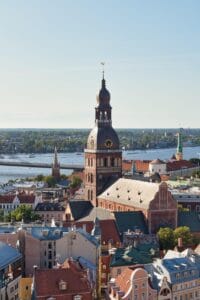
Walking is the best way to explore Old Town because narrow streets and pedestrian areas make the district more enjoyable without a vehicle.
Public transportation is useful when traveling between central Riga and areas such as Mežaparks, the Riga Motor Museum and Pārdaugava.
Trams, buses and trolleybuses connect different parts of the city. Visitors should check current ticketing information and routes before traveling because transportation arrangements can change.
Cycling can also be an appealing option during warmer months.
Where to Stay in Riga
The best area to stay depends on what kind of experience you want.
Old Town is convenient for first-time visitors because many major attractions are within walking distance.
The central area around the Freedom Monument and parks can be convenient for travelers who want access to both Old Town and the Art Nouveau district.
The Quiet Centre is particularly attractive for visitors who appreciate architecture, cafés and a more elegant urban environment.
Pārdaugava and Āgenskalns offer a more neighborhood-oriented experience and can appeal to travelers who want to see a different side of Riga.
Riga as Part of a Baltic Capitals Trip
Riga is frequently included in Baltic travel itineraries alongside Tallinn in Estonia and Vilnius in Lithuania.
The three capitals offer different architectural and cultural experiences, making a Baltic capitals journey particularly interesting.
Riga occupies a useful geographical position between the other two capitals and can serve as either a central stop or part of a longer Northern European itinerary.
Travelers planning a multi-country Baltic trip should consider spending enough time in each city rather than rushing through all three in a single weekend.
Day Trips from Riga
Riga can also serve as a base for exploring other parts of Latvia.
The country’s countryside, castles, forests, beaches and smaller towns provide a strong contrast with the capital.
Gauja National Park is particularly notable for nature, hiking and historic attractions.
Jūrmala, located near Riga, is famous for its beach and resort atmosphere and can be considered when planning a longer stay.
Other destinations throughout Latvia can be explored depending on season, transportation and personal interests.
Why Riga Is Different From Other European Capitals
Riga’s strongest characteristic is its combination of different architectural and cultural identities within a relatively compact city.
In one day, travelers can see medieval Gothic architecture, Art Nouveau masterpieces, wooden houses, monumental Soviet-era buildings, contemporary architecture and modern cafés.
The city is also less visually uniform than many historic European capitals.
Riga is therefore particularly rewarding for travelers who enjoy discovering contrasts.
Authentic Travel Experiences in Riga
Authentic travel in Riga does not necessarily mean finding a hidden attraction that few people know about.
Instead, it can mean visiting neighborhood markets, trying Latvian food, walking through residential areas, attending a cultural performance, using public transportation and spending time in parks.
Central Market and Āgenskalns Market are especially useful for experiencing everyday food culture.
Walking through Pārdaugava and the wooden-house districts can also provide a more local perspective.
These experiences complement the famous attractions rather than replacing them.
Official Riga and Latvia Travel Resources
For reliable travel planning, visitors should prioritize official tourism information rather than relying entirely on social media posts or outdated travel blogs.
The official Latvian tourism portal provides information about destinations, attractions, food, nature, cultural experiences and travel planning throughout Latvia.
Riga’s official tourism resources provide information about attractions, neighborhoods, events and visitor services.
Because museum opening times, ticket prices, cultural programmes, public transportation arrangements and seasonal activities can change, checking official sources shortly before your trip is recommended.
Conclusion
Riga is a destination where history, architecture, food, culture and everyday urban life come together in a remarkably compact area.
For first-time visitors, Old Town Riga should be the natural starting point. Its medieval streets, Dome Cathedral, St. Peter’s Church, Town Hall Square and House of the Black Heads introduce the historical character of Latvia’s capital.
The Freedom Monument provides a deeper connection to Latvia’s national history, while Bastejkalns Park and the canal offer a peaceful transition between the historic center and the modern city.
The Art Nouveau district is essential for architecture lovers, particularly around Alberta Street and Elizabetes Street. The Latvian National Museum of Art adds an important cultural dimension, while the National Opera and Ballet provides an opportunity to experience Riga’s performing arts tradition.
Official Latvian Tourism Portal — Latvia.travel
Official Riga Tourism — LiveRiga
Riga City Municipality — Tourism Information
Official Riga sightseeing and attractions guide
Author

Related posts

Best Places to Visit in Kathmandu
- 0
- 4,089 words
Best Places to Visit in Kathmandu , Nepal Kathmandu, the capital of Nepal, is one of South Asia’s most fascinating travel destinations....
Read out all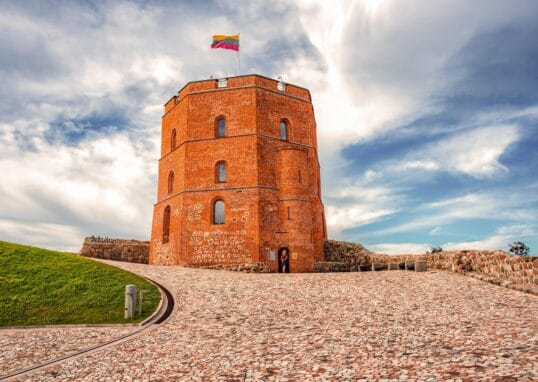
Best Places to Visit in Vilnius
- 0
- 5,246 words
Best Places to Visit in Vilnius , Lithuania Vilnius, the capital of Lithuania, is one of the most fascinating destinations in the...
Read out all
Best Places to Visit in Cartagena
- 0
- 4,522 words
Best Places to Visit in Cartagena , Colombia Cartagena de Indias is a historic Caribbean city on Colombia’s northern coast and one...
Read out all
Best Places to Visit in Kaohsiung
- 0
- 5,420 words
Best Places to Visit in Kaohsiung , Taiwan Kaohsiung is one of Taiwan’s most fascinating travel destinations, combining the energy of a...
Read out all
Best Places to Visit in Macau
- 0
- 5,725 words
Best Places to Visit in Macau , China Macau, also written as Macao, is one of the most distinctive destinations in southern...
Read out all
Best Places to Visit in Kyoto
- 0
- 5,452 words
Best Places to Visit in Kyoto , Japan Kyoto is a city where Japan’s past and present exist side by side. Modern...
Read out all