
What Are the Best Things to Do in Budapest?
Discovering the Beauty of Budapest
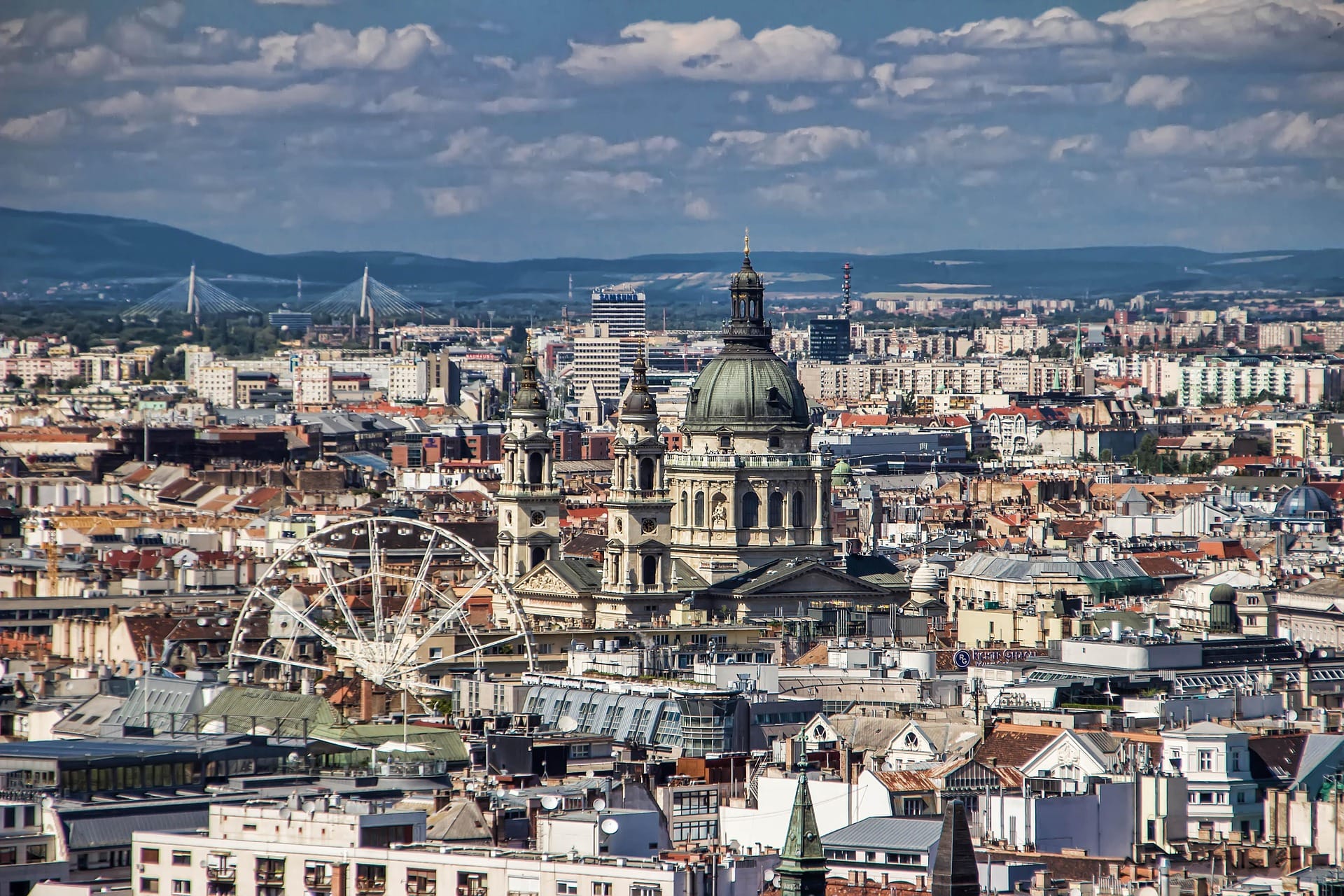
Budapest is one of Europe’s most breathtaking and culturally rich capitals. Located along the Danube River in Hungary, the city combines magnificent architecture, thermal baths, historic landmarks, vibrant nightlife, and deep cultural heritage into an unforgettable travel experience. Often called the “Pearl of the Danube,” Budapest attracts millions of visitors every year because of its unique combination of history, affordability, beauty, and entertainment.
The city is divided into two historic sections, Buda and Pest, connected by famous bridges crossing the Danube River. Buda is known for its hills, castles, and historical atmosphere, while Pest offers lively streets, cafés, shopping districts, and nightlife.
According to Budapest Official Tourism Website, Budapest remains one of Europe’s most visited destinations because of its architecture, thermal spas, food culture, and historical attractions.
Visiting the Hungarian Parliament Building

The Hungarian Parliament Building is one of Budapest’s most iconic landmarks and among the largest parliamentary buildings in the world. Located along the Danube River, the Neo-Gothic masterpiece dominates the city skyline with its towers, arches, and impressive dome.
Construction began during the late nineteenth century, and today the building symbolizes Hungarian national identity and political history. Visitors can explore grand staircases, decorated halls, historical chambers, and the Hungarian Crown Jewels displayed inside.
The exterior becomes especially spectacular at night when illuminated lights reflect beautifully across the Danube River.
Many travelers consider the Parliament Building the most photographed landmark in Budapest because of its extraordinary design and riverside location.
According to Hungarian Parliament Visitor Information, the building remains one of Hungary’s most important cultural and political symbols.
Exploring Buda Castle
Buda Castle stands proudly on Castle Hill overlooking the Danube River and the Pest side of the city. The historic complex served as the royal residence of Hungarian kings for centuries and remains one of Budapest’s most important UNESCO World Heritage Sites.
Visitors walking through the Castle District discover cobblestone streets, historical buildings, museums, cafés, churches, and panoramic viewpoints.
Inside the castle complex, travelers can visit the Hungarian National Gallery and the Budapest History Museum to learn more about Hungary’s artistic and historical development.
The Castle District becomes especially magical during sunset when the city lights begin illuminating Budapest below.
Travel experts frequently rank Buda Castle among Europe’s most beautiful historical castle districts.
Admiring Fisherman’s Bastion
Fisherman’s Bastion is one of Budapest’s most picturesque attractions and offers some of the best panoramic views in the city. Located near Matthias Church on Castle Hill, the terrace features towers, staircases, arches, and fairy-tale architecture overlooking the Danube River and Parliament Building.
Despite its medieval appearance, the structure was built during the late nineteenth century as a decorative monument celebrating Hungary’s history.
Photographers and tourists especially enjoy visiting early in the morning or during sunset when the city glows with golden light.
The terrace provides spectacular views across Budapest and remains one of the city’s most romantic locations.
According to major travel guides, Fisherman’s Bastion is considered one of Budapest’s most photogenic destinations.
Relaxing in Budapest’s Thermal Baths
Budapest is globally famous for its thermal bath culture. Built above natural hot springs, the city contains numerous historic spas attracting both locals and international travelers.
Széchenyi Thermal Bath is the most famous thermal complex in Budapest and one of Europe’s largest spa facilities. Visitors relax in warm outdoor pools surrounded by elegant Neo-Baroque architecture.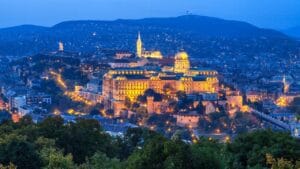
Another famous spa is Gellért Baths, known for its Art Nouveau interiors and luxurious atmosphere.
Thermal bathing has been part of Hungarian culture for centuries, dating back to Roman and Ottoman periods.
Travelers visiting Budapest often describe the thermal baths as one of the most unique and relaxing experiences in Europe.
According to Budapest Thermal Baths Guide, Budapest contains some of the world’s most historic and renowned thermal spa complexes.
Walking Across the Chain Bridge
The Széchenyi Chain Bridge was the first permanent bridge connecting Buda and Pest and remains one of Budapest’s most recognizable landmarks.
The suspension bridge crosses the Danube River and offers stunning views of the Parliament Building, Buda Castle, and city skyline.
Walking across the bridge during evening hours provides one of the best experiences in Budapest because of the illuminated monuments and reflections across the river.
The Chain Bridge also symbolizes Hungarian modernization and national unity.
Travelers frequently recommend nighttime walks along the Danube as one of Budapest’s most memorable experiences.
Discovering St. Stephen’s Basilica
St. Stephen’s Basilica is one of Budapest’s largest and most impressive churches. Named after Hungary’s first king, the basilica combines religious significance with extraordinary architecture.
The interior contains marble columns, gold decorations, artwork, and a magnificent dome visible throughout the city skyline.
Visitors can climb to the observation deck for panoramic views over Budapest’s rooftops and landmarks.
The basilica also hosts classical music concerts and organ performances throughout the year.
Religious architecture enthusiasts often consider St. Stephen’s Basilica one of Central Europe’s finest churches.
Cruising Along the Danube River
A Danube River cruise is among the best ways to experience Budapest’s beauty. The river divides the city into Buda and Pest while passing many of the city’s most famous landmarks.
Daytime cruises provide excellent sightseeing opportunities, while evening cruises reveal Budapest’s illuminated skyline and romantic atmosphere.
Passengers enjoy views of Parliament, Buda Castle, Chain Bridge, Gellért Hill, and numerous historical buildings lining the riverbanks.
Many travelers describe Budapest at night as one of Europe’s most visually stunning cityscapes.
According to international tourism rankings, Budapest’s Danube panorama remains one of the city’s greatest attractions.
Exploring the Ruin Bars of Budapest
Budapest has become internationally famous for its ruin bars, which are unique nightlife venues created inside abandoned buildings, courtyards, and former factories.
The most famous ruin bar is Szimpla Kert, known for eclectic decorations, vintage furniture, street art, music, and vibrant atmosphere.
Ruin bars combine creativity, history, nightlife, and local culture in ways rarely seen elsewhere in Europe.
Young travelers especially enjoy Budapest’s nightlife because it is energetic, affordable, and culturally distinctive.
The ruin bar concept has become one of Budapest’s defining modern attractions.
According to travel communities on Reddit Travel Discussions, Budapest nightlife remains one of Europe’s most recommended experiences for international visitors.
Visiting Heroes’ Square and City Park
Heroes’ Square is one of Budapest’s most important historical landmarks and commemorates major figures from Hungarian history.
The central Millennium Monument features statues of Hungarian leaders and national heroes, making the square a major cultural and patriotic site.
Nearby City Park offers green spaces, walking paths, museums, boating lakes, and recreational activities.
Families and travelers often spend relaxing afternoons exploring the park after sightseeing around the city center.
The surrounding area also contains Vajdahunyad Castle, one of Budapest’s most charming architectural landmarks.
Experiencing Hungarian Food and Cuisine
Budapest offers a rich culinary culture combining traditional Hungarian recipes with modern European influences.
Goulash remains Hungary’s most internationally famous dish, consisting of hearty soup or stew flavored with paprika.
Other popular foods include chimney cake, stuffed cabbage, sausages, langos, and rich pastries.
The Great Market Hall provides excellent opportunities to experience local ingredients, spices, street food, and Hungarian products.
Budapest’s café culture also reflects Austro-Hungarian traditions with elegant coffeehouses and dessert shops throughout the city.
Food tourism has become increasingly popular among visitors exploring Hungarian culture.
Discovering Matthias Church
Matthias Church stands beside Fisherman’s Bastion and remains one of Budapest’s most historically important religious buildings.
The church features Gothic architecture, colorful roof tiles, detailed interiors, stained glass windows, and centuries of Hungarian royal history.
Several Hungarian kings were crowned inside the church, adding to its national significance.
The church’s architecture and location make it one of Budapest’s most photographed landmarks.
History enthusiasts often consider Matthias Church an essential stop while exploring Castle Hill.
Shopping and Walking Along Váci Street
Váci Street is Budapest’s most famous shopping avenue and one of the city’s busiest pedestrian areas.
Visitors explore international brands, local boutiques, souvenir shops, cafés, and restaurants while enjoying the lively atmosphere.
Street musicians and seasonal decorations create a welcoming environment throughout the year.
The area also connects many important attractions near the Danube River and city center.
Travelers frequently enjoy relaxing walks through Budapest’s shopping districts after historical sightseeing.
Why Budapest Is One of Europe’s Best Travel Destinations
Budapest successfully combines affordability, beauty, culture, history, architecture, nightlife, and relaxation in ways few European capitals can match.
The city appeals to history lovers, photographers, couples, backpackers, luxury travelers, food enthusiasts, and wellness tourists alike.
Budapest’s thermal baths, riverside scenery, castle districts, cafés, and illuminated skyline create unforgettable travel memories.
Compared to many Western European capitals, Budapest also offers excellent value for accommodation, food, transportation, and entertainment.
The city continues growing in popularity among international travelers seeking both cultural experiences and vibrant urban energy.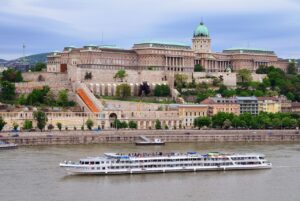
Conclusion
Budapest remains one of Europe’s most fascinating and visually stunning cities. From the Hungarian Parliament Building and Buda Castle to thermal baths, Danube cruises, ruin bars, churches, and panoramic viewpoints, the Hungarian capital offers extraordinary experiences for every type of traveler.
The city’s combination of imperial history, architectural beauty, cultural traditions, and modern nightlife creates a unique atmosphere unlike anywhere else in Europe.
Whether visitors explore historic castles, relax in thermal waters, enjoy Hungarian cuisine, or admire the glowing skyline at night, Budapest delivers unforgettable experiences filled with beauty, culture, and history.
🇪🇺 Visit Europe — Official Travel Portal of Europe
Visit Europe — Official Tourism Portal
It is operated by the European Travel Commission (ETC) and provides destination information, travel inspiration, regions, events, attractions, and travel-planning guidance across Europe.
Useful official links
- Europe Travel Guides: Visit Europe Guides — destination ideas, seasonal guides, food, culture, nature and travel inspiration.
- Plan Your Trip: Visit Europe Travel Tips — entry information, safety, currency, accommodation and transportation guidance.
- European Countries: Visit Europe Countries — official tourism information organized by European country.
- EU Travel & Entry Information: Travel to Europe — European Commission — official information about EES and ETIAS.
- EU Travel Rights: Your Europe — Travel — official EU information on travel documents, passenger rights, driving, luggage and other travel rules.
Author

Related posts
Best Places to Visit in Dinant
- 0
- 4,779 words
Best Places to Visit in Dinant, Belgium Dinant is one of the most beautiful small towns in Belgium and one of the...
Read out all
Best Places to Visit in Mont-Saint-Michel
- 0
- 4,964 words
Best Places to Visit in Mont-Saint-Michel , France Mont-Saint-Michel is one of the most extraordinary destinations in France and one of the...
Read out all
UNGA
- 0
- 5,649 words
UNGA (United Nations General Assembly ) The United Nations General Assembly, commonly known as the UN General Assembly or UNGA, is one...
Read out all
Best Places to Visit in Kathmandu
- 0
- 4,089 words
Best Places to Visit in Kathmandu , Nepal Kathmandu, the capital of Nepal, is one of South Asia’s most fascinating travel destinations....
Read out all
Best Places to Visit in Vilnius
- 0
- 5,246 words
Best Places to Visit in Vilnius , Lithuania Vilnius, the capital of Lithuania, is one of the most fascinating destinations in the...
Read out all
Best Places to Visit in Riga
- 0
- 6,005 words
Best Places to Visit in Riga , Latvia Riga, the capital of Latvia, is one of the most fascinating destinations in the...
Read out all