
What Are the Best Things to Do in Vienna?

What Are the Best Things to Do in Vienna?
Discovering the Beauty and Elegance of Vienna
Vienna is one of Europe’s most beautiful and culturally rich cities. As the capital of Austria, Vienna combines imperial history, classical music, elegant architecture, café culture, museums, and modern urban life into one unforgettable travel destination. The city is globally famous for its royal palaces, artistic heritage, historical landmarks, and musical legends including Mozart, Beethoven, Strauss, and Schubert.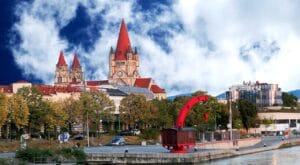
Vienna consistently ranks among the world’s most livable cities because of its clean streets, efficient public transport, green spaces, cultural institutions, and high quality of life. Travelers visiting Vienna experience a perfect combination of history and modern sophistication.
According to Vienna Tourism Official Website, Vienna attracts millions of visitors every year because of its architecture, music, museums, cafés, and imperial heritage.
Exploring Schönbrunn Palace
Schönbrunn Palace is one of Vienna’s most famous attractions and one of Europe’s most magnificent royal residences. The palace served as the summer residence of the Habsburg dynasty, which ruled large parts of Europe for centuries.
The palace complex contains more than one thousand rooms decorated with luxurious chandeliers, royal furniture, artwork, and gold details. Visitors can tour the imperial apartments where Emperor Franz Joseph and Empress Elisabeth once lived.
The surrounding gardens are equally spectacular. Travelers enjoy walking through fountains, flower gardens, sculptures, and tree-lined pathways leading to the Gloriette monument overlooking Vienna.
Schönbrunn also contains the world’s oldest zoo, making the area especially popular with families.
Travel experts consistently rank Schönbrunn Palace among the top attractions in Austria because of its historical significance and architectural beauty.
Visiting the Hofburg Imperial Palace
The Hofburg Palace served as the winter residence of the Habsburg rulers and remains one of Vienna’s most important historical sites. The palace complex includes museums, royal apartments, libraries, chapels, courtyards, and government offices.
One of the most popular sections is the Sisi Museum, dedicated to Empress Elisabeth of Austria, whose life story fascinates visitors from around the world.
The Hofburg also houses the Imperial Treasury, where visitors can see royal crowns, jewels, ceremonial objects, and historical treasures from the Holy Roman Empire.
Another famous attraction inside the Hofburg is the Spanish Riding School, known for its Lipizzaner horses and classical equestrian performances.
According to major travel guides, Hofburg Palace represents the political and cultural heart of imperial Vienna.
Admiring St. Stephen’s Cathedral

St. Stephen’s Cathedral, locally known as Stephansdom, is Vienna’s most iconic religious landmark. Located in the center of the city, the Gothic cathedral dominates Vienna’s skyline with its colorful tiled roof and tall towers.
Construction began during the 12th century, and today the cathedral remains one of Austria’s most important cultural and religious monuments.
Visitors can explore the cathedral’s detailed interior, underground catacombs, historical artifacts, and observation towers. Climbing the South Tower provides spectacular panoramic views across Vienna.
The surrounding Stephansplatz area is filled with shops, cafés, musicians, and street performers, making it one of Vienna’s liveliest districts.
Travel writers frequently describe Stephansdom as the symbolic center of Vienna.
Discovering Belvedere Palace and Gustav Klimt’s Art
Belvedere Palace is one of Vienna’s most elegant landmarks and one of Austria’s greatest art destinations. Built in Baroque style, the palace complex includes beautifully landscaped gardens and impressive art collections.
The Upper Belvedere Museum is internationally famous for displaying Gustav Klimt’s masterpiece “The Kiss,” one of the world’s most recognizable paintings.
In addition to Klimt’s work, the museum contains collections from Austrian and European artists spanning several centuries.
The palace gardens offer excellent photo opportunities and peaceful walking paths connecting the Upper and Lower Belvedere buildings.
Art lovers consider Belvedere one of Europe’s essential museum experiences.
Experiencing Vienna’s Coffeehouse Culture
Vienna’s café culture is one of the city’s most beloved traditions. Historic coffeehouses have served as meeting places for writers, philosophers, artists, politicians, and intellectuals for centuries.
Traditional cafés offer elegant interiors, marble tables, newspapers, pastries, and relaxed atmospheres encouraging long conversations and reading sessions.
Popular Viennese desserts include Sachertorte, apple strudel, and cream-filled pastries paired with strong Austrian coffee.
Famous cafés such as Café Central and Demel are major attractions because of their history and architectural beauty.
UNESCO recognizes Viennese coffeehouse culture as part of the world’s cultural heritage because of its historical importance and unique atmosphere.
Enjoying Vienna’s Classical Music Heritage
Vienna is widely considered one of the world’s greatest cities for classical music. Legendary composers including Mozart, Beethoven, Haydn, Strauss, and Schubert lived and worked in Vienna.
The Vienna State Opera is among the world’s most prestigious opera houses and hosts performances throughout the year.
Concert halls across the city offer classical music experiences ranging from grand orchestral performances to intimate chamber concerts.
Music enthusiasts can also visit Mozart’s former residence and museums dedicated to Austria’s musical history.
Vienna’s musical heritage remains one of the city’s strongest attractions for international visitors.
Walking Through Vienna’s Historic City Center
Vienna’s historic city center is a UNESCO World Heritage Site filled with elegant buildings, palaces, churches, squares, and luxury shopping streets.
Walking through the Innere Stadt allows travelers to experience Vienna’s imperial architecture and sophisticated atmosphere.
The famous Ringstrasse boulevard surrounds the historic core and features many of the city’s grandest buildings including the Parliament, City Hall, museums, and opera house.
Travelers often describe Vienna as an open-air museum because of the beauty and preservation of its historical architecture.
According to travel experts, simply walking through Vienna’s central districts is one of the city’s best experiences.
Visiting the Prater and Giant Ferris Wheel

The Prater is one of Vienna’s most famous entertainment districts and home to the historic Giant Ferris Wheel known as Wiener Riesenrad.
The amusement park combines nostalgic charm with modern attractions, rides, restaurants, and entertainment areas.
The Ferris wheel became internationally famous through movies and remains one of Vienna’s most recognizable landmarks.
Visitors enjoy panoramic city views from the wheel while experiencing one of Europe’s oldest amusement parks.
The surrounding green park areas also provide walking and cycling opportunities.
Travel guides consistently recommend the Prater for families, couples, and photographers visiting Vienna.
Exploring MuseumsQuartier and Modern Culture
Vienna is not only about imperial history. The city also has a strong modern and contemporary cultural scene.
MuseumsQuartier is one of Europe’s largest cultural complexes and contains museums, galleries, cafés, event spaces, and creative institutions.
The Leopold Museum is especially famous for Austrian modern art and works by Egon Schiele and Gustav Klimt.
Young travelers often enjoy the district’s modern atmosphere, outdoor seating areas, artistic events, and contemporary exhibitions.
Vienna successfully balances classical traditions with modern creativity and innovation.
Discovering Vienna’s Food Scene
Vienna’s culinary scene combines traditional Austrian dishes with international influences.
Wiener Schnitzel remains the city’s most famous dish, typically served with potatoes or salad. Other popular foods include sausages, goulash, pastries, and desserts.
Naschmarkt is Vienna’s most famous food market and offers fresh produce, international cuisine, spices, seafood, and local specialties.
Street food stands called Würstelstand are also an important part of local culture and provide affordable traditional snacks.
Travel communities frequently recommend experiencing Vienna’s food culture as an essential part of visiting the city.
Riding Vienna’s Excellent Public Transport
Vienna’s public transportation system is considered one of the best in Europe. Trams, buses, subways, and trains connect nearly every part of the city efficiently.
Many visitors purchase transport passes because attractions are spread across different districts.
Vienna’s tram system is especially scenic and allows travelers to admire the city while moving comfortably between landmarks.
According to recent reports, Vienna’s transport system remains internationally admired for efficiency and affordability.
Visiting Parks and Green Spaces
Despite being a major capital city, Vienna contains many parks, gardens, and green spaces.
The Volksgarten, Stadtpark, Burggarten, and Danube Island offer relaxing environments for walking, jogging, cycling, and picnics.
The city’s green areas contribute significantly to Vienna’s reputation as one of the world’s most livable cities.
Many travelers enjoy combining historical sightseeing with peaceful afternoons in Vienna’s parks and outdoor cafés. Tourist also visit Salzburg, Austria
Why Vienna Is One of Europe’s Greatest Cities
Vienna stands out because it successfully combines imperial history, classical music, art, architecture, modern culture, excellent infrastructure, and high living standards.
Few cities offer such strong connections to royal history and artistic achievement while still feeling modern and vibrant.
Travelers visiting Vienna can experience grand palaces, world-famous museums, traditional cafés, opera performances, elegant streets, and relaxing green spaces within a single trip.
The city appeals to history enthusiasts, music lovers, art collectors, photographers, food travelers, families, and luxury tourists alike.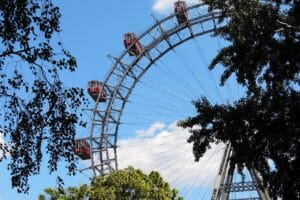
Conclusion
Vienna remains one of Europe’s most unforgettable destinations because of its elegance, culture, history, and timeless beauty. From Schönbrunn Palace and the Hofburg to St. Stephen’s Cathedral, classical concerts, coffeehouses, museums, and food markets, Vienna offers extraordinary experiences for every traveler.
The city’s imperial heritage, artistic achievements, and sophisticated atmosphere create a unique travel experience unlike anywhere else in Europe.
Whether visitors come for music, architecture, food, museums, or relaxation, Vienna continues to captivate travelers from around the world with its charm and cultural richness.
Author

Related posts

Best Places to Visit in Kathmandu
- 0
- 4,089 words
Best Places to Visit in Kathmandu , Nepal Kathmandu, the capital of Nepal, is one of South Asia’s most fascinating travel destinations....
Read out all
Best Places to Visit in Vilnius
- 0
- 5,246 words
Best Places to Visit in Vilnius , Lithuania Vilnius, the capital of Lithuania, is one of the most fascinating destinations in the...
Read out all
Best Places to Visit in Riga
- 0
- 6,005 words
Best Places to Visit in Riga , Latvia Riga, the capital of Latvia, is one of the most fascinating destinations in the...
Read out all
Best Places to Visit in Cartagena
- 0
- 4,522 words
Best Places to Visit in Cartagena , Colombia Cartagena de Indias is a historic Caribbean city on Colombia’s northern coast and one...
Read out all
Best Places to Visit in Kaohsiung
- 0
- 5,420 words
Best Places to Visit in Kaohsiung , Taiwan Kaohsiung is one of Taiwan’s most fascinating travel destinations, combining the energy of a...
Read out all
Best Places to Visit in Macau
- 0
- 5,725 words
Best Places to Visit in Macau , China Macau, also written as Macao, is one of the most distinctive destinations in southern...
Read out all