
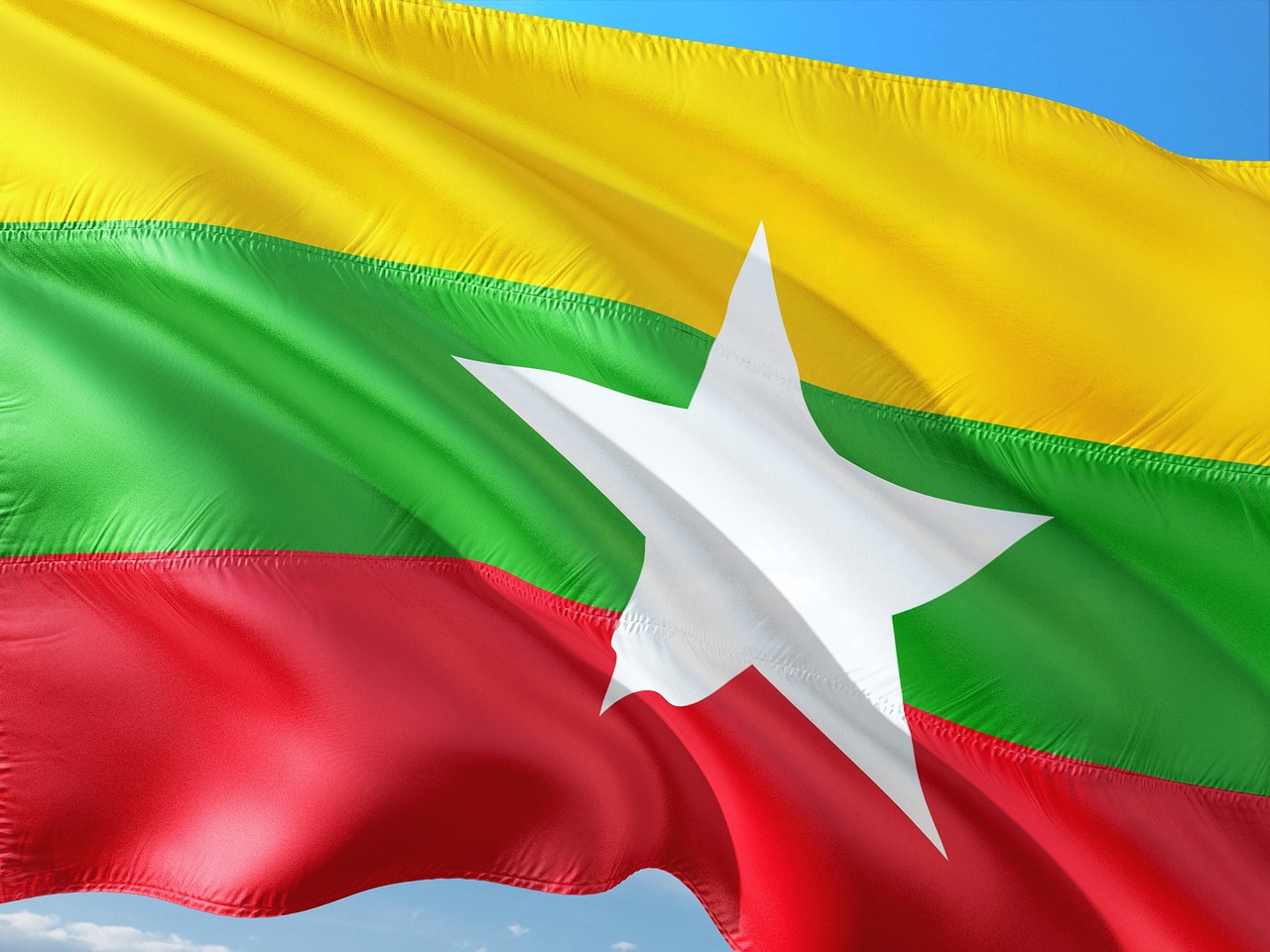
Myanmar: A Timeless Land of Culture, Temples, and Natural Beauty
Myanmar, also called Burma, is one of the most culturally and visually interesting countries in Southeast Asia. Sited between the cultures of South and East Asia, Myanmar has historically and has remained to this day a crossroads of various cultures and religions. Even today, Myanmar remains deeply connected to the culture of the past and offers international tourists an extraordinary opportunity to experience an ancient culture and nature that has remained untouched. The world over, Myanmar has remained the land of spirituality and hospitality. Travels to this beautiful destination are not just journeys; they are experiences that slowly unravel. Beginning with the misty mountains that hug the northern regions all the way to the tropical coast that cradles the southern shores, this destination has such great diversity that it has left visitors awed. Those who have travelled to this destination say that this has been one of their most authentic experiences.
Myanmar’s Location and Global Importance
Myanmar is a Southeast Asian country that borders India, Bangladesh, China, Thailand, and the nation of Laos. This makes it a bridge between the continents of South Asia and Southeast Asia because, for so many years, traders, monks, and travelers have been passing through this country. This has left the country with traces of those influences. The country has a large coastline on the Bay of Bengal and the Andaman Sea, which has significantly contributed to trade activities as well as fishing. The rivers in Myanmar, particularly the Irrawaddy River, have significantly supported agricultural activities as well as transportation for over 4,000 years. At the global level, the country has become more noted for its tourism, cultural heritage, and natural resources.
Geography and Natural Landscape of Myanmar
It has one of the most varied landscapes found in Asia. In the northern part of the country, hills are found, which are mostly covered with trees. In the central part, the geographical formation is characterized by fertile lowlands that support agricultural communities. The southern part has tropical jungles, mangrove, islands, and beaches. One of the most significant natural resources in Myanmar is the Irrawaddy River. This river stretches from north to south and is the lifeblood of Myanmar. This river sustains agricultural and commercial life in numerous villages. Along the banks of this river, one can observe the traditional life of the rivers. This remains largely unaltered through the ages.
Climate and Best Time to Visit Myanmar
Myanmar has a tropical monsoon climate with three seasons. There is the cool season, experienced between November and February, and it is the best season to visit the country. In this season, the climate is pleasant and ideal for touring. There is the hot season, between March and May, characterized by hot temperatures. There is the rainy season, between June and October, with monsoon rains, mainly in the coastal and hill regions. Moreover, due to these variations in season, traveling in Myanmar is most preferred in the cooler season. Nevertheless, in other periods, there are varied destinations for travel too.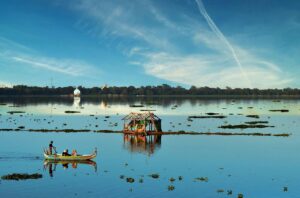
History of Myanmar Through the Ages
Myanmar history is intricately tied with Buddhism, monarchs, and imperial dynasties. In the early periods, trading and irrigated farmland were established along river valleys. Kingdoms such as Pagan, Ava, and Mandalay rose and fell over time. This left behind beautiful pagodas and imperial cities. The Pagan Kingdom, which lasted during the 9th to 13th centuries, marks a very significant era in Myanmar. It was during this era that a huge number of temples were erected in the Bagan plains.
Culture and Daily Life in Myanmar
The culture in Myanmar is very Buddhist, family-oriented, and respectful of tradition. Images of monks in saffron robes, golden stupas, and religious practices can be seen in Myanmar. Religion is a major aspect that can be noticed in Myanmar, as it sets out moral standards within communities. There are strong family and community ties, and welcoming hospitality is considered a significant part of the culture. Foreign visitors have often been welcomed with genuine warmth and curiosity. Traditional clothing, music, dance, and festivals continue to be a live part of the culture.
Cuisine of Myanmar and Food Traditions
Cuisine in this country is an indication of the geographical characteristics and cultures brought by different civilizations. The dishes in this country combine cuisines from India, China, Thailand, as well as indigenous food. Their basic food, which consists of rice, is often accompanied by vegetables, curries, or soups. “The most renowned dish of Myanmar is probably Mohinga, a fish-based noodle soup, usually served for breakfast,” and tea leaf salad, or “Lahpet Thoke, Myanmar’s national dish,” is also cited as an important representation of Myanmar cuisine. “In Myanmar, food is frequently shared, and a meal served together by family and friends is an important expression of their togetherness.”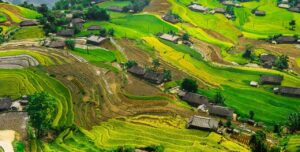
Tourism in Myanmar: A Hidden Gem of Southeast Asia
A cultural gem and one of the most beautiful sites in Southeast Asia, Myanmar, also known as Burma, has long fascinated tourists worldwide with its rich history, religion, nature, and authentic living. Existing between South Asia and the Asia-Pacific region, this beautiful destination boasts a fascinating blend of cultures, nature, and civilizations. With its pagodas, historic cities, mountains, waterways, and tropical coastlines, there is no other tourist destination like the beautiful Myanmar that offers such remarkable experience for all travelers. Throughout the years, Myanmar has been recognized as a place of less commercialized tourism in comparison with its neighboring countries. It is for this reason that tourists associate the country of Myanmar as a peaceful, spiritual, and authentic nation. Through tourism, it is not merely a matter of visiting the place; it involves comprehendings of culture, religion, as well as the lifestyle of the people.
Why Myanmar Is a Unique Tourism Destination
The tourism world has a distinctive presence of Myanmarians due to the culture and history of the country. Myanmarians have a rich culture that boasts thousands of temples, monasteries, and Buddha pagodas, many of which are over a thousand years old. At the same time, Myanmarians have diverse geographical features that include valleys, forests, mountains, and coastlines. Another significant reason that makes tourism in Myanmar attractive is its people. The people in Myanmar are famous for being very friendly, hospitable, and smiling warmly at others. It has been observed that tourists feel welcomed and honored, making tourist experiences in these places more valuable in terms of making memories.
Yangon Tourism: The Cultural and Spiritual Gateway
The largest city in the country and the most popular entry point of international tourist traffic is Yangon. The tourist trail of Yangon is based on history, religions, and colonial architecture. Yangon is the perfect example of traditional and modern ways of life. The most prominent tourist destination in Yangon is Shwedagon Pagoda, which is one of the most revered Buddhist sites around the world. Gold-plated and encrusted with precious gems, Shwedagon Pagoda towers above the Yangon skyline and draws visitors from all around the world.
Bagan Tourism: Land of a Thousand Temples
Bagan is considered the most recognizable tourist spot in Myanmar, and it is also one of the foremost archaeological sites in the world. It is situated in the center of the country, and one of the reasons it is renowned is because of the huge flat landmass dotted with temples and pagodas from the 9th to the 13th centuries. Bagan, a town in Myanmar, is a tourism destination in itself, based on heritage tourism, historical sites, and photography tourism. Sunrise or sunset at the temple plains is a mystical experience that attracts visitors from across the globe. The most popular form of tourism in Bagan is a ride in a hot air balloon over Bagan.
Mandalay Tourism: Royal Heritage and Living Traditions
Mandalay was the final royal city of the Burmese kingdom and the cultural and historical center of Myanmar. Tourism in Mandalay centers on the royal palaces, the ancient monasteries, and traditional handicrafts. The Mandalay Royal Palace gives a glimpse of the history of the monarchical system in Myanmar. Close to this area is the Mandalay Hill that gives a good view of the surroundings. Arts and crafts in Mandalay include gold leaf production, stone carving, and silk weaving. A travel to Mandalay would not be complete without going to other religious sites such as the Mahamuni Pagoda, which is known to have one of the most sacred Buddha images in the country. It can be observed how spirituality has shaped the culture in this city in Myanmar.
Inle Lake Tourism: Floating Villages and Scenic Beauty
Inle Lake in Shan State is one of the most fascinating tourist sites in Myanmar. Inle Lake is well known for its floating villages and gardens and fishermen who propel their boats along with one leg. This has become synonymous with tourism in Myanmar. Inle Lake tourism is based on nature, culture, and the slow travel model. The communities around Inle Lake are accessed on bicycles, and the main attractions include the homes on stilts, markets, monasteries, and workshops. Inle Lake also has mountains that are beautiful and interact with nature on treks.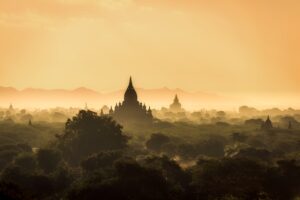
Nay Pyi Taw Tourism: The Modern Capital
Nay Pyi Daw is the capital of Myanmar. This is another face of tourism that occurs within the boundaries of Myanmar. This is an organized city designed for tourists. The roads are wide, buildings modern, and space expansive. Even if it is less crowded than Yangon and Mandalay, Nay Pyi Daw tourism does involve famous sites such as the government buildings, museums, and public spaces. Tourists who wish to learn about politics and modern developments of Myanmar may be interested in Nay Pyi Taw. It also has extensive parks and zoos and cultural centers that contrasted with the ancient cities found in Myanmar.
Ngapali Beach Tourism: Myanmar’s Tropical Paradise
The most famous beach resort in Burma is Ngapali Beach, which is situated along the Bay of Bengal. Tourism in this place is primarily based on relaxation, nature, and beach activities. It is famous for its white sands, blue waters, and palm trees. Compared to other beaches in Asia, Ngapali Beach is not crowded, and it is a peaceful destination. Activities undertaken here include swimming, beach dining, cycling, and viewing the beautiful sunset. Holidaying in Ngapali Beach is preferred for romantic vacations, family vacations, or just escaping from a hectic lifestyle.
Kyaiktiyo Golden Rock Tourism: A Sacred Pilgrimage Site
Kyaik Ti Yo or the Golden Rock is one of the most revered pilgrimage tourist attractions in Myanmar. It has a huge golden rock that is balanced on the edge of a cliff and is said to be maintained in its position by a strand of Buddha’s hair. People flock to the Golden Rock from all over the country to pay their respects to this religious marvel. In fact, one of the main tourist activities with spiritual implications at this juncture in Myanmar culture revolves around the journey to Kyaiktiyo.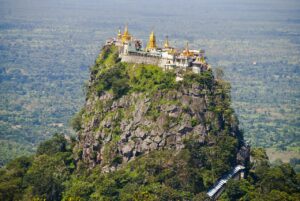
Cultural and Religious Tourism in Myanmar
An important segment in Myanmar’s tourism sector is cultural/religious tourism. Buddhism has a significant effect on lifestyle, events, architecture, and values. Observers can view monks, meditation, and religious events in Myanmar. Festivals like the Thingyan Water Festival, also known as the Myanmar New Year, attract visitors to the country who wish to enjoy the culture of the people of Myanmar. Visits to temples and monasteries, and meditation-centered vacations, are also becoming common in tourist visits to Myanmar.
Nature and Eco-Tourism in Myanmar
Eco-tourism in Myanmar emphasizes sustainability and local engagement. This form of eco-tourism provides an opportunity to engage in responsible nature explorations to support the local villages.
Myanmar Tourism Around the World
In modern times, Myanmar finds itself increasingly portrayed in travel magazines and documentaries abroad. People from the EU, Asia, as well as North America travel to this country as they are seeking experiences different from the common ones covered in travel guides. The perception of it being the spiritual, historic, and peaceful place keeps on escalating abroad. Despite the difficulty, Myanmar tourism continues to be an important cross-cultural link that provides travelers insight into the Southeast Asian tradition and culture.
Surrounding Places Near Myanmar: Exploring Neighboring Countries and Regions
Myanmar is situated in the areas of both Southeastern and Southern Asia, thus acting as the natural link between the two significant parts of the world. Because of its geographical significance, Myanmar shares borders with countries rich in culture and geographical diversity. The neighboring places of Myanmar have significant influence in the areas of trade, tourism, history, and culture. Visitors to Myanmar travel to the neighboring countries in order to enjoy the diversity of landscapes, cultures, and historical sites. Therefore, the neighboring places around Myanmar have significant prominence in the tourism of the region.
Thailand Near Myanmar: A Major Tourism and Travel Connection
Thailand is located to the east and southeast of the territory of Myanmar; it is one of the most significant neighboring countries. The border between Thailand and the territory of Myanmar is long and active; there are many crossing points that connect cities, markets, and cultural areas. Thailand is worldwide famous for its tourism, and it is not rare that tours to Thailand and Myanmar are combined.
India Near Myanmar: Cultural and Historical Influence
India shares its northwestern border with Myanmar, and it has been a strong influencer of Myanmar’s culture, religion, and history. For instance, Buddhism, which is predominant in Myanmar, has its origin in India. Many religious pilgrims find it important to visit both countries to learn where Buddhist civilization originated from.
China Near Myanmar: Trade, Nature, and Cultural Exchange
China is the neighboring country to the north and northeast of Myanmar and can be seen as one of the most powerful among them. Myanmar-China border is an area of different topography, featuring mountains, forests, and ethnicity. There are links between Kunming, China, and northern Myanmar. The influence of China can also be observed in the border towns in Myanmar, for example, in their food, language, and markets. Visitors also make China their port of entry to go to other parts of Myanmar with remarkable natural beauty. Furthermore, the modernized structure of China assists in connecting the world with Myanmar. Since it’s a neighboring country, China presents a dramatic contrast in terms of being traditional versus highly modernized.
Bangladesh Near Myanmar: Coastal and Cultural Connections
It is close to the Bay of Bengal and situated to the west of Myanmar. Both areas have a similar weather condition. Even though there are fewer tourist visits between Myanmar and the country of Bangladesh, the ties are still strong. Historical attractions, river cruises, and ecotourism in the green countryside have attracted the attention of nature and rural life enthusiasts to the tourism potential that Bangladesh has to offer. Cox’s Bazar, a natural beach that ranks among the world’s longest beaches, also lies very close to western Myanmar and boosts the tourist value of the surrounding region. Enhanced cooperation in the region is projected to increase the overall importance of Bangladesh as a surrounding tourism destination.
Laos Near Myanmar: Peaceful Landscapes and Shared Traditions
Laos is another neighboring country to the east of Myanmar, separated largely by the existence of the Thai nation, but they share similar cultural and religious ties. In fact, both countries embrace Theravada Buddhism to a great extent. The country is famous for a very laid-back lifestyle, serene rivers, and a historic town like Luang Prabang. For travelers who like quiet temples and nature tourism, a combination of Laos, Myanmar, or both, is often a part of their itinerary.
Southeast Asia Region Near Myanmar: Expanding Travel Opportunities
It is neighbored by the vibrant Southeast Asia, with countries such as Cambodia, Vietnam, and Malaysia among those that are accessible and offer a variety of tourism experiences ranging from the ancient temple, modern city, tropical beaches, and history. International travelers often include Myanmar in their travel itineraries spanning across other countries in Southeast Asia. By being in Southeast Asia, Myanmar is visible to tourists globally, and there is increased cultural interaction across national borders.
Bay of Bengal and Indian Ocean Regions Near Myanmar
The southern seacoast of Myanmar is open to the Bay of Bengal and the Indian Ocean. Hence, the country has sea routes leading to Sri Lanka, the Andaman Islands of India, and other places in the Indian Ocean. The sea has influenced sea trade and fishing activities in Myanmar. Nowadays, beach tourism, island travels, and ecotourism are emerging sectors. The Indian Ocean area gives global significance to the geographical location of Myanmar. The Significance of Surrounding Areas for Tourism Around the world, tourism Places near Myanmar increase the value of tourist destination of Myanmar.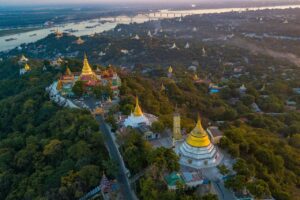
Conclusion
Myanmar Is a Journey of the Soul , In essence, “Myanmar “The Bà Rá pagoda near Vũng Tàu, for example, has become especially famous for these nature-themed motifs,” writes Adele Williams as she describes the pagodas she observed. “It’s not just the over-all structure that has such significance – it’s everything that’s included within it,” Adele later explains. Whether it’s the pagodas she observed in Asia or the Shaiviats she witnessed in India For the global traveler, Myanmar is a land of discovery, of spirituality, of beauty that will never fade.
Author

sadikhan.ceo@gmail.com
Related posts
Slovakia
- 0
- 2,323 words
Slovakia : Discover the Hidden Gem of Central Europe Tucked right in the heart of Central Europe, Slovakia is one of those...
Read out all
Singapore
- 0
- 2,246 words
Singapore : A Global City and Travel Hub Singapore’s one of those places where modern life and nature seem to fit together...

Seychelles
- 0
- 2,644 words
Seychelles : A Dream Destination in the Indian Ocean You hear about places as “dream destinations” all the time, but Seychelles totally...

Serbia
- 0
- 2,789 words
Serbia Travel Guide: Regions of the Balkan Nation Serbia sits right at the heart of the Balkans, and honestly, it’s one of...
Read out all
Senegal
- 0
- 2,277 words
Senegal Travel Guide: Discover the Culture, History, Tourism, and Surrounding Regions of West Africa Welcome to Senegal—a place that really captures the...
Read out all
Saudi Arabia
- 0
- 2,914 words
Saudi Arabia: A Powerful Nation in the Middle East and Global Importance of the Kingdom Saudi Arabia stands out as one of...
Read out all