
Best Places to Visit in Ephesus, Turkey
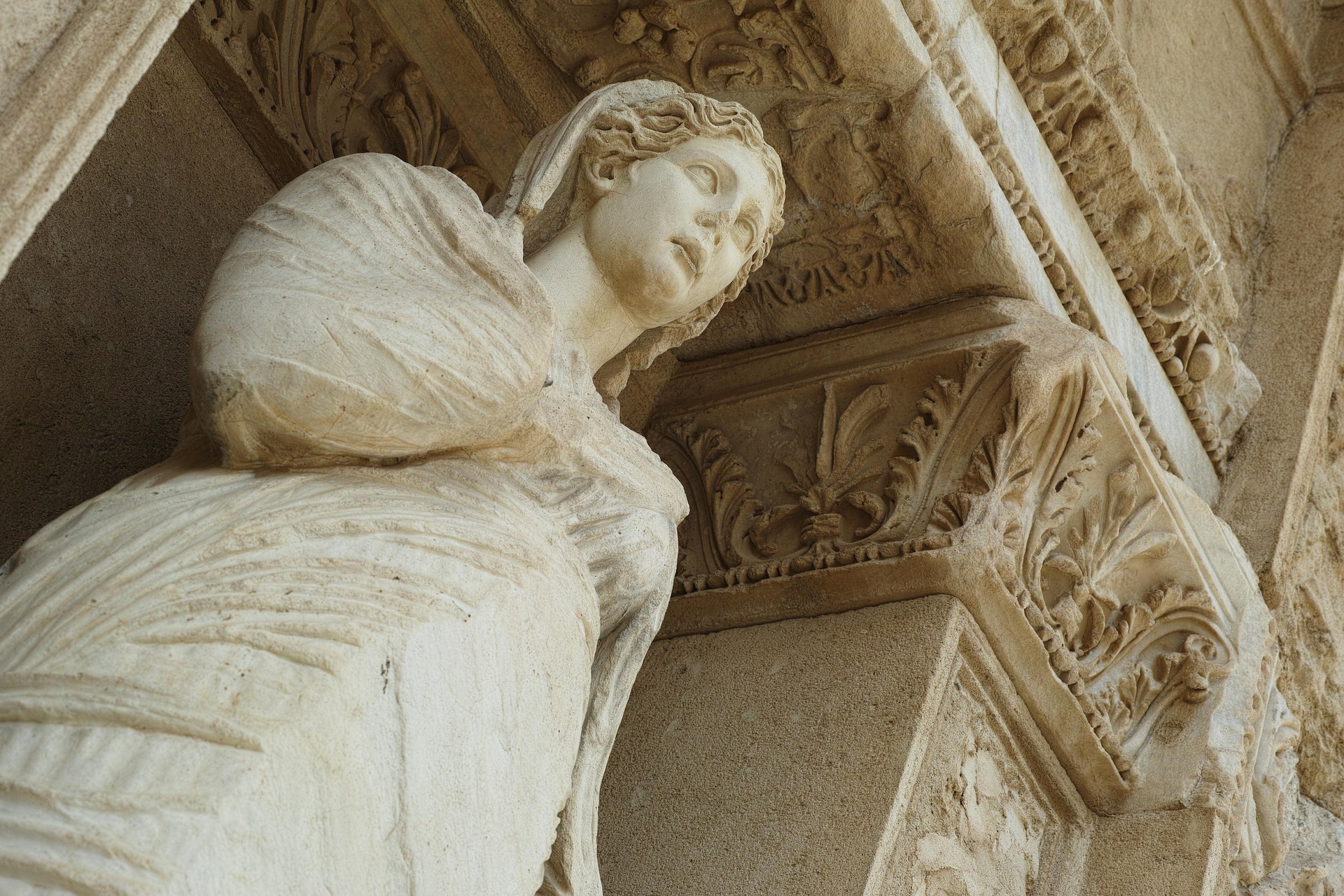
Ephesus is one of the most fascinating historical destinations in Turkey, attracting visitors with its magnificent Roman ruins, ancient Greek heritage, religious landmarks and remarkable archaeological discoveries. Located near Selçuk in İzmir Province, western Turkey, Ephesus was once one of the most important cities of the ancient Mediterranean world. Today, its impressive archaeological remains offer an extraordinary opportunity to explore the civilisation, architecture, trade, religion and everyday life of the ancient world.
The ancient city is especially famous for the Library of Celsus, the Great Theatre, the Temple of Hadrian, Curetes Street, the Terrace Houses and the remains of the Temple of Artemis, which was one of the Seven Wonders of the Ancient World. These monuments demonstrate the architectural achievements of the Hellenistic and Roman periods and reveal how Ephesus developed into a major commercial, political and religious centre.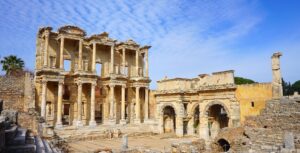
However, the best places to visit in Ephesus extend beyond the main archaeological site. The surrounding area contains the House of the Virgin Mary, the Basilica of St John, Ayasuluk Castle, İsa Bey Mosque, the Ephesus Archaeological Museum, the Temple of Artemis and the traditional village of Şirince. Visitors can also explore nearby beaches, coastal towns and archaeological sites, making Ephesus an excellent destination for a longer cultural holiday in western Turkey.
Ephesus was added to the UNESCO World Heritage List in 2015. The UNESCO property includes several important archaeological and historical components, including the ancient city, Ayasuluk Hill, the House of the Virgin Mary and Çukuriçi Mound. Its importance comes from the remarkable evidence of successive civilisations, including prehistoric, Greek, Roman, Byzantine, Seljuk and Ottoman periods. For official historical information, explore the UNESCO World Heritage Centre’s Ephesus page.
Understanding the History of Ancient Ephesus
Ephesus has a long and complex history that stretches back thousands of years. Its location near the ancient River Kaystros, now known as the Küçük Menderes, made it an important settlement for trade, agriculture, maritime activity and cultural exchange. Over time, the coastline changed because of sediment deposited by the river, gradually moving the shoreline away from the ancient city. This environmental transformation affected the city’s harbours and contributed to changes in its economic importance.
The region was influenced by several ancient civilisations, including Anatolian communities, Greeks, Persians, Romans and Byzantines. Ephesus became particularly prominent during the Hellenistic period, when the city was reorganised and expanded under Lysimachus, one of the generals of Alexander the Great. Its impressive urban planning and strategic position helped it develop into a major city.
During the Roman period, Ephesus became the capital of the Roman province of Asia and developed into one of the most important urban centres in the eastern Mediterranean. Its streets were lined with monumental buildings, temples, fountains, public baths, shops and administrative structures. Merchants and travellers arrived from different parts of the Roman world, contributing to the city’s economic and cultural diversity.
Ancient City of Ephesus: The Main Archaeological Attraction
<image-placeholder></image-placeholder>
The Ancient City of Ephesus is the most important attraction in the region and the main reason many travellers visit Selçuk. This extensive archaeological site contains some of the best-preserved remains of a Roman city in the eastern Mediterranean. Visitors can walk along ancient marble streets, discover monumental gateways, explore public buildings and admire architectural details that have survived for centuries.
The archaeological area provides a remarkable picture of how a prosperous ancient city was organised. Its streets connected commercial districts, religious buildings, residential neighbourhoods, public squares and entertainment venues. The remains of shops, fountains, baths and civic structures help visitors understand how people lived and interacted in ancient Ephesus.
One of the most impressive features is the main route through the lower city, which connects several famous monuments. Walking through this area allows visitors to experience the scale of ancient urban planning. The ruins are particularly attractive for photography because of their marble columns, decorative stonework and dramatic mountain surroundings.
A visit to Ephesus is best enjoyed without rushing. Although it is possible to see the main monuments in a few hours, travellers interested in history and architecture may want to spend half a day or longer exploring the site. A professional guide or an informative audio guide can make the experience more valuable by explaining the purpose and history of individual buildings.
The official Turkish Ministry of Culture and Tourism visitor information is available through the Ephesus Archaeological Site page.
Library of Celsus: The Most Famous Landmark in Ephesus
<image-placeholder></image-placeholder>
The Library of Celsus is undoubtedly one of the most recognisable attractions in Ephesus. Its magnificent two-storey façade, decorative columns, statues and architectural details make it one of the most photographed ancient monuments in Turkey. Built during the Roman period, the library was dedicated to Tiberius Julius Celsus Polemaeanus, a Roman senator and governor of the province of Asia.
The building was constructed as both a library and a monumental tomb. Celsus was buried in a chamber beneath the structure, reflecting the importance of the monument and the status of the individual it commemorated. The library was designed to hold a substantial collection of manuscripts and served as an important centre of learning in the ancient city.
Great Theatre of Ephesus: Explore an Ancient Entertainment Venue
<image-placeholder></image-placeholder>
The Great Theatre is one of the largest and most impressive structures in ancient Ephesus. Built into the slope of Mount Pion, now commonly associated with Panayır Dağı, the theatre dominates the surrounding archaeological landscape. Its enormous seating area and dramatic setting demonstrate the importance of public entertainment in ancient Roman society.
The theatre originally developed during the Hellenistic period and was expanded during Roman rule. Its design allowed thousands of spectators to gather for performances, public events and other activities. The structure included a large auditorium, an orchestra area and a stage building that was decorated with architectural elements.
The theatre was not used exclusively for entertainment. Public meetings and civic gatherings also took place there, making it an important centre of social and political life. The scale of the building demonstrates how large and prosperous Ephesus had become during its most influential periods.
Curetes Street: Walk Along the Ancient Main Road
Curetes Street is one of the most interesting routes through Ephesus. This historic marble-paved street connected important parts of the ancient city and was surrounded by impressive buildings, monuments, shops and fountains. Walking along it is one of the best ways to experience the atmosphere of Roman Ephesus.
The street was not simply a transport route. It was an important public space where residents, merchants, officials and visitors moved through the city. Its surrounding buildings reflected the wealth and social organisation of the population. Some sections contain decorative stonework, inscriptions and remains of monuments that provide clues about ancient urban life.
Terrace Houses: Discover the Private Lives of Wealthy Romans
The Terrace Houses, also known as the Houses of the Rich, are among the most valuable archaeological attractions within Ephesus. Located on a slope opposite Curetes Street, these residential buildings reveal how wealthy families lived during the Roman period. Their surviving mosaics, wall paintings, decorative floors and architectural features offer an unusually detailed view of domestic life in the ancient city.
The houses were built on terraces and included multiple rooms arranged around courtyards. Some contained reception areas, dining rooms, bedrooms, kitchens and spaces for household activities. Their layout reflects the social organisation of wealthy Roman families and the importance of hospitality and domestic display.
The area is covered by a protective structure, helping preserve the archaeological remains. Access is controlled through a separate ticket arrangement, so visitors should check current admission details before their visit. The Turkish Ministry of Culture and Tourism provides official information through its Terrace Houses visitor page.
Temple of Hadrian: Admire Roman Architectural Decoration
The Temple of Hadrian is one of the most attractive monuments along Curetes Street. Dedicated to the Roman Emperor Hadrian, the structure is known for its decorative entrance, carved reliefs and elegant architectural design. Although relatively small compared with some other monuments in Ephesus, it is one of the most visually distinctive buildings in the ancient city.
The temple’s façade features a prominent arch and decorative columns. Its sculptural details include mythological and symbolic imagery that reflects the religious and cultural traditions of Roman Ephesus. Some reliefs represent stories connected with the city’s foundation and the surrounding region.
Fountain of Trajan: Discover Monumental Roman Engineering
The Fountain of Trajan is another important monument along Curetes Street. Dedicated to Emperor Trajan, it was once a large public fountain decorated with columns, statues and architectural features. Its original design included a water basin and an impressive multi-level façade.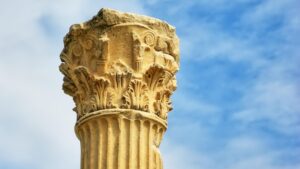
Public fountains played an important role in Roman cities. They provided access to water while also serving as decorative public monuments. Their construction demonstrated the engineering capabilities and civic investment of the urban authorities.
Hercules Gate: A Historic Entrance Along Curetes Street
Hercules Gate is an important architectural feature of Ephesus. Its surviving pillars include reliefs associated with Hercules, the mythological hero known for his strength and legendary achievements. The gate formed part of the urban layout and helped define the movement of people through the city’s streets.
The remains of the gate are particularly interesting because they show how monuments and symbolic decoration were incorporated into everyday urban spaces. Mythological imagery was frequently used in ancient architecture to communicate strength, protection and civic identity.
Visitors walking along Curetes Street can examine the remaining stonework and appreciate its historical significance. The gate is also a useful point for understanding the organisation of ancient Ephesus and how different sections of the city were connected.
Gate of Mazeus and Mithridates: A Monumental Entrance
The Gate of Mazeus and Mithridates is one of the most recognisable structures near the Library of Celsus. It was built by two formerly enslaved men who had been freed by Emperor Augustus and dedicated the monument in honour of the emperor and his family.
The gate connected the area around the Library of Celsus with the Commercial Agora. Its impressive design included several arches and decorative architectural elements, reflecting the importance of public entrances in Roman urban planning.
The monument is particularly interesting because of its inscription and historical background. It provides evidence of the social relationships, patronage systems and political connections that shaped Roman cities. The dedication also demonstrates how individuals could gain status and recognition through public construction projects.
For visitors, the gate is an excellent stop because of its location near the Library of Celsus. It is easy to include in a walking route through the main archaeological area.
Commercial Agora: Discover the Ancient Marketplace
The Commercial Agora was one of the most important economic centres of ancient Ephesus. Located near the Library of Celsus and the Gate of Mazeus and Mithridates, this large open area served as a marketplace and commercial meeting place.
The agora was surrounded by shops, public buildings and covered walkways. Merchants could trade goods arriving from different parts of the Mediterranean, while local residents visited to purchase everyday products. Its position near the ancient harbour route made it especially important for commerce.
Ephesus was connected to international trade networks, and its merchants dealt with products from across the Roman world. Goods could include food, textiles, pottery, metals and luxury items. The marketplace therefore reflected the city’s economic importance and its connections with other Mediterranean regions.
Today, the surviving foundations and surrounding structures help visitors imagine the commercial activity that once took place here. The Commercial Agora is an important stop for travellers interested in ancient economics and everyday urban life.
State Agora and Prytaneion: Explore the Political Centre of Ephesus
The State Agora was a major public area associated with the administration and political life of Ephesus. Unlike the Commercial Agora, which was primarily linked to trade, the State Agora had a more civic and ceremonial character.
The surrounding buildings included important administrative and religious structures. The Prytaneion, for example, was a public building associated with civic authority and ceremonial functions. It also housed the sacred flame, symbolising the continuity and identity of the city.
The remains of these structures help visitors understand how ancient Greek and Roman cities organised public life. Political administration, religious traditions and civic ceremonies were closely connected, and important buildings often served several symbolic functions.
Exploring the State Agora adds historical depth to a visit because it demonstrates that Ephesus was not only a place of trade and entertainment but also an important centre of government and public administration.
Odeon of Ephesus: A Smaller Theatre for Public Gatherings
The Odeon is a smaller theatre-like structure located in the upper part of the ancient city. It was used for musical performances, meetings and other public activities. Although smaller than the Great Theatre, it provides a fascinating example of the different types of entertainment and civic spaces available in Ephesus.
The building had a covered or partially covered seating arrangement, which helped create a more intimate environment for performances and gatherings. Its design reflects the architectural diversity of the ancient city and the importance of cultural activities in public life.
Visitors can examine the seating area and surrounding remains while exploring the upper section of Ephesus. The Odeon is especially useful for understanding how different buildings served different audiences and purposes.
Temple of Domitian: A Monument to Roman Imperial Power
The Temple of Domitian is one of the notable monuments in the upper part of Ephesus. It was dedicated to Emperor Domitian and formed part of the city’s imperial cult tradition. During the Roman period, the worship of emperors was an important expression of loyalty and political identity in many provincial cities.
The temple was built on an elevated platform and formed part of a wider complex. Its location and scale demonstrated the importance of imperial representation in the city. The remains of the monument provide evidence of the relationship between local authorities and Roman political power.
The history of the temple is also interesting because Domitian’s reputation changed after his death, and his memory was officially condemned in Rome. The building’s history therefore reflects the changing political environment of the Roman Empire.
Memmius Monument: Explore the Memory of a Roman Family
The Memmius Monument is an ancient structure located along the route through Ephesus. It was associated with the Memmius family and commemorated an important individual connected with Roman authority in the region.
Its architectural remains include decorative elements and inscriptions that provide information about the public commemoration practices of the ancient world. Monuments such as this were important because they preserved family status and political memory within the urban landscape.
Although less famous than the Library of Celsus, the Memmius Monument is worth examining for its historical context. It provides another example of how wealthy and influential families shaped the appearance of ancient Ephesus.
Basilica of St John: Discover an Important Early Christian Monument
The Basilica of St John is one of the most significant religious attractions in the Ephesus region. Located on Ayasuluk Hill in Selçuk, the basilica was built over a site traditionally associated with the burial place of St John the Apostle. It became an important Christian pilgrimage destination during the Byzantine period.
The basilica was constructed under Emperor Justinian in the sixth century and was once a large and impressive church. Its design included several domes, a central tomb area, columns and other architectural features. Although much of the original building is now in ruins, its remaining foundations and stone structures reveal its former scale.
Visitors can walk through the remains and explore the different sections of the basilica. The site is particularly interesting for those who want to understand the development of Christianity in western Anatolia. The surrounding Ayasuluk Hill also contains other important historical features, including Ayasuluk Castle.
The basilica’s connection with St John gives it international religious significance. It is associated with early Christian traditions and the history of the Gospel of John. The site is an important part of the wider UNESCO-listed Ephesus heritage area.
For visitor information, consult the Turkish Ministry of Culture and Tourism’s Basilica of St John page.
Ayasuluk Castle: Enjoy Panoramic Views Over Selçuk
Ayasuluk Castle is one of the most attractive historical landmarks in Selçuk. Situated on Ayasuluk Hill, the fortress overlooks the town and surrounding countryside. Its strategic position made it an important defensive site during different periods of regional history.
The castle contains sections of walls, towers and other structures that reflect its changing use over time. The hill itself has a long settlement history, and its archaeological significance extends beyond the medieval and Ottoman periods.
Visitors can explore the castle area and enjoy views of Selçuk, the surrounding agricultural landscape and the distant hills. The elevated location makes it a rewarding destination for photography, especially in the late afternoon.
Ayasuluk Castle can easily be combined with a visit to the Basilica of St John and İsa Bey Mosque. Together, these attractions provide a fascinating picture of the region’s transition from the ancient world to Byzantine, Seljuk and Ottoman periods.
Temple of Artemis: Visit the Site of an Ancient Wonder
The Temple of Artemis is one of the most historically important attractions in the Ephesus region. In antiquity, it was considered one of the Seven Wonders of the Ancient World and attracted pilgrims from different parts of the Mediterranean. The sanctuary was dedicated to Artemis of Ephesus, a goddess whose worship reflected older Anatolian religious traditions.
The original temple was an enormous structure supported by numerous columns and decorated with impressive sculptures. Its scale and artistic features made it one of the most famous religious monuments of the ancient world. The sanctuary was not only a place of worship but also an important centre of economic and cultural activity.
Today, very little of the original temple remains. Visitors can see the archaeological site and a reconstructed column that helps indicate the former scale of the monument. Although the ruins may appear modest compared with the Library of Celsus, the site’s historical importance is enormous.
The Temple of Artemis is particularly valuable for understanding the religious identity of ancient Ephesus. Its influence extended across the Mediterranean, and its history illustrates the changing religious traditions of the region.
A visit to the temple is usually relatively short and can be combined with the Ephesus Museum, Basilica of St John and other attractions in Selçuk.
House of the Virgin Mary: An Important Christian Pilgrimage Destination
The House of the Virgin Mary is one of the most visited religious attractions near Ephesus. Located on Mount Koressos, commonly known as Bülbül Dağı, the site is associated with the Christian tradition that Mary, the mother of Jesus, spent the final years of her life in this area.
The small stone building is believed by many pilgrims to mark the location of Mary’s home. It became an important place of pilgrimage for Christians and also attracts visitors from other religious backgrounds who are interested in its history and peaceful atmosphere.
The chapel is surrounded by trees and natural scenery, creating a quiet environment that contrasts with the busy archaeological site of Ephesus. Visitors can enter the building respectfully, observe its religious features and spend time in the surrounding grounds.
For a deeper understanding of its place in the heritage landscape, consult UNESCO’s Ephesus World Heritage description.
Ephesus Archaeological Museum: See the Treasures of the Ancient City
The Ephesus Archaeological Museum in Selçuk is an essential attraction for visitors who want to understand the objects discovered during excavations. While the ancient city provides an impressive view of architecture and urban planning, the museum reveals the smaller objects, sculptures and artistic works that once formed part of everyday life.
The collection includes statues, archaeological objects, pottery, coins, jewellery, household items and religious artefacts from different historical periods. One of the most famous groups of exhibits is associated with Artemis of Ephesus. The museum’s statues of the goddess are particularly important because they reflect the distinctive religious identity of the ancient city.
Visitors can also discover objects connected with Roman domestic life, trade, burial customs and religious practices. The displays help explain how the ancient population lived, worked and interacted with the wider Mediterranean world.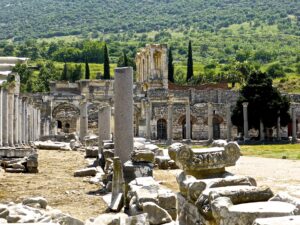
The museum is located in central Selçuk, making it easy to combine with a visit to the Temple of Artemis, Basilica of St John and İsa Bey Mosque. It is particularly useful for travellers who have limited time but want to see important artefacts without visiting several distant archaeological museums.
Check the official Ephesus Museum visitor information before travelling.
İsa Bey Mosque: Discover Seljuk Architecture in Selçuk
İsa Bey Mosque is one of the most important examples of Seljuk-era architecture in the Ephesus region. Built in the fourteenth century, the mosque reflects the artistic and architectural traditions that developed in Anatolia after the decline of Byzantine political authority in the area.
The building is known for its stone construction, courtyard, decorative entrance and distinctive architectural design. Its layout reflects the influence of earlier Islamic architectural traditions while also incorporating regional building techniques.
The mosque is located near the Basilica of St John and Ayasuluk Castle. This location makes it especially interesting because visitors can explore monuments representing several different periods within a relatively small area.
İsa Bey Mosque is an important reminder that the history of Selçuk did not end with the Roman and Byzantine periods. The region continued to develop as a centre of settlement, religion and trade during the Seljuk and Ottoman eras.
Visitors should respect the religious nature of the building. Appropriate clothing and quiet behaviour are recommended, particularly during prayer times.
The Seven Sleepers: Explore a Historic Religious Site
The Seven Sleepers is a religious and historical site located near the ancient city of Ephesus. It is associated with a widely known Christian tradition about seven young men who, according to the story, took refuge in a cave and slept for an extraordinarily long period before awakening in a later age.
The story became important in Christian tradition and is also recognised in Islamic tradition, where it is associated with the People of the Cave. This shared religious background makes the site interesting to visitors from different cultural and faith communities.
The archaeological remains around the site include structures associated with religious use and burial traditions. Although the historical details of the story are difficult to establish archaeologically, the location remains an important part of the religious heritage of the Ephesus area.
Visitors interested in religious history can include the Seven Sleepers in a wider tour of Ephesus, especially when exploring the ancient city and nearby Selçuk attractions.
Çukuriçi Mound: Discover the Prehistoric History of Ephesus
Çukuriçi Mound is an important archaeological site within the wider UNESCO-listed Ephesus property. It provides evidence of prehistoric settlement in the region and demonstrates that the history of the area began long before the famous Greek and Roman city developed.
Archaeological investigations have revealed traces of early human activity, including evidence connected with settlement, production and everyday life. The site contributes to the understanding of how communities lived in the region thousands of years ago.
For visitors, Çukuriçi Mound is particularly important as part of the wider historical story of Ephesus. It shows that the area was attractive to human communities because of its natural resources, geographical position and access to the surrounding landscape.
Access arrangements may differ from those at the main archaeological site, so travellers should check whether the area is open to the public before planning a visit.
Şirince Village: Experience Traditional Turkish Village Life
Şirince is one of the most charming villages near Ephesus. Located in the hills outside Selçuk, the settlement is known for its traditional houses, narrow streets, scenic surroundings and relaxed atmosphere. It offers a pleasant contrast to the monumental ruins of the ancient city.
The village developed as a traditional settlement with a distinctive architectural character. Its houses are arranged along sloping streets, and many buildings feature traditional stonework, wooden details and attractive balconies. Walking through the village allows visitors to appreciate its historic appearance and enjoy views across the surrounding hills.
Pamucak Beach: Enjoy the Aegean Coast Near Ephesus
Pamucak Beach is one of the most convenient coastal destinations near Ephesus. Located between Selçuk and Kuşadası, the beach is known for its long sandy shoreline and open views across the Aegean Sea.
The beach provides a relaxing alternative to the region’s archaeological attractions. After spending several hours walking through ancient ruins, visitors can enjoy a swim, take a coastal walk or relax beside the water. Its wide shoreline makes it suitable for travellers who prefer open spaces rather than crowded urban beaches.
Pamucak is also a convenient destination for families and visitors staying in Selçuk or Kuşadası. The area has a mix of natural beach sections and tourism facilities, although available services can vary depending on the season and exact location.
The beach is particularly attractive during the warmer months, when the sea and surrounding landscape create a pleasant holiday atmosphere. Visitors should check local swimming conditions and beach facilities before travelling.
Kuşadası: Explore a Popular Aegean Coastal Town
Kuşadası is a popular coastal town located within easy travelling distance of Ephesus. It is known for its marina, beaches, waterfront restaurants, hotels and lively holiday atmosphere. Many international visitors use Kuşadası as a base for exploring Ephesus, particularly those arriving on cruise ships.
The town’s waterfront is one of its main attractions. Visitors can walk along the harbour, enjoy views of the boats and explore restaurants and cafés serving Turkish and international cuisine. The marina area is especially attractive in the evening, when the waterfront becomes lively.
Kuşadası also offers access to several beaches and coastal attractions. Visitors can enjoy swimming, boat excursions and other seaside activities. The town has a wider range of accommodation and tourist services than the smaller villages around Selçuk.
For travellers who want to combine ancient history with a beach holiday, Kuşadası is a convenient option. Ephesus can be visited as a day trip, while additional days can be spent exploring the coastline and nearby villages.
Dilek Peninsula–Büyük Menderes Delta National Park: Explore Coastal Nature
Dilek Peninsula–Büyük Menderes Delta National Park is a rewarding natural attraction near Kuşadası. The park combines coastal scenery, forested hills, beaches, wildlife habitats and panoramic viewpoints. It provides an excellent opportunity to explore the natural environment of the Aegean region after visiting the historical attractions of Ephesus.
The peninsula is known for its combination of Mediterranean vegetation and coastal landscapes. Visitors can enjoy scenic drives, walking routes, swimming areas and viewpoints overlooking the sea. The park also protects important habitats for birds and other wildlife.
The Büyük Menderes Delta section is especially interesting for nature enthusiasts because it contains wetland environments and bird habitats. The contrast between the coastal peninsula and the delta landscape makes the park a diverse destination.
Travellers should check seasonal access conditions, park regulations and any restrictions before visiting. It is important to avoid leaving rubbish, disturbing wildlife or entering restricted conservation areas.
Priene: Explore Another Ancient City Near Ephesus
Priene is an important ancient Greek city located in the wider Aydın region. It is a rewarding destination for travellers who want to explore more archaeological sites beyond Ephesus. The ruins are situated on a hillside, creating impressive views across the surrounding countryside.
The ancient city is particularly interesting for its urban planning. Its streets and public buildings demonstrate the principles of organised Greek city design. Visitors can explore the remains of temples, public spaces, residential areas and the theatre.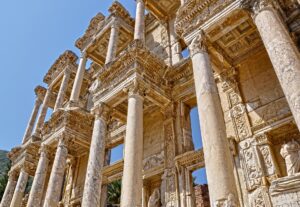
Priene is often associated with the Temple of Athena, which was designed by the architect Pytheos. The temple’s remains provide an important example of ancient Greek architectural traditions.
A visit to Priene can be combined with other archaeological attractions in the region, including Miletus and Didyma. These sites offer a broader understanding of ancient civilisation in western Anatolia and make an excellent extension to an Ephesus holiday.
Miletus: Discover an Ancient Centre of Greek Philosophy and Trade
Miletus is one of the most historically important ancient cities in western Turkey. Located in the wider Aydın region, it was a major Greek settlement associated with trade, philosophy, science and maritime activity.
The city is particularly famous for its connection with early Greek thinkers, including Thales, who is traditionally associated with the beginnings of Greek natural philosophy. Miletus also played an important role in the development of Greek colonial networks and maritime commerce.
The archaeological remains include a large theatre, public buildings, baths and other structures. The theatre is particularly impressive and offers visitors an opportunity to appreciate the scale of ancient urban entertainment architecture.
Miletus is a rewarding destination for travellers interested in ancient Greek history. When combined with Priene and Didyma, it provides a broader perspective on the cultural and intellectual achievements of the ancient Aegean world.
Didyma: Visit the Monumental Temple of Apollo
Didyma is famous for the Temple of Apollo, one of the most impressive ancient religious monuments in western Turkey. The sanctuary was an important centre of prophecy and religious activity in the ancient Greek world.
The temple was designed on a monumental scale, with enormous columns, a large courtyard and intricate architectural details. Although it was never fully completed in the form originally intended, its surviving remains are remarkable.
Visitors can explore the temple’s massive columns, carved stonework and inner sanctuary area. The scale of the structure helps explain why Didyma was such an important religious destination in antiquity.
A visit to Didyma is particularly worthwhile for travellers interested in ancient Greek religion and architecture. It can be combined with Priene and Miletus for a full-day archaeological journey through the region.
Best Time to Visit Ephesus
The best time to visit Ephesus is generally spring and autumn, when temperatures are more comfortable for exploring the archaeological site. April, May, September and October are often attractive months because the weather is usually suitable for outdoor sightseeing without the intense heat that can occur during summer.
Spring is particularly beautiful because the surrounding countryside becomes greener and flowers appear across the landscape. The weather is generally pleasant for walking through the ancient city, visiting Şirince and exploring the nearby archaeological sites.
Summer is the busiest tourism season. June, July and August attract many visitors, especially cruise passengers and travellers staying in Kuşadası. Temperatures can become very high, and the ancient city offers limited shade in many areas. Visitors travelling during summer should consider arriving early in the morning, carrying water and wearing sun protection.
Autumn is another excellent season for cultural travel. The weather is often comfortable, the surrounding landscape can be attractive and visitor numbers may be lower than during peak summer. It is a particularly good time for photography and longer archaeological visits.
Winter can be a quieter period to explore Ephesus. Although temperatures are cooler and rain is possible, visitors may enjoy a less crowded experience. Some tourism services may operate on reduced schedules, so accommodation and transport should be checked in advance.
How to Reach Ephesus, Turkey
Ephesus is located near Selçuk in İzmir Province. The nearest major international airport is İzmir Adnan Menderes Airport, which offers domestic and international connections. From the airport, travellers can continue to Selçuk by train, road transfer, taxi or rental car, depending on their preferences and schedules.
Selçuk is the most convenient base for exploring Ephesus. The town is close to the main archaeological site and provides access to the museum, Basilica of St John, Temple of Artemis and other attractions. Visitors can also find accommodation, restaurants and local transport services.
Travellers arriving from İzmir can reach Selçuk by road or train. Those staying in Kuşadası can travel to Ephesus by taxi, rental car, organised excursion or local transport connections. The journey is relatively straightforward, making it possible to visit Ephesus as a day trip from the coast.
Visitors arriving on cruise ships in Kuşadası often join organised excursions to Ephesus. These tours can be convenient because transport and guiding are arranged in advance, although independent travellers may prefer to organise their own schedule.
Traditional Turkish Food to Try in the Ephesus Region
The Ephesus region offers an enjoyable introduction to Aegean Turkish cuisine. Local food reflects the agricultural traditions of western Turkey, with olive oil, vegetables, herbs, seafood, grilled meat and fresh seasonal ingredients playing important roles.
Olive-oil dishes are especially common in the Aegean region. Vegetables such as aubergines, courgettes, artichokes and green beans are often prepared with olive oil and herbs. These dishes are particularly suitable for visitors who prefer lighter meals.
Seafood is popular in coastal destinations such as Kuşadası. Visitors can find grilled fish, calamari, prawns and other seafood dishes in restaurants around the harbour and waterfront. Traditional Turkish meze, salads and fresh bread are often served alongside these meals.
Travel Tips for Visiting the Ancient City of Ephesus
Exploring Ephesus requires comfortable footwear because much of the archaeological site consists of ancient stone and marble surfaces. Some areas are uneven or sloping, so walking shoes with good grip are preferable to sandals with smooth soles.
Visitors should bring drinking water, especially during summer. The archaeological site has exposed areas where shade is limited, and temperatures can become uncomfortable during the middle of the day. A hat, sunscreen and sunglasses are also useful.
Arriving early is one of the best ways to improve the experience. Morning visits are often more comfortable, particularly during warmer months. Visitors can also enjoy the main monuments before the busiest periods of the day.
Ephesus Travel Safety and Visitor Etiquette
Ephesus is a well-established tourist destination, but visitors should take normal travel precautions. Keep personal belongings secure, use reputable transport services and confirm excursion details before booking. Travellers should also be aware of the heat during summer and avoid spending too long in exposed areas without water and sun protection.
The archaeological site is protected, and visitors should not climb on monuments, remove stones or touch fragile decorations. Some areas contain original mosaics and wall paintings that require careful preservation. Following the marked routes helps protect the site for future generations.
Religious attractions such as the House of the Virgin Mary and İsa Bey Mosque should be approached respectfully. Visitors should follow local clothing requirements, maintain quiet behaviour and observe any restrictions on photography.
The region is generally suitable for independent travel, but visitors with mobility limitations should check accessibility information before visiting. The ancient streets and uneven surfaces can make some sections challenging.
Ephesus for Families and Children
Ephesus can be an interesting destination for families because it provides an opportunity to introduce children to ancient history, architecture and archaeology. The Great Theatre, Library of Celsus and ancient streets can help young visitors imagine what life was like in a Roman city.
Parents should plan the visit according to children’s ages and energy levels. The archaeological site is large, and walking for several hours can be tiring. Taking breaks, carrying water and choosing a shorter route can make the experience more enjoyable.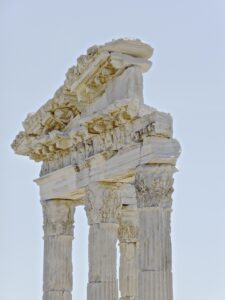
The Ephesus Museum can also be useful for children because it displays statues, everyday objects and archaeological finds. These artefacts provide a more direct connection to the people who once lived in the ancient city.
For families looking for variety, a visit to Pamucak Beach or Kuşadası can provide a relaxing alternative to historical sightseeing. This combination of education and recreation makes the wider Ephesus region a flexible holiday destination.
Why Ephesus Is a UNESCO World Heritage Destination
Ephesus is recognised by UNESCO because it provides outstanding evidence of several important cultural traditions and historical periods. The archaeological landscape reflects the development of ancient Greek and Roman cities, the growth of early Christianity and the transformation of the region during the Byzantine, Seljuk and Ottoman periods.
The UNESCO-listed property is made up of four main components: Çukuriçi Mound, Ayasuluk Hill, the Ancient City of Ephesus and the House of the Virgin Mary. Together, these locations demonstrate the long history of settlement and the region’s changing religious, commercial and political importance.
For visitors, the UNESCO designation is a useful indication of the site’s international cultural value. It also highlights the importance of conservation and responsible tourism. Read the full UNESCO World Heritage description of Ephesus.
Conclusion
Ephesus is one of the most rewarding historical destinations in Turkey, offering an extraordinary combination of ancient architecture, Roman urban planning, Greek heritage, early Christian history and traditional Turkish culture. The Library of Celsus, Great Theatre, Curetes Street, Terrace Houses and Temple of Hadrian reveal the grandeur of an ancient city that once played a major role in the Mediterranean world.
The surrounding region makes the destination even more appealing. Visitors can explore the House of the Virgin Mary, Basilica of St John, Temple of Artemis, Ayasuluk Castle, İsa Bey Mosque and Ephesus Museum before discovering the traditional streets of Şirince village. Travellers who want to combine history with nature and relaxation can continue to Pamucak Beach, Kuşadası and Dilek Peninsula–Büyük Menderes Delta National Park.
Author

Related posts
Danube Delta, Romania
- 0
- 6,212 words
Danube Delta, Romania : A Complete Travel Guide The Danube Delta is one of the most extraordinary natural destinations in Europe, offering...
Read out all
Chaco Culture, New Mexico
- 0
- 5,921 words
Chaco Culture, New Mexico : A Complete Travel Guide to Ancient Puebloan Heritage Chaco Culture is one of the most remarkable archaeological...
Read out all
Places to Visit in Bisotun
- 0
- 5,002 words
Places to Visit in Bisotun , Iran Bisotun, also spelled Behistun or Bistoun, is one of the most important archaeological destinations in...
Read out all
Places to Visit in Pirin National Park
- 0
- 5,730 words
Places to Visit in Pirin National Park , Bulgaria Pirin National Park is one of the most remarkable destinations in Bulgaria for...
Read out all
Best Places to Visit in Dinant
- 0
- 4,895 words
Best Places to Visit in Dinant, Belgium Dinant is one of the most beautiful small towns in Belgium and one of the...
Read out all
Best Places to Visit in Mont-Saint-Michel
- 0
- 4,974 words
Best Places to Visit in Mont-Saint-Michel , France Mont-Saint-Michel is one of the most extraordinary destinations in France and one of the...
Read out all