
Best Things to Do in Ulaanbaatar , Mongolia
Ulaanbaatar, the capital of Mongolia, is a fascinating destination where ancient nomadic traditions meet the energy of a rapidly developing modern city. Set in a broad valley and surrounded by sacred mountains, Mongolia’s capital offers travelers an unusual combination of Buddhist monasteries, museums, historic squares, contemporary restaurants, traditional markets, cultural performances, and easy access to vast open landscapes.
For travelers searching for the best things to do in Ulaanbaatar, the city is much more than a starting point for a Mongolian adventure. Ulaanbaatar itself contains some of the country’s most important cultural and historical attractions. The official Visit Ulaanbaatar tourism portal describes the capital as Mongolia’s political, cultural, educational, economic, and transportation center, while also emphasizing how close the surrounding mountains and natural landscapes are to the city.
Ulaanbaatar is also an excellent introduction to Mongolia’s history. The city has developed from a historic Buddhist center into a modern capital with high-rise buildings, shopping centers, cafés, museums, theaters, hotels, and international restaurants. At the same time, traditional gers, Mongolian Buddhist culture, horse culture, traditional music, and nomadic customs remain visible throughout the city and its surrounding countryside.
A trip to Ulaanbaatar can therefore be designed in many different ways. History enthusiasts can visit the National Museum of Mongolia, Chinggis Khaan National Museum, Bogd Khaan Palace Museum, and Choijin Lama Temple Museum. Travelers interested in religion and architecture can explore Gandan Monastery. Those interested in panoramic scenery can climb to Zaisan Memorial or explore the mountains surrounding the city. Food lovers can sample Mongolian cuisine, while adventure travelers can use Ulaanbaatar as a base for excursions into Terelj National Park and the wider Mongolian steppe.
Why Ulaanbaatar Is Worth Visiting
Ulaanbaatar is worth visiting because it provides context for almost every aspect of a journey through Mongolia.
Many international travelers arrive in the capital before heading into the countryside, but spending several days in Ulaanbaatar makes the rest of Mongolia easier to understand. The city’s museums explain the country’s history, its monasteries reveal the importance of Buddhism, its restaurants introduce traditional cuisine, and its markets show contemporary everyday life.
The city’s history is particularly unusual. According to the official Ulaanbaatar tourism authority, the settlement was founded as Urguu in 1639, changed location 29 times, and eventually developed into today’s capital.
Ulaanbaatar also has an unusual geographical advantage. The city is surrounded by four sacred mountains—Bayanzurkh, Bogd Khan, Songinokhairkhan, and Chingeltei—meaning that nature is never very far away from the urban center.
This combination of history, culture, mountains, and modern city life makes Ulaanbaatar one of the most interesting capitals in Asia for travelers who want something different from conventional sightseeing.
Visit Sükhbaatar Square
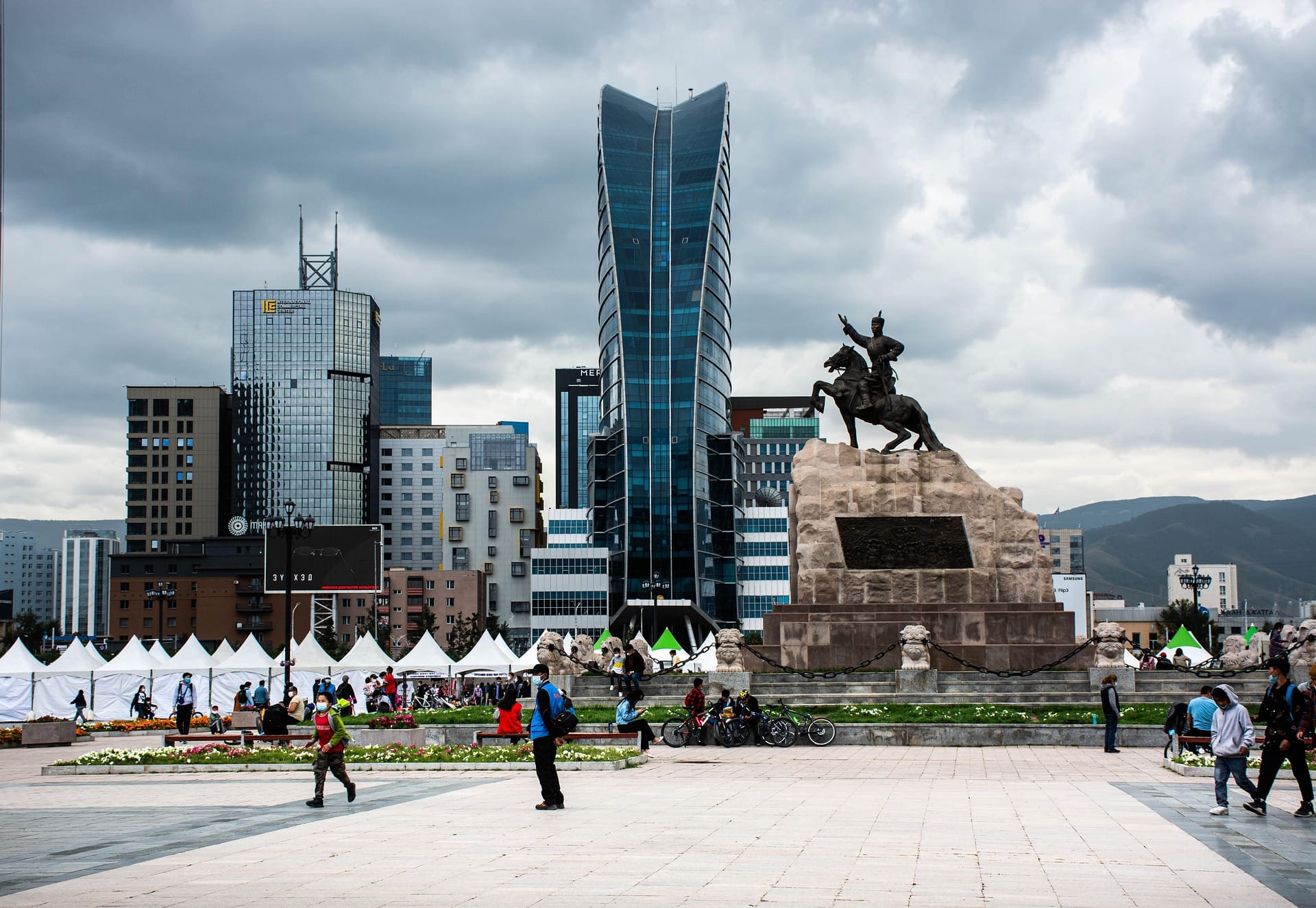
Sükhbaatar Square is the natural starting point for exploring central Ulaanbaatar.
Located in the heart of the capital, the enormous square is surrounded by important government and cultural buildings and is closely associated with Mongolia’s modern political history. The square takes its name from Damdin Sükhbaatar, one of the key figures associated with Mongolia’s 1921 revolution and independence movement.
The center of the square features the equestrian statue of Sükhbaatar, while the northern side is dominated by the Government Palace.
For first-time visitors, Sükhbaatar Square provides an immediate introduction to Ulaanbaatar’s urban landscape. Traditional historical symbolism, monumental architecture, modern office buildings, and busy streets all meet here.
The official Visit Ulaanbaatar tourism guide identifies Sükhbaatar Square as one of the city’s essential attractions and notes its role as a location for political, cultural, and public events.
Explore the Government Palace
The Government Palace stands prominently at the northern end of Sükhbaatar Square.
The building represents Mongolia’s modern political identity and contains the country’s main governmental institutions. In front of the building is an imposing monument dedicated to Chinggis Khaan, together with representations of other major figures from Mongolian history.
The Government Palace is generally appreciated from the exterior by tourists, but its location makes it an essential part of any walking tour through central Ulaanbaatar.
The square and palace also demonstrate an important contrast that appears throughout the city: Mongolia’s modern political institutions exist alongside reminders of the country’s medieval imperial history and Buddhist heritage.
See the Chinggis Khaan Monument
One of the most recognizable landmarks in central Ulaanbaatar is the monument to Chinggis Khaan, the founder of the Mongol Empire.
The monument sits in front of the Government Palace and forms an impressive focal point at the northern end of Sükhbaatar Square.
Chinggis Khaan remains one of the most important historical figures in Mongolia, and his legacy is visible throughout the country. Travelers who are interested in Mongolian history will find that understanding his rise and the development of the Mongol Empire greatly enriches visits to museums and historical sites.
The monument is particularly impressive when viewed together with the surrounding Government Palace and Sükhbaatar Square.
Visit the National Museum of Mongolia
The National Museum of Mongolia is one of the most important places to visit in Ulaanbaatar for understanding the country’s history.
Located close to Sükhbaatar Square, the museum contains collections covering Mongolia’s long historical development, including prehistoric periods, ancient nomadic cultures, the Mongol Empire, Buddhist traditions, traditional clothing, political history, and the modern era.
The official Ulaanbaatar tourism authority describes the National Museum as a must-see institution with approximately 60,000 collections displayed across nine halls.
For visitors who know little about Mongolia before arriving, this museum can be particularly valuable. It provides historical context that makes attractions such as Gandan Monastery, the Chinggis Khaan Statue Complex, and the countryside much easier to appreciate.
Discover Mongolia’s Nomadic Heritage at the National Museum
One of the most interesting aspects of the National Museum is its presentation of Mongolia’s nomadic heritage.
Mongolian civilization developed around pastoral nomadism, horses, livestock, seasonal movement, and adaptation to an enormous continental landscape.
The museum helps visitors understand how these traditions developed over centuries and how they continue to influence contemporary Mongolian identity.
Traditional clothing, ornaments, musical instruments, weapons, religious objects, and archaeological discoveries reveal the sophistication of societies that existed across the Mongolian steppe long before the modern capital developed.
Visit the Chinggis Khaan National Museum
The Chinggis Khaan National Museum is another major attraction for anyone interested in Mongolian history.
The museum focuses extensively on Chinggis Khaan, the Mongol Empire, and the historical development of Mongolian statehood.
For travelers who have already visited the National Museum, this museum provides a more concentrated exploration of the country’s imperial history.
The official Ulaanbaatar tourism authority notes that the opening of the Chinggis Khaan National Museum has contributed significantly to the development of Mongolia’s museum sector and tourism.
The museum is especially valuable for visitors who want to move beyond popular legends about Chinggis Khaan and understand the historical context of the Mongol Empire.
Explore the History of the Mongol Empire
A visit to Ulaanbaatar is an opportunity to explore one of the most influential empires in world history.
The Mongol Empire expanded across enormous parts of Asia and Europe during the thirteenth century. Chinggis Khaan’s military organization, political administration, communication systems, and treatment of trade played important roles in shaping the empire.
Museums in Ulaanbaatar provide the best place to begin understanding this history before visiting locations outside the capital.
Rather than viewing Mongolian history only through military conquest, travelers should also explore the empire’s contributions to trade, cultural exchange, diplomacy, administration, and connections between distant regions.
Experience Mongolian Buddhist Culture
Gandan provides an excellent introduction to the role of Buddhism in Mongolian history.
Mongolian Buddhism developed through connections with Tibetan Buddhist traditions and became deeply influential in the country’s religious and cultural life.
Monasteries historically functioned not only as religious institutions but also as centers of education, art, philosophy, medicine, and cultural preservation.
Understanding this background helps visitors appreciate the architecture, statues, paintings, ritual objects, and ceremonies found throughout Mongolia.
Explore Ulaanbaatar’s Museums
Ulaanbaatar has a surprisingly rich museum scene for a capital of its size.
The official tourism portal includes museums dedicated to national history, natural science, city history, religion, theater, and other subjects.
Travelers who spend several days in the city should consider visiting more than one museum because each provides a different perspective.
The National Museum explains Mongolia’s broad history, the Chinggis Khaan National Museum focuses more strongly on imperial heritage, the Bogd Khaan Palace explores monarchy and religion, and the Choijin Lama Temple explores Buddhist art.
Walk Around Peace Avenue
Peace Avenue is one of the central arteries of Ulaanbaatar.
Walking along the avenue provides a sense of contemporary city life, with shops, restaurants, hotels, banks, cafés, businesses, apartment buildings, and public spaces.
This is where travelers can see the contrast between historic Mongolia and modern urban life.
A walk through central Ulaanbaatar is particularly rewarding when combined with Sükhbaatar Square, the National Museum, Gandan Monastery, and surrounding neighborhoods.
Explore the Ulaanbaatar City Center
The central districts of Ulaanbaatar provide an interesting mixture of Soviet-era architecture, modern towers, traditional businesses, international brands, restaurants, and public monuments.
Unlike cities that preserve a single architectural identity, Ulaanbaatar feels layered.
Buildings from different periods stand next to one another, reflecting the country’s complicated twentieth-century history and rapid economic development after the democratic transition.
Explore Bogd Khan Mountain
Bogd Khan Mountain rises south of Ulaanbaatar and is one of the most important natural landscapes near the capital.
The mountain has religious and cultural significance and is associated with protected forests and wildlife.
For travelers who want outdoor experiences without traveling far from Ulaanbaatar, the mountain provides hiking and nature opportunities.
Hike Near Ulaanbaatar
One of Ulaanbaatar’s greatest advantages is its proximity to mountains.
The official tourism authority emphasizes that nature and sacred mountains are only a short distance from the city center.
Hiking routes vary in difficulty, so travelers should select trails appropriate for their fitness and experience.
A local guide can be particularly helpful for visitors unfamiliar with Mongolian terrain, weather, and trail conditions.
Walk Inside the Chinggis Khaan Statue
One of the unusual features of the statue complex is that visitors can enter the structure.
The official Ulaanbaatar guide explains that visitors can move through the interior toward the horse’s head and obtain panoramic views from the upper area.
This makes the excursion more than simply a photo stop.
The complex also provides historical exhibits and information about Chinggis Khaan and the Mongol Empire.
Take a Day Trip to Gorkhi-Terelj National Park
Gorkhi-Terelj National Park is one of the most popular nature destinations accessible from Ulaanbaatar.
The park is famous for dramatic rock formations, forested mountains, open grasslands, rivers, and opportunities for outdoor activities.
A day trip provides a quick introduction to the landscapes that make Mongolia famous.
Travelers with more time can stay overnight in a traditional ger camp and experience the countryside after the day visitors have left.
Stay in a Mongolian Ger
A ger, traditionally known internationally as a yurt, is one of the most important symbols of Mongolian nomadic culture.
Visitors can experience ger accommodation in camps around Ulaanbaatar and throughout Mongolia.
Staying in a ger provides a more immersive experience than simply visiting a museum because it allows travelers to understand aspects of traditional domestic life.
Modern ger camps can range from basic traditional accommodation to comfortable tourist facilities with private bathrooms and restaurant services.
Visit Narantuul Market
Narantuul Market, often called the Black Market, is one of the most famous shopping experiences in Ulaanbaatar.
It is a large market where visitors can find clothing, household goods, traditional products, souvenirs, leather items, boots, tools, and many other products.
The market provides a glimpse into everyday commerce in Mongolia.
Travelers should keep valuables secure and remain aware of their surroundings because crowded markets can attract pickpockets.
Shop for Mongolian Cashmere
Mongolia is famous for high-quality cashmere because of its large population of cashmere goats.
Ulaanbaatar has numerous stores selling Mongolian cashmere garments, including sweaters, scarves, coats, gloves, and accessories.
Cashmere can make an excellent souvenir because it is lightweight, practical, and strongly associated with Mongolian production.
Travelers should compare quality and prices and purchase from reputable retailers.
Buy Traditional Mongolian Souvenirs
Ulaanbaatar provides many opportunities to purchase traditional Mongolian crafts.
Popular products include felt goods, leather items, horse-head fiddle designs, traditional clothing, artwork, jewelry, wool products, and decorative objects.
Responsible travelers should consider buying from established artisans and businesses that clearly identify the origins of their products.
Eat Buuz
Buuz are steamed Mongolian dumplings filled traditionally with meat.
They are among the most recognizable foods in Mongolia and are widely available in Ulaanbaatar.
Buuz are particularly popular during the Mongolian New Year celebration, Tsagaan Sar, but they can be enjoyed throughout the year.
Trying freshly prepared buuz is one of the easiest ways for visitors to begin exploring Mongolian cuisine.
Watch a Traditional Mongolian Performance
Ulaanbaatar is an excellent place to experience traditional Mongolian music and performance.
Performances can include throat singing, traditional instruments, dance, and the morin khuur, or horse-head fiddle.
These performances provide insight into Mongolia’s cultural traditions and the close relationship between music, horses, landscape, and nomadic life.
Experience Mongolian Throat Singing
Mongolian throat singing, known as khöömei, is one of the country’s most distinctive musical traditions.
The singer produces multiple tones or harmonic sounds, creating an extraordinary acoustic effect.
Visitors can encounter throat singing at cultural performances and festivals in Ulaanbaatar.
It is particularly powerful when combined with traditional instruments such as the morin khuur.
Listen to the Morin Khuur
The morin khuur, or horse-head fiddle, is one of Mongolia’s best-known traditional instruments.
The instrument’s carved horse-head decoration reflects the importance of horses in Mongolian culture.
Traditional performances often combine morin khuur with singing, throat singing, and dance.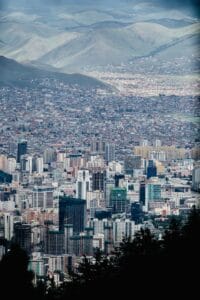
Visit the National Opera and Ballet Theatre
The State Academic Theatre of Opera and Ballet provides another perspective on Ulaanbaatar’s cultural life.
The theater presents classical and contemporary productions and occupies an important place in the city’s cultural landscape.
Visitors interested in performing arts should check the current program during their stay.
Explore Ulaanbaatar’s Contemporary Art Scene
Ulaanbaatar is not only about ancient history and traditional culture.
The capital has an emerging contemporary art and creative scene, including galleries, design studios, independent cafés, photography spaces, and cultural events.
Travelers who spend several days in the city can explore both traditional museums and modern creative spaces.
This combination reveals how younger Mongolians are interpreting their country’s heritage in a rapidly changing society.
Explore the Ger Districts
The ger districts are among the most distinctive features of modern Ulaanbaatar.
Large numbers of traditional gers exist alongside houses and urban infrastructure on the outskirts of the capital.
These districts demonstrate the complex relationship between Mongolia’s traditional nomadic lifestyle and urban migration.
Travelers should visit responsibly and avoid treating residential neighborhoods as tourist spectacles.
Understand Ulaanbaatar’s Urban Transformation
Ulaanbaatar has experienced enormous growth and transformation.
People continue to move between rural regions and the capital, while modern businesses, apartment complexes, shopping centers, and infrastructure continue to develop.
The result is a city where traditional gers may exist surprisingly close to modern skyscrapers.
This contrast is one of the defining characteristics of contemporary Ulaanbaatar.
Visit Sky Resort
Sky Resort is located near Ulaanbaatar and is particularly popular during winter.
The resort provides opportunities for skiing and snowboarding when conditions are suitable.
For travelers visiting Mongolia during the cold season, it provides a way to experience winter sports without traveling far from the capital.
Experience Ulaanbaatar in Winter
Ulaanbaatar is one of the world’s coldest national capitals, making winter a completely different travel experience.
The city can become intensely cold, with temperatures far below freezing.
However, winter also provides opportunities to experience Mongolia’s seasonal festivals, snow-covered landscapes, winter sports, and distinctive cold-weather culture.
Visitors traveling during winter need appropriate insulated clothing, footwear, gloves, and protection for exposed skin.
Experience Mongolia During Naadam Season
The Naadam Festival is one of Mongolia’s most important cultural events.
Traditional Naadam centers around wrestling, horse racing, and archery.
The largest national celebrations take place in July, although related events and local festivals can occur elsewhere.
Travelers planning a trip around Naadam should make reservations well ahead of time because demand for accommodation and transportation can increase significantly.
Experience Eagle Culture and Festivals
Mongolian eagle-hunting traditions are particularly associated with western Mongolia, but cultural events related to eagle hunting can also be experienced through festivals and tourism activities closer to Ulaanbaatar.
The official Ulaanbaatar tourism portal lists eagle-related cultural events among its tourism programming.
These events can provide an opportunity to learn about the relationship between humans, animals, hunting, and traditional culture.
Explore Ulaanbaatar’s Parks
Although Ulaanbaatar is a dense and increasingly modern city, it has public parks and green areas where visitors can relax.
The city’s parks are particularly pleasant during warmer months.
The official tourism authority also highlights the Tuul and Selbe Rivers and encourages visitors to explore green areas around the city during summer.
Take a Day Trip Into the Mongolian Steppe
For travelers who have never experienced the Mongolian countryside, even a short day trip outside Ulaanbaatar can be transformative.
The landscape changes quickly from dense urban development to open grasslands and mountains.
The enormous scale of the steppe provides a sharp contrast to the capital.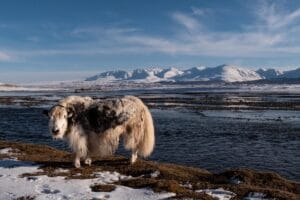
A guided excursion is generally the easiest option for international visitors because distances can be large and road conditions vary.
Photograph the Mongolian Landscape
Photography is one of the greatest reasons to explore outside Ulaanbaatar.
The combination of mountains, grasslands, horses, traditional gers, dramatic skies, and enormous horizons creates exceptional photographic opportunities.
Early morning and late afternoon usually provide softer light and stronger shadows.
Always ask permission before photographing people, particularly in private or residential settings.
Go Horse Riding
Horse riding is deeply connected to Mongolian culture.
Mongolia’s relationship with horses is central to its history, economy, transportation, sport, and cultural identity.
Visitors can arrange horse-riding excursions around Ulaanbaatar and in national parks.
Beginners should choose reputable operators and receive appropriate safety instructions.
Explore Terelj on Horseback
Gorkhi-Terelj National Park is particularly suitable for horse-riding experiences.
The combination of forest, mountains, grassland, rivers, and rock formations creates an excellent environment for exploring on horseback.
A multi-hour or overnight horse-riding excursion can provide a more immersive experience than a short city tour.
Best Things to Do in Ulaanbaatar for Families
Ulaanbaatar can be an interesting destination for families, particularly those with older children.
Museums introduce Mongolian history in an educational format, while the Chinggis Khaan Statue Complex, Gorkhi-Terelj National Park, horseback riding, and ger stays provide outdoor experiences.
Children interested in dinosaurs, animals, horses, and ancient civilizations may find Mongolia especially exciting.
Best Time to Visit Ulaanbaatar
The best time to visit Ulaanbaatar depends heavily on what you want to experience.
June through August is generally the most comfortable period for travelers interested in outdoor activities, countryside excursions, hiking, horseback riding, and cultural festivals.
July is particularly important because of Naadam and the country’s major summer travel season.
September and early October can provide cooler temperatures and autumn scenery, although weather becomes increasingly unpredictable.
Winter offers a very different experience, with snow, extreme cold, winter festivals, and opportunities for skiing, but travelers must be properly prepared for the climate.
How Many Days Do You Need in Ulaanbaatar?
Three days is a good starting point for a first visit.
A three-day itinerary can include the National Museum, Sükhbaatar Square, Gandan Monastery, Bogd Khaan Palace, Choijin Lama Temple, Zaisan Memorial, and the V&A-style modern attractions of central Ulaanbaatar.
Four or five days allow travelers to add the Chinggis Khaan Statue Complex, Gorkhi-Terelj National Park, ger accommodation, shopping, cultural performances, and additional museums.
Travelers using Ulaanbaatar as the starting point for a longer Mongolian journey should consider keeping at least two full days in the city rather than immediately leaving for the countryside.
Three-Day Ulaanbaatar Itinerary
Day One: History and Central Ulaanbaatar
Begin at Sükhbaatar Square and explore the Government Palace area.
Continue to the National Museum of Mongolia to understand the country’s history.
After lunch, explore the Chinggis Khaan National Museum.
Spend the late afternoon visiting Choijin Lama Temple Museum.
Finish the day with a traditional Mongolian dinner and cultural performance.
Day Two: Buddhism, Palace History and City Views
Begin the morning at Gandan Monastery.
Continue to the Bogd Khaan Palace Museum.
After lunch, head toward Zaisan Memorial for panoramic views of Ulaanbaatar.
Spend the evening exploring restaurants and cafés in the central city.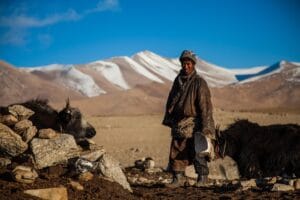
Day Three: Chinggis Khaan or Terelj
Dedicate the third day to a major excursion.
One option is the Chinggis Khaan Statue Complex at Tsonjin Boldog.
Another is a trip to Gorkhi-Terelj National Park.
Travelers with more time can combine an excursion with a ger stay and return to Ulaanbaatar the following morning.
Five-Day Ulaanbaatar Itinerary
A five-day trip allows much greater flexibility.
Spend the first day exploring the central museums and Sükhbaatar Square.
Use the second day for Gandan Monastery, Bogd Khaan Palace, and Zaisan.
Spend the third day visiting the Chinggis Khaan Statue Complex.
Use the fourth day for Gorkhi-Terelj National Park and a ger experience.
Reserve the fifth day for markets, cashmere shopping, cafés, contemporary culture, and any museums or attractions you missed.
Where to Stay in Ulaanbaatar
Central Ulaanbaatar is usually the most convenient choice for first-time visitors.
Staying near Sükhbaatar Square makes it easier to reach museums, government landmarks, restaurants, cafés, and shopping areas.
The city also offers international hotels, boutique accommodation, hostels, serviced apartments, and traditional ger accommodation outside the urban center.
If your priority is sightseeing, staying centrally can reduce transportation time.
What to Buy in Ulaanbaatar
Cashmere is one of the most popular purchases.
Travelers can also look for felt products, leather goods, traditional Mongolian clothing, crafts, artwork, musical-instrument designs, souvenirs, and locally made products.
Narantuul Market provides a traditional market experience, while modern shopping areas offer more controlled environments for visitors seeking established brands and higher-end products.
Ulaanbaatar Travel Safety
Ulaanbaatar is a major international city, but travelers should use normal urban precautions.
Keep wallets, passports, phones, and other valuables secure in crowded markets and busy public areas.
When traveling outside the city, use reputable guides and transport providers.
Mountain weather can change quickly, so hikers should carry appropriate clothing, water, navigation equipment, and communication devices.
Respect religious customs when visiting monasteries and temples.
Responsible Tourism in Ulaanbaatar
Responsible tourism is particularly important when visiting Mongolia because much of the country’s cultural identity remains connected to communities, pastoralism, wildlife, and fragile landscapes.
Travelers should avoid littering, respect private property, ask permission before photographing people, and avoid damaging natural environments.
When visiting nomadic families, remember that you are entering someone’s home and livelihood.
Supporting locally owned restaurants, guides, accommodation providers, artisans, and community-based tourism projects can help ensure that tourism benefits local communities.
Why Ulaanbaatar Is Different from Other Asian Capitals
Ulaanbaatar does not resemble many other Asian capitals.
Its population is relatively small compared with megacities such as Beijing, Tokyo, Bangkok, or Seoul, but its geographic footprint and surrounding landscape create a very different atmosphere.
Skyscrapers, Buddhist monasteries, ger districts, Soviet architecture, modern shopping centers, horses, mountains, and open steppe can all be encountered within a relatively short journey.
That contrast is perhaps the city’s defining characteristic.
Why Ulaanbaatar Is the Gateway to Mongolia
Ulaanbaatar is the main gateway for travelers exploring Mongolia.
Flights, trains, roads, hotels, tour operators, museums, restaurants, and cultural services are concentrated in the capital.
From Ulaanbaatar, travelers can continue toward the Gobi Desert, Terelj National Park, central Mongolia, Lake Khövsgöl, the Orkhon Valley, or other destinations.
The city therefore works both as a destination and as the logistical center of a larger Mongolian adventure.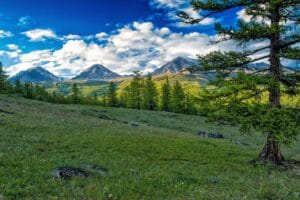
Conclusion
Ulaanbaatar is a destination that rewards curiosity.
The most memorable experiences are not limited to one famous landmark. Instead, they come from seeing how different parts of Mongolia’s identity fit together.
Start with Sükhbaatar Square to understand the modern capital. Visit the National Museum of Mongolia to explore the country’s long history. Continue to the Chinggis Khaan National Museum to understand the Mongol Empire and the legacy of one of history’s most famous rulers.
Visit Gandan Monastery to experience living Buddhist culture, then explore the Bogd Khaan Palace Museum and Choijin Lama Temple Museum to understand the country’s religious and royal history.
Climb Zaisan Memorial for panoramic views of the city and surrounding mountains. Shop for cashmere and traditional crafts. Try buuz, khuushuur, Mongolian milk tea, and other local foods.
For current opening hours, admission prices, events, transport information, museum schedules, and travel updates, it is best to verify details directly with official sources before publishing or planning your trip.
Official Visit Ulaanbaatar tourism portal: Visit Ulaanbaatar
Official Ulaanbaatar tourism attractions guide: 9 Must-See Places in Ulaanbaatar
Official museum information: Visit Ulaanbaatar Museums
National Museum information: National Museum of Mongolia – Visit Ulaanbaatar
Official Ulaanbaatar travel information: Visit Ulaanbaatar – Plan Your Trip
Author

Related posts
Best Places to Visit in Mont-Saint-Michel
- 0
- 4,964 words
Best Places to Visit in Mont-Saint-Michel , France Mont-Saint-Michel is one of the most extraordinary destinations in France and one of the...
Read out all
UNGA
- 0
- 5,649 words
UNGA (United Nations General Assembly ) The United Nations General Assembly, commonly known as the UN General Assembly or UNGA, is one...
Read out all
Best Places to Visit in Kathmandu
- 0
- 4,089 words
Best Places to Visit in Kathmandu , Nepal Kathmandu, the capital of Nepal, is one of South Asia’s most fascinating travel destinations....
Read out all
Best Places to Visit in Vilnius
- 0
- 5,246 words
Best Places to Visit in Vilnius , Lithuania Vilnius, the capital of Lithuania, is one of the most fascinating destinations in the...
Read out all
Best Places to Visit in Riga
- 0
- 6,005 words
Best Places to Visit in Riga , Latvia Riga, the capital of Latvia, is one of the most fascinating destinations in the...
Read out all
Best Places to Visit in Cartagena
- 0
- 4,522 words
Best Places to Visit in Cartagena , Colombia Cartagena de Indias is a historic Caribbean city on Colombia’s northern coast and one...
Read out all