
Schafberg, Austria – A Journey Through the Peaks and Beauty of the Salzkammergut
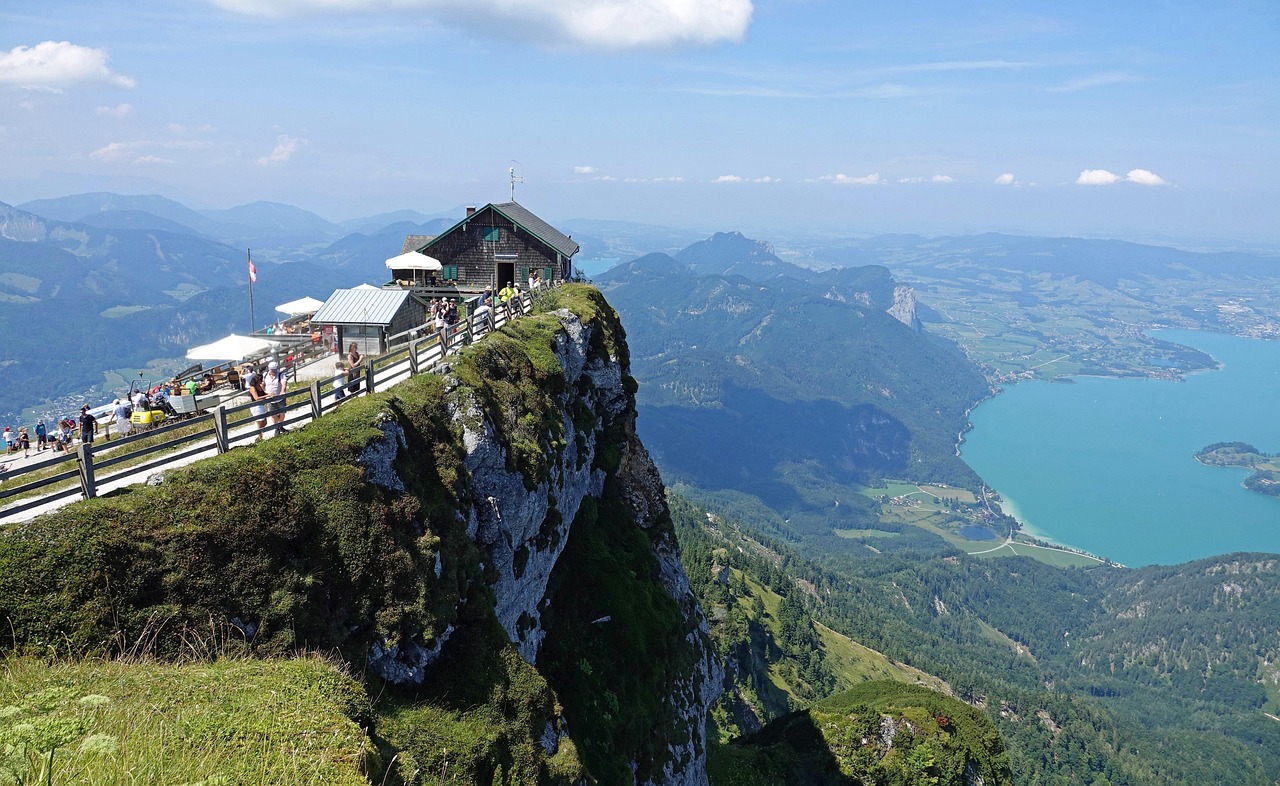
One of the most famous and most strikingly beautiful mountains in Austria is Schafberg. It proudly rises above the fine Salzkammergut region, close to the town of St. Wolfgang, offering a wonderful view of lakes, valleys, and the distant peaks. The mountain is not only a paradise for hikers and nature lovers but a place full of history, charm, and tradition. The Schafberg is 1,783 meters high and belongs to the Northern Limestone Alps. From its summit, one can see several beautiful lakes: Wolfgangsee, Attersee, Mondsee, and Fuschlsee. The mountain is close to the borders of Upper Austria and Salzburg, so it is easily reached by travelers staying in Salzburg City or Hallstatt.
Schafberg
In German, the name Schafberg translates to “Sheep Mountain.” The mountain received this name because shepherds used to bring sheep up its gentle slopes for summer grazing. Over time, it has become a cherished icon for the Austrian Alps and an attractive destination for tourists from far and wide across the globe.
The Schafbergbahn – A Historic Mountain Railway
One of the most famous attractions of the mountain is the Schafbergbahn or Schafberg Cog Railway. It is the steepest cogwheel railway in Austria and one of the oldest in the world. The railway began operating in 1893 and connects the town of St. Wolfgang with the summit of Schafberg, spanning about 5.85 kilometers as it rises over 1,200 meters in just 35 minutes. The train slowly winds its way up the slopes, going through forests, meadows, and rocky landscapes. For many, this is considered one of the most beautiful railway journeys in all of Europe.
Schafberg Summit – A View from the Top
Arriving at the top of Schafberg is like entering a dreamland. From this summit, there is a 360-degree view, which reaches over Austria into Germany, and on good days even the Czech Republic. From the top, visitors can see the Wolfgangsee is a deep blue lake surrounded by forests and villages.
- Attersee – The largest lake in the Salzkammergut region. Mondsee is a tranquil lake famous for its romantic landscape.
- Fuschlsee – Smaller but very beautiful, with the town of Fuschl nearby. The Schafbergspitze Hotel, situated right on the summit, is one of the highest hotels in Austria. It was built in 1862, long before the railway existed, and has been accommodating travelers for more than a century. Those guests who stay overnight get to see magical sunsets and sunrises above the clouds.
A lot of visitors like to picnic or drink their coffee on the terrace, observing the clouds drift below their feet. It’s a peaceful, almost spiritual experience.
Hiking Trails and Outdoor Activities
While the railway is a very popular way to the top, many hiking enthusiasts prefer to make their way up on foot. Several hiking routes are well-marked and offer different levels of difficulty. The most popular trail starts in St. Wolfgang and takes around 3–4 hours to reach the summit. On their way up, hikers pass through forests, pastures, and open meadows filled with wildflowers. There are also shorter routes starting from either St. Gilgen or Winkl, offering different scenic perspectives. Skiers and snowshoe hikers are able to explore quiet, white landscapes. Most visitors come in spring and summer, however, when the air is warm and the meadows are green. Schafberg is also popular for paragliding. 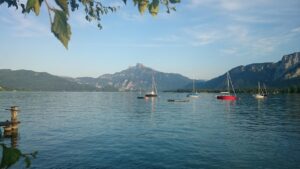
Flora and Fauna of Schafberg
The mountain is part of a rich natural ecosystem, with slopes hosting a wide range of plants, flowers, and animals typical of the Austrian Alps. Among the animals, which can sometimes be seen in this region, are chamois, marmots, and eagles. The region is also a home for songbirds, butterflies, and rare insects. The local farmers still bring cattle to graze on the lower pastures during summer.
The Cultural Heritage of the Region
The Schafberg is not just a mountain; it’s a symbol of the Austrian Alpine lifestyle. Traditional houses, narrow streets, and historic churches will complete the atmosphere around the three towns that lie just nearby: St. Wolfgang, St. Gilgen, and Strobl. The region is deeply connected with folk music, farming traditions, and handcrafts. Throughout the summer, local festivals include brass bands playing traditional dances with local food. One of the most magical events within the region is Wolfgangsee Advent Market, held during Christmas time. The whole lake area is decorated with lights, candles, and wooden stalls selling crafts and sweets.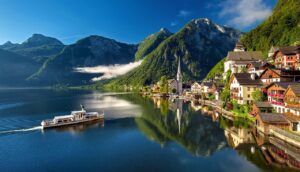
St. Wolfgang – Gateway to Schafberg
Right at the foot of the mountain is the charming town of St. Wolfgang, one of the most famous tourist destinations in Austria. St. Wolfgang is most famous for the White Horse Inn (Weisses Rössl), a historic hotel made famous by the 1930s musical and film. Narrow cobbled streets, with old wooden houses sporting flower boxes, and a beautiful lakeside promenade complete the picture. The Pilgrimage Church of St. Wolfgang is a 15th-century church that incorporates beautiful Gothic and Baroque artwork, including an altar by the famous artist Michael Pacher. Visitors to Wolfgangsee can take boat rides, rent bicycles, or enjoy the local fare of schnitzel and apple strudel at the lakeside restaurants. From St. Wolfgang, visitors can easily take the Schafbergbahn to the top of the mountain.
Surrounding Places in Detail
The Schafberg Mountain is surrounded by some of the most beautiful and charming destinations in Austria. The area that surrounds it, the so-called Salzkammergut, is known for its lakes, mountains, and small traditional towns.
St. Wolfgang – The Heart at the Foot of Schafberg
The first and most famous place around Schafberg is St. Wolfgang im Salzkammergut. This small town lies directly at the foot of the mountain and on the shores of Lake Wolfgangsee. St. Wolfgang is also the home of one of Austria’s most iconic hotels: Weisses Rössl, or White Horse Inn. It became world-famous because of the operetta “Im Weissen Rössl,” which shows romance and beauty in the lake area. The mountain summit can be ascended by taking the Schafbergbahn railway from the center of the town. There are also a lot of walking paths around the lake, and boats leave from the pier for the other villages nearby. It glows blue in the sun during summer, whereas in winter, with roofs covered in snow, the village has an almost fairy-tale appearance.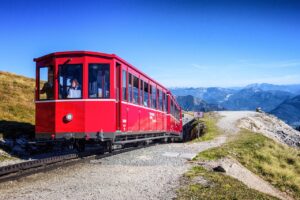
St. Gilgen – Mozart’s Family Village
Just across Wolfgangsee Lake from St. Wolfgang is the equally spectacular village of St. Gilgen, surrounded by mountains and forests. St. Gilgen is often called “Mozart’s Village”, because it was the birthplace of Mozart’s mother, Anna Maria Pertl. The connection to the famous composer makes this place special for music lovers. This little town boasts a lakeside promenade where travelers can take boat rides, or simply sit and watch the amazing sunset. The town square is lined with typical houses, local cafes, and marketplaces where craftsmen sell their handmade goods. From here, guests can take the Zwölferhorn Cable Car higher up into another beautiful mountain nearby. It provides breathtaking views of the lakes and the Schafberg across the water. At the top, hikers have the opportunity to walk along the panoramic trails or simply relax at the mountain hut, where fresh Austrian food is served. St. Gilgen is also a great starting point for cycling, kayaking, and sailing on the Wolfgangsee.
Strobl – Peaceful and Serene
The village Strobl is located at the eastern end of the Wolfgangsee and is much smaller and quieter than, for instance, either St. Wolfgang or St. Gilgen. Therefore, it is ideal for guests who love quiet nature. Strobl has long walking trails along the lake and through nearby forests. One of the highlights is the Blinklingmoos Nature Reserve. It’s a wetland area where many birds nest, and it’s ideal for nature photography and birdwatching. Besides that, the village has cozy guesthouses, typical Austrian restaurants, and some small beaches where one can swim during summer. In winter, Strobl transforms into a wonderland of Christmas. Wooden stalls, shiny lanterns, and the smell of roasted chestnuts characterize the Advent Market.
Bad Ischl – The Imperial Spa Town
A short, 15-kilometer drive from Schafberg is the elegant spa town of Bad Ischl. The historic town was the favorite summer retreat for Austrian Emperor Franz Joseph I and his wife, Empress Elisabeth, fondly called Sisi. Bad Ischl’s highlight is the Kaiservilla, the summer palace of the emperor. Surrounded by gardens and trees, it is open to visitors who want to explore its rooms and history. The emperor signed many important documents here, including the declaration that led to World War I. This town is also renowned for thermal spas and rehabilitation centers where one can relax in warm waters with minerals. The local pastry shop, Zauner Café, is over 180 years old and serves royal desserts like “Zaunerstollen.” Walking through Bad Ischl is like going back in time, and yet it’s full of life and music.
Mondsee – The Lake of the Moon
Other treasures a little closer to home include Mondsee, about 20 kilometers from Schafberg. The name in German means “Moon Lake”, and you can see why: the lake possesses a soft, reflective beauty that changes color with the light. The small town of Mondsee has a rich culture and history. Its main attraction is the Basilica of St. Michael, a beautiful yellow church famous for being the wedding church in the movie “The Sound of Music.” Visitors can walk along the lakeside promenade, go for a swim in the clear water, or take a paddleboat across the lake. Many cafés and restaurants afford travelers the opportunity to enjoy fresh fish and traditional Austrian pastries. Mondsee is also surrounded by green hills, which make it ideal for hiking and cycling.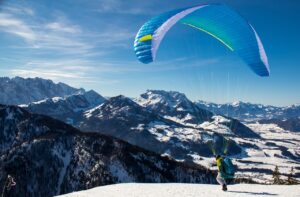
Attersee – The Lake of Artists
A little farther away from Schafberg lies Attersee, the biggest lake in the Salzkammergut. This lake is famous for its turquoise-blue water and long shoreline. Attersee became popular with painters and musicians in the 19th century. The famous Austrian artist Gustav Klimt spent summers here and painted many of his masterpieces inspired by the lake. The towns lining the lake include Unterach, Nußdorf, and Seewalchen, which allow for boating, diving, and lakeside dining. The water is exceptionally clear, thus making it one of the best sites in Austria for underwater photography. Attersee is also circled by hiking trails where travelers can take tranquil forest walks with lake views.
Hallstatt – The Icon of Austria
A bit further away but definitely worth the trip is Hallstatt, about an hour’s drive from Schafberg. It is one of the most photographed villages in the world. Hallstatt sits beside Lake Hallstatt, with wooden houses climbing up the mountain slopes. The lake, mountain, and old houses combine to form a perfect postcard view. It is part of a UNESCO World Heritage Site, renowned for both its beauty and its history. Visitors can examine the Hallstatt Salt Mine, one of the oldest in the world, or take the Skywalk platform high above the village for stunning views. Narrow streets abound with small cafes and souvenir shops selling handicrafts and local snacks.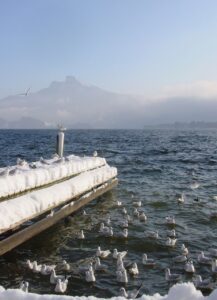
Fuschl am See – Calm and Crystal Clear
Fuschl am See is a quaint lake close to Salzburg and located near Schafberg. The lake itself is much smaller but crystal clear, often known as one of the cleanest in Austria. The Fuschl Castle, situated right on the lake, is now a luxury hotel. It is set amidst surroundings highly suitable for leisurely walks and nature photography. Fuschl am See is also close to the headquarters of Red Bull, with a small museum dedicated to the brand’s history and products.
Salzburg – The Cultural Jewel Nearby
The nearest big city, Salzburg, is only about 45 minutes away and thus a must-see destination. Salzburg is the birthplace of the famous Wolfgang Amadeus Mozart and thus full of music, history, and beauty. Among them, one can visit the Hohensalzburg Fortress, the Mirabell Gardens, and the Mozart’s Birthplace Museum. Furthermore, this city hosts the world-famous Salzburg Festival, which celebrates classical music and theater. Its Old Town, with Baroque architecture and narrow streets, is listed as a UNESCO World Heritage Site. Many travelers pair one day in Salzburg with a trip to Schafberg and Wolfgangsee. It creates one enjoyable visit: mountain nature and city culture combined.
Postalm – The Alpine Meadow Wonderland
Just south of Strobl lies the Postalm, one of Europe’s largest alpine meadows. It is a true paradise for hiking, mountain biking, and skiing during winter. Fresh dairy products from local farmers are served in the wooden huts. During summer, cows are seen to graze peacefully while the hiker rests, viewing the Dachstein mountains afar. Postalm – a classic Austrian countryside experience away from crowds.
Local Food and Traditions
The region of Schafberg offers delicious Austrian alpine cuisine: Kaiserschmarrn, or sweet pancake pieces; Kasnocken, or cheese dumplings; and freshwater fish directly from the lakes. Visitors can enjoy warm meals served with homemade bread and cheese, accompanied by a glass of herbal tea in the mountain huts. The combination of fresh air, traditional food, and friendly service makes dining in this area very enjoyable.
Best Time to Visit
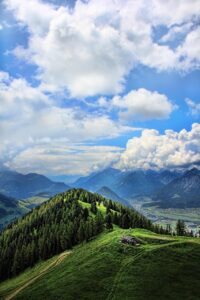
The best time of visiting Schafberg depends on what travelers want to experience.
- Summer (June–September): Good for hiking, train rides, and outdoor activities.
- Autumn-Oliver: The trees are gold, and the air is crisp and cool.
- Winter: Everything is quiet and snowy, and it looks fabulous; however, there is limited train operation during this time.
- Spring: Wildflowers bloom, and the sparkle of lakes returns after the cold winter months.
How to Reach Schafberg
The Schafberg is easily accessible for travelers by public transportation or car.
- From Salzburg: Take the train or bus to St. Gilgen or St. Wolfgang, about 1.5 hours.
- By Car: Take a drive through the Salzkammergut scenic roadways amidst lakes and mountains.
- By Boat: In summer, ferries run across Wolfgangsee linking Strobl, St. Gilgen, and St.
A Peaceful Escape
What makes Schafberg truly special is its combination of natural beauty, cultural richness, and peaceful atmosphere. Whether you ride the vintage train, hike the mountain paths, or simply sit by Wolfgangsee watching the sunset, every moment feels timeless. The surrounding places near Schafberg form one of the most beautiful regions in all of Europe. Each town and lake has its own charm — from the cultural history of Bad Ischl to the postcard perfection of Hallstatt, and the musical spirit of St. Gilgen.
It’s a place to disconnect from busy life and reconnect with nature. The gentle ringing of cowbells, the cool mountain breeze, and the warm smiles of local people make Schafberg a place that stays in your heart forever.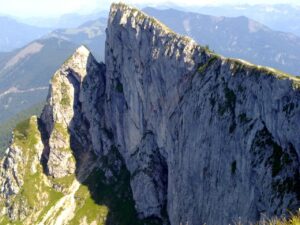
Conclusion
The Schafberg Mountain is not only a sightseeing place; it is an unforgettable experience of Austria’s natural and cultural soul. With panoramic views, a charming railway, cozy mountain huts, and lakes around, it represents all that is best in the Salzkammergut region. From the lakeside villages to the high peaks, every corner is telling its tale of coexistence between people and nature in harmony. Indeed, travelers hail the Schafberg as one of Europe’s most breathtaking mountains, for from the top, a glance at the glittering lakes below is all one needs to understand why.
Author

Related posts
Best Places to Visit in Dinant
- 0
- 4,779 words
Best Places to Visit in Dinant, Belgium Dinant is one of the most beautiful small towns in Belgium and one of the...
Read out all
Best Places to Visit in Mont-Saint-Michel
- 0
- 4,964 words
Best Places to Visit in Mont-Saint-Michel , France Mont-Saint-Michel is one of the most extraordinary destinations in France and one of the...
Read out all
UNGA
- 0
- 5,649 words
UNGA (United Nations General Assembly ) The United Nations General Assembly, commonly known as the UN General Assembly or UNGA, is one...
Read out all
Best Places to Visit in Kathmandu
- 0
- 4,089 words
Best Places to Visit in Kathmandu , Nepal Kathmandu, the capital of Nepal, is one of South Asia’s most fascinating travel destinations....
Read out all
Best Places to Visit in Vilnius
- 0
- 5,246 words
Best Places to Visit in Vilnius , Lithuania Vilnius, the capital of Lithuania, is one of the most fascinating destinations in the...
Read out all
Best Places to Visit in Riga
- 0
- 6,005 words
Best Places to Visit in Riga , Latvia Riga, the capital of Latvia, is one of the most fascinating destinations in the...
Read out all