
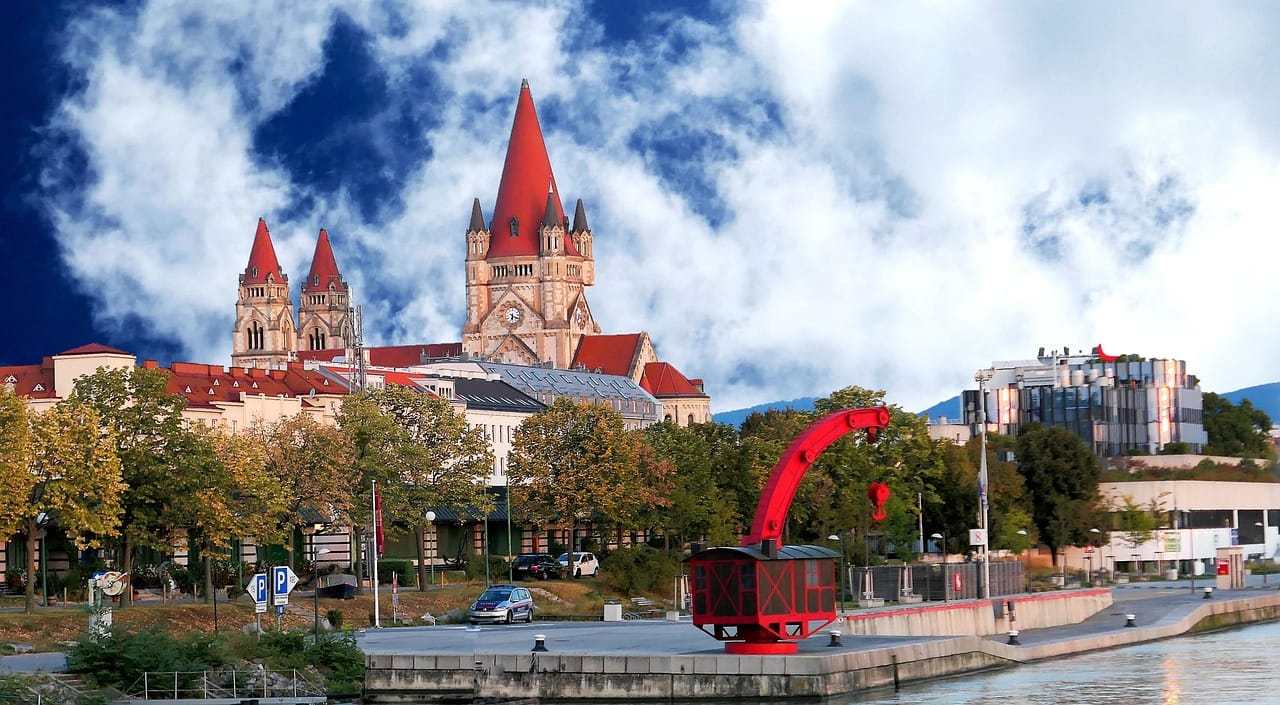
Vienna, Austria Travel Guide 2026
Vienna isn’t just Austria’s capital—it’s a city that wears its history and beauty on every street. Think grand palaces, world-class music, elegant coffeehouses, and those wide, graceful boulevards. It’s a place where old-world charm meets modern comfort, and the whole city just feels welcoming, no matter what kind of traveler you are. This guide has everything you’ll need for your Vienna trip in 2026. From the best sights and places to stay—no matter your budget—to what things really cost, how to plan for different trip lengths, where Vienna stands compared to other cities, honeymoon ideas, real traveler reviews, and practical expenses like visas, taxis, food, or even mobile data. Basically, you’re covered.
Why Visit Vienna, Austria in 2026 — A City of Music, History & Culture
Vienna is famous for its baroque architecture, sweeping palaces, and its deep roots in classical music. The Habsburgs once ruled from here, but today the city pulses with a creative, modern energy. People come for the museums, the coffeehouses, the gardens, and the thrill of hearing a live symphony where Beethoven and Mozart once performed. You can walk the Ringstrasse, circling all those iconic buildings, and feel the weight of history without missing a beat of modern life. Yet Vienna never feels stuck in the past. The public transport works like a dream, neighborhoods are easy to walk, and the vibe is welcoming wherever you go. Spring brings gardens bursting into bloom; winter turns the city into a Christmas postcard. Vienna knows how to do every season right.
Best Things to Do in Vienna — Iconic Sites, Culture & Local Flavours
When you get to Vienna, a few spots jump out right away. First up: the Ringstrasse. This grand boulevard wraps around the old city center, built where Vienna’s medieval walls once stood. As you wander along, you’ll pass the Vienna State Opera, the Parliament, City Hall, and the Hofburg Palace—each one a slice of the city’s imperial story. If you’re into markets and local life, don’t miss the Naschmarkt. It runs along the Wien River and is packed with stalls selling fresh produce, bread, cheese, spices, and street food from all over. Grab an Austrian classic like Kaiserschmarrn or Palatschinken and soak up the energy.
Vienna’s museums are legendary, too. The Natural History Museum is massive, filled with everything from dinosaur bones to rare gems. The Museum of Applied Arts (MAK) is another favorite, mixing old-world craftsmanship with bold modern design. And then there’s Schönbrunn Palace. The inside tour costs a bit, but the palace gardens are free—and honestly, just wandering the grounds is worth the trip. Bottom line? Vienna is layered. There’s something for everyone, whether you want history, art, a stroll through leafy parks, or just great coffee in a beautiful setting.
Best Hotels in Vienna for Every Type of Traveller
Vienna’s hotel scene is as varied as the city itself—from grand luxury to quirky boutiques to affordable spots that don’t skimp on comfort.
Luxury & Special Occasion Stays
If you’re celebrating or just want the royal treatment, Vienna’s historic hotels deliver. Think high ceilings, plush interiors, and old-world service right in the city center. Some even have legendary spas, so you can start your day with a massage and end it at a concert or candlelit dinner. Perfect for honeymoons or any trip you want to remember.
Mid-Range Hotels — Comfort & Central Locations
For most travelers, a mid-range hotel in a central neighborhood like Innere Stadt or near the main transit lines hits the sweet spot. You get a comfy room, a solid breakfast, and quick access to all the sights, often at a price that leaves room for splurging elsewhere. Look around Schwedenplatz or near the opera district if you want to be close to action without paying premium rates. Families and couples both find good value in these areas.
Boutique & Unique Stays
Vienna’s boutique hotels have real personality. A lot of them are tucked into artsy neighborhoods like Neubau or Mariahilf. You’ll find creative design, a nod to the city’s music scene, and a more personal touch—plus you’re just steps from cool cafés and nightlife. If you want your hotel stay to feel as special as your trip, this is the way to go.
Cheapest Places to Stay in Vienna — Budget Options for Travelers
You can make Vienna work on a budget if you pick the right spot. Hostels and budget hotels in neighborhoods just outside the main tourist rush—think Leopoldstadt, Favoriten, or Mariahilf—are a lot more affordable, and you’re still just a quick tram or subway ride away from the city center. Shared hostels and guesthouses are great if you’re looking to save. You’ll find beds and even private rooms for a fraction of what you’d pay in central hotels. Especially outside busy seasons, prices for a private room in a hostel or budget hotel can be much lower than what you’d pay at a bigger place. Want to save even more? Eat at local markets like the Naschmarkt, grab street food from Würstelstands, and use the Vienna City Card. All of this goes a long way to cutting down your daily expenses.
Cost of Traveling to Vienna — Flights, Local Transport & Daily Expenses
Vienna feels like classic Europe—fancy palaces, grand buildings, music everywhere. But honestly, it’s not as expensive as Paris or London. Your final bill depends a lot on how you travel, when you visit, and how much you like to spend. Once you know what flights, transport, accommodation, food, and sights usually cost, you can plan a trip that fits your budget pretty comfortably.
Flight Costs to Vienna
Flight prices shift a lot depending on where you’re coming from and when you fly. If you’re already in Europe, round-trip flights can be as cheap as €60 to €200, especially if you book early and use budget airlines. Coming from North America, Asia, or Australia, tickets usually run between €500 and €1,200 in economy. Prices really shoot up in the summer and around Christmas, but if you go in late autumn or early spring, you’ll often find better deals. Book ahead and stay flexible with your dates—this really helps keep flight costs down.
Airport Transfers and Local Transportation
Getting from Vienna International Airport into town is easy and doesn’t break the bank. The City Airport Train gets you to Wien Mitte station in about sixteen minutes for €12. If you want to save a bit more, take the regular suburban train—it’s €4 to €6, just takes a little longer. Taxis to the city center usually cost €40 to €55, depending on traffic. Once you’re in Vienna, public transport is super efficient and pretty simple to figure out. The metro, trams, and buses go almost everywhere. A single ride costs about €2.40 to €2.90, but most people get a pass. A 24-hour pass is around €8, and a week-long option is about €20 to €25. Since the system is so good, you probably won’t need a taxi at all, which keeps your daily costs lower.
Accommodation Costs in Vienna
For most travelers, accommodation is the biggest daily expense. Staying in a hostel dorm usually costs €20 to €35 a night. Private rooms in budget hotels are typically €60 to €120, depending on where and when you go. Mid-range hotels in central areas charge €120 to €200 per night and put you close to all the main sights. If you’re looking for luxury—say, near the Opera House or right in the old city center—prices can jump to €350 to €700 a night, especially during busy times. Book a few months ahead and skip the big holidays if you want the best deals.
Daily Food and Dining Expenses
How much you spend on food in Vienna really depends on how you like to eat. If you stick with simple breakfasts from bakeries and grab lunch at a sausage stand or supermarket, you’ll get by on €20 to €30 a day. A main dish at a casual restaurant is usually €12 to €20. If you want a three-course meal at a mid-range spot, expect to pay €35 to €50 per person. Vienna’s coffeehouses are a must—coffee and cake usually come to €8 to €15. If you’re into high-end dining or want to splurge on wine and tasting menus, daily food costs will go up fast.
Sightseeing and Entertainment Costs
If you’re heading to Vienna, you’ll want to set aside some cash for the city’s famous cultural spots. Entrance fees add up fast. Tickets for big names like Schönbrunn Palace or Belvedere Palace usually run between €15 and €25. Most museums charge €12 to €18, but you can sometimes grab a combo ticket and save a bit if you’re planning to hit a few places. Now, if you’re into classical music or opera, prices swing a lot. Regular concert tickets often start at around €30, while top seats at the opera can cost several hundred euros. Basically, what you spend here really depends on how deep you want to dive into Vienna’s culture.
Vienna Travel Budgets for Different Trip Lengths
Figuring out your budget gets a lot easier when you know roughly what a trip to Vienna actually costs. Vienna’s packed with grand palaces, world-class museums, old-school coffeehouses, and music everywhere. Sure, it has a reputation for being pricey, but it doesn’t have to break the bank. How much you spend really comes down to your travel style, where you stay, and how much you splurge each day.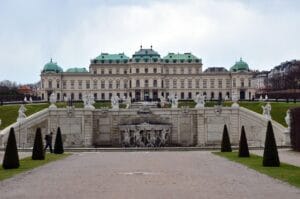
3-Day Vienna Trip
Three days in Vienna gives you enough time to get a real feel for the place. Besides Schönbrunn Palace, you can wander through the Hofburg, check out St. Stephen’s Cathedral, stroll the Belvedere gardens, and snack your way through Naschmarkt. If you’re on a tight budget, plan for about €75 for three nights in a hostel. Food can be pretty affordable—maybe €75 to €90 if you stick to simple meals. A 72-hour transport pass is about €17, and museum or palace tickets will likely set you back another €50 to €70. All told, you’re looking at somewhere around €220 to €270 for three days if you keep things basic. If you prefer a bit more comfort, a decent hotel could cost you around €420 for three nights. Restaurants and coffeehouses might add another €130. Throw in tickets for attractions and maybe a concert or two, and you’ll probably spend €120 more. So, for a comfortable trip, set aside about €670 to €720. Now, if you want to go all out—think fancy hotels, fine dining, and exclusive experiences—expect to spend €2,000 or more for three days, especially if you’re seeing the opera or booking private tours.
5-Day Vienna Itinerary Cost
With five days in Vienna, you can slow down and soak up the city’s vibe. There’s time to explore museums at your own pace, relax in the parks, try different cafés, and even day-trip to Bratislava. Budget travelers can spend five nights in a hostel for around €125. Food for five days comes to about €130 if you watch what you eat. A weekly transport pass is €20 to €25, and tickets for museums or a quick trip out of town add another €90. So, the total for five days on a budget lands between €350 and €420. If you like a bit more comfort, expect to pay around €700 for your hotel. Meals for five days might add up to €225. Transport stays cheap at €25, and cultural stuff or excursions can tack on another €200. All together, a mid-range five-day trip runs about €1,150 to €1,250. If you’re after luxury, five days with premium hotels, fine dining, spa visits, and private tours will push your budget well over €3,500.
7-Day Vienna Experience
A week in Vienna means you can dive in deep—visit the MuseumsQuartier, see all the big palaces, catch a few concerts, and take scenic day trips to places like Salzburg or Hallstatt. For budget travelers, a week in a hostel costs around €175. Food for seven days might be about €180. The weekly transport pass is €25, and museum entries plus day trips can come to €120. So, a seven-day budget trip probably falls between €500 and €600. If you’re going mid-range, seven nights in a hotel might be about €980. Dining out and coffee breaks could cost €315. Transport stays at €25, and for cultural experiences or excursions, budget another €300. In total, a comfortable week in Vienna usually costs €1,600 to €1,700.
Visa Cost for Visiting Austria — Schengen Entry Requirements
Austria’s part of the Schengen Area, so if you’re coming from places like the US, Canada, Australia, or similar countries, you usually don’t need a visa for short visits up to 90 days. But if you do need a visa, you’ll want to apply for a Schengen tourist visa. That costs about €80 for adults, with discounts for kids. Just make sure to check the latest rules with the Austrian embassy where you live—they update things now and then.
Taxi Cost in Vienna — Getting Around Without Stress
Public transport is the best deal in Vienna, but taxis are everywhere if you want a quicker or more private ride. The base fare is generally €4 to €6, and then you pay a bit more for every kilometer you go. A quick hop across the city center usually lands between €10 and €20. If you’re coming from the airport, expect to pay €40 to €55. Ride apps like Uber and Bolt are active here too, and sometimes they’re even cheaper than regular cabs.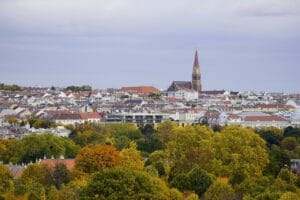
Food Cost in Vienna — Eating Well Without Overspending
Vienna’s food scene is famous, but you don’t have to spend a fortune to eat well. If you’re on a budget, you can get a tasty bite at a market or a Würstelstand for under €10. Typical restaurant mains cost somewhere between €12 and €20. If you want to splurge a little, a meal at a mid-range place usually comes to €30 to €50 per person. And don’t skip the coffeehouses—they’re part of the city’s soul. For coffee and a slice of something sweet, set aside €8 to €15.
Internet / SIM Card Price in Vienna — Stay Connected
Getting online in Vienna is a breeze. You can pick up a prepaid SIM card from providers like Telekom, Vodafone, or A1 for €10 to €30, depending on how much data you want. Wi-Fi is everywhere in hotels, cafés, and lots of public spots—so you don’t have to worry about roaming charges or being offline.
Vienna vs Prague Travel Comparison — Cost and Experience
If you’re torn between Vienna and Prague, here’s the deal: Prague is usually a bit easier on the wallet when it comes to hotels and dining. But Vienna goes bigger with its palaces, orchestras, museums, and grand gardens. Prague’s old town is charming and packed with history, but Vienna feels more majestic and offers a wider range of things to see and do.
Best for Honeymoon – Vienna or Budapest?
Picking between Vienna and Budapest for a honeymoon really comes down to what you want. Budapest is romantic in a laid-back way—think thermal baths, riverside strolls, and those beautiful bridges. It’s also cheaper for both food and hotels. Vienna is all about elegance: classical music, iconic coffeehouses, and stunning palaces. It costs a bit more, but the atmosphere is truly special. If you want to stretch your budget, Budapest is the pick. If you’re after that refined, cultured vibe, Vienna’s hard to beat.
Hotel Review — Hotel Sacher Wien
If you want to go all out, Hotel Sacher Wien is a legend. It’s right by the State Opera, and people rave about the elegant rooms, top-notch service, and especially the historic Café Sacher. That’s where you’ll find the original Sachertorte—yes, the famous chocolate cake. Many guests say staying here makes their Vienna trip unforgettable, especially if you’re into music, history, or just soaking up the city’s classic style.
Tour Package Review — Vienna Classic City Tour
A guided city tour covers the essentials: Schönbrunn Palace, the Hofburg, St. Stephen’s Cathedral, and a drive along the Ringstrasse. People find these tours helpful for the background info and the time they save. Packages sometimes include skip-the-line tickets, audio guides, and transport, usually for €30 to €60. If it’s your first time in Vienna, having a planned route can really help you see more without the stress.
Conclusion
Vienna’s one of those rare cities that brings together imperial history, music, gorgeous buildings, and modern comfort—all in a super walkable and welcoming package. You get a taste of old Europe, but everything works smoothly and feels up to date. Compared to other capitals, Vienna stands out for its elegance and depth—art, history, food, you name it. Whether you’re traveling solo, planning a honeymoon, coming with family, or just chasing culture, Vienna’s got something for you.
Author

sadikhan.ceo@gmail.com
Related posts
Berlin Travel
- 0
- 2,097 words
Berlin Travel Guide – A City of History, Culture, and Modern Energy Berlin isn’t your typical European capital—it buzzes with history and...
Read out all
Amsterdam Travel Guide
- 0
- 2,602 words
Amsterdam Travel Guide – A City of Canals, Culture, and Timeless Beauty Honestly, Amsterdam is one of those cities that just grabs...
Read out all
Barcelona, Spain
- 0
- 2,340 words
Barcelona, Spain Travel Guide – A Vibrant Mediterranean City Barcelona feels alive, no matter what time of year you show up. The...
Read out all
Male, Maldives
- 0
- 2,442 words
Malé, Maldives Travel Guide – The Capital of Island Paradise Malé might be tiny compared to other capitals, but it’s at the...
Read out all
Budapest Travel Guide
- 0
- 2,962 words
Budapest Travel Guide – The Heart of Hungary Budapest doesn’t just sit pretty on the Danube—it’s a city that grabs your attention...
Read out all
Stockholm, Sweden
- 0
- 1,956 word
Stockholm, Sweden – Guide to Attractions, Hotels, Costs, and Travel Budget Stockholm isn’t just another pretty European city—it’s an experience. Built across...
Read out all