
Mexico City – Most vibrant cities in the world
Mexico City is one of the most extensive and lively metropolises in the world; it is also the capital of Mexico. In this metropolis, the remnants of ancient civilizations, colonial vestiges, and contemporaneous life blend together in a singular manner. Visitors wandering along its extensive avenues, multicolored markets, and historic streets are able to perceive a multitude of history that, over thousands of years, has carved the profile of this majestic city. This marvelously cosmopolitan city offers museums, parks, temples, churches, plazas, and modern buildings all in one location, making it an enviable destination for tourists who are interested in culture, food, history, nature, and art.
In addition, the city is located at a high altitude, surrounded by mountains and volcanoes, which gives it a special geographical character. At the same time, the food culture teeming with life, famous festivals, and friendly atmosphere greet everyone who comes with a warm welcome. Mexico City is not just a large metropolis; it is a cultural center, a historic treasure, and a gateway to exploring central Mexico. In this article, we’ll look at geography, history, tourist attractions, surrounding places, and practical travel information about this amazing city.
Geography of Mexico City
Mexico City is situated in the Valley of Mexico, a high plateau in the central part of the country. The city rests on an altitude of approximately 2,240 meters or 7,350 feet above sea level, making it one of the world’s highest capital cities. This high altitude gives the city a mild climate most of the year, including cool mornings, warm afternoons, and fresh evenings. The valley is surrounded by grand mountains and volcanoes, such as the very well-known Popocatépetl and Iztaccíhuatl, which provide great views when the day is clear. These volcanoes also give reason for an important role in the legends of this region and Aztec history. The geographic setting played a major role in shaping how the city developed. Besides this, the geography of Mexico City includes a number of large parks and green spaces, including Chapultepec Park, which is among the largest urban parks in the world. Canals, forests, lakes, and gardens can be found throughout this city, giving residents and visitors a chance to escape from busy areas and enjoy nature.
History of Mexico City
Ancient History
Mexico City’s history is thousands of years old. Long before the Spanish arrived, the valley contained a number of civilizations, among them the Toltecs and Teotihuacanos. One of the largest cities in the world at its peak around 600 AD, the great city of Teotihuacan lies close by. Its pyramids and temples remain standing as monuments to the rich early history of the region. Later, the Aztecs, also called Mexica people, built their capital, Tenochtitlan, on a small island in Lake Texcoco in 1325. According to the legend, they built their city where they saw an eagle perched on a cactus and eating a snake. This symbol today is the national emblem of Mexico. It was an engineering marvel: it contained canals, bridges, temples, and markets, eventually growing into one of the most powerful cities in Mesoamerica.
Spanish Conquest
In 1519, Hernán Cortés and his Spanish forces arrived. The Spanish conquest of Tenochtitlán came through military power, along with alliances with the local tribes and the spread of diseases that decimated the native population. In 1521, the Spanish conquered Tenochtitlán. The city was almost destroyed, and the Spanish rebuilt it as the capital of New Spain, combining Aztec foundations with European architecture.
Colonial and Modern History
Over the centuries, Mexico City became a large political and cultural center, boasting grand churches, palaces, and institutions of higher education. In 1810, Mexico initiated its struggle for independence, which it finally attained in 1821. After independence, Mexico City continued to grow; it became the center for politics, education, and culture. During the 20th century, the city grew very rapidly: new quarters, modern roads, museums, and cultural institutions were built. Nowadays, Mexico City is a world metropolis numbering over 21 million people in the entire metropolitan area, yet it has managed to save so many of its ancient and colonial treasures that it remains extremely interesting because of the combination of the past and the present.
Tourism Sites in Mexico City
Mexico City is full of exceptional tourism sites that merge ancient history, colonial architecture, modern culture, and a pulsating urban lifestyle. Every corner in the city has something to tell, and different neighborhoods contribute to widely varied flavors and character.
Zócalo
The most iconic place to begin is the Zócalo: the enormous main square that has served as the heart of the city since the time of the Aztec Empire. Its grand façade, tall towers, and intricate interior fill visitors with a sense of awe as they walk through its halls. The square often hosts public events, cultural performances, and national celebrations, so it is a lively and meaningful starting point from which to discover Mexico City.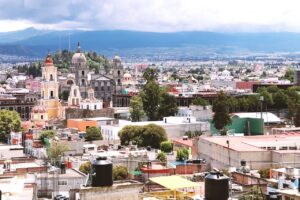
Templo Mayor
A short distance from the Zócalo, travelers find themselves at the Templo Mayor-a vast archaeological site featuring remains of the Aztec capital of Tenochtitlán. This area allows for direct exposure to the great civilization that once dominated the Valley of Mexico by walking the excavated pyramids, platforms, and other structures used in religious ceremonies.An attached museum exhibits armaments, sculptures, religious symbols, and beautifully crafted artifacts revealing the sophistication of Aztec culture. By exploring these ruins, the visitor begins to understand how the growth of Mexico City was carried out in layers, placing Spanish structures atop the indigenous, meshing history with identity.
National Palace
Another outstanding location and facility is the National Palace, which faces one side of the Zócalo. Visitors to the inside of this building will find delightful murals painted by Diego Rivera, one of Mexico’s most famous artists. Colorful depictions of the history of Mexico-from pre-Hispanic societies to colonial periods to the struggles of independence and revolution-are displayed on the murals.Standing in front of them is like reading an enormous, colorful book full of movement. The palace also functions as a building for government business and includes some lovely courtyards and gardens that afford visitors a quiet setting within the center of this busy city.
Chapultepec
Leaving the historic center, tourists enter the refined Chapultepec neighborhood, which features the enormous Chapultepec Forest, one of the largest urban parks in the world. Nestled in this green oasis is the magnificent Chapultepec Castle, the only royal castle in North America. Situated atop the hill, it offers breathtaking views of the city, while its rooms are adorned with antiques, art, and historical displays.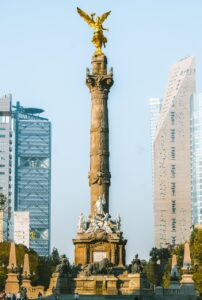 Exploring the castle allows visitors to imagine the lives of emperors, presidents, and historical figures who shaped Mexico’s political future. Just below the castle, inside this same park, lies the world-famous National Museum of Anthropology, which houses one of the greatest collections of ancient Mesoamerican artifacts.
Coyoacán
In the south of the city, tourists find the colorful, artistic district of Coyoacán, best known for the Frida Kahlo Museum, or the “Blue House.” This historical residence allows visitors to enter the personal world of Frida Kahlo and see her artwork, clothes, letters, and photographs. A tour of its rooms becomes intimate, like taking a step into the life of the famous painter whose art touches so many around the world. The streets of Coyoacán add charm, lined with cafes, cobblestone lanes, and lively plazas, which make this neighborhood a perfect blend of art, history, and relaxation.
Xochimilco
Lying not far from Coyoacán is the incredibly unique area of Xochimilco, a UNESCO World Heritage Site. Visitors can ride colorfully decorated boats called trajineras down the ancient canals, remnants of the Aztec agricultural system. What remains of the immense lake that once covered the Valley of Mexico can be seen in these canals. As visitors make their way upon the water, they hear mariachi music playing, taste local foods, and see floating gardens called chinampas. This is festive yet peaceful, providing a cultural journey unlike any other in the city.
Soumaya Museum
Mexico City also celebrates modern culture with its impressive museums and neighborhoods. The Soumaya Museum, with its shining, futuristic structure, stands out as one of the city’s most unique architectural works. Inside, tourists discover an enormous collection of art comprising European masters, religious sculptures, and Mexican artwork from different periods. Close by is the Tamayo Contemporary Art Museum, housing exhibitions on modern Mexican and international artists to give visitors creative and reflexive experiences.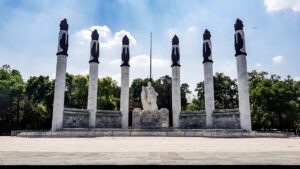
Mercado de La Ciudadela
A great site for anyone interested in markets and traditional culture is the Mercado de La Ciudadela. It is filled with handicrafts, textiles, pottery, and artwork from all parts of the nation. Taking a walk through the stalls is one way to view the traditional handiwork that has been passed down generation after generation. Every single item reflects a story about the area from which it comes; be it a woven basket from Oaxaca or a handmade mask from Guerrero.
Plaza Garibaldi
Those visitors looking for deeper historical exploration often head to Plaza Garibaldi, the boisterous hub of mariachi music. Groups of mariachis congregate at any time of day or night and entertain passers-by with live performances and color. Garibaldi’s atmosphere is energetic and joyful, offering a truly memorable way to enjoy Mexico’s national music. Just next door, the Tequila and Mezcal Museum helps contextualize the traditions at the heart of Mexico’s two most famous spirits through history, tastings, and cultural exhibitions.
Paseo de la Reforma
One of the most striking modern areas in the city is Paseo de la Reforma, a wide boulevard lined with monuments, skyscrapers, and business districts. The Angel of Independence stands proudly along the avenue and serves as one of Mexico’s most recognizable symbols. Visitors can admire the sculpture, take photographs, or walk further along the avenue to see other landmarks and modern public art installations. Located on the other end of Reforma, the Monument to the Revolution is a large structure that memorializes those who fought in the Mexican Revolution.
Palacio de Bellas Artes
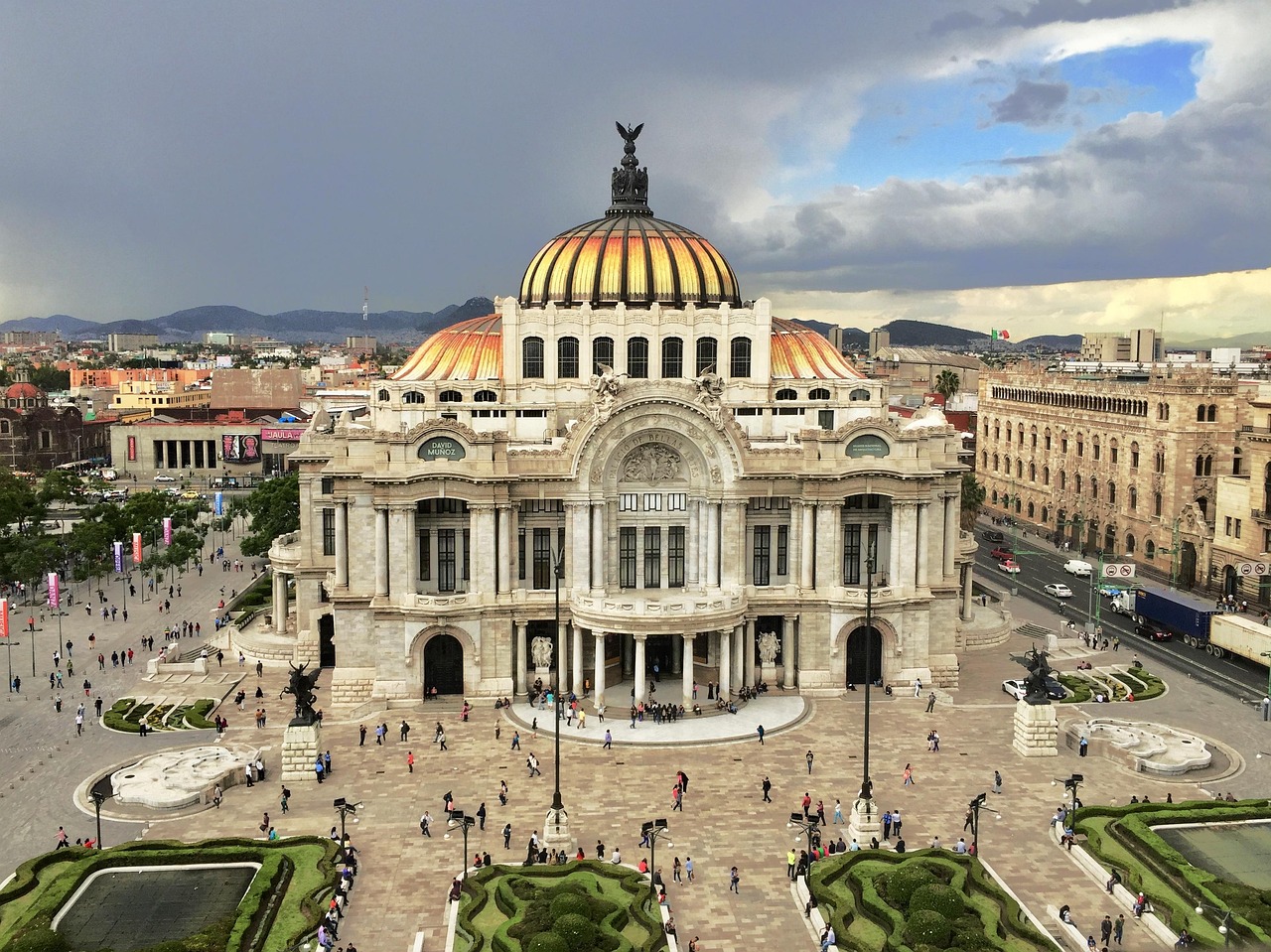
Other highlights include the Palacio de Bellas Artes, a beautiful cultural center adorned with an amazingly breathtaking white marble exterior and magnificent murals painted by some of the legendary Mexican artists. The theater inside stages ballet, opera, and classical music events, which makes it one of the most important venues for travelers interested in performing arts. The interior is also adorned with features of art deco to give its already impressive architecture more charm.
Surrounding Places of Mexico City
The regions surrounding Mexico City are as attractive as the capital itself, with a broad panorama of landscapes, historical treasures, cultural traditions, and natural wonders. As one moves away from the city, the scenery will change from a jammed urban setting to open valleys, high mountains, ancient ruins, and colourfully painted towns revealing the more hidden story of central Mexico.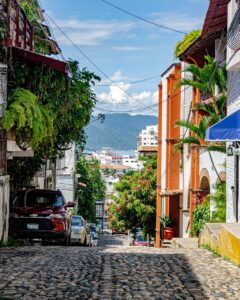
Teotihuacan
Located northeast of Mexico City, Teotihuacan is one of the most important archaeological sites on Earth. Long before the Aztecs, this metropolis was built, including the huge Pyramid of the Sun and Pyramid of the Moon. Visitors approaching the area see a vast plain unfold, where these huge pyramids dramatically rise above the ground. With a walk down the Avenue of the Dead, visitors can appreciate the magnitude and ingenuity of the early civilizations that once flourished here. The tranquil environment, surrounded by mountains and quiet villages, offers a peaceful contrast to the busy streets of Mexico City.
Chapultepec Forest
To the west of the city rises the Chapultepec Forest, one of Latin America’s largest urban parks. Although technically within the city, the outer areas of Chapultepec stretch close to the city’s boundaries and thus provide a gateway to several surrounding neighborhoods. Visitors who head west eventually come into small towns amidst hills and nature. It is easy to transition out of the city into these green areas, so it can be easily done as a day trip for a hike, picnic, or simply to have a quiet day away from the busy capital.
Cuernavaca
Slightly farther southwest lies Cuernavaca, also called “the City of Eternal Spring” due to its pleasant temperatures throughout the year. As travelers move down from the high altitude of Mexico City into the lower valley where Cuernavaca is located, they begin to feel warmer air and see lush vegetation. The city is full of historic churches, colonial buildings, and peaceful gardens.
Puebla
Further to the east from Mexico City lies another interesting destination: Puebla, with its plethora of colonial architecture and food. On the way to Puebla, one crosses over some very picturesque mountain passes, with sights of snowy volcanoes like Popocatépetl and Iztaccíhuatl. These two volcanoes dominate the horizon and give shape to the geography of this region. Colorful buildings, ornamental churches, and traditional markets abound in Puebla.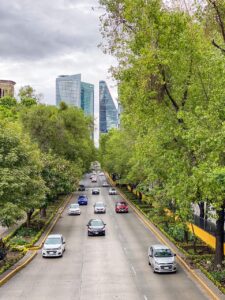
Tepotzotlán
This area extends northward into open lands and small towns, many of which preserve the traditions and crafts of their indigenous ancestors. One of the better-known areas is Tepotzotlán, a quaint little town with a magnificent Baroque church and museum. Tepotzotlán is for visitors who enjoy investigating historical towns that hold onto a slow and peaceful rhythm of life.
Toluca
Another important surrounding area is Toluca, which is located west of the capital. Toluca city lies at a very high altitude, surrounded by cold and crisp air with mountainous landscapes. The ride from Mexico City to Toluca passes different sceneries, such as forest areas, opening one’s view to big valleys. Among the most breathtaking views near Toluca are those of the Nevado de Toluca-a sleeping volcano with two lakes inside its craters. This place is perfect for hiking, taking pictures, and seeing the dramatic beauty of Mexico’s volcano area.
Hidalgo State
Travelers heading north will find Hidalgo State, with its natural spas, mountain ranges, and mining towns established centuries ago. Towns like Real del Monte and Huasca de Ocampo boast cobblestone streets, traditional houses, and cool, misty weather. Its strong British mining tradition is reflected in the architecture and in the delicious local pastries. Nestled amidst forests, lakes, and hills, these towns offer the perfect refuge for tourists who wish to explore Mexico’s countryside. Lastly, the areas around Mexico City offer more volcanoes, forests, valleys, and small towns-each bringing a different perspective on the profound cultural and natural variety of central Mexico.
Best Time to Visit Mexico City
The city is at its best from March to May, with generally warm and pleasant weather. During the spring, flowers bloom, and the temperature becomes mild.
- Winter, from December to February, is also a good time to go because the weather is cool and the views are clear.
- Rain falls during summer, mostly in the afternoons, from June through September, but it’s still a vibrant time in festivals and markets.
How to Go to Mexico City
Mexico City is well connected with the rest of the world. The main airport, Benito Juárez International Airport, receives flights from Europe, the Americas, and Asia. Within the country, buses and domestic flights connect Mexico City to every major region. Also, the city has a very developed metro system, and it is easy to get around using taxis or ride-sharing.
Conclusion
Mexico City is a place where the past and the present coexist in perfect balance. From the ancient ruins to colonial edifices, modern museums, pulsating markets, and colorful festivals, the list of experiences that the city promises is endless. Almost completely nestled within the beautiful towns, mountains, and cultural sites of central Mexico, it’s a doorway to the region’s treasures, too. Be it experiencing history, savoring food, or taking a stroll through its parks and plazas, guests will realize they are in a city full of life, beauty, and unforgettable stories.
Author

sadikhan.ceo@gmail.com
Related posts
Lisbon Travel Guide
- 0
- 2,266 words
Lisbon Travel Guide – A Beautiful Coastal Capital with Culture and Value Lisbon pops up on pretty much every list of Europe’s...
Read out all
Prague Travel Guide
- 0
- 2,455 words
Prague Travel Guide – A Magical European Destination Full of History and Charm If you’re dreaming of a city that looks and...
Read out all
Berlin Travel
- 0
- 2,097 words
Berlin Travel Guide – A City of History, Culture, and Modern Energy Berlin isn’t your typical European capital—it buzzes with history and...
Read out all
Amsterdam Travel Guide
- 0
- 2,602 words
Amsterdam Travel Guide – A City of Canals, Culture, and Timeless Beauty Honestly, Amsterdam is one of those cities that just grabs...
Read out all
Barcelona, Spain
- 0
- 2,340 words
Barcelona, Spain Travel Guide – A Vibrant Mediterranean City Barcelona feels alive, no matter what time of year you show up. The...
Read out all
Male, Maldives
- 0
- 2,442 words
Malé, Maldives Travel Guide – The Capital of Island Paradise Malé might be tiny compared to other capitals, but it’s at the...
Read out all