
Gros Morne National Park – Beautiful natural areas of Canada
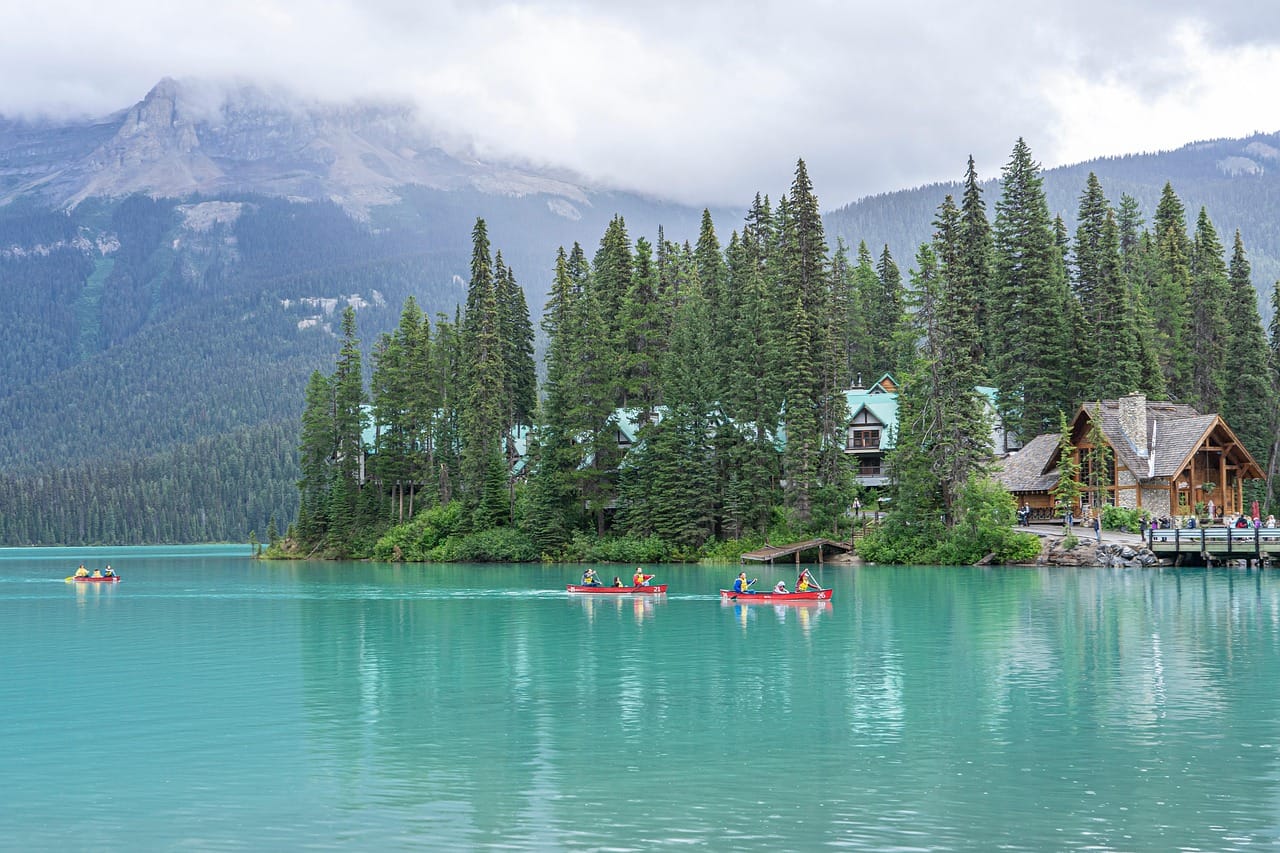
Gros Morne National Park is among the most beautiful natural areas of Canada. It is situated on the rugged west coast of Newfoundland Island and covers an area of over 1,800 square kilometers filled with mountains, fjords, forests, beaches, and deep valleys. It is also included among the UNESCO World Heritage Sites because of its importance and uniqueness to the world as a whole. The park is famous for its immense geological history, ancient rocks, and spectacular landscapes that expose the theory of Earth formation. Based on this, Gros Morne is not only an amazing destination for travel but also for learning, discovering, and taking part in a unique outdoor adventure. We are going to describe the park in very detailed, easy sentences, and we’re going to move at a slow pace from one topic to another: history, landscapes, tourist attractions, activities, and then onto the surrounding places outside of the national park. This will help travelers understand the beauty of Gros Morne and be able to plan a full and meaningful visit. 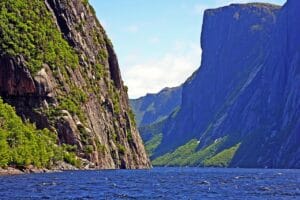
Understanding Gros Morne National Park
Gros Morne National Park takes its name from Gros Morne Mountain, which is the second-highest peak in Newfoundland. The name “Gros Morne” comes from the French words meaning “large mountain standing alone”. This is an apt description since the mountain rises abruptly above surrounding terrain and can readily be seen from great distances. The park is very unique because it illustrates a rather rare geological phenomenon known as continental drift and plate tectonics. Many millions of years ago, continents moved very slowly and collided with one another. Gros Morne is one of the few places in the world where you can clearly see the Earth’s mantle pushed up to the surface. This makes the park one of the most important natural laboratories on the planet. Geologists around the globe travel here to study the rocks and landforms. Visitors, even if not experts, can also see these special features simply by walking along many of the park’s trails. The park comprises deep fjords carved by glaciers, big cliffs rising above the sea, and forests full of wildlife. Due to the large number of ecosystems, the area houses all types of animals such as moose, caribou, black bears, foxes, and many kinds of birds. Hence, the park has a comprehensive and rich natural environment.
Climate and Best Time to Visit
Gros Morne enjoys a cool, refreshing climate resulting from the Atlantic Ocean. Summers are mild and pleasant, while winters can be very cold with large amounts of snow. Most visitors come between June and September because the weather is comfortable, with all walking trails being accessible.
- June brings fresh greenery and blooming wildflowers. July and August are warm and sunny, with ideal temperatures and conditions for hiking and boat tours.
- September offers colorful autumn foliage and fewer crowds. Winter visitors can enjoy snowshoeing, cross-country skiing, and beautiful frozen landscapes.

Main Tourism Sites Inside Gros Morne National Park
This section contains very detailed descriptions of the most popular places inside the park, important both for natural beauty and for the geological features making Gros Morne famous.
Western Brook Pond Fjord
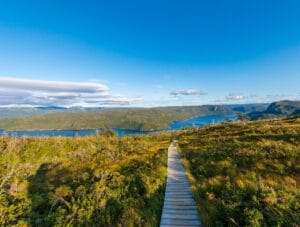
Western Brook Pond is one of the most iconic sites in Newfoundland and one of the most famous parts of Gros Morne. Although it is called a “pond,” it is actually a long, deep freshwater fjord surrounded by steep cliffs rising 600 meters into the air. The fjord was once filled with saltwater, but after glaciers melted thousands of years ago, fresh water completely replaced the saltwater. A path, 3 kilometers long, through wetlands and forests leads to the access of Western Brook Pond. The trail is easy and flat, being surrounded by open scenery. It leads to a dock at its end where several boat tours leave from. These boat rides take passengers deep into the fjord, passing waterfalls that drop dramatically from the cliffs. Guides explain how glaciers carved the land and how animals and plants adapted to the environment.
Gros Morne Mountain
Gros Morne Mountain is the most popular hiking challenge in the park. The trail is long and requires strong fitness, but the view from the top is worth every step. The mountain is 806 meters high, and the trail moves through forest, rocky terrain, and alpine areas. First of all, one walks in the spruce and fir forest. The track then steepens up to the beginning of the mountain; the last stretch goes along loose rocks. The ascent demands patience and much attention. One can get great 360-degree views around fjords, valleys, lakes, and distant mountain ranges from the top. Travelers should take warm clothes with them even during summer due to the wind and cooler temperature at the top.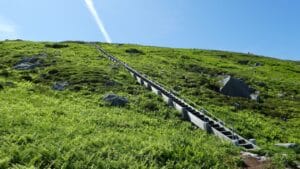
The Tablelands
The Tablelands is one of the most unique landscapes in the world. It looks like a barren, rusty-brown desert in the middle of a green national park. The rocks here are from the Earth’s mantle and came to the surface due to the collision of tectonic plates. Since these rocks are very low in nutrients, almost no plants grow on them, creating a strange and dramatic environment. Visitors can take guided trails that take them through the Tablelands, where rangers explain how the Tablelands help scientists understand the Earth’s structure. This is one of the major reasons Gros Morne was included as a UNESCO World Heritage Site.
Green Point Geology Site
Green Point is situated along a rocky shore and is renowned for its exposed layers of sedimentary rock, revealing a clear, continuous record of Earth’s geological history back some millions of years. Many students and geologists visit this site for the purpose of studying fossils and other rock formations. It is especially beautiful during sunset when the waves crash against the cliffs.
Lobster Cove Head Lighthouse
This historic lighthouse, standing at the entrance to Bonne Bay, was built over 100 years ago to guide boats and protect sailors from rough seas. Today, guests tour the lighthouse, learn about local fishing history, and walk around the surrounding cliffs. From there, the coastline is seen as very peaceful, with the lighthouse serving as a great place for photo shooting.
Trout River Pond
Another beautiful fjord that was created by the glaciers is Trout River Pond. The water is quiet, and steep cliffs rise sharply on either side. A very popular hiking trail runs along the edge of the pond and affords magnificent views of the Tablelands and surrounding hills. The nearby town of Trout River is small but friendly, with seafood restaurants and coastal scenery.
Bonne Bay Marine Station
This marine research center makes it easier for visitors to learn about the ocean and marine life that exists around Gros Morne. It features touch tanks, displays, and guided tours. Travelers can view starfish, sea cucumbers, crabs, fish, and other sea creatures. It is a great stop for families and students.
Activities Inside Gros Morne National Park
Many outdoor activities can be performed within the park by its visitors. The key ones are enumerated below in fair detail:
Hiking
There are over 100 km of trails in the park. These range from easy, such as the Western Brook Pond Trail, to challenging, as in the case of the Gros Morne Mountain Trail. Many trails go through forests, wetlands, meadows, and coastal areas. Each trail has a different view with its own photo possibilities.
Boat Trips
Boat tours have become very popular among visitors in the fjords. Western Brook Pond is the most famous, but other boat trips operate in Bonne Bay. These tours allow visitors to see cliffs, waterfalls, wildlife, and floating icebergs during early summer.
Wildlife watching
Because the park contains many ecosystems, visitors can see:
- Moose, Caribou, Black bears, Foxes, Bald eagles, Sea birds. Wildlife viewing is best in the morning and evening hours.
Camping
There are several campgrounds in the park: Lomond, Berry Hill, and Green Point. They have campsites for tents, RVs, and group camping. Many of the sites include showers, picnic tables, and fire pits.
Kayaking and Canoeing
Lakes and coastal areas are perfect for kayaking. Bonne Bay itself is a very calm and safe area for beginners. Kayaking allows visitors to move noiselessly through nature and perhaps see seals and seabirds.
Winter Activities
Gros Morne becomes a winter wonderland during winter. Popular winter activities include:
- Cross-country skiing, Snowshoeing, Winter camping, Ice climbing. Snowmobiling in marked areas

Surrounding Places Near Gros Morne National Park
Gros Morne National Park rests on the western side of Newfoundland, surrounded by lots of beautiful small towns, scenic villages, and peaceful coastal communities. These places are important to any traveler, providing accommodation, food, tours, and cultural experiences that help complete the journey. They also connect visitors to the warm culture of Newfoundland where people are friendly, always ready to share stories. Below is a detailed look at the main surrounding places near Gros Morne.
Rocky Harbour – The Main Gateway
The community of Rocky Harbour is the largest and most popular near Gros Morne. It is but a short drive from many famous sites, so travelers tend to stay in this town.
Key Features of Rocky Harbour
- Hotels, cabins, and family-run guesthouses, A number of seafood restaurants serving lobster, cod, and mussels, Shops and grocery stores, Bike and kayaking rental services
Why Rocky Harbour is important
It’s centrally located, so traveling to various destinations such as Western Brook Pond, Lobster Cove Head Lighthouse, and several walking trails takes only minutes by car. It is positioned on the coastline, meaning sunset views looking over the ocean are in store for visitors.
Special Experience
The community also hosts events in the town, such as Newfoundland music nights, which include live traditional songs with local instruments and even humorist stories.
Norris Point – A Peaceful Bay Community
Norris Point is nestled in Bonne Bay, framed by a panorama of hills and tranquil waters. It is quieter than Rocky Harbour but offers many cultural and scientific attractions.
Main Attractions in Norris Point
- Bonne Bay Marine Station-perfect for learning about marine animals, Boat tours around Bonne Bay, Walking trails and lookout points, Cafes, pubs, and seafront restaurants
Why Visitors Love Norris Point
The town is easygoing in atmosphere. Travelers love to sit alongside the water and watch the fishing boats and kayaks move across the bay. The smell of fresh ocean air and the sound of waves make this place very relaxing.
Best Views
Sugarloaf Mountain and neighboring hills make a picturesque scene, especially at sunrise.
Woody Point – Culture and Tablelands Access
Woody Point is situated at the southern end of Bonne Bay and is famous for its quaint wooden buildings, brightly painted houses, and harbor.
Reasons to Visit Woody Point
- It is the closest town to Tablelands, one of Gros Morne’s most famous landscapes. It offers art studios, craft shops, and museums. It holds annual music and cultural festivals.
Atmosphere of the Town
It is an art-oriented, historic city where tourists love to walk the streets to visit the shops showcasing crafts and eat at small restaurants that serve seafood dishes. The view along the waterfront is excellent for photography.
Connection to Trails
Woody Point is a terrific starting point for the Lookout Trail, which offers spectacular views over Bonne Bay and surrounding mountains.
Cow Head – Home of Beaches and Theatre
Cow Head is situated north of Rocky Harbour, and is renowned for natural beauty and cultural events.
Main Attractions in Cow Head
- Long sandy beaches perfect for walking. Coastal trails with views of cliffs and the ocean. Gros Morne Theatre Festival during summer months
Why Cow Head Is Special
Cow Head offers more open scenery compared to other towns. Travelers can enjoy themselves on beaches, watch the waves, or have quiet evenings. The theatre festival is a major highlight because it celebrates Newfoundland stories, humor, and traditions.
Good for Families
Cow Head is considered one of the most quiet and safe areas next to this park. Families enjoy playgrounds, picnic areas, and quiet neighborhoods.
Trout River – A Village Beside Fjords and Cliffs
Trout River lies near the southern part of Gros Morne and rests beside a fjord and dramatic mountains.
Reasons to Visit Trout River
- It is also close to the Tablelands, thereby allowing easy links with geology tours. It also boasts an attractive beachfront promenade.
- Travelers can enjoy fresh seafood restaurants. It connects to trails around Trout River Pond.
The Town Experience
It is small, but very picturesque. The beach has a wooden boardwalk, great for walking in the morning and evening. The sound of waves and the fresh smell of ocean water put you in a state of peace.
Landscape Beauty
The high cliffs and rolling hills around Trout River are stunning in any season; in late evening light, they are especially so.
Deer Lake – Transportation Hub and Lake Destination
Deer Lake is about an hour from the park and hosts the nearest airport to the park. Many visitors fly into Deer Lake Airport before driving to Gros Morne.
What Deer Lake Offers
- Hotels, motels, and restaurants, Shopping precincts and supermarkets, A large freshwater lake for swimming, Beaches, picnic sites, and fishing spots
Why It Is Important
Whether arriving from other provinces or countries, Deer Lake serves as the starting point to explore all of western Newfoundland.
Outdoor Activities
- Deer Lake is popular for: Kayaking, Canoeing, Boating , Family picnics

Corner Brook – The Largest Nearby City
The largest urban center in proximity to Gros Morne is Corner Brook, which is about 70–90 minutes away depending on the route.
What Corner Brook Offers
- hotels, shopping centres, stores and services, Restaurants and cafes, Historic sites like Captain James Cook National Historic Site, Museums and galleries, A beautiful river valley
Why Travelers Visit Corner Brook
Comfort before exploring the wilderness is attained by visitors who stay in Corner Brook. The city is surrounded by hills with scenic walking trails. It is also a place to rest after a long adventure in Gros Morne.
Bonne Bay – A Scenic Bay with Many Villages
Bonne Bay is not a town in itself, but it is a large bay surrounded by various communities such as Norris Point, Woody Point, and Shoal Brook.
Why Bonne Bay Is Beautiful
- Deep blue water surrounded by mountains, Safe for boat tours and kayaking, Home to many marine animals
Activities Around Bonne Bay
- Visitors can enjoy: Scenic ferry rides, Fishing trips, Marine wildlife tours, Beach walks, Sunset photography
Wiltondale – Gateway to the South Side of the Park
Wiltondale sits at the southern entrance to Gros Morne National Park.
Features of Wiltondale
- A small community with gift shops, Entrance checkpoint for the southern side, Close access to Tablelands and Trout River
Why It Matters
Travelers first pass through Wiltondale before reaching Woody Point or Trout River. It serves as a good place to stop and take photos or shop for snacks or souvenirs.
Portland Creek – Quiet Coastal Escape
Portland Creek is north of Gros Morne. It is surrounded by beaches, cliffs, and green valleys.
Things to Do in Portland Creek
- Visiting extended areas of coasts, Go on hikes. Watch storms and waves from safe lookout points
Best For
Travelers who prefer quiet zones with less congestion.
Conclution
Gros Morne National Park is one of the most beautiful and educational natural areas in the world. Its fantastic landscapes, deep fjords, high mountains, unusual rocks, and rich wildlife make it a destination for all kinds of travelers. Whether one likes hiking, boating, photography, science, or just quiet nature, Gros Morne has something special to offer. The places around Gros Morne National Park add culture, comfort, and variety to the entire travel experience. Each community boasts its own unique charm, its own history, and its own beautiful landscapes. Together, they complete an unforgettable journey for any traveler going through western Newfoundland. The surrounding towns provide comfort, culture, and local experiences, which all make this regional area one of the best places to travel to within Canada.
Author

sadikhan.ceo@gmail.com
Related posts
Doha Travel Guide
- 0
- 2,147 words
Doha Travel Guide – A Modern Arabian City with Culture and Luxury Doha is quickly becoming one of the hottest places to visit...
Read out all
Lisbon Travel Guide
- 0
- 2,266 words
Lisbon Travel Guide – A Beautiful Coastal Capital with Culture and Value Lisbon pops up on pretty much every list of Europe’s...
Read out all
Prague Travel Guide
- 0
- 2,455 words
Prague Travel Guide – A Magical European Destination Full of History and Charm If you’re dreaming of a city that looks and...
Read out all
Berlin Travel
- 0
- 2,097 words
Berlin Travel Guide – A City of History, Culture, and Modern Energy Berlin isn’t your typical European capital—it buzzes with history and...
Read out all
Amsterdam Travel Guide
- 0
- 2,602 words
Amsterdam Travel Guide – A City of Canals, Culture, and Timeless Beauty Honestly, Amsterdam is one of those cities that just grabs...
Read out all
Barcelona, Spain
- 0
- 2,340 words
Barcelona, Spain Travel Guide – A Vibrant Mediterranean City Barcelona feels alive, no matter what time of year you show up. The...
Read out all