
Urbino, Italy
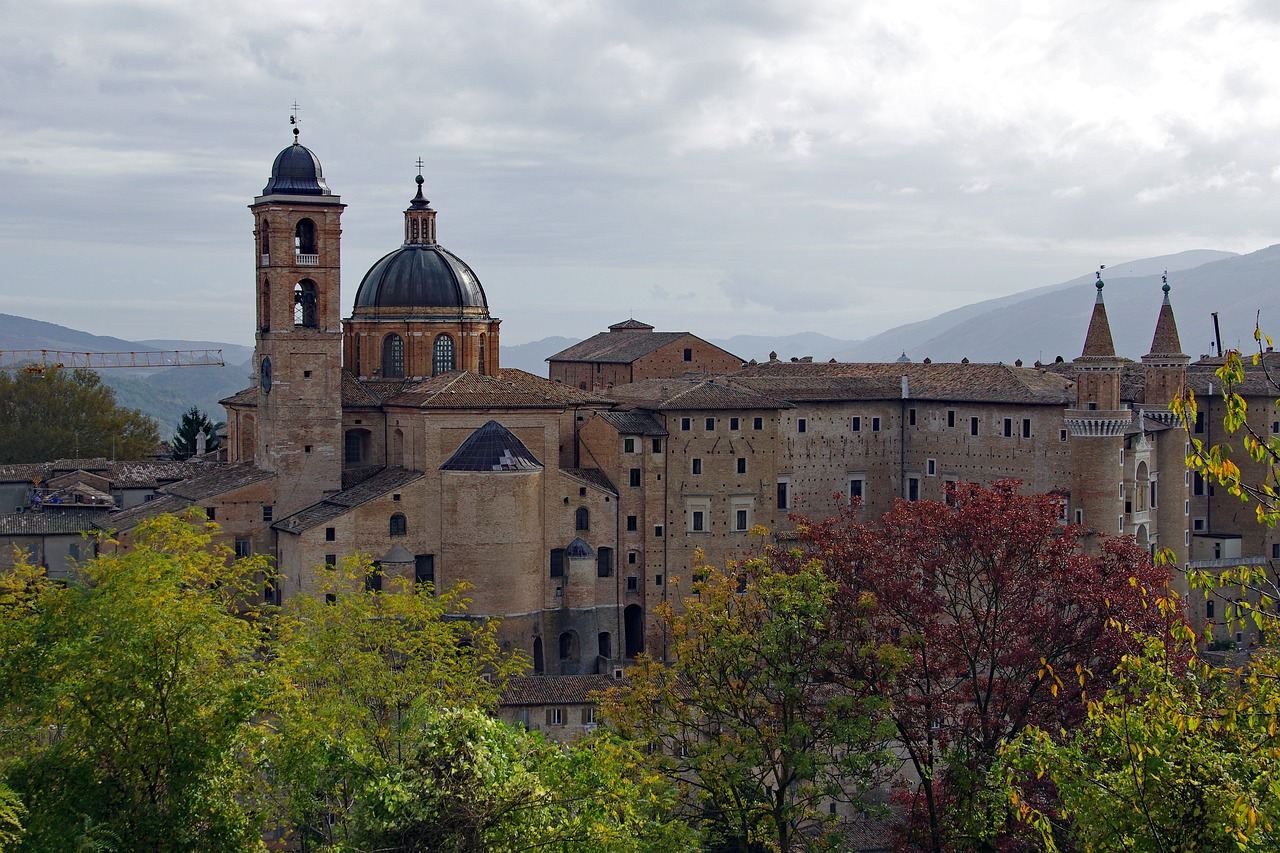
Urbino – Beautiful Renaissance towns in Italy
Urbino is one of the most beautiful Renaissance towns in Italy, a place where history, art, culture, and architecture blend together with elegant harmony. Located in the Marche region, Urbino rises gently on rolling hills, offering visitors a peaceful and inspiring experience. Although Urbino is smaller compared to major cities like Rome or Florence, it has a powerful cultural identity that shaped European art, philosophy, and architecture. Every corner of Urbino tells a story, whether it is the story of Duke Federico da Montefeltro, the ruler who transformed Urbino into a Renaissance masterpiece, or the story of young Raphael, who grew up here absorbing the artistic energy that surrounded him. For travelers searching for a calm historic destination filled with deep culture and scenic surroundings, Urbino offers a perfect retreat.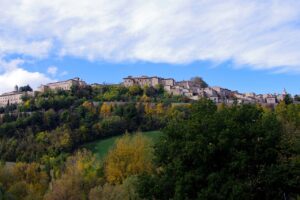
Geography of Urbino
Urbino lies in the hilly landscape of the Marche region, a central-eastern part of Italy facing the Adriatic Sea. The city sits at an elevation of about 485 meters above sea level, which gives it naturally cool breezes even during warm months. Its geography is a mixture of rolling hills, valleys, forests, and agricultural lands. These features make the region fertile and picturesque, with views that stretch far into the countryside. The hills surrounding Urbino played an important role in shaping the town’s defensive structure. Because Urbino is not located on flat land, walking through the city often involves gentle climbs and descents. This hilly nature gives visitors a unique experience: every turn reveals a new angle of the skyline, a hidden courtyard, or a panoramic view of green countryside. The climate in Urbino is typically Mediterranean with some continental influence because of its elevation. Summers are warm but not extremely hot, and winters are cool with the occasional snowfall. Spring and autumn are particularly beautiful, offering mild weather and lush natural scenery.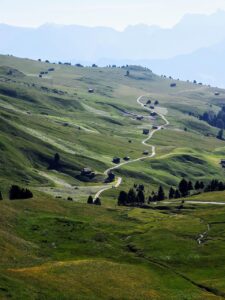
History of Urbino
The history of Urbino stretches across centuries, beginning with its origins as a Roman settlement. The first significant development occurred during the Gothic and Lombard periods, but the true transformation of Urbino took place during the Renaissance.
Early History
In ancient times, Urbino was known as Urbinum Metaurense, a small town located near important trade routes.It expanded slowly and eventually developed fortifications during the medieval period, when nearby regions faced frequent conflicts.During these centuries, Urbino changed rulers several times, but it remained stable enough to grow culturally and economically.
The Renaissance and Duke Federico da Montefeltro
The golden age of Urbino began in the 15th century under Duke Federico da Montefeltro. He was a skilled military leader, a diplomat, and an extraordinary patron of the arts. Federico envisioned Urbino as a center of learning, philosophy, architecture, and visual arts. To achieve this, he invited the finest architects, painters, mathematicians, and scholars to his court.It was during his rule that the magnificent Palazzo Ducale was constructed. 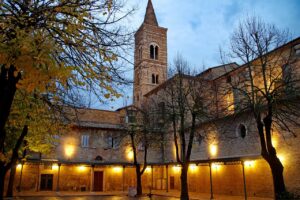
Birthplace of Raphael
In 1483, Urbino welcomed Raphael Sanzio, the child who would go on to define Renaissance art. Growing up in this artistic environment deeply shaped his style.His father, Giovanni Santi, was also a painter and served at the Montefeltro court, exposing Raphael to refined artistic practices from a young age.
Later Centuries
After the Renaissance, Urbino gradually lost political influence but remained a cultural treasure. It later became part of the Papal States and eventually unified with the Kingdom of Italy in the 19th century. Despite changes in political power, Urbino preserved much of its Renaissance architecture and urban design. In 1998, UNESCO recognized Urbino’s historic center as a World Heritage Site, praising its exceptional importance as a Renaissance city.
Tourism in Urbino
Tourism in Urbino is shaped by the city’s rare ability to preserve its past while still welcoming modern life. The town sits gently on rolling hills in Italy’s Marche region, surrounded by green countryside and peaceful valleys. The entire city is a UNESCO World Heritage Site, making it an open-air museum filled with art, Renaissance buildings, and charming narrow streets.
Palazzo Ducale – The Heart of Urbino’s Tourism
The most important attraction in Urbino is the Palazzo Ducale, a magnificent Renaissance palace built in the 15th century. Inside, travelers find elegant courtyards, grand staircases, and painted rooms that reflect the duke’s vision of a perfect city. The palace also hosts the Galleria Nazionale delle Marche, which contains priceless artworks, including pieces by Raphael, Piero della Francesca, and Titian.Visitors often spend several hours here because the palace is large, beautifully designed, and full of historical treasures.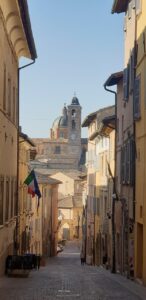
Galleria Nazionale delle Marche
The gallery attracts art lovers from around the world. It contains religious paintings, Renaissance portraits, and symbolic art that shows the cultural richness of the Italian Renaissance. The lighting and layout of the museum allow travelers to move comfortably as they admire each artwork.Many visitors consider this gallery one of the finest collections in Italy outside the major cities like Florence and Rome.
Casa Natale di Raffaello – Birthplace of Raphael
Another major tourism highlight is the house where Raphael was born. Today, it functions as a museum with beautiful frescoes, drawings, and tools used during the Renaissance period.
Cattedrale di Urbino
The Urbino Cathedral is another important attraction. Rebuilt in a neoclassical style after an earthquake, it now shines with a balanced design and peaceful interior.Visitors enjoy the silence inside the cathedral as they look at paintings, sculptures, and chapels from different historical periods. It is a place where travelers can rest, reflect, and admire sacred art.
Oratorio di San Giovanni Battista
The Oratory of San Giovanni is popular because of its 15th-century frescoes that cover the walls with bright colors and expressive figures. These paintings tell religious stories in a simple, emotional way, allowing visitors to feel connected to the past. The oratory is small but extremely beautiful, making it a favorite stop for photography and quiet contemplation.
Historic Streets and Panoramic Views
Urbino stands on a hill, which means the city offers fantastic panoramic views. Travelers enjoy walking along Via Raffaello, exploring Piazza della Repubblica, and climbing toward the highest viewpoints to see the surrounding green hills.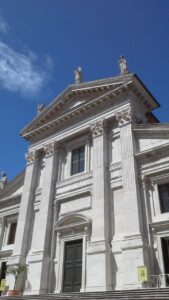
Università degli Studi di Urbino
Another important part of Urbino’s tourism is its famous university, established in 1506. The university brings young people, academic events, and cultural activities to the city. Travelers often enjoy the lively atmosphere created by students who fill the cafes, bookstores, and public squares.
Cultural Events and Festivals
Throughout the year, Urbino hosts festivals celebrating art, literature, and Renaissance culture. Important events include:
- Festa del Duca, a historical reenactment that fills the streets with medieval costumes, markets, and music.
- Raphael celebrations, celebrating the painter with exhibitions and workshops of artistic activities.
Local Food and Culinary Tourism
Tourism in Urbino also includes exploring the region’s delicious cuisine. Travelers enjoy dishes such as:
- Crescia sfogliata, a layered flatbread often served with cheese and meats. Truffle-based dishes, especially from the surrounding countryside.
- Homemade pasta, such as tagliatelle and ravioli. Pecorino cheese: with honey or jam.
The Calm and Peaceful Atmosphere
Unlike big Italian cities crowded with tourists, Urbino offers a quiet environment. Travelers enjoy slow walks, peaceful afternoons, and calm evenings. The lack of heavy traffic inside the town adds to the relaxing experience.
Surrounding Places of Urbino
Exploring the surroundings of Urbino is a deeply rewarding experience because the region is filled with gentle hills, ancient towns, Renaissance structures, and peaceful countryside landscapes. Each nearby place carries its own story, and together they create a beautiful travel circuit around the city. The Marche region itself is known for its calm environment, friendly local traditions, and impressive cultural treasures.
Pesaro – A Coastal Escape with Culture and Nature
Pesaro is one of the closest major cities to Urbino, and it offers a perfect combination of sea, culture, and elegant city life. As travelers move from the rolling hills of Urbino down toward the coast, the scenery slowly opens into wide sandy beaches and calm Adriatic waters. Pesaro is known for its clean coastline, long walking paths, and gentle sea waves, which make it a peaceful escape from the inland hills.
Fano – A Roman Seaside Town with Ancient Beauty
A little further down the coast lies Fano, another beautiful seaside town with a strong Roman heritage. Fano preserves its ancient past through archaeological sites, traditional architecture, and well-kept sections of Roman walls. As travelers walk through the city, they can see Roman gates, old stone pathways, and historic buildings that reveal the long story of this region. Fano is also known for its relaxed beaches and welcoming atmosphere. The town has both sandy and pebble shores, making it a great choice for families and travelers who love quiet moments by the sea.
Gubbio – A Medieval Jewel Across the Border
To the southwest of Urbino lies Gubbio, a stunning medieval town in the region of Umbria. Although it is not part of the Marche region, it is very close and easily reachable from Urbino. Travelers often describe Gubbio as one of the most atmospheric medieval towns in Italy because its stone buildings, narrow streets, and elevated terraces create a dramatic historical setting. Additionally, the town is known for its ancient traditions, including the Corsa dei Ceri festival, which is one of the oldest and most fascinating cultural celebrations in Italy. Visiting Gubbio gives travelers a chance to experience a strong medieval identity that adds depth and variety to the Urbino region.
Urbania – A Quiet Town with Renaissance Connections
Urbania is another important surrounding destination closely connected to Urbino. Historically, it was part of the Duchy of Urbino, and many artistic influences flowed between the two places. Today, Urbania remains a calm and charming riverside town with interesting cultural landmarks. Travelers enjoy Urbania because it provides a relaxed atmosphere where they can explore history at a slower pace. Its location, right in the pleasant Cesano Valley, also gives visitors beautiful countryside views.
San Marino – A Tiny Independent Country Nearby
A short drive from Urbino leads travelers to San Marino, one of the smallest and oldest republics in the world. Its mountain-top location creates dramatic scenery, and its old town appears almost like a fairy-tale fortress rising above the surrounding landscape. The Three Towers of San Marino—Guaita, Cesta, and Montale—look spectacular from a distance and offer breathtaking views once visitors reach them.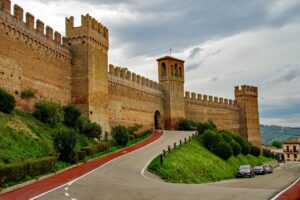
Gradara – A Castle Town Filled with Romance and Legend
Gradara is another unforgettable town near Urbino because of its magnificent medieval castle. The Gradara Castle is famous for its connection to the tragic love story of Paolo and Francesca, a tale famously mentioned in Dante’s Divine Comedy. As travelers walk through the castle, the stone halls, defensive walls, and scenic terraces create an emotional and romantic atmosphere.
Fossombrone – A Riverside Town with Nature and Archaeology
Fossombrone lies along the Metauro River and offers a mixture of nature, heritage, and peaceful surroundings. Nearby, the Gola del Furlo, a natural gorge carved by the river, provides stunning scenery with steep cliffs, emerald water, and walking paths surrounded by wild nature. This area is especially loved by hikers and photographers because the landscape changes beautifully with every season. Fossombrone is one of the most relaxing and scenic destinations near Urbino.
Sant’Angelo in Vado – A Small Town with Strong Cultural Roots
This quiet town near Urbino is known for its archaeological heritage, especially the Domus del Mito, an ancient Roman house with beautifully preserved mosaics. The town hosts several cultural events, including truffle festivals that highlight local culinary traditions. Sant’Angelo in Vado is perfect for travelers who enjoy exploring smaller towns with authentic local character.
Cagli – A Historic Stop between Mountains and Valleys
Cagli sits in a strategic location surrounded by mountains, making it an interesting destination for both cultural exploration and nature activities. Its historic center contains important buildings such as the Torrione, the municipal tower designed by Francesco di Giorgio Martini, who also worked on Urbino’s architecture. The surrounding countryside offers hiking trails, forests, and panoramic views, providing a refreshing contrast to the urban beauty of Urbino.
Best Time to Visit Urbino
The best time for visiting Urbino depends on the experience you’re after.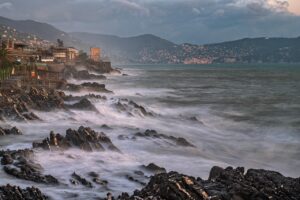
- Spring (March to May) is ideal for mild weather, blooming flowers, and comfortable temperatures for walking. The landscapes around Urbino are especially beautiful during this season.
- Summer (June to August) offers warm weather and vibrant cultural events. Although temperatures can get higher, Urbino’s elevation keeps the climate pleasant. The town is lively with tourists and students.
- Autumn (September to November) is another excellent time to visit. The weather is cool, the countryside turns golden, and cultural life remains active. This season is perfect for photography and outdoor walks.
- Winter (December to February) is quiet and peaceful. Some days can be cold, but the absence of crowds makes it easy to enjoy museums and historic sites.
How to Go to Urbino
Reaching Urbino is easy through several transportation options, although the city does not have its own train station.
- By Air – The nearest major airports are: Ancona Falconara Airport: circa 90 km, Rimini Airport about 70 km and Bologna Airport (approx. 170 km). From these airports, travelers can take buses, trains to nearby cities, or rent cars.
- By Train – You can take a train to Pesaro, which is the closest train station. From Pesaro, frequent buses connect to Urbino in approximately 45 minutes.
- By Bus – Direct buses operate from Pesaro, Fano, and other regional cities. This is a convenient option for budget travelers.
- By Car – One of the best ways to reach Urbino is by driving, as this will provide visitors with an opportunity to explore surrounding towns and countryside. The roads are generally well maintained but often hilly.

Conclusion
Urbino is a remarkable destination that captures the heart of every visitor. With its Renaissance history, artistic heritage, breathtaking landscapes, and peaceful atmosphere, the city offers a deeply rewarding travel experience. The birthplace of Raphael and the home of the magnificent Palazzo Ducale, Urbino has preserved the elegance of Italy’s most creative period. Its geography adds natural charm, while its surrounding towns and coastal areas provide endless opportunities for exploration. Whether you come to walk through its historic streets, admire world-class art, relax in hillside views, or discover nearby medieval towns, Urbino leaves a lasting impression. It is a place where time slows down, creativity awakens, and beauty surrounds you at every turn. For travelers seeking a meaningful and memorable destination, Urbino stands as one of Italy’s finest treasures.
Author

sadikhan.ceo@gmail.com
Related posts
Lisbon Travel Guide
- 0
- 2,266 words
Lisbon Travel Guide – A Beautiful Coastal Capital with Culture and Value Lisbon pops up on pretty much every list of Europe’s...
Read out all
Prague Travel Guide
- 0
- 2,455 words
Prague Travel Guide – A Magical European Destination Full of History and Charm If you’re dreaming of a city that looks and...
Read out all
Berlin Travel
- 0
- 2,097 words
Berlin Travel Guide – A City of History, Culture, and Modern Energy Berlin isn’t your typical European capital—it buzzes with history and...
Read out all
Amsterdam Travel Guide
- 0
- 2,602 words
Amsterdam Travel Guide – A City of Canals, Culture, and Timeless Beauty Honestly, Amsterdam is one of those cities that just grabs...
Read out all
Barcelona, Spain
- 0
- 2,340 words
Barcelona, Spain Travel Guide – A Vibrant Mediterranean City Barcelona feels alive, no matter what time of year you show up. The...
Read out all
Male, Maldives
- 0
- 2,442 words
Malé, Maldives Travel Guide – The Capital of Island Paradise Malé might be tiny compared to other capitals, but it’s at the...
Read out all