
Trogir – Charming coastal town along Dalmatian Coast
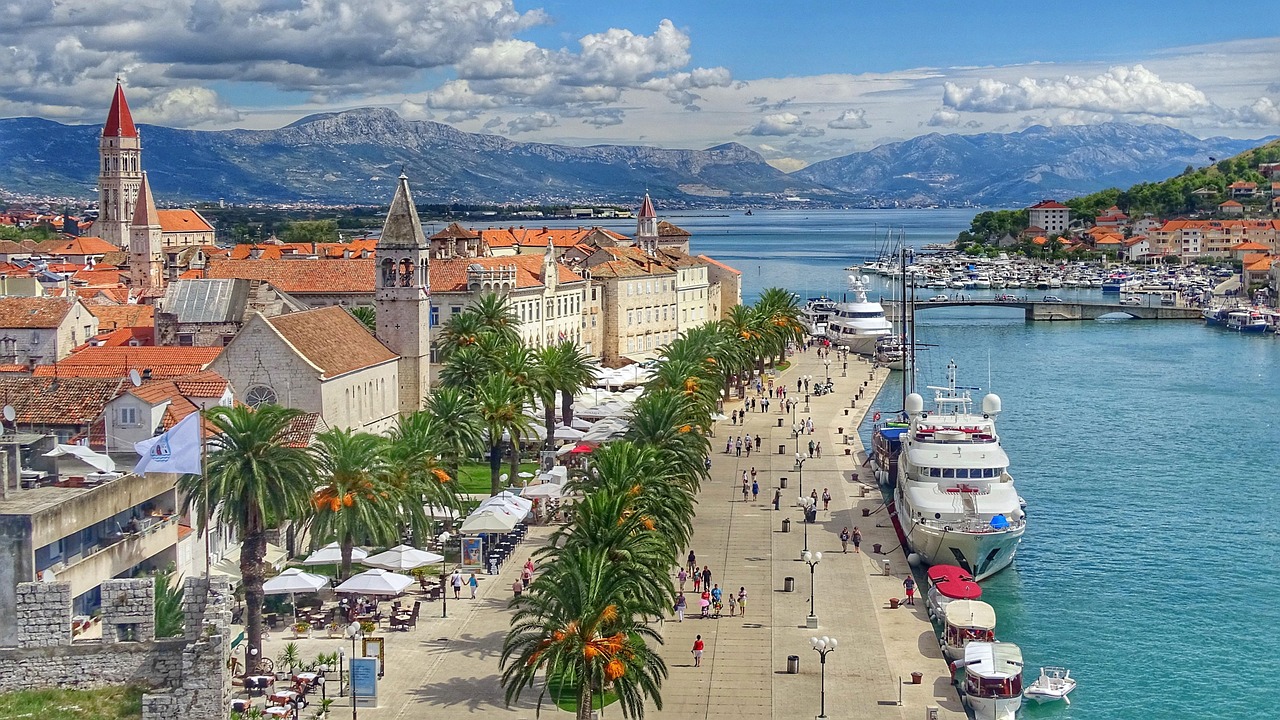
Trogir is a small, picturesque sea town on the Dalmatian shore of Croatia. It welcomes you with its narrow stone streets, warm Mediterranean breeze, and handsome mixture of historical architecture right after arrival. The entire old town is situated on a small island that is linked to the mainland by bridges. This gives it a singular peaceful setting and brings one back in time. Trogir boasts a harmonious combination of Romanesque, Gothic, Renaissance, and Baroque sights, making it one of the most preserved medieval towns in Europe. Because of its beauty and historical importance, UNESCO declared it a World Heritage Site. Nowadays, tourists visit Trogir from all over the world to feel its calm atmosphere, colorful houses, seaside cafes, and deep cultural heritage. Although the town is small, it holds a treasury of stories and architectural wonders which signal different civilizations that once ruled this region.
History of Trogir
History continuously supports the existence of Trogir, reaching over two thousand years into the past, when Greek settlers founded the ancient settlement of Tragurion. With time, the place was joined by Romans who improved this area, having left in it traces of their existence in the layout and buildings. The fall of the Roman Empire brought different rulers to the town in turn: Byzantines, Croatians, Venetians, and Austrians. Each of them stamped their influence on Trogir with its architecture, culture, religion, and traditions. During the Venetian times, the town grew greater in wealth and the means of artistic expression; thus, most of the beautiful buildings existing today have been built during the Venetian times. One feels history carved in the stone walls, adorned portals, old churches, and narrow lanes while walking along Trogir streets.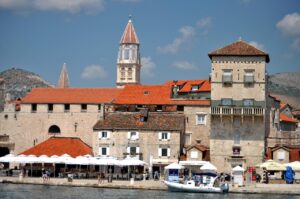
Culture and People of Trogir
The culture of Trogir is shaped by its Mediterranean location and centuries of mixed influences. People are warm, friendly, and proud of their heritage. Many residents work in tourism, fishing, small shops, or restaurants, contributing to the preservation of local traditions. It also holds feasts of historical events, religious festivals, and local customs as part of its very long history. The lifestyle is relaxed, and people love to sit at outdoor cafes, walk along the waterfront, and socialize with friends and family.
Geography and Natural Beauty
It enjoys a beautiful geographical position: the surrounding area of the Adriatic Sea, with beautiful coasts marked by it. The city was located on a small island between the mainland and the island of Čiovo, situated in such a way that for centuries it has had natural protection. Trogir has a Mediterranean climate, with warm summers, mild winters, and plenty of sun exposure, especially during winter months. During the whole year, this place is suitable for visiting. The sea is clean and blue, offering swimmers, sailors, and those relaxing near the water great options. Low mountains, wine-producible hills with olives and pine trees give the landscape freshness in their scent, a tame beauty, and represent an impulse to wider surroundings. The beaches and bays nearby offer peaceful escapes for people who wish to enjoy nature and tranquility. All this fosters a calm feature of Trogir, which combines history with scenic beauty.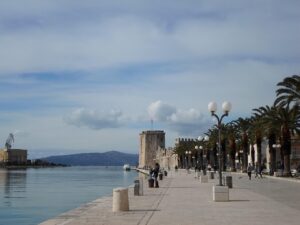
Tourism Sites in Trogir
Historic Old Town of Trogir
The historic Old Town of Trogir is the heart of the city and one of the most precious cultural treasures in Croatia. As they walk through narrow stone streets, suddenly they can experience the presence of history because the whole town is like an open-air museum. The Old Town is situated on a small island connected to the mainland and to Čiovo Island by old stone bridges, which tuck the place in a unique and charming atmosphere. The houses here were mostly created during the medieval and Renaissance periods, and many of them have perfectly survived to this day. Travelers see stone arches, wooden shutters, and elegant balconies-a testament to the skillfulness of the craftsmen who had made them far back in time. The Old Town is protected as a UNESCO World Heritage Site, whereby such recognition helps keep alive its importance to culture. As one proceeds along the winding lanes, small courtyards, hidden cafes, local shops, and remains of old times come up at almost every bend.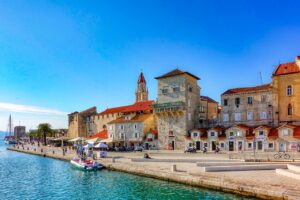
Cathedral of St. Lawrence
Certainly, one of the most impressive architectural monuments in Trogir is the Cathedral of St. Lawrence or, better known as St. Lovro Cathedral. Standing proudly in the main square of this city, the cathedral immediately catches the eye with its large bell tower and extremely detailed stone carvings. Work on the building began in the twelfth century and lasted several hundred years, so one can notice various styles in this building, particularly Romanesque and Gothic. The famous portal created by Master Radovan in the thirteenth century is considered to be one of the greatest medieval art works in Croatia. Every figure carved in the stone tells a story, and travelers like spending time observing the details in order to understand the messages hidden within the artwork.
Kamerlengo Castle
Other important tourism in Trogir is the Kamerlengo Castle, situated at the edge of the city beside the sparkling Adriatic Sea. The castle was built in the fifteenth century when the region was under Venetian rule. Its thick stone walls, powerful tower, and strong defensive structure show just how important this fortress once was to military issues. These days, instead of housing soldiers, the castle invites travelers inside to explore its ancient corridors and climb up its high tower.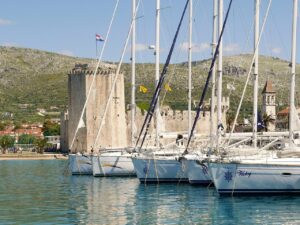
Trogir Waterfront and Promenade
Certainly, one of the most tranquil and romantic spots in town is the Trogir waterfront, locally referred to as the Riva. This long promenade circles along the coasts of the Old Town, offering tranquil views of the sea, boats, and nearby islands. The Riva also plays an important social role because it brings people from different cultural backgrounds together, coming to enjoy the beauty of the Adriatic. Many travelers start here or end their tour of Trogir because the waterfront embodies the spirit of the town-relaxed, historic, and full of charm. Whether going for a slow walk, having dinner in the evening, or just sitting on a bench and listening to the waves, the Trogir promenade will surely provide a peaceful and unforgettable experience.
Cipiko Palace
Cipiko Palace is a historic residential palace facing the Cathedral of St. Lawrence and represents the wealth and influence of the Cipiko family, who were significant in Trogir’s past. The palace was built during the fifteenth century, reflecting a combination of Gothic and Renaissance architectural styles that were popular in that era. The façade of the building features beautiful stone carvings, decorative windows, and other artistic details that immediately show the craftsmanship of the period. While the palace is not always open for full interior visits, travelers can admire its façade and take a glimpse into the lives of noble families that once lived there.
St. Dominic Monastery
The St. Dominic Monastery faces the waterfront and is a quiet spiritual getaway in the more hectic areas of the Old Town. The beginning of the monastery dates back to the fourteenth century; it has great religious and historical significance. Its church and peaceful courtyard create a tranquil atmosphere, contrasting with the lively streets nearby. Importantly, the monastery houses valuable artworks and religious ornamentation that facilitate explanations of its role within the community.
St. Mark Tower
The St. Mark Tower, located close by Kamerlengo Castle, is another reminder of the strategic importance of Trogir in medieval times. This strong, circular tower once helped protect the town from attacks coming from the sea. Nowadays, the tower can be called an interesting historical building which adds charm to the Trogir landscape. Although much smaller as compared with the castle, the tower expresses a feeling of solidity and simplicity, in keeping with demands on defense works of that time. Walking around the tower gives one an idea of what life must have been for soldiers who stood guard here. The positioning of the tower near the water creates a beautiful scene, especially at sunrise or sunset when the sunlight makes the stone walls stand out. St. Mark Tower perfectly fits into the surrounding historic buildings, adding another layer of charm to the overall look of Trogir.
City Museum of Trogir
The City Museum of Trogir is situated inside a historic palace and offers insight into the town’s long history. Many artifacts, artworks, old documents, and cultural items are on display in the museum, helping to learn about life in Trogir during different periods of time. Every room in this place tells a new story: from prehistoric times to the Roman, then medieval, and finally to the Venetian era. Although the museum is not too large, it presents a very rich and informative experience for anyone interested in exploring history in more detail. The quiet atmosphere of the building and preserved rooms help add much to the charm of this museum, as though one enters a time machine. By taking a walk through its exhibits, one receives a clearer view of how Trogir came to be such a beautiful town.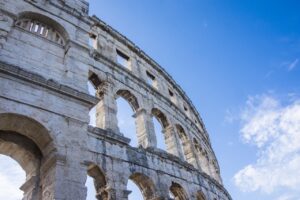
Trogir Market
Just outside the Old Town, Trogir Market is a vibrant and lively place filled with fresh local products and handmade goods. Farmers from the surrounding region come with fruits, vegetables, cheeses, olives, herbs, and other traditional items that show the food culture of Dalmatia. Besides fresh produce, the market sells souvenirs, clothing, and handicrafts-unique gifts that are taken great pleasure in finding.
Food and Flavors of Trogir
Trogir is Mediterranean, so its food is all about fresh ingredients, simple methods of preparation, and tastes that are rich. Seafood here is a big deal, so a common meal would include a combo of grilled fish, octopus salads, and seafood risotto. Olive oil, garlic, tomatoes, and herbs provide flavor, ensuring healthy, palatable meals. Traditional Dalmatian dishes include pasticada, a slow-cooked beef specialty, and black risotto made with squid ink, which offers unique tastes worth trying. Places to eat in Trogir blend local tradition with modern creativity; many restaurants have outdoor seating, where guests can appreciate both the food and ambiance of this beautiful town. Dining in Trogir goes beyond being just a meal, for with flavors and charm, it becomes truly memorable.
Beaches and Natural Spots
Trogir is encircled by beaches and bays, which offer clear waters to swim in and quiet surroundings. Various typical beaches of the place face the island of Čiovo, where one can go for a swim, sunbathe, or just sit under the shade provided by pine trees. The sea around Trogir has a refreshing temperature in summer and incredible visibility factor, thus allowing perfect snorkeling activities to discover marine life. These places give travelers the opportunity to observe the beauty of the Adriatic Sea in a quiet and friendly atmosphere.
Surrounding Places Near Trogir
Split – A Vibrant Coastal City Near Trogir
Split is the largest city close to Trogir, only about thirty minutes away, hence it is one of the most convenient and popular destinations around for travelers. Arriving in Split means immediately sharing in its pulsating vibe because the city combines the best of ancient Roman structures and contemporary coastal life. Right at the center of the city is the world-renowned Diocletian’s Palace, a large Roman complex filled with narrow streets, old stone walls, underground chambers, shops, cafés, and historic buildings. Taking a walk through the palace actually feels like being in a living museum where people still live and work right inside a UNESCO World Heritage Site.
Kastela – A Chain of Coastal Towns
Kastela is a long stretch of seven connected seaside towns situated between Trogir and Split. Each of these towns has its charm, traditions, and historical sites. While traveling through the region of Kastela, you can see a beautiful combination of stone castles, quiet harbors, old churches, and calm beaches. Visitors very much enjoy walks on old stone streets, listening to legends and local customs, and afternoon rest by the sea.
Ciovo Island – A Relaxing Island Connected to Trogir
Ciovo Island is connected directly to Trogir by a bridge, and it is the nearest island getaway for those visitors desiring sun, nature, and quiet beaches. On this island, there is a mix of modern holiday apartments and traditional coastal villages. It is tranquil compared to the busier historic center of Trogir. Beaches such as Okrug Gornji Beach attract swimmers and families with its crystal-clear waters and soft waves. Hidden bays, forested walking paths with amazing views, and picturesque cliffs characterize this island, where one can perceive the beauty of the Adriatic Sea. Many tourists like to rent bicycles or scooters to tour the small roads and spectacular coastal viewpoints. Ciovo Island is a refreshing offshore continuation of Trogir, offering the visitor both cultural history and island relaxation just minutes apart.
Solin – The Ancient Roman City of Salona
Just outside Split lies the ancient Roman city of Salona, once the capital of the Roman province of Dalmatia. Visiting Solin feels like finding an open-air archaeological world full of impressive ruins, stone walls, amphitheaters, and old streets. Its size reveals how important Salona once was, and travelers are able to walk freely around the remnants of temples, early Christian churches, and ancient baths. It is easy to feel how the Romans who lived there must have gone about their everyday life in such peaceful surroundings.
Primosten – A Beautiful Seaside Town
Primosten is an appealing seaside town south of Trogir, famous for its round old town that seems to be surrounded by the sea on all sides. It is a town situated on a small peninsula, and when seen from a distance, it appears like a stone crown emerging from the water. A walk through Primosten produces a calm, romantic atmosphere. This is because the narrow lanes with their simple stone houses and small cafes give this town a quiet and intimate atmosphere.
Sibenik – A City of Medieval Architecture
Sibenik is located a short drive north of Trogir and boasts impressive medieval architecture and stunningly beautiful coastal scenery. The city boasts a UNESCO World Heritage Site, the Cathedral of St. James, admired for its unique stone construction and sculptural details. You will find layers of history reflected in old houses, historic squares, and charming staircases leading down to the sea while you walk along Sibenik’s old streets.
Krka National Park – A Natural Paradise
Krka National Park is among the most spectacular natural sights around Trogir: it boasts exquisite waterfalls, rich forests, and quiet river scenes. The most visited area of the park is Skradinski Buk, an expansively spread complex of cascading waterfalls offering a picture-postcard scene in the surroundings of greenery. Visitors like to walk along the wooden paths, explore the riverside forest, and observe different shades of blue and green in the water. The park protects historical sites such as old water mills and a peaceful island monastery located in the middle of the Krka River.
Hvar Island – A Stylish and Scenic Island Escape
From Trogir, visitors often go to Hvar by ferry, which gives them magnificent sights of the sea along the way. Here, on the island, one can find everything: nice cafes, stone streets, very old fortresses, and vibrant night life. The city of Hvar itself is full of Venetian-type buildings and open squares, with a great fortress standing above the harbor. Besides the main town, the countryside of this island would include such things as farms of lavender, vineyards on hillsides, and quiet villages where the traditional life goes at a slow pace.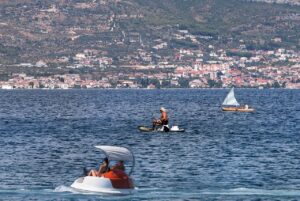
Brac Island – A Place of Natural Beauty
Brac Island, not far from Trogir, is well-known for its golden beach named Zlatni Rat, which alters in shape with the help of wind and tide. The island also hosts peaceful towns, olive groves, and stone-carving traditions that have shaped the local life over centuries. Many people love climbing Vidova Gora, the highest peak of Croatia’s islands because its summit offers stunning views of the coastline and surrounding islands.
Omis – A Town of Mountains and Adventure
Omis is a small coastal town, lying southeast from Trogir, where the Cetina River breaks into the Adriatic Sea. Along it, steep cliffs plunge into the sea, which gives the place an adventurous and dramatic look. From the surrounding fortresses, such as Fortica Fortress, the views are particularly stunning because they show not only the river canyon but also the open sea.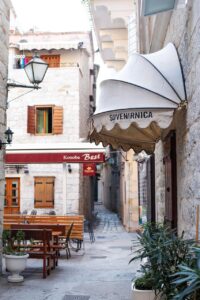
Conclution
Trogir neatly fits history, culture, nature, and beauty into its small and hospitable space. Its stone streets, ancient buildings, and quiet waterfront evoke a feeling of serenity typical of the genuine Mediterranean style of life. Coming to Trogir means falling under its spell, its rich history, its delicious food, and its warm atmosphere. Whether one visits the old town, enjoys the sea, climbs some historical tower, or goes on day trips visiting sights in the vicinity, every part of Trogir leaves an indelible mark. It is a place where time flows much more slowly, enabling voyagers to savor every single moment. Small in size, yet enormous in beauty and history, Trogir is one of the most enchanting destinations within Croatia.
Author

sadikhan.ceo@gmail.com
Related posts
Lisbon Travel Guide
- 0
- 2,266 words
Lisbon Travel Guide – A Beautiful Coastal Capital with Culture and Value Lisbon pops up on pretty much every list of Europe’s...
Read out all
Prague Travel Guide
- 0
- 2,455 words
Prague Travel Guide – A Magical European Destination Full of History and Charm If you’re dreaming of a city that looks and...
Read out all
Berlin Travel
- 0
- 2,097 words
Berlin Travel Guide – A City of History, Culture, and Modern Energy Berlin isn’t your typical European capital—it buzzes with history and...
Read out all
Amsterdam Travel Guide
- 0
- 2,602 words
Amsterdam Travel Guide – A City of Canals, Culture, and Timeless Beauty Honestly, Amsterdam is one of those cities that just grabs...
Read out all
Barcelona, Spain
- 0
- 2,340 words
Barcelona, Spain Travel Guide – A Vibrant Mediterranean City Barcelona feels alive, no matter what time of year you show up. The...
Read out all
Male, Maldives
- 0
- 2,442 words
Malé, Maldives Travel Guide – The Capital of Island Paradise Malé might be tiny compared to other capitals, but it’s at the...
Read out all