
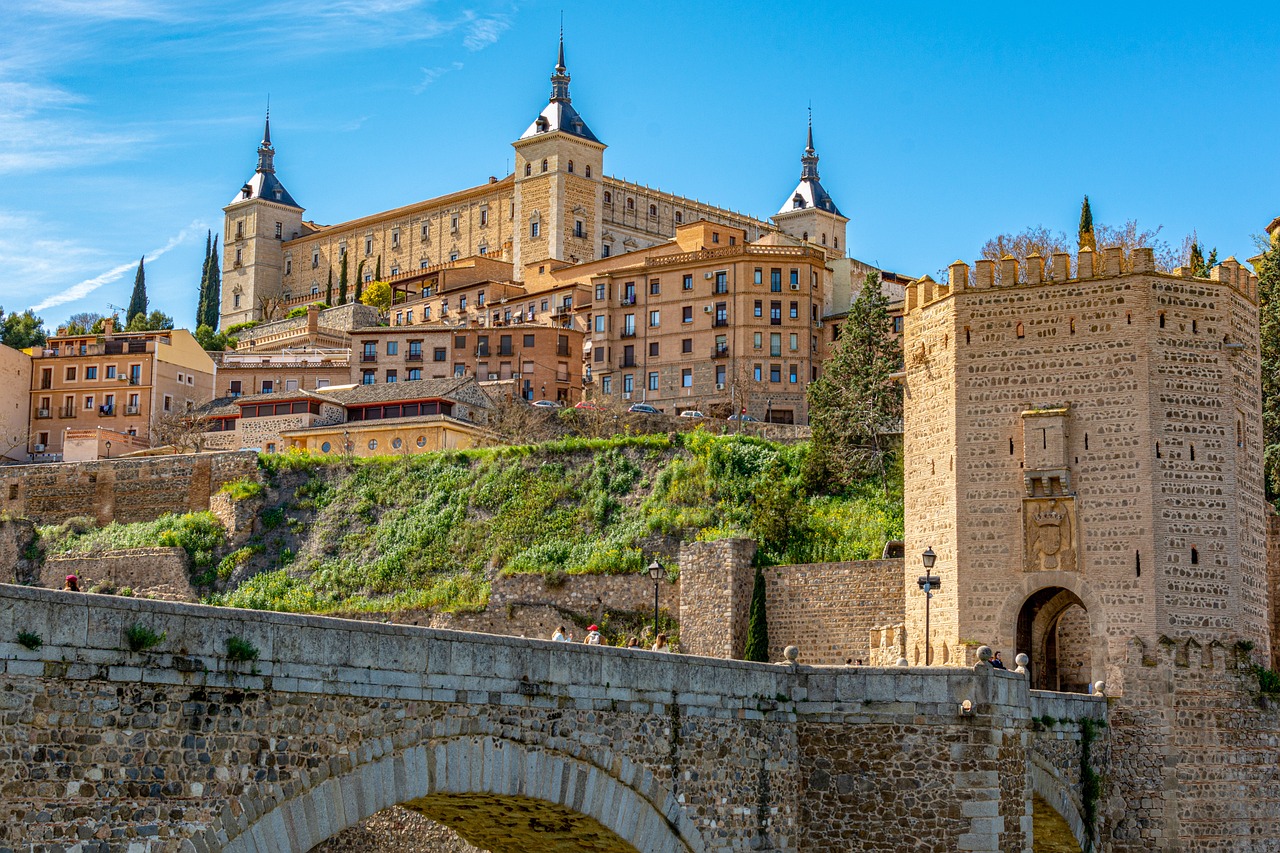
Toledo, Spain – Beautiful and historic cities in Europe
Situated less than an hour south of Madrid, the capital of Spain, Toledo proudly sits atop a hill surrounded by the Tagus River. Many people refer to it as the “City of Three Cultures” due to the fact that Christians, Muslims, and Jews coexisted within its walls for so many centuries. This peaceful coexistence created a special blend of traditions, architecture, and art that can still be seen today in this city. As you walk through the narrow streets of Toledo, you might start thinking you were traveling through time. Furthermore, Toledo is famous for its ancient buildings, old gates, medieval bridges, and artistic treasures. It is also well-recognised as the home of one of the most famous painters in world art history: El Greco. Owing to all these reasons, Toledo was declared a UNESCO World Heritage Site in 1986. Today it attracts millions of travellers from around the globe. This long and informative guide about Toledo will explore the history of the city, its culture, the main attractions, and the places that surround the city. Each section is written in simple sentences; the transitions to follow are easy to read.
History of Toledo
Early Beginnings
The history of Toledo goes back well over 2,000 years. First, there were the Celts, followed by the Romans. In the Roman era, Toledo was to become an important town politically and militarily speaking. Bridges, roads, and walls of defense were built, many of which marked the development of the city later on.
Visigoth Period
It was the capital of the Visigoths after the Roman Empire fell, from the 6th to the 8th century. Toledo became a center of religion, and many councils (church meetings) were held in this city. Many of those meetings shaped early Christian history in Europe. Also, several kings lived in Toledo during this period, which made the city powerful and prospering.
Islamic period
During the year 711, Muslims coming from North Africa began arriving in Spain, reaching and conquering the city of Toledo. Under Muslim rule, Toledo became a city of learning and culture. Scientists, philosophers, doctors, and writers came to Toledo and shared their knowledge. During this time, there were Muslims, Christians, and Jews who had no problems in living together. Therefore, Toledo became a place of culture with a lot of creativity.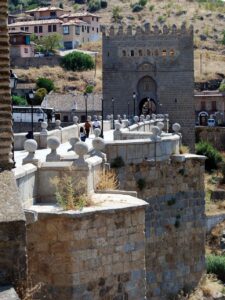
Christian Reconquest
In 1085, King Alfonso VI of Castile conquered Toledo from the Muslims. This event was really crucial for the history of Spain because after the reconquest Toledo became one of the central cities of the Christian kingdoms. After the reconquest, there were built some Christian churches, but most of the Islamic and Jewish ones remained. Thus, the city developed really an extraordinary architectural blend, which can be seen even nowadays.
Golden Age
In the 16th century, Toledo enjoyed a cultural and artistic golden age. The city became an important center with its religion, metalwork, weapon production, and painting. The most famous artist to emerge from this period was considered to be El Greco, whose style made Toledo an internationally famous city. One can find his paintings in various museums and churches in the city. However, when in 1561 the capital of Spain was transferred to Madrid, Toledo lost some of its political significance. All the same, it remained a cultural treasure that continued to attract attention.
Culture and Identity of Toledo
Religious Harmony
One of the most important cultural features of Toledo is the concept of the “Three Cultures.” For many years, Christians, Jews, and Muslims lived peacefully among one another. This mix generated a very particular identity that other cities did not have in Europe. For this reason, Toledo became a symbol of tolerance, knowledge, and the integration of cultures.
Architecture and Art
The architecture of Toledo perfectly reflects the city’s multicultural past. You will see Gothic churches, Islamic mosques, Jewish synagogues, medieval houses, and Renaissance buildings while walking through the city. Sword making, ceramics, gold decoration called damascene art, and paintings are included in the artistic identity of the city.
Religious Festivals
Toledo also is famous for its religious festivals, of which Corpus Christi is one of the biggest events in Spain. During this event, the streets get covered with flowers, bright colors, and traditional designs. People from every part of the country come to Toledo to behold the spectacle of this beautiful festival.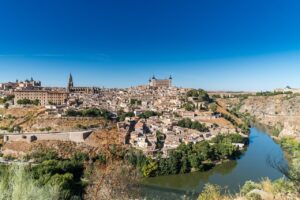
Top Tourism Sites in Toledo
Toledo is filled with cultural treasures, historic monuments, and artistic wonders. The following are some of the most important tourist attractions every visitor should not miss seeing.
Toledo Cathedral (Catedral Primada de Santa María)
The Cathedral of Toledo is the most striking building in the city. It is considered one of the greatest Gothic cathedrals in Europe. Construction began in 1226 and continued for more than 250 years. Due to this vast period, there is an abundance of different architectural styles apparent, including Gothic, Mudejar, Renaissance, and Baroque art.
Highlights of the Cathedral
- The Main Altar: Adorned with gold and fine carvings representing the life of Jesus.
- The Choir Area: Its carved wood and sculptures depict biblical stories.
- Sacristy: A gallery of world-class art, including works by El Greco, Goya, Titian and Velázquez.
- The Transparente: The magnificent Baroque work in marble and gold with light from above.
- Treasury: It houses the famous golden monstrance used in the Corpus Christi festival. Every nook of the cathedral seems to be a museum. The tourists take a lot of time here because every room houses historic treasure.

Alcázar of Toledo
The Alcázar is a huge stone fortress that crowns the highest hill in Toledo. Because of this, the building was visible from nearly all corners of the old city. It has served as a fortress, royal palace, and military academy.
What to See
- Army Museum: Exhibits weapons, uniforms, maps, and items used by the armed forces from various periods of Spanish history.
- Panoramic views: The roof and windows offer two of the best ways to see the city, the Tagus River, and the surrounding hills.
- Architecture: Roman, medieval, Renaissance and modern styles are combined. Visiting the Alcázar gives tourists a deep understanding of Spain’s military and political history.
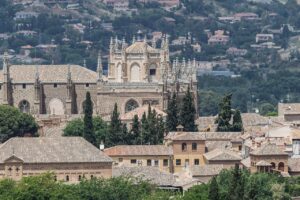
Monastery of San Juan de los Reyes
This majestic monastery was built in the 15th century by King Ferdinand and Queen Isabella to commemorate a major battle that they had won and to become a place for royal burials.
Why It Is Special
- Gothic Architecture: The cloister, the walls, and the arches are ornamented with exquisite stone carvings.
- Chains on the Walls: Outside, you will see some iron chains. Those once belonged to prisoners freed during the Christian Reconquest.
- Cloisters of Peace: The inner courtyard with its trees and quiet atmosphere provides a chance to rest from the hustle and bustle of the city. The monastery is one of the most beautiful religious buildings in Toledo.

Synagogue of Santa María la Blanca
It is one of the oldest preserved synagogues from the Jewish architecture in Spain, built in the 12th century and admired for its simplicity and elegance.
Features
- White Interior: The bright white pillars and arches give the building a calm and peaceful feeling.
- Islamic-Mudéjar Influence: Although being built as a synagogue, the design reflects Moorish or Islamic style.
- From a later transformation into a church, it also denotes the changing history of Toledo. This building shows the coexistence of cultures that once lived together.
Synagogue of El Tránsito & Sephardic Museum
This is one of the most beautiful synagogues in Europe, built in the 14th century.
What to See
- Arabic Inscriptions: The walls are adorned with intricate Islamic carvings.
- Hebrew Text: The original Hebrew inscriptions narrate the story of the Jewish community.
- Sephardic Museum: The history and life, including the traditions of the Spanish Sephardic Jews, are what the travelers learn here. It is an informative yet emotional museum that allows visitors to understand the richness of Jewish Toledo.
Mosque of Cristo de la Luz
This small mosque, dating from almost 1,000 years, is among the few surviving Islamic buildings in the city.
Highlights
- Islamic Architecture: The arches, columns, and brickwork show the classic Arabic style.
- Christian additions: The mosque was later converted into a church. The blend of styles is interesting to observe. Historic Importance: It reflects the Islamic period when Toledo was a center of science, art, and learning.
Puente de San Martín (San Martín Bridge)
Another important medieval bridge, this one on the west side of town.
Reasons to Visit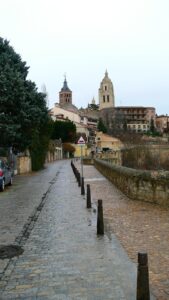
- Scenic Views: Generally, the riverbanks are very quiet and highly photogenic.
- Tall Defensive Towers: These give a sense of medieval Toledo and its strong defensive system.
- Adventure Activities: Not too far away, there is a zipline attraction that crosses the river for adventurous tourists. This bridge is especially beautiful at sunset.
El Greco Museum
This museum is dedicated to the famous painter El Greco, who lived and worked in Toledo during the 16th century.
Inside the Museum
- Original Works: such as those within The Apostles Series and several portraits.
- Recreated Rooms: Areas designed to reflect the home and workshop of El Greco.
- Beautiful Courtyard: A tranquil oasis for visitors to rest. The museum helps you understand Toledo’s artistic heritage.
Church of Santo Tomé
This church is world-famous because of the masterpiece of El Greco, “The Burial of the Count of Orgaz.”
Why It Is Important
- The Picture: One of the most outstanding works in the history of Spanish painting.
- Story The painting presents a miracle which happened at the funeral of a local nobleman.
- Elegant Interior: Gothic and Mudéjar elements adorn this small but beautiful church. It is considered an important site to be visited by art lovers.
Museum of Santa Cruz
This museum is located in a former hospital building and covers a broad aspect in art and history.
Exhibits Include
- Archaeology: Roman and medieval findings.
- Fine Arts: Paintings by El Greco and other Spanish artists.
- Traditional Crafts: Ceramics, textiles, and weapons from Toledo’s past. In itself, the building is an architectural masterpiece.
Walking Through Toledo
Medieval Streets
Narrow and tortuous streets fill the old town of Toledo. These were designed to provide protection from wind and a full shade, ever so long ago. You will find small shops with handcrafted crafts, traditional sweets, and souvenir items like swords and ceramic plates as you go through them.
Shops and Crafts
Toledo is well-known for its handmade swords and knives. The tradition in manufacturing arms here is several hundred years old since Toledo steel was famous throughout the world. Today, you can purchase decorative swords, armor, and knives, which are made using the old techniques. Other popular craftsmanship includes damascene jewelry, wherein artisans use gold thread over a metal surface. These are really very beautiful and make great gifts.
Food and Cuisine of Toledo
Toledo boasts a rich cuisine full of flavors. The classic dishes are:
- Game and venison, since the area has lots of forests. Pisto Manchego- a vegetable stew similar to ratatouille
- Roasted suckling lamb in a wood-fired oven. Marzipan, a sweet made from almonds and sugar. In reality, Toledo is one of the most famous places in the world for marzipan. This tradition started in monasteries and persists.
Surrounding Places Near Toledo
Equally beautiful towns, ancient sites, and natural landscapes lie all around Toledo. These are the favorite nearby places for day trips that help travelers understand the wider region of central Spain. Below is the most interesting surrounding location, with interesting features, things to do, history, and travel tips.
Madrid (70 km from Toledo)
One of the closest and most convenient places to visit from Toledo is Madrid, the capital of Spain. It can be reached with a high-speed train in about 33 minutes and, therefore, is an easy half-day or full-day trip.
Why Madrid Is Worth Visiting
Museums that are among the best:
- The Prado Museum-which houses masterpieces by Velázquez, El Greco, and Goya. Reina Sofía Museum: Famous for Picasso’s Guernica.
- Thyssen-Bornemisza: a private collection of art ranging from medieval through modern. Royal Palace of Madrid: It is one among the largest palaces in Europe, with over 3,400 rooms.
- Retiro Park: a vast green area, a boating lake with monuments, and quiet paths for walking.
Vibe of Madrid
Madrid feels modern, full of vitality, and artistic. The city is ideal for those who enjoy culture, nightlife, shopping, and gourmet food.
Consuegra (60 km from Toledo)
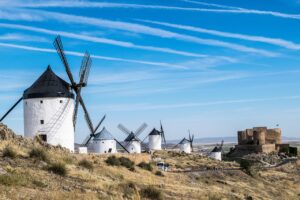
The small town of Consuegra is famous for its white windmills and medieval castle; hence, it is one of the most photogenic places in Castilla-La Mancha.
Main Attractions
Windmills of Consuegra: These iconic windmills are of the exact type described in Don Quixote by Miguel de Cervantes. There are 12 windmills on this ridge, and each has its name.
Consuegra Castle : A medieval castle restored to perfection giving great views of the town and plains.
Why Visit
Photography, sunset viewing, and learning about Spanish literature and medieval life are all perfectly catered for in Consuegra.
Talavera de la Reina (75 km from Toledo)
Talavera de la Reina is one of the most important ceramic-producing cities in Spain.
What Makes It Special
- Ceramic Workshops: The city is famous for its bright blue-and-white pottery. You can watch artisans paint plates, bowls, and tiles.
- Basilica of Our Lady of Prado: A calm basilica surrounded by gardens.
- Puente de Castilla-La Mancha: A modern bridge featuring striking architecture.
Best For
People who love traditional crafts, handmade arts, and local culture.
Segovia (140 km from Toledo)
Segovia, though farther away, is one of the most striking historic cities around Toledo.
Top Things to See
- Roman Aqueduct: Over 2,000 years old and one of the best-preserved Roman structures in the world.
- Alcázar of Segovia: A fairy-tale castle with turrets, said to have inspired Walt Disney.
- Segovia Cathedral: An elegant Gothic cathedral that is situated on the main square.
Why Visit
Segovia represents Roman, medieval, and Renaissance history altogether. That is why this city is a paradise for architecture and cultural lovers.
La Mancha Region
The wide plains of La Mancha correspond to those made famous by Don Quixote, filled with vineyards, olive farms, and quiet villages.
Things to Do
- Wine Tasting: It produces excellent red and white wines.
- Olive Oil Tours: The visitors may see how the olive oil is made and do some tasting of the different varieties.
- Don Quixote Route: A picturesque drive with windmills, medieval towns, and a little bit of literary history.
Best For
Nature lovers, food travelers, and people who like to enjoy slow countryside trips.
Toledo Mountains (Montes de Toledo)
These mountains surround the entire city, giving natural beauty and wildlife a boost.
Actividades
- Hiking Trails: Trails lead through forests, hills, and protected natural areas.
- Birdwatching: Eagles, vultures, and other large birds can be identified in this area.
- Scenic Lookouts: Great viewpoints where travelers can photograph landscapes and sunset scenes.
Why Visit
This is quite a swell getaway from the hustle and bustle of city streets. Nature lovers will enjoy serene surroundings.
Tourism Experience in Toledo
It is a city that has much to offer any kind of traveler: a great deal to see, to learn, and to enjoy.
- Guided Tours : There are options: walking tours, history tours, night tours, and art tours. And among them, night tours are especially popular because the city looks magical when it’s lit up
- River Cruises : The boat rides on the Tagus River allow visitors to see a relaxed Toledo with its hills and bridges.
- Festivals and Events : The most famous celebration in Toledo is that of Corpus Christi. During this period, the whole city becomes very colorful and vibrant.
- Museums and Exhibitions : Toledo has many museums that explain Jewish, Christian, and Muslim history. These museums help visitors understand how the city came into being and why it is so famous.
Conclusion
In Toledo, history, culture, art, and architecture blend together forcefully, creating unforgettable impressions. Visitors to that city are able to feel the influence of three great civilizations-Christian, Muslim, and Jewish-living together throughout many centuries. The beautiful buildings, ancient streets, and peaceful atmosphere make Toledo one of the greatest travel destinations in Europe. The surrounding towns and landscapes add to the journey with their natural splendors, castles, windmills, and royal gardens. With a strong identity, mouth-watering food, historic treasure, and warm people, Toledo continues to fascinate visitors from far and wide around the world. If you want a place that feels like a living museum yet full of life, Toledo is the place to choose.
Author

sadikhan.ceo@gmail.com
Related posts
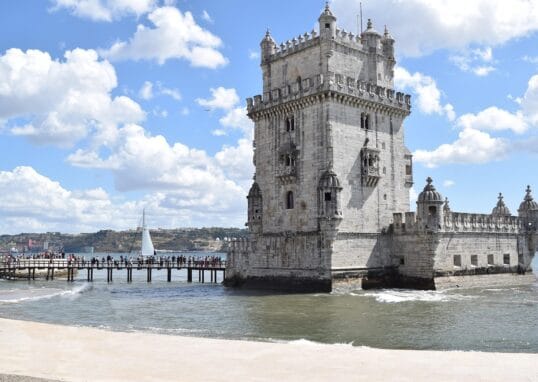
Lisbon Travel Guide
- 0
- 2,266 words
Lisbon Travel Guide – A Beautiful Coastal Capital with Culture and Value Lisbon pops up on pretty much every list of Europe’s...
Read out all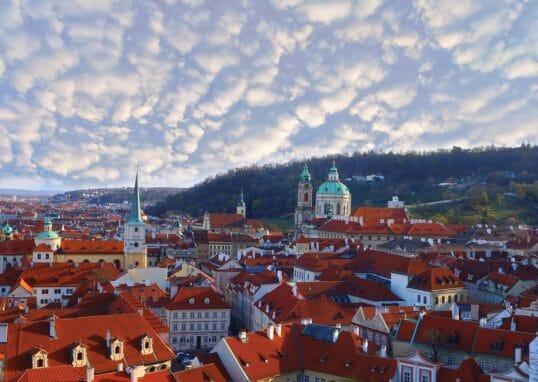
Prague Travel Guide
- 0
- 2,455 words
Prague Travel Guide – A Magical European Destination Full of History and Charm If you’re dreaming of a city that looks and...
Read out all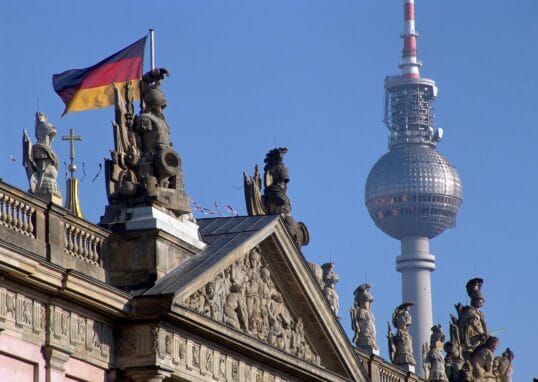
Berlin Travel
- 0
- 2,097 words
Berlin Travel Guide – A City of History, Culture, and Modern Energy Berlin isn’t your typical European capital—it buzzes with history and...
Read out all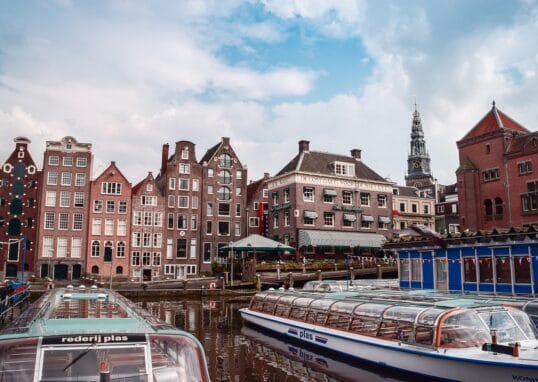
Amsterdam Travel Guide
- 0
- 2,602 words
Amsterdam Travel Guide – A City of Canals, Culture, and Timeless Beauty Honestly, Amsterdam is one of those cities that just grabs...
Read out all
Barcelona, Spain
- 0
- 2,340 words
Barcelona, Spain Travel Guide – A Vibrant Mediterranean City Barcelona feels alive, no matter what time of year you show up. The...
Read out all
Male, Maldives
- 0
- 2,442 words
Malé, Maldives Travel Guide – The Capital of Island Paradise Malé might be tiny compared to other capitals, but it’s at the...
Read out all