
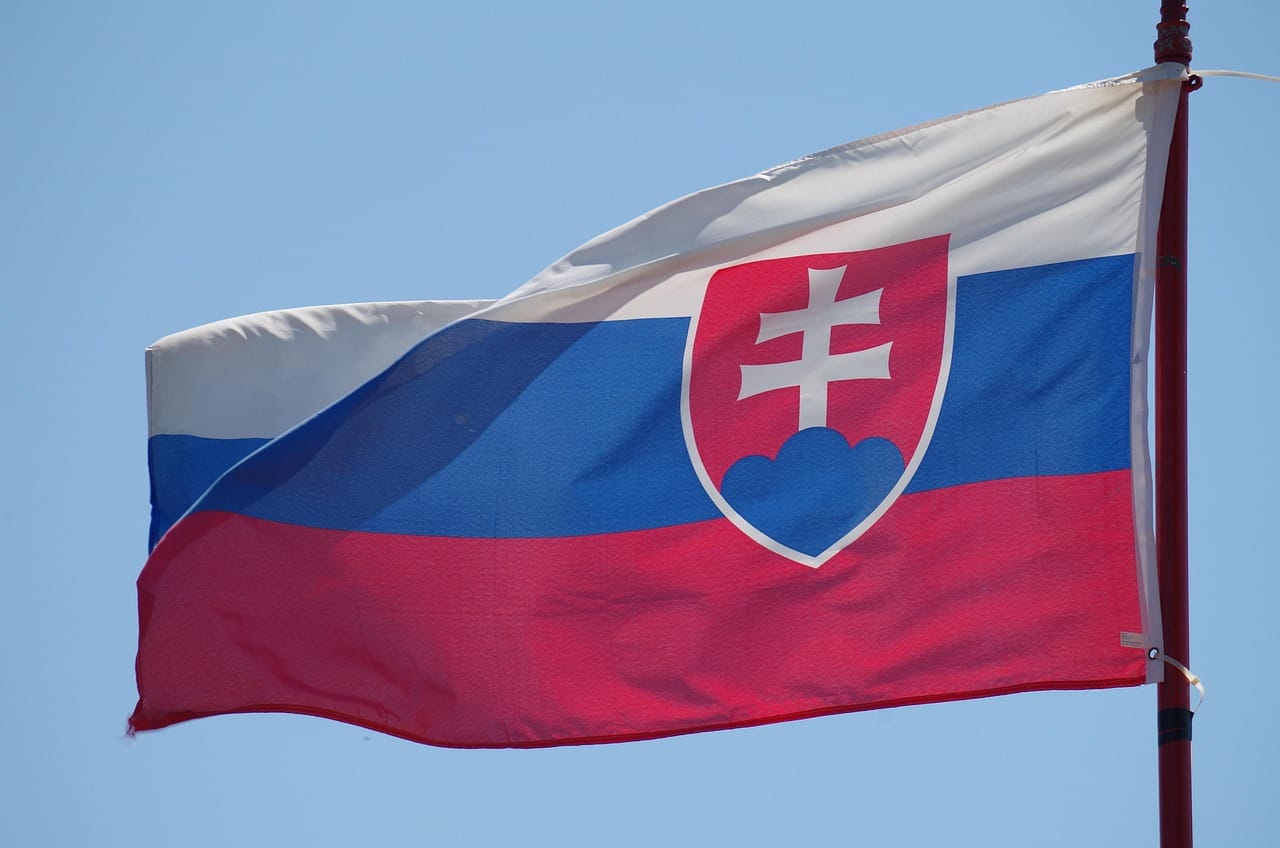
Slovakia : Discover the Hidden Gem of Central Europe
Tucked right in the heart of Central Europe, Slovakia is one of those places that surprises you. It’s gorgeous and, honestly, still flying under the radar for most travelers. The country packs in so much: dramatic mountains, fairytale castles, lively rivers, and villages that feel frozen in time. At the same time, its cities are modern, welcoming, and easy to get around. It’s the kind of place where you can walk through centuries-old streets in the morning, then enjoy a night out in a buzzing city center. What’s great about Slovakia is this balance. Nature lovers get mountains and national parks. City fans have vibrant pockets of culture. And everyone gets a front-row seat to the country’s rich traditions, music, and festivals. Slovak identity is strong, and you can feel its deep roots everywhere—whether you’re listening to folk songs at a festival or sampling a dish that’s been cooked the same way for generations. As word gets out, more people are showing up, eager to see something different than the standard European capitals.
Geography of Slovakia: Mountains, Rivers, and Scenic Landscapes
Understanding the Natural Landscape of Slovakia
Picture Slovakia as a land of wild forests and mountains crisscrossed by rivers. It’s a country without a coastline, but you won’t miss the sea with so much green and so many peaks and valleys. Central to it all are the Carpathian Mountains. They snake right through the country, offering views that’ll stop you in your tracks and endless hiking or skiing in season. The High Tatras, the pride of Slovak nature, rise sharply on the northern border. Some call them the world’s smallest alpine range, but don’t let that fool you—they’re as breathtaking as any peaks in Europe, just more packed into a compact space. In summer, hikers flock to the trails and glacial lakes; once it snows, skiers and snowboarders take over. Then there’s the Danube. Cutting across the southwest, it connects Slovakia to the rest of Europe. Locals and tourists alike stroll its banks, and boats ply the water from Bratislava to Vienna. All in all, the country is built for people who want to get outside. If you love hiking, cycling, rafting, or wildlife watching, Slovakia’s got you covered.
History of Slovakia: From Ancient Times to Modern Independence
Historical Development and Cultural Influences
Slovakia’s history is tangled, but that’s what makes it fascinating. Early Slavic settlers laid the groundwork. For centuries, the area was part of the Kingdom of Hungary, which left behind castles, walled towns, and winding trade routes you can still follow today. In the last century, Slovakia joined with its neighbor as part of Czechoslovakia. That partnership shaped much of the country’s recent identity. After splitting peacefully in 1993, the country has shot forward—joining the EU, growing its economy, and revitalizing its old traditions. Now, Slovakia mixes modern life with centuries-old customs, all woven together in daily life.
Culture of Slovakia: Traditions, Food, and Daily Life
Exploring Slovak Culture and Heritage
There’s a certain pride in the way Slovaks keep their traditions alive. Folk festivals light up even small towns; people still break out bright costumes or gather to sing and dance, especially in the countryside. You hear Slovak everywhere—cousin to Czech, but with its own cadence and charm. English is pretty common in tourist spots, so getting around is easy enough. You can’t talk about Slovak culture without mentioning the food. Meals are hearty, built around potatoes, meats, and dairy. The signature dish? Bryndzové halušky—soft potato dumplings drenched in creamy sheep cheese and topped with crispy bacon. Don’t skip it, and try whatever the locals recommend. Each region has its own spin. For travelers, all these traditions aren’t put on for show; they’re just a part of life here.
Tourism in Slovakia: A Complete Travel Experience
It’s wild how few people put Slovakia on their travel list, but that’s starting to change. The country gives travelers so much variety: dramatic scenery, old castles perched on hills, traditional villages, and downtowns that hum with nightlife. It’s also easy on the wallet, especially when compared to its Western European neighbors. Slovakia’s central spot makes it ideal for bigger trips—popping over to Austria, Hungary, or the Czech Republic is quick and easy. Many travelers link it with Vienna, Budapest, or Prague, but Slovakia itself deserves real time.
Bratislava Tourism: Exploring the Capital City of Slovakia
Most folks start in Bratislava, and it’s easy to see why. Sitting right on the Danube and close to the Austrian border, the city is small enough to explore on foot but full of energy. Head into the Old Town for winding streets, pastel buildings, and squares packed with cafes where locals talk for hours over coffee. Walk up to Bratislava Castle, watch the river flow below, and take in the views across borders. The castle also houses museums that bring Slovak history to life. When the day fades, theaters and galleries keep things interesting, and with Vienna so close, you might find yourself hopping between two cultures in a single afternoon.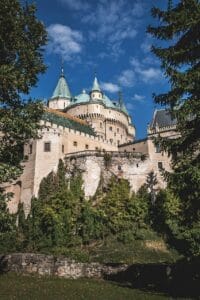
High Tatras Tourism: Mountains, Hiking, and Winter Sports
No trip to Slovakia is complete without the High Tatras. These jagged peaks aren’t just for show—they pull in hikers, bikers, and climbers in summer, and crowds sledding or skiing come winter. The air is crisp, the trails are well-marked, and the views over turquoise lakes and sharp ridges are unreal. If you’re here when it’s snowy, spots like Štrbské Pleso and Tatranská Lomnica turn into snowy playgrounds. It’s never as crowded as the Alps, and that makes it even better.
Castle Tourism in Slovakia: Discovering Medieval Heritage
Slovakia loves its castles. With hundreds spread across the countryside, you’re never far from turreted ruins or restored strongholds. Spiš Castle is the big name—one of Europe’s largest, perched dramatically on a hilltop. In these castles, you can walk old courtyards, imagine knights and noble families, and sometimes stumble onto a festival or concert. Each one tells a story, and the views are always worth the climb.
Nature Tourism in Slovakia: National Parks and Outdoor Activities
Nature lovers are spoiled here. The national parks protect deep forests, rocky gorges, and alpine meadows. Hike the trails, cycle quiet roads, or just take in the peace. Slovakia is also famous for its caves—hundreds are hidden beneath the hills, with some open for tours that reveal eerie rock formations and subterranean rivers. It’s a paradise for anyone who wants a real eco-adventure.
Cultural Tourism in Slovakia: Traditions, Festivals, and Local Life
Slovakia loves its traditions, and you feel it most during local festivals. Villages celebrate the old ways, with folk music and dances that go late into the night. If you want to see people in traditional dress and taste homemade treats, time your trip around one of these gatherings. In the cities, museums and galleries dive into Slovakia’s history and art, offering a different take on the country’s identity. Everywhere you go, you’ll see how deeply rooted Slovak traditions are.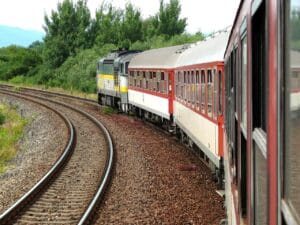
Food Tourism in Slovakia: Traditional Cuisine and Local Flavors
Food here means comfort and flavor. Every region has its own take, but hearty dumplings piled with cheese and bacon are a must-try. Soups are a staple, sausages are everywhere, and pastries round out every meal. Drink local beer or wine for the full experience—especially with a mountain view. If you’re curious and hungry, you can really get to know Slovakia through its food.
Adventure Tourism in Slovakia: Activities for Thrill Seekers
Maybe you crave big adventures. Slovakia delivers. Beyond hiking and skiing, you can try whitewater rafting, mountain biking, or climbing. The landscape shapes the fun. The High Tatras and other mountains are packed with adrenaline-pumping options.
Regional Travel and Easy Access to Nearby Countries
One of Slovakia’s biggest pluses is its location. Austria, Hungary, and the Czech Republic are right next door. It’s quick and easy to hop borders and soak up different languages, foods, and scenery. Many travelers take advantage—linking Bratislava, Budapest, and Vienna in one adventure, though Slovakia itself has plenty to fill your days. All in all, Slovakia offers that mix of adventure, tradition, and warmth that sticks with you long after the trip ends. If you want Europe with a twist, look here.
Surrounding Countries of Slovakia: Regional Connections and Travel Opportunities
Slovakia sits right in the heart of Europe, making it an awesome launch pad if you’re itching to see a bunch of countries in one trip. Even though it doesn’t have its own coastline, Slovakia shares its borders with some of Europe’s most fascinating neighbors. Each one brings something different to the table—think history, culture, jaw-dropping landscapes, and all sorts of modern perks. Honestly, a trip to Slovakia just naturally opens the door to a whole region of travel possibilities. What’s cool about Slovakia’s spot on the map is how it acts like a gateway between Western and Eastern Europe. Getting around is easy—hop on a train, grab a car, or take a bus, and you’re across the border in no time. Plus, these neighbors share plenty of history, so you’ll find a mix of influences everywhere you go. It all adds up to a richer, more layered travel experience. Here’s a quick rundown of the countries hugging Slovakia: Austria, Hungary, Czech Republic, Poland, and Ukraine. Each one gives you a different flavor—let’s take a closer look.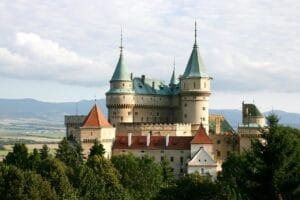
Austria: Western Neighbor with Rich Culture and Elegant Cities
Right to the west of Slovakia, Austria is the neighbor you can visit for the day without breaking a sweat. The capitals—Bratislava and Vienna—are only about an hour apart. You could have breakfast in one and dinner in the other. Vienna overflows with classical music, grand old palaces, world-class museums, and that legendary coffeehouse atmosphere. If you’re into the outdoors, Austria’s Alps, lakes, and green valleys offer plenty of chances for hiking, skiing, or just soaking up the scenery. Given the strong cultural ties and easy access, it’s no surprise Austria is a popular getaway for Slovaks and visitors alike.
Hungary: Southern Neighbor with Shared History and Vibrant Culture
Head south and you’ll hit Hungary, a country that shares deep historical roots with Slovakia. For hundreds of years, they were part of the same kingdom, something you pick up on in the buildings, traditions, and even the food. Budapest, Hungary’s lively capital, is a crowd-pleaser—think dramatic bridges, steamy thermal baths, and grand architecture sprawled along the Danube. The river actually links Budapest with Bratislava, making for a scenic journey between the two. Hungary’s food, music, and festivals all stand out, so crossing the border means diving into a culture that feels both familiar and brand new.
Czech Republic: Northern Neighbor with Cultural Similarity
Swing northwest and you’ll meet the Czech Republic. Slovakia and Czechia were actually one country—Czechoslovakia—until their peaceful split in 1993. You notice the kinship in the languages, traditions, and the easy back-and-forth people have between the two nations. Prague is a huge draw, famous for its fairy-tale architecture, buzzing art scene, and castles around every corner. It’s not unusual for visitors to pair a trip to Slovakia with a Czech adventure—you get two different vibes, but plenty of shared spirit.
Poland: Northern Neighbor with Mountains and Historic Cities
North of Slovakia, Poland gives off a slightly wild vibe thanks to the shared Carpathian Mountains. That means top-notch hiking, winter sports, and even scenic drives between the two countries. Kraków is the city to put on your list—cobblestone streets, old churches, and a youthful energy. Warsaw, the capital, mixes up history and modern life. Poland’s also full of national parks and rugged mountains, so if you’re after outdoor thrills, you’ll feel right at home.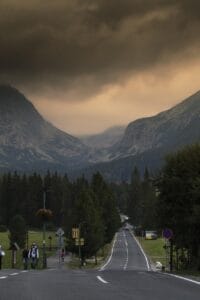
Ukraine: Eastern Neighbor with Cultural and Geographic Diversity
To the east, you’ll find Ukraine. Fewer tourists make this crossing, but those who venture in find another side of Europe—mountains, dense forests, and villages where time seems to move slower. Near the border, you’ll spot traditional wooden houses and learn about unique customs. Bigger cities, like Kyiv, offer grand cathedrals and deep history, but the trip is really about exploring someplace different. Ukraine’s got its own spirit, and if you want to step off the typical tourist trail, it’s well worth a look.
Regional Travel and Connectivity from Slovakia
Thanks to Slovakia’s central spot and solid transportation—fast trains, modern highways, handy bus lines—you can zip between these countries without much hassle. Bratislava, in particular, is a crossroads. From there, Vienna, Budapest, and Prague are practically next door. All this makes Slovakia a favorite stop for travelers who want to squeeze the most out of a European trip without endless travel days. It’s easy to combine several countries into one epic journey.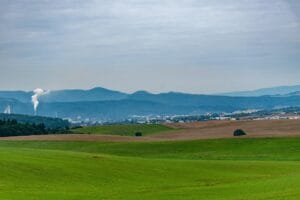
Conclusion
Slovakia offers a sweet balance—serene mountains, lively cities, centuries-old castles, and plenty of modern comfort. Whether you’re wandering through the High Tatras or chilling in a Bratislava café, there’s always a new surprise around the corner. With its central location, Slovakia is hands-down one of the best bases for exploring Central and Eastern Europe. From here, you can try Austrian elegance, Hungarian spice, Czech history, Polish wilds, or Ukrainian hospitality. Every border you cross brings a fresh adventure. As more travelers catch on, Slovakia is showing up on more must-see lists. If you crave adventure, culture, and a taste of something different, Slovakia—and its neighbors—won’t disappoint.
Author

sadikhan.ceo@gmail.com
Related posts
Singapore
- 0
- 2,246 words
Singapore : A Global City and Travel Hub Singapore’s one of those places where modern life and nature seem to fit together...
Read out all
Seychelles
- 0
- 2,644 words
Seychelles : A Dream Destination in the Indian Ocean You hear about places as “dream destinations” all the time, but Seychelles totally...
Read out all
Serbia
- 0
- 2,789 words
Serbia Travel Guide: Regions of the Balkan Nation Serbia sits right at the heart of the Balkans, and honestly, it’s one of...
Read out all
Senegal
- 0
- 2,277 words
Senegal Travel Guide: Discover the Culture, History, Tourism, and Surrounding Regions of West Africa Welcome to Senegal—a place that really captures the...
Read out all
Saudi Arabia
- 0
- 2,914 words
Saudi Arabia: A Powerful Nation in the Middle East and Global Importance of the Kingdom Saudi Arabia stands out as one of...
Read out all
Saint Lucia
- 0
- 2,617 words
Saint Lucia: Discover the Natural Beauty, Culture, Tourism, and Global Connections of the Caribbean Island Saint Lucia is one of those places...
Read out all