
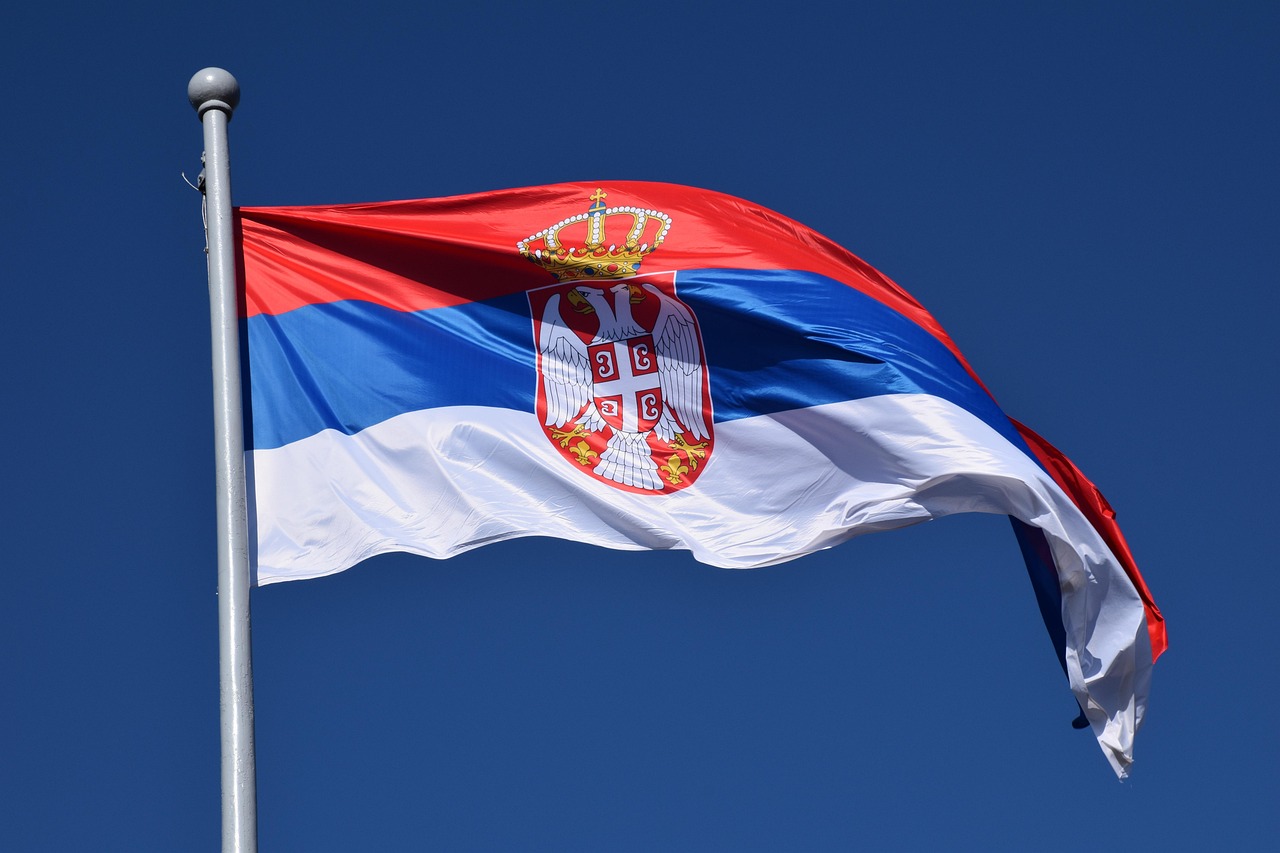
Serbia Travel Guide: Regions of the Balkan Nation
Serbia sits right at the heart of the Balkans, and honestly, it’s one of those countries that surprises you the more you dig in. Forget the typical tourist crowds. If you want to see a corner of Europe with real stories etched into its stones and streets, Serbia’s where you want to go. The country’s location shaped its whole identity. It’s caught between East and West, so you can see traces of ancient empires everywhere. Romans, Byzantines, Ottomans—they all left their mark. That cocktail of influences shows up in everything: the food, the buildings, even the language. You don’t have to look hard for history here, it’s right in front of you, and often, people are happy to share it.
Now, Serbia’s not some sleepy backwater. The cities are buzzing—Belgrade’s especially alive, full of wild nightlife, busy cafés, and museums. Head outside the city and you’ll hit medieval monasteries, green mountains, old forts, and landscapes that just beg you to hike or go rafting. It’s this blend of old and new, chill and lively, that grabs travelers’ attention. More people are catching on, especially those who want something real and not just another Instagram hotspot.
Geography of Serbia: Rivers, Plains, and Mountain Landscapes
Serbia straddles the land between Central Europe and the Mediterranean, but don’t let the lack of a beach fool you. Rivers are the country’s highways—the Danube and Sava converge right in Belgrade, which has always made it a natural meeting place and a strategic prize. In the north, you get wide, flat plains bursting with crops. Further south and west, the land starts to roll and climb—think thick forests, sharp peaks, and deep valleys. Nature lovers get plenty to choose from here. In the winter, the mountains draw a crowd for skiing and snowboarding. The rest of the year, there’s hiking, river cruises, and enough clean air and green views to recharge anyone burned out on city life.
History of Serbia: From Ancient Civilizations to Modern Nation
Ancient and Medieval Roots of Serbian Civilization
Serbia’s history runs way deeper than most realize. People have lived here for thousands of years. The Romans set up shop—Constantine the Great himself was born in Niš, and if you wander the region, Roman ruins pop up in the most unexpected places. Medieval Serbia grew powerful and built churches and monasteries that still stand today, some honored by UNESCO. Step inside, and you’ll see frescos, centuries-old manuscripts, and a kind of quiet that you just don’t get in tourist-clogged cathedrals elsewhere. These places shaped not just the land but what it means to be Serbian.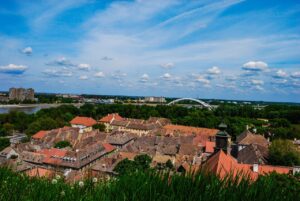
Ottoman and Austro-Hungarian Influence in Serbia
But things weren’t always peaceful. For hundreds of years, the Ottomans ruled much of Serbia, and that influence is still strong in local customs and city architecture. Up north, though, Austria-Hungary had its own grip, so things look and taste a bit different—two worlds sharing the same country. By the nineteenth century, Serbians managed to win their independence after a long struggle, echoing the waves of national uprisings happening all over Europe at that time.
Serbia in the Twentieth Century and Modern Development
Fast-forward to the turbulent twentieth century—Serbia became a big part of Yugoslavia, then navigated some serious challenges as Yugoslavia broke apart in the 1990s. Out of all that, Serbia emerged as a modern, independent nation focused on rebuilding, preserving what makes it unique, and opening its doors to the world. These days, Serbia’s carving out its place on the European stage. The tourist scene’s growing, but for now, you can still wander quiet monasteries, hang in lively city bars, or hike quiet mountain trails—often with locals who are genuinely glad to share their country with you. Serbia’s story is one of resilience, reinvention, and a deep pride in both its past and future. And honestly, it’s worth seeing for yourself.
Tourism in Serbia: A Growing Destination in Europe
Serbia keeps showing up on more travel wish lists these days, and it’s easy to see why. Even though most people think of Western Europe when planning a trip, Serbia has quietly become one of the most interesting (and wallet-friendly) places you can visit in southeastern Europe. Set right where Central Europe meets the Balkans, it’s this fascinating blend of cultures, traditions, and architecture—almost like a crossroads for history. Tourism here isn’t growing by accident, either. Over the last decade, Serbia’s put real effort into sharing its story with the rest of the world. You can feel it in how they highlight their festivals, heritage sites, and stunning landscapes. Now, more travelers are heading to Serbia for all sorts of adventures—city breaks, cultural discoveries, hiking trips, or just exploring the country’s layered past.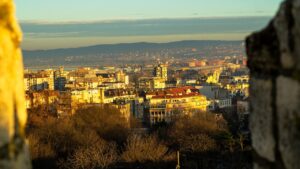
One thing that catches a lot of visitors off guard is just how warm and welcoming people are. Serbian culture really values hospitality; guests get treated like family, and food is always at the heart of things. Plus, compared to Western Europe, your money goes a long way here. You can eat well, find great places to stay, and dive into the local culture without breaking the bank. With its mix of lively nightlife, beautiful countryside, mountains, and centuries of history, Serbia really appeals to all kinds of travelers.
Belgrade Tourism: Exploring the Historic and Modern Capital
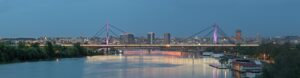
Belgrade isn’t just Serbia’s capital—it’s the heartbeat of the country’s tourism scene. If you love cities with stories, this one’s got over two thousand years’ worth. Romans, Byzantines, Ottomans, Austro-Hungarians everyone left their stamp here, so the city’s full of surprising combinations in its architecture and traditions. You can’t miss Belgrade Fortress. It sits where the Danube and Sava Rivers meet, so the views alone are worth the walk. Roam around the old walls, check out the history exhibits, and just take in the city from above. But once night falls, Belgrade really comes alive. The nightlife is legendary—cafes, bars, restaurants, and floating clubs along the rivers, all buzzing till morning. People travel from across Europe just for the party scene. There’s more to the city, too. Museums, galleries, theaters—they all add to Belgrade’s energy. People often say it’s one of the most exciting capitals in the Balkans, and it’s hard to argue with that.
Novi Sad Tourism: Culture and Festivals on the Danube
Novi Sad is another must-see, just about an hour north of Belgrade along the Danube. It feels completely different—relaxed and friendly, with gorgeous architecture and a thriving arts scene. Petrovaradin Fortress is the city’s crown jewel. Perched on a hill above the Danube, it offers killer views in every direction. You can wander through its tunnels, peek into little museums, and snap a ton of photos from the top. Novi Sad’s biggest claim to fame is the EXIT Festival, one of Europe’s best music festivals. Every summer, the city fills up with music fans from all over the world, all packed into the fortress to catch huge acts across every genre. But even outside festival season, Novi Sad’s charming streets, cozy cafes, and mix of European influences make it a great spot for anyone who loves culture, history, or just a slower pace.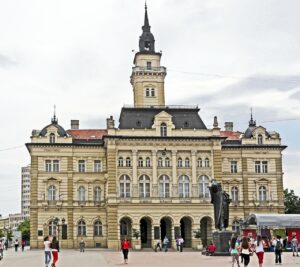
Cultural Heritage Tourism in Serbia
If you’re into history, Serbia delivers. The country is dotted with ancient monasteries, churches, and towns that tell the story of its spiritual and artistic life. The countryside—especially in the mountains—is home to some remarkable medieval monasteries. They’re peaceful, with stone buildings, colorful frescoes, and decades of tradition. Generations have kept these places alive, and visiting them gives you a real sense of Serbia’s deep historical roots. Belgrade’s Church of Saint Sava is a showstopper, too. It’s one of the largest Orthodox churches in the world, with a massive dome and stunning interiors. People interested in architecture or sacred art will want to see it up close. These sites don’t just offer Instagram moments—they help you connect with the country’s past.
Nature Tourism and National Parks in Serbia
Serbia is a great pick for outdoor lovers. The scenery’s diverse—think mountains, forests, winding rivers, and calm lakes. Tara National Park in the west stands out. It’s a wilderness of thick forests, dramatic valleys, and sweeping viewpoints looking down on the Drina River. People come here to hike, watch wildlife, or just escape into nature. Another favorite is the Uvac Canyon, famous for its twisty river bends and towering cliffs. Take a boat tour, and you might spot rare griffon vultures soaring overhead. A nice bonus: many of these wild places aren’t crowded with tourists, so you actually get some peace and quiet.
Spa Tourism and Wellness Travel in Serbia
Serbia’s got a long history with spa culture. Natural mineral springs have drawn people for centuries, and many towns are still devoted to wellness and relaxation. Vrnjačka Banja is probably the best-known spa town. People come for the thermal springs, pretty parks, and a generally laid-back vibe. You can soak in mineral baths, stroll peaceful gardens, and try out modern wellness treatments that blend health with tradition. Whether you’re here to recharge or treat yourself, the Serbian spa experience feels both fresh and rooted in the past.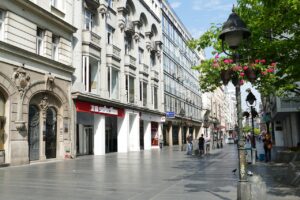
Food and Culinary Tourism in Serbia
Ask anyone who’s been, and they’ll tell you—food is a huge part of traveling in Serbia. The cuisine pulls in flavors from all over the Balkans, the Mediterranean, and Central Europe. Meals are hearty, usually with grilled meats, fresh veggies, cheeses, and plenty of homemade bread. Dining out is often a group affair. People linger over meals, sharing stories and traditions. Local markets and family-run restaurants show off authentic Serbian tastes, and every region has its specialties. Wine lovers have something to celebrate, too. Serbia’s winemaking scene is taking off, with several regions producing excellent wines from native grape varieties.
Festivals and Cultural Events in Serbia
Serbia knows how to throw a party, and its festival calendar proves it. From massive music festivals like EXIT in Novi Sad to smaller town celebrations, there’s always something going on. These events are lively—full of music, dancing, fantastic food, and a sense of community. Tourists get a chance to mingle with locals, learn new dances, and taste more of the country’s culture. Festivals aren’t just entertainment. They help keep Serbian traditions alive and open up new ways for visitors to experience the country. So, if you’re after a trip that’s rich in experiences—history, nature, food, music, and warm connections—Serbia’s worth putting on your map.
Surrounding Countries and Regional Connections of Serbia
Serbia sits right in the middle of the Balkans, making it a crossroads where Central, Eastern, and Southern Europe all meet. That’s a big deal for cultural and economic exchange, and over time, Serbia’s position has drawn neighbors close—with borders, friendships, and sometimes, rivalries that go way back. Serbia doesn’t have a piece of the coastline, but it’s still one of the most connected places in southeastern Europe. Highways, rivers, railways, and all kinds of trade routes crisscross the country. If you’re heading from Western Europe toward Turkey, Greece, or even down to the Middle East, you’ll probably pass through Serbia along the way.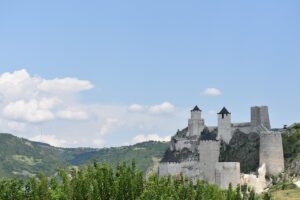
Hungary: Northern Gateway Between Serbia and Central Europe
Let’s look at who’s next door. To the north, there’s Hungary. To the northeast, Romania. Bulgaria hugs Serbia’s southeast, North Macedonia stretches along the south, and Montenegro’s just to the southwest. Bosnia and Herzegovina and Croatia sit to the west. The ties between Serbia and each of these countries run deep—culturally, historically, and sometimes even linguistically. That’s part of what makes this part of Europe so interesting.
Hungary borders Serbia to the north and acts like a gateway between the Balkans and Central Europe. Walk around Vojvodina in northern Serbia and you’ll hear people speaking Hungarian as often as Serbian. The cities there—like Novi Sad and Subotica—are great examples of this blend, with grand Austro-Hungarian buildings and lively town squares. Budapest isn’t far, just a few hours’ drive, so many travelers flip between the two countries easily thanks to well-connected rail and highway routes. Beyond sightseeing, Hungary and Serbia team up on trade, infrastructure, and other big projects that keep Central Europe and the Balkans tied together.
Romania: Eastern Neighbor Along the Danube River
On the other side, Romania hugs Serbia to the northeast. The Danube River marks their long, winding border. That river’s more than just a line on the map—it’s a major waterway for ships and tourists, running from Central Europe to the Black Sea. The Iron Gates Gorge between the two countries is stunning: steep cliffs, winding channels, and big, blue views. Communities on both sides share traditions, festivals, and music too. More and more people are taking trips that hop between Romania’s castles and mountains and Serbia’s history-rich cities.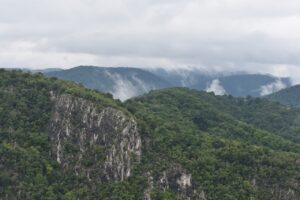
Bulgaria: Southeastern Connections and Cultural Heritage
Bulgaria is over to the southeast. The border area is all rolling mountains, valleys, and historical towns. Niš, a Serbian city near Bulgaria, is one of Europe’s oldest and was actually the birthplace of Emperor Constantine the Great. It’s always been a meeting point—both for travelers and for cultural blending. Sofia, Bulgaria’s capital, isn’t far and the drive is easy. Similar foods, music, the Orthodox faith, and even bits of language link the two. This makes travel and cultural exchanges across the border pretty common.
North Macedonia: Southern Cultural and Historical Links
Heading south, Serbia meets North Macedonia. That border runs through mountains and old, long-used roadways. Skopje, the Macedonian capital, is full of history, mixing Ottoman, Byzantine, and modern styles—just like cities in Serbia. Both countries used to be part of Yugoslavia, so plenty of family ties, language similarities, and shared traditions have stuck around. Travelers bouncing through the Balkans often wander from monasteries to mountain trails to vibrant markets between these two neighbors.
Montenegro: Mountain Landscapes and Adriatic Access
Montenegro is southwest of Serbia. Sure, Serbia isn’t right on the sea, but Montenegro gives it easy access to the Adriatic. Beaches there are packed with Serbian tourists every summer. Podgorica, Montenegro’s capital, and cities like Kotor are close enough for a quick visit. The mountains roll across the border, creating some top spots for hiking and road trips. Both countries work together to draw tourists to this rugged, scenic region.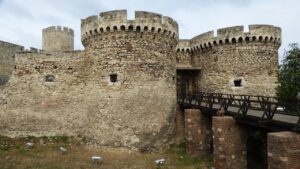
Bosnia and Herzegovina: Shared History and Cultural Diversity
Bosnia and Herzegovina sits to the west. Both countries were once part of Yugoslavia, so they share a long history. Sarajevo is probably Bosnia’s best-known city, and you can see the region’s mix of Ottoman, Austro-Hungarian, and modern influences just walking its streets. The Drina River cuts between Serbia and Bosnia, with towns where rafting and old Balkan traditions are huge draws for visitors. All these shared stories mean people cross back and forth with ease, keeping these connections strong.
Croatia: Western Neighbor and Adriatic Tourism Link
And then there’s Croatia, also to the west. Croatia is one of Europe’s travel hotspots because of its long Adriatic coastline and gorgeous old cities. Zagreb, the capital, is tied to Serbian cities by roads and trains. Lots of people visiting the area hop between Serbia’s lively urban centers and Croatia’s sunny coast. With so many routes running through Serbia, it’s the gateway for anyone heading out to the sea.
Regional Cooperation and Travel in the Balkans
Zooming out, the whole Balkan region is working harder these days to encourage cross-border travel. It’s really easy to go from Belgrade to Budapest, Sofia, Sarajevo, or straight out to the Adriatic—all within a few hours. Serbia’s right in the center, so it’s plugged into so many different spots, whether that’s the Central European feel of Hungary or the beach life of Montenegro and Croatia.
Conclusion
In the end, Serbia offers a mix you don’t find everywhere—centuries-old monasteries, medieval forts, lively cities, and wild national parks. Its central spot and the warmth of its communities keep it at the heart of the Balkans, welcoming travelers who want to experience something real and truly diverse.
Author

sadikhan.ceo@gmail.com
Related posts
Slovakia
- 0
- 2,323 words
Slovakia : Discover the Hidden Gem of Central Europe Tucked right in the heart of Central Europe, Slovakia is one of those...
Read out all
Singapore
- 0
- 2,246 words
Singapore : A Global City and Travel Hub Singapore’s one of those places where modern life and nature seem to fit together...
Read out all
Seychelles
- 0
- 2,644 words
Seychelles : A Dream Destination in the Indian Ocean You hear about places as “dream destinations” all the time, but Seychelles totally...
Read out all
Senegal
- 0
- 2,277 words
Senegal Travel Guide: Discover the Culture, History, Tourism, and Surrounding Regions of West Africa Welcome to Senegal—a place that really captures the...
Read out all
Saudi Arabia
- 0
- 2,914 words
Saudi Arabia: A Powerful Nation in the Middle East and Global Importance of the Kingdom Saudi Arabia stands out as one of...
Read out all
Saint Lucia
- 0
- 2,617 words
Saint Lucia: Discover the Natural Beauty, Culture, Tourism, and Global Connections of the Caribbean Island Saint Lucia is one of those places...
Read out all