

Salvador de Bahia – Beauty of northeastern Brazil
Salvador de Bahia in northeastern Brazil is one of the more vibrant and rich cultural enclaves in the world. The city is filled with historic, musical, dancing, religious, and colorful colonial architecture. Visitors to this city immediately catch on to a very strong African influence, the warm atmosphere, and the rhythmic energy in Salvador. It combines beautiful beaches, historic neighborhoods, busy markets, and stunning coastal views. Walking in Salvador, you’ll hear the traditional music in the streets, smell delicious local food from food stands, and encounter friendly people proudly sharing their cultural traditions. The city is a place where the past and present blend in smoothly, creating a unique travel experience. Due to its cultural importance and well-preserved architecture, Salvador was designated as a UNESCO World Heritage Site. The following article will go into great detail about Salvador de Bahia in an easy-to-understand writing style. It will describe the geographical situation, history, places for tourism, nearby places, and much more. Easy sentence structures and smooth transitions are intended to help you feel like you are walking through the streets of the city.
Geography of Salvador de Bahia
Salvador is situated on the Atlantic Ocean coast in the State of Bahia, Brazil. The city rests on a peninsula that extends between the Atlantic and the very extensive Baía de Todos os Santos, commonly known as the Bay of All Saints. At this location, Salvador has a dramatic topography of cliffs, bays, beaches, and hills. The city is divided into two main levels:
The Upper City (Cidade Alta) and the Lower City (Cidade Baixa).
These two levels are joined by steep streets, stairways, and the famous Lacerda Elevator. From the Upper City, there are extensive views of the bay, ships, islands, and nearby coastlines. In contrast, the Lower City is near the water, with harbors, markets, and historic churches. Because Salvador is near the equator, it enjoys a tropical climate, with warm temperatures throughout the year. There is often a rainy period, but the rains usually only last for brief intervals before sunshine returns. This is ideal weather that makes Salvador perfect for outdoor activities, beach visits, cultural festivals, and sightseeing. The city is enveloped in lush vegetation at every park and coastal area.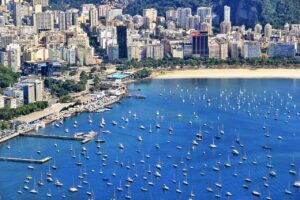
History of Salvador de Bahia
Early History and Indigenous Roots
Before the arrival of Europeans, the region where Salvador stands today was home to Indigenous communities, mainly the Tupinambá people. They lived by the sea coast, fished in the ocean, and cultivated crops like cassava and maize.
Arrival of the Portuguese
In 1500, Portuguese explorers arrived in Brazil, and by 1549, they established Salvador as the first capital of Brazil.It was strategically positioned on the coast with a deep, protected bay. Salvador quickly grew into an important administrative and economic centre.The Portuguese built churches, administrative buildings, and fortifications that still stand today.
The Era of Sugar and Slavery
During the 16th and 17th centuries, Salvador became the heart of Brazil’s sugar industry. It profoundly moulded Salvador’s culture, religion, food, and even language and musical styles. Today, Salvador is considered by many to be the cultural capital of Afro-Brazilian identity.
The Golden Age of Salvador
In the 1600s and 1700s, Salvador was one of the richest and most powerful cities in the Americas.During that period, magnificent churches and colorful colonial houses were constructed, along with public squares.The historic neighbourhood of Pelourinho is considered one of the best-preserved enclaves of colonial architecture in the world.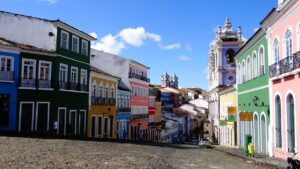
Independence Movements
By the 19th century, Salvador played a major role in Brazil’s struggle for independence.The local resistance opposed Portuguese rule in the country until Brazil finally gained its independence in 1822.
Modern Era
Today, Salvador is a modern city deeply steeped in its cultural heritage. Festivals like Carnaval and traditional dances such as samba and capoeira are renowned, as is the pronounced African influence within the city.
Tourism Sites in Salvador de Bahia
Salvador de Bahia is one of the most colorful and culturally rich cities in Brazil, while its tourism sites have reflected a beautiful mix of African, Portuguese, and Indigenous influences.While visitors stroll along the historic streets lined with buildings, they immediately feel the energy from music, dance, and centuries-old traditions that give Salvador an identity.
Pelourinho
One of the most famous tourist sites in this city is Pelourinho, a historic center famous for its vibrant buildings painted in bright shades of yellow, blue, pink, and green. Moving through its cobbled streets, tourists find vibrant squares, small cafes, museums, and traditional shops selling handmade crafts.
Elevador Lacerda
Another important tourism spot in Salvador is the Elevador Lacerda, a well-known landmark joining the Upper City (Cidade Alta) with the Lower City (Cidade Baixa).From this tall elevator, some of the best views of the city can be seen, especially the very beautiful All Saints Bay. The experience is simple but memorable, and tourists commonly take photos from the top platform, capturing the meeting of the historic and coastal landscapes of Salvador.
Church of Nosso Senhor do Bonfim
Salvador also houses one of Brazil’s most frequented religious spots, the Church of Nosso Senhor do Bonfim, commonly referred to as the Bonfim Church. This church has significant importance for Catholics but also for Candomblé adherents, an Afro-Brazilian religion. On the outside of the church, one notices railings covered with colorful ribbons referred to as “fitinhas,” with each ribbon considered to be a wish. The ribbons are tied and prayers are said for luck, health, and protection.
Farol da Barra
Another beautiful site is Farol da Barra, the historic lighthouse that stands at the entrance of the All Saints Bay. The landmark allows an amazing ocean view and has a small museum of naval history inside, informing tourists about the maritime history of Salvador. Beaches around this lighthouse are popular spots for swimming, relaxation, and sunset-watching. Many travelers say that Farol da Barra provides one of the most unforgettable scenes in the city. Above all, coastal wind, soft wave sounds, and bright colors in the sky create a romantic atmosphere of calmness, making this place favored by locals and tourists alike.
Museu Afro-Brasileiro
Further into the cultural aspect of Salvador comes the Museu Afro-Brasileiro, which preserves and celebrates the African heritage that shapes Bahia’s identity. The museum holds a collection of African sculptures, traditional objects, paintings, and exhibitions on the history of slavery and African culture in Brazil.
Igreja e Convento de São Francisco
Another site closely connected to Salvador’s identity is the Igreja e Convento de São Francisco, a church famous for its extremely rich golden interior. The moment travelers come into the church, they immediately notice the striking Baroque designs, detailed carvings, and golden decorations lining the walls and ceilings. The interior of the church is actually considered one of the greatest examples of religious art in Brazil. Visiting this site gives travelers some insight into the wealth and craftsmanship of colonial times, while also pointing out just how much religion shaped the development of this city.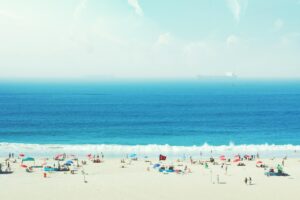
Porto da Barra Beach
The city also offers serene coastal retreats, such as the Porto da Barra Beach-a picturesque urban beach that has come to be associated with still waters, warm temperatures, and a cordial atmosphere. This beach is ideal for swimming, sunbathing, and basking in the tranquility of an afternoon at the sea. Travelers appreciate its proximity to the historic center, which allows for easy mixing of exploration with relaxation. Later in the evening, the beach becomes a common meeting point for both locals and tourists alike, and the soft light from the nearby lighthouse makes the scenery even more romantic.
Dique do Tororó
Travelers seeking natural beauty and spirituality come to Dique do Tororó, an urban lake lined with large sculptures representing the orixás, deities from the religion of Candomblé. The lake also offers areas for walking and quiet spots to sit down and enjoy its calm environment. Visiting the Dique do Tororó offers travelers an understanding of the deep respect that residents of Salvador have for their African-rooted beliefs.
Rio Vermelho district
Finally, the Rio Vermelho district contributes to Salvador with its lively and youthful energy. This is known for its nightlife, bars, restaurants, and cultural events, showing a modern and creative side of the city. This is a rendezvous that attracts several thousand visitors and offers an unforgettable blend of music, spirituality, and cultural expression.
Surrounding Places of Salvador de Bahia
Salvador de Bahia is surrounded by many beautiful and culturally rich places that add even more value to any trip. Because the city sits along the northeastern coastline of Brazil, travelers can easily move from the colorful streets of Salvador to peaceful beaches, historic towns, and natural attractions that show the diverse beauty of the region. Each surrounding place has its own identity, yet together, they create a wider picture of the state of Bahia’s charm.
Praia do Forte
One of the closest and most popular is Praia do Forte, situated about 80 kilometers away from Salvador. Here is where the protection of sea turtles under the Tamar Project can be found; it is possible for tourists to learn about marine conservation and to watch, depending on the season, the birth of turtles. Praia do Forte is tranquil; it also has small shops, restaurants, and resorts, which make it ideal for a full-day or weekend trip.
Costa do Sauípe
A bit further north lies Costa do Sauípe, where a large resort complex attracts many visitors who look for luxury, comfort, and all-inclusive facilities. The coastline runs for several kilometers with natural beauty, water sports, and quiet places to rest. Even though it features resorts as the main attractions, the surroundings offer natural trails and quiet beaches that allow travelers to contemplate peaceful coast scenery.In summary, Costa do Sauípe will be a good choice for those who want comfort without forgetting nature.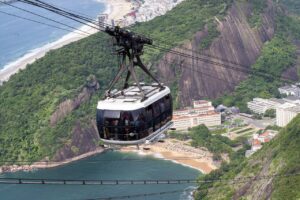
Itaparica Island
Another nearby destination is the island of Itaparica, lying directly opposite Salvador, about an hour’s ferry ride away. The island boasts a mix of beaches, tiny villages, and historical sites. In fact, Itaparica was once an important colonial center, hence it houses old buildings, remains of fortification, and cobblestone streets. The island is very laid-back and quiet, perfect for tourists in need of a little respite from Salvador’s energetic beat.
Morro de São Paulo
Further south lies Morro de São Paulo, one of the most famous island villages, located on Tinharé Island. The island can be reached only by a boat trip or by car and ferry, which gives the guest the first hint of adventure. This destination is known for its clear waters, vibrant nightlife, extended beaches, and trails of nature. Visitors often like to watch sunsets from the top of the fort on the hill, go surfing, swimming, or just relax in their hammocks to the noise of waves. On this island, nature and entertainment come hand in hand, especially for young travelers.
Cachoeira
Cachoeira is a more culturally enriching small town located in the Recôncavo region. This small city played a big part in the history of slavery, sugar plantations, and Afro-Brazilian traditions. The next town, São Félix, is separated by a bridge and offers cultural attractions and Paraguaçu River views. Many tourists see both towns on one trip to learn more about Bahia’s history.
Lençóis
Another very important place near Salvador is Lençóis, the gateway to Chapada Diamantina National Park, although it is farther away. Even though it requires a long drive or flight, many travelers extend their Salvador trip to explore Chapada Diamantina’s waterfalls, canyons, caves, and hiking trails. This region shows a completely different side of Bahia, where mountains and nature replace beaches and colonial streets.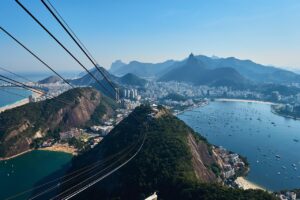
Ilha dos Frades
Another very important place near Salvador is Lençóis, the gateway to Chapada Diamantina National Park, although it is farther away. Even though it requires a long drive or flight, many travelers extend their Salvador trip to explore Chapada Diamantina’s waterfalls, canyons, caves, and hiking trails. This region shows a completely different side of Bahia, where mountains and nature replace beaches and colonial streets.
Best Time to Visit Salvador de Bahia
Because Salvador de Bahia is a tropical city, choosing the right time of year to visit will make your trip even more enjoyable. During the whole year, Salvador has warm weather, with temperature ranges between 24 and 31°C.However, some months are better than others for sightseeing, going to beaches, or enjoying cultural festivals.
- The best time to visit Salvador is generally between December and March, when it’s warm, sunny, and filled with life. These months of the year span the Brazilian summer season, with livelier beaches and a more playful air. At this time, the sea is much calmer, the sky is most often clear, and the day feels like it will never end. Moreover, during these months, one can usually experience Carnival, one of the largest cultural events in the world, in either February or early March.
- Visitors during Carnival find energetic music, Afro-Brazilian street dances, parades, and colorfully lively celebrations that underline the joyful spirit of Salvador. Another good period to visit is from August to October, in which the weather is mild and the rainfall lower. These months are perfect for outdoor activities such as walking tours in Pelourinho, museum visits, beach exploration, and making day trips to nearby islands. Because this is not peak travel time, the city is less crowded, and accommodation prices are then generally cheaper.

- The months of April to July are considered the rainy season, with heavier rainfall and cloudy weather. Even though rain does not fall all day, showers can interrupt outdoor activities. However, this period may appeal to travelers who prefer fewer crowds and a quieter experience. Additionally, the greenery becomes more vibrant because of the rain, adding to the beauty of natural attractions around Salvador.
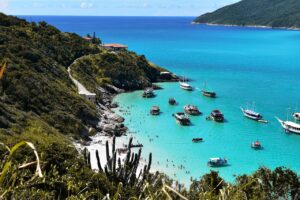
In all, December to March is the time for cultural events and sun-kissed beaches, while August to October is the time for mild weather and travel in serenity. The tropical climate of Salvador makes it worth visiting any time of the year, but tourists should decide based on their preference for festivals, weather, and crowds.
Conclusion
Salvador de Bahia is an astonishing city that bursts with life and cultural richness, where history perfectly blends with music, religion, cuisine, and nature. Its streets bear stories from colonial times and its neighborhoods echo with the breath of Afro-Brazilian traditions. From the brightly coloured buildings of Pelourinho to the golden sands of Porto da Barra, it is an invitation to immerse oneself in a lively and profoundly meaningful atmosphere. Its surrounding places enhance the travel experience even more. From peaceful islands to historical towns, eco-villages, and untouched beaches, it depicts the diversity of Bahia’s landscape. Tourists can move from energetic city streets to quiet coastal villages in such a short period of time, discovering new colors, sounds, and traditions along the way.
Author

sadikhan.ceo@gmail.com
Related posts
Lisbon Travel Guide
- 0
- 2,266 words
Lisbon Travel Guide – A Beautiful Coastal Capital with Culture and Value Lisbon pops up on pretty much every list of Europe’s...
Read out all
Prague Travel Guide
- 0
- 2,455 words
Prague Travel Guide – A Magical European Destination Full of History and Charm If you’re dreaming of a city that looks and...
Read out all
Berlin Travel
- 0
- 2,097 words
Berlin Travel Guide – A City of History, Culture, and Modern Energy Berlin isn’t your typical European capital—it buzzes with history and...
Read out all
Amsterdam Travel Guide
- 0
- 2,602 words
Amsterdam Travel Guide – A City of Canals, Culture, and Timeless Beauty Honestly, Amsterdam is one of those cities that just grabs...
Read out all
Barcelona, Spain
- 0
- 2,340 words
Barcelona, Spain Travel Guide – A Vibrant Mediterranean City Barcelona feels alive, no matter what time of year you show up. The...
Read out all
Male, Maldives
- 0
- 2,442 words
Malé, Maldives Travel Guide – The Capital of Island Paradise Malé might be tiny compared to other capitals, but it’s at the...
Read out all