
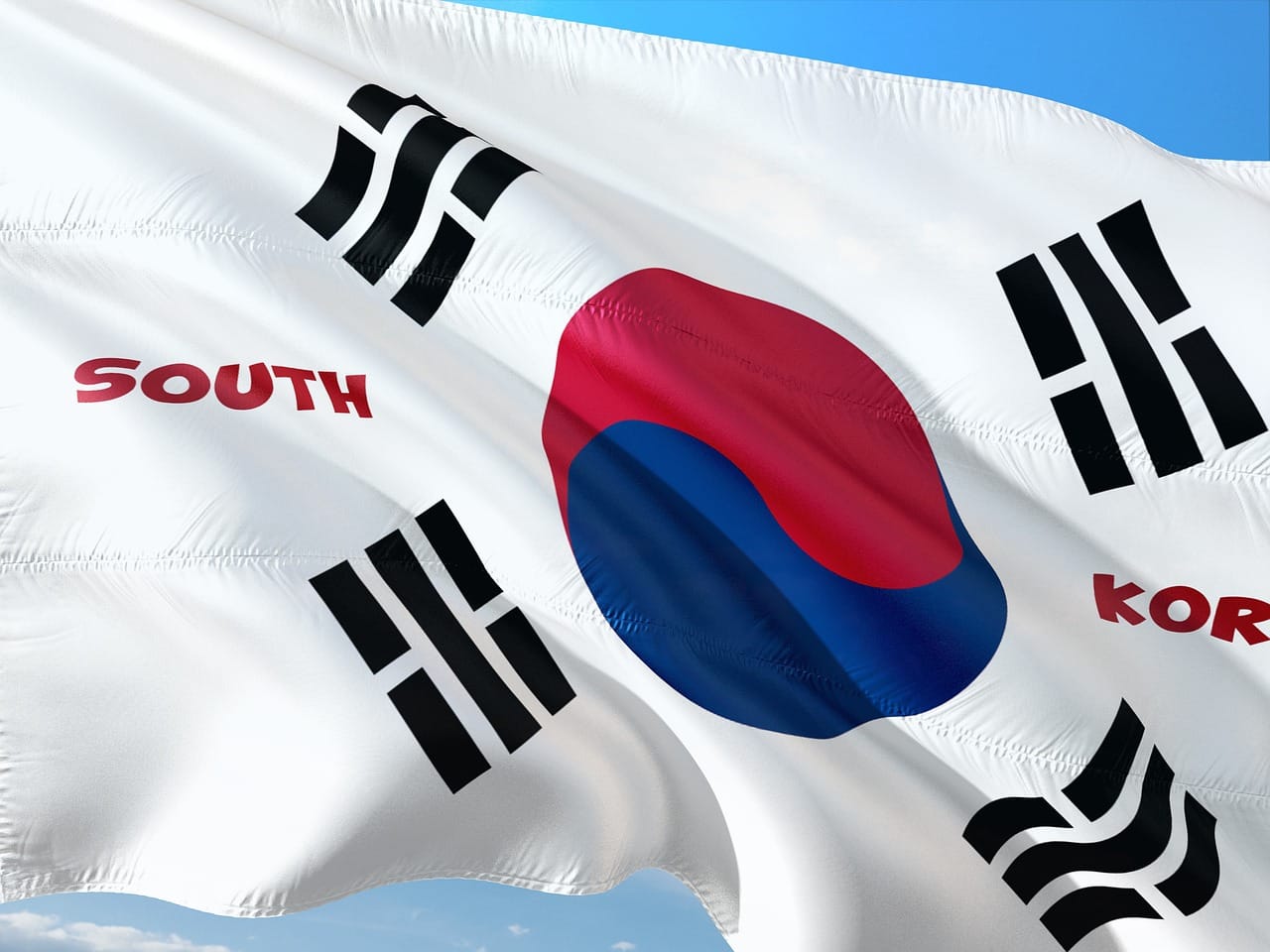
Republic of Korea : Commonly known as South Korea
It’s a place where old and new actually work together, not just side by side. You’ve got ancient palaces tucked between neon-lit skyscrapers, and centuries-old traditions that somehow slip right into modern, everyday life. Over the years, South Korea has grown into a magnet for anyone chasing innovation, pop culture, or just something different. People from everywhere want to see what all the buzz is about. The country hits you with contrasts. Fast, sleepless cities like Seoul sit just a train ride away from calm countryside, green mountains, and sleepy fishing villages.
Geographic Location and Natural Landscape of South Korea
South Korea sits on the southern tip of the Korean Peninsula. North Korea is just across the border up north. To the west, there’s the Yellow Sea. To the east, the East Sea (some call it the Sea of Japan). Down south, the Korea Strait keeps it apart from Japan. This spot on the map has shaped everything: trade, war, culture, even the food. The landscape is wild and beautiful. Mountains cut across the country, painting the skyline in every season. Rivers snake through valleys, feeding rice paddies and city parks. Long stretches of coastline mean sandy beaches, islands to hop to, and fresh seafood in little villages. There’s something here for every kind of traveler, whether you want to hike, surf, or just chill out with a view.
A Brief History That Shaped Modern South Korea
The country’s roots are ancient. Kingdoms like Goguryeo, Baekje, and Silla founded much of what’s now seen as Korean culture. The Joseon Dynasty ruled for centuries, shaping everything from language to how families work. The last hundred years haven’t been easy — colonization, the Korean War, and a split peninsula. Everyday life here is built around respect, family, and community. Even with all the modern perks, you’ll spot deep traditions in the way people greet each other, eat together, or behave in public. Confucian values run deep — politeness and consideration aren’t just for show. During festivals, people still wear hanbok, the bright traditional clothes. Meals are shared, dishes in the middle for everyone. It’s a culture that somehow keeps its roots strong, even while it races ahead.
Korean Culture and Daily Life Traditions
South Korea is now one of Asia’s hottest spots, and for good reason. You get a blend of ancient stories, cutting-edge cities, natural beauty, and a pop culture scene that’s gone global. There’s history, street food, shopping, and nightlife — all wrapped up in a country that knows how to welcome visitors. What really stands out is cultural tourism. The country takes pride in its history, and you can see it. Palaces and temples invite you to step back in time. Traditional neighborhoods with wooden houses show a quieter, older Korea. Modern museums bring the past to life, mixing the old stories with new, interactive ways to understand them. It’s not just sightseeing — it’s a way to feel the country’s journey, from ancient roots to today’s fast-paced world.
Tourism in the Republic of Korea: A Global Attraction
South Korea hasn’t just grown; it’s exploded onto the world travel scene over the past few decades. The country blends old traditions, futuristic cities, stunning nature, and global pop culture in a way that just works. That’s why people come from everywhere — some things feel familiar, but there’s always something that catches you off guard. There’s the tech and the K-pop, but that’s just part of the story. The country’s past runs deep, the food is unforgettable, and there’s something about the energy here — it’s warm, inviting, and just a bit addictive. Whether you’re here for temples, shopping, hiking, or city lights, South Korea makes the trip stick in your memory.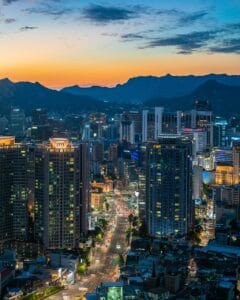
Cultural Tourism in South Korea: Tradition Meets Modern Life
Culture is at the core of South Korea’s travel appeal. The old ways haven’t disappeared — they sit right alongside the new. You can wander through ancient palaces and temples, or get lost in a quiet village, and suddenly history feels close enough to touch. In the heart of big cities, you’ll find royal palaces where kings and queens once ruled. Walk through neighborhoods lined with wooden hanok houses, and you’ll catch a glimpse of daily life from centuries ago. Then there are the museums, where history jumps off the display case and gets interactive.
Seoul Tourism: The Cultural and Modern Heart of South Korea
Seoul isn’t just the capital; it’s the soul of South Korea. Here, centuries-old palaces share space with glass towers and neon lights. You might visit a grand historic site in the morning and end up at a buzzing shopping street after dark. There’s real contrast everywhere. One minute you’re admiring traditional rooftops and royal treasures, the next you’re weaving through crowds in a high-tech district packed with digital screens and big-name stores.
Heritage Sites and Historical Landmarks in South Korea
History fans have plenty to get excited about here. South Korea’s packed with landmarks that tell stories of ancient kingdoms and dynasties. You’ll find a lot of these spots protected as world heritage sites. Temples tucked away in quiet mountains offer a real sense of peace. Massive fortress walls and the remains of old capitals hint at the country’s political and military past. Walk around these places, and you don’t just see history — you feel how it shaped what Korea is today.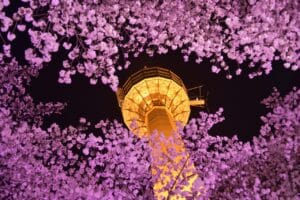
Nature and Eco-Tourism in the Republic of Korea
People are often surprised by how green South Korea is. Sure, it’s modern and fast-moving, but the natural world is never far away. Mountains, forests, rivers, and coastlines all offer a break from city life. National parks are a big hit, especially for hikers and anyone who wants to unplug for a while. The best part? Every season brings something new — cherry blossoms, lush green hills, fiery autumn colors, and snow that turns the mountains into a winter postcard. Eco-tourism here isn’t just a buzzword; it’s about enjoying the outdoors without messing it up.
Jeju Island Tourism: The Natural Jewel of South Korea
Jeju Island is in a league of its own. People call it a healing spot, and it’s easy to see why. Volcanic landscapes, waterfalls, beaches, and air so fresh it feels different — this island lives up to the hype. You can slow down in quiet villages or cruise along the coast, soaking in scenery you won’t find anywhere else in the country.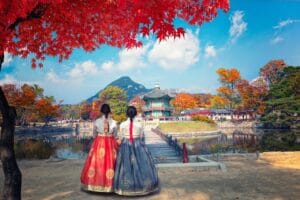
Beach and Coastal Tourism in South Korea
South Korea’s coastline stretches out for miles, and it’s packed with laid-back beach towns and lively cities by the sea. Clean beaches, seafood that’ll spoil you, and ocean views set the scene. Come summer, the beaches buzz with locals and visitors, all out to swim, eat, and join in the festivals or night markets. There’s a spot for everyone — whether you want the party crowd or just a quiet stretch of sand to watch the waves.
Food Tourism in the Republic of Korea: A Global Culinary Attraction
it’s kind of a global phenomenon now. Korean food grabs your attention with bold flavors, fresh ingredients, and a real sense of tradition. Meals here are about more than just eating; they’re about sharing, connecting, and making memories. You see the seasons and different regions come alive in traditional dishes. Walk down any busy street and you’ll find vendors selling snacks that taste like the real Korea, and they don’t cost much either. Meanwhile, modern restaurants play around with classics and keep things interesting. With so much variety, food lovers of all kinds find something to rave about.
Festival and Event Tourism in South Korea
Festivals light up the calendar all year long. South Korea knows how to celebrate, whether it’s the change of seasons, old customs, or anything creative. These festivals aren’t just for locals—travelers join in, hoping to soak up the lively atmosphere and get close to Korean culture. Spring bursts with flowers and outdoor fun, while autumn celebrates harvest time and tradition.
K-Pop and Entertainment Tourism in South Korea
K-pop and Korean dramas have turned South Korea into a bucket-list spot for fans from all over. People fly in just to stand where their favorite shows were filmed, wander through buzzing entertainment districts, or snap photos at famous studios. Concerts, fan meetups, and themed cafés add to the fun. If you love pop culture—or just want to see what all the excitement’s about—this is the place to be. South Korea has truly become a world capital for entertainment tourism.
Shopping Tourism in the Republic of Korea
For a lot of people, shopping is the main event. South Korea offers everything from bustling old markets to gleaming, high-end malls. You can pick up the latest fashion, beauty products, gadgets, or even traditional crafts. Trendy shopping areas stay busy around the clock, while markets give you a taste of local life with handmade goods and snacks. Shopping isn’t just a pastime here—it’s a big part of the country’s tourism scene.
Medical and Wellness Tourism in South Korea
South Korea’s reputation for advanced healthcare draws visitors from everywhere. People come for top-notch treatments and stick around to explore the country. Wellness is booming too, with spas, meditation retreats, and traditional healing.
Transportation and Travel Convenience for Tourists
Traveling in South Korea just feels easy. The airports connect you straight to the rest of the world, and once you’re here, the trains, buses, and subways make getting around a breeze. Moving between cities takes almost no effort. Signs are clear, and there are plenty of digital tools to help if you’re not fluent in Korean. All this convenience means you can focus on having a good time.
Safety and Hospitality for International Tourists
One thing that stands out here is how safe you feel. Crime is low, and public places are well organized. Even solo travelers can relax. Koreans are famously warm and respectful. You might not speak the same language, but locals often go out of their way to help. It’s this friendly, welcoming vibe that keeps people coming back.
The Future of Tourism in the Republic of Korea
Tourism in South Korea isn’t slowing down. The country keeps investing in new attractions, green projects, and ways to keep its culture alive. Every year, more people show up to see what’s new and what’s timeless. By mixing tradition with innovation, South Korea gives travelers something special. The future here looks exciting—open to the world, but still proudly unique.
Surrounding Places and Neighboring Regions of South Korea
South Korea sits right at the crossroads of East Asia, surrounded by regions that have shaped its story, culture, and economy. Its location makes it a real connector between mainland Asia and the Pacific. Travelers who get to know these neighboring places start to see why South Korea feels both deeply traditional and refreshingly global. The food, language, and even travel routes carry hints of these influences. But through it all, South Korea keeps its own identity—distinct, proud, and always evolving.
North Korea: The Closest and Most Historically Connected Neighbor
North Korea isn’t just close—it’s right there, sharing the only land border South Korea has. That stretch of land, the Demilitarized Zone, is probably one of the most famous borders anywhere. For centuries, North and South were actually one country, with the same language, culture, and traditions. That shared history still lingers. These days, the border grabs headlines for all sorts of reasons, mostly political. You can’t exactly hop back and forth as a tourist, but the DMZ pulls in visitors from all over the world. It’s strange—one spot manages to symbolize both the split and people’s hope that things might change. North Korea’s presence shapes how South Korea sees itself and the way it fits into the global picture.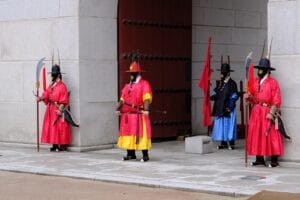
China: A Powerful Neighbor Across the Yellow Sea
China sits just across the Yellow Sea to the west, and its influence on Korea is everywhere—stretching back thousands of years. You see it in the food, the language, even in Korea’s old philosophies and ways of thinking. Those ties haven’t faded. Travel between the two is busy. Flights are short, ferries run back and forth, and trade never really stops. Many visitors squeeze both countries into one trip, just because it’s so easy. Culturally and economically, China is a major part of South Korea’s neighborhood.
Japan: A Close Island Neighbor Across the Korea Strait
Look south and east, and there’s Japan, separated by the Korea Strait. The distance isn’t much—close enough for all sorts of connections, both good and complicated. The two countries share a long, tangled past, but business and tourism between them are still strong. A lot of travelers pair South Korea and Japan together, drawn by the contrast. Ferries and planes make it simple to bounce between the two. With Japan so near, South Korea feels even more central in East Asian tourism.
Russia’s Far East: A Quiet but Strategic Neighbor
If you keep heading northeast past North Korea, you’ll run into Russia’s Far East. It’s not as close as China or Japan, and you don’t see as much cultural mixing, but Russia still matters. It’s part of the security and trade conversations in the region. For travelers, Russia’s presence is a reminder—South Korea sits in a neighborhood full of global heavyweights, which only adds to its importance.
The East Sea and the Pacific Gateway of South Korea
On the east coast, you’ve got the East Sea (or Sea of Japan, depending who you ask). This stretch of water links Korea straight to the Pacific and beyond. Coastal towns here thrive on fishing, shipping, and, lately, a lot more tourism. The views are beautiful, the beaches are clean, and the seafood is unbeatable. Plus, the East Sea connects Korea to the world’s shipping lanes. So, South Korea isn’t just surrounded by land neighbors—it’s got the ocean as a gateway, too.
The Yellow Sea and Western Coastal Connections
The Yellow Sea, sitting between Korea and China, has shaped everything from fishing to trade for centuries. It’s been key to the growth of western Korean cities and towns. Major ports line this coast, handling everything from international cargo to cruise ships. The wetlands and islands are draws for eco-tourists, and the whole region makes Korea a serious player in East Asian shipping and trade.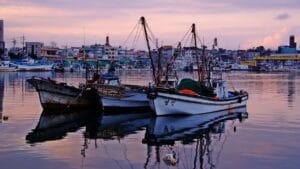
Island Regions Near South Korea and Regional Influence
There are islands all around South Korea that add to its story. Jeju Island, for one, is technically Korean but feels like a bridge toward Southeast Asia, thanks to all the flights passing through. Then you’ve got the Japanese islands nearby, which only highlight how close everything is. These islands boost tourism, fishing, and cultural exchange. They make South Korea a handy stop for anyone crisscrossing Asia-Pacific.
Regional Travel Routes and Multi-Country Tourism
With all these neighbors, South Korea’s a perfect launchpad for anyone wanting to see more of East Asia. Tourists often bundle Korea with Japan, China, or even somewhere further south. Airports, seaports, and speedy trains keep everything connected. That’s what makes South Korea stand out—not just as a place to visit, but as a gateway to the whole region.
Cultural Influence of Neighboring Regions on South Korea
South Korea doesn’t exist in a bubble. Its culture has been shaped by the people and traditions around it, just as Korea’s own influences have spread across borders. You see it everywhere—from the flavors in classic dishes to certain artistic touches and customs that echo those of nearby countries. But it’s not just about what’s come in. South Korea has been sending its own culture out into the world, too—think K-pop, TV dramas, and fashion trends.
Economic and Trade Importance of Neighboring Regions
Neighbors matter a lot to South Korea’s economy. Trade with China, Japan, and other nearby spots keeps industries running and brings in tourists. Major ports and logistics hubs tie South Korea into the world market. These partnerships help build up travel options and boost tourism in the region.
Safety, Stability, and Regional Awareness for Travelers
Tourists who land in South Korea often start looking beyond the country’s borders, curious about what else is out there. South Korea is famously safe for visitors, but it pays to know a bit about the wider region—politics, culture, and all that. A little awareness goes a long way. It makes travel more interesting and helps people show respect wherever they go.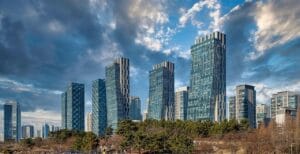
Conclusion
South Korea always seems to have one more surprise up its sleeve. Its deep history, cutting-edge tech, lively culture, and gorgeous scenery come together for a travel experience that’s hard to beat. You get everything—old palaces, sleek cities, quiet islands, wild festivals. As more people discover it, South Korea is working to protect what makes it special while staying connected to the world. This balance means visitors don’t just have fun—they get a real sense of what the country’s all about.
Author

sadikhan.ceo@gmail.com
Related posts
Slovakia
- 0
- 2,323 words
Slovakia : Discover the Hidden Gem of Central Europe Tucked right in the heart of Central Europe, Slovakia is one of those...
Read out all
Singapore
- 0
- 2,246 words
Singapore : A Global City and Travel Hub Singapore’s one of those places where modern life and nature seem to fit together...
Read out all
Seychelles
- 0
- 2,644 words
Seychelles : A Dream Destination in the Indian Ocean You hear about places as “dream destinations” all the time, but Seychelles totally...
Read out all
Serbia
- 0
- 2,789 words
Serbia Travel Guide: Regions of the Balkan Nation Serbia sits right at the heart of the Balkans, and honestly, it’s one of...
Read out all
Senegal
- 0
- 2,277 words
Senegal Travel Guide: Discover the Culture, History, Tourism, and Surrounding Regions of West Africa Welcome to Senegal—a place that really captures the...
Read out all
Saudi Arabia
- 0
- 2,914 words
Saudi Arabia: A Powerful Nation in the Middle East and Global Importance of the Kingdom Saudi Arabia stands out as one of...
Read out all