
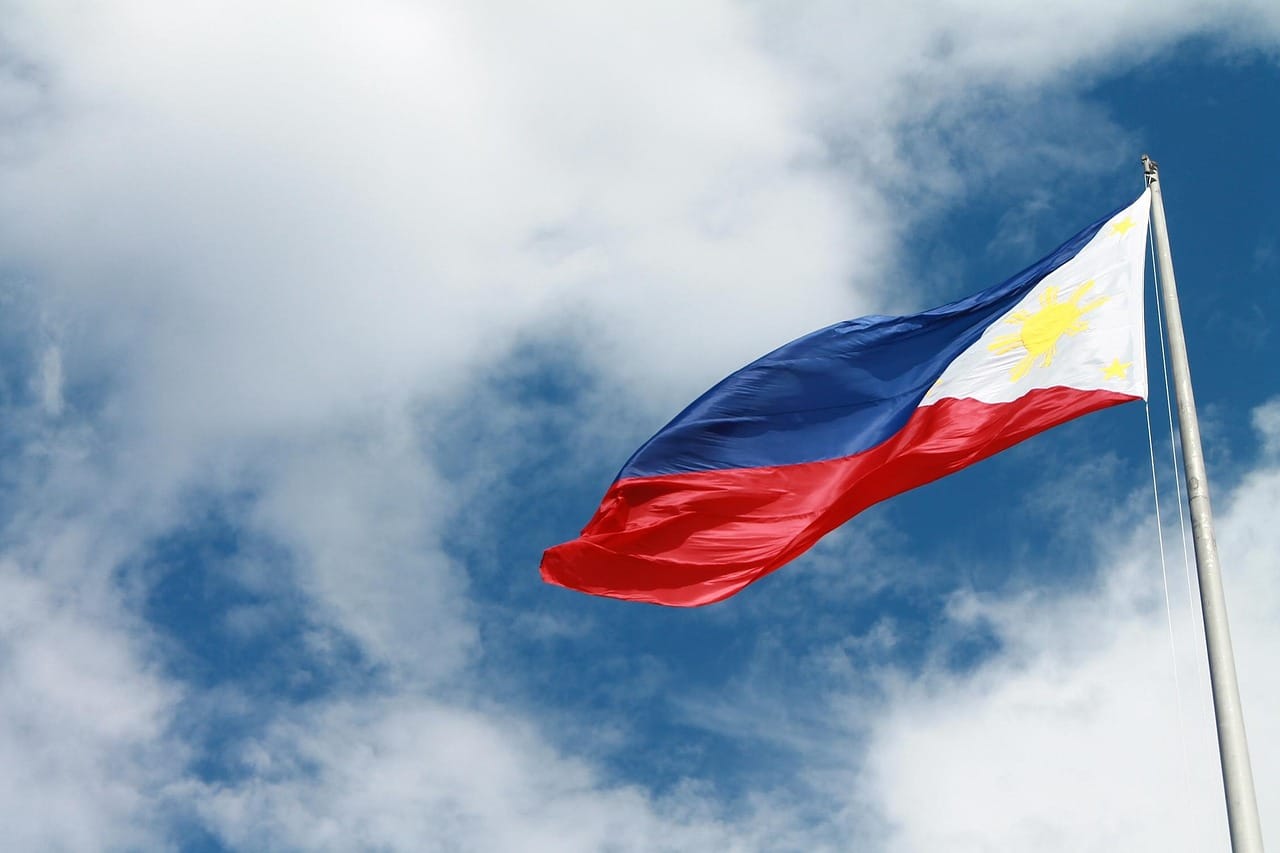
Philippines – Beautiful and culturally rich Country
The Philippines isn’t just another dot on the map—it’s a whole world tucked into more than 7,000 islands. Each one has its own flavor, its own pulse. You get postcard-perfect beaches, sure, but there’s more. The people are warm, the history runs deep, and the landscapes are wild and inviting. No wonder more and more travelers keep showing up, year after year, to soak up its tropical vibes, bustling cities, old traditions, and the kind of hospitality that makes you feel like you’ve come home. But let’s be real: the Philippines isn’t just about beaches. It’s this wild blend of nature, culture, adventure, and modern life, all coexisting in a way that just works. You can jump from hectic cities to quiet villages, climb misty mountains, or dive into deep blue seas—all in one trip. There’s really nowhere else quite like it.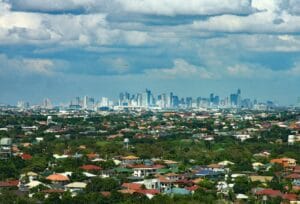
Geographical Location and Global Importance of the Philippines
You’ll find the Philippines in Southeast Asia, tucked between the Philippine Sea and the South China Sea. It’s close to Japan, China, Vietnam, Malaysia, and Indonesia, which means it’s always been part of the action—trade, culture, history, you name it. And being made up of islands gives the Philippines a special edge. Every island brings something new—different foods, customs, and sights.
Cultural History and Heritage of the Philippines
The story of the Philippines is layered. Before outsiders ever arrived, the islands were full of indigenous communities with traditions stretching back centuries. Then came waves of Spanish, American, and Asian influence, each leaving their mark. Exploring the country’s culture isn’t just interesting—it’s genuinely eye-opening. Want to really get to know the Philippines? Check out the festivals, watch a traditional dance, browse local crafts, or wander through a centuries-old landmark. The country’s diversity isn’t just a detail—it’s one of its biggest draws.
Tourism in the Philippines
Tourism is huge here, helping connect the Philippines with the rest of the world. Those 7,000 islands aren’t just numbers—they’re a string of adventures, packed with natural beauty, deep culture, and legendary hospitality. Whether you’re into beaches, mountains, food, or festivals, you’ll find your thing. And the best part? You don’t have to stick to just one scene. One day you’re sunbathing, the next you’re hiking, then you’re dancing at a festival or exploring a quiet village. It’s the kind of variety that makes a trip unforgettable.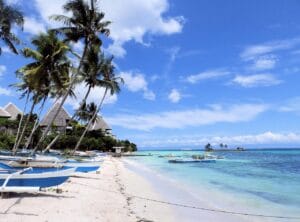
Why Tourism in the Philippines Is So Popular
People keep coming back for the views, no doubt. Crystal-clear water, beaches so white they hurt your eyes, green mountains, and coral reefs that glow with color—it’s all here. But there’s something else, too: the people. Filipinos are known for being friendly, welcoming, and always ready to help out. You feel it the moment you arrive. Language helps, too. English is spoken almost everywhere, so it’s easy for travelers to get around. And whether you’re backpacking on a shoestring or splurging on a resort, you’ll find options that fit your budget.
Beach and Island Tourism in the Philippines
Let’s talk about what really hooks most visitors: the beaches. The Philippines is famous for its islands, and for good reason. Some spots are regularly ranked among the world’s best.
Boracay – The World-Famous Beach Island
Boracay stands out, even among all these islands. Its powdery white sand, clear blue water, and lively energy make it a magnet for travelers. People come to unwind, try every water sport you can think of, watch jaw-dropping sunsets, and dive into nightlife that goes until sunrise. Boracay isn’t just a beach—it’s an experience, and it’s a huge part of why so many people fall in love with the Philippines.
Palawan – The Last Ecological Frontier
Cebu, Bohol, and Panglao each bring something different to the table. Cebu blends gorgeous beaches, waterfalls, a rich history, and a lively city scene. Bohol draws crowds with its famous Chocolate Hills and tiny tarsiers, while Panglao is the place to unwind—think quiet beaches and fancy resorts. Put them together, and you’ve got a powerhouse trio that really drives island tourism in the Philippines.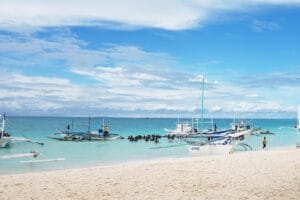
Cebu, Bohol, and Panglao
Cebu, Bohol, and Panglao each bring something different to the table. Cebu blends gorgeous beaches, waterfalls, a rich history, and a lively city scene. Bohol draws crowds with its famous Chocolate Hills and tiny tarsiers, while Panglao is the place to unwind—think quiet beaches and fancy resorts. Put them together, and you’ve got a powerhouse trio that really drives island tourism in the Philippines.
Nature and Adventure Tourism in the Philippines
There’s more to the Philippines than just its beaches. Adventure seekers flock here for the mountains, volcanoes, caves, rivers, and forests. If you’re up for it, you’ll find plenty to explore.
Mountain and Hiking Tourism
If you love hiking, Mount Apo should be on your list—it’s the highest peak in the country and a favorite among climbers. There’s also Mount Pulag, famous for its “sea of clouds” views at sunrise. Trekking and camping are picking up steam, and each year more travelers head into the hills to experience the wild side of the islands.
Rice Terraces and Rural Tourism
The Banaue Rice Terraces are legendary—these green steps carved into the mountains by indigenous people thousands of years ago. They’re more than just a pretty sight; they show how people and nature can work together. Travelers come not just for the view, but to get a taste of rural life, learn about traditional farming, and connect with local communities.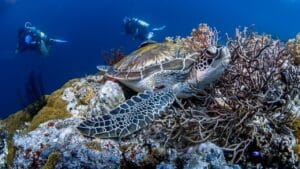
Marine and Diving Tourism
The Philippines is a diver’s paradise. Its waters belong to the Coral Triangle, home to the richest marine life on the planet.
World-Class Diving Spots
Diving hotspots like Tubbataha Reefs Natural Park, Apo Reef, Moalboal, and Anilao pull in enthusiasts from around the globe. Expect to see vibrant coral gardens, schools of tropical fish, sea turtles, and even whale sharks. Marine tourism isn’t just a sideline here—it’s a big part of why people come to visit.
Urban and City Tourism in the Philippines
City life in the Philippines has its own draw. The big cities mix modern comforts with deep history.
Manila – The Capital City
Manila sits at the heart of it all, welcoming most international visitors. There’s a lot to take in, from the old walls of Intramuros and the storied Fort Santiago to the grand San Agustin Church. If you want something more modern, Makati and Bonifacio Global City offer up bustling malls, trendy restaurants, and lively nightlife.
Cebu City and Davao City
Cebu City, often called the “Queen City of the South,” is a blend of culture, history, and easy access to nearby islands. Davao City stands out for being clean, safe, and close to nature—Mount Apo and wildlife parks are right around the corner.
Cultural and Heritage Tourism
Culture runs deep in the Philippines. You’ll find a blend of indigenous roots, centuries of Spanish rule, and touches of American influence all rolled into daily life.
Festivals and Traditions
Festivals like Sinulog, Ati-Atihan, and Pahiyas light up the calendar with wild costumes, music, and dancing in the streets. These aren’t just parties—they give visitors a real taste of Filipino spirit and tradition.
Historic Churches and Landmarks
Old churches dot the country, many of them recognized by UNESCO. These sites are stunning reminders of the Spanish era and draw visitors interested in both history and faith.
Religious Tourism in the Philippines
With the Philippines being the largest Christian nation in Asia, religious tourism is a big deal—especially during Holy Week and Christmas. People travel far for pilgrimages, to join religious festivals, or just to soak up the atmosphere at historic churches. Faith adds a powerful layer to the country’s travel scene.
Food and Culinary Tourism in the Philippines
Filipino food is all about bold flavors and variety. Culinary tourism is growing fast—travelers are hungry to try local dishes, whether it’s adobo, sinigang, lechon, kare-kare, or the famous halo-halo. Each region has its own specialties, so you’re never short on new tastes to discover.
Best Time to Visit the Philippines
For the best weather, plan your trip between November and May—this is the dry season, perfect for hitting the beach or hopping between islands. The rainy season runs from June to October; sure, it’s wetter, but you get fewer crowds and a different side of the country.
Sustainable and Eco-Tourism in the Philippines
People are paying more attention to sustainability these days, and the Philippines is catching on. Many spots now focus on protecting coral reefs, forests, and local wildlife. Community tourism, eco-friendly resorts, and conservation efforts are helping keep the islands beautiful, while also giving back to local communities.
Importance of Tourism to the Philippine Economy
Tourism creates millions of jobs in the Philippines. It supports hotels, transport services, local businesses, farmers, and artisans. Tourism also helps promote Filipino culture around the world. Because of this, the government continues to invest in tourism infrastructure and promotion.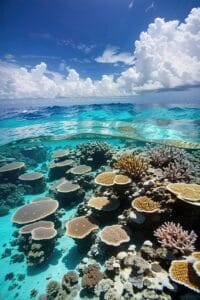
Surrounding Places and Neighboring Countries of the Philippines
Tourism keeps the Philippine economy buzzing. It gives jobs to millions—hotel staff, taxi drivers, farmers, artists, street vendors, you name it. When tourists show up, they don’t just snap photos. They eat local food, buy crafts, and end up sharing a piece of Filipino culture with the world. That’s why the government keeps spending on new roads, airports, and everything else that makes travel easier.
Geographical Location of the Philippines in Asia
Now, about where the Philippines sits on the map: it’s right in the western Pacific, tucked between the Philippine Sea on one side and the South China Sea on the other. That spot has always turned the country into a crossroads between Asia and the Pacific. The place is split into three main island groups—Luzon, Visayas, and Mindanao—all surrounded by important seas and pretty close to a bunch of Asian neighbors. Makes hopping between countries easy and pretty tempting for travelers.
Taiwan – The Nearest Northern Neighbor
Take Taiwan, for instance. It’s just to the north, across the Bashi Channel. Flights are short and not too pricey, so a lot of tourists hit both places in one trip. Taiwan’s got its lively cities and mountain views, while the Philippines brings the beach and island life. People from both sides have been mingling for centuries, especially up north.
Japan – A Key East Asian Neighbor
Then there’s Japan, northeast of the Philippines. It might not be the closest, but the ties are strong. Japanese tourists love the beaches and diving here, and Filipinos head to Japan for the cities, culture, and tech. You’ll spot Japanese influence in everything from local infrastructure to education.
China – A Major Regional Influence
China sits northwest, just over the South China Sea. It’s a huge player in the region. Tourism between the two has taken off—Chinese visitors flock to the resorts and casinos, and Filipinos travel to China for business and sightseeing. The two countries share a long history, tangled up with trade and centuries of shared routes across the water.
Vietnam – A Southeast Asian Neighbor Across the Sea
Look west and you’ll find Vietnam, just across the sea. No land borders, but there’s plenty of connection through fishing, trade, and travel. Vietnam’s all about its history, beaches, and food, and lots of travelers pair it up with a trip to the Philippines to get a taste of two cultures in one go.
Malaysia – A Southern Neighbor with Cultural Links
Last but not least, Malaysia is right down to the southwest, especially close around Borneo. The southern Philippines and eastern Malaysia have loads of shared history and culture. Tourists often visit both for the islands, rainforests, and food. Sabah, over in Malaysian Borneo, is just a hop from Mindanao and is a favorite stop for many travelers.
Indonesia – A Close Island Neighbor
Just south of the Philippines sits Indonesia, another giant among Southeast Asia’s island nations. Both countries have that tropical vibe—lush landscapes, volcanoes, and island cultures that feel a bit like cousins. Travelers bouncing around Southeast Asia often hit both Indonesia and the Philippines. Bali, Boracay, Palawan—people can’t help but compare them. The beaches, the diving, the local scenes—there’s a shared magic, but each place puts its own spin on things. It helps that the two countries are so close. There’s this constant back-and-forth—culture, food, even tourists—flowing across the sea.
Surrounding Seas and Maritime Regions
The Philippines doesn’t just sit on the map—it floats in the middle of some of the world’s most important seas. The Philippine Sea, South China Sea, Sulu Sea, Celebes Sea, and the wide Pacific—these aren’t just names on a globe. They’re the highways for island hopping, fishing, diving, and all sorts of adventures. Coral reefs teeming with life, small coastal villages, hidden beaches—the water is just as much a part of the Philippines as the land. For tourists, the sea is where the action really happens.
Nearby Island Regions and Travel Extensions
It’s not just about the international neighbors. The Philippines has island regions that stretch out toward Taiwan in the north and Malaysia and Indonesia down south. Northern Luzon and Mindanao, for example, each have their own cross-border links. Palawan, that long, skinny island, even feels like a bridge connecting the Philippines to the rest of Southeast Asia.
Travel Connections Between the Philippines and Neighboring Countries
Getting around isn’t a headache. Manila, Cebu, Clark, Davao—these airports link straight to Taiwan, Japan, China, Malaysia, Vietnam, and Indonesia. Ferries and sea routes add more options. Whether you’re a tourist or on business, hopping between countries is easy.
Best Time to Visit Surrounding Countries from the Philippines
If you want smooth sailing, aim for the dry season—November to May. The sea settles down, flights run on time, and everything just falls into place. Of course, each neighbor has its own quirks when it comes to weather, so double-check before you go.
Transportation and Travel in the Philippines
Getting around the Philippines is straightforward. Major islands connect by plane, smaller ones by boat, and there’s always a bus somewhere. Manila, Cebu, and Clark welcome people from all over, and travel doesn’t have to break the bank. It’s a good place for budget-minded adventurers.
Sustainable and Eco-Tourism in the Philippines
Sustainable tourism is taking off. More places are protecting reefs, forests, and wildlife, not just showing them off. You’ll find eco-lodges, community-run tours, and projects that make travel feel good, not just look good. It’s about keeping the country’s wild beauty alive for the next generation.
Why the Philippines Is a Must-Visit Destination
The Philippines isn’t just another pretty place—it’s a mix of beauty, culture, adventure, and warmth. Filipinos are famously friendly, and that hospitality sticks with you. Whether you want to chill out, dig into local culture, or chase adventure, the Philippines is ready for you.
Conclusion
Honestly, the Philippines stands out as one of the most exciting places to visit. The islands, the people, the mix of old and new—there’s something here you won’t find anywhere else. From tropical beaches to mountain villages, ancient cities to sprawling coral reefs, it’s the full package. And it’s not just about the Philippines itself. With neighbors like Taiwan, Japan, China, Vietnam, Malaysia, and Indonesia so close, travel in the region feels wide open. Thanks to its prime spot, rich culture, and wild nature, the Philippines shines bright on the global tourism map. If you’re looking to explore Asia, you won’t want to skip it—or its neighbors.
Author

sadikhan.ceo@gmail.com
Related posts
Slovakia
- 0
- 2,323 words
Slovakia : Discover the Hidden Gem of Central Europe Tucked right in the heart of Central Europe, Slovakia is one of those...
Read out all
Singapore
- 0
- 2,246 words
Singapore : A Global City and Travel Hub Singapore’s one of those places where modern life and nature seem to fit together...
Read out all
Seychelles
- 0
- 2,644 words
Seychelles : A Dream Destination in the Indian Ocean You hear about places as “dream destinations” all the time, but Seychelles totally...
Read out all
Serbia
- 0
- 2,789 words
Serbia Travel Guide: Regions of the Balkan Nation Serbia sits right at the heart of the Balkans, and honestly, it’s one of...
Read out all
Senegal
- 0
- 2,277 words
Senegal Travel Guide: Discover the Culture, History, Tourism, and Surrounding Regions of West Africa Welcome to Senegal—a place that really captures the...
Read out all
Saudi Arabia
- 0
- 2,914 words
Saudi Arabia: A Powerful Nation in the Middle East and Global Importance of the Kingdom Saudi Arabia stands out as one of...
Read out all