

Papua New Guinea – Country of southwestern Pacific Ocean
Papua New Guinea sits tucked away in the southwestern Pacific, and honestly, it’s one of those places that feels like a whole different world. Think thick jungles, towering mountains, wild coastlines, ancient customs, and tribes that have kept their traditions alive for centuries. Not many travelers make it out here, but that’s part of the magic. If you want adventure or a taste of real, unspoiled culture, this is the place. Word’s starting to get out though—more people are showing up every year, drawn by what makes PNG so different. What really sets Papua New Guinea apart is its mind-blowing diversity. Over 800 languages—yeah, you read that right—are spoken here. So no matter where you go, things change: the people, their clothes, their stories, even the way they greet you. One minute you’re by the sea, next you’re up in misty highlands. Every trip feels new.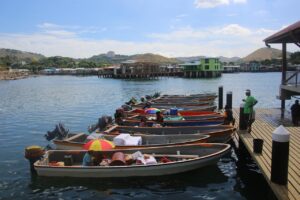
Geographical Location of Papua New Guinea
Geographically, PNG sits just north of Australia and east of Indonesia, filling up the eastern half of New Guinea island and scattering across hundreds of smaller ones. It’s surrounded by the Pacific, Coral, Solomon, and Bismarck Seas. The weather? Hot and tropical all year. The land itself is dramatic—mountains everywhere, thick rainforest, rivers cutting through the green, waterfalls, coral reefs, endless coast. No surprise, then, that it’s perfect for adventure and eco-travel.
History and Cultural Heritage of Papua New Guinea
This place has history, too. People have lived here for over 40,000 years, which makes PNG one of the oldest human homes on earth. Traditions run deep, and lots of them are still alive today. After centuries of local life, Europeans showed up—first explorers, then colonizers. Germany, Britain, Australia—they all had a turn. PNG only became independent in 1975, and you can feel the pride in that. The country is still building up, but it’s determined to hold onto its roots, and that draws in travelers hungry for real culture.
Tourism in Papua New Guinea
Tourism here isn’t like anywhere else. PNG isn’t chasing modern glitz or big resorts. Instead, it’s all about real tribal culture, raw nature, and a way of life that hasn’t changed much. This is what attracts explorers, nature lovers, and anyone looking for something genuine.
Cultural Tourism in Papua New Guinea
Culture is the beating heart of PNG tourism. With all those languages and tribes, every corner has its own music, dances, clothing, and rituals. People come from around the world to visit far-off villages, watch daily life, and witness traditional ceremonies. The Sing-Sing festivals—like the Mount Hagen and Goroka Shows—are wild, colorful, and full of energy. Tribes come from everywhere, wearing spectacular costumes, dancing, singing, and showing off customs that go back ages. Trust me, this is the kind of thing you never forget.
Adventure Tourism in Papua New Guinea
If you’re after adventure, PNG delivers. The land is rugged, rainforests are dense, and rivers are fast. This is the place for jungle treks, mountain climbs, wild rafting, and caving. The Kokoda Track stands out—a tough, historic trail that brings hikers from all over. It’s challenging, but there’s real history under your boots, and finishing it feels like an achievement.
Nature and Eco-Tourism Experiences
Nature lovers are in for a treat. PNG is one of the richest places on earth for wildlife and plants, and a lot of it hasn’t changed in thousands of years. Birdwatchers especially go nuts for the Birds of Paradise, but there’s more—waterfalls, deep caves, rushing rivers, and forests thick with life. Eco-lodges and community-run tours give visitors a chance to explore and help locals at the same time. Birdwatching is a big deal in Papua New Guinea, mostly because of the legendary Birds of Paradise. But it’s not just about the birds—travelers wander through waterfalls, caves, rivers, and mountain forests, too. Eco-lodges and community-run tourism projects let visitors dive into nature while helping local people at the same time.
Marine and Beach Tourism
Now, if you’re more into the ocean than the forest, you’re in luck. Papua New Guinea’s coastline stretches on and on, lined with clear tropical water. It’s one of the best places in the Pacific for diving and snorkeling. The coral reefs here are still vibrant and healthy, mostly because there isn’t much heavy industry messing things up. People flock to spots like Milne Bay, Kimbe Bay, and Madang. Divers love these places—for the reefs, shipwrecks, and all the sea life. Since the beaches aren’t packed with tourists, you get these quiet, untouched stretches of sand and water.
City Tourism and Urban Attractions
Cities have their own pull, too. Sure, most folks come for the wild places and deep traditions, but city life has a role. Port Moresby, the capital, is where most international visitors land. Here, you can check out the National Museum, wander through bustling markets, and stop by cultural centers to get a feel for the country’s roots. Other towns—Madang, Lae, Goroka, Mount Hagen—serve as launchpads to nearby adventures. If you want to explore city life but keep things safe and insightful, guided tours are the way to go.
Historical and War Tourism
History buffs, by the way, find plenty to dig into. Papua New Guinea played a big part in World War II, and you can still visit battlefields, see old aircraft remains, and pay respects at war memorials. The Kokoda Trail stands out, especially for those interested in the war’s history. Museums, abandoned airstrips, and battle sites add a real, educational edge to any trip.
Community-Based Tourism
Community-based tourism is on the rise all over the country. Local villages open their guesthouses and eco-lodges to visitors, serving up traditional meals and real cultural experiences. This kind of travel doesn’t just help the local economy—it keeps old traditions alive. Meeting and sharing with local people makes the trip personal and memorable.
Food and Culinary Tourism
Food in Papua New Guinea is about keeping things simple and true to the land. You’ll taste sweet potatoes, taro, fresh fish, coconut, and vegetables—usually cooked in earth ovens that give everything a distinctive, earthy flavor. Sharing meals with locals and learning how they cook is half the fun. City restaurants serve up international fare, but local dishes really steal the show.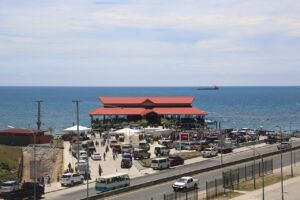
Best Time for Tourism in Papua New Guinea
If you’re planning a trip, aim for the dry season—May to October. The weather’s better for hiking, outdoor exploring, and catching big cultural festivals. This stretch of the year packs in most of the action. What makes tourism here stand out? It’s not about fancy resorts or crowds. The real draw is the adventure, the culture, the raw nature, and the connections you make along the way. People leave with lasting memories and a genuine respect for the place and its people.
Port Moresby – The Capital City
Port Moresby—the country’s capital and biggest city—is where most journeys start. It sits on the southern coast and blends new development with old traditions. The National Museum and Art Gallery give you a quick history lesson, while Nature Park and Ela Beach let you unwind outdoors. The city has its challenges, but guided tours make exploring safe and enjoyable.
Mount Hagen and the Highlands Region
Mount Hagen stands out as one of the best-known towns in Papua New Guinea’s Highlands. The whole region feels wild and alive—towering mountains, crisp air, and a tribal culture that hasn’t lost its punch. The real highlight? The Mount Hagen Cultural Show. Tribes from all over gather here, draped in bright costumes, putting on dances that you won’t see anywhere else. The Highlands aren’t just about shows, though. Hikers, bird lovers, and anyone curious about village life find a lot to dig into here. There’s a raw, genuine feel to the place, which is why so many travelers looking for real culture make the Highlands their top stop in Papua New Guinea.
Goroka – Heart of Traditional Festivals
Goroka, over in the Eastern Highlands, packs its own punch. It’s famous mostly for the Goroka Show—one of the biggest cultural blowouts in the country. Imagine waves of music, wild dances, and people painted from head to toe in traditional colors. Spend a little time outside town, and you’ll run into rolling coffee plantations and beautiful scenery. Goroka’s perfect for anyone who wants to blend culture and nature in one trip.
Madang – Coastal Beauty and Diving Paradise
Madang sits up on the northern coast, and honestly, it’s a stunner. Coral reefs ring the town, islands dot the horizon, and the water is so clear it almost doesn’t look real. If you love diving or snorkeling, Madang calls your name. But it’s not just about what’s underwater. The town itself is easy-going, and you can wander into nearby villages, browse local markets, or just kick back. Madang mixes chill vibes with adventure, which is probably why travelers from everywhere end up here.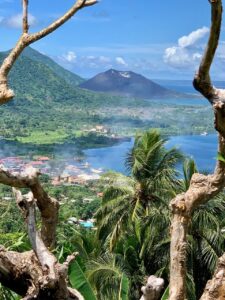
Rabaul – Volcanoes and History
On New Britain Island, Rabaul draws in the bold. It’s got active volcanoes and a past shaped by World War II. The place was actually wiped out by eruptions, but now that rugged landscape pulls in people looking for something different. You can soak in hot springs, climb up to volcanic lookout points, or hunt down relics from the war. Rabaul blends history and geology in a way you won’t find anywhere else in Papua New Guinea.
Sepik River – Traditional Life and Art
The Sepik River winds for miles, and life here still runs by old ways. Villages scattered along the banks hold tight to ancient traditions. The area is known for its bold wood carvings, masks, and spiritual stories that run deep. A trip along the Sepik feels like stepping into another world. Most visitors stay in eco-lodges and learn straight from the communities themselves. For anyone drawn to culture, this region is a must.
Natural Wonders of Papua New Guinea
Papua New Guinea holds some of the wildest, least-touched places left on Earth. Thick rainforests sprawl over the land, home to rare animals and plants you won’t see anywhere else. Birdwatchers especially chase after the country’s famous birds of paradise. There’s more to see—waterfalls, deep caves, coral reefs, and jagged mountain peaks. The best part? With so little development, most of these spots stay as pure and beautiful as they’ve always been.
Surrounding Places and Neighboring Regions
Papua New Guinea sits in a pretty important corner of the Pacific. Surrounded by islands, nearby countries, and unique regions, it’s got plenty of neighbors that add to its mix of cultures and stories. Exploring the areas around PNG gives travelers a better sense of how everything connects—history, geography, and the natural world all blending together. Papua New Guinea sits in a pretty interesting spot in the Pacific. Its neighbors aren’t just dots on a map—they shape the country’s culture, history, and even the way people travel here. If you’re thinking about exploring this part of the world, you’ll get more out of your trip if you know a little about the regions and countries around it.
Indonesia – The Closest Neighbor of Papua New Guinea
Let’s start with Indonesia. It’s Papua New Guinea’s only land neighbor—both share the massive island of New Guinea, with Papua New Guinea on the east side and Indonesia’s Papua region on the west. Sure, they’re on the same island, but honestly, they feel like two different worlds. You’ll see some overlap in tribal traditions and rainforest life, but the languages, food, and even the way things are run can be totally different. If you have time to visit the border, you’ll see all these contrasts up close. Out of all the neighbors, Indonesia feels the most connected.
Australia – The Southern Regional Connection
Head south and you’ll hit Australia, separated from Papua New Guinea by the Torres Strait. This little stretch of water has always linked the two—people traded, moved back and forth, and shared bits of their cultures. These days, Australia’s a big deal for Papua New Guinea’s economy and tourism. Most folks flying in or out of Papua New Guinea usually connect through Australian cities. The two countries are tied together in a bunch of ways, from business to travel companies that run tours across both places.
Torres Strait Islands – Cultural Bridge Between Regions
Right in the Torres Strait, you’ll find a bunch of small islands. The Torres Strait Islands are a real mix—kind of a meeting point for Melanesian and Australian traditions. People here have strong links to Papua New Guinea’s coastal communities. You won’t see a ton of tourists, but if you’re curious about the cultural blend in the region, these islands tell a fascinating story.
Solomon Islands – Eastern Neighbor with Shared Melanesian Culture
To the east, the Solomon Islands sit just beyond Papua New Guinea. Both countries are Melanesian, so you get a lot of shared customs—think village life, music, dance, and people who spend their lives on or near the water. They’ve got similar reefs and even some overlapping World War II history. If you’re into culture and history, the Solomon Islands are definitely worth a look.
Bismarck Archipelago – Island Region of Papua New Guinea
Then there’s the Bismarck Archipelago, up northeast of the mainland. These islands—New Britain and New Ireland are the big ones—are technically part of Papua New Guinea, but they feel unique. Volcanoes, sandy beaches, killer dive spots, and historical towns like Rabaul make the Bismarck Islands feel almost like a different country. Travelers often say it’s like stepping into another world.
Louisiade Archipelago – Remote Island Beauty
Swing down to the southeast and you hit the Louisiade Archipelago. It’s remote—really remote. Not many tourists find their way here, which keeps the villages and reefs pretty much untouched. If you’re the adventurous type who likes quiet places and wild beauty, this is your spot.
Micronesia – Northern Pacific Neighboring Region
Look north, and you’ll see the islands of Micronesia—places like Palau and the Federated States of Micronesia. They’re their own thing culturally, but they share ocean routes, marine life, and trading histories with Papua New Guinea. If you’re planning a big Pacific island-hopping trip, Papua New Guinea often becomes a central stop between all these northern islands.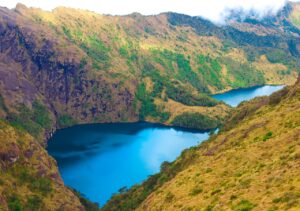
Pacific Ocean Region – Global Oceanic Connection
Trade, migration, languages, and traditions have always moved across these waters, connecting Papua New Guinea with the whole Pacific—Polynesia, Micronesia, Melanesia. For travelers, Papua New Guinea isn’t just a single destination. It’s a crossroads for all sorts of Pacific journeys, with a mix of cultures you won’t find anywhere else.
Conclusion
Papua New Guinea isn’t your average tourist spot. It’s really for folks chasing raw adventure, deep culture, and wild, untouched places. Every trip here feels different, and honestly, it sticks with you. The country sits at the crossroads of some fascinating neighbors—Indonesia, Australia, the Solomon Islands, and all those Pacific archipelagos. Each one shapes Papua New Guinea in its own way, and if you take time to explore the region, you’ll get a richer sense of its history, culture, and wild nature. Out of all the places you could go, Papua New Guinea delivers a travel experience you won’t forget.
Author

sadikhan.ceo@gmail.com
Related posts
Slovakia
- 0
- 2,323 words
Slovakia : Discover the Hidden Gem of Central Europe Tucked right in the heart of Central Europe, Slovakia is one of those...
Read out all
Singapore
- 0
- 2,246 words
Singapore : A Global City and Travel Hub Singapore’s one of those places where modern life and nature seem to fit together...
Read out all
Seychelles
- 0
- 2,644 words
Seychelles : A Dream Destination in the Indian Ocean You hear about places as “dream destinations” all the time, but Seychelles totally...
Read out all
Serbia
- 0
- 2,789 words
Serbia Travel Guide: Regions of the Balkan Nation Serbia sits right at the heart of the Balkans, and honestly, it’s one of...
Read out all
Senegal
- 0
- 2,277 words
Senegal Travel Guide: Discover the Culture, History, Tourism, and Surrounding Regions of West Africa Welcome to Senegal—a place that really captures the...
Read out all
Saudi Arabia
- 0
- 2,914 words
Saudi Arabia: A Powerful Nation in the Middle East and Global Importance of the Kingdom Saudi Arabia stands out as one of...
Read out all