
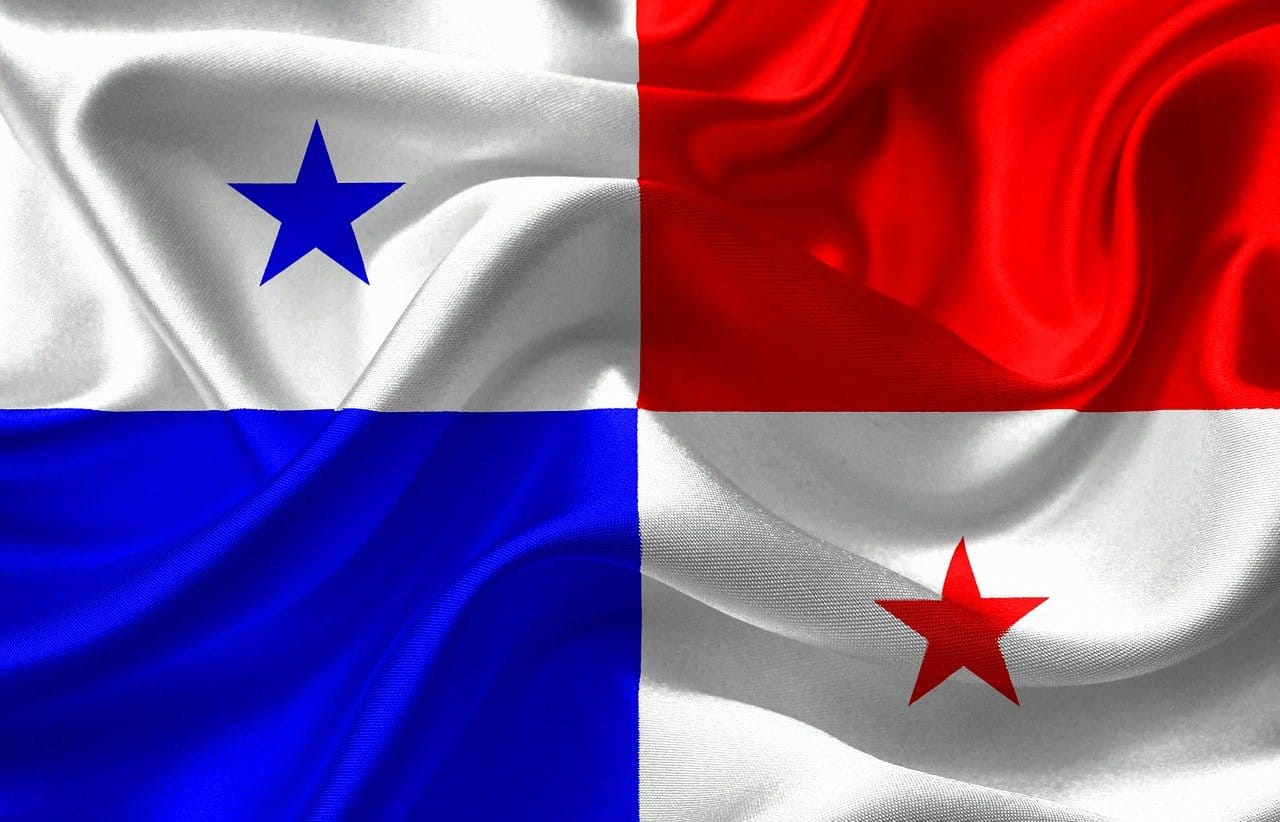
Panama – famous around the world for the Panama Canal
Panama jumps out on the map thanks to the Panama Canal—almost everyone’s heard of it—but there’s a lot more going on here. This small Central American country connects North and South America, which gives it a mix of cultures, landscapes, and energy you won’t find anywhere else. Think tropical beaches, thick rainforests, wild animals everywhere, plus a mash-up of modern city life and old traditions. With all that, it’s no wonder more and more travelers, nature lovers, and thrill-seekers end up here every year. Walk around Panama and you’ll find a little bit of everything. One minute, you’re staring up at glassy skyscrapers in Panama City; the next, you’re hiking in misty mountain villages or exploring quiet islands. The country packs so much variety into such a small space, you can flip from one kind of adventure to another in a single day.
Geographical Location of Panama
So, where exactly is Panama? It sits right between Costa Rica and Colombia, with the Caribbean up north and the Pacific down south. Because it’s basically a skinny land bridge, Panama is a key player in world trade and travel. That spot also means you can catch a sunrise on the Atlantic and a sunset on the Pacific—no kidding, it’s that close. The geography keeps things wild, too, with all kinds of plants and animals tucked into the country’s different ecosystems.
The Importance of the Panama Canal
Now, about that Canal—Panama’s calling card. It’s one of the world’s top engineering feats, linking the Atlantic and Pacific Oceans so ships can skip the long, dangerous trip around South America. Thousands of ships cut through the canal every year, turning Panama into a major crossroads for global trade. But it’s not just for cargo: tourists love watching the giant ships squeeze through the Miraflores Locks and diving into the canal’s wild backstory. The canal isn’t just an economic powerhouse; it’s a big draw for visitors, too.
How to Go to the Panama Canal
Getting to the canal is easy. It’s just outside Panama City, and you can hop in a taxi, Uber, rental car, or join a tour—it’s about a 20–30 minute drive.
Tourism Cities in Panama
Panama’s cities have their own flavor, each one pulling in a different crowd. The country has flashy modern hubs, old-world towns, laid-back beach spots, and lush mountain hideaways. That mix keeps travelers coming back, whether they’re chasing nightlife, history, or just some peace and quiet in nature.
Panama City – The Heart of Tourism in Panama
Panama City is the main event. It’s the capital, the biggest city, and the place most tourists land first. You get tall towers, fancy hotels, endless shopping, and a nightlife scene that goes late. But the city’s also packed with history. The Panama Canal is right here—millions of people come just to see it. Then there’s Casco Viejo, the old quarter, where you can wander cobbled streets past colonial buildings, old churches, museums, and rooftop cafés. Panama City’s blend of old and new makes it the go-to spot for visitors.
How to Go to Panama City
Flying in? Tocumen International Airport gets you there. It’s one of the busiest airports in the region, with direct flights from all over—North and South America, Europe, and the Caribbean.
Casco Viejo – The Historic Tourism Area
If you want more of that old-town feel, check out Casco Viejo (or Casco Antiguo). It’s a UNESCO World Heritage Site, and you can feel the history in the air. Colorful buildings line narrow streets, and you’ll find everything from art galleries to cozy restaurants and boutique hotels tucked into the neighborhood. Lots of travelers stay here to soak up local culture. Casco Viejo is a must for anyone interested in Panama’s heritage.
How to Go to Casco Viejo
It’s easy to get to—just a short ride or even a walk from other parts of Panama City.
Bocas del Toro – Island Tourism Capital of Panama
Craving islands and turquoise water? Head to Bocas del Toro, up on the Caribbean coast near Costa Rica. It’s a cluster of islands famous for their beaches, clear water, and coral reefs. People come here to snorkel, dive, swim, or do nothing at all on the sand. The town itself is full of brightly painted houses, lively cafés, and eco-friendly resorts. It’s laid back, beautiful, and draws visitors from all over.
How to Go to Bocas del Toro
Getting to Bocas del Toro is simple: fly from Panama City in about an hour, or take a bus to Almirante and catch a boat out to the islands.
Boquete – Mountain and Eco-Tourism City
Tucked away in western Panama, Boquete feels like a breath of fresh air—literally. Up in the mountains, the town’s cool weather, lush green hills, and endless coffee farms make it a world apart from Panama’s sticky coasts. Life moves slower here. The air is crisp, and the whole place just feels peaceful. People come to Boquete for a taste of adventure. Hiking winding trails, spotting rare birds, zipping through the forest canopy, or trekking up Barú Volcano (Panama’s highest peak)—this is the stuff Boquete’s known for. With so much natural beauty, it’s no wonder travelers see it as one of Panama’s top eco-tourism spots.
How to Go to Boquete
You’ll first head to David—either hop a quick domestic flight or take the bus from Panama City. From there, it’s about an hour by taxi or bus up into the hills.
David – Commercial and Travel Hub of Western Panama
David isn’t flashy, but it’s the heart of Chiriquí Province and the busiest city in western Panama. Think of it as the jumping-off point for exploring the region—Boquete’s mountains, the nearby Pacific beaches, and more. It’s a commercial city, so you’ll find plenty of hotels, big stores, and lively local markets. Most folks pass through David on their way to somewhere else, but the city’s a handy pit stop—and it keeps Panama’s tourism network running smoothly.
Colón – Caribbean Port and Shopping City
On Panama’s Caribbean coast, Colón buzzes with energy. This port city is famous for the enormous Colón Free Trade Zone—one of the world’s biggest duty-free shopping areas. Tourists come for bargains, and cruise ships stop here all the time. But Colón’s got more going on than shopping. It’s close to old Spanish forts, wild beaches, and thick rainforest. Thanks to its port and prime location, Colón is a key piece of Panama’s tourism puzzle.
Santa Catalina – Surf Tourism Destination
Santa Catalina is tiny and laid-back, but surfers know it well. Sitting on Panama’s Pacific coast, it draws wave-chasers from around the world. The surf is strong and steady, and life here moves at a slow, sandy pace. It’s not all about surfing, though. Santa Catalina is also the main launch point for boat trips to Coiba National Park, where divers and snorkelers find jaw-dropping marine life and coral reefs. There’s a reason the town’s a top pick for adventurers and nature-lovers.
How to Go to Santa Catalina
From Panama City, take a bus or drive to Santiago, then keep going by road to the coast. All in, you’re looking at a six to seven hour trip.
Coiba National Park – Nature and Diving Paradise
Coiba National Park is the kind of place that sticks with you. Wild, beautiful, and full of life—divers and snorkelers come here to swim with sharks, dolphins, turtles, and schools of colorful fish. Whale watching? You bet. This is one of Panama’s best spots for experiencing nature at its rawest.
How to Go to Coiba National Park
Most travelers base themselves in Santa Catalina and book a boat tour out to Coiba Island. Local guides handle the transport and the tour itself.
Colón – Caribbean Port and Shopping Zone
Colón is located on the Caribbean side near the Panama Canal. It is known for the Colón Free Trade Zone, historic forts, and port activities. It is popular for shopping and cruise tourism.
Penonomé – Cultural Tourism City
Right in the middle of Panama sits Penonomé, a town alive with tradition. Markets spill into the streets, colorful festivals light up the calendar, and everywhere you look, there’s a sense of real Panamanian heritage. Travelers come here to taste local food, shop for crafts, and see a side of Panama that hasn’t changed much in decades. Penonomé’s location makes it a great stop while exploring Panama’s interior, and the town plays a big part in keeping the country’s cultural tourism scene vibrant.
Beaches of Panama
Panama’s got beaches for days—on both the Caribbean and Pacific sides. Bocas del Toro is the go-to spot up north, with clear waters, coral reefs, and a laid-back island vibe. Down south, places like Santa Catalina are famous for their surf and gorgeous sunsets. Honestly, beach tourism is a huge deal here. It’s a big reason people keep coming back.
San Blas Islands – Indigenous Island Experience
Picture tiny islands scattered across turquoise water—that’s San Blas. The Guna Yala people run things here, and they’ve kept their culture and the islands’ wild beauty intact. Travelers come for the white sands, the simple life, and a chance to learn from the Guna themselves.
How to Go to San Blas Islands
Start in Panama City, then head out by 4×4 to the Caribbean coast. From there, it’s a boat ride to the islands. Most visitors just book a package tour that covers the whole journey.
Rainforests and Wildlife in Panama
Panama’s rainforests are wild and teeming with life—think monkeys swinging between trees, sloths napping overhead, maybe even a jaguar hiding deep in the jungle. Birders go nuts here; the country’s home to over 1,000 different bird species. Parks like Soberanía and Darién keep these forests safe and full of surprises.
Indigenous Culture and Traditions
Panama’s roots run deep. The Guna, Emberá, and Ngäbe-Buglé communities still live much as they have for generations—making traditional crafts, wearing their own colorful clothes, and holding onto their customs. Visiting their villages gives you a real sense of Panama’s cultural variety. You don’t just see it; you feel it.
Panama Cuisine – Local Food Experience
Panamanian food keeps things simple but packs in the flavor. You’ll find sancocho (a hearty chicken soup), crispy patacones (fried plantains), and all kinds of fresh seafood on most menus. Tropical fruits are everywhere, and they’re cheap—grab a mango or pineapple from a street vendor and you’re set. Food tourism’s really taking off in Panama these days.
Best Time to Visit Panama
If you’re looking for sunshine and perfect beach weather, aim for the dry season—December through April. The skies are clear, the sun’s out, and it’s ideal for hitting the coast or hiking outdoors. But don’t write off the rainy season, from May to November. Sure, there’s more rain, but you’ll deal with fewer crowds and everything turns a lush green. Sometimes that’s the vibe you want.
Surrounding Countries and Places Around Panama
Panama sits on this skinny bit of land, the bridge between North and South America. Its neighbors and nearby waters shape its culture, tourism, and even the way the world looks at it. Knowing what’s around Panama helps you plan your trip—and appreciate why it’s such a big deal geographically.
Costa Rica – Panama’s Western Neighbor
To the west, you’ve got Costa Rica—one of the top spots in Central America. The two countries share a long border, and it’s easy to move between them. Travelers often squeeze both into one trip. You get rainforests, volcanoes, waterfalls, and loads of wildlife on both sides. Places like Bocas del Toro in Panama and Puerto Viejo in Costa Rica are magnets for beach lovers and adventurers. Costa Rica and Panama also share similar ecosystems, so if you love cloud forests and coastlines, you’re in luck.
Colombia – Panama’s Eastern Neighbor
Head east and you’re looking at Colombia. There’s the wild Darién Gap in between—a dense jungle that pretty much stops road travel—but the connection is still strong. Colombian culture, music, and food spill over into Panama, especially along the Caribbean coast. Big Colombian cities like Cartagena, Medellín, and Bogotá are just a plane ride away from Panama City. Trade and tourism keep the ties tight.
The Caribbean Sea – Northern Surroundings of Panama
Up north, the Caribbean Sea shapes a lot of what Panama’s about. Along the coast, you’ll find gorgeous islands, coral reefs, and amazing marine life. San Blas Islands and Bocas del Toro stand out for snorkeling, diving, and getting a taste of local culture. The Caribbean also connects Panama to island nations nearby, making it a key part of the country’s story.
The Pacific Ocean – Southern Border of Panama
Look south and you’ll hit the Pacific. Panama’s Pacific coast runs long, with quiet fishing villages and top-notch surf spots. Beaches like Santa Catalina, Playa Venao, and the Pearl Islands are favorites. The Pacific is also a major player in shipping, thanks to the Panama Canal, which links the Pacific and the Atlantic. The ocean isn’t just a border—it’s a lifeline.
The Darién Gap – Natural Border Region
Between Panama and Colombia sits the Darién Gap, a massive stretch of rainforest that feels almost untouched. Indigenous communities live here, and the biodiversity is off the charts. It’s tough to reach, but that’s part of its draw for eco-tourists and conservationists. The Darién acts as a natural barrier and gives Panama a unique edge.
Central America – Regional Surroundings
Panama’s part of Central America, with countries like Nicaragua, Honduras, and Guatemala up north. They don’t share borders, but there’s plenty of crossover through travel, trade, and culture. Lots of visitors hit Panama as a stop on a bigger Central America adventure.
Caribbean Islands – Nearby Island Destinations
Panama doesn’t border the Caribbean islands directly, but places like Jamaica, Cuba, and the Cayman Islands aren’t far off. Cruise ships often swing through Panama on their routes. These connections boost Panama’s profile as a travel hub in the region.
South America – Continental Connection
Finally, Panama’s known as the gateway to South America. With Colombia right next door, it’s the jump-off point for trips to places like Ecuador, Peru, and Brazil. Being that bridge between continents puts Panama in a unique spot—travelers and traders both take notice.
Why Surrounding Places Are Important for Panama Tourism
The places around Panama aren’t just dots on a map—they actually shape the way people travel, connect, and even do business here. Neighboring countries open up more ways for tourists to get in and out, while those surrounding seas? They don’t just look pretty. They’re alive with marine life, cruises, and international ships passing through. So, Panama isn’t just somewhere you visit. It’s the hub that ties so much of this region together.
Conclusion
Panama stands out because it’s got a little of everything: shiny modern cities, wild landscapes, deep history, and a mix of cultures you won’t find everywhere. Maybe you’re chasing beaches, curious about wildlife, hooked on history, or just want to shop—it’s all here. Look at where it sits: right between Costa Rica and Colombia, bordered by both the Caribbean Sea and the Pacific Ocean, with wild spots like the Darién Gap close by. These neighbors and natural wonders don’t just sit quietly—they help make Panama more interesting, more diverse, and a bigger deal on the world stage. All together, they turn Panama into a travel hotspot that’s as strategic as it is exciting.
Author

sadikhan.ceo@gmail.com
Related posts
Slovakia
- 0
- 2,323 words
Slovakia : Discover the Hidden Gem of Central Europe Tucked right in the heart of Central Europe, Slovakia is one of those...
Read out all
Singapore
- 0
- 2,246 words
Singapore : A Global City and Travel Hub Singapore’s one of those places where modern life and nature seem to fit together...
Read out all
Seychelles
- 0
- 2,644 words
Seychelles : A Dream Destination in the Indian Ocean You hear about places as “dream destinations” all the time, but Seychelles totally...
Read out all
Serbia
- 0
- 2,789 words
Serbia Travel Guide: Regions of the Balkan Nation Serbia sits right at the heart of the Balkans, and honestly, it’s one of...
Read out all
Senegal
- 0
- 2,277 words
Senegal Travel Guide: Discover the Culture, History, Tourism, and Surrounding Regions of West Africa Welcome to Senegal—a place that really captures the...
Read out all
Saudi Arabia
- 0
- 2,914 words
Saudi Arabia: A Powerful Nation in the Middle East and Global Importance of the Kingdom Saudi Arabia stands out as one of...
Read out all