
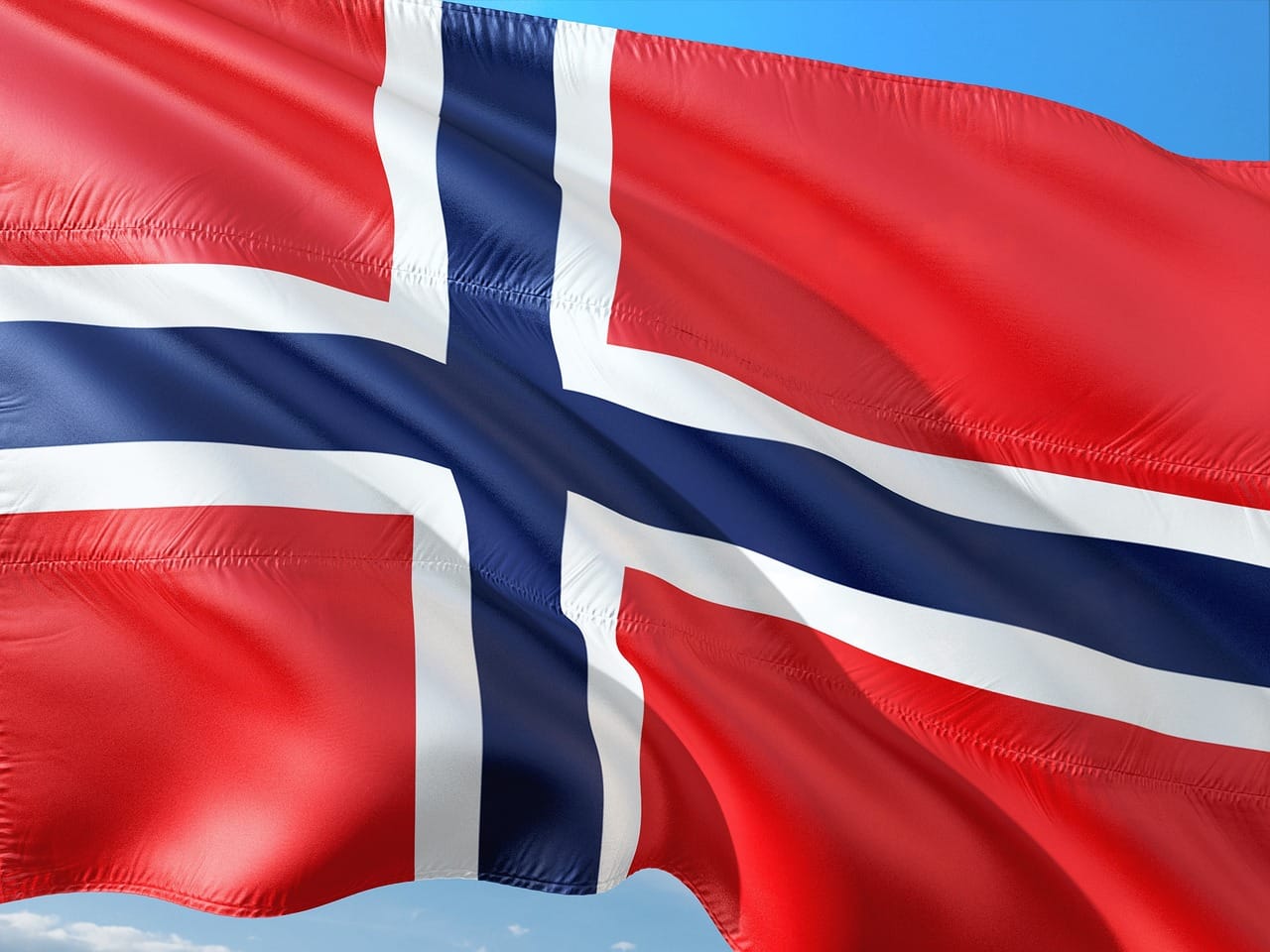
Norway – Beautiful and peaceful countries in the World
Norway really does feel like a place out of a dream. Up in Northern Europe, it’s famous for those wild, twisting fjords, massive mountains, thick forests, and cities so spotless they almost sparkle. What’s wild is how life here just slides right alongside nature—nobody’s fighting it, everyone’s just part of the landscape. People show up from all over, chasing the raw scenery, the sense of adventure, the culture, and that promise you hear about: a great life. It’s not a huge country, population-wise, but Norway never feels small. Oslo has its energy, coastal fishing villages are so quiet you can hear the gulls, and then there’s the north—where the Northern Lights dance in winter, and in summer, the sun just refuses to set. Every season flips the place into something new. No shock that more and more people are coming here. Norway’s on just about every “must-see” list in Europe now.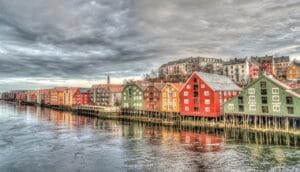
Geographical Location and Natural Landscape of Norway
The lay of the land is wild. Norway stretches along the western side of Scandinavia, right up against Sweden, Finland, and Russia. The North Atlantic smashes into a coastline that’s all jagged edges and drama—glaciers carved it up ages ago, so you get these deep fjords, rocky islands, and cliffs that look like they belong in a fantasy novel. Peaks that scrape the sky, valleys hiding blue-tinted glaciers, waterfalls leaping off cliffs, lakes so still they look like mirrors, and endless forests all could do in same place.. Those fjords? Glaciers shaped them thousands of years back, and now they’re the kind of thing you have to see to believe. Nature lovers, photographers, hikers, or anybody who just wants to breathe for a while—all of them find their place here.
Climate and Seasonal Beauty of Norway
Weather depends on where you land. The coast stays pretty mild in winter because the Gulf Stream keeps things cozy, but head inland or up north and it gets seriously cold. Summers are crisp and cool—perfect for exploring. Up north, you get the Midnight Sun, weeks where the sun just hangs in the sky. In winter, the Northern Lights turn the night into a light show you’ll never forget. Honestly, these aren’t just pretty sights—they’re a huge part of why people want to come. Norway’s story goes way back. Picture Viking ships cutting through icy water—those old explorers still shape how Norwegians see themselves.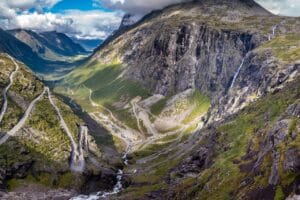
History and Cultural Heritage of Norway
Tourism here balances everything—nature, culture, and keeping things sustainable. The fjords, mountains, northern lights, and peaceful cities keep people coming back. Travelers chase the clean air, untouched scenery, and a lifestyle that actually feels real. Norway isn’t about crowded tourist traps. Instead, you get genuine experiences and a feeling that people and nature actually get along.
Tourism in Norway – A World-Class Travel Destination
What keeps Norway special? The country protects its wild places but still makes sure you’re comfortable. Transport’s easy, cities are safe, and they really care about eco-friendly tourism. Doesn’t matter if you’re traveling solo, with kids, with a partner, or out for an adventure—you’ll find your thing here.
Nature-Based Tourism in Norway
Nature is really the main event. The landscapes are legendary: deep blue fjords, huge mountains, rivers, glaciers, waterfalls, forests, and a coastline that just goes on and on. Some fjords—like Geirangerfjord and Nærøyfjord—even made UNESCO’s World Heritage list, so people come from all over just to see them. Take a cruise and you’re gliding past sheer cliffs and waterfalls—pure peace.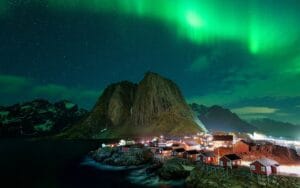
Northern Lights and Arctic Tourism
The Northern Lights put Norway on the map. Head up to Tromsø, Alta, or the Lofoten Islands, and you’ll find yourself in some of the best places on the planet to catch the Aurora Borealis. Every winter, people flock north for a shot at those wild green colors streaking across the sky. But there’s more to northern Norway than just chasing the lights. Up here, dog sledding, snowshoeing, reindeer sleigh rides, ice fishing, and winter photography all compete for your attention. Then summer flips the script. The Midnight Sun takes over, and suddenly it’s daylight around the clock. You can hike, fish, or just wander whenever you want—even at 2 a.m. That swing between endless night and never-ending day? It sticks with you. It’s a huge part of what makes the Arctic feel so different.
City Tourism and Cultural Experiences
Nature grabs most of the headlines, sure, but don’t count out Norway’s cities. Oslo’s the beating heart—a place where old stories, cutting-edge art, and new ideas crash together. You’ve got museums, royal palaces, sleek architecture, parks, and a food scene that keeps getting better. Something’s always happening—festivals, markets, you name it. Bergen’s a standout, too. Those colorful wooden houses by the harbor, squeezed between mountains and sea, look straight out of a painting. People call it the “gateway to the fjords,” and it lives up to the hype. Trondheim, Stavanger, and Ålesund each have their own style—history, architecture, and that unmistakable coastal feel. Norwegian cities are easygoing and safe, and they’re built for exploring. There’s something for everyone, no matter your age.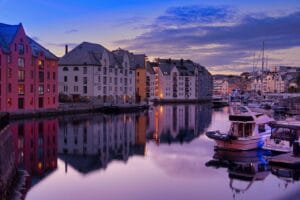
Adventure and Outdoor Tourism
If you’re after adventure, Norway’s basically a giant playground. Skiing, snowboarding, kayaking, rafting, cycling, fishing, climbing—it’s all here. Winter is prime time for skiers, especially up north and in the mountains, but as soon as things thaw, people trade skis for hiking boots or kayaks. Trails open up, camping season starts, and the fjords turn into a paddler’s dream. Norway’s “Right to Roam” law lets you wander and camp almost anywhere, as long as you take care of the land. That freedom makes the outdoors feel personal, and it’s a big part of the country’s spirit.
Wildlife and Eco-Tourism
Norway’s wild side is a real draw. Moose, reindeer, whales, eagles, Arctic foxes—it’s all out there if you look. Whale watching is huge up north, especially with orcas and humpbacks making appearances. Eco-tourism isn’t just talk. Tour companies stick to strict rules to protect animals and the places they live. Responsible travel isn’t just an idea here—it’s how they do things. That means these wild experiences stick around for everyone who comes after.
Food and Culinary Tourism in Norway
Norwegian food keeps it simple and local. Seafood rules—salmon, cod, shrimp, and more. Classic meals are hearty and unfussy, with potatoes, dairy, and berries showing up a lot. But things aren’t stuck in the past. Norway’s food scene is changing fast. Chefs focus on local, organic ingredients and sustainable cooking. Food festivals, seafood markets, and cozy cafés give you plenty of chances to get a real taste of Norwegian life.
Sustainable and Responsible Tourism
Sustainability isn’t just a buzzword in Norway—it’s baked into daily life. Clean public transport, businesses that really care about the environment, and a push to keep travel green make a difference. Travelers are asked to respect nature, cut down on waste, and help out local communities. It’s not just about protecting the land—it actually makes traveling here better.
Major Tourist Cities in Norway
Norway’s cities aren’t just pretty backgrounds for the fjords—they’re destinations themselves. Each one offers something different: wild views, deep history, modern culture, or just a great place to walk and take it all in. They tie nature and culture together, and honestly, that’s a huge reason people keep coming back.
Oslo – The Capital City of Norway
Oslo is Norway’s biggest city and the first place most visitors land. It sits right on the Oslo Fjord, where modern buildings and old landmarks share space with parks and trails. The city is clean, easy to get around, and just has a good energy. Oslo’s packed with top museums, royal spots, and a buzz that makes it worth a visit any time of year.
Bergen – The Gateway to the Fjords
Bergen feels like a city pulled straight from a postcard. It’s also the place where a lot of adventures begin. Hop on a fjord cruise or catch a scenic train, and you’ll find yourself heading toward legendary spots like Geirangerfjord and Nærøyfjord. But Bergen isn’t just about nature. You’ve got museums, art galleries, seafood that’s as fresh as it gets, and lively markets where the city hums with life. If you’re exploring Norway, Bergen’s a stop you just can’t skip.
Trondheim – History, Education, and Culture
Trondheim wears its history proudly. It’s one of Norway’s oldest cities and used to be the capital, which gives the place a certain weight. Walk around, and you can’t miss Nidaros Cathedral—it towers over the city, a stunning medieval landmark and a pilgrimage site for centuries. But Trondheim isn’t stuck in the past. With its big student population, the city buzzes with energy.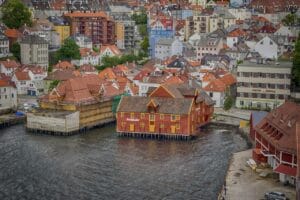
Stavanger – Oil City and Natural Beauty
Stavanger sits on Norway’s southwest coast, and it’s got a foot in two worlds. On one side, it’s the heart of Norway’s oil industry. On the other, it’s a gateway to some of the country’s wildest, most famous landscapes. The big draw? Preikestolen—Pulpit Rock—a sheer cliff that juts out over the fjord. If you love a good hike and a jaw-dropping view, you can’t miss it. Stavanger itself is easy to love, too. The old town’s all narrow streets and white wooden houses, while the food scene mixes traditional flavors with modern flair.
Tromsø – Arctic City of the Northern Lights
Head above the Arctic Circle, and you’ll hit Tromsø—a city that just feels different. People travel from all over to catch the Northern Lights here. In winter, the sky dances with color, and the whole place buzzes with excitement. Dog sledding, snow adventures, crisp polar air—it’s all part of the package. When summer rolls around, Tromsø flips the script. The sun never sets, so you can hike or kayak at midnight if you want.
Ålesund – Architecture and Coastal Scenery
Ålesund looks like a fairytale town by the sea. After a fire in the early 1900s, the city rebuilt itself in bold Art Nouveau style—now, everywhere you look, you see turrets, spires, and ornate details. It’s not just about the city, though. Ålesund sits close to some of Norway’s most famous fjords, so it’s a popular stop for cruise ships and travelers chasing epic views. Climb up Aksla Hill, and you get a sweeping panorama of islands, sea, and mountains. For anyone into architecture or photography, Ålesund’s a dream.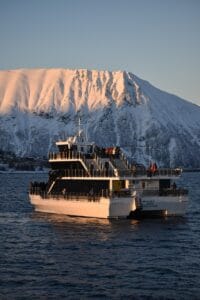
Kristiansand – Southern Charm and Family Tourism
Down in the south, Kristiansand feels warm and easygoing. The beaches are sandy, the climate’s mild, and the city has a friendly, laid-back vibe. Families love it here—there’s a charming old town, busy waterfronts, and plenty of things for kids to do. The big hit? Kristiansand Zoo and amusement park. It’s famous all over Norway, and for good reason. With its safe streets and coastal beauty, Kristiansand shines, especially in summer.
Lillehammer – Sports and Cultural Heritage
Lillehammer grabbed the world’s attention during the 1994 Winter Olympics, and it’s kept the momentum going ever since. There’s more than just sports, though. Open-air museums and cultural centers give you a real taste of traditional Norwegian life. Lillehammer’s Olympic legacy and natural setting keep drawing visitors who want both action and a bit of culture.
Top Tourist Attractions in Norway
Norway’s packed with places that just stop you in your tracks. Geirangerfjord and Nærøyfjord top the list—both are UNESCO sites, with dramatic cliffs, waterfalls, and mirror-calm waters. Then there’s Preikestolen, Trolltunga, and the Lofoten Islands, each offering its own kind of wild, unforgettable beauty.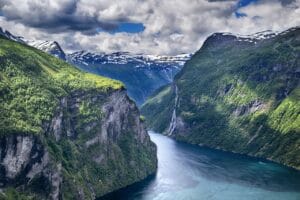
Surrounding Countries and Places Around Norway
Sweden
Sweden—Norway’s closest neighbor—runs right along its eastern border. The countries share more than a line on a map; their histories and cultures are deeply tangled. It’s easy to cross back and forth, and lots of people do, whether they’re driving, hopping on a train, or catching a short flight. Cities like Stockholm, Gothenburg, and Malmö often end up on the same itinerary as Oslo and Bergen. The borderlands are all forests, lakes, and quiet little towns—perfect for anyone after some peace and natural beauty. Honestly, if you’re traveling in Norway, you almost can’t help but end up in Sweden too.
Finland – Gateway to the Arctic and Lapland
Now, head far northeast and you’ll hit Finland. This is where Norway meets the Arctic and Lapland, famous for its endless winter and the kind of snow adventures that make you feel like you’re in another world. People come here for reindeer, for glimpses of the Northern Lights, and for that raw, wild landscape. The border between Norway and Finland is quiet, almost untouched, with vast forests and lakes stretching out in every direction. There’s also a strong Sami presence here, adding a distinct Arctic flavor to any trip through the region.
Russia – Remote Border and Arctic Influence
Russia’s border with Norway is short and way up in the far northeast, but it’s a big deal, historically and strategically. Not many tourists cross here, but the area is unique, with Russian influences mixing into Norway’s Arctic edge. This is the Barents region—think tough weather, wild animals, and the Northern Lights flickering across the sky. It doesn’t see as many visitors, but it’s a key spot for anyone curious about Arctic exploration.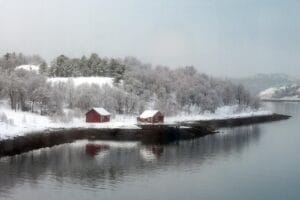
Denmark – Maritime Neighbor and Scandinavian Link
Denmark doesn’t touch Norway by land, but it’s just across the North Sea and Skagerrak Strait. The two countries were basically joined at the hip for centuries, and that connection still shows. Lots of travelers hit both Denmark and Norway in one go—cruise ships and ferries make it simple. Copenhagen, Oslo, Bergen—they’re all linked on the classic Scandinavian route. Denmark’s gentle landscapes and old cities are a total contrast to Norway’s cliffs and fjords, which makes seeing both in one trip pretty appealing.
The North Sea – Western Gateway to Europe
Head west from Norway and you hit the North Sea. This is Norway’s link to the rest of Western Europe—places like the UK, Germany, and the Netherlands. The sea has shaped Norway’s trade, its culture, and, more recently, its tourism. Cruise ships ply these waters, stopping in Bergen, Stavanger, and Ålesund. For a lot of travelers, the North Sea is how they first arrive in Norway.
The Norwegian Sea – Access to Islands and Coastal Beauty
To the northwest, the Norwegian Sea separates the mainland from islands like Lofoten and Vesterålen. If you’ve seen those iconic photos of jagged peaks dropping into the ocean, you’re probably looking at this region. Fishing villages cling to the edges, and the whole place buzzes with marine life. This sea also ties Norway to Iceland and the Faroe Islands, so it’s part of a bigger North Atlantic travel loop. People come for the scenery, the wildlife cruises, and the sense of being right on the edge of the world.
The Barents Sea – Arctic Frontier of Norway
North of Norway, the Barents Sea marks the country’s Arctic frontier. It’s cold, rich with fish, and wild—one of the best spots on earth for catching the Northern Lights. Coastal towns up here draw in adventurers and scientists alike, and the sea itself links Norway and Russia, making it important for Arctic research and travel.
Svalbard – Arctic Territory Near Norway
Then there’s Svalbard, a cluster of icy islands between Norway and the North Pole. It’s remote, wild, and unforgettable. Glaciers, polar bears, endless tundra—you get it all here. Svalbard is a magnet for adventurers, wildlife watchers, and researchers. If you’re looking for somewhere totally different, this is it. Lots of Norway travelers tack on a trip to Svalbard for that taste of the extreme Arctic.
Iceland – North Atlantic Neighbor
Sure, Iceland doesn’t share a border with Norway, but it’s still just around the corner in the North Atlantic. People often group them together, probably because both places have wild landscapes—think volcanoes, thundering waterfalls, and those rugged coastlines that seem to go on forever. Travelers like to compare the two or squeeze them into the same trip for a reason.
Best Time to Visit Norway
When’s the best time to go? Well, it really comes down to what you want out of your trip. Summer—June through August—is perfect if you’re into hiking, exploring fjords, and soaking up those endless daylight hours. If you’re chasing the Northern Lights or can’t wait to hit the slopes, winter from November to March has you covered. Spring and autumn are nice, too. You’ll dodge the crowds, catch some gorgeous colors, and probably enjoy a quieter trip.
Conclusion
Norway packs in a lot—jaw-dropping nature, rich culture, and memories you’ll never forget. You get dramatic fjords, Arctic magic, buzzing cities, and old traditions all in one place. The country cares about sustainability, feels safe, and really delivers when it comes to quality. Honestly, if you want to reconnect with nature, wander through landscapes you won’t find anywhere else, and see how good life can be, Norway’s hard to beat.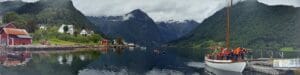
Author

sadikhan.ceo@gmail.com
Related posts
Slovakia
- 0
- 2,323 words
Slovakia : Discover the Hidden Gem of Central Europe Tucked right in the heart of Central Europe, Slovakia is one of those...
Read out all
Singapore
- 0
- 2,246 words
Singapore : A Global City and Travel Hub Singapore’s one of those places where modern life and nature seem to fit together...
Read out all
Seychelles
- 0
- 2,644 words
Seychelles : A Dream Destination in the Indian Ocean You hear about places as “dream destinations” all the time, but Seychelles totally...
Read out all
Serbia
- 0
- 2,789 words
Serbia Travel Guide: Regions of the Balkan Nation Serbia sits right at the heart of the Balkans, and honestly, it’s one of...
Read out all
Senegal
- 0
- 2,277 words
Senegal Travel Guide: Discover the Culture, History, Tourism, and Surrounding Regions of West Africa Welcome to Senegal—a place that really captures the...
Read out all
Saudi Arabia
- 0
- 2,914 words
Saudi Arabia: A Powerful Nation in the Middle East and Global Importance of the Kingdom Saudi Arabia stands out as one of...
Read out all