
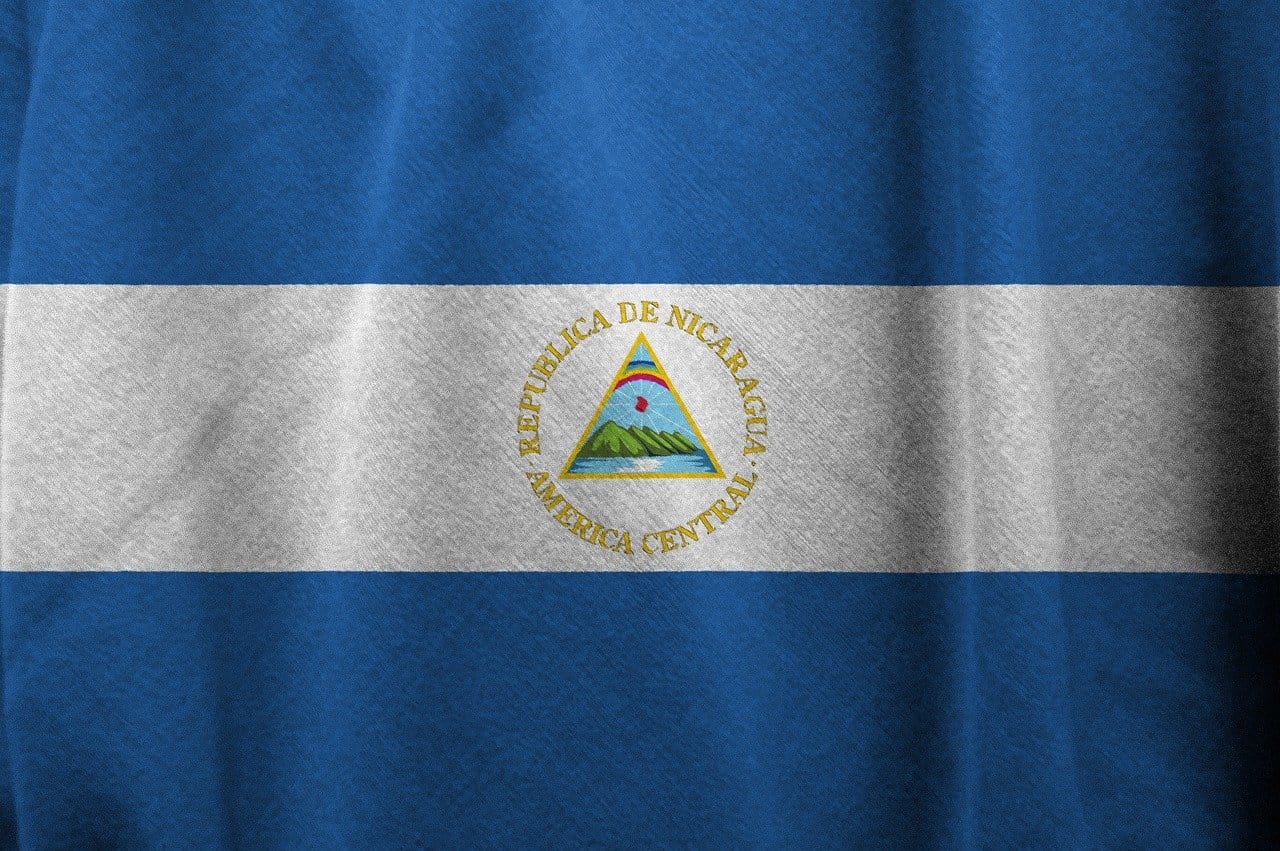
Nicaragua – The Land of Lakes and Volcanoes
Nicaragua doesn’t just sit quietly in the middle of Central America. It stands out—full of color, history, and wild natural beauty. People call it the “Land of Lakes and Volcanoes,” and honestly, the name fits. Picture enormous freshwater lakes, dramatic volcanoes, and landscapes that keep surprising you around every corner. Tucked between Honduras and Costa Rica, Nicaragua brings together old colonial cities, rainforests, beaches, adventure, and a genuinely warm local vibe. It’s not packed with tourists, either, which means you get a travel experience that feels real and unforgettable. More and more travelers are catching on. They come to Nicaragua looking for something genuine—a place that’s rich in traditions, easy on the wallet, and absolutely stunning. Whether you’re into exploring islands formed by volcanoes, wandering cobblestone streets, or soaking up sunshine on quiet beaches, you’ll find your thing here. And the people? They’re welcoming from the moment you step off the plane.
Geographical Location and Global Importance of Nicaragua
Nicaragua is actually the biggest country in Central America, wedged between the Pacific and the Caribbean. This spot gives it a wild mix of landscapes and ecosystems. Honduras hugs the north, Costa Rica stretches out to the south, and the country itself has always been a crossroads—traders, migrants, and cultures all pass through. You’ll find Lake Nicaragua here, one of the largest freshwater lakes on the continent. Look around and you’ll see mountains, active volcanoes, green valleys, rivers, and endless coastline. Nature lovers, eco-tourists, and anyone craving adventure keep coming back.
Rich History That Shapes Nicaragua Today
Nicaragua’s history is deep and complex, shaped by indigenous civilizations, Spanish colonization, and modern political changes. Then the Spanish arrived in the 1500s, building cities and churches, leaving their mark everywhere. That old-world influence still lingers, especially in cities like Granada and León. Walk those streets—see the bright buildings, the grand cathedrals, the old stone roads—and you’re seeing history alive and well. Nicaragua’s been through a lot since then: independence, revolutions, big changes. Its story lives on in museums, street festivals, and everyday life.
Culture and Traditions of Nicaragua
Culture here is a lively mix—indigenous roots blended with Spanish tradition. And when it comes to celebrations, Nicaragua doesn’t hold back. The year’s full of festivals—La Purísima, Semana Santa, and all sorts of local saint’s days. Expect colorful processions, homemade food, music, and a community spirit that pulls everyone in, including visitors.
Tourism in Nicaragua – An Emerging Global Destination
Lately, Nicaragua’s been popping up on more travelers’ radar—people looking for adventure, culture, and unspoiled beauty. It’s still kind of a secret compared to its neighbors, which just makes it more tempting. You get volcano hikes, lake islands, old colonial towns, and long stretches of beach—with space to breathe. Nature is the big draw. There are volcanoes to climb, rainforests to wander, rivers to paddle, and two different coasts to explore. Whether you’re into backpacking, family trips, photography, or just soaking up nature, there’s no shortage of things to do.
Cultural and Historical Tourism in Nicaragua
Culture matters here. You see it in the architecture, festivals, and daily rituals. Granada and León are the go-to cities for soaking up the past—think bold colonial buildings, grand old churches, museums, and plazas buzzing with local life. Wandering these streets feels like time travel. And the festivals? They’re loud, joyful, and packed with music and dance.If you want to experience the real Nicaragua, just show up and join in.
Nature and Eco-Tourism in Nicaragua
Eco-tourism is booming in Nicaragua. The country puts real effort into protecting its wild places—national parks, reserves, wildlife programs, you name it. If you care about sustainability, you’ll probably feel right at home here. Nicaragua bursts with life. There are tropical forests, wetlands, and stretches of protected ocean.
Volcano Tourism and Adventure Activities
Here’s something you don’t find everywhere: volcano tourism. Nicaragua’s got over forty volcanoes, many open for exploration. These volcanoes shape the landscape and crank up the adventure for anyone craving a thrill. Cerro Negro, outside León, is the spot for volcano boarding. You literally slide down black volcanic slopes—fast, messy, unforgettable. Over at Masaya Volcano National Park, you can peer straight into a lava-filled crater, which sometimes glows after dark. Hiking up these volcanoes, walking along the rims, soaking in the views—it’s the kind of excitement that sticks with you.
Lake and Island Tourism in Nicaragua
Lakes are a big deal here, especially Lake Nicaragua. It’s one of the biggest freshwater lakes in the Americas, and right in the middle sits Ometepe Island, created by two volcanoes. Ometepe’s perfect for slow days—hiking, swimming, biking, or poking around small villages. You can check out ancient petroglyphs or just relax in nature. The place has this laid-back vibe that’s great for anyone looking to unwind or focus on wellness. Life moves slower here, and that’s exactly the draw.
Beach Tourism on the Pacific and Caribbean Coasts
If beaches are your thing, Nicaragua delivers. The Pacific side is all about surfing, sunsets, and lively beach towns. San Juan del Sur is the hotspot—think beaches, nightlife, yoga, and water sports all packed into one spot. The Caribbean coast feels totally different. Out on the Corn Islands—both Big and Little Corn—you get white sand, turquoise water, and coral reefs for days. Snorkeling and diving are huge here. Plus, the Caribbean side introduces you to Afro-Caribbean culture, with its own music, food, and rhythms.
Urban and City Tourism in Nicaragua
Want a taste of local life? Head into the cities. Managua, the capital, is the country’s main hub. People usually pass through, but it’s got museums, markets, and lakeside hangouts worth checking out.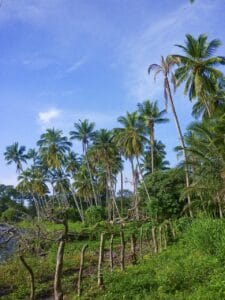
Food and Culinary Tourism in Nicaragua
Food is a highlight here, no question. Nicaraguan dishes are straightforward and fresh, rooted in tradition. Think rice, beans, corn, plantains, meat, and seafood. Travelers love trying gallo pinto, nacatamales, vigorón, or fresh seafood right on the coast. Local markets and street stalls serve up tasty, budget-friendly meals.Through food, you really get a sense of what daily life is like—one plate at a time.
Affordable and Budget-Friendly Tourism
One of the best things about Nicaragua? It won’t break the bank. Compared to other countries in the region, prices for hotels, food, transport, and activities stay pretty low. That’s why backpackers, students, and anyone traveling long-term keep coming.But don’t think cheap means roughing it. Nicaragua has plenty of cozy hotels, eco-lodges, and stylish boutique stays for those who want more comfort. You can do more here, see more, and spend less.
Best Time for Tourism in Nicaragua
If you want sunshine, come during the dry season—November through April. That’s when the weather’s at its best for hitting the beach or exploring outdoors.From May to October, rain showers roll in, but the country turns a lush green and crowds thin out. Most days, the rain doesn’t last long. This season is perfect if you want quieter spots or just love that fresh, wild feeling in the air.
Major Tourist Cities in Nicaragua
Nicaragua’s a country that surprises you at every turn. Each city has its own vibe and draws people in for different reasons. Some places are all about colonial charm, others are packed with energy, wild nature, or that laid-back beach life. Together, they paint a real picture of what Nicaragua is all about—and honestly, you can’t help but make memories here.
Managua – The Capital and Cultural Gateway
Managua, It’s the capital, so most people land here first, and the city’s been through a lot. Earthquakes hit hard in the past, but Managua didn’t stay down for long. Now, it’s a mix of modern buildings and creative spaces, sitting right by Lake Managua. It’s where politics and business happen, but it’s also got heart. Visitors usually check out the National Palace of Culture, catch a show at the Rubén Darío National Theatre, or wander around the ruins of the Old Cathedral. Down by Puerto Salvador Allende, you’ll find restaurants, live music, and that unbeatable view over the lake. And because Managua is pretty much in the middle of everything, it’s the perfect jumping-off point for the rest of your trip.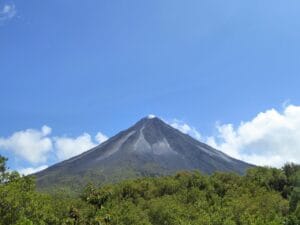
Granada – The Colonial Jewel of Nicaragua
If you want to step back in time, Granada’s the spot. Founded way back in 1524, it’s one of Central America’s oldest cities—and you can feel that history as you walk around. The buildings are bright, the streets are made of cobblestone, and Spanish architecture is everywhere. The Granada Cathedral stands tall in the main square and is hard to miss. Calle La Calzada is always buzzing—cafés, restaurants, shops, you name it. Want a little adventure? Hop on a boat and explore the Islets of Granada on Lake Nicaragua. People come for the history and the charm, and they leave with a camera full of colorful photos.
León – City of History, Art, and Revolution
León’s a city with a story to tell. It’s known for its art, its passionate politics, and its rebellious spirit. The walls are covered in murals, and you’re never far from a museum or some kind of cultural event. The León Cathedral is massive—biggest in Central America—and you can climb up to its roof for some incredible views. If you’re into adventure, León’s got you covered with volcano hikes and sandboarding down Cerro Negro. There’s a lot to learn here, and even more to do, especially if you’re into history and adrenaline.
San Juan del Sur – Beach Life and Surf Culture
Now, if you just want to chill out and catch some waves, San Juan del Sur is calling your name. It’s right on the Pacific, and the vibe is pure relaxation. Golden beaches, epic sunsets, and a crowd that knows how to have fun. Surfers love it, but so do people looking for yoga, swimming, or just a good party at night. Hit up Playa Maderas or Playa Hermosa for even better waves. And don’t skip the hike up to the big Christ of the Mercy statue—it’s a steep climb, but the view over the bay is worth every step. If beach life is your thing, this is the place.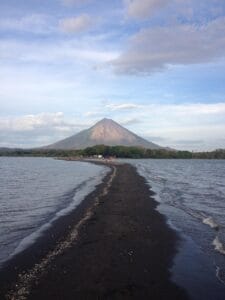
Masaya – City of Culture and Crafts
Masaya calls itself the cultural capital, and you get why as soon as you arrive. It’s famous for traditional music, dancing, and crafts. Plus, it’s right next to Masaya Volcano National Park—a must-see if you want to stare into an active crater. The Masaya Handicraft Market is a great spot to pick up pottery, textiles, and souvenirs you’ll actually want to keep. This city blends culture with a bit of adventure, perfect for anyone curious about local traditions or looking to get close to a volcano.
Estelí – Gateway to the Northern Highlands
Head north and you hit Estelí, where the air is cooler and the mountains are always in view. This is tobacco country—people know Estelí for its cigars, and you can visit local factories to see how they’re made. Nature lovers hike nearby reserves or wander through the hills. There’s art everywhere too—murals, little cafés, and markets that feel like secrets waiting to be found. Estelí is just right for travelers looking for eco-tourism, mountain air, and a break from the usual tourist trail.
Matagalpa – Coffee Region and Natural Beauty
Matagalpa sits in the middle of rolling green hills and endless coffee plantations. It’s the heart of Nicaragua’s coffee scene, and people come here just to see how it all works. Take a tour of a coffee farm, stroll through cloud forests, or just breathe in the fresh mountain air. Matagalpa is quiet, calm, and honest—a place for people who want to slow down and soak up nature, far from the crowds.
Bluefields – Caribbean Culture and Heritage
Bluefields sits on Nicaragua’s Caribbean coast and feels like a world apart from the rest of the country. It’s the biggest city out here, and you can sense the Afro-Caribbean roots everywhere—music drifting through the streets, spicy food, traditions that just feel different from what you find on the Pacific side. People head to Bluefields for the culture, the chance to hop on a boat and cruise the coastline, and to get a real taste of Nicaragua’s diversity. It’s not packed with tourists or shiny resorts, so what you get is authentic—raw in the best way.
Natural Wonders and Adventure Tourism in Nicaragua
Volcanoes and Volcanic Activities
Now, for nature lovers and thrill-seekers, Nicaragua doesn’t hold back. The country’s full of volcanoes—over 40, actually—some still smoldering, some just sleeping. Volcano tourism is a big deal here. You can hike up the slopes, take in those wild, sweeping views, or, if you’re up for it, try volcano boarding. Cerro Negro near León is the spot for that—imagine sliding down black volcanic ash. It’s fast and a little wild. Then there’s Masaya Volcano National Park. At night, you can look right down into the crater and see the lava glowing. It’s not something you forget.
Lakes and Islands of Nicaragua
Water’s everywhere, too. Lake Nicaragua and Lake Managua shape the country. Lake Nicaragua is famous for Ometepe Island—two volcanoes rising straight out of the water like something out of a painting. Ometepe’s got everything—jungle hikes, swimming holes, ancient carvings, wildlife you don’t see every day. It’s calm, peaceful, and draws people who want to slow down, unplug, and just be in nature.
Beaches of Nicaragua – Pacific and Caribbean Coasts
Pacific Coast Beaches
If beaches are more your thing, the Pacific coast is the classic pick. Think easygoing surf towns, golden sunsets, and a steady crowd of surfers, backpackers, and digital nomads. San Juan del Sur, Playa Maderas, Playa Hermosa—these names come up again and again. San Juan del Sur especially buzzes with life—restaurants, bars, beach parties, and endless things to do on the water.
Caribbean Coast – A Different Cultural Experience
But swing back over to the Caribbean and you get a totally different vibe. The Corn Islands and Bluefields show off that Afro-Caribbean heritage—sounds, flavors, and rhythms you don’t find anywhere else in Nicaragua. Big Corn and Little Corn Island are all about white sand, turquoise water, snorkeling, diving, and taking it easy. People come here for that dreamy, slow-motion kind of escape.
Wildlife, National Parks, and Eco-Tourism
Wildlife? Nicaragua’s packed with it. National parks like Indio Maíz and Bosawás protect huge stretches of rainforest, rivers, and all kinds of animals. You’ll spot monkeys, brilliant birds, sea turtles, and plants you’ve probably never heard of. Guided hikes, river trips, birdwatching—eco-tourism is big here, and local communities often lead the way.
Surrounding Places
Nicaragua isn’t just about what’s inside its borders, either. Sitting right in the heart of Central America, it’s a perfect jumping-off point. You can head north to Honduras or south to Costa Rica. Mountains, rainforests, beaches, and cities—so much is within reach.
Honduras – Northern Neighbor with Ancient Heritage
Honduras is just up the road, known for its deep Mayan roots, colonial towns, and those sparkling Bay Islands. If you’re into ancient history, the Copán ruins are a must—massive stone temples, intricate carvings, all that Indiana Jones stuff. The Bay Islands are legendary for diving and snorkeling. A lot of travelers bounce between Nicaragua and Honduras to get the best of both worlds.
Costa Rica – Southern Neighbor with Eco-Tourism Fame
Down south, Costa Rica shares a border with Nicaragua and is world-famous for eco-tourism. Lush jungles, volcanoes, national parks—you name it. Costa Rica has more tourist infrastructure, but Nicaragua is quieter and easier on the wallet. Together, they give you a perfect mix of adventure, nature, and culture.
Regional Connections Through Seas and Travel Routes
And don’t forget—Nicaragua’s not landlocked when it comes to travel. The Pacific and Caribbean connect it to the rest of Central America and the islands. Cruise ships, ferries, and regional flights make it easy to keep exploring.
Conclusion
Nicaragua is a country that offers natural beauty, rich history, vibrant culture, and warm hospitality. From volcanoes and lakes to colonial cities and tropical beaches, it provides diverse travel experiences at affordable prices. As tourism continues to grow, Nicaragua is gaining recognition as one of Central America’s most exciting destinations. For travelers seeking authenticity, adventure, and cultural depth, Nicaragua is truly a hidden gem worth exploring.
Author

sadikhan.ceo@gmail.com
Related posts
Slovakia
- 0
- 2,323 words
Slovakia : Discover the Hidden Gem of Central Europe Tucked right in the heart of Central Europe, Slovakia is one of those...
Read out all
Singapore
- 0
- 2,246 words
Singapore : A Global City and Travel Hub Singapore’s one of those places where modern life and nature seem to fit together...
Read out all
Seychelles
- 0
- 2,644 words
Seychelles : A Dream Destination in the Indian Ocean You hear about places as “dream destinations” all the time, but Seychelles totally...
Read out all
Serbia
- 0
- 2,789 words
Serbia Travel Guide: Regions of the Balkan Nation Serbia sits right at the heart of the Balkans, and honestly, it’s one of...
Read out all
Senegal
- 0
- 2,277 words
Senegal Travel Guide: Discover the Culture, History, Tourism, and Surrounding Regions of West Africa Welcome to Senegal—a place that really captures the...
Read out all
Saudi Arabia
- 0
- 2,914 words
Saudi Arabia: A Powerful Nation in the Middle East and Global Importance of the Kingdom Saudi Arabia stands out as one of...
Read out all