
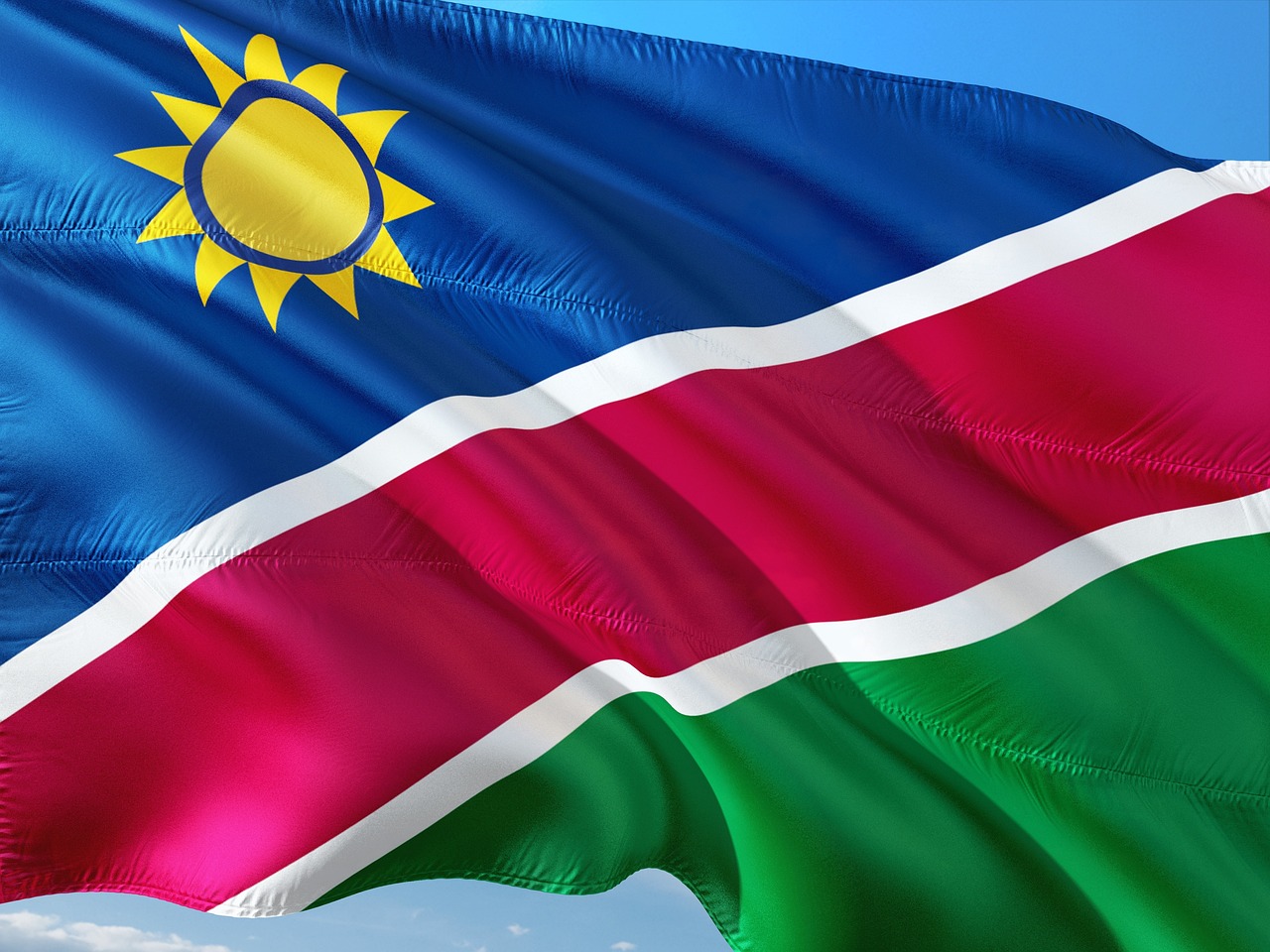
Namibia: A Land of Endless Horizons and Natural Wonders
Namibia is one of the most beautiful and extraordinary countries in Africa. It is situated in the southwestern parts of the continent and is famous worldwide for its vast desert landscapes, breathtaking scenery, diverse wildlife, and serene environment. Unlike most popular holiday destinations, Namibia offers plenty of open spaces, tranquility, and nature in its pure form. Namibia, as a holiday destination for adventure-seeking, photo-loving, nature-loving, and culturally interested travelers, is nothing short of a dream come true. Despite its enormous size, Namibia is populated by few people. The result is a peaceful and private journey. There are roads that march through boundless plains and sandy lands that are illuminated by the sun during the daytime and have a canopy of stars at night. Because of all these unique experiences, Namibia is said to be among the most beautiful countries in the world.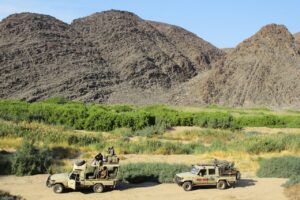
Namibia’s Location and Importance Around the World
Namibia is located along the Atlantic Ocean and borders countries like Angola, Zambia, Botswana, South Africa, and Zimbabwe. The country has an extensive coastline and is surrounded by deserts and borders of other countries, making it a major connection point of southern and central Africa. Namibia is internationally known for having very strong conservation strategies and a sustainable tourism program. International visitors mostly respect Namibia for conserving their wildlife while still allowing tourism. The world over, Namibia is associated with popular destinations such as the Namib Desert, Etosha National Park, the Skeleton Coast, and the Fish River Canyon. These locations find their way into documentaries, tourism magazines, as well as photography shows in the continents of Europe, America, and Asia. Consequently, Namibia is associated with high-quality eco-tourism.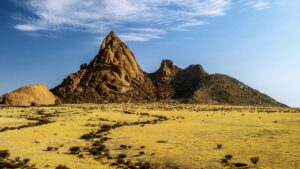
Geography of Namibia: Deserts, Coastlines, and Mountains
Namibia is home to one of the most extreme geographical features on the planet. Although large areas of Namibia consist of arid surfaces, this aridity gives way to breathtaking features of beauty. The Namib Desert lies along the coast, but it is known as the oldest in the world. Its high red sand dunes at Sossusvlei Desert are the tallest on the planet. As one moves more towards the interior, the geography shifts to rocky plateaus, savannahs, and mountains. The interior highlands are characterized by hills and fertile land, which supports settlements and farmland. In the southeast, the Fish River Canyon excavates a large area, making it the largest canyon on the African continent and one of the largest canyons in the world. On the western side, the Atlantic coast squeezes between the desert, creating the Skeleton Coast. Most people associate it with shipwrecks, foggy conditions, and beautiful landscapes. Indeed, the unions of both the desert and the ocean in Namibia are what make it geographically unique.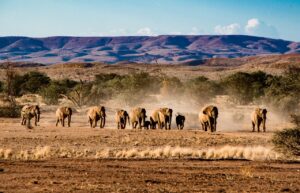
Climate and Best Time to Visit Namibia
The climate in Namibia is arid and offers an abundance of sunshine throughout the year. There is very little rainfall, especially in arid areas, making it easy to travel. The summer is warm to hot, while winter is mild and pleasant. The optimal time for visiting Namibia is from May to October. At this time, the climate is pleasant, and game viewing is quite optimal since animals congregate around water sources. Also, this is the peak season for safaris, especially at Etosha Park. However, for nature photographers, it may be optimal at the beginning of the year since the parks experience rainfall, making nature greener.
History of Namibia: From Ancient Tribes to Independence
Namibia’s history is intertwined with that of the indigenous inhabitants of this country. Even before the colonization of Namibia, there existed tribal populations such as San, Himba, Herero, and Nama on this territory. They had their own traditions, languages, and ways of surviving in Namibia’s tough climate. Namibia as a colonial territory of Germany was established in the late 19th century and named German South West Africa. Infrastructure development took place during those years; however, it also brought conflict and suffering to the inhabitants of Namibia. After World War I, Namibia came under the control of South Africa.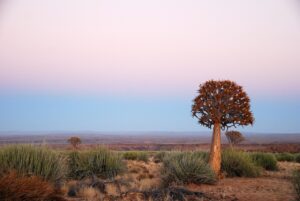
Culture and Daily Life in Namibia
Namibia consists of numerous ethnic groups, each of which has its unique culture, clothing, dances, and beliefs. Even today, most of these communities are still leading their traditional lifestyle. Take the Himba tribe in northern Namibia, known for its red clay body paintings. Life in general in Namibia is peaceful and polite. There is an important role for family and social structures. There is music, storytelling, and dancing during festivals and ceremonies. English is an official language, which makes it simple for foreign visitors to communicate. Namibian cuisine consists of local resources. Meat, beef, or game meat, is common. Maize products, vegetables, and simple cuisine are basic in local foods. Sharing food reflects the closeness of the Namibian community.
Tourism in Namibia: A World-Class Experience
Namibia is definitely one of the most breathtaking travel destinations on the continent of Africa. Situated in the southwestern portion of Africa, Namibia is renowned globally for its extensive desert landscapes, exquisite natural beauty, diverse wildlife, and ancient culture. Visits to Namibia provide a unique chance for travel enthusiasts to discover pristine nature, a clean environment filled with open spaces, and pure traditional Africa. Due to a low population density and sufficient conservation of natural land, Namibia is frequently referred to as a ‘wilderness destination’ worldwide. Contrary to other popular holiday destinations, Namibia allows for peaceful and participatory travel experiences. People travel to Namibia not only for the chance to observe the animals, but for the opportunity to enjoy the silence of the desert, witness the star-studded night skies, and marvel at what appear to be surreal landscapes. It is because of this that people from around the globe travel to Namibia for their holidays.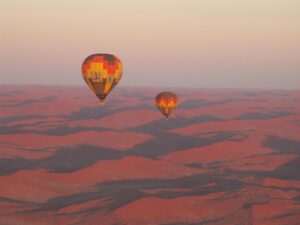
Why Namibia Is a Unique Tourism Destination in Africa
One of the most interesting aspects of the tourism sector in Namibia is the country’s stark natural contradictions. In a single trip, a person can experience the world’s oldest desert, view abundant wildlife, enjoy the untamed Atlantic coast, and visit local tribes. At the same time, Namibia has a reputation for political stability, well-developed roads, and a strong ecotourism infrastructure, making it one of the safest and most organized holiday spots on the African continent. Another major contributing factor in Namibia’s popularity as a destination for tourism all over the world has been its proconservation stance. In Namibia, communities are actively taking part in the preservation of various species of animals as community-based conservancies. This will mean that tourism in Namibia will be beneficial not only to tourists but also to the locals.
Sossusvlei and the Namib Desert Tourism Experience
Sossusvlei is among the most popular tourist destinations in Namibia and has been regarded as the emblem of the natural beauty of Namibia. Situated in the Namib-Naukluft National Park, Sossusvlei has been well known for its huge reddish-orange sand dunes that include some of the highest in the world. The reddish-orange sand dunes of Sossusvlei keep changing colors in the course of the daytime. Visitors to Sossusvlei can climb either Dune 45 or Big Daddy dune to view the rising sun. Another interesting location close to Sossusvlei includes Deadvlei. This location creates a fantasy setting where dead trees stand on a white clay ground surrounded by red dunes. This location portrays the timeless nature of Namibian desert scenery and is considered one of the most pictorial sites on the entire continent of Africa.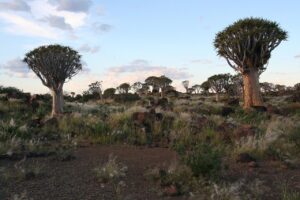
Etosha National Park Wildlife Tourism in Namibia
Etosha National Park is the tourism center of Namibia when it comes to wildlife. In fact, Etosha is one of the biggest game reserves in Africa, and it is also quite accessible. Etosha is also known for its salt pan, which is so big that it is visible from space. Etosha offers great opportunities for game viewing during the dry season when all the animals congregate around the waterholes. Those visiting Etosha can expect to see elephants, lions, leopards, giraffes, zebras, rhinos, and extensive herds of antelope. What makes Etosha a unique destination for tourists is that they are able to view their beautiful flora and fauna without the assistance of guides or by vehicle because Etosha Game Reserve has good roads and rest camps. Its roads are quite inviting to self-drives.
Swakopmund and the Skeleton Coast Tourism
Swakopmund is among Namibia’s favorite coastal tourist destinations. Situated between the Atlantic Ocean and the Namib Desert, Swakopmund is an exciting tourist destination that presents an unmatched mix of German colonial buildings, beach relaxation, and adventure activities. Visiting Swakopmund is perfect for those who seek to combine relaxation with adventure. Swakopmund town itself is a gateway to the Skeleton Coast, an enigmatic and scenic coastline that gets its name from the large number of shipwrecks along the shoreline, the heavy fog that hits the place, and the absence of life. With activities like sandboarding, quad biking, skydiving, and dolphin cruises, Swakopmund can truly be dubbed the adventure capital of Namibia.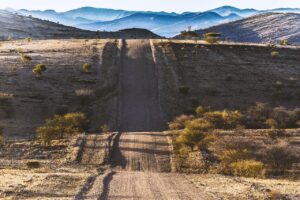
Fish River Canyon Tourism: Africa’s Natural Wonder
Fish River Canyon is the biggest canyon in Africa and the second-largest canyon in the world. Fish River Canyon in southern Namibia is among the country’s natural wonders that attract tourists. Fish River Canyon tours mainly include visiting the viewpoints, hiking trails, and geology. The canyon is approximately 160 kilometers long and is a good destination for watching the sunset or sunrise, as the environment is spectacular then. The Fish River Canyon hike is one of the toughest but most satisfying hikes on the continent of Africa, as it attracts experienced hikers who come from different parts of the globe.
Cultural Tourism and Indigenous Communities in Namibia
Namibia tourism does not only entail landscapes and animals. Cultural tourism makes significant contributions to educating tourists about the human history and cultural heritage of the countries they visit. Namibia has a variety of indigenous populations such as the Himba, Herero, San, and Damara communities. Cultural tourism allows tourists to visit cultural villages where they experience the traditions, dress, music, and lifestyle of the local people. Cultural tourism has added significance to tourism as it provides an emotional or cultural experience for tourists. It also helps tourists make connections with the hosts.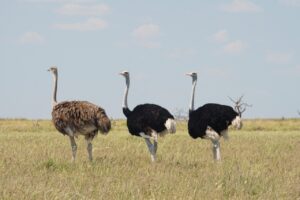
Windhoek Tourism: Gateway to Namibia
Windhoek is the capital of Namibia as well as the major entry point for foreign visitors. Touring Windhoek allows tourists to experience the urban as well as cultural side of Namibia. Windhoek has buildings of German architecture, museums, markets, and dining options that serve both local and foreign dishes. Windhoek is also a staging post for trips to other regions. The city is often just a brief stopping off point for visitors before embarking on their safari or desert adventure. Ironically, as the capital city, Windhoek is remarkably laid back and provides an easy introduction to Namibian society.
Adventure Tourism in Namibia
Adventure tourism is among the most rapidly developing segments of the market in Namibia. The natural landscapes of Namibia make it an ideal destination for desert trekking, hot air ballooning, mountain biking adventure travel. Such a sparsely populated country enables visitors to become a part of nature. Another popular destination for astronomy tourism is Namibia. Because light pollution is almost nil, it is possible for viewers to see the Milky Way clearly in the night sky. Such conditions make it an attractive holiday spot for astronomy and nature lovers.
Best Time to Visit Namibia for Tourism
The optimal time to visit Namibia depends on personal interests. The dry season, between May and October, is the best time to visit if one is interested in wildlife since animals congregate around waterpoints during this season. The season is characterized by low temperatures and clear skies. The rainy season, between November and April, is characterized by greenery and low human traffic. As Namibia has a desert climate, it can be very hot in summer and extremely cold in winter. However, as far as traveling to Namibia is concerned, visitors can go there any time of the year.
Surrounding Countries and Cross-Border Travel
Namibia is found in southern Africa and borders several exciting countries. Because of its strategic location within southern Africa, Namibia is a wonderful bridge for cross-border travel within southern Africa. The tourists who travel to Namibia usually connect their visit with other neighboring countries with a aim to benefit from diverse scenic and cultural experiences within their visit to Africa. Cross-border travel from Namibia is quite smooth and even beneficial for tourists and visitors to Africa. Namibia borders countries such as Angola in the north, Zambia in the northeast, Botswana in the east, and South Africa both in the south and southeast, while it is also bordering Zimbabwe via the region known as the Zambezi region through a water boundary. Every one of these countries presents peculiar attractions that supplement Namibia’s desert, as well as open spaces.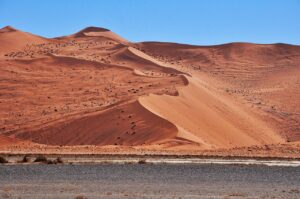
Angola Border Travel from Northern Namibia
It is directly north of Namibia and borders the Namibian regions of Kunene and the northern region of Ohangwena. Travel between Namibia and the country of Angola has been on an upward trend owing to the development of infrastructure and tourism agreements between the two countries. In Angola, the main attractions are the scenic landscape, an abundance of waterfalls, tropical forests, and a humid and different climate, as opposed to Namibia’s arid conditions. Many tourists pass on to Angola for visits to places like Lubango, Waterfall Kalandula, and the beautiful Angolan Highlands. This itinerary becomes more fascinating given the contrast that exists between the arid places of Namibia and the green parts of Angola. Border crossing points like Oshikango Border Crossing are usually utilized, and visas may be required based on the country of origin.
Zambia and the Zambezi Region Connection
Zambia borders Namibia through a small area called the Zambezi Region, also referred to as the Caprivi Strip, located in the northeast part of Namibia. Despite the short border, the region has significant meaning and importance, especially regarding tourism between the two countries. Namibia shares borders with Zambia and provides easy accessibility to Zambia’s popular tourist sites, especially ‘Victoria Falls,’ a massive falls located between Zambia and Zimbabwe and is the largest waterfalls in the world. Crossing the borders of Namibia to Zambia is usually done through the Katima Mulilo region.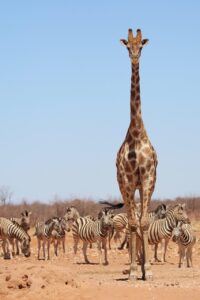
For tourists, this region offers an experience between the river environment of Namibia and the national parks of Zambia, which include South Luangwa and the Lower Zambei National Park. This region is suitable for tourists going for boat safaris, bird-watching, and cultural visits.
Botswana Border and Wildlife Tourism Routes
Botswana is also bordering Namibia to the east and is one of the top destinations to visit when going to Namibia. Visits between Namibia and Botswana are common because both countries have great road networks and share wildlife resources. One of the most popular cross-border holiday circuits is the one from the Zambezi Region in Namibia to the Okavango Delta in Botswana – one of the biggest wildlife havens in Africa. Other popular circuits include circuits from the Bwabwata National Park in Namibia to the Chobe National Park in Botswana.
South Africa and Southern Namibia Travel Links
Among Namibia’s neighboring countries and vital to it in terms of tourism, trade, and transportation is South Africa. Its southern side is also quite well-developed so that the crossing is facilitated and popular, and the majority of foreign visitors enter Namibia through this country, mainly through Cape Town and Johannesburg. Southern Namibia extends logically into South Africa’s Northern Cape Province, and tourists are able to explore the desert, wine, and coastal settlements. Road links between Upington, Springbok, and Namibian towns like Keetmanshoop are well used.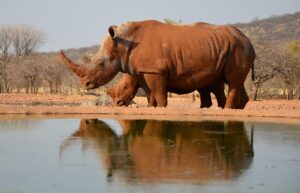
Zimbabwe and the Zambezi River Corridor
Although there are not many shared borders between Namibia and Zimbabwe, both countries are linked by the Zambezi River system. This has been significant in terms of tourism in the region, especially for visitors interested in famous African attractions. Visitors can always combine excursions to Namibia with excursions to Victoria Falls, which can be easily reached by visitors who are in the Zambezi Region. There is also cultural and historical diversity, with places such as Great Zimbabwe, in addition to protected animal parks.
Benefits of Cross-Border Travel from Namibia
Namibia offers cross-border travel that enables people to explore different African environments within the same voyage. One can travel from desert environments to wetlands, from quiet environments to cities, and from dry savannah to riverine environments. Therefore, Namibia acts as the best destination from which to conduct cross-border travel. Another benefit is that most countries within the neighboring regions have fairly standardized tourist facilities; thus, travel within the region is convenient and quite safe. Regional visas and border facilities facilitate travel deals involving visiting multiple countries in the region, especially for safaris.
Travel Tips for Crossing Borders from Namibia
In the process of making cross-border travel arrangements from Namibia, it is important to check the visa requirements in advance. Visa requirements exist depending on the nationality of the person traveling; some require a visa when entering Angola or Zimbabwe, while others do not require visas when entering Botswana or South Africa. The passport on this trip must be valid for at least six months, and it is a good idea to carry documentation of onward travel arrangements. It’s possible to travel by road. 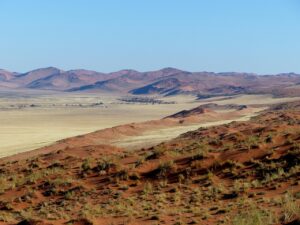
Conclusion
Namibia is not a destination to visit. Namibia is a destination to feel. Silence, space, and nature combine to evoke an emotional connection in this country. Whether it is a desert, an animal, a culture, or a coastline, Namibia is a destination that holds experiences deep within your heart forever. When it comes to travelers looking for authenticity, adventure, and meaning, Namibia definitely stands out in its own right as one of the greatest places in the world
Author

sadikhan.ceo@gmail.com
Related posts
Slovakia
- 0
- 2,323 words
Slovakia : Discover the Hidden Gem of Central Europe Tucked right in the heart of Central Europe, Slovakia is one of those...
Read out all
Singapore
- 0
- 2,246 words
Singapore : A Global City and Travel Hub Singapore’s one of those places where modern life and nature seem to fit together...
Read out all
Seychelles
- 0
- 2,644 words
Seychelles : A Dream Destination in the Indian Ocean You hear about places as “dream destinations” all the time, but Seychelles totally...
Read out all
Serbia
- 0
- 2,789 words
Serbia Travel Guide: Regions of the Balkan Nation Serbia sits right at the heart of the Balkans, and honestly, it’s one of...
Read out all
Senegal
- 0
- 2,277 words
Senegal Travel Guide: Discover the Culture, History, Tourism, and Surrounding Regions of West Africa Welcome to Senegal—a place that really captures the...
Read out all
Saudi Arabia
- 0
- 2,914 words
Saudi Arabia: A Powerful Nation in the Middle East and Global Importance of the Kingdom Saudi Arabia stands out as one of...
Read out all