
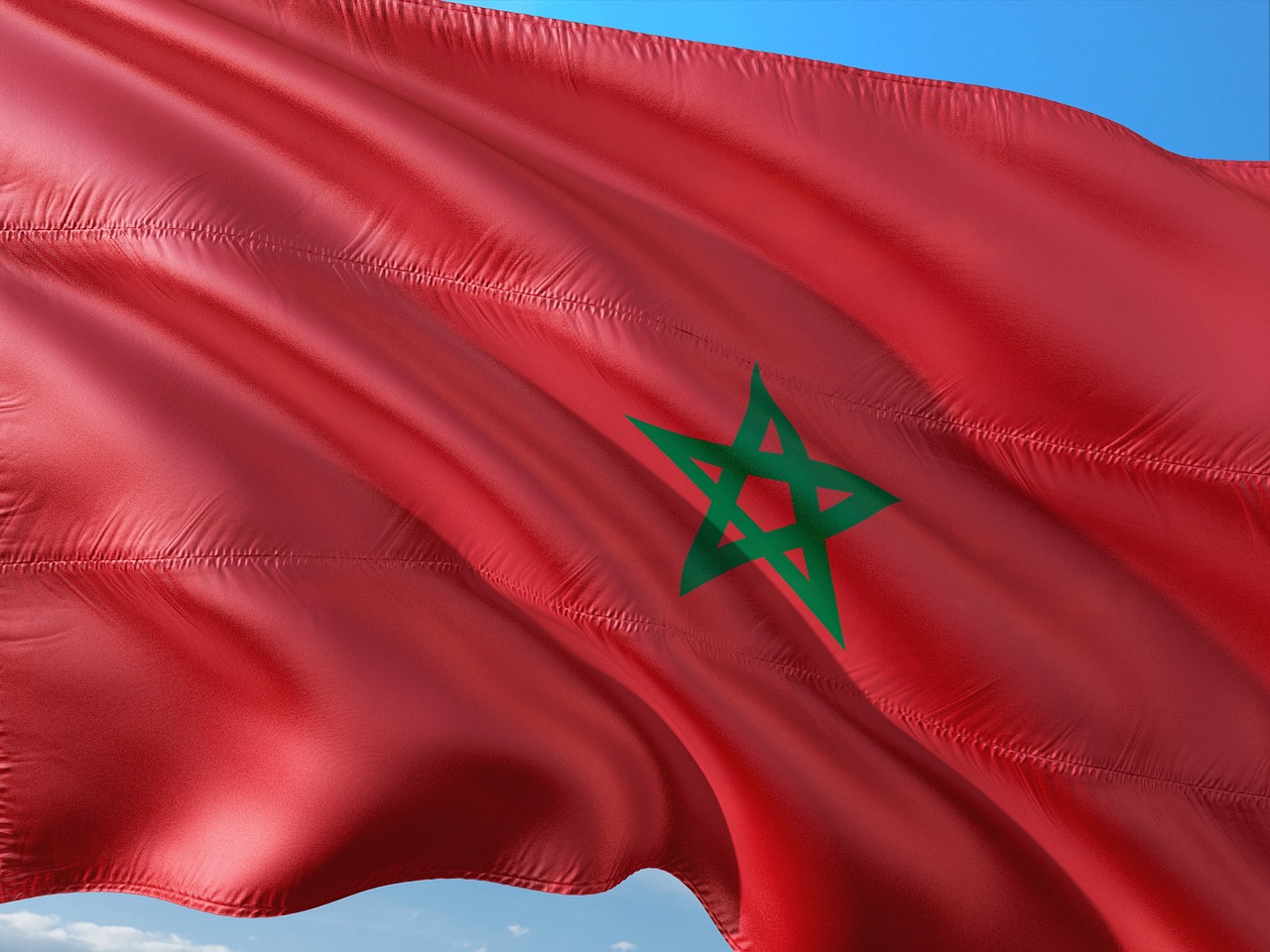
Morocco: A Timeless Kingdom Between Africa, Europe, and the Arab World
One of the most interesting and unique places in the world, Morocco was born at the crossroads of three continents: Africa, Europe, and the Middle East. It was in this unique place that the culture of this country was born, a culture that was influenced by many others. Throughout its long history, Morocco was home to traders, travelers, scholars, and explorers from around the world. Today, the whole world recognizes the colors of its cities, the medinas, its vast deserts, its mountains, its Atlantic and Mediterranean coastline, and its hospitality. Despite Morocco being an African nation, it seems like a blend of many worlds in a single place. Morocco is a fusion of Arab, Berber, African, Andalusian, and European cultures. The Moroccan way of life is evident in their architecture, cuisine, dressing, music, and their way of living. Therefore, traveling to Morocco is more of an experience in history, culture, and a way of living.
Morocco’s Location and Global Importance
Morocco is situated in the distant northwestern part of the African continent. Morocco shares its western border with the Atlantic Ocean and its northern border with the Mediterranean Sea. Indeed, the country is geographically close to Spanish territories in the Strait of Gibraltar, thus playing a pivotal link between the continents of Africa and Europe for over eight thousand years. Neighboring countries include Algeria to its east and the Sahara Desert to its south. As a result of this advantageous location, Morocco has always been at the forefront in issues concerning trade, immigration, and cultural exchange. In fact, historic trade routes passed through Morocco, which linked the continents of Africa and Europe to the Middle East. Morocco also has cultural and economic ties with almost all nations in the world, making Morocco a global nation.
Geography and Natural Landscape of Morocco
Morocco has one of the most varied natural environments in Africa. In Morocco, there are extensive coastlines, fertile valleys, snowy mountains, luscious valleys, and vast sand dunes. This enables Morocco to provide different adventure experiences under one roof. The Atlas ranges also pass through the heart of Morocco, thus separating various climatic zones in Morocco. The Atlas ranges are also known to have Berber villages, valleys, and trekking trails. In some parts, there are also places with snow during winter, which comes as a surprise to some tourists.
History of Morocco: From Ancient Times to Modern Nation
History in Morocco dates back several thousand years. There were the Berber tribes, who are still an important part of the culture in Morocco today. Then came the Phoenicians, the Romans, and finally the Arab Muslims. The coming of Islam in the 7th century brought significant political, social, and religious changes in Morocco. Indeed, Morocco was ruled by some of the most dominant royal families in the region, which included the rulers of the Alaouite Dynasty. Throughout the latter centuries, Morocco has been able to retain its independence despite engagements with European nations. It was a French and Spanish protectorate in the 20th century before acquiring its independence in 1956. Morocco is currently a constitutional monarchy that has been able to marry tradition with development.
Tourism in Morocco
Tourism is one of the most colorful and diverse in the world. Morocco is located in North Africa, where it welcomes many tourists every year due to its rich history, diversified culture, beautiful sites, and hospitable citizens. Moroccan tourism welcomes tourists from Europe, Asia, the Americas, as well as the Middle East, due to its distinctive Arab-Berber-African-European identity that makes it both exotic and familiar at the same time. This diversity makes Morocco the perfect destination for any category of tourists.
Why Morocco Is a Popular Tourist Destination Worldwide
Morocco is a favorite destination among global travelers because it presents an array of experiences within one country. Within one vacation, one gets a chance to walk through medieval cities, go camel riding in the desert, trek through mountains, and enjoy the refreshing atmosphere by the ocean. Apart from that, Morocco stands out because it is an affordable destination compared to other European counterparts. Another thing that makes Morocco a unique tourist destination worldwide is its cultural identity.
Marrakech Tourism: The Cultural Heart of Morocco
Marrakech is the most popular tourist city in Morocco and usually the first destination for foreign visitors. Marrakech is famously known as the “Red City” and has a fascinating history, color, and vitality. Touring in Marrakech involves the visit to the old medina, royal palaces, gardens, and squares. The most famous square in Marrakech is Jemaa el-Fnaa Square.
Fes Tourism: Discover Morocco’s Spiritual and Intellectual Capital
Fes is one of the ancient cities in Morocco, with significant religious and cultural value. Fes tourism is based on history, education, and craft. Fes has Fes el-Bali, which is one of the largest and most authentic medinas in the world. It is considered a World Heritage Site by UNESCO.
Casablanca Tourism: Modern Morocco Meets the Atlantic Ocean
Casablanca is Morocco’s largest city and economic hub. Unlike other old cities like Fes and Marrakech, tourism in Casablanca is a depiction of contemporary city life. The broad avenues, commercial centers, and coastline make tourism in Casablanca a different experience. The Hassan II Mosque is the most popular tourist spot in Casablanca and ranks one of the largest in the world. The mosque is constructed partly over the Atlantic Ocean, representing the Moroccan architectural desire to have modern architecture with a conventional style.
Chefchaouen Tourism: The Blue City of Morocco
Chefchaouen is one of the favorite towns to click pictures of, and also a popular destination due to its blue-colored painted buildings and streets. It offers a serene environment located in the Rif Mountains, where tourists can have a relaxed artistic journey. InChefchaouen, photography enthusiasts, nature admirers, and people seeking a relaxing vacation can enjoy their holidays. The blue color of the city adds a magical touch, which is enhanced by the soft light of the surrounding mountains. Visitors like strolling through the medina slowly, visiting small cafes, and interacting with the locals, who are very friendly. Chefchaouen also acts as a base for hiking and visiting the nearby villages. This place adds a serene touch to the tourism activities of Morocco.
Sahara Desert Tourism in Morocco: A Once-in-a-Lifetime Experience
The Sahara Desert is among the most famous tourist sites in Morocco. This desert tourist experience presents an encounter with massive sand dunes, a canopy of stars in the sky, and the local nomadic way of life. The two most famous desert destinations in Morocco are Merzouga and Zagora, where adventurers start their desert explorations. Visitors get to ride camels on the golden sand dunes, see the sunset in the desert, and spend the night in a desert camp.
Atlas Mountains Tourism: Nature and Culture Combined
The Atlas Mountains are found in the central regions of Morocco. They present a totally different experience to tourists coming from other destinations in Morocco like the desert. Activities associated with the Atlas Mountains revolve around nature and spending time in the mountains. The Atlas Mountains enable tourists to visit typical villages, go trekking, and enjoy mountain scenery throughout the year.
Essaouira Tourism: Coastal Charm and Relaxation
Essaouira is a seaside town with a calm environment overlooking the Atlantic Ocean. Essaouira, Morocco, tourism is an important destination for people wishing to travel at a slower pace. Essaouira medina, walls, and fishery demonstrate a mix of Portuguese and Moroccan architecture. Essaouira is also a favorite for those who enjoy wind sports like kitesurfing and windsurfing because of the strong winds off the ocean.
Agadir Tourism: Beach and Resort Destination in Morocco
Agadir is Morocco’s premier coastal resort city. It is famous for its extensive sandy beaches and modern infrastructure. The tourist infrastructure in Agadir is designed to promote tourism related to the sun, sea, and comfort. As opposed to traditional tourist cities, Agadir is designed in a more modern layout because the city was rebuilt after an earthquake in the 20th century.
Moroccan Food Tourism: A Journey of Flavors
Culinary matters are very important in Moroccan tourism. Moroccan cuisine is very famous for its variety of spices, stews, and sweet-savory flavoring. Moroccan traditional cuisine, like tagine, couscous, or pastilla, is the result of many years of various cultural influences. Street food, local markets, as well as traditional tea ceremonies, give tourists a sense of Moroccan hospitality.
Cultural Festivals and Events in Morocco Tourism
Morocco has a number of cultural festivals that foreign visitors can take advantage of. These include music festivals, religious events, and local festivities, which reflect the artistic and religious expression of the Moroccan culture. Cultural events like traditional musical festivals, film festivals, and seasonal events showcase the diversity and creativity of Morocco. Cultural tourism in Morocco is also increasing due to these events.
Surrounding Places of Morocco: Exploring Neighboring Countries and Regions
Morocco is an interesting place on its own; however, the country is also bordered by other areas that are of equal interest. Morocco is considered to be the bridge that connects the Middle East and Europe to the African Continent. Due to this fact, when tourist visit the country of Morocco, they get to visit other places which lie nearby. The surrounding areas that border Morocco have different places to visit and offer unique cultural and historical encounters that make Morocco the best place to start travelling.
Algeria: Morocco’s Eastern Neighbor with Deep Cultural Roots
Algeria is found to the east of Morocco and shares a long border that can be attributed to history, culture, and location. Even if there are some political limitations that do not allow free movement between the two countries, it can be said that Algeria is among the most vital places in the vicinity of Morocco. Algeria has a reputation for the desert, ruins, and the Mediterranean coast. In Algeria, one can witness the influence of the Ottoman, Arabs, and French, in Algiers, Tlemcen, and Oran, respectively.
Western Sahara: Desert Landscapes and Atlantic Coast
To the southern side of Morocco, there is Western Sahara. Western Sahara is a known destination with broad desert plains, an Atlantic coast, and a nomadic way of living. Western Sahara is an important part of Morocco in terms of geography and tourist paths. Western Sahara has extensive land with an opportunity to experience adventure, dunes, and tranquil coastal villages. Laayoune and Dakhla are emerging holiday destinations.
Mauritania: Gateway to Sub-Saharan Africa
Mauritania is situated southeast of Morocco. In fact, it symbolically separates North Africa from sub-Saharan Africa. This is because Mauritania is geographically composed of desert regions, old caravans, as well as old centers of Islam. Mauritania and Morocco have historically been linked by trans-Sahara trade routes, which included the flow of gold, salt, as well as knowledge. Mauritania has the reputation of being home to ancient cities like Chinguetti and Ouadane, which have been listed as UNESCO World Heritage Sites.
Spain: Morocco’s European Neighbor Across the Strait of Gibraltar
Spain is among the most significant neighboring countries of Morocco. It is situated just on the opposite side of the Strait of Gibraltar. The distance between the north coast of Morocco and the south coast of Spain does not exceed fifteen kilometers. It means that the crossing from Africa to Europe is extremely easy. Spanish cities like Seville, Granada, or Córdoba have a noticeable Moroccan and Islamic influence on their architecture and culture.
Portugal: Atlantic Neighbor with Shared Maritime History
Portugal is situated to the northwest of Morocco, and both countries are divided by the Atlantic Ocean. In fact, despite being divided by the Atlantic Ocean, Portugal and Morocco have a long history at sea. In fact, during the Age of Exploration, Portugal’s mariners visited Morocco’s ports. Moreover, Portugal once ruled some cities in Morocco. Modern-day Portugal is an accompaniment to tourism found within Morocco, also offering Atlantic culture, seafronts, and laid-back beaches.
Mediterranean Sea Region: Southern Europe and Coastal Connections
The northern shores of Morocco also open to the Mediterranean Sea, thus linking Morocco to Southern European countries such as France, Italy, and Greece. Historically, there were trade contacts between Moroccan coasts and Mediterranean ports with goods such as spices, textiles, and pottery. Contemporary ferry and shipping routes also embody this tradition.
Atlantic Ocean Coast: Global Travel and Trade Routes
The western coast of Morocco is along the Atlantic Ocean, making Morocco part of the world’s oceanic routes. Essaouira, in particular, shows a great deal of international influence in its architecture, owing to its past as a trading harbor. Today, Essaouira and other parts of the Morrocan Atlantic coastline are now popular destinations for surfing enthusiast, beachgoers, and culture vultures. Through the sea, Morrocan culture encounters the world.
Canary Islands: Island Neighbors of Morocco
Canary Islands, which belong to Spain, are situated off the southern coast of Morocco in the Atlantic Ocean. Geographically, the Canary Islands are nearer to Morocco compared to mainland Spain. Although there is culture and history in Morocco, there are resort vacation opportunities and natural parks in the Canary Islands. This combination makes both destinations attractive vacationing options internationally.
Sahara Desert Region: Shared Natural Heritage
The Sahara Desert encompasses Southern Morocco, among several other African nations. In fact, the Sahara Desert is not only a geographical entity; it also represents a cultural identity shared between Morocco, Algeria, Mauritania, and Mali. This can be seen in their nomadic culture, desert architecture, and caravan routes. The tourism in the desert areas in Morocco, like in the cities of Merzouga and Zagora, is a result of the common heritage. This common heritage also includes the tourism in the neighboring desert areas, which makes it an essential component in tourism in Morocco.
Why Morocco’s Surrounding Places Matter for Tourism
Morocco’s proximity to various neighboring locations enhances its position as an international tourist hub. Actually, Morocco allows tourists to effortlessly reach Europe, Africa, and the Atlantic world. This makes it an exceptional meeting point or crossroads. Moreover, Morocco allows tourists to explore various continents in one trip. This is because one can visit Africa, which is their destination, but can also experience Europe or other continents in the process. Due to such surrounding nations, Morocco has been attractive to visitors who seek cultural diversity, rich history, and international tourist vacations. The surrounding nations increase the attractiveness of Morocco tourist vacations by providing opportunities for visiting different countries.
Morocco’s Global Image and Tourism Appeal
Mor Morocco is renowned internationally for its colors, souks, architecture, and traditions. It has often been featured in films and literature. Visitors are attracted to this country because of its authenticity and affordability. In Morocco, there can also be luxury and austerity at the same time. There are luxurious riads, desert camps, ancient towns, as well as latest hotel buildings, to suit all travelers.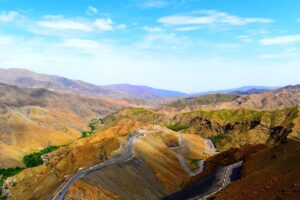
Climate and Best Time to Visit Morocco
The climate in Morocco is quite varied, owing to the size and geographical distribution of the land. The coastal areas have temperate conditions throughout the year, whereas the interior areas are more summer-hot and winter-cold. The Atlas Mountains can sometimes be very chilling, especially in winters, whereas the desert areas are very hot in summer. The best months to visit Morocco are during the spring and autumn. This is when the climate is favorable for the various tourist activities. Moreover, Morocco is an all-year tourist destination since every period has its associated distinct experience according to the region.
Conclusion
Morocco Tempting and Fascinates the Morocco is a place that always leaves a lasting imprint on every traveler. The natural environment, history, culture, and people of Morocco are a brew that gives a special experience. Morocco is surrounded by places that always contribute to its identity, and this includes its tourist attractions. There are European countries that border Morocco across the sea, while there are African countries on the other side of the Moroccan desert that border Morocco.
Author

sadikhan.ceo@gmail.com
Related posts
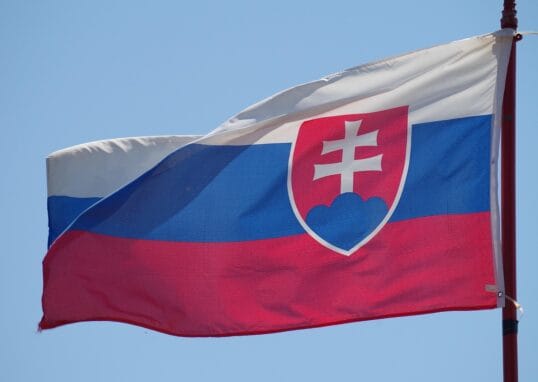
Slovakia
- 0
- 2,323 words
Slovakia : Discover the Hidden Gem of Central Europe Tucked right in the heart of Central Europe, Slovakia is one of those...
Read out all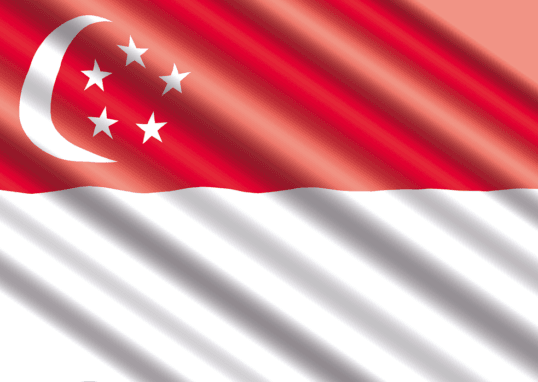
Singapore
- 0
- 2,246 words
Singapore : A Global City and Travel Hub Singapore’s one of those places where modern life and nature seem to fit together...
Read out all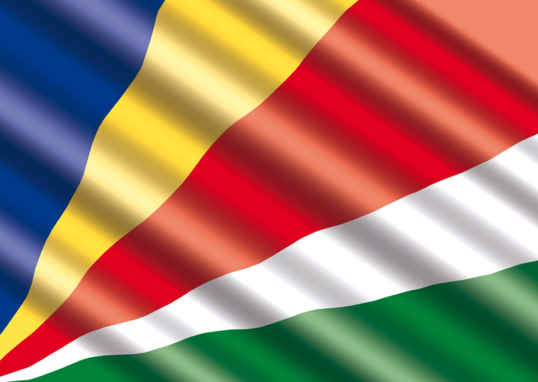
Seychelles
- 0
- 2,644 words
Seychelles : A Dream Destination in the Indian Ocean You hear about places as “dream destinations” all the time, but Seychelles totally...
Read out all
Serbia
- 0
- 2,789 words
Serbia Travel Guide: Regions of the Balkan Nation Serbia sits right at the heart of the Balkans, and honestly, it’s one of...
Read out all
Senegal
- 0
- 2,277 words
Senegal Travel Guide: Discover the Culture, History, Tourism, and Surrounding Regions of West Africa Welcome to Senegal—a place that really captures the...
Read out all
Saudi Arabia
- 0
- 2,914 words
Saudi Arabia: A Powerful Nation in the Middle East and Global Importance of the Kingdom Saudi Arabia stands out as one of...
Read out all