
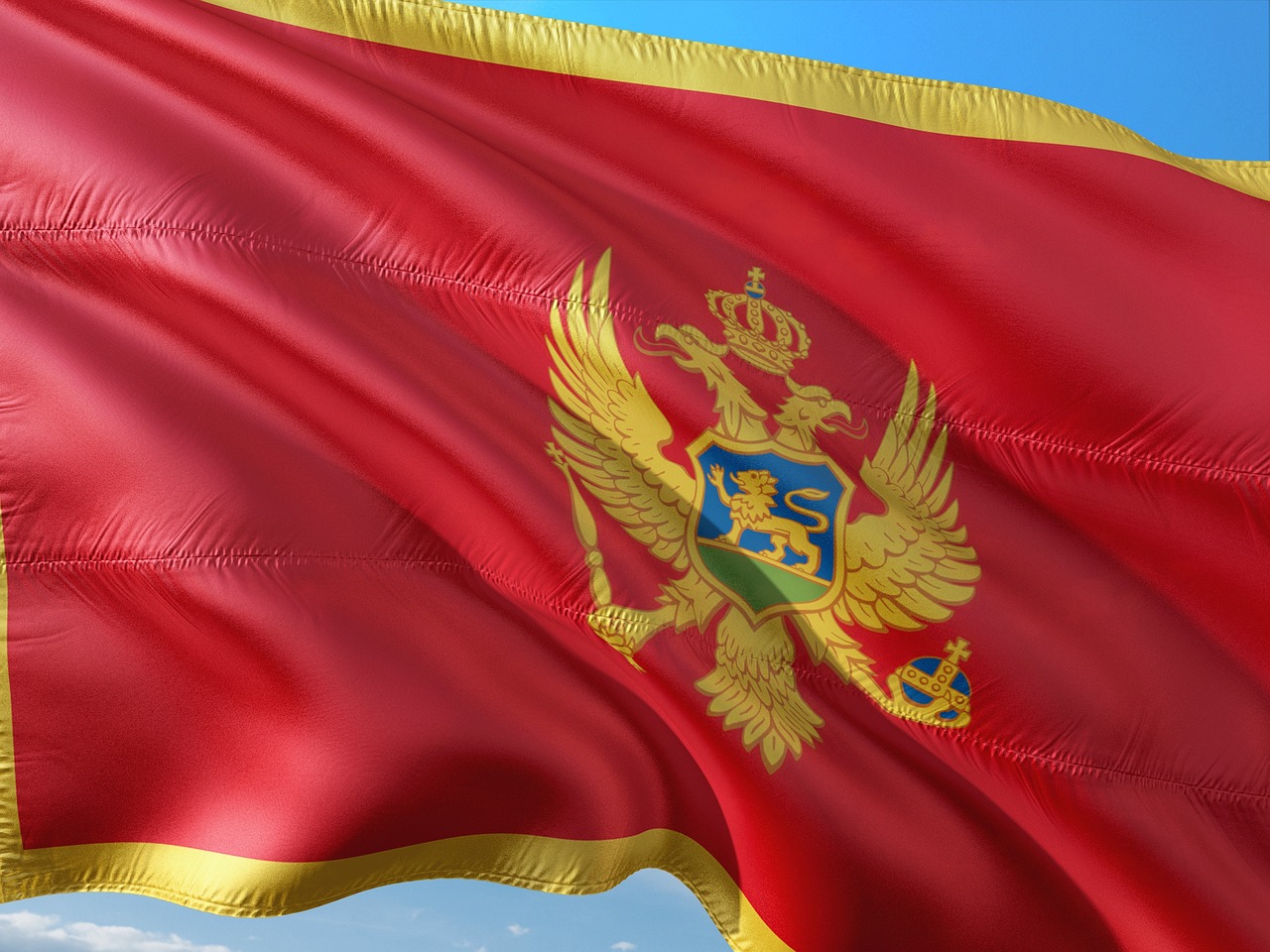
Montenegro – Stunning coastline, majestic mountains, historic Town
Montenegro is a small but highly beautiful country in South Eastern Europe. Montenegro is famous for its breathtakingly beautiful coastal areas, high mountains, historical towns, and cultural heritage, which are situated in the Adriatic Sea. There are not many countries that are as small in size as Montenegro, and yet, people flock to this destination from all over the world to explore this paradise on earth and to get a glimpse of its culture and history. This article aims to discuss Montenegro in further detail.
Geography and Natural Beauty
Ranked one of the smallest European countries in size, with a total area of approximately 13,812 square kilometers, the geographical location of Montenegro is in itself a mixture of various contrasting features. The geographical location of the country exhibits diverse characteristics, ranging from the Adriatic coastline to the mountainous areas sharing borders with countries such as Serbia, Kosovo, and Albania. The Adriatic coast is lined with lovely towns, sandy beaches, and secluded coves.
Climate
Montenegro has a Mediterranean climate in the coastal areas and a continental climate in the mountainous regions of the country. The coastal areas of Montenegro have warm and sunny summers that are ideal for beach holidaying, while the inner regions are cooler and snowy in winter. Montenegro is thus an all-season tourist destination that can attract both beach-loving tourists and snow-loving tourists.
History of Montenegro
Montenegro also has a rich history dating back several centuries. This was followed by the Roman Empire era when Illyrians inhabited the land. Later, it carved a niche by resisting several invasions by other civilizations in different times. During the medieval era, it was manifested by the development of fortified towns and monasteries; most of them remain intact even to this day. In the Ottoman era, the area of Montenegro enjoyed a sort of autonomy, and the traditions and culture of the people were respected by the local chieftains. Later, during the 20th century, the region merged into the Kingdom of Serbs, Croats, and Slovenes and eventually into the state of Yugoslavia. After the dissolution of the state of Yugoslavia, the republic declared its independence in the year 2006 and became one of the newest states of Europe. Montenegro’s history comes through in its architecture, monastery sites, and historical towns. Travelers will have the opportunity to view castles, fortresses from the Ottoman era, and Venetian architecture from the coastline.
Language and Culture
The native language of Montenegro, Montenegrin, is closely related to the Serbian, Croatian, and Bosnian languages. Many people speak some English, especially around the resorts. The Montenegrin culture has a rich variety, reflecting the Ottoman, Venetian, and Slavic heritage. The Montenegrin folk music, folk dances, and festivals have their special place in the culture. Religion is also a part of the cultural landscape in Montenegro. The country is mainly made up of peoples of Eastern Orthodox Christianity tradition, with notable communities of Catholics and Muslims. Inherited buildings from the past also reflect the religious diversity. Another thing worth noting about Montenegro is that it has traditional food. Seafood features prominently in coastal areas, with seafood such as fish, octopuses, and shellfish cooked in Mediterranean fashion. Alternatively, in landlocked areas, meat recipes such as roasted lambs, pork, and stews are commonly consumed.
Popular Tourism Sites in Montenegro
Montenegro is an even smaller country, but the number of amazing destinations there is simply staggering. Talking about the tourism destinations in Montenegro, the following are among the most popular ones:
Kotor
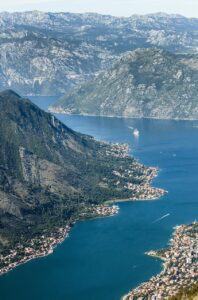
“The Pearl of the Adriatic” is also the nickname that characterizes Kotor. This medieval town is located at the end of the Bay of Kotor, a popular destination known for its perfect preserve old town, its cobblestone streets, as well as its walls. The town is a UNESCO World Heritage site.
- Old Town: In the Old Town section of Dubrovnik, the path leads to narrow streets and hidden squares with buildings from the 12th century. Points of Interest in Old Town Dubrovnik include St. Tryphon Cathedral, Church of St. Luke, and Maritime Museum Dubrovnik. Every nook shows the Venetian influence of the town.
- Kotor Fortress (San Giovanni Fortress): After reaching Kotor’s old town, visiting Kotor Fortress, also known as San Giovanni Fortress, should be a must. It will take some tiring hiking exercise involving 1,350 stairs up to the top for enjoying the stunning view of Kotor bay and mountain ranges. There are some historical exhibitions as well.
- Things to Do: Besides exploring, tourists can go on a boat ride through Bay of Kotor, kayaking, and a trip to the neighboring fisher towns. And for photography lovers, there is plenty to shoot here, right from its buildings to its environment.

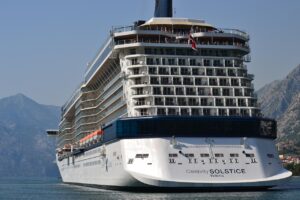
- Tips: Come early in the morning or towards the end of the afternoon to escape the tourist crowds that arrive by cruise ships. It’s also recommended that you book accomodations well in advance if you plan to visit during the peak season of summer.
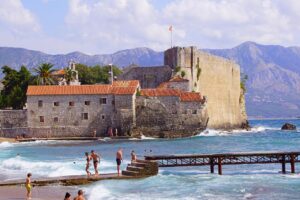
Budva
One of the most popular seaside resorts in Montenegro, Budva is known for the lively atmosphere at night as well as the beautiful beaches. This is usually one of the first destinations that visitors choose when they are looking for history as well as entertainment.
- Old Town (Stari Grad): The Old Town of Budva is protected by Venetian walls and houses historical churches and medieval squares with small shops and cafes-lined narrow streets; Citadel Hill provides a bird’s eye view of Old Town and the Adriatic Sea.
- Beaches: There are many beaches in Budva. The Mogren Beach is known for its golden and clean sandy beaches, and the Jaz Beach is suitable for aquatic activities and music events.
- Nightlife: The party capital of Montenegro is Budva. There are numerous nightclubs and beach parties that make it a hotspot for youth tourists.
- Activities: The activities available in this region include boat cruising, snorkeling, scuba diving, and coastal hiking. The region is also well-known for music festivals that occur during summer vacation.
- Tips: Old Town is a pedestrian neighborhood, so it is advisable to walk there. In summer, the beaches may be busy; it’s a good idea to arrive early.

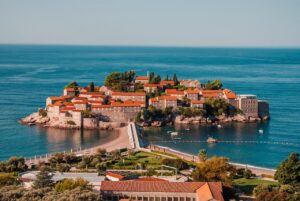
Sveti Stefan
Sveti Stefan is a small island and tourist resort. It is linked to the mainland by a small causeway. This famous landmark of Montenegro is a blend of history and elegance. It is often photographed because of its lovely looks.
- History: Historically, it was a fishing village that dated back to the 15th century. Today, it is a luxury resort destination that attracts many people, including celebrities.
- Architecture: The architecture on this island includes traditionally designed houses made of stone with red tile roofs.
- Activities: Spa treatments, dining, and direct access to a private beach. Photography opportunities on the mainland include some of the best views that can be had of the island.
- Tips: Only resort guests are allowed to visit the island. Some neighboring beaches and spots provide tourists with opportunities to enjoy the beauty of the island.
Durmitor National Park
Durmitor National Park, situated in the northern part of Montenegro, is a World Heritage site as recognized by UNESCO. This tourist destination is renowned for its mountainous terrain, glacial lakes, as well as canyons.
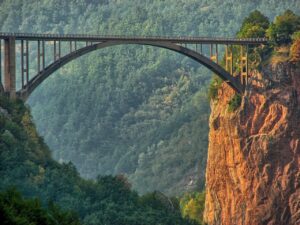
- Tara River Canyon: Nicknamed the “Grand Canyon of Europe”, this canyon is the deepest in the whole of Europe and also the best not to be missed for a thrilling rafting, kayaking, or zip lining experience.
- Trekking and Mount Climbing: There are more than 50 summits in the park above 2,000m altitude. The highest peak is Bobotov Kuk, known for challenging trails and breathtaking views.

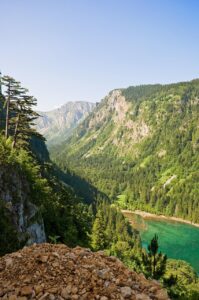
- Black Lake (Crno Jezero): Located close to Žabljak, this glacial lake has pines all around and offers trekking, boat rides, and photo shoots.
- Winter Sports: The ski resort of Žabljak operates in Durmitor, catering to sports like skiing, snowboarding, and snowshoeing in
- Flora and Fauna: The park has various species of wildlife such as bears, wolves, eagles, and chamois, making it ideal for nature lovers.
- Travel Tips: Trekking should be undertaken with the right trekking equipment, as the trails can at times be steep. One should make use of guided tours when venturing into remote areas.
Lovćen National Park
It is close to Kotor and Cetinje, so it combines natural attractions with cultural value.
- Mount Lovćen: This mountain has trails that lead to viewing areas offering a sight into the Adriatic and the surroundings.
- Njegoš Mausoleum: It is the final resting place of Petar II Petrović Njegoš, who is known as one of the most prominent Montenegrin poets and rulers. The mausoleum is situated atop the cliff and is reachable after climbing 461 stairs.
- Activities: Trekking, sightseeing, photography, and exploring local villages around.
- Tips: Early ascent to see sunrise from top. Comfortable footwear is a must to walk up to the mausoleum.
Perast
Perast is a small picturesque town located in the Bay of Kotor. It is recognized for its Baroque architecture and tranquility.
- Old Town: The stone-paved streets, palaces, and churches, including St. Nicholas Church, in Perast testify to its glorious maritime past.
- Our Lady of the Rocks: A man-made island with a historical church and museum, reachable by a boat. It is said to have been formed by sinking ancient ships and throwing stones into the sea.
- Things to do: Harbor tours, photography, museum exploration, and eating at cafes by the waterfront.
- Tips: Arrive early if your goal is to avoid the crowds that come off the cruise ships.

Cetinje
Cetinje is a former capital, a former royal residence, and a cultural center of
- Museums: National Museum of Montenegro, King Nikola’s Palace, and Biljarda Museum exhibit Montenegrin history, artwork, and culture.
- Monasteries: The Cetinje Monastery is a religious and historical monument, home to beautiful architectural creations and religious items.
- Cultural Events : Festivals and artistic exhibits and cultural events occur throughout the year.
- Tips: Cetinje can be easily walked around in a day or less. Take a full day to visit all the museums.
Lake Skadar
Lake Skadar, shared with Albanians, is the largest lake in the Balkans. This is a hotspot for nature lovers.
- Bird Watching: There are over 280 species of birds such as pelicans and herons, making it bird watchers’ heaven.
- Villages: The villages along the lake shores, like Virpazar, have local cuisine, boat rides, and picturesque streets.
- Activities: Boat rides, kayak trips, swimming, and photography.
- National park: The Lake Skadar National park safeguards both biodiversity and cultural resources, such as historical monasteries and medieval fortress buildings.
- Tips: Take a local boat guide and discover the hidden areas of the lake and enjoy some local fish recipes.

Herceg Novi
Herceg Novi is located in a spot very close to the entrance of the Bay of Kotor. It is known for botanical gardens and beaches, as well as fortresses.
- Citadel: The Forte Mare and Kanli Kula Citadel feature amazing vistas of the bay and the sea.
- Old Town: The cobblestone roads, artistic galleries, and cafes make Old Town a delight to walk around.
- Beaches and Promenade: There are pebble beaches and a promenade along the coast in Herceg Novi.
- Festivals: Music, film, or cultural festivals are held in the town, attracting global visitors.
Ulcinj
Ulcinj: This historic town in southern Montenegro enjoys fame for its long sandy beaches as well as its multicultural past.
- Old Town: Ulcinj Old Town is known for its Ottoman architecture, narrow streets, mosques, and fortresses.
- Velika Plaža: It is a 13-kilometer stretch that is ideal for sunbathing
- ADA BOJANA ISLAND: Famous for its peaceful beaches and naturist resorts, this is a great place to relax and engage in water sports.
- Activities: Swimming at the beach, doing windsurfing sports, visiting markets around Durrës
- Tips: Ulcinj is less populated than Budva and Kotor, making it optimal for those seeking a quiet beach vacation.

The tourist attractions in Montenegro vary widely and meet the needs of history buffs, adventure lovers, nature lovers, and those who seek beaches. This is because each destination provides a different experience and an opportunity to enjoy the beauty of the country’s culture and environment.
Adventure and Outdoor Activities
Montenegro is a heaven for adventure-seekers. It provides opportunities such as hiking, cycling, rafting, skiing, and paragliding. The mountainous parts of Montenegro provide great paths for hiking and trekking. The rivers, canyons, and lakes in this country are great for adventure-seekers who love water activities. In the winter months, the northern parts of Montenegro have great opportunities such as downhill skiing and snowboarding in the skiing facilities of the northern parts of Montenegro.
Surrounding Places and Travel Connections
Montenegro has bordering nations such as Croatia, Bosnia & Herzegovina, Serbia, Kosovo, and Albania. Every neighboring country has its own adventure to provide, which can easily be accessed from Montenegro.
- Croatia: Croatia is also known for its historic cities of Dubrovnik and Split. The country’s sea shores and islands are also a major tourist attraction. Visitors can easily drive to Croatia by road from Montenegro.
- Bosnia and Herzegovina: With medieval towns, nature parks, and a rich cultural heritage, Bosnia and Herzegovina is a cultural treasure. The cities of Mostar and Sarajevo are easily accessible from Montenegro, either for a day visit or a longer stay.
- Serbia: Serbia offers an urban setting, such as Belgrade and Novi Sad, which are famous for their nightlife, music festivals, and rich history. Visitors from Montenegro have the best of both worlds.
- Kosovo: Kosovo, a place that has a different culture and geography, is yet another destination that is close to Albania. Historically important sites, villages, and mountains offer a different viewpoint regarding the culture of the Balkans.
- Albania: Albania’s natural scenery, mountain ranges, and historical sites make it a popular tourist destination. Accessibility to Montenegro enables tourists to travel to both countries in a single tour.


Festivals and Cultural Events
Montenegro also has many festivals and cultural performances throughout the year. Budva Summer Festival includes music, theater, and dance performances. The Kotor Carnival and Bokelj Nights respect the country’s cultural traditions and folk legacy. Art exhibitions, literature festivals, and historic revivals take place at the town of Cetinje. These provide a platform for tourists to engage with the rich cultural heritage of Montenegro.
Practical Travel Information
Montenegro is easy to get around in. The country is adequately connected by a growing number of roads, buses, and domestic flights to major cities and most tourist destinations. Podgorica is the capital city, and this is where international flights as well as flights to other neighboring countries can be accessed. The local currency used in Montenegro is the Euro. This will make every transaction easy since Europe’s currency is being used. The accommodation available is of varying standards, including luxury resorts and hotels, guesthouses, and hostels. The tourist infrastructure in Montenegro is improving fast, which ensures a comfortable and convenient trip for any visitor.
Montenegro Around the World
Montenegro is known internationally because of its natural beauty, culture, and hospitality. Montenegro is regularly featured in international magazines and documentaries that cover various forms of travel. Cruise boats regularly dock at the harbor of Kotor, which is filled with tourists from Europe, Asia, and America. Pictures of Montenegro on social media platforms entice the younger generation of tourists. Montenegro is an ultimate destination because of its history, adventure, and natural beauty that are categorized on the world map.
Conclusion
Montenegro may be small in extent, yet it has unlimited beauty, culture, and adventure. From the historical part of Kotor to the calmness of Lake Skadar, from the luxury of Sveti Stefan to the mountains of Durmitor, Montenegro has adventures that will appeal to every type of tourist. The history, culture, and beauty that the destination has to offer make Montenegro worth visiting. Added to this is the fact that Montenegro is close to other nations within the Balkan region, making it the basis for travel adventures that could be longer compared to other destinations.
Author

sadikhan.ceo@gmail.com
Related posts
Slovakia
- 0
- 2,323 words
Slovakia : Discover the Hidden Gem of Central Europe Tucked right in the heart of Central Europe, Slovakia is one of those...
Read out all
Singapore
- 0
- 2,246 words
Singapore : A Global City and Travel Hub Singapore’s one of those places where modern life and nature seem to fit together...
Read out all
Seychelles
- 0
- 2,644 words
Seychelles : A Dream Destination in the Indian Ocean You hear about places as “dream destinations” all the time, but Seychelles totally...
Read out all
Serbia
- 0
- 2,789 words
Serbia Travel Guide: Regions of the Balkan Nation Serbia sits right at the heart of the Balkans, and honestly, it’s one of...
Read out all
Senegal
- 0
- 2,277 words
Senegal Travel Guide: Discover the Culture, History, Tourism, and Surrounding Regions of West Africa Welcome to Senegal—a place that really captures the...
Read out all
Saudi Arabia
- 0
- 2,914 words
Saudi Arabia: A Powerful Nation in the Middle East and Global Importance of the Kingdom Saudi Arabia stands out as one of...
Read out all