
Milan, Italy – the most influential cities in Europe
Milan is a very important city in Italy and an equally important city in Europe. Milan is a city in Italy, found in the Lombardy part of Italy, a region in the north side of Italy. Milan is a very famous city because it is a hub in Italy, especially when it comes to fashion, finance, culture, and history. When people hear Milan, they can imagine people dressed up in fashion, people shopping in style, and people enjoying a modern city life. But Milan is more than just a city in fashion. Milan has deep-rooted history in which it dates over two thousand years. Meanwhile, Milan is not a city stuck in history but rather a leading city in the present. Because of this, Milan is a very famous city because people from all over the world go to see its big churches, famous museums, beautiful streets, and fun-filled city life.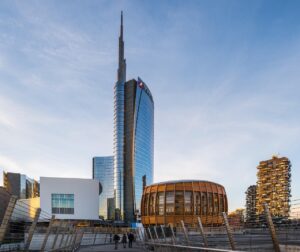
Historical Background of Milan
Milan’s history dates back to ancient Roman times when it was called Mediolanum. Due to Milan’s strategic site, this city emerged as a major hub for trade, politics, and military expansion. Milan later developed as a wealthy city controlled by powerful families called the Visconti and Sforza during the Medieval period. The rulers deeply influenced Milan’s architecture, art, and defense systems. Milan emerged as a hub for artists, engineers, and intellectuals during the Renaissance era with famous people such as Leonardo da Vinci. Milan went through phases of wars, foreign occupation, and industrialization. However, Milan’s history depicts the city’s never-ending ability to regenerate and keep up with different eras. Roman ruins, castles from Milan’s Medieval era, and churches from Milan’s Renaissance era coexist with Milan’s tall skyscrapers.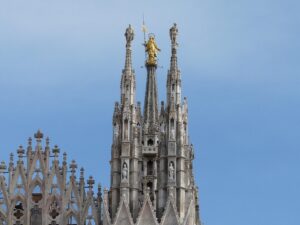
Cultural Identity of Milan
Milan culture is influenced by elements of elegance, creativity, and ambition. While other cities in Italy celebrate tradition, Milan is a city in constant progress. Milan is referred to as the fashion capital of Italy, with Milan Fashion Weeks being one of the most important events in this sector. Milan attracts designers, artists, photographers, and entrepreneurs from all over the world. Milanese people, on the other hand, are known to appreciate art, music, architecture, and education. Opera, classical, and contemporary designs make up a part of Milanese culture.
Geography and Climate of Milan
Milan is found in the Po Valley, which is among the most productive lands in Italy. The area where Milan is geographically situated is rather flat, which aided in making Milan an industrial and commercial hub. To the north of Milan, there are Alps, and the whole area is bordered by lakes and rivers. The climate in Milan is classified as a Continental climate. During summer, it can be warm and sometimes humid, with cold and foggy winters. Spring and autumn are regarded as the most ideal times to be in Milan because of favorable climatic conditions and a vibrant atmosphere with performances and outdoor coffee shops. Milan can thus be visited all year round, but spring and early autumn remain the peak time for travel.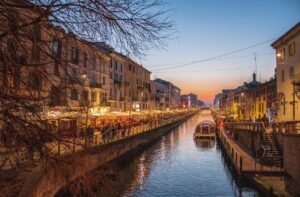
Tourism Sites in Milan
Milan is a very important city in Italy and a leading tourist destination in Europe. Milan is famous globally for fashion, design, art, history, and business. Moreover, Milan is a city where ancient landmarks exist side by side with newly constructed buildings, thus maintaining a perfect blend of the old and the new. Visitors to Milan come not only for shopping and fashion shows but also for sightseeing in famous churches, museums, castles, and streets in Milan. As you wander through Milan, each part of this city shows you a different narrative, thus making it an interesting tourist destination.
Duomo di Milano – The Heart of the City
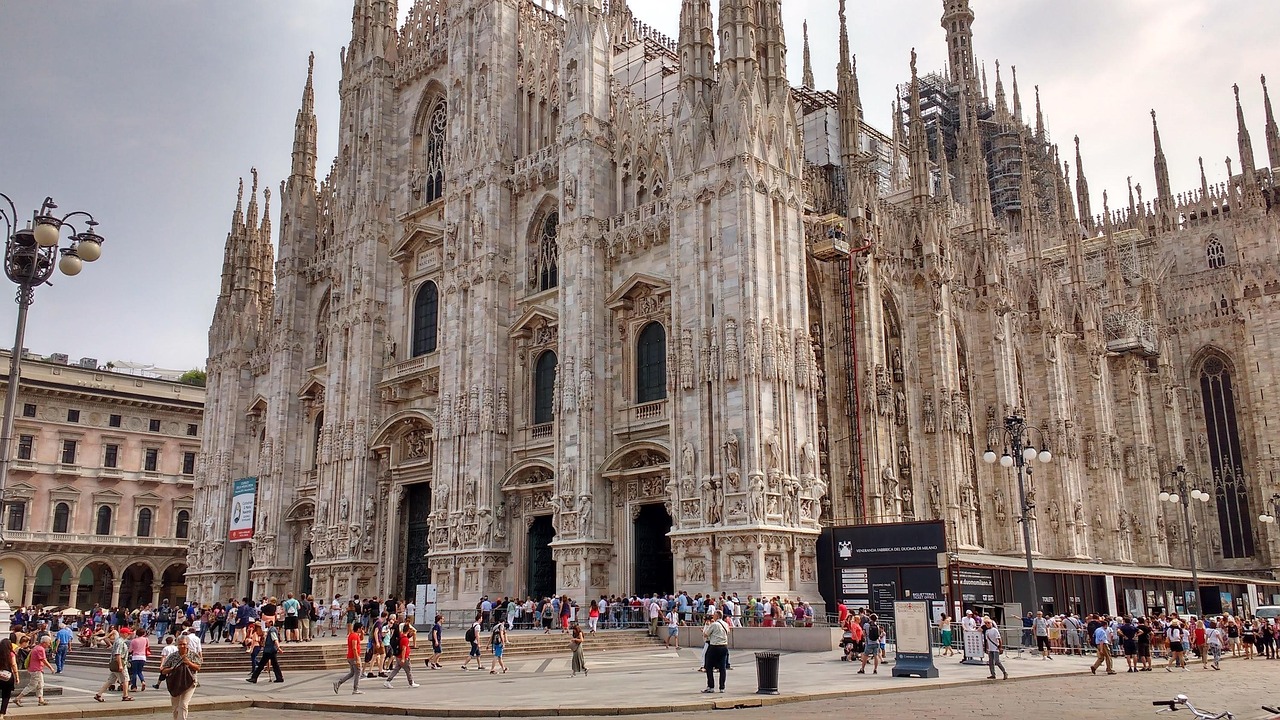
The Duomo di Milano Cathedral is another very famous landmark in Milan, and it is one of the largest in the world. The construction of this breathtaking Gothic church took a total of six centuries, which is why the level of detail in this church is so intricate. The exterior of this church is covered with white marble and thousands of statues, spires, and carvings of saints, angels, and scenes from the Bible. As soon as people enter this church, they get greeted with this enormous interior and high columns, colorful stained glass windows, and a serene ambiance. One of the most unique experiences offered by this church is walking atop it, where people can take in spectacular views of Milan and even see the Alps in the distance if the day is clear.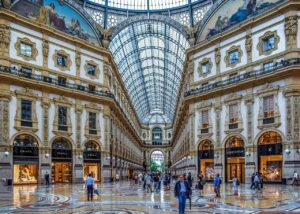
Galleria Vittorio Emanuele II – Historic Shopping Gallery
Right next to the Duomo is another famous landmark called the Galleria Vittorio Emanuele II, which is one of the oldest and most beautiful shopping arcades in the world. Constructed during the 19th-century time, this glass-roofed shopping arcade links the cathedral square with Teatro alla Scala Opera House. The shopping arcade is renowned all over the world for its breathtaking iron and glass ceiling, radiant floors, and majestic architecture. One can see people pausing to admire the massive dome in the middle, which brings in lots of natural light into this marvelous setting. Upscale designer brands, old cafes, and restaurants line up both sides of this famous shopping arcade. Even people not intending to indulge in shopping in Milan prefer to walk through this area since it feels as if they have stepped inside a ‘living museum of beauty and elegance in Italy.’
Teatro alla Scala – World of Opera and Music
Teatro alla Scala, commonly known as La Scala, is one of the most prestigious opera houses in the world. Since its opening in 1778, it has hosted performances by legendary composers, musicians, and singers. The theater’s interior is richly decorated with red velvet seats, golden balconies, and elegant chandeliers. Music lovers from around the globe come to Milan specifically to attend an opera or ballet performance here. For those who cannot attend a show, the La Scala Museum offers guided tours that explain the theater’s history, famous performances, and musical instruments. As a result, La Scala remains a symbol of Milan’s deep connection to art and culture.
Castello Sforzesco – Fortress and Cultural Center
The Castello Sforzesco is a massive castle in Milan which dates back to the medieval times. The castle was constructed in the 15th century by a powerful Milanese family known as Sforza, who ruled over Milan during the Renaissance. The castle was used over time for both defense, royalty, and military bases. Presently, it shelters a series of museums and artwork. Some of these include Renaissance artwork, ancient statues, historical weapons, and artwork by renowned artists such as Michelangelo. To the rear of this castle is Sempione Park, a massive park where tourists can unwind after a tour of the castle.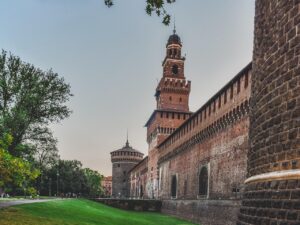
Santa Maria delle Grazie – Home of The Last Supper
One of Milan’s most precious assets is to be found inside the church and convent of Santa Maria delle Grazie. This is a globally renowned landmark, since it is home to Leonardo da Vinci’s famous work *The Last Supper*. Created towards the end of the 15th century, this painting depicts the moment when Jesus reveals to his followers that one of them will soon betray him. While this is a priceless artwork in terms of capturing emotions, composition, and reality, it is not in a very good state. Hence, tourist access is tightly controlled, and tickets need to be pre-arranged in advance. A visit to this artwork can be termed a lifetime experience, so this site is a major Milan attraction.
Brera District and Pinacoteca di Brera
One of the most romantic and artistic quarters of Milan is Brera. Brera is famous for its small roads, historical buildings, art studios, and lively coffeehouses. To walk around Brera is to experience a peaceful and artistic atmosphere, with a lively cultural vibe in the evening when locals come out. The most famous part of Brera is Teatro Piemonte, which contains one of Italy’s most famous art galleries: Pinacoteca di Brera. Here, people can see masterpieces of such famous Italians as Caravaggio, Raphael, and Titian. Moreover, it gives information on the history of art in Italy over different centuries. Due to this artistic ambience, Brera attracts many art enthusiasts and photographers.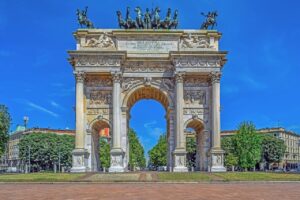
Navigli Canals – Historic Waterways
The Navigli district is known for its canals, which were meant to transport goods into Milan in the old days. Some of these canals were shaped by Leonardo da Vinci’s design concepts. The canals in the Navigli district are not used for trade anymore but have rather become a lively social and cultural hub. Activities in this area include eating, drinking, viewing artwork, and shopping. In the evening, this area is very lively during aperitivo hours when people come to drink and have a bite to eat. The sparkling light reflections on the water make this area a romantic spot far from Milan’s busy city life.
San Siro Stadium – Football and Sports Tourism
San Siro Stadium, officially known as Stadio Giuseppe Meazza, is one of the most renowned football stadiums globally. The stadium is home to two of Italy’s largest football clubs, namely A.C. Milan and F.C. Inter Milan. Football enthusiasts travel to San Siro Stadium to watch a match, go on a guided tour, and visit the stadium’s museum. Based on the information learned at the museum, visitors can gain insight into the history of football in Italy, legendary players, and famous matches. Even non-enthusiasts of sports travel to San Siro to learn of the significance of football in Italy’s culture.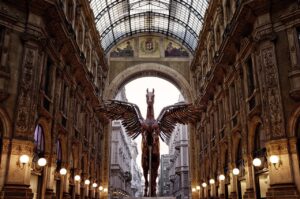
Quadrilatero della Moda – Fashion Capital Experience
Milan is famous for being one of the capitals of fashion in the whole world, and this is embodied in the Quadrilatero della Moda. This fashion spot comprises shopping streets such as Via Montenapoleone and Via della Spiga. In this part of Milan, tourists can see the flagship brands of famous Italian and international fashion designers. The elegant roads, show windows, and fashionable people make this spot a place not only for shopping but also for simple sightseeing. The fashion shows and design festivals in Milan have significantly added to its reputation as a global fashion capital.
Museo del Novecento – Modern Art in Milan
Situated in the proximity of the Duomo, Museo del Novecento is an art museum dealing with 20th-century art. The museum contains artwork from both local and global artists, portraying how art in Italy developed in the 20th-century era. The large windows of this museum allow you to have a stunning view of Duomo, an integration of both history and modernism in one setting. Museo del Novecento can be considered a perfect museum for someone who wishes to go beyond classical art in Milan.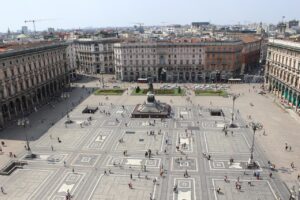
Food and Cuisine of Milan
Milanese cuisine is a representation of northern Italy’s culinary tradition. Milanese dishes are different from those of southern Italy because they incorporate butter, rice, and meat into their recipes. Risotto alla Milanese is a distinct Milanese dish because of its saffron flavor and color. Ossobuco is another popular Milanese dish that is braised veal with vegetables. Milan is also famous for its panettone, a sweet bread loaf mainly consumed during Christmas. Eateries in Milan include traditional trattorias and upscale restaurants.
Surrounding Places Near Milan
Milan is not only an important metropolis in terms of fashion, economy, and culture, but it is also strategically positioned in a manner which makes it an excellent hub for exploration of some of the most beautiful sites in the northern part of Italy. Around Milan, there are serene lakes, lovely towns, ancient cities, mountains, and picturesque villages. Due to an efficient transport network, most of these sites can be visited in a short time of one to three hours. Therefore, Milan is a very good hub for exploration in Italy based on a variety of sites which include nature, history, art, among others.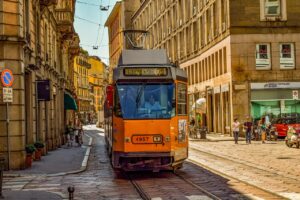
Lake Como – Elegance, Nature, and Romance
Como Lake is among the most famous and breathtaking lakes in the world. It is approximately an hour north of Milan. The lake is set amidst green mountains and lovely villas. As a result, a serene and romantic ambiance is formed, which entices tourists from all over the world to visit. As soon as tourists reach this beautiful place, they can notice the blue water, colorful villages, and quiet movement of boats in the lake. Among the most famous villages in this region are Como, Bellagio, and Varenna, which allow visitors to have a chance to walk through lovely streets, enjoy eating in waterfront restaurants, visit old churches, and have a breathtaking view of the surrounding scenery.
Lake Maggiore – Gardens, Islands, and Tranquility
Situated northwest of Milan, another breathtaking lake getaway is Lake Maggiore, which provides a slightly less busy and relaxed ambiance compared to Lake Como. In fact, this lake is known for its stunning gardens, tranquil islands, and pretty towns.
Lake Garda – Italy’s Largest and Most Lively Lake
The largest lake in Italy is Lake Garda, which is based in the eastern part of Milan. Due to its size, this lake contains a variety of towns with distinct natures. The bottom side of this lake is characterized by towns such as Sirmione, which is mainly famous for being a dwelling of a medieval castle and Roman ruins. As you ascend towards the top side of the lake, you are able to see towns such as Riva del Garda, which favors people who are into hiking, sailing, and windsurfing activities. Other fun-filled sites in this lake include thermal springs, bathing sites, wineries, and family sites. For all these reasons, this site favors couples, families, and adventure-seekers.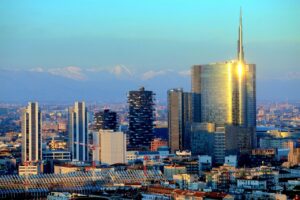
Bergamo – A City of Two Faces
Bergamo is an important city in Italy, sitting northeast of Milan. It is famous for an unusual configuration, which is split into two main areas referred to as the Upper City and the Lower City. The Upper City, named Città Alta, is built on a hilltop and protected by thick city walls, which go back to the Middle Ages. While passing through the old stone roads of this city, one can sense a connection to history being traversed.
Verona – Romance, History, and Timeless Beauty
Verona can be found to the east of Milan and enjoys an international reputation for being the setting of Shakespeare’s Romeo and Juliet. Apart from being a romantic getaway, Verona is a UNESCO World Heritage town with preserved buildings and vibrant public spaces, making it a highly satisfying tourist spot in the neighborhood of Milan.
Pavia – A Historic University Town
South of Milan is Pavia, a peaceful and historically rich city famous for a very old university and interesting architecture. The most famous attraction in this city is definitely the Certosa di Pavia, an breathtaking monastery situated a short way out of Pavia. This work of art in Renaissance-Gothic style will amaze you with its intricate façade and serene atmosphere inside. Walking along the Ticino River, taking a walk through old city streets, and enjoying medieval city towers and churches will be possible in Pavia, where you can enjoy a peaceful life compared to Milan’s vibrant atmosphere.
Cremona – Music and Violin Heritage
Cremona, the southeastern part of Milan, is famous all over the world because of its tradition in making violins. Cremona is inextricably linked with famous violin makers such as Stradivari. While moving around Cremona, it is possible to visit museums related to musical craftsmanship.
Milan’s Role in Global Tourism
Milan is a tourist spot and an international center when it comes to fashion, finance, and design. Milan attracts many people from different countries through international exhibitions, trade shows, and fashion shows. Therefore, Milan can be described as an international and vibrant city. Milan benefits from efficient transportation systems, quality hotels, and good services offered to tourists. Milan’s transport systems make it accessible from anywhere in Europe and other countries.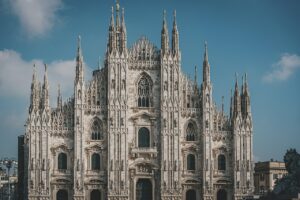
Conclusion
Milan is a city with a whole lot more to offer than just an initial impression. Milan is a city where history and art, fashion and culture, blend in very nicely with a cosmopolitan way of life. Its stunning cathedral, famous artworks, fashionable city, and picturesque lakes make Milan a very interesting holiday destination. The regions surrounding Milan have a whole lot to offer and work wonders in enhancing any trip to Milan. When it comes to serene lakes, romantic towns, ancient cities, and mountains, each of these destinations bring a whole new dimension to this travel experience. No matter which side of Milan a tourist is on—whether they are in Milan for culture, shopping, food, or natural beauty—the memory stays with them forever. Milan remains an epitome of elegance, innovation, and resilience, making it “one of the most important cities in the world”.
Author

sadikhan.ceo@gmail.com
Related posts
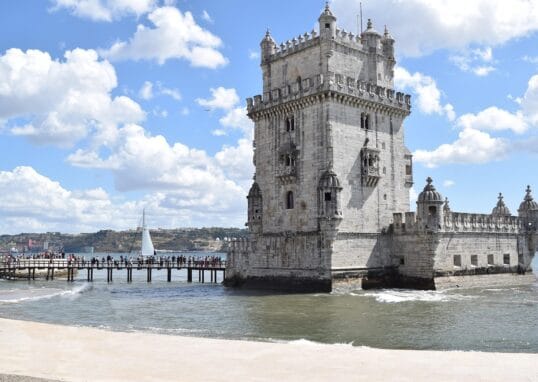
Lisbon Travel Guide
- 0
- 2,266 words
Lisbon Travel Guide – A Beautiful Coastal Capital with Culture and Value Lisbon pops up on pretty much every list of Europe’s...
Read out all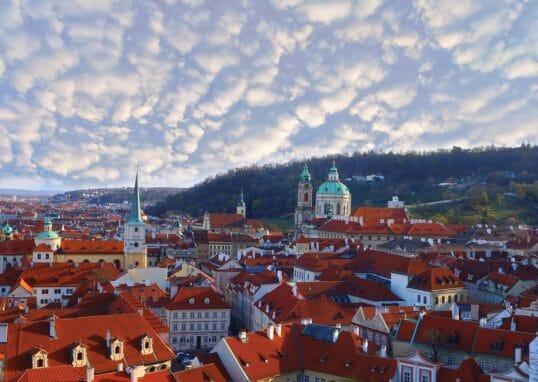
Prague Travel Guide
- 0
- 2,455 words
Prague Travel Guide – A Magical European Destination Full of History and Charm If you’re dreaming of a city that looks and...
Read out all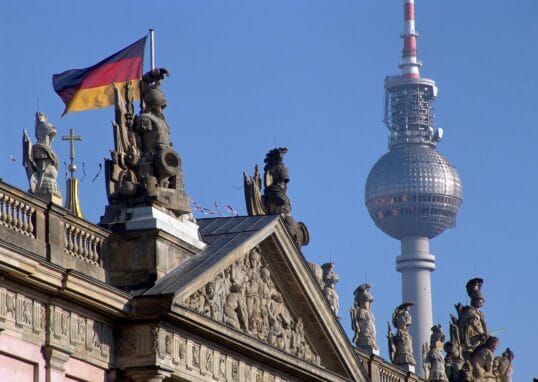
Berlin Travel
- 0
- 2,097 words
Berlin Travel Guide – A City of History, Culture, and Modern Energy Berlin isn’t your typical European capital—it buzzes with history and...
Read out all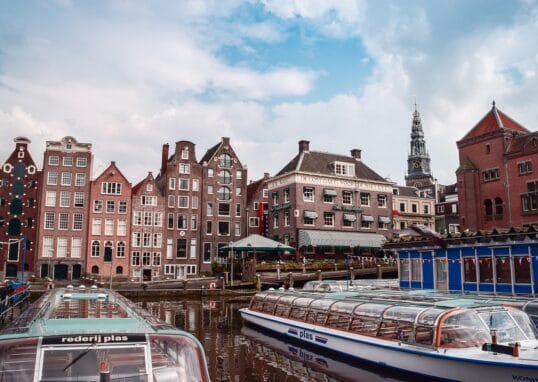
Amsterdam Travel Guide
- 0
- 2,602 words
Amsterdam Travel Guide – A City of Canals, Culture, and Timeless Beauty Honestly, Amsterdam is one of those cities that just grabs...
Read out all
Barcelona, Spain
- 0
- 2,340 words
Barcelona, Spain Travel Guide – A Vibrant Mediterranean City Barcelona feels alive, no matter what time of year you show up. The...
Read out all
Male, Maldives
- 0
- 2,442 words
Malé, Maldives Travel Guide – The Capital of Island Paradise Malé might be tiny compared to other capitals, but it’s at the...
Read out all