
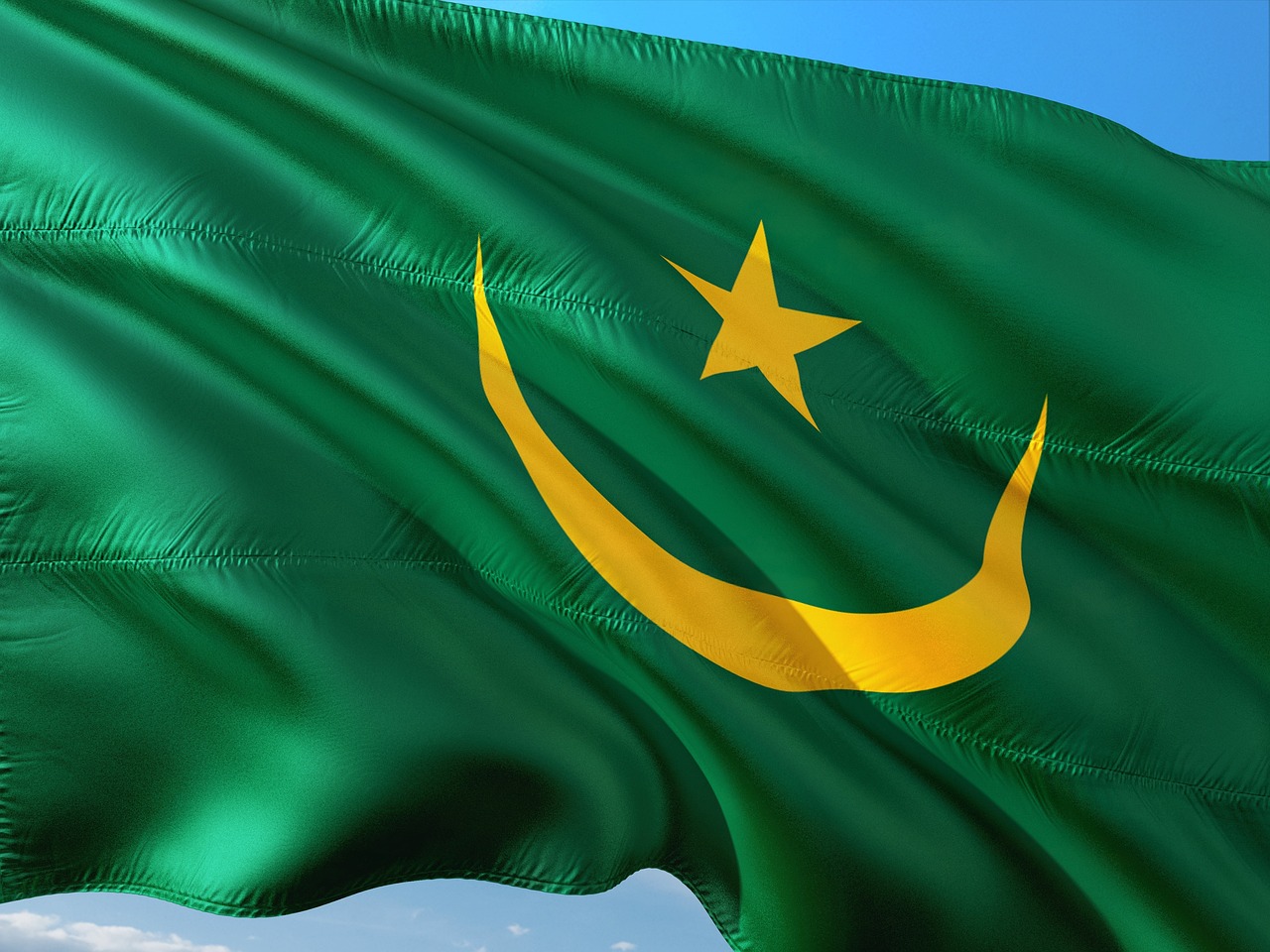
Mauritania – Fascinating country located in Northwest Africa
Mauritania is a big and very intriguing country that is geographically positioned at Northwest Africa, where the Sahara Desert ends and then meets the Atlantic Ocean. As you enter Mauritania, you will be struck by the presence of boundless yellow sand, old trade routes, and villages that appear as if they have been untouched by time. Mauritania is also famous for its expansive lands, rich desert culture, and historic link with traditional nomadic life. Despite it not being as commonly visited as some of the other places on the African continent, Mauritania still exudes an exciting sense of adventure for any avid traveler who would like to experience unusual natural wonders, tranquil surroundings, and authentic cultural experiences. Moreover, people from Mauritania are very friendly and have managed to sustain traditions and practices that have lasted for several centuries. Mauritania has also emerged as an efficient bridge connecting North Africa, West Africa, and the Arab world. Because of these facts, it can be said that Mauritania exudes a rich and diverse sense of identity and traditions that will make every travel experience unforgettable.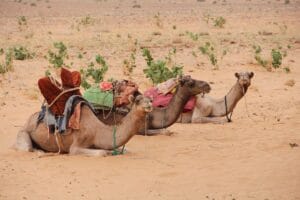
History of Mauritania
The Mauritania region has a rich historical background dating back to the ancient civilizations that existed in the region. Nomads have lived in the deserts for thousands of years. These nomads have set up trade routes that connect West Africa and Mediterranean civilizations. The nomads have traveled long distances with camel-structured trade routes with goods like salt, gold, cloth, and spices. As years passed, Islamic scholars began to settle down in various regions surrounding Mauritania. As a result, respective regions like Chinguetti became significant centers for learning. These centers attracted people from various levels within the Islamic nation. Many years passed by, and various European nations began exploring the African coasts. France eventually took control of Mauritania at the end of the nineteenth century. Mauritania remained a colony under France control until 1960, eventually regaining its independence. Mauritania has continued to progress as a young nation with rich historical backgrounds.
Culture and People of Mauritania
The culture of Mauritania is made up of a rich Arab, Berber, and African mix. These cultures coexist beautifully in Mauritania. There is beautiful harmony created through music, languages, cuisine, and social traditions. A lot of Mauritanians still maintain their nomadic culture. They still live in tents and move with their livestock based on seasonal needs. The nomadic culture teaches people the values of being generous, tolerant, and nature-loving. Hospitality is valued greatly as a culture in Mauritania. Foreigners are usually welcomed with tea, and making tea is considered an art form that depicts warmth and friendship. Mauritania has various languages like Arabic, French, and African languages. This makes Mauritania a multi-lingual country. The traditional attire, which includes the “boubou” or “melhfa” robe, contributes greatly to making the culture beautiful. Mauritania’s music also establishes peace with melodies created from instruments like “tidinit” and “ardin.” These generate soothing sounds that are inspired by desert life.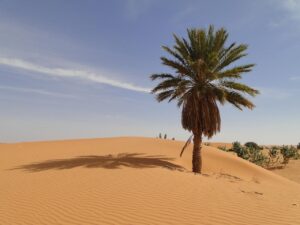
Geography and Climate of Mauritania
Mauritania is dominated by the Sahara Desert. Therefore, it emerges as one among the list of nations that have the most extensive desert coverage. Its geography varies from rolling sand dunes, rocky mesas, dry riverbeds, and broad plains. While it may appear as a very deserted region from a distant perspective, it teems with life for someone who understands it. The nomads are aware of secret oases, desert flora, and ways to cross with ease. It has very hot and arid conditions almost throughout the year. Weather can be very high during the day and low at night. It also experiences aridity almost throughout, yet it still boasts a very lengthy coastline on the Atlantic side. It would bring cool air to Nouadhibou and Noukchott. There are some regions with swampy and coastal ecosystems. It would harbor thousands of migrating birds. As it moves towards the south, the region becomes greener, particularly around the Senegal River. Mauritania experiences so much diversity in natural geography that it presents a sense of wonder and awe to tourists.
Tourism Sites in Mauritania
Banc d’Arguin National Park
The Banc d’Arguin National Park represents one of Mauritania’s most bizarre and amazing natural wonders, providing tourists with an oasis that exudes a tranquil world replenished with life, golden deserts, and still coastal waters. Also known as a UNESCO World Heritage Site, it boasts an impressive quantity of migratory birds, with an emphasis on flamingos, pelicans, and terns. All year round, thousands of these birds nest and feed there, making it a haven for tourists and birds watchers. Moreover, these waters are full of various species that include fish, dolphins, and turtles, and they all thrive within these still and shallow waters. Living around these coasts are some fishing communities belonging to the Imraguen tribe, who live around these regions and still employ ancient fishing methods passed down from generation to generation. As tourists venture into this amazing national park, they get a chance to experience a tranquil world with a predominant beautiful and expressive nature.
Chinguetti – The Ancient Desert City
Chinguetti is amongst Mauritania’s most historic towns, and it is typified as a ‘frozen in time’ destination. Situated deep within the Sahara Desert, Chinguetti, an ancient town, served as an ‘Islamic center of learning’ and a ‘way station for traveling caravans crossing the Sahara.’ As tourists move about within its narrow and sandy streets, they will notice its traditional stone houses made with ‘reddish-brown bricks’ that have seamlessly blended with the surrounding desert. Also, ‘the famous Chinguetti Mosque with its stark but impressive architectural style’ proudly stands tall within the town and ‘remains one of Mauritania’s most cherished historical inheritances among all its historic sites.’ Moreover, it might be noted here that ‘the ancient libraries at Chinguetti house thousands of manuscripts, some dating back several centuries. These manuscripts have given an invaluable glimpse into the region’s historic and philosophic past, as well as its religion and science.’ At present, Chinguetti exudes an ‘atmosphere of peace and quiet,’ but its ‘immersion and rich historic background make it an ‘absolutely’ exciting destination to be at within Mauritania.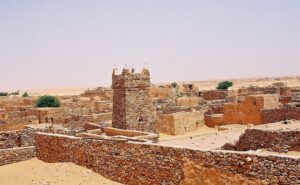
Ouadane – The Historic Caravan Town
Another ancient desert town with a spirit uniquely evocative of the ancient trade routes that once linked West Africa with North Africa and places beyond is that of Ouadane. As people who travel to the town get nearer, they get an impressive visual sight of old homes made from stone stood on a hillside with an unforgettable sight. The town has a rich history as it once stood as a link where people traded goods like salt, gold, and dates among others. Despite today’s ruinous look, there are various aspects of Ouadane that convey rich stories and memories gathered deep within the sand deserts and ancient times. It still stands as an historical feature and remnant reflecting Mauritania’s rich and valued contribution to world historical developments.
The Richat Structure – The Eye of the Sahara
The Richat Structure, commonly known as “Eye of Sahara,” is one of the most bizarre natural wonders on the planet. From a distance, it presents itself as a set of circular rocky outcrops amidst the desert, but from an aerial perspective, it resembles a giant eye set amidst the earth. Although it was previously thought to be an impact site from a meteor, researchers believe it took millions of years for it to be shaped as it is today as a result of erosion. It matters not what it might have looked like at some stage; it remains an awe-inspiring location for tourists who find themselves amidst its enormous rings composed of rocks. It can be accessed easily as it is set near a town known as “Ouadane.”
Adrar Plateau and Desert Landscape
The Adrar Plateau is among the most beautiful and varied desert environments in Mauritania, and it contains some of the most stunning cliff formations, rocky outcroppings, and extensive sand dunes. Also, as tourists journey across the plateau, they get exposed to varying landscapes ranging from orange sand dunes and black volcanic rock to deep canyons and secret oases. The region covering Adrar also contains some ancient settlements and villages that have historical value and expose tourists to the rich historical past associated with the region. Many tourists have portrayed the Adrar Plateau as among the most tranquil places they have ever visited because of the enormous silence associated with a desert environment.
Atar – The Gateway to the Desert
Atar is recognized as the gateway town to most desert destinations within Mauritania, including Chinguetti and the Adrar Plateau. Atar is famous for its markets, welcoming inhabitants, and colorful local goods like jewelry, leather goods, and traditional cloth. Atar’s streets and markets allow tourists to experience life within the Sahara region. The beautiful natural features surrounding Atar include rocky mountains, deserts, and valleys, which are all near at hand. Tourists have Atar as a base from which they set out on desert adventures, but it also has its own charm as a destination, making visitors as relaxed as they would be at home. During tourists’ stays within Atar, they have an opportunity to experience the warm hospitality associated with Mauritania. It should be noted that hospitality within Mauritania is an integral aspect of its culture.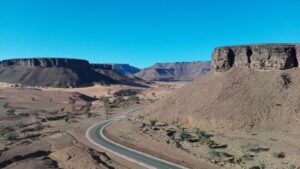
Tidjikja – The Oasis of Traditions
Tidjikja is a tranquil oasis town based in the region of Tagant, Mauritania. It is also known for its date palms, local architecture, and peaceful ambiance. As soon as tourists enter the town, they get to appreciate the lush green palm trees towering above the golden desert. The residential houses for the people of Tidjikja are made using local designs, making it easier for Tidjika to merge with its surroundings. It is also known for cultivating dates using old techniques passed down from previous generations. Tidjika boasts a very peaceful environment perfect for tourists taking a break as they tour central Mauritania. Across Tidjika, people revel in local traditions, music, and hospitality, making it an attractive and welcoming site for tourists who wish to experience Mauritania life.
Nouakchott – The Modern Capital
Nouakchott, which is the capital city of Mauritania, presents a different atmosphere from the peaceful towns that lie within the desert. As tourists move around Nouakchott, they get to experience busy markets, broad avenues, and high-rise buildings that signify modern growth in the nation. Nouakchott’s Port continues to be a vital hub for local and international business, as it influences trade that occurs on the Atlantic shore. Tourists can also visit a busy fishing harbor with thousands of colorful wooden boats arranged side by side, and fishermen unloading their daily catch. Lastly, Nouakchott contains various historical sites like the National Museum, where tourists get an opportunity to learn about Mauritania’s rich culture and traditions. The ambiance within Nouakchott is exciting and very inviting and presents an excellent launch pad that allows exploration of this region.
Nouadhibou – The Coastal City
Nouadhibou, lying near the border with Western Sahara, is famous for its beautiful coastline, extensive beaches, and thriving fishing sector. Tourists usually visit the Cap Blanc Peninsula, exploring its stunning cliffs and discovering more about the .
Terjit Oasis – The Hidden Desert Paradise
Terjit Oasis is among the most magical and beautiful places in Mauritania, providing shade, water, and lush greenery amidst the arid and sandy desert. As people walk towards the oasis via the narrow gorge, they notice that it becomes cooler and more refreshing. The sound of water running amidst palm gardens gives an ambiance that seems almost unreal with its closeness to nature amidst the scorching temperatures. It has been a destination for people taking a rest on their journey as they cross the desert, and it currently attracts people who visit and want to enjoy its freshness and coolness. Terjit Oasis captures the shocking aspect of nature and geography that Mauritania presents with regard to its deserts having refreshing spots.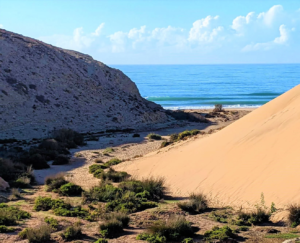
Surrounding Places Near Mauritania
Mauritania occupies a special corner of Northwest Africa, at the crossroads of the Sahara Desert, the Atlantic Ocean, and old trade routes. Because Mauritania occupies this special corner of Africa, it finds itself encircled by very interesting places with which it shares cultural, historical, and environmental affinities. As people travel Mauritania, they often proceed to explore other surrounding nations and places as a necessary extra step toward comprehending the larger Sahel/Maghreb. Surrounding places include nations like Senegal, Mali, Algeria, Western Sahara, and Morocco. There are also very different surrounding places with varied landscapes, cities, and cultural traditions. Thus, as people seek to explain Mauritania and its surroundings, they will find it rich with diversity and historical connections.
Senegal – A Neighbor Filled with Culture and Life
To the south of Mauritania comes Senegal, which is very famous for its music, culture, and subtropical climate. The tourist trails followed as people enter Mauritania via Senegal would extend as far as the capital city, Dakar, which is very famous for its market life, colonial legacy, and rich artistic background. As people walk within Dakar, they can appreciate a mix and match background with influences from France, Africa, and artistic creativity. It should be added that the island of Gorée, an offshore site within Dakar, pours more meaning and sentiment within people as they visit because it contains a House of Slaves, giving recognition to the transatlantic slave trade.
Mali – A Journey Through Ancient African Heritage
To its east, Mali awaits as a country with rich historical and cultural background. Tourists who venture from Mauritania into Mali usually set foot from either Nioro or Kayes, which act as entry points into Mali’s inner regions. As they progress, they encounter destinations such as Bamako, which is also Mali’s capital city. There, active markets, music, and local artisan skills make up a rich rhythm of life. Deeper into Mali, tourists find a world full of ancient wonders, notably with destinations like Timbuktu and Djenné.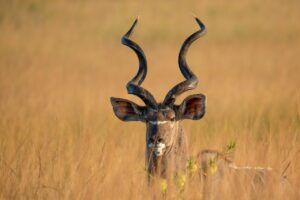
Western Sahara – A Land of Endless Desert Beauty
To the northwest of Mauritania, there is Western Sahara, which is known for its amazing desert and long coastlines on the Atlantic. Those who travel here from Mauritania would normally access it via the coastal road leading towards Dakhla city, which is recognized for its tranquil blue lagoon and strong winds perfect for kite surfing.
Algeria – A Gateway to the Sahara’s Grand Scale
By Axa Laroche To the northeast, there is a border with Mauritania that passes via a very remote and large desert area. It should be noted that this link allows travelers to ride across some of the biggest and most impressive sections of the Sahara. The Algerian Sahara specializes in enormous sand dunes, painted rocks, and old archaeological sites that deliver insights into the early life of humans within the deserts.
Morocco – A Blend of Heritage, Cities, and Coastlines
Despite not having a border with Mauritania directly on its mainland, Morocco links with Mauritania via Western Sahara, making it an integral surrounding region for a tourist. As a tourist travels north from Mauritania, he will end up in Moroccan-controlled Laayoune and Dakhla before proceeding into Morocco. As soon as he or she enters Morocco, tourists get exposed to a mix of old cities, bazaars, mountain village life, and coastlines giving a perfect contrast with what Mauritania had offered as a desert destination.
The Atlantic Ocean – A Vast Natural Neighbor
Explorers traveling along the shore either near Nouadhibou or Southern Mauritania near the Senegalese border get a chance to appreciate the pragmatic relationship that Mauritania maintains with its surrounding waters. The Atlantic Ocean affects everything from food and cuisine to traditions and activities, bringing an added richness and depth to Mauritania’s background and character.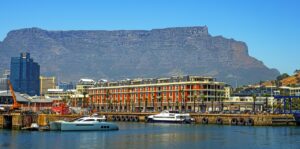
The Sahara Desert – A Shared World Across Borders
Remove-this-Copy-Paste-H The Sahara is the biggest surrounding area that Mauritania shares with a number of nations including Mali, Algeria, and Western Sahara. The Sahara desert presents an unbroken area of dunes, rocky regions, oases, and old routes. Those who venture into the Sahara surrounding area near Mauritania experience the silence and majesty of the Sahara, which extends beyond the boundaries.
Conclusion
Mauritania is an ever-beautiful country with rich historical and hospitable aspects. The country boasts ever-appealing deserts, historic cities, relaxed oases, and coastal regions. Overall, Mauritania presents a special experience that even stays with every visitor. It might be while exploring historic streets at Chinguetti, walking through deserts and exploring Sahara, or relaxing near the Atlantic coast. There would be an experience of either drama and adventure or perfect peace and relaxed moods. Additionally, Mauritania boasts rich cultural assets, which have been facilitated and brought about due to nomadic cultures, an emphasis on Islam and scholarly works, and an essence and spirit belonging to Africa. Not very well-known and explored compared to some locations, Mauritania presents an unforgettable and unending journey for anyone who might be interested in getting an authentic experience and exploring nature and historical aspects.
Author

sadikhan.ceo@gmail.com
Related posts
Slovakia
- 0
- 2,323 words
Slovakia : Discover the Hidden Gem of Central Europe Tucked right in the heart of Central Europe, Slovakia is one of those...
Read out all
Singapore
- 0
- 2,246 words
Singapore : A Global City and Travel Hub Singapore’s one of those places where modern life and nature seem to fit together...
Read out all
Seychelles
- 0
- 2,644 words
Seychelles : A Dream Destination in the Indian Ocean You hear about places as “dream destinations” all the time, but Seychelles totally...
Read out all
Serbia
- 0
- 2,789 words
Serbia Travel Guide: Regions of the Balkan Nation Serbia sits right at the heart of the Balkans, and honestly, it’s one of...
Read out all
Senegal
- 0
- 2,277 words
Senegal Travel Guide: Discover the Culture, History, Tourism, and Surrounding Regions of West Africa Welcome to Senegal—a place that really captures the...
Read out all
Saudi Arabia
- 0
- 2,914 words
Saudi Arabia: A Powerful Nation in the Middle East and Global Importance of the Kingdom Saudi Arabia stands out as one of...
Read out all