
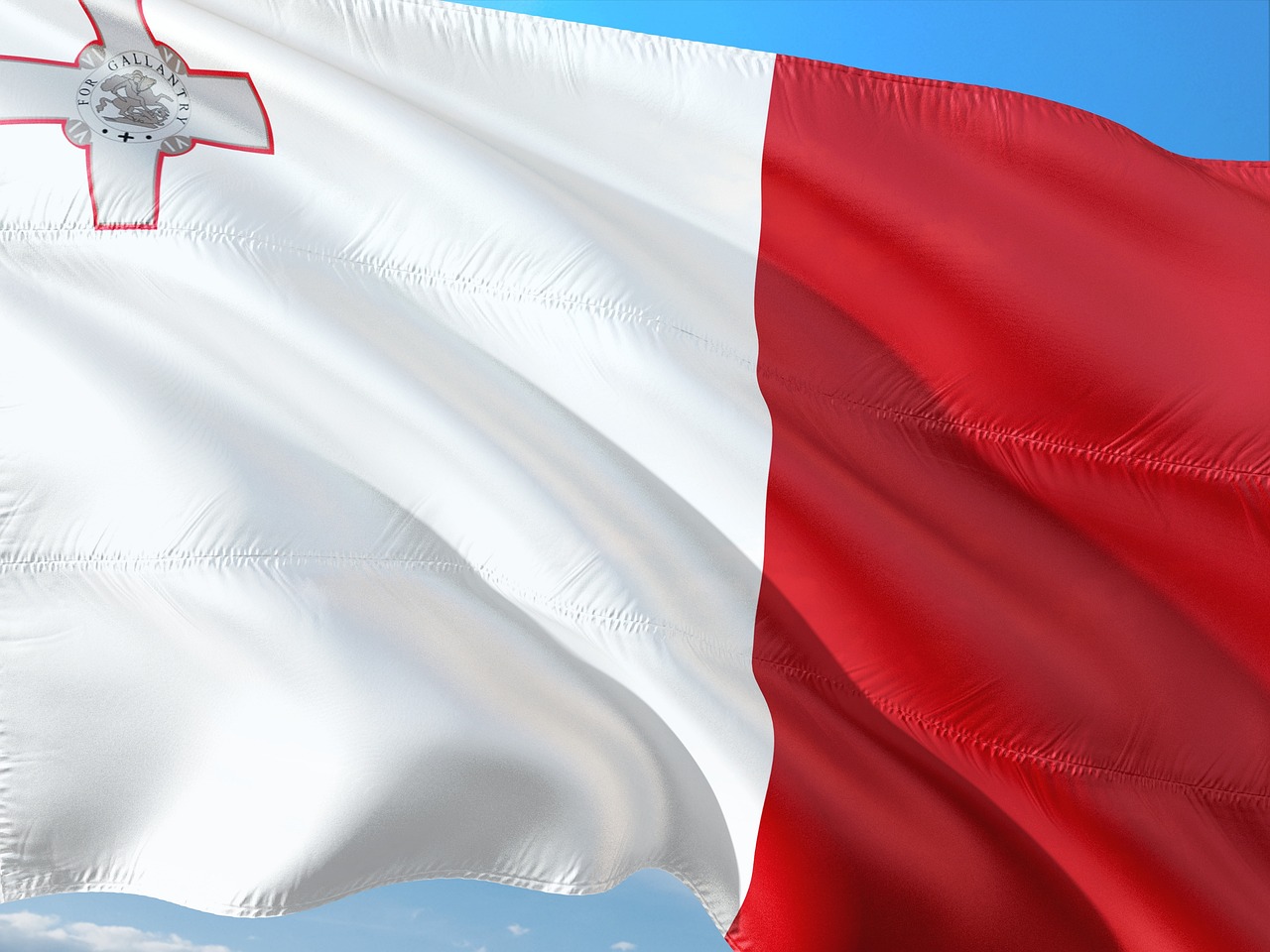
Malta
Located in the middle of the Mediterranean Sea, Malta is a small but vastly rich island country that has always attracted people from every part of the world. Though small, Malta boasts millennia of history, breathtaking landscapes, turquoise-colored waters, and cultural treasures that make this country far bigger than it feels. The minute visitors arrive, they are struck by how this island pulls together ancient temples, medieval cities, enchanting villages, and modern life all within one small compact area. Of course, the warm Mediterranean climate makes Malta all the more stunning, with sunny days almost the whole year long. And so, it did not take much for Malta to become the most favored destination among travelers who like history, beaches, architecture, and quiet island living. This island nation is moreover well-linked with Europe, Africa, and the Middle East, due to which Malta happens to be an important place regarding trade, culture, and travel across the Mediterranean region.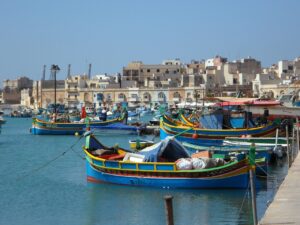
Historical Background of Malta
The history of Malta covers several thousand years, and it has been established that human settlements existed on the islands long before famous Egyptian pyramids were built. Such civilizations left behind amazing stone temples, carved caves, and mysterious constructions still standing today. With time, other powers arrived in Malta: the Phoenicians, Romans, Byzantines, Arabs, Normans, and the Knights of St. John. Everyone put his touch by shaping the culture and traditions of Malta, its architecture, and even the language. Probably the most influential of them is the Knights of St. John, who ruled Malta for more than two centuries and built strong fortifications, grand churches, and beautiful palaces that still adorn the island today.
Culture and People of Malta
The Maltese are warm, hospitable, friendly, and proud of their island’s rich heritage. Because Malta has been influenced by so many different cultures, its traditions are a blend of Mediterranean charm, European style, and Middle Eastern elements. The Maltese language itself contains echoes of Arabic, Italian, and English, making it one of the most unique languages in the world. Festivals are also a part of Maltese culture, with most towns having their own feast day celebrations complete with color, music, street food, and fireworks light up the night sky. At the same time, religious traditions remain strong, and many of the island’s most beautiful churches were built centuries ago and still serve a central role in community life.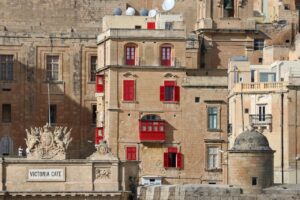
Geography and Landscape of Malta
Malta consists of three main islands: Malta, Gozo, and Comino. Put together, they are a small but strikingly beautiful archipelago in which each island has its character and natural beauty. Everywhere one looks seems to have a sea view, with dramatic coastlines, hidden coves, and rocky landscapes battered by time and weather. Because Malta enjoys a Mediterranean climate, its surroundings stay bright, warm, and inviting for most of the year. The mixture of urban areas, rural landscapes, and natural beaches thus provides the visitor with an immense range of different ways in which to appreciate the beauty of the islands.
Beaches and Coastal Beauty of Malta
The Maltese coastline is varied: sandy beaches, rocky swimming areas, high cliffs, and hidden coves. Peter’s Pool, where swimmers face a correct challenge in crystal-clear waters. Dingli cliffs afford breathtaking views at any time but especially at sunset when the colors of the sky are warm over the sea. For those who love exploring beneath the water, Malta is considered one of the best diving destinations in Europe due to a number of underwater caves, shipwrecks, reefs, and marine life. Clear water, rich colors, and interesting geological formation make this island a paradise for divers and snorkelers. Whatever the preference for relaxation or adventure, Malta’s coastline provides endless opportunities to enjoy the Mediterranean Sea.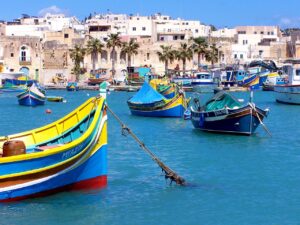
Food and Cuisine of Malta
Maltese cuisine is a combination of the very long history and multicultural influences which are evident in the country. Traditional meals blend Mediterranean flavors with Italian, British, Arabic, and North African influences. Maybe the most well-known dish is pastizzi, a flaky pastry filled with cheese or peas; people eat this both amongst locals and travelers. The warm island climate allows vineyards to thrive. Maltese wine has gained popularity because it is incredibly distinct in taste. The food in Malta is friendly and welcoming; rich flavors fill these small islands.
Tourism Sites in Malta
Malta has an endless number of tourist sites that enthrall millions of visitors every year. The more important historical places, like Valletta, Mdina, and Megalithic Temples, narrate a story from ancient times to the modern day. Natural wonders include the Blue Lagoon, Dingli Cliffs, and Ramla Bay-a showcase of the island’s different landscapes. Cultural sites abound, including churches, palaces, museums, and old fortifications. Valletta’s Fort St. Elmo provides a whole view of Malta’s military past, while the National Museum of Archaeology gives center stage to Malta’s ancient civilization.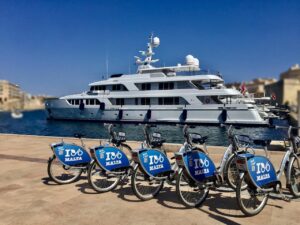
Valletta – The Historic Capital
Valletta, the capital of Malta, is probably one of the most beautiful and historic European cities, and right away features buildings made from golden limestone, narrow streets, and stunning Mediterranean Sea views. Travelers walking through the city get the feeling of being enveloped by history, as the place was constructed by the Knights of St. John back in the 16th century. The whole city has been listed in the UNESCO World Heritage Site category, and every nook and corner reveals something interesting: either an elegant palace, an old church, or a quiet square. The St. John’s Co-Cathedral is right at the center of the Valletta, decorated with carved details, marble floors, and priceless artworks like Caravaggio’s famous painting, The Beheading of Saint John the Baptist. Moving further in the city, visitors also like the Upper Barrakka Gardens-a calm place offering panoramic views over the Grand Harbour. As evening falls, the streets around become alive with cafes, restaurants, and music, and an aura of charm and modernity automatically drapes Valletta in a fabulous way that blends marvelously with its deep-set history.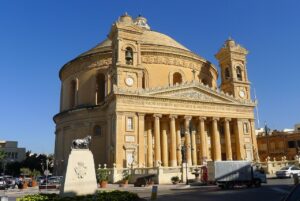
Mdina – The Silent City
Mdina is often referred to as the “Silent City,” probably because of the surreal feeling it gives off, plunging into another era. Lying on top of a hill, walled, and therefore providing a calm panorama that stretches out onto the countryside below, it sends back peaceful surroundings and makes Mdina feel mystical with its narrow streets, stone houses, and medieval atmosphere, especially when the sun’s rays reflect golden from its old walls. Standing right in the heart of the city is the pride of Malta-the Mdina Cathedral-a wonderful piece of architecture that explains much about the religious history of Malta. Small paths reveal enchanting doorways, tiny museums, and spectacular views at every turn as visitors meander through them. Small as it is, Mdina is filled with tales, legends, and historical events. The serene environment makes it a perfect retreat from the more busier parts of Malta, and travelers in search of beauty from silence and ancient architecture against a serene setting will be right in their element here.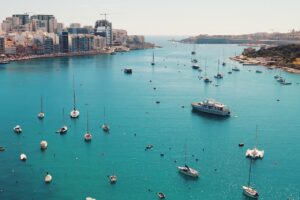
The Blue Lagoon – A Natural Paradise
The Blue Lagoon lies between the islands of Comino and Cominotto, and it represents one of Malta’s most well-known natural attractions. Bright turquoise water greets the eye with its unnatural aspect, as though a painting has come to life; it is particularly in contrast with the white sandy seabed that furnishes the sea with an extra shade of brightness. Approaching by boat, the visitors are straight away struck by the clarity of the water-so light that fish, rocks, and sand may be perceived well beneath the sea level. Swimming here feels just like drifting in some natural swimming pool, gently rocked by waves. During summer, the Blue Lagoon becomes vibrant with travelers who lie in the sun, snorkel in the ocean, and enjoy boat rides. Still, during that same period, quiet rocks and small beaches provide calmer scenes for those who want to spend their time far from loud entertainment.
Gozo – The Peaceful Sister Island
Gozo, the second-largest island in Malta, offers a more relaxed pace compared to its main island and is packed with natural beauty, charming villages, and historical sites. Of the most significant attractions, the Ggantija Temples are more than the pyramids and among the oldest free-standing structures in the world. The peaceful villages, lined with stone houses and quiet streets, give the island a lot of warmth and intimacy. Gozo’s coastline is just stunning, filled with beautiful bays, cliffs, and natural formations. Although the famous Azure Window collapsed in 2017, the area around it still retains some beauty that attracts divers to this day. Gozo is an amalgamation of ancient heritage with relaxing landscapes and traditional culture-the reason many travelers return.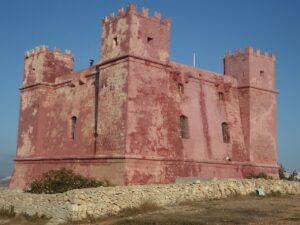
Sliema and St. Julian’s – The Modern Coastline
Julian’s form a modern and lively area along Malta’s northeastern coast, being some of the most popular tourist zones in the country. Sliema features a long seafront promenade with views of Valletta, while St. Julian’s offers a night hub of restaurants and entertainment. The coastline is lined with hotels, cafés, shopping centers, and lovely spots for swimming in the Mediterranean sun. The waters around these towns are deep blue and perfect for swimming, diving, and kayaking. In spite of this modern atmosphere, traditional Maltese buildings crop up in several areas and add charm to the streets. At night, St. Julian’s transforms into the center of nightlife, where music, lights, and people from all over the world take over the air with their rich energy. That is the reason this region balances relaxation, modernity, and fun, thus being an important part of Malta’s tourism experience.
The Three Cities – Birgu, Senglea, and Cospicua
These three cities offer another perspective on Malta by presenting their maritime and military past. These historic towns sit across the Grand Harbour from Valletta and present a quieter yet just-as-rich travel experience. Birgu is the most well-known of these three, full of narrow alleys, old houses, and beautiful harbor views. At the top of any Birgu list of places to see should be Fort St. Angelo, a strong and capable fortress that was extremely important in the protection of Malta through wars and sieges. Senglea provides peaceful views from its waterfront and offers the beautiful Gardjola Gardens-a famous lookout tower bearing carvings of an eye and an ear to symbolize watchfulness. Cospicua is the largest of the three and has been undergoing significant restoration in recent years, bringing new life into the old narrow streets and quays. The Three Cities let travelers appreciate Malta’s naval history, traditional architecture, and atmosphere away from crowds.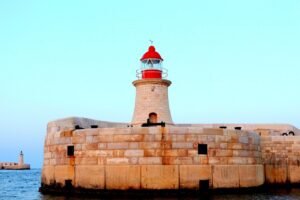
Marsaxlokk – The Colorful Fishing Village
Among all the Maltese fishing villages, Marsaxlokk is the most famous, and the magic of this place lies in its colorful traditional boats called luzzus floating softly on the tranquil bay waters. These boats are painted in bright shades of blue, yellow, and red, and most have some eye symbol on the front for protection against the evil eye and for good luck. As visitors make their way along the waterfront, they take in fresh seafood restaurants, peaceful views, and a village full of warm charm. Each Sunday, the Marsaxlokk market appeals to both tourists and residents alike with fresh fish, fruits, handicrafts, and souvenirs. The coastline surrounding this area includes isolated swimming spots, peace, and tranquility; one of the most beautiful St. Peter’s Pool, a natural rocky beach very popular with snorkelers and cliff jumpers. The peaceful rhythm of village life, combined with the beauty of the sea, makes Marsaxlokk unforgettable in traditional Malta.
The Hypogeum – An Underground Wonder
The Hal Saflieni Hypogeum is one of the most enigmatic and dazzling archaeological sights in Malta. Dating to around 4000 BC, this completely hand-carved underground structure has functioned both as a burial site and as a ritualistic site. It consists of visitors going down into three levels of chambers that are shaped with smooth walls, curved spaces, and rooms created with care. The inner soft lighting provides a quiet, spiritual atmosphere that gives emphasis to imagining ancient life and praise. Because the Hypogeum is so delicate, only a few visitors are allowed inside every day. It truly reflects the advanced state of Malta’s ancient civilizations and the importance they gave to creating such an irreplaceable part of deep cultural significance. Getting into this hypogeum, one gets a feeling as though he has entered a hidden world kept for millennia. Popeye Village-an attraction full of colour and fun.
Popeye Village – A Fun and Colorful Attraction
PPopeye Village is one of those few joyous and different places that offer fun to families and travelers seeking something else. The village was originally designed as a film set for the 1980 movie Popeye, featuring Robin Williams, and has grown into a jolly theme park now, with its colorful wooden houses, shows, and entertainment. Visitors can walk down the quaint streets, meet characters, and enjoy a number of activities that range from boat rides to water trampolines and games. And to complement the beautiful surroundings of the village, the bay is lined with crystal-clear waters, ideal during the warmer months to swim in. Though not historic in nature, Popeye Village represents Malta’s creativity and the ability to turn a film set into one joyful attraction that appeals to all ages.
Hagar Qim and Mnajdra – Ancient Megalithic Temples
Hagar Qim and Mnajdra are two breathtaking prehistoric temple complexes in Malta, carved into the southern cliffs. Dating between 3600 and 3200 BC, these temples represent some of the oldest structures made of stone in the world. Hagar Qim is on higher ground and permits a greater view of the sea compared to Mnajdra, which is closer to the coast and surrounded by natural rock and foliage. The boulders that make up these temples are enormous, and the way they were put together denotes a fantastic feat of engineering by ancient Maltese engineers.
Surrounding Places Near Malta
Malta’s central position in the Mediterranean has it surrounded by several important regions and countries, each offering unique opportunities for extended travel. To the north lies Italy, particularly the island of Sicily, easily reachable by ferry or short flight. Sicily boasts charming towns that include Palermo, Catania, and Taormina, besides famous historical sites and beautiful beaches. To the south, Malta is not far from the northern coast of Africa, notably Tunisia, offering ancient ruins, deserts, and rich cultural traditions. To the east, Greece provides countless islands, historic temples, and Mediterranean beauty that appeal to travelers exploring the region. To the west, the Balearic Islands of Spain and even mainland cities, such as Barcelona, are often visited by Europeans who include Malta in their routes of travel. For these reasons, Malta is one of the best starting points for greater journeys across the Mediterranean.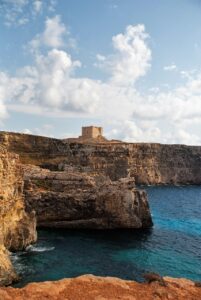
Conclusion
Although Malta is small and diminutive, it is surely one of the most remarkable destinations in the world because of its varied history, culture, landscapes, and warm atmosphere. The temples, medieval streets, and seaside villages create stories on each corner of the island. A unique mixture of modern life and old traditions makes people feel welcome and inspired. From the beautiful Blue Lagoon to the peaceful countryside of Gozo, from the lively streets of Valletta to the quiet charm of Mdina, Malta offers unforgettable experiences. The nearby regions enhance its travel appeal even more and make it a perfect gateway to the Mediterranean. Its rich heritage, friendly people, delicious food, and stunning coasts make Malta still popular worldwide with guests looking for the combination of beauty, history, and adventure combined in one extraordinary island nation.
Author

sadikhan.ceo@gmail.com
Related posts
Slovakia
- 0
- 2,323 words
Slovakia : Discover the Hidden Gem of Central Europe Tucked right in the heart of Central Europe, Slovakia is one of those...
Read out all
Singapore
- 0
- 2,246 words
Singapore : A Global City and Travel Hub Singapore’s one of those places where modern life and nature seem to fit together...
Read out all
Seychelles
- 0
- 2,644 words
Seychelles : A Dream Destination in the Indian Ocean You hear about places as “dream destinations” all the time, but Seychelles totally...
Read out all
Serbia
- 0
- 2,789 words
Serbia Travel Guide: Regions of the Balkan Nation Serbia sits right at the heart of the Balkans, and honestly, it’s one of...
Read out all
Senegal
- 0
- 2,277 words
Senegal Travel Guide: Discover the Culture, History, Tourism, and Surrounding Regions of West Africa Welcome to Senegal—a place that really captures the...
Read out all
Saudi Arabia
- 0
- 2,914 words
Saudi Arabia: A Powerful Nation in the Middle East and Global Importance of the Kingdom Saudi Arabia stands out as one of...
Read out all