

Madrid, Spain Travel Guide 2026
Madrid isn’t just Spain’s capital—it’s a city that grabs your attention and doesn’t let go. There’s an energy here. Old and new, side by side. You’ll stumble upon grand museums, royal palaces, and then, suddenly, a narrow street packed with tapas bars and laughter spilling out of open windows. This place lives and breathes Spanish traditions: flamenco, late-night meals, noisy markets, and quiet cafés where time seems to slow down. The sun shines most days, the streets are easy to wander, and almost everyone seems genuinely glad you’re here. Madrid’s got a way of mixing history with modern life that feels effortless. Walking around, you get both the comfort of Europe and the thrill of somewhere completely new. One morning, you’re face to face with a Velázquez painting. By afternoon, you’re lost in a garden, and by evening, you’re eating dinner under the stars in a square that’s older than some countries. Whether this is your first time or your tenth, Madrid always keeps something up its sleeve. This guide is here to help you make the most out of every hour.
Best Things to Do in Madrid — From Timeless Landmarks to Hidden Corners
Madrid feels like a city made for wandering. The big sights are famous for a reason, but the real magic is often in the little moments between them. Start at Puerta del Sol, the heart of the city, where everyone seems to pass through at least once a day. It’s busy, loud, and full of life—plus, it’s literally Spain’s “kilometre zero.” Shops, cafés, and street performers surround you, and you get a true sense of Madrid’s pulse. A short walk brings you to Plaza Mayor. The square is ringed by arcades and history; you sit at a terrace, sip coffee, and just watch the world go by. Grab a bocadillo de calamares—Madrid’s famous fried squid sandwich—at one of the local cafés, and you’ll feel like you belong here.
If art is your thing, Madrid is a dream. The Museo del Prado is legendary. You’ll see Goya, Velázquez, Rubens, Bosch—all the big names, all under one roof. Even if you’re not a museum person, this place pulls you in. Not far away, the Reina Sofía shows off Picasso’s Guernica and a gallery full of 20th-century art, while the Thyssen-Bornemisza fills in the rest of Madrid’s “Golden Triangle of Art.” Honestly, you could spend days just exploring these collections. Need a breather? Head to El Retiro Park. Once reserved for royalty, now it’s everyone’s backyard. Shady paths, a sparkling lake with rowboats, the glass Palacio de Cristal, and lawns where locals nap or picnic—this is where Madrid slows down. Of course, there’s more to the city than museums and parks. On Sundays and holidays, El Rastro Flea Market spills out into the streets. It’s a treasure hunt: antiques, vintage jackets, local art, odd trinkets nobody needs but everyone wants. The whole place buzzes with chatter and bargaining.
Best Hotels in Madrid for Every Type of Traveler
Picking the right hotel can really shape your trip. Madrid’s got options for every taste and budget—from five-star classics to quirky little boutiques and wallet-friendly finds. If you want to go all out, the city’s luxury hotels are tough to beat. Many sit right by the Prado, Puerta del Sol, or in the fancy Salamanca district. Expect plush rooms, spas, rooftop bars, and service that goes the extra mile. After a long day, coming back to one of these places feels like a treat—and you’re never far from the action. Traveling mid-range? You’re in luck. Plenty of hotels offer comfy beds, modern touches, and friendly staff—without draining your bank account. Lots are close to metro stops, so getting to museums, shopping, or nightlife is a breeze. Try La Latina or somewhere near Gran Vía if you want a lively neighborhood with great food and drinks just outside your door.
On a budget? Don’t worry—Madrid makes it easy to save. Hostels and smaller hotels near Plaza Mayor, Sol, or Ópera keep you close to the big sights. You’ll often get breakfast and Wi-Fi thrown in, so you don’t have to sacrifice comfort. For families or longer stays, check out the city’s serviced apartments and family-friendly hotels. These spots give you extra space and kitchen gear, which is great if you’re traveling with kids or just want to cook now and then to keep costs down. And here’s the thing—Madrid isn’t as pricey as some other European capitals. Even budget and mid-range hotels usually offer clean rooms and good service, so you get a lot for your money. All in all, wherever you stay, Madrid makes it easy to feel at home.
Cheapest Places to Stay in Madrid — Budget-Friendly Options
Madrid might be Spain’s capital, but it doesn’t have to drain your wallet if you know where to look. Hostels are the classic choice for budget travelers. You’ll find dorm beds for cheap, and sometimes even private rooms that cost way less than a regular hotel. The best part? Many hostels sit right in the heart of the city, so you can walk to museums, plazas, and markets without blowing your budget. Not into the hostel scene? No worries. Plenty of budget hotels and guesthouses sit near main transport stations or just a bit outside the busiest tourist spots. If you book early, you can snag a basic private room for under €80 a night—especially if you avoid the summer rush. These places usually toss in the essentials: a private bathroom, free Wi-Fi, and enough comfort to feel at home, just without the steep city center price tag.
Living a metro stop or two away from the center—think neighborhoods like Carabanchel, Lavapiés, or Usera—can save you even more. You’re still close to everything, but you pay less. Madrid’s metro is simple and cheap, and trains and buses run everywhere, so you’re never really far from the action. Lots of budget travelers also go for short-term apartment rentals. If you’re with friends or family, splitting the cost makes these places a steal. You usually get a kitchen, which means you can cook your own meals and skip pricey restaurants now and then—a lifesaver for longer stays or picky eaters.
Cost of Traveling to Madrid — Flights, Daily Spending & Hidden Fees
It helps to know what you’ll spend before you land in Madrid. It’s not as pricey as London or Paris, but your costs depend on your travel style.
Flights & Arrival
Flight costs swing a lot. If you’re coming from Europe and book early, budget airlines often have great deals to Madrid–Barajas Airport. If you’re flying from North America or Asia, expect to pay more, but off-season sales pop up. Flexibility helps—mess around with your travel dates and check comparison sites to catch the best price.
Public Transportation
Getting around Madrid won’t eat up your cash. Metro or bus rides usually cost about €1.50–€2, and buying a ten-trip ticket or a travel pass brings the cost down. There are tourist passes for unlimited rides, which are handy if you’re planning to hop all over town every day. Getting from the airport is easy, too. The airport express bus into the city runs about €5, and some metro lines get you there for around €4.50–€5 with the airport supplement.
Taxi & Rideshare Costs
Taxis are all metered and start at about €2.50, then add €1.15–€1.50 per kilometer depending on the time of day. Short rides in the center usually hit €8–€15. The airport to city center is a flat €33. Stick with official taxi stands or ride-hailing apps so you know you’re paying the right price, and keep an eye out for extra charges at night or on holidays.
Food & Dining Cost
Madrid’s food scene covers everything from dirt-cheap eats to fancy splurges. Coffee runs €1.50–€3. A simple meal in a casual spot might be €8–€15. Dinner for two at a mid-range place? Expect €30–€50. Tapas are a great way to sample Spanish classics like croquetas or patatas bravas without spending much—sometimes they’re even free when you order a drink in old-school bars. It’s a fun way to stretch your food budget and taste the city.
Attraction Fees & Hidden Costs
Big museums like the Prado or Reina Sofía charge entry—usually €10–€15. But lots of them offer free or discounted tickets at certain times, like the Prado’s free evenings on specific days. Watch for accommodation taxes, too—they’re often tacked on top of your hotel bill. Always double-check the fine print before you book.
Madrid Travel Budget for 3-Day, 5-Day & 7-Day Trips
How much do you really need for a trip to Madrid? Honestly, it depends on how you like to travel, where you stay, and what you’re hoping to do.
3-Day Getaway
If you’re in town for a quick 3-day escape, you’ll probably cover flights, a budget or mid-range hotel, food, local transport, and a handful of sights. Most travelers can manage on €500 to €900 per person (not counting international flights) if they keep things reasonable. You can do it for less, but that’s a good ballpark for comfort without going overboard.
5-Day Adventure
Stretching your trip to five days lets you slow down a bit. You can squeeze in museum visits, maybe a day trip to places like Toledo or Segovia, and enjoy a mix of quick bites and sit-down dinners. For this, most people spend somewhere between €800 and €1,400 per person, again, without flights. That covers a decent hotel, a few tours, and plenty of food variety without pinching pennies.
7-Day Immersion
A full week in Madrid means you can really dig in—think museums, parks, local neighborhoods, day trips, and even a flamenco show with dinner. Budget around €1,200 to €2,000+ per person, depending on how fancy you get. If you’re after luxury hotels and VIP experiences, well, the sky’s the limit.
Madrid vs Barcelona Travel Comparison — Which Is Better for You?
Ask anyone about Spain, and Madrid and Barcelona usually top the list. They’re both packed with personality, but they don’t feel the same. Madrid is Spain’s capital—no coastline, but tons of history, art, and city life. It’s the place for grand museums, buzzing plazas, and endless tapas. Barcelona, on the other hand, rolls out Gaudí’s wild architecture, the beach, and a Mediterranean vibe that feels a little lighter. Price-wise, both cities run pretty close, though Barcelona’s beachfront hotels can get steep, especially in summer. Museums and public transport cost about the same in both places.
Best Honeymoon Destination — Madrid or Seville?
Spain’s a classic honeymoon pick, but which city? Couples often end up choosing between Madrid’s big-city sparkle and Seville’s southern romance. Madrid gives you elegant avenues, top-notch art, fine dining, and lively squares—perfect for late-night walks and long dinners. It feels cultured and vibrant. If you care about cost, Seville usually wins out. Hotels and meals there tend to be a bit cheaper, especially outside festival season. Madrid’s broader and offers more variety, but Seville’s intimacy and tradition are tough to match. So, what’s your vibe: city energy or Andalusian romance?
Hotel Review — Hotel Europa Madrid
Hotel Europa pops up a lot in Madrid recommendations, and for good reason. Sitting right by Puerta del Sol, it puts you steps from the city’s main sights, metro stops, shops, and cafés. Travelers love the location, the comfy rooms, and the friendly staff—ideal for anyone new to Madrid who wants to walk pretty much everywhere. Being in the center saves money on transport and makes it easy to explore on a whim. If you’re planning to visit during busy months, book early—rooms fill up fast.
Tour Package Review — Madrid “Golden Triangle of Art” Tour
Madrid’s got a guided tour that hits the big three: the Prado, Reina Sofía, and Thyssen-Bornemisza museums. With skip-the-line entry and an expert leading the way, you get real stories, context, and a smoother experience through these massive collections. If you love art, or just want to make sense of what you’re seeing, this tour helps the masterpieces come alive in a way that wandering solo just doesn’t.
Visa Cost for Visiting Spain (Madrid)
Madrid sits right in the heart of the Schengen Area, so if you’re from the US, Canada, Australia, Japan, or most of Europe, you don’t need a visa to visit for up to 90 days. Just show up with your passport. Travelers from other countries need a Schengen visa, which usually costs about €80 (roughly $85) for adults; it’s a bit cheaper for kids. You’ll need a passport with enough validity, travel insurance, proof you’ve got somewhere to stay (and enough money), plus your return flight details. Always double-check the latest rules on the official Spanish consulate website since requirements can shift depending on your nationality.
Taxi Cost in Madrid — Getting Around Easily
Catching a taxi in Madrid is a breeze. They run on meters, so pricing is straightforward. You start with a base fare around €2.50–€3, then about €1.10–€1.30 per kilometer during the day. At night or on weekends, rates go up a little. A quick ride across the city center usually lands somewhere between €8 and €15. Headed from the airport to your hotel downtown? There’s a flat rate of €33 for that trip, so no surprises. Most taxis take credit cards, and if you’re into apps, Madrid’s got plenty of ride-hailing options—easy to book, clear about pricing.
Food Cost in Madrid — Taste Authentic Spanish Cuisine
Madrid’s food scene is a real adventure, with something for every craving and budget. You can grab a coffee for €1.50–€3, snag a casual meal for €8–€15, or splurge on a sit-down dinner for two at a mid-range spot for €30–€50. Want to eat like a local? Duck into a tapas bar, order a bunch of small plates—jamón, croquetas, patatas bravas, manchego cheese—and pair them with sangria or local wine. Markets like Mercado de San Miguel are a blast if you want to try a bit of everything and soak up the atmosphere.
Internet / SIM Card Price in Madrid — Staying Connected
Keeping your phone online in Madrid is easy and cheap. Prepaid SIM cards from companies like Orange, Movistar, Vodafone, or Yoigo run about €10–€30, depending how much data you want. Most plans give you loads of data, calls, and texts. Since Spain’s in the EU, you’ll probably get free roaming across most member countries. You can grab a SIM at the airport, any mobile shop in town, or set up an eSIM before you even land if your phone supports it. That way, you’re covered for maps, ride apps, social media, and anything else you’ll need while exploring.
Conclusion
Madrid just pulls you in. Whether you’re ducking into centuries-old museums, hanging out in bustling plazas, hunting down the city’s best food, or just relaxing in a shady park, Madrid mixes history, culture, and modern life in a way that feels effortless. This guide gave you the essentials: what to do, where to stay, what things cost, and some handy travel tips to help you plan your trip for 2026. If you want, I can even help you build a day-by-day Madrid itinerary—estimated costs, what to see, how to get around—all tailored to however long you’re staying.
Author

sadikhan.ceo@gmail.com
Related posts
Lisbon Travel Guide
- 0
- 2,266 words
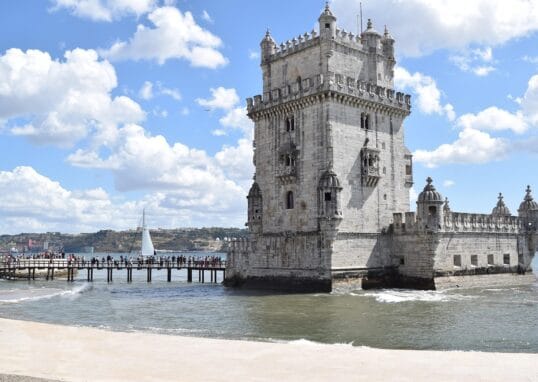
Lisbon Travel Guide – A Beautiful Coastal Capital with Culture and Value Lisbon pops up on pretty much every list of Europe’s...
Read out all
Prague Travel Guide
- 0
- 2,455 words
Prague Travel Guide – A Magical European Destination Full of History and Charm If you’re dreaming of a city that looks and...
Read out all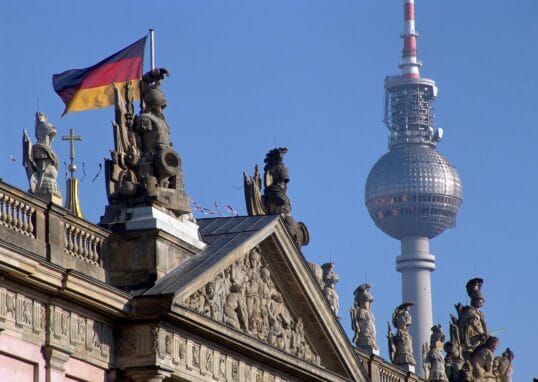
Berlin Travel
- 0
- 2,097 words
Berlin Travel Guide – A City of History, Culture, and Modern Energy Berlin isn’t your typical European capital—it buzzes with history and...
Read out all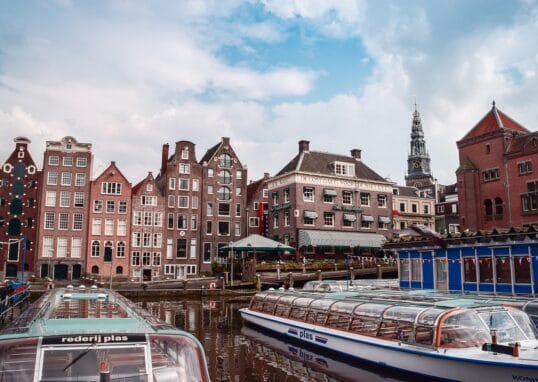
Amsterdam Travel Guide
- 0
- 2,602 words
Amsterdam Travel Guide – A City of Canals, Culture, and Timeless Beauty Honestly, Amsterdam is one of those cities that just grabs...
Read out all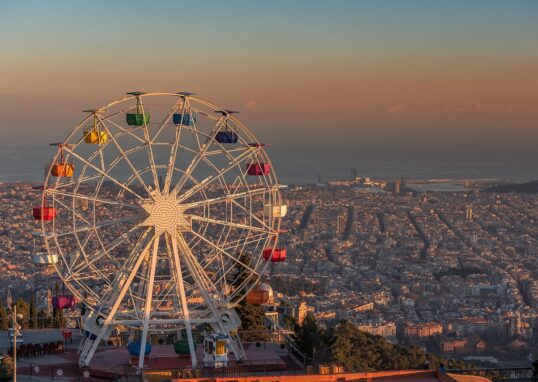
Barcelona, Spain
- 0
- 2,340 words
Barcelona, Spain Travel Guide – A Vibrant Mediterranean City Barcelona feels alive, no matter what time of year you show up. The...
Read out all
Male, Maldives
- 0
- 2,442 words
Malé, Maldives Travel Guide – The Capital of Island Paradise Malé might be tiny compared to other capitals, but it’s at the...
Read out all