
Luxembourg
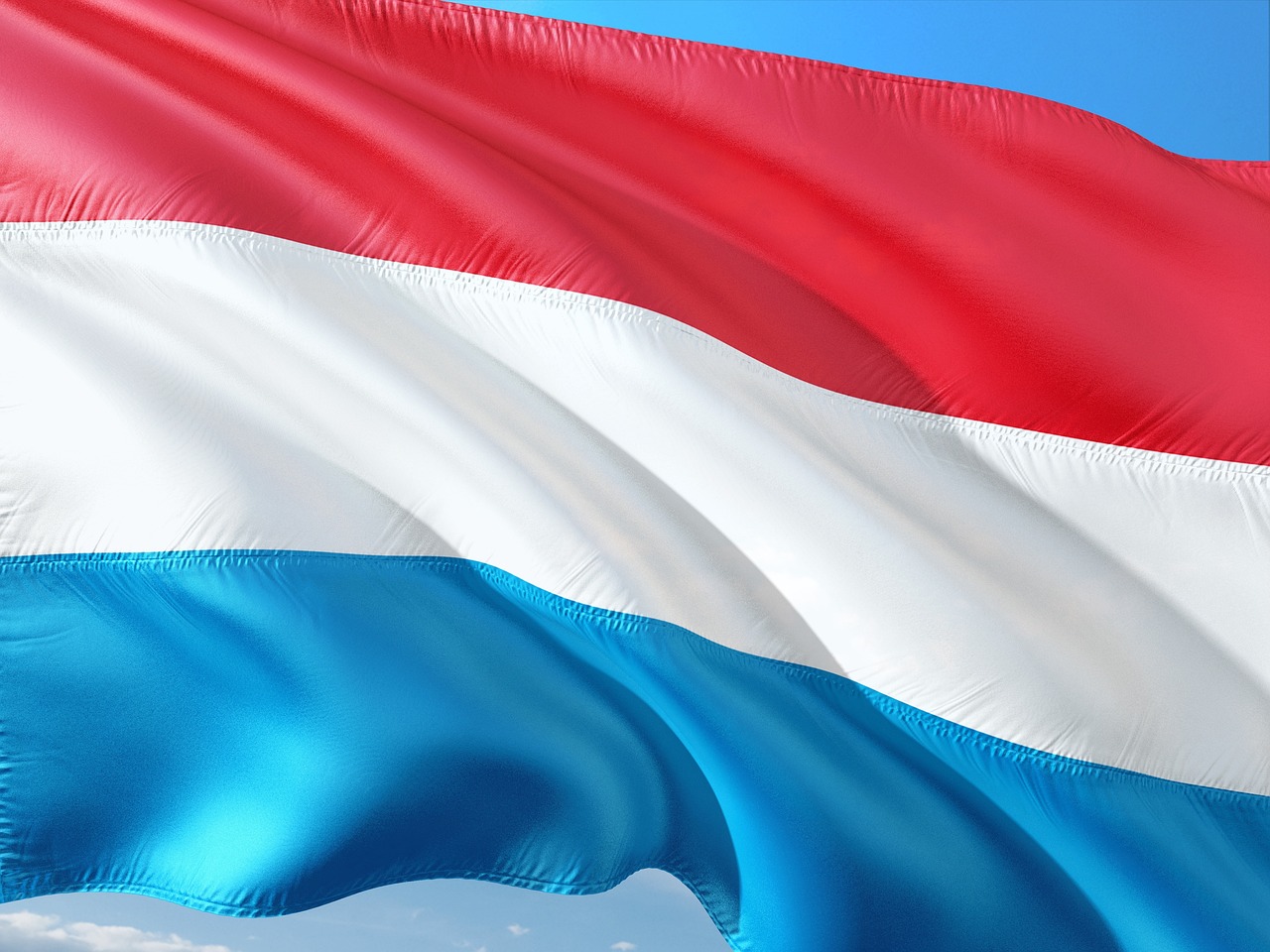
Luxembourg – Known as the Grand Duchy
At the same time, one of the smallest European countries, Luxembourg, holds a powerful place in world history, diplomacy, business, architecture, and modern tourism. It is officially known as the Grand Duchy of Luxembourg and is the only remaining Grand Duchy in the world. Small in size, Luxembourg is incredibly rich in culture, heritage, landscapes, and global influence. It also stands peacefully between Belgium to the west and north, Germany to the east, and France to the south. Because of this privileged position, it has absorbed cultural elements from all these neighboring nations, creating such a unique mix of languages, traditions, food, and lifestyles. 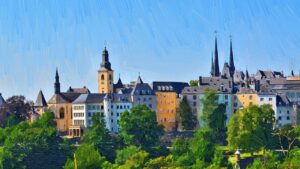
The capital of Luxembourg, also named Luxembourg City, is famous for its dramatic setting, where deep valleys meet high cliffs and medieval fortresses. Its rich history goes back to the 10th century, and since then this city has played an important role in European defence and politics. Nowadays, Luxembourg is well-known for stability, safety, excellent governance, wealth, and quality of life. It is one of the founders of the European Union and hosts important European institutions. Traveling across Luxembourg is like walking through a wellpreserved storybook. Every region has a different style of landscape. The north has the forested hills of the Ardennes. The east has the rocky Mullerthal region, often called “Little Switzerland.” The south has valleys, rivers, and vineyards producing some of Europe’s best wines. Due to excellent roads and short distances, visitors can travel from one end of the country to the other in just over an hour.
Geography of Luxembourg
Though small, the geography of Luxembourg is quite varied. For a total area of approximately 2,586 square kilometres, the country contains mountains, forests, rivers, plateaus, vineyards, and rocky gorges. The whole country falls into several distinct geographical zones.
Oesling Region – Northern Luxembourg
The north of the country is dominated by the Oesling. The Oesling forms a part of the Ardennes, stretching into Belgium and France. Thick forests, deep valleys, and small, peaceful villages characterize this area. The hills reach as high as 560 meters above sea level, giving the region a fresh climate. Rivers like the Sûre and Our cut through the hills, offering various picturesque views. For nature lovers, the Oesling also has many hiking trails, nature parks, and old castles.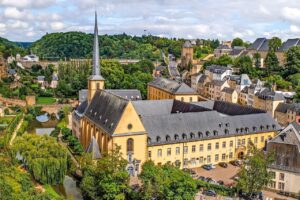
The Gutland Region Southern Luxembourg
The south is called Gutland, which is more fertile, with a milder climate; it contains the capital city of Luxembourg, some farmlands, small forests, lime plateaus, and the renowned Moselle Valley. The land is softer, and the majority of Luxembourg’s population lives here. Gutland is where Luxembourg produces fruits, vegetables, and quality wine. One of the most beautiful parts of the Moselle River is around Remich and Grevenmacher.
Mullerthal Region: Luxembourg’s “Little Switzerland”
One of the most striking landscapes is the Mullerthal area: it contains rock formations, narrow canyons, caves, waterfalls, and dense green forests. This region got its nickname “Little Switzerland” because of its dramatic steep cliffs and natural beauty. The Mullerthal Trail counts among Europe’s most loved hiking routes and attracts many visitors from all over the world.
The rivers and valleys
Luxembourg has many rivers, but the major ones are the Moselle, Sûre, Alzette, and Our. These rivers shape the geography and create fertile land for agriculture, vineyards, and towns. The Moselle River forms a natural border with Germany, and its valley is the heart of Luxembourg’s wine production. The Sûre River flows through both northern and central Luxembourg and creates peaceful areas ideal for kayaking and fishing.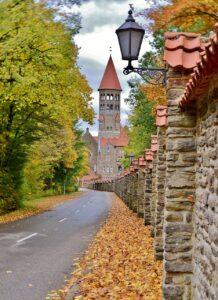
History of Luxembourg
Luxembourg’s history is long and deeply intertwined with the political landscape of Europe. The country’s story began in 963 A.D. when Count Siegfried acquired a small fortress called Lucilinburhuc, meaning “little castle.” In time, this fortress expanded to become a powerful stronghold. With this strategic location, Luxembourg developed into a major military center of Europe.
Medieval Growth and Strategic Importance
During the Middle Ages, Luxembourg was ruled by a line of powerful counts and dukes. The House of Luxembourg produced emperors for the Holy Roman Empire, which increased the country’s influence. The city’s strong fortifications attracted attention, and over the centuries, it was controlled by several European powers, including the Burgundians, Habsburgs, French, Prussians, and Spanish. Each foreign rule left its cultural imprint.
19th Century: Becoming a Grand Duchy
In 1815, after the fall of Napoleon, at the Congress of Vienna, Luxembourg was made a Grand Duchy; it also became a member of the German Confederation. However, the Belgian Revolution in 1830 created tension, and the Treaty of London (1839) divided Luxembourg, with a large part going to Belgium. The remaining territory turned into the Luxembourg we know today.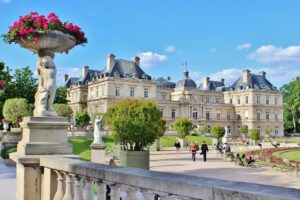
20th Century to Modern Times
In both World Wars I and II, although Luxembourg declared neutrality, the country was invaded by Germany. After World War II, Luxembourg gave up neutrality to become a founding member of NATO, the United Nations, and later the European Union. Nowadays, Luxembourg is one of the strongest economies in the world, besides being a renowned financial center and one of Europe’s most stable countries.
Tourism in Luxembourg
Historic Charm in Luxembourg City
Luxembourg, though small, is a country filled with diverse attractions for travelers. The capital, Luxembourg City, is often the starting point for exploring the nation. Its old town has been recognized as a UNESCO World Heritage Site, showcasing narrow cobblestone streets, ancient fortifications, and charming squares that transport visitors to the medieval era.
Grand Ducal Palace and Notre-Dame Cathedral
One of the major attractions in Luxembourg includes the Grand Ducal Palace, serving as the official residence of the Grand Duke of Luxembourg. With its striking Renaissance architecture, the ceremonial change of guard becomes an unforgettable photo opportunity for tourists.The Notre-Dame Cathedral, located nearby, is an exceptional landmark that showcases Gothic architecture with beautiful stained glass windows and a serene atmosphere; it almost prompts one to stop and contemplate in the middle of this bustling city.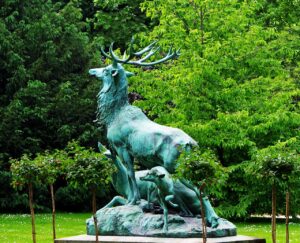
Natural Attractions: Mullerthal Region and Moselle Valley
Luxembourg also boasts remarkable natural beauty. The Mullerthal Region, often called “Little Switzerland,” is famous for its unique rock formations, forested trails, and flowing streams. Hiking through this region provides unforgettable experiences for both beginners and seasoned adventurers.
Cultural Tourism and Museums
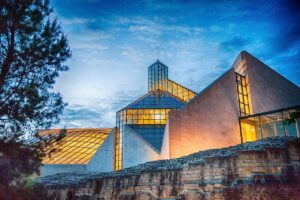
Cultural tourism is part of the package when visiting Luxembourg. The National Museum of History and Art reflects the nation’s heritage, from archaeological finds to fine arts and historical displays. On the other hand, Mudam Luxembourg – Musée d’Art Moderne Grand-Duc Jean showcases modern art works and exhibitions by renowned international artists. Throughout the year, several festivals, music events, and markets take place in the city of Luxembourg to honor local traditions and European culture, for instance, the Schueberfouer Festival, which comprises rides, games, food stalls, and live performances appropriate for all ages.
Charming Towns and Castles in Surrounding Areas
Smaller towns and villages of Luxembourg are quiet oases away from city bustle. Echternach boasts its basilica and ancient abbey, while Vianden Castle sits atop a hill, offering spectacular views of the surrounding valleys and a fine specimen of medieval architecture. Clervaux appeals to both art and history lovers with its abbey and castle, not to mention the well-known photography exhibition “Family of Man.” These towns are accessible, and the traveler can enjoy all the main sights, both urban and rural, in the same trip.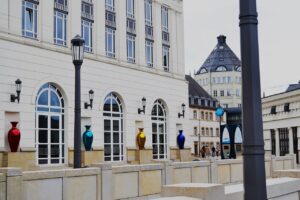
Connectivity and Scenic Routes
Despite its small size, Luxembourg is well-connected for travelers, making day trips to multiple destinations convenient. Scenic routes along rivers and forests offer opportunities for photography, relaxation, and outdoor recreation. The country’s gourmet cuisine, ranging from Luxembourgish specialties to international dishes, further enhances the travel experience, with many restaurants providing both fine dining and traditional meals.
A Harmonious Blend of Experiences
Overall, tourism in Luxembourg presents a harmonious combination of history, nature, culture, and modern amenities. Visitors can explore historic castles, hike through scenic trails, attend cultural events, or enjoy the warmth of local hospitality. Whether wandering through medieval streets, experiencing the serenity of nature, or savoring local cuisine, Luxembourg offers a memorable travel experience for all types of tourists.
Surrounding Places of Luxembourg
Luxembourg is situated in the centre of Western Europe, so many major destinations are within easy reach.
Belgium
- Arlon: The closest Belgian city, known for its Roman heritage.
- Liege: A lively, historic city with museums and river views.
- Brussels: The capital of Belgium and headquarters of the EU.

France
- Metz: Famous for its cathedral and riverside setting.
- Nancy: Known for elegant architecture and beautiful squares.
- Strasbourg: A UNESCO city rich in Alsatian culture.
Germany
- Trier: Germany’s oldest city with Roman ruins like the Porta Nigra.
- Saarbrücken: A vibrant university city close to Luxembourg.
- Koblenz & Rhine Valley: Known for castles and vineyards.
Surrounding Places of Luxembourg City
Echternach: A Historic Town by the River
Echternach is one of the most picturesque towns in the east of Luxembourg, bordering Germany. Renowned for its basilica, a beautiful building, and the ancient abbey of St. Willibrord, Echternach attracts tourists in search of a historical and quiet experience. The city also hosts the annual Echternach Dancing Procession, a religious and cultural event several hundred years old and very famous with tourists. By taking a leisurely walk along the streets of Echternach, visitors will discover small, cozy cafes, little shops, and riverbank strolls along the Sauer River, which make the town a tranquil retreat from the busier capital.
Vianden: A Majestic Medieval Castle Town
Vianden is a small town situated in northern Luxembourg, famous for its hilltop castle overlooking both the town and the River Our. Vianden Castle is a medieval work of genius that not only offers guided tours through its halls and rooms but also various historical exhibitions with great panoramic views of the surrounding landscape. The town itself is charming, with cobbled streets, old houses, and artisan shops that showcase traditional Luxembourgish crafts. It also organizes cultural events, concerts, and fairs throughout the year for tourists to seek historical and contemporary experiences alike.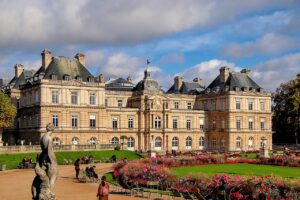
Clervaux: Art, History, and Nature
Clervaux is a city in the Ardennes with great cultural and historical importance. The abbey and the castle are major attractions of the town, and the “Family of Man” photography exhibition, known all over the world, is shown in the Castle of Clervaux. You can stroll along quiet streets, take nice walks on banks of the Clerve River, and visit local museums celebrating the town’s history. The surrounding forests and rolling hills make Clervaux perfect for hiking, cycling, and even nature photography-an ideal refreshing getaway for outdoor lovers.
The Moselle Valley: Wine and Scenic Beauty
The Moselle Valley stretches along Luxembourg’s southeastern border and is famous for its vineyards and wine production. Small towns such as Remich and Grevenmacher allow visitors to tour wineries, taste local wines, and enjoy the picturesque scenery of the Moselle River winding through gentle hills.The valley is perfect for leisurely drives, river cruises, and cycling trips, giving tourists a combination of natural beauty and cultural experiences. The area’s wine festivals and local markets also provide insights into Luxembourgish traditions and gastronomy.
Mullerthal Region: “Little Switzerland”
The Mullerthal Region, often called “Little Switzerland,” is a natural gem in eastern Luxembourg. Famous for its unique rock formations, dense forests, and flowing streams, the region offers numerous hiking and walking trails suitable for all ages and skill levels. Tourists can explore natural landmarks such as the Schiessentümpel Waterfall, the Hohllay Cave, and the picturesque Echternach countryside.
Remich and the Luxembourgish Countryside
Remich, located on the banks of the Moselle River, is another notable surrounding area of Luxembourg. Known as the “Pearl of the Moselle,” Remich offers a charming riverside promenade, boat tours, and vineyards that line the riverbanks. The town is ideal for leisurely exploration, wine tasting, and enjoying local cuisine.
Day Trips and Regional Connections
Thanks to Luxembourg’s compact size and excellent transport system, visitors can easily combine visits to surrounding towns and natural areas. A day trip from Luxembourg City can include stops in Echternach, Vianden, and the Mullerthal Region, allowing tourists to experience history, nature, and culture all in one itinerary. Public transportation, including trains and buses, provides convenient access, while scenic drives reveal hidden gems along the way.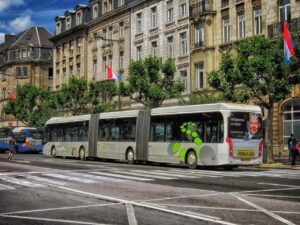
Best Time to Visit Luxembourg
The best time to visit Luxembourg is during the spring and early autumn months, when the weather is mild and the landscapes are at their most vibrant. From April to June, flowers bloom, and the countryside is lush and green, making it perfect for hiking, sightseeing, and outdoor activities. Early autumn, from September to October, offers cooler temperatures, colorful foliage, and a pleasant atmosphere for exploring both cities and natural areas. Summers, from July to August, are also popular, especially for festivals and events, but these months can be busier and slightly more expensive due to higher tourist traffic. Winter, from December to February, is colder, but it offers unique experiences such as Christmas markets, cozy cafes, and occasional snowfall that adds a magical touch to historic towns.
How to Go to Luxembourg
Luxembourg is easily accessible by air, train, and road, making it convenient for international and regional travelers. The Luxembourg Airport, located near the capital city, receives flights from many major European cities, offering connections to and from popular destinations. For those traveling from nearby countries such as France, Germany, or Belgium, train travel is an excellent option, with comfortable and frequent services that connect Luxembourg City to major urban centers.
Conclusion
Luxembourg, though small in size, is a country brimming with history, culture, natural beauty, and modern amenities. From the medieval streets and grand palaces of Luxembourg City to the peaceful towns of Echternach, Vianden, and Clervaux, travelers are offered a wide variety of experiences. The Mullerthal Region and Moselle Valley offer hiking, wine tasting, or simply relaxation outdoors, while museums, galleries, and festivals add to the cultural journey. The comfortable public transport system and easy accessibility make Luxembourg ideal for either a brief visit or a longer exploration of the surrounding regions. A journey to Luxembourg offers a unique memory of history, adventure, relaxation, or culture that each visitor can take with them.
Author

sadikhan.ceo@gmail.com
Related posts
Slovakia
- 0
- 2,323 words
Slovakia : Discover the Hidden Gem of Central Europe Tucked right in the heart of Central Europe, Slovakia is one of those...
Read out all
Singapore
- 0
- 2,246 words
Singapore : A Global City and Travel Hub Singapore’s one of those places where modern life and nature seem to fit together...
Read out all
Seychelles
- 0
- 2,644 words
Seychelles : A Dream Destination in the Indian Ocean You hear about places as “dream destinations” all the time, but Seychelles totally...
Read out all
Serbia
- 0
- 2,789 words
Serbia Travel Guide: Regions of the Balkan Nation Serbia sits right at the heart of the Balkans, and honestly, it’s one of...
Read out all
Senegal
- 0
- 2,277 words
Senegal Travel Guide: Discover the Culture, History, Tourism, and Surrounding Regions of West Africa Welcome to Senegal—a place that really captures the...
Read out all
Saudi Arabia
- 0
- 2,914 words
Saudi Arabia: A Powerful Nation in the Middle East and Global Importance of the Kingdom Saudi Arabia stands out as one of...
Read out all