
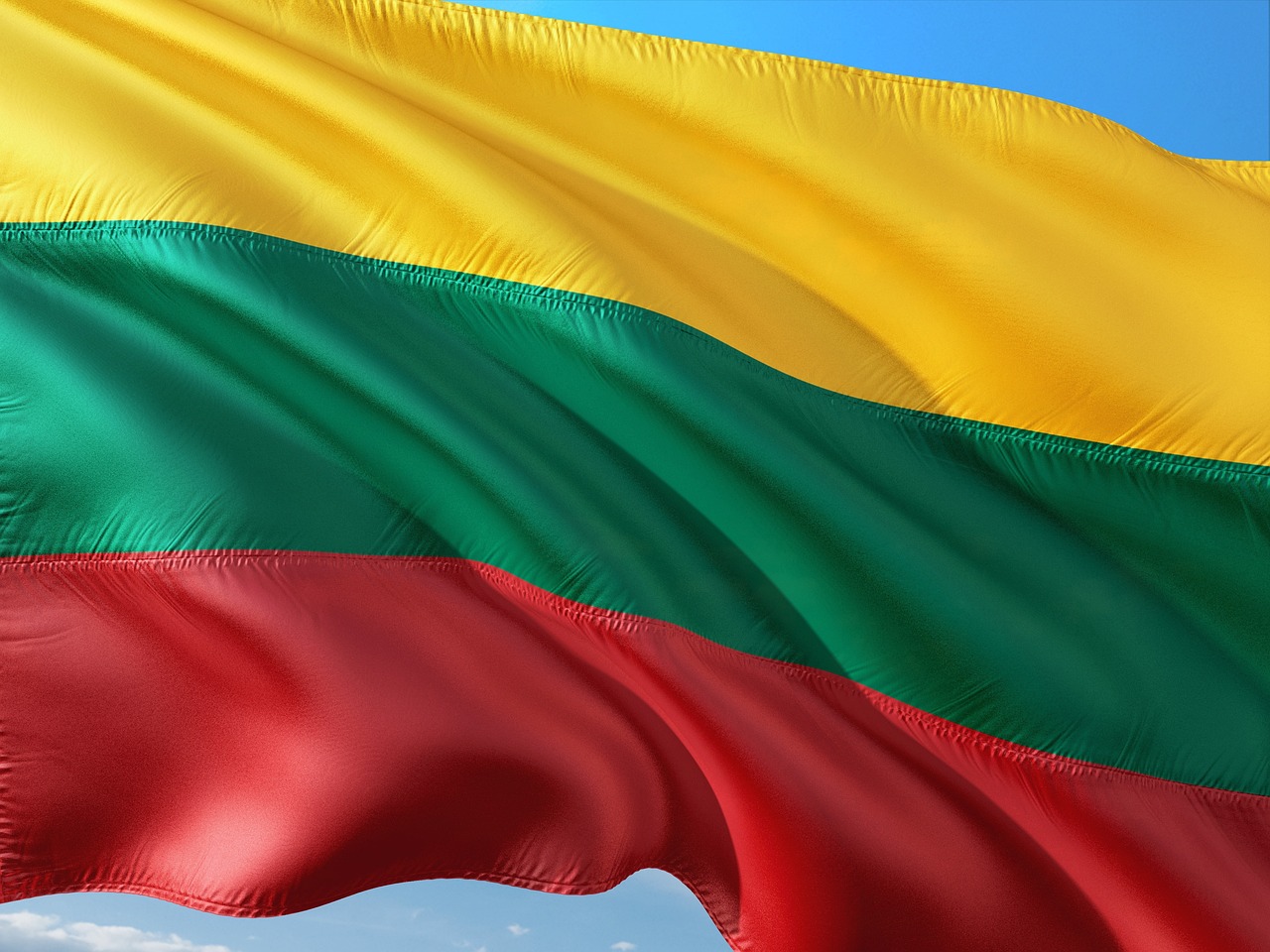
Lithuania – A peaceful country in Northern Europe
Lithuania is a beautiful and peaceful country in Northern Europe. It is one of the three Baltic States, along with Latvia and Estonia. The country is known for its calm landscapes, medieval towns, thick forests, and friendly people. Lithuania also has a long history that includes grand kingdoms, strong rulers, wars, struggles for freedom, and a new modern identity. Because of its rich culture and natural beauty, Lithuania is now becoming a growing travel destination for visitors from all around the world. As you explore Lithuania, you will notice that the country offers a wonderful balance of old and new. Medieval castles stand beside modern buildings. Quiet villages exist near lively cities. Deep lakes, long rivers, and tall pine forests surround towns that still hold ancient traditions. Travelers can explore UNESCO World Heritage Sites, beautiful national parks, sandy coastlines, and historic cities like Vilnius, Kaunas, and Klaipėda. In this detailed article, you will read about Lithuania’s geography, history, tourism, surrounding places, and many more aspects that help you understand why this country is truly unique.
Geography of Lithuania
Lithuania’s geography is simple yet very charming. The country is mostly flat, which means it has wide open spaces, gentle hills, and long stretches of forests. It does not have high mountains, but its peaceful terrain makes it easy for people to travel, farm, and build towns. This flat landscape also gives the country its quiet and relaxing feel. There are also several long rivers in the country. The most famous of these is the Neris River, which runs through Vilnius, with the Nemunas River being the longest in Lithuania. These rivers have played an important role in the early history of the country because they made travel and trade, as well as settling along their banks, possible.
Lithuania also borders the Baltic Sea. The coast isn’t very long, but it is indeed really beautiful. The sandy beaches, tall dunes, and fresh sea breeze make the coastline an attractive place during summer. One of the most special natural places in Lithuania is a long, thin sand-dune peninsula called the Curonian Spit. It’s so special that UNESCO recognized it as a World Heritage Site. The climate is generally mild in Lithuania. Winters are cold and snowy, while summers can be warm and sunny. Spring and autumn bring gentle breezes with colorful scenery. Its forests are home to many species of animals, such as deer, foxes, wolves, and many bird species. In all, the geography of Lithuania provides the country with a tranquil natural beauty, inviting travelers to spend time in both its quiet countryside and lively cities.
History of Lithuania
The history of Lithuania is saturated with great events, powerful leaders, and strong kingdoms. Once upon a time, Lithuania was the biggest country in Europe. Its history may be divided into several major periods.
- Early History : Tribes who lived in the forests and near rivers were the very first people to come into Lithuania. Later on, they formed a culture that was commonly referred to as the Baltic people. Their traditions, language, and lifestyle became the foundation of the Lithuanian nation.
- Establishment of the Lithuanian State : In the 13th century, Lithuania emerged as a recognized country when King Mindaugas unified the tribes and was crowned as the first and only king of Lithuania in 1253. It was a very important moment for giving Lithuania its identity and political power.
- The Grand Duchy of Lithuania : Lithuania grew very fast and very powerfully. During the 14th and the 15th centuries, the Grand Duchy of Lithuania became one of the largest countries in Europe: it stretched from the Baltic Sea up to the Black Sea. That was a time of strong leadership, military victories, and development of culture. Later on, Lithuania formed a union with Poland, which became known as the Polish-Lithuanian Commonwealth. This was a very powerful union that has lasted for many centuries. During this time, Vilnius became the center of culture, learning, and religion.

- Partitioning and Loss of Independence : In the late 1700s, the Polish-Lithuanian Commonwealth became weak. It was divided by powerful neighbors: Russia, Prussia, and Austria. The Russian Empire took Lithuania, and the country lost its independence for over 120 years.
- 20th Century and World Wars : In 1918, Lithuania regained its independence after World War I. This freedom did not last long. During World War II, Lithuania faced occupations by the Soviet Union and Nazi Germany. After the war, Lithuania once again became a part of the Soviet Union.
- Independence in 1990 : On 11th March 1990, Lithuania became the first Soviet republic that declared independence. It was a big turning point whereby many efforts were put into rebuilding its economy, government, and identity. Lithuania today is a modern and peaceful country. It is a member of both the EU and NATO, and its tourism, businesses, and culture are further developing.
Tourism in Lithuania
Tourism in Lithuania is growing every year due to the beautiful combination of old European charm, peaceful natural landscapes, and modern cultural experiences that this country has to offer. Among the most popular activities are walks along medieval streets, recognition of historic castles, relaxation on sandy beaches, and discovery of peculiar traditions that have influenced this nation for centuries. Also, Lithuania is safe, friendly, and easy to travel around, making it an ideal destination for both novice and experienced travelers.
Vilnius Old Town
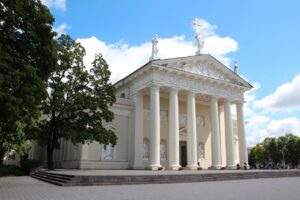
Vilnius Old Town is one of the largest surviving medieval old towns in Eastern Europe, and it is even listed as a UNESCO World Heritage Site. When visitors walk through its narrow streets, they feel as if they have stepped back into the 14th or 15th century. The area is filled with baroque churches, colorful houses, small courtyards, and cozy cafés. The famous Cathedral Square, Gediminas Tower, and The Gates of Dawn are all located here.
Trakai Island Castle
Trakai Island Castle is one of the most iconic landmarks in Lithuania. It sits beautifully on an island in the middle of Lake Galvė, surrounded by peaceful water and green forests. The castle, built in the 14th century, looks like a fairy-tale fortress. Inside, visitors can explore museums, old rooms, and exhibitions that explain Lithuania’s medieval history.
Kaunas Old Town and Kaunas Castle
Kaunas is Lithuania’s second-largest city, and it has a vibrant atmosphere mixed with long history. Kaunas Old Town is filled with charming streets, museums, and historical buildings. Kaunas Castle, located at the meeting point of two rivers, is one of the oldest castles in the country.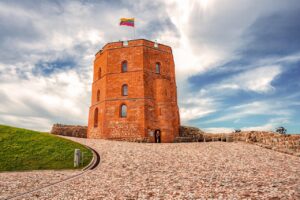
The Curonian Spit and Nida Dunes
The Curonian Spit is one of the most unique natural destinations in Europe. This long, narrow stretch of land separates the Baltic Sea from the Curonian Lagoon. It is famous for its breathtaking sand dunes, calm fishing villages, pine forests, and clean beaches.
Klaipėda and the Baltic Coast
Klaipėda is a historic port city located near the Baltic Sea. It has a mixture of German, Scandinavian, and Lithuanian influences, making it different from other cities in the country. The warm sand, soft waves, and beachfront cafés create a relaxing coastal holiday experience.
Hill of Crosses (Šiauliai)
Among Lithuania’s most spiritual and symbolic sights is the Hill of Crosses. Visitors see thousands of crosses of all sizes covering a small hillside. Families, pilgrims, and travelers come to leave new crosses as a sign of prayer, hope, or memory. The atmosphere is quiet and emotional, and many people say it feels peaceful and inspiring.
Aukštaitija National Park
Aukštaitija National Park is the oldest national park in Lithuania, famous for its lakes, forests, and traditional wooden villages. Visitors can go hiking, kayaking, cycling, or boating. Rare birds, old wooden churches, and fascinating views of the countryside are found in the area. Many tourists visit the park as a retreat from city noise, traveling slowly and being in harmony with nature. Homestays and guesthouses are very welcoming; one can learn a lot about the rural culture of Lithuania.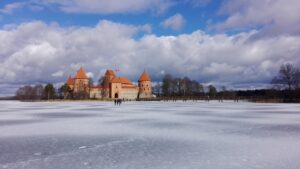
Druskininkai Spa Town
Druskininkai is a famous wellness and spa town in southern Lithuania. People visit it for its mineral waters, healing mud treatments, and relaxing spa hotels. The town also has beautiful parks, lakes, and modern attractions like the Snow Arena, an indoor skiing facility open all year. Visitors come here to rest and enjoy peaceful days surrounded by nature.
Šiauliai City and Its Cultural Sites
Šiauliai is famous for its friendly atmosphere, cultural museums, and the Hill of Crosses not so far away. Šiauliai Cat Museum, Bicycle Museum, and central boulevard are interesting experiences to be tried by a family or history enthusiast. Though the city is smaller than Vilnius or Kaunas, it has a distinct cultural identity and festivals running during the year.
Lithuanian Cultural Festivals
Equally, Lithuania is known for its ethnic festivals, shown to attract visitors from different parts of the world. UNESCO recognizes the Song and Dance Festival, which occurs after every few years, for its cultural significance. During this festival, it is observed that several thousand singers and dancers perform traditional music of their nation. Other events include Midsummer celebrations, craft fairs, and Christmas markets filled with music, food, and handmade products.
Surrounding Places of Lithuania
The areas surrounding Lithuania open the door to an even larger world of culture, history, and natural beauty. Although Lithuania itself is full of charming towns, deep forests, and peaceful lakes, its neighboring regions provide travelers with an extended experience of the Baltic way of life.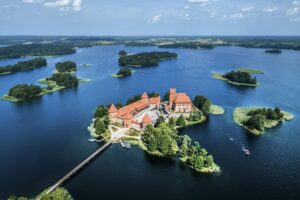
Latvia – The Closest Northern Neighbor
To the north of Lithuania lies Latvia, a country that blends medieval charm with modern city life. The first major city travelers often visit is Riga, the capital of Latvia and one of the most vibrant cities in the Baltic region. Riga’s Old Town feels timeless, with narrow cobblestone streets, historic churches, and beautiful squares lined with outdoor cafés. The city’s famous Art Nouveau District is one of the largest collections of Art Nouveau buildings in the world, and a quiet walk among its elegant facades is unforgettable. When moving outside Riga, Latvia reveals its peaceful countryside. The town of Jurmala, located along the Gulf of Riga, is popular for its long sandy beaches and natural spa therapies using minerals from the sea.
Belarus – A Window into Eastern Europe
To the southeast, Belarus offers a different kind of experience—one that is deeply shaped by Eastern European traditions and Soviet-influenced architecture.Although travel regulations vary from time to time, the country remains an important surrounding region that adds depth to Lithuania’s geographic and cultural identity. The capital, Minsk, is a spacious city with wide boulevards, grand squares, and a unique architectural style that reflects its rebuilding after World War II. Its historic Upper Town, peaceful Svislach River banks, and parks create a beautiful balance between urban life and nature.
Poland – Rich History and Spiritual Heritage
To the south of Lithuania, Poland offers a warm cultural connection and deep historical ties. Many visitors begin their journey in Białystok, a peaceful city near the Lithuanian border that blends modern life with traditional Polish identity. The city’s Branicki Palace, often called the “Polish Versailles,” stands proudly among gardens and fountains, making it a beautiful introduction to Polish architecture. Southwest of Lithuania, Poland becomes even richer in heritage. The city of Kraków, one of the most beautiful cities in Europe, offers endless attractions such as Wawel Castle, the medieval Market Square, and the romantic Kazimierz Jewish Quarter. Kraków has a timeless charm that appeals to travelers from all over the world. For Lithuanian visitors, Poland provides a blend of spiritual sites, cultural landmarks, natural beauty, and warm hospitality. 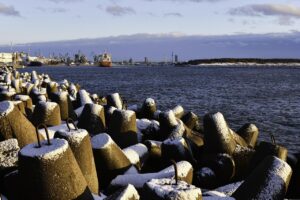
Russia (Kaliningrad Oblast) – A Unique Enclave Experience
The only Russian enclave that lies west of Lithuania, the whole atmosphere of Kaliningrad is different from the rest of the Baltic region. This place was part of East Prussia and is historically called Königsberg. Its German heritage still shows in its architecture, in old fortresses, and quiet streets. The modern town of Kaliningrad is a mixture of modern and old influences. Its Königsberg Cathedral, amber museum, and peaceful lakeside parks show how beautiful the region’s past is. One of the most extraordinary surrounding places here is the Curonian Spit, a long, thin stretch of sand dunes that Lithuania and Russia share. Part of the spit lies in Lithuania, while the other half extends into Kaliningrad.
The Baltic Sea – Nature’s Gateway Beyond Borders
Another beautiful surrounding “place” is not a country but the Baltic Sea itself, which gently touches Lithuania’s western edge. Beyond Lithuania’s beaches, the sea connects travelers to Sweden, Denmark, and Germany through ferry routes. Ports such as Klaipėda offer sailings to nearby Baltic coastal towns, creating opportunities to explore Scandinavian culture and northern European traditions without the need for long flights.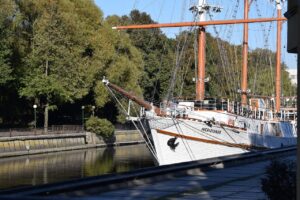
Best Time to Visit Lithuania
The best time to visit Lithuania is from late spring and early autumn, especially during May to September of the year. In that period, the weather is warm and sunny, just perfect for walking, sightseeing, and beach activities. It is high season, with festivals and open-air events, and very lively coasts in June to August. Spring starts in April and May, is tranquil, with blooming forests, and comfortable temperatures. Autumn (September–October) is a time of colorful leaves and fewer crowds. Winter is cold, but it has Christmas markets and snowy scenery.
How to Go to Lithuania
Lithuania is well connected by air, road, and sea.
- By Air : The main international airports are: Vilnius International Airport (VNO) Kaunas International Airport, KUN. Palanga Airport (PLQ) Flights arrive from many European cities, including London, Paris, Frankfurt, Warsaw, and Helsinki.
- By Train or Bus : Lithuania has good road connections with Poland, Latvia, and Belarus. International buses are frequent and affordable. By Sea From Sweden and Germany, travelers take ferries across to Klaipėda, Lithuania’s main port city.

Conclusion
Lithuania is a country full of charm, history, and natural beauty. It combines peaceful landscapes with vibrant cities, ancient traditions with modern life, and medieval architecture with stunning beaches and forests. Travelers can explore old towns, visit lakes, relax by the sea, and learn about the rich cultural heritage that shaped the nation. Whether you walk through the cobbled streets of Vilnius, watch the sunset from the Curonian Spit, or explore castles and national parks, Lithuania offers something meaningful and unforgettable. It is a country that welcomes every visitor with warmth, simplicity, and grace.
Author

sadikhan.ceo@gmail.com
Related posts
Slovakia
- 0
- 2,323 words
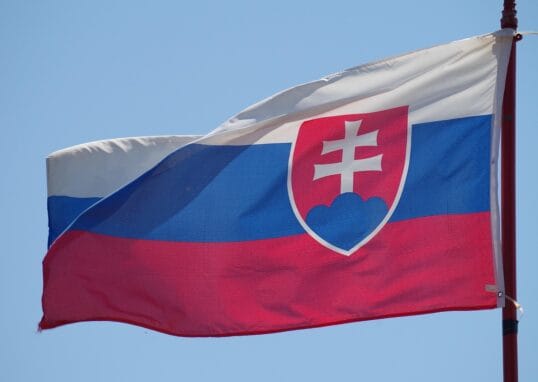
Slovakia : Discover the Hidden Gem of Central Europe Tucked right in the heart of Central Europe, Slovakia is one of those...
Read out all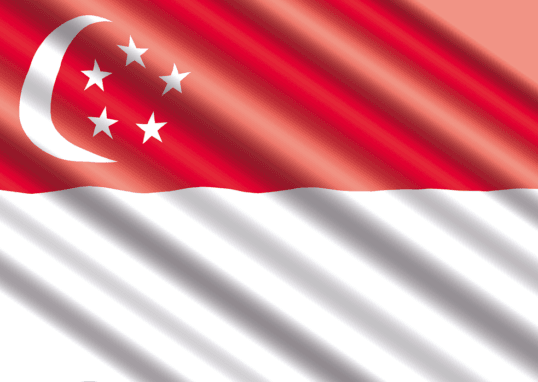
Singapore
- 0
- 2,246 words
Singapore : A Global City and Travel Hub Singapore’s one of those places where modern life and nature seem to fit together...
Read out all
Seychelles
- 0
- 2,644 words
Seychelles : A Dream Destination in the Indian Ocean You hear about places as “dream destinations” all the time, but Seychelles totally...
Read out all
Serbia
- 0
- 2,789 words
Serbia Travel Guide: Regions of the Balkan Nation Serbia sits right at the heart of the Balkans, and honestly, it’s one of...
Read out all
Senegal
- 0
- 2,277 words
Senegal Travel Guide: Discover the Culture, History, Tourism, and Surrounding Regions of West Africa Welcome to Senegal—a place that really captures the...
Read out all
Saudi Arabia
- 0
- 2,914 words
Saudi Arabia: A Powerful Nation in the Middle East and Global Importance of the Kingdom Saudi Arabia stands out as one of...
Read out all