
Kuala Lumpur Travel Guide 2026
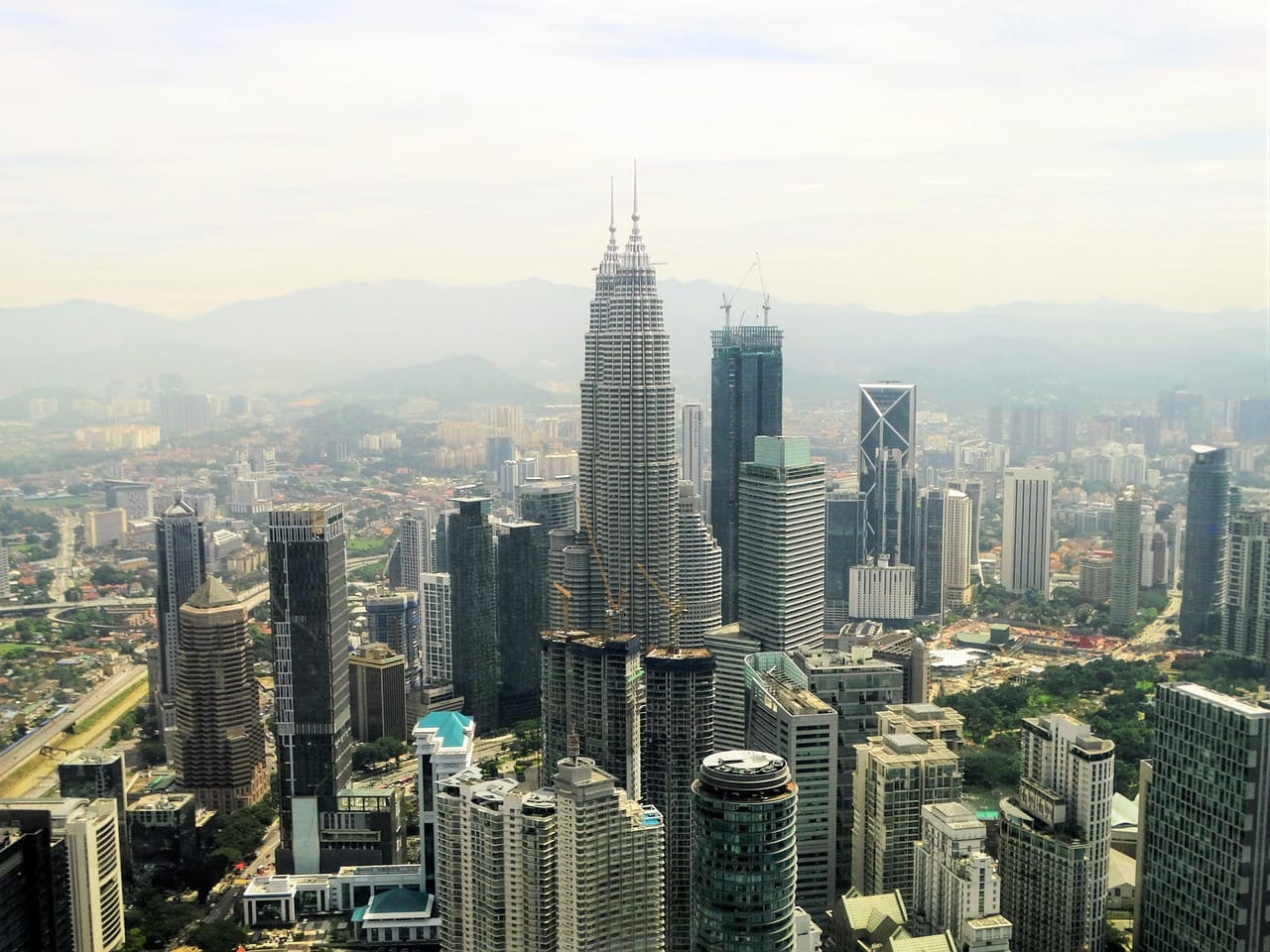
Kuala Lumpur—or just KL, as most people call it—is Malaysia’s buzzing capital and easily one of Southeast Asia’s most exciting cities. Walk around, and you’ll see what I mean: old temples tucked between shiny skyscrapers, busy markets spilling into the streets, and food stalls everywhere you look. Sure, the Petronas Twin Towers get all the attention, but KL is more than its skyline. The food scene is wild—mixing Malay, Chinese, Indian, and more. Locals are warm and welcoming, and your wallet stretches a lot further here than in most other big capitals. Whether it’s your first time or you’re back for another round, KL has plenty to offer. This guide breaks down everything you’ll need for a trip in 2026: top sights, where to stay (from five-star hotels to backpacker hostels), how much you’ll spend, what things cost—from visas and taxis to food and mobile data—and how KL stacks up against other cities.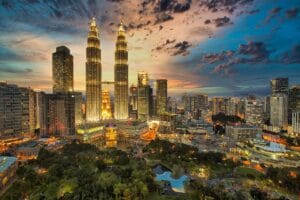
Discover Kuala Lumpur — Where Tradition Meets Modernity
You probably picture the Petronas Twin Towers. These towers used to be the tallest in the world, and even now, they’re the pride of the city. Head over to KLCC Park at their base for a free stroll through fountains and shady trees, all while these massive towers watch over you. If you’re up for it, book a ticket to the observation deck—you’ll get a killer view of the city. But don’t stop there. Just down the road, you’ll find Aquaria KLCC, an aquarium packed with sea creatures and fun facts. It’s great for kids, families, or anyone who likes watching jellyfish float by. If you want a break from the city rush, check out the Kuala Lumpur Bird Park. It’s one of the world’s biggest covered aviaries, right inside the lush Perdana Botanical Gardens. You’ll spot birds from all over, and you don’t even have to leave the city. Nearby, the Butterfly Park is smaller but just as magical, with clouds of butterflies and tropical plants. Or, grab a jog or a paddleboat at Titiwangsa Lake Park—it’s peaceful, especially at sunset.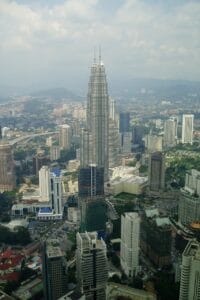
KL’s a melting pot, and you’ll see it in the temples and mosques around town. The Sri Mahamariamman Temple in Chinatown is a riot of color and detail, and the Jamek Mosque blends different architectural styles in a way that just works. Want to geek out a bit? Swing by the National Textile Museum—it’s free, and you might leave with a new respect for batik and songket. And don’t miss the Batu Caves, just outside the city. You’ll spot the huge golden statue from a mile away, and the climb up those rainbow-colored steps is half the fun. Inside, the limestone caves and Hindu shrines are something you won’t forget. Still, KL’s not just about the big sights.
Best Things to Do in Kuala Lumpur — From Iconic Landmarks to Local Discoveries
Start with the classics—the Petronas Twin Towers are a must. The skybridge and observation deck give you a view you won’t get anywhere else, and booking ahead saves you time. After, grab a bite or do some shopping at Suria KLCC mall, right next door. Stick around for the Lake Symphony fountain show in KLCC Park once the sun goes down—lights, music, the works. Next up, the Batu Caves. The Batu Caves really shouldn’t be missed, especially if you’re new to Kuala Lumpur. Climbing those 272 colorful steps is half the fun—and once you reach the top, the view and the whole spiritual vibe just feel worth it. If you’re into animals or traveling with family, Aquaria KLCC is a great place to check out. Its underwater tunnel and interactive displays make learning about marine life actually enjoyable. Over at the Bird Park and Butterfly Park, you’ll find all kinds of birds and insects in gardens that are just as pretty as the creatures themselves.
Need a break from the city rush? Head to Titiwangsa Lake Park. It’s quieter out there, and you get a peek at how locals unwind. The restored alley is full of murals and art, and it tells the story of KL’s old neighborhoods. Of course, you can’t skip Petaling Street and Central Market—perfect places to snack, hunt for souvenirs, and really feel the city’s energy. Want to see KL after dark? Head to Bukit Bintang or Jalan Alor night market. There’s a buzz here—street food that’s some of the best in Southeast Asia, and a lively mix of locals and visitors. KL has a bit of everything: incredible city views, peaceful parks, spiritual sites, and crowded street scenes.
Best Hotels in Kuala Lumpur for Every Type of Traveler
Kuala Lumpur makes it easy to find the right place to stay, whether you’re after five-star luxury or just a cheap, comfortable bed. If you want to go all out, KL’s luxury hotels don’t disappoint. The St. Regis, Four Seasons, and Mandarin Oriental all offer gorgeous rooms, rooftop pools, fancy restaurants, and spas. Staying here means you’re close to major sights like the Petronas Towers and Bukit Bintang. Planning a honeymoon or looking for romance? These hotels can really set the mood—think candlelit dinners, couple’s spa treatments, and those skyline views that make the evenings feel special.
In Chinatown, Bukit Bintang, or near main train stations, you’ll find hostels and guesthouses that are clean, comfortable, and super affordable. The nightly rates here can be much lower than in other major cities nearby—perfect for backpackers or young travelers watching their wallets. If you’re staying a while or traveling as a group, serviced apartments or Airbnbs make a lot of sense. You get more space and a kitchen, and usually pay less per person. No matter your budget or style, Kuala Lumpur’s hotel scene has something that’ll work for you.
Cheapest Places to Stay in Kuala Lumpur — Budget-Friendly Comfort
Traveling on a shoestring? KL’s got loads of budget options. Hostels in Chinatown and Bukit Bintang are everywhere, with cheap dorm beds and private rooms for those who need a little more privacy without the hotel price tag. Staying near big transit hubs like KL Sentral or Bukit Bintang saves you money on getting around. You’re right by LRT, MRT, and monorail lines, so it’s easy to see the whole city. Grab a Touch ‘n Go card and you’ll make your travel even cheaper and less of a hassle.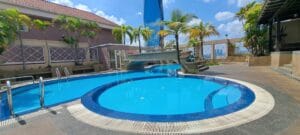
If you’re staying in hostels or budget hotels, you’ll usually get basics like a shared kitchen, free Wi-Fi, and maybe a social lounge where folks hang out. These little perks actually help your money go further. Some guesthouses even throw in breakfast, so that’s one less thing to worry about in the morning. One smart way to save on a place to stay? Don’t lock yourself into the city’s tourist core or business district. Look just outside the Golden Triangle—think Chinatown, Imbi, or Hang Tuah. These neighborhoods still connect you to everything thanks to the LRT or monorail, but the prices drop fast once you’re out of the main drag. Sure, budget places won’t come with infinity pools or spa tubs, but the cash you save can turn into rooftop dinners, tickets to theme parks, or a guided cultural tour. In the end, you get more out of your trip, and your wallet doesn’t take a beating.
Cost of Traveling to Kuala Lumpur — Flights, Entry Fees, and Daily Spending
Let’s talk big expenses for Kuala Lumpur: flights, where you sleep, and your day-to-day spending on food, sightseeing, and getting around. Flights are usually the biggest chunk. Prices swing a lot depending on where you’re flying from and when. Kuala Lumpur International Airport (KUL) connects to most of Asia, Australia, the Middle East, and beyond. If you book early and use flight comparison sites, you’ll usually score a better deal. Once you’re in KL, you’ll notice daily costs aren’t bad at all. Getting around is cheap—LRT or MRT rides are just a few ringgit, and the city buses (including that handy free GO KL Bus) cover a lot of ground. Grab’s the local rideshare app; it’s affordable, although traffic slows things down during rush hour. Food is everywhere, and there’s something for every budget. Hawker stalls and food courts are ridiculously cheap, but even sit-down restaurants and cafes won’t break the bank if you pick wisely. Stick with local spots and you’ll eat well for less. Sightseeing’s pretty gentle on the wallet, too. Plenty of must-sees—like Batu Caves, Petaling Street, and city parks—are totally free. For attractions with entry fees, like the Petronas Twin Towers or Aquaria KLCC, booking ahead online often means better prices and you skip those long lines.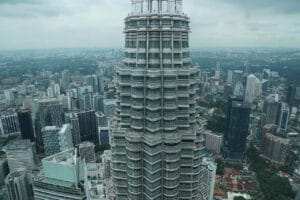
Kuala Lumpur Travel Budget for 5-Day and 7-Day Trips
How much you spend in KL depends on how you want to roll. Here’s a quick breakdown for a 5-day trip:
- If you’re traveling on a budget, you’ll probably sleep in a hostel, get around on public transport, eat at food courts, and stick to free sights. You can get by on just a couple hundred ringgit for five days if you’re careful.
- Mid-range travelers—those who like a comfy hotel bed, a mix of restaurants and cafés, a few paid attractions, and maybe the occasional Grab ride—should plan on spending more, but you still get a lot for your money.
- If you’re all about luxury—boutique hotels, fine dining, private tours, and a car with a driver—the sky’s the limit, and so is your comfort. These ballpark budgets help you figure out what kind of trip you want, whether you’re aiming for cheap-and-cheerful or want to splash out.
Kuala Lumpur vs Bangkok Travel Comparison — Cost, Food, Attractions
Stack KL up against Bangkok and you’ll spot some similarities and a few quirks. Both cities buzz with energy, have deep cultural roots, and serve up street food that’s almost too good to be true. Accommodation costs are pretty close, although Bangkok edges out KL a bit on the cheapest hostels. But if you want a step up—mid-range hotels and actual comfort for your ringgit—KL often gives you a better deal. Food is cheap in both cities, but Bangkok’s street eats can be even cheaper. KL, though, wins points for variety and how easy it is for English speakers to order and get around. Public transport is solid in both places, but KL’s system is especially straightforward and wallet-friendly.
So if you’re torn between these two cities, it really comes down to what kind of vibe you’re after. Bangkok throws you into the thick of temples and buzzing street life. KL is a mix of cultures, modern city energy, and all kinds of food. Either way, you can have an awesome trip and still keep your spending under control.
Best Destination for Honeymoon — Kuala Lumpur or Singapore?
Let’s be honest, when couples start comparing Kuala Lumpur and Singapore for a honeymoon, the price tag usually ends up front and center. If you look at the numbers, Kuala Lumpur is just easier on the wallet. Hotels, food, getting around, things to do—it all adds up to a much cheaper trip than Singapore.
Kuala Lumpur’s got its own kind of romance. Think dinner overlooking the city lights, cozy boutique hotels, nighttime walks under the glow of the Petronas Twin Towers, and lazy afternoons in quiet parks like Perdana Botanical Gardens. Singapore, on the other hand, feels a bit fancier. You’ve got Marina Bay Sands, the wild gardens at Gardens by the Bay, endless luxury shopping, and everything’s polished—but you pay for it. If you don’t want to spend a small fortune or you just want to dive into amazing food and real cultural mix, Kuala Lumpur is usually the better pick. It’s affordable, but you still get those memorable, romantic moments.
Hotel Review — ParkRoyal Collection Kuala Lumpur
If you’re staying in KL, the ParkRoyal Collection Kuala Lumpur is a favorite. It sits right in the heart of Bukit Bintang, so you can walk to malls, the famous Jalan Alor food street, and all sorts of nightlife. The hotel leans into eco-friendly, plant-filled design—guests like the cozy, modern vibe with a green twist.
Rooms go from simple and comfortable to big family suites. There’s a saltwater pool with city views, a gym, spa, and a handful of restaurants. Some folks say parts of the hotel feel a bit dim because of all the natural materials, but the location and the solid amenities make it a great base for exploring KL without breaking the bank.
Tour Package Review — Kuala Lumpur City & Cultural Tour
If you don’t have much time, the City & Cultural Tour is a lifesaver. It packs in all the big sights—Petronas Twin Towers, Batu Caves, Chinatown, plus spots like the National Museum and Merdeka Square—into one day. People like these tours because you don’t have to stress about figuring out transport, tickets, or schedules. You get a comfy bus, air conditioning, and a guide who actually explains what you’re seeing. It’s a simple way to hit all the highlights and get a real sense of KL’s history and culture.
Visa Cost for Visiting Malaysia
Malaysia makes it pretty easy for tourists. If you’re from the US, most of Europe, Australia, or Southeast Asia, you can just show up and stay up to 90 days without a visa for tourism. Some travelers need an eVisa or a visa on arrival—the rules and fees depend on your passport, so it’s smart to double-check the official Malaysian immigration site before you book anything. But for a lot of people, there’s no paperwork at all. You just land, breeze through, and start your trip.
Taxi Cost in Kuala Lumpur — Getting Around Easily
Kuala Lumpur’s easy to get around—and it won’t kill your budget. Grab (the local ride-hailing app) is usually cheaper than old-school taxis, and works great for short trips around places like Bukit Bintang or KLCC. Depending on traffic and distance, you’ll pay just a few ringgit for most city rides.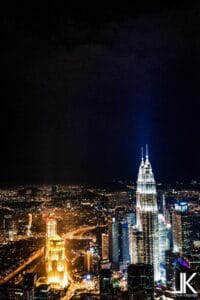
Public transport—MRT, LRT, monorail—costs just a few ringgit per ride and can actually be faster when the roads are packed. Plus, there’s a free bus service (GO KL City Bus) that loops through central areas, perfect if you’re watching your spending. Getting from the airport is no sweat, either. The KLIA Ekspres train zips you to KL Sentral in about half an hour, or you can grab a taxi or a Grab car straight to your hotel.
Food Cost in Kuala Lumpur — A Foodie’s Paradise on Any Budget
The food scene in Kuala Lumpur is a highlight all on its own. You can taste the city’s mix of Malay, Chinese, Indian, and fusion flavors on every corner. Street food steals the show—nasi lemak (that coconut rice with spicy sambal), Chinese hawker stands, Indian banana leaf curries—and it’s all super affordable, especially compared to other big cities. At food courts and hawker stalls, you can fill up on great meals all day long and barely make a dent in your budget.
Internet and SIM Card Prices in Kuala Lumpur — Staying Connected
It’s surprisingly easy (and cheap) to stay online in Kuala Lumpur. Right after you land at the airport—or even once you’re wandering around downtown—you’ll spot counters and shops selling Malaysian prepaid SIM cards from big names like Digi, Maxis, and Celcom. The plans don’t break the bank either. For less than RM30, you can get a SIM loaded with enough data for maps, Instagram, and all your group chats. Need more data? Just hit up any convenience store and top up in a minute. Free Wi-Fi’s everywhere too. Cafes, shopping malls, even some parks—just ask for the password and you’re good to go.
Is Kuala Lumpur Worth Visiting in 2026?
Absolutely. KL’s still buzzing and full of surprises. The city’s famous for its mix of jaw-dropping skyscrapers, cheap eats, awesome transport, and a culture that feels both familiar and brand new. One day you’re watching the sky turn pink from a rooftop bar, the next you’re getting lost in Chinatown or hunting down the best satay at a night market. You might end up bird-watching in a giant city garden or discovering a street you never noticed before. KL keeps things fresh, no matter how many times you visit.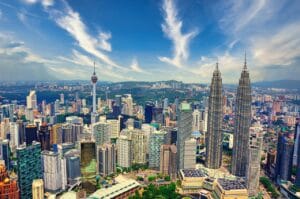
Conclusion
Kuala Lumpur just draws you in. There’s something about seeing those Twin Towers up close for the first time—or stumbling upon a hidden alley full of sizzling food stalls—that sticks with you. This guide’s covered the must-see spots, where to stay (whether you’re splurging or saving), what it really costs to get around, and how to make the most of your days here. You don’t need a massive budget to enjoy KL. Between the affordable prices, rich mix of cultures, easy public transport, and some of the friendliest people you’ll meet, this city stands out.
Author

sadikhan.ceo@gmail.com
Related posts
Lisbon Travel Guide
- 0
- 2,266 words
Lisbon Travel Guide – A Beautiful Coastal Capital with Culture and Value Lisbon pops up on pretty much every list of Europe’s...
Read out all
Prague Travel Guide
- 0
- 2,455 words
Prague Travel Guide – A Magical European Destination Full of History and Charm If you’re dreaming of a city that looks and...
Read out all
Berlin Travel
- 0
- 2,097 words
Berlin Travel Guide – A City of History, Culture, and Modern Energy Berlin isn’t your typical European capital—it buzzes with history and...
Read out all
Amsterdam Travel Guide
- 0
- 2,602 words
Amsterdam Travel Guide – A City of Canals, Culture, and Timeless Beauty Honestly, Amsterdam is one of those cities that just grabs...
Read out all
Barcelona, Spain
- 0
- 2,340 words
Barcelona, Spain Travel Guide – A Vibrant Mediterranean City Barcelona feels alive, no matter what time of year you show up. The...
Read out all
Male, Maldives
- 0
- 2,442 words
Malé, Maldives Travel Guide – The Capital of Island Paradise Malé might be tiny compared to other capitals, but it’s at the...
Read out all