
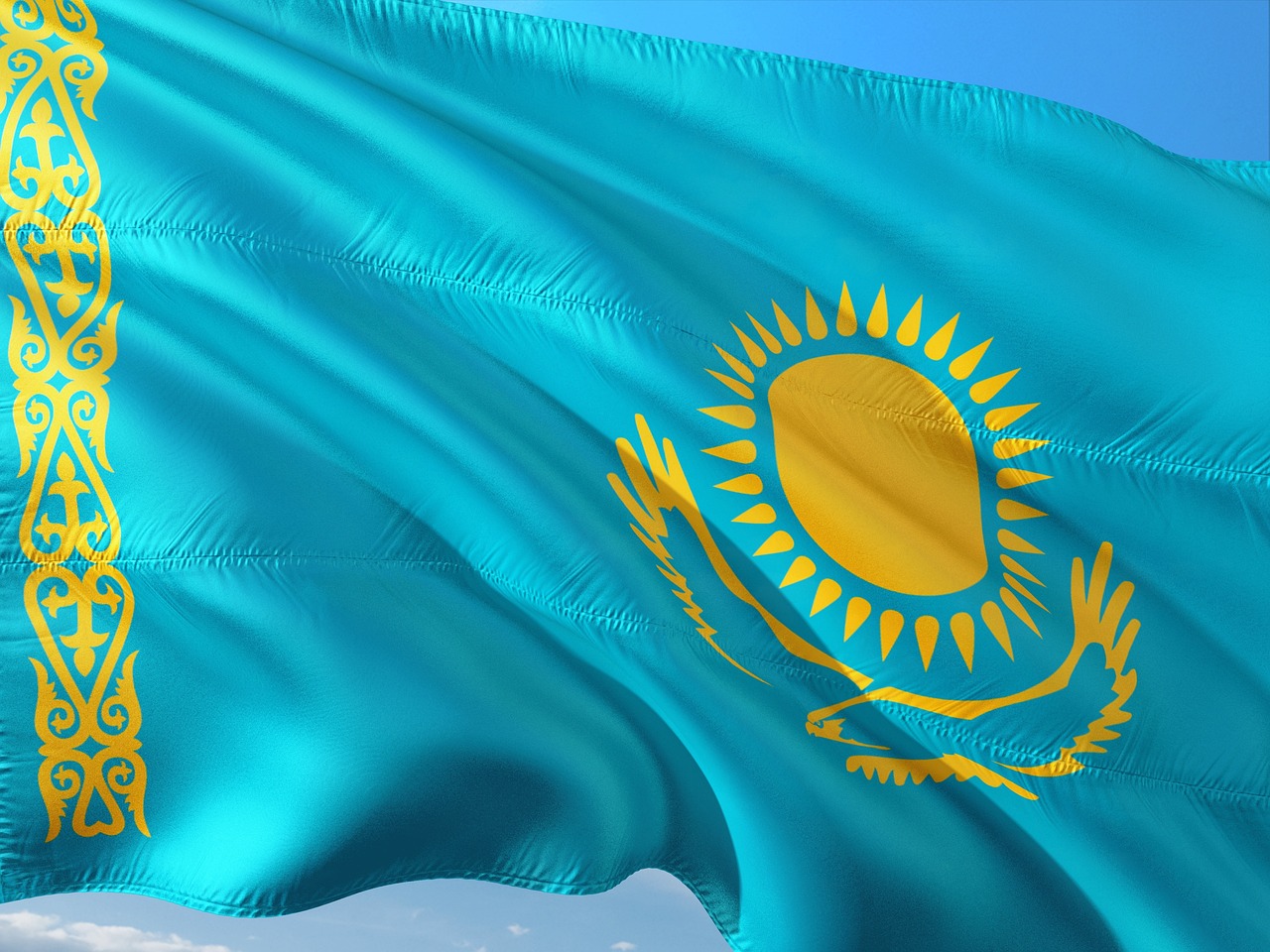
Kazakhstan – Fascinating and least-understood countries in the World
Kazakhstan is one of the most fascinating and least-understood countries in the world. It sits in the heart of Central Asia and stretches into Eastern Europe, making it a land of great cultural, natural, and historical diversity. As the ninth-largest country on Earth, Kazakhstan offers an enormous landscape filled with deserts, mountains, lakes, modern cities, ancient Silk Road towns, and wide grasslands that seem to continue forever. Because it is so big and varied, every region of Kazakhstan feels different, and every journey inside the country reveals something new. Moreover, Kazakhstan’s mix of traditions from Turkic nomads, Persian traders, Russian settlers, and Soviet-era identity makes it a unique cultural blend that cannot be found anywhere else. All these elements make Kazakhstan a wonderful and surprising place for travelers who enjoy history, architecture, nature, and local culture.
In recent years, tourism in Kazakhstan has grown rapidly. More people now travel to experience its bright modern cities like Nur-Sultan and Almaty, the peaceful beauty of the Tian Shan Mountains, the mysterious landscapes of Mangystau, the ancient Silk Road monuments of Turkestan, and the untouched steppe regions where nomadic life still continues. Because the country is safe, clean, and full of relatively undiscovered wonders, Kazakhstan has become a favorite destination for those seeking something special and different from regular tourist routes. Therefore, understanding Kazakhstan means exploring both its geography and its history, then moving into its tourism treasures and the surrounding attractions that complete the experience.
Geography of Kazakhstan
Kazakhstan’s geography is as large and dramatic as its reputation. The country covers the huge area from the Caspian Sea in the west to the Altai Mountains in the east. Travel across Kazakhstan, and the scenery unfolds as a succession of landscapes that shift bit by bit yet noticeably, with each one telling a different story about the region’s climate, natural forces, and traditional way of life. The west is dominated by dry lowlands and deserts, the central area is mainly endless steppe, while the south and east are filled with mountain ranges, alpine lakes, and fertile valleys. The steppe is the defining natural feature of Kazakhstan. This wide, open grassland once provided the perfect environment for nomadic tribes who moved with their horses and herds. Even today, when you stand on the steppe, you feel the same freedom and openness that ancient traders and warriors must have felt centuries ago. The climate on the steppe is continental, meaning winters are very cold and summers are hot, but the vastness of the landscape gives it a timeless beauty.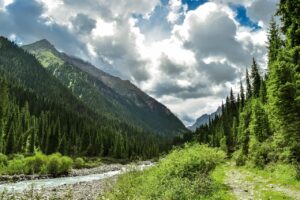
Meanwhile, the mountains that outline the south and east create a striking contrast. The Tian Shan Mountains rise abruptly near Almaty and continue toward Kyrgyzstan and China, full of peaks bound in snow, thick forests, and crystal lakes. The mountain ecosystems are crucial for Kazakhstan as they determine rainfall, temperature, and biodiversity. They provide some of the most spectacular scenery in Central Asia. To the west lies Kazakhstan, which borders the Caspian Sea-the world’s largest inland body of water. The area has a unique geography because it lies below sea level and includes both coastal areas and dry desert zones. Beyond the coastline, the surreal landscapes of the Mangystau region are home to rock formations, canyons, and underground mosques carved into stone.
In the northeast, the Altai Mountains create another striking landscape with forests, rivers, and lakes. It is cooler and more lush, and it is renowned for its wildlife and virgin natural beauty. Lake Zaysan and many small rivers nearby make it significant in terms of ecology. Because the geography is so varied, Kazakhstan supports many different ecosystems, each filled with wildlife. It includes deserts, semi-deserts, grasslands, marshes, forests, and alpine zones, each with wildlife such as eagles, camels, wolves, snow leopards, and wild horses. This natural richness gives Kazakhstan a great advantage for tourism in that visitors can enjoy everything from hiking and skiing to desert exploration and lakeside relaxation.
History of Kazakhstan
Kazakhstan’s history is long and intricate, connected with the Silk Road, nomadic traditions, tribal kingdoms, and large empires. The land has hosted nomadic tribes for thousands of years, which moved across the steppe, creating a robust horse-based culture. These include such tribes as the Scythians, Sarmatians, and later the Turkic peoples who created early states and spread their language and way of life across Central Asia. One of the most significant periods in Kazakh history came during the era of the Mongol Empire: in the 13th century, Genghis Khan and his armies swept across the region and incorporated it into their huge empire. The Mongols influenced the culture, politics, and tribal structure; many people in Kazakhstan today trace their ancestry to Mongol and Turkic roots.
The Kazakh Khanate formed in the 15th century and finally gave the Kazakhs a strong political and cultural identity. The khanate was based on a nomadic history, tribal relations, and fighting on horseback. It also became the host of important historical events, such as testing nuclear weapons in the Semipalatinsk area and constructing the Baikonur Cosmodrome, which was the first and largest space launch center in the world. After the collapse of the Soviet Union, Kazakhstan declared its independence in 1991 and began constructing its modern identity. Nowadays, Kazakhstan is a stable, peaceful, multicultural country that merges ancient traditions with modern development. Its cities showcase futuristic architecture, and its countryside still keeps the spirit of nomads. This blending of history and modernity makes Kazakhstan interesting for tourists.
Tourism Sites in Kazakhstan
Kazakhstan comprises various impressive tourism places that have something different to offer for tourists. The following paragraphs describe some of the most beautiful and important places to visit, in detail and continuous writing.
Almaty
Almaty is the cultural heart of Kazakhstan and one of the most beautiful cities in Central Asia. It sits at the base of the Tian Shan Mountains, giving it a backdrop of tall peaks and fresh mountain air. The city is full of parks, museums, theaters, cafés, and tree-lined streets that make it pleasant and lively. One of the most famous attractions is Kok-Tobe Hill, which offers panoramic views of the city and has restaurants, shops, and a relaxing atmosphere. Because the mountains are so close, many travelers go from the city to the Medeu ice rink or the Shymbulak ski resort within minutes, making Almaty a perfect mix of urban energy and natural beauty.
Astana (Nur-Sultan)
Until recently officially named Nur-Sultan, Astana is the capital of Kazakhstan and one of the most futuristic cities in Asia. It boasts very modern architecture designed by world-renowned architects. Buildings like the Bayterek Tower, Khan Shatyr Entertainment Center, and the Palace of Peace and Reconciliation give the city an almost science-fiction look. The Ishim River bisects the city into older Soviet-era areas and newer modern districts. Visitors can walk along a riverfront promenade, visit museums, explore government buildings, and marvel at the creative city plan. Astana often hosts various cultural events, festivals, and exhibitions, making it an important tourism center.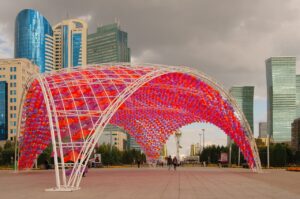
Turkestan
Turkestan is one of the greatest cities in Central Asia, dating back to ancient history. It boasts a UNESCO World Heritage Site, known as the Mausoleum of Khoja Ahmed Yasawi, one of the most impressive architectural monuments in the region. Initially constructed in the 14th century, it was ordered by the great leader Timur himself. The huge dome and geometric designs give this place a spiritual significance. Visitors are also able to appreciate the ancient ruins, old settlements, and cultural museums in Turkestan to learn more about the Silk Road. Recently renovated, the city has seen the addition of modern hotels and parks, thus enabling easier exploration for the tourists.
Shymkent
Shymkent is a warm city and vibrant, with its lively bazaars, delicious food, and relaxed atmosphere. Not far from Shymkent, the ruins of Otyrar and Sayram stand to remind one of many ancient civilizations that blossomed in the area. The Aksu-Zhabagly Nature Reserve, situated not far from Shymkent, is among the oldest protected areas in Central Asia, famous for rich biodiversity, mountains, and wildlife.
Mangystau Region
The area of Mangystau, located in the Caspian Sea, is one of the most mysterious and visually striking areas of Kazakhstan, featuring desert landscapes, canyons, and limestone formations with stone-cut mosques. The Valley of Balls, Boszhira Canyon, and Beket-Ata Underground Mosque are exemplary sites to visit, combining unusual geological features with spiritual traditions. The area seems remote and almost otherworldly, which is exactly what adventurous travelers would seek.
Baikonur Cosmodrome
Being the world’s first space launch center, the Baikonur Cosmodrome is one of the most internationally famous places in Kazakhstan. It is from here that the Soviet Union launched Yuri Gagarin, the first human in space. Today, visitors can tour the facility, visit museums, and even watch a rocket launch if schedules align. For lovers of science, technology, and space history, this is an exciting experience.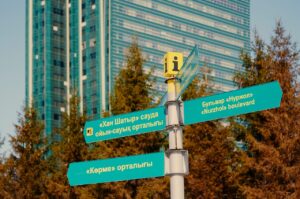
Charyn Canyon
Charyn Canyon is often referred to as the “Grand Canyon of Central Asia.” Indeed, colorful rock formations, deep gorges, and dramatic cliffs form breathtaking landscapes. The most famous part of the canyon is the so-called Valley of Castles-a place of towering stone shapes, which take on the appearance of ancient fortresses. Travelers can hike, take photos, or just stand in silence, looking at all this natural beauty. It lies a few hours from Almaty, making it a popular day trip.
Surrounding Places of Kazakhstan in Detail
Kazakstan is bordered in all directions by a number of attractive neighbors, and often close to its boundaries, other interesting regions of the country provide supplementary possibilities for tourists who want to prolong their journey. Many tourists couple Kazakhstan with a visit to Uzbekistan, Kyrgyzstan, China, or Russia, depending on the direction.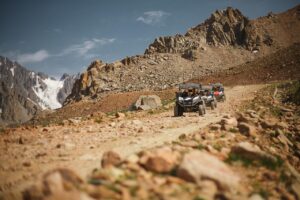
Surroundings Near Almaty
Natural wonders are abundant in the surroundings of Almaty. High in the mountains, the Big Almaty Lake represents a beautiful turquoise-colored water body surrounded by forests and snowy peaks. The Kolsai Lakes are often referred to as the “Pearls of the Tian Shan” and represent three mountain lakes lined with deep blue water and breathtaking scenery. Not far from the lakes, Kaindy Lake is famous for submerged tree trunks rising from the water, which look like a natural underwater forest. These places are among the most photogenic ones in Kazakhstan.
Surroundings Near Astana
The area around Astana also contains the Burabay National Park, also called “Kazakhstan’s Switzerland.” This area contains some beautiful forested mountains, rocky islands, and peaceful lakes where visitors can hike, boat, and relax. It is only a few hours away from Astana and provides a refreshing escape from the city.
Surroundings Near Turkestan
Travelers going to Turkestan also visit some nearby historical places, for example, Sauran Fortress-a very ancient city with walls in the desert. A bit farther away is the city of Shymkent, which has bazaars, museums, and parks. The area is full of Silk Road history and is ideal for travelers who love archaeology and ancient stories.
Surroundings in the Mangystau Desert
Mangystau’s surroundings include the Caspian Sea coastline with fishing villages, salt lakes, and dramatic cliffs. The region feels remote, giving travelers a real sense of adventure. Many visitors take 4×4 tours deep into the desert to discover hidden valleys and abandoned historical sites.
Best Time to Visit Kazakhstan
The best time to visit Kazakhstan is from May to September; this would be the appropriate time of year because the weather is warm, yet pleasant. This period is very well suited for outdoor activities that include hiking, sightseeing, and mountain exploration. Spring and early summer bring green landscapes with blooming flowers and comfortable temperatures. During autumn, mild weather and colorful scenery are observed, especially in forested mountain regions. Winter seasons are very cold; this is the best season for skiing in Shymbulak or exploring snowy landscapes. How to Go to Kazakhstan
How to Go to Kazakhstan
Kazakstan is connected by international flights from major cities of Europe, Asia, and the Middle East. The main entrances are Almaty International Airport and Astana International Airport. Many tourists also enter Kazakhstan by land from Kyrgyzstan, Uzbekistan, Russia, or China.
Conclusion
Kazakhstan is a land of dramatic beauty, deep history, and jarring modernity. It offers the visitor an extreme mix of ancient Silk Road cities, futuristic architectural landmarks, remote desert landscapes, and snowy mountain environments. Traveling from Almaty to Astana, further to Turkestan, to the desert of Mangystau, from the steppe to the mountains, one travels in a land full of contrasts and stories. Every region has its own charm, every city its character, and every natural site its magic. Kazakhstan is not just a place for adventure-it’s a journey to a place where old traditions meet modern dreams, where nature seems to stretch on without an end, and where history seems to whisper at each corner of the steppe. Kazakhstan would stand as one of the most rewarding destinations in the world for travelers in quest of a rich, diverse, and unforgettable experience.
Author

sadikhan.ceo@gmail.com
Related posts
Slovakia
- 0
- 2,323 words
Slovakia : Discover the Hidden Gem of Central Europe Tucked right in the heart of Central Europe, Slovakia is one of those...
Read out all
Singapore
- 0
- 2,246 words
Singapore : A Global City and Travel Hub Singapore’s one of those places where modern life and nature seem to fit together...
Read out all
Seychelles
- 0
- 2,644 words
Seychelles : A Dream Destination in the Indian Ocean You hear about places as “dream destinations” all the time, but Seychelles totally...
Read out all
Serbia
- 0
- 2,789 words
Serbia Travel Guide: Regions of the Balkan Nation Serbia sits right at the heart of the Balkans, and honestly, it’s one of...
Read out all
Senegal
- 0
- 2,277 words
Senegal Travel Guide: Discover the Culture, History, Tourism, and Surrounding Regions of West Africa Welcome to Senegal—a place that really captures the...
Read out all
Saudi Arabia
- 0
- 2,914 words
Saudi Arabia: A Powerful Nation in the Middle East and Global Importance of the Kingdom Saudi Arabia stands out as one of...
Read out all