
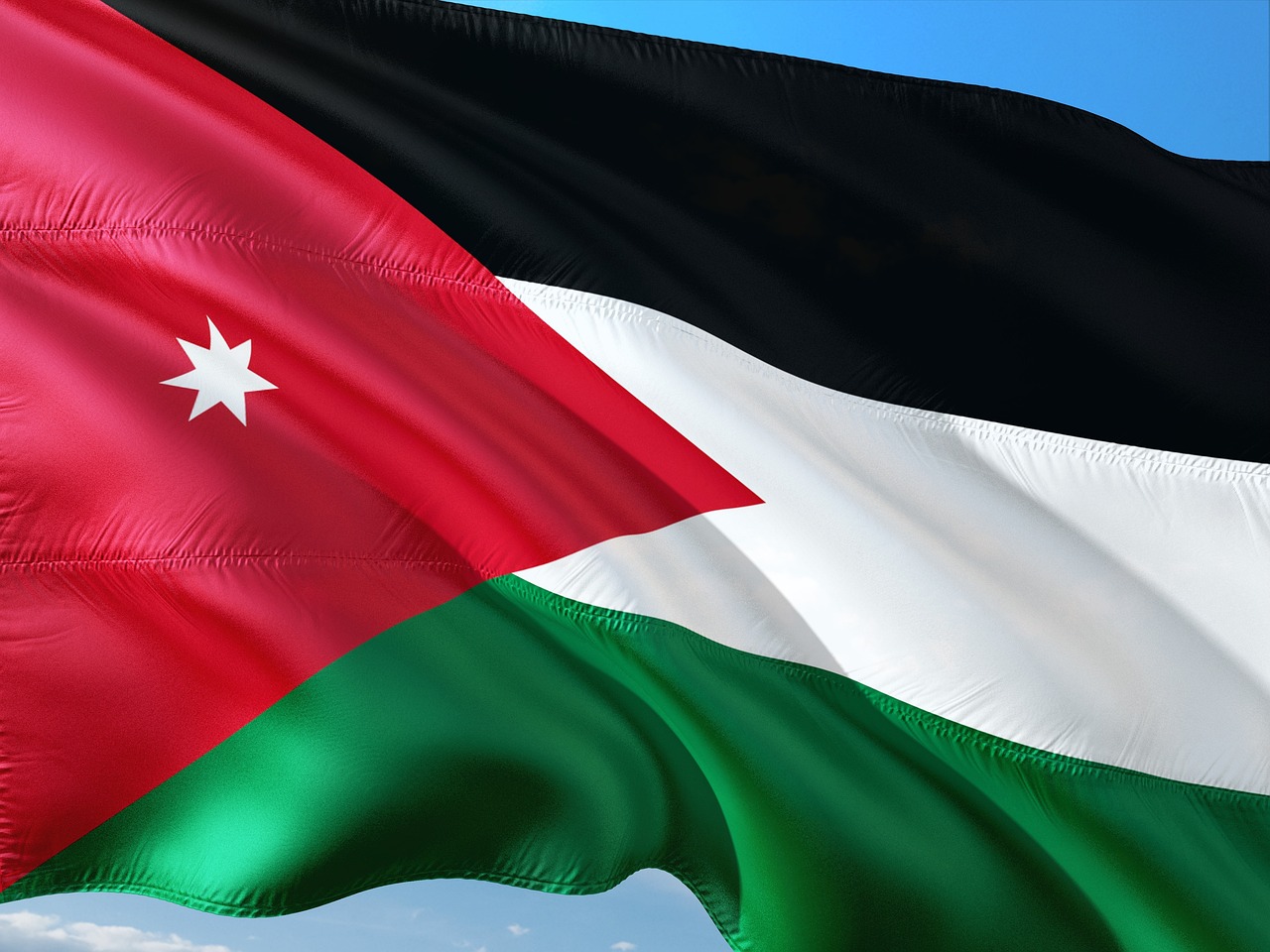
Jordan – Historically rich countries in the Middle East
Jordan is one of the most peaceful, welcoming, and historically rich countries in the Middle East, and it offers a unique blend of ancient wonders, natural beauty, and warm hospitality that attracts visitors from all around the world. As you travel through the country, you immediately feel that Jordan is a land where the past and present live side by side, because ancient ruins sit next to modern streets, old traditions blend with new lifestyles, and historical stories appear in every corner. Jordan also has a calm atmosphere, where travelers feel safe and relaxed, and the people of the country treat guests with kindness and respect. Hence, this article will delve into every part of Jordan in simple language but with detailed explanations, and we will go step by step through its geography, history, major tourist attractions, nearby surrounding places, the best time to visit, how to travel around the country, and finally a conclusion that ties everything together. This is to enable the traveler or reader to have a deeper understanding of Jordan and also an easy and enjoyable read of information.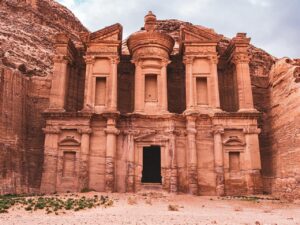
Geography of Jordan
Jordan is situated in the Middle East and borders Syria to the north, Iraq to the northeast, Saudi Arabia to the east and south, Israel to the west, and the Palestinian territories to the west. Despite not being among the largest countries, the diversity of Jordan’s landscapes is just striking, which actually turns it into one of the most special destinations in the region. Jordan stretches from the green highlands in the west to the wide desert landscapes in the east and down to the beautiful Red Sea coast in the far south at Aqaba.
Western Jordan is the most fertile, having hills, valleys, and farmlands, especially around cities like Irbid, Ajloun, and Salt. The rainfall is greater here; hence, the mountains are covered with olive trees, pine forests, and green fields. Going east, it becomes flat and more desert-like, and the desert carries on right into Iraq and Saudi Arabia. The natural silence, beautiful rock formations, and golden sand dunes give this area great importance and hence make it a major part of Jordan’s desert tourism.
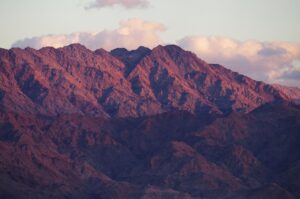
Another important geographical feature is the Jordan Rift Valley. It goes from the north near the Sea of Galilee all the way to the Dead Sea, which is the lowest point in the world. The valley is warm, sunny, and very dry; it is famous for agriculture but also for medical tourism near the Dead Sea. The southern part of Jordan includes mountains and deserts, and here you find Wadi Rum, one of the most stunning desert landscapes in the world, with its tall sandstone cliffs and wide, open desert plains. Because Jordan has such varied geography—mountains, deserts, valleys, seashores, and deep rift basins—the country offers many different experiences in one trip, something which is one of its greatest strengths for travelers.
History of Jordan
The history of Jordan is long, deep, and filled with civilizations that shaped human culture in extraordinary ways. The land of Jordan has always been inhabited by humans since prehistoric times, with archaeologists finding early settlements dating thousands of years ago. As time went by, many ancient civilizations lived, traded, and built their societies here. The most famous of Jordan’s ancient civilizations is the Nabataean Kingdom, whose iconic rose-red city of Petra was carved out of mountains. They were highly skilled traders, water engineers, and architects who controlled major trade routes crossing the Arabian Peninsula. This made their capital, Petra, one of the most influential cities in the area.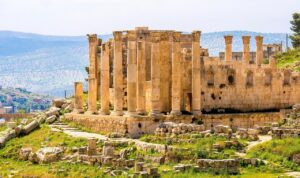
Later on, Jordan was part of the Roman Empire, and the Romans built huge cities, theaters, and roads. Gerasa, now known as Jerash, is one of the best-preserved cities in the world from Roman times, evidence of the greatness of the Romans with its columns, temples, and oval plazas. Later, this region came under the Byzantine Empire, and Christianity was spread all over Jordan. A lot of old churches from that period are still found, especially in Madaba, which is famous for its mosaic maps. At the beginning of the 7th century AD, Islam emerged, and Jordan was then incorporated into the various early Islamic empires. It was during this period that the Umayyads established beautiful desert palaces-now called the Desert Castles-and they left behind them fine examples of early Islamic art. Later, the region was influenced by the Crusaders and then by the Mamluks and Ottomans.
Tourism in Jordan
Tourism in Jordan is one of the most important sectors of the country, and the country offers a wide range of experiences that suit almost every type of traveler. From ancient wonders to natural attractions, from religious sites to seaside resorts, Jordan has something unique for everyone. Tourism here feels peaceful and educational, because the country is safe, organized, and easy to explore.
Travelers come to Jordan mainly for its history, but they often fall in love with its landscapes, food, and culture as well. Let us explore Jordan’s major tourism sites in rich detail.
Major Tourism Sites in Jordan
Jordan is a country filled with ancient wonders, dramatic deserts, peaceful valleys, and holy places that have shaped human civilization for thousands of years. When people come to Jordan, they find a land with living history, powerful nature, and warm, welcoming culture. Major tourist attractions within Jordan promise a deep and memorable journey, with each place having its unique story and atmosphere. The following is a detailed description of the most important and most visited tourist destinations throughout Jordan.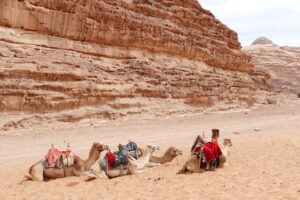
Petra
Petra is the heart of Jordan’s tourism and one of the most extraordinary archaeological sites in the world. As visitors walk through the long and narrow Siq, a natural stone corridor shaped by centuries of water and wind, they slowly feel the excitement rise. The rock walls glow in different shades of red, pink, and orange, creating a magical path that eventually reveals the world-famous Treasury. This iconic façade, carved directly into the sandstone cliffs, feels like a doorway into an ancient world. The entire site shows how advanced and artistic the Nabataeans were, and spending several hours or even a full day here feels like walking through a living museum shaped by time and history.
Wadi Rum
Wadi Rum, sometimes referred to as the “Valley of the Moon,” is also one of the most striking desert landscapes on Earth. From the very moment of arrival, visitors are transported into vast open spaces with towering sandstone mountains and red sand dunes that form an extremely powerful and dramatic atmosphere. Many tourists traverse Wadi Rum in a 4×4 jeep, which grants them the opportunity to move across the desert while making iconic stops at rock bridges, hidden springs, and ancient petroglyphs carved by early civilizations. One of the biggest highlights of any trip in Wadi Rum can be spending a night in a Bedouin desert camp. As evening hits, the golden sky gradually darkens until thousands of stars glisten above. The silence of the desert, mixed with traditional Bedouin music and warm hospitality, creates a peaceful and emotional connection to nature. Wadi Rum is also popular to go climbing, flying in a hot-air balloon, and taking photographs, having its landscape inspired filmmakers and explorers for decades.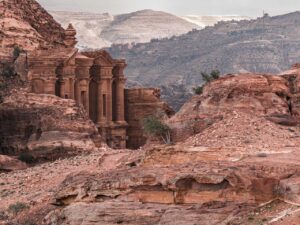
Dead Sea
The Dead Sea is one of nature’s wonders, with its special waters and tranquil surroundings that have been attracting people from across the globe. Situated at the lowest point in the world, the Dead Sea provides a chance for visitors to simply float on its surface because of the extremely high salt content of the water. This can be a very relaxing but strange experience at the same time. Mineral-rich mud along the shores is believed to have curing and cosmetic benefits, and almost every traveler likes covering themselves with dark mud before soaking into the mild, warm waters.
Jerash
Jerash is one of the best-preserved Roman cities outside Italy, and walking through its ancient streets gives travelers a strong sense of life during the Roman Empire. The city features beautifully preserved temples, massive theaters, elegant colonnaded roads, and large city gates that still proudly stand despite the passing of time. As visitors enter through the Hadrian’s Arch and continue toward the Oval Plaza, they immediately feel as though they are stepping into an ancient Roman story. The South Theater still echoes the voices of performers, while the Temple of Artemis shows the religious importance of the site. With every turn, Jerash reveals new layers of its history, and because the city is spread across a wide area, travelers enjoy exploring at a comfortable pace. It is a destination where history feels real, architectural beauty is everywhere, and the past remains alive in a quiet and meaningful way.
Amman Citadel
Perched on one of Amman’s seven hills, the Amman Citadel has spectacular views over the modern city and retains remarkable archaeological treasures. The huge pillars of the Temple of Hercules immediately impress, giving a glimpse into the power and size of ancient Roman architecture. The early Islamic civilization that once ruled the region is reflected in the Umayyad Palace and its reconstructed dome.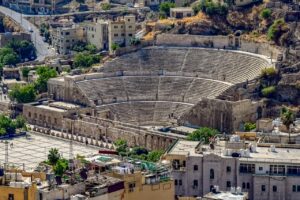
Aqaba
Aqaba is Jordan’s window to the Red Sea and a favorite destination for visitors who love beaches, marine life, and water activities. The warm temperatures, clear waters, and colorful coral reefs make Aqaba a perfect place for snorkeling and diving.Beneath the water surface, travelers will find fish of every color imaginable, coral gardens, and even sunken archaeological remains. Many visitors also like to go on boat trips, swim, or simply sit at the beach while looking across the Red Sea toward the distant mountains of Egypt and Israel.
Madaba and Mount Nebo
Madaba is the “City of Mosaics,” where ancient artistry meets religious heritage. The most famous mosaic is, of course, that of the Map of the Holy Land inside St. George’s Church. Created over 1,400 years ago, it depicts cities, rivers, and major biblical locations in exquisite detail.A short drive from Madaba, travelers find themselves at Mount Nebo, a site bathed in rich historical and religious significance. According to tradition, this is the very spot from where Moses viewed the Promised Land before his death. The viewpoint offers sweeping landscapes across the Jordan Valley, the Dead Sea, and, on days when the skies are clear, to as far away as Jerusalem.
The Baptism Site
Bethany Beyond the Jordan is considered one of the holiest Christian pilgrimage sites around the world.It was here that Jesus received baptism by John the Baptist. Visitors tour ancient baptism pools, tree-lined walking paths, and restored churches. The peaceful atmosphere against a historical and religiously filled background sets off an emotional experience for many travelers.The quiet nature around the Jordan River enhances the sacred character of the place; guided tours explain thoroughly its archaeological discoveries and religious history.
Dana Biosphere Reserve
The Dana Biosphere Reserve is Jordan’s largest nature reserve and a haven for nature lovers. The topography shifts from steep mountains and deep canyons to lush valleys and desert plateaus.Rare animals, unique flora, and quaint stone villages where traditional lifestyles are continuing are found within the reserve. Many visitors are attracted to its famous Dana-to-Petra Trail, considered one of the world’s best long-distance hikes.
Surrounding Places of Jordan
Jordan is surrounded by countries with major historical and natural attractions, and many travelers combine regional trips. Some of the nearby surrounding places include:
- Jerusalem (West of Jordan) : Holy city for Jews, Christians and Muslims; home to the Old City, Al-Aqsa Mosque, Church of the Holy Sepulchre, and the Western Wall.
- Bethlehem & Jericho (West Bank) : Important cities in the Bible, religious history, and landmarks.
- Saudi Arabia-South and East : Home to the Tabuk region, Al-Ula, and NEOM, a number of new tourist hubs are burgeoning in popularity.
- Northern Syria : It is also traditionally aligned with Jordan through ancient trade routes with cities like Damascus and Bosra.
- Egypt (Over the Red Sea) : It can easily be reached by ferry from Aqaba to Sharm El Sheikh; it offers beaches and resorts besides the pyramids via Cairo.

Best Time to Visit Jordan
Jordan is best to be visited during spring-from March through May-and in autumn, from September to November, as the weather is mild and comfortable, perfect to walk around cities, hike in nature, and explore archaeological sites. The summer can be very hot, especially in desert areas and low-lying parts like the Dead Sea; despite that, it is still manageable for the traveler who likes heat. During winter, which is quite cool, it sometimes rains in much of northern Jordan; however, it remains warm in places like Aqaba.
How to Go to Jordan
- By Air : Most travelers arrive through Queen Alia International Airport in Amman, which is the main international gateway. Aqaba also has King Hussein International Airport for regional flights.
- By Land : Jordan shares border crossings with Israel, Saudi Arabia, Syria, and Iraq. Most tourists cross overland from Jerusalem to Amman or from Saudi Arabia to Aqaba.
- Local Transport Inside Jordan, travelers use taxis, buses, rental cars, private drivers, or guided tours to move between cities and tourist sites.

Conclusion
Jordan is a country of deep history, breathtaking landscapes, and warm hospitality. It features ancient wonders, such as Petra; natural miracles, such as the Dead Sea; deserts, like Wadi Rum; and lively cities, such as Amman and Aqaba. The combination of historical richness, cultural warmth, and geographical diversity makes Jordan one of the most rewarding destinations in the world. Whether you are looking for adventure, relaxation, learning, or spiritual connection, Jordan provides it all in a peaceful, friendly, and safe environment. Its surrounding regions add even more possibilities for regional travel, making Jordan a perfect hub for Middle Eastern exploration. In the end, Jordan is not just a place you visit but a place you remember, because its stories, landscapes, and people stay with you long after your journey ends.
Author

sadikhan.ceo@gmail.com
Related posts

Slovakia
- 0
- 2,323 words
Slovakia : Discover the Hidden Gem of Central Europe Tucked right in the heart of Central Europe, Slovakia is one of those...
Read out all
Singapore
- 0
- 2,246 words
Singapore : A Global City and Travel Hub Singapore’s one of those places where modern life and nature seem to fit together...
Read out all
Seychelles
- 0
- 2,644 words
Seychelles : A Dream Destination in the Indian Ocean You hear about places as “dream destinations” all the time, but Seychelles totally...
Read out all
Serbia
- 0
- 2,789 words
Serbia Travel Guide: Regions of the Balkan Nation Serbia sits right at the heart of the Balkans, and honestly, it’s one of...
Read out all
Senegal
- 0
- 2,277 words
Senegal Travel Guide: Discover the Culture, History, Tourism, and Surrounding Regions of West Africa Welcome to Senegal—a place that really captures the...
Read out all
Saudi Arabia
- 0
- 2,914 words
Saudi Arabia: A Powerful Nation in the Middle East and Global Importance of the Kingdom Saudi Arabia stands out as one of...
Read out all