
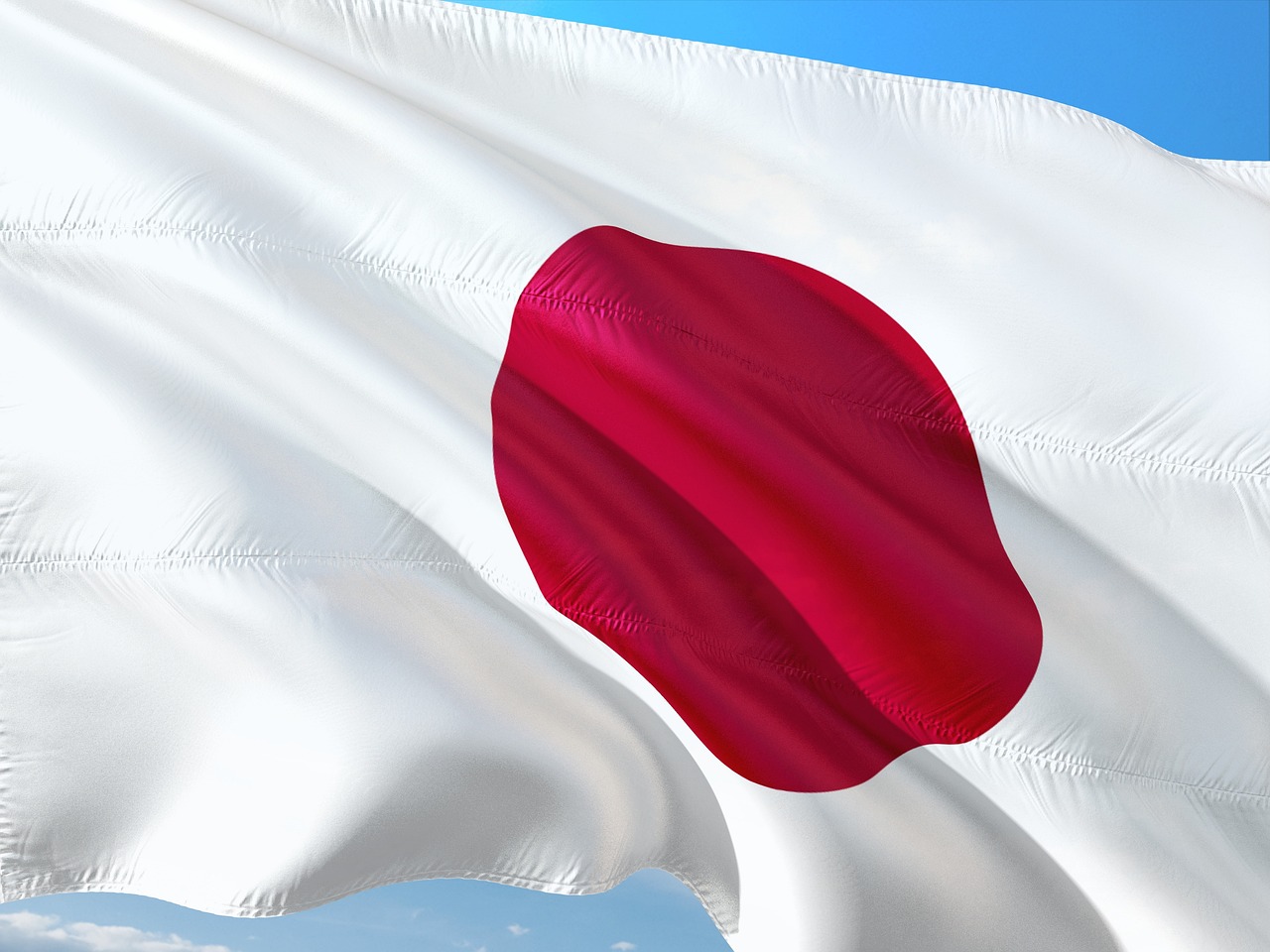
Japan, Ancient traditions blend beautifully with modern Innovation
Japan is a land where ancient traditions blend beautifully with modern innovation. This East Asian island nation is famous for its peaceful temples, advanced technology, cherry blossoms, clean cities, and warm hospitality. Indeed, Japan attracts millions of visitors because it gives both calming and exciting experiences simultaneously. While the cities shine with neon lights and Futurist architecture, their countryside remains charming with forests, mountains, rivers, and quiet villages. From the snow-covered landscapes of the north to the tropical beaches of the south, Japan presents an extraordinary range of natural beauty.
With its millennia-old history, Japan has retained the core of its culture in festivals, food, music, theatre, and daily life. Alongside modern attractions such as bullet trains, theme parks, and high-tech shopping districts, it also features a host of sacred shrines, samurai castles, and old streets that seem to be immune to the passage of time. Each region of Japan boasts its own uniqueness, offering endless possibilities for the traveler to find new stories, flavors, and traditions waiting to be uncovered.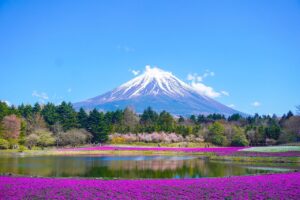
Geography of Japan
Japan consists of four major islands—Honshu, Hokkaido, Kyushu, and Shikoku—along with thousands of smaller islands. The country stretches along the Pacific Ocean, which gives it a long coastline of sandy beaches, rugged cliffs, fishing ports, and scenic resorts. Japan’s geography is dominated by mountains, forests, and volcanoes. About 70% of the land is covered in hills and mountains, so cities are built mainly on flat coastal plains. The most famous mountain is Mt. Fuji, a perfectly shaped volcanic peak which symbolizes Japan across the world. Because of the location along the so-called Pacific Ring of Fire, Japan has many hot springs called onsen, which were generated by geothermal activity. Those are natural hot baths found all over the country, particularly in mountain areas. Furthermore, Japan has active volcanoes, deep lakes like Lake Biwa, and long rivers like the Shinano and Tone.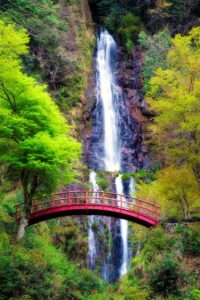
The climates vary from north to south in Japan. Hokkaido has cold winters with heavy snowfall and is perfect for skiing and other winter sports. Honshu, the main island, enjoys four distinct seasons: the spring and autumn are particularly beautiful. Kyushu is much warmer and humid, while Okinawa lies even more to the south, and has a tropical climate with its clear blue seas resembling classic island paradises. With its complex geography, Japan offers the traveler everything from hiking in the Japanese Alps, swimming in Okinawa, skiing in Hokkaido, or walking along volcanic landscapes in Kyushu. It is a geography that deeply influences the culture, architecture, food, and ways of life, ultimately making each region unique and memorable.
History of Japan
The history of Japan spans thousands of years, often characterized by periods of peace, war, growth, and cultural transformation. During this time, early Japanese society was primarily influenced by Chinese and Korean culture, especially in areas related to writing, religion, and philosophy. Buddhism came in the 6th century, fusing with Japan’s own Shinto beliefs to shape the spiritual lives of its people. Japan then entered a long period of peace under the Edo period starting from 1603 until 1868, wherein art, tea ceremonies, kabuki theatre, and woodblock painting flourished. Cities like Kyoto and Edo rose as cultural centers with exquisite temples and gardens, and traditional houses. However, Japan remained closed to the outside world for over 200 years. The Meiji Restoration in 1868 opened Japan again to international trade and influence. The country modernized rapidly, adopting Western technology and creating a strong industrial economy.
Tourism Sites in Japan
Japan can boast an outstanding roster of tourism attractions that seamlessly intertwines ancient tradition, modern innovation, and striking natural beauty.As travelers journey across this country, the changing landscapes shaped by mountains, forests, oceans, and centuries of cultural evolution create a different sense of place. Every place has a unique story, and the seamless connection between past and present brings life to every site.Be it temples, neon cities, historic castles, peaceful gardens, or dramatic coastlines, Japan has a multitude of experiences to offer that linger in the memory long after the journey is over.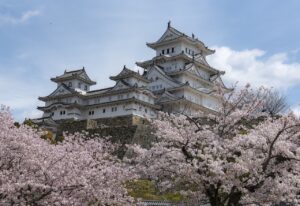
Tokyo
One of the most iconic places to visit is Tokyo-the nation’s capital and a dizzying example of modern urban life. As visitors make their way through Tokyo, they see skyscrapers towering above them, advertisements that light up the night sky, and streets lined with endless shops, restaurants, and other entertainment. But even as one delves deeper into the city, quiet pockets of culture reveal themselves in the form of the Meiji Shrine, with its tall, forested paths leading up to a grand Shinto sanctuary.The lively district of Shibuya invites one into the city with its world-famous Scramble Crossing-a representation of the ceaseless motion that is Tokyo. Meanwhile, Asakusa offers a portal to the city’s past through Senso-ji Temple-one of Tokyo’s oldest Buddhist temples-where traditional markets and colorfully bright lanterns surround. All of these areas together seem to show that Tokyo has this unique capability to merge fast-motion energy with deeply traditional spots.
Kyoto
Continuing to the historical heart of the country, Kyoto stands as Japan’s cultural treasure. For over a thousand years, Kyoto was the imperial capital, and its traditions are beautifully preserved. The atmosphere felt by travelers as they walked through the peaceful gardens and wooden tea houses was shaped by centuries of rituals and craftsmanship. The Fushimi Inari Shrine is perhaps one of the most memorable sights in Kyoto, where thousands of bright red torii gates form long tunnels that curve around into a sacred mountain. Then there’s Kinkaku-ji, better known as the Golden Pavilion, with its golden layers of the temple reflected on the surface of a quiet pond. Adding natural charm, the Arashiyama Bamboo Grove features tall stalks of bamboo that sway softly above walking paths. Preserved districts, particularly Gion, have offered a good opportunity to catch a glimpse of geisha culture, one of Japan’s most respected traditions.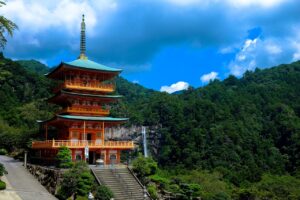
Osaka
Not far from Kyoto lies Osaka, a lively city known for its friendly atmosphere, fun culinary culture, and historic sites. Travelers are often drawn first to Osaka Castle, an impressive structure surrounded by a large park filled with cherry blossoms in spring. The castle’s museum explains the region’s history, especially the military leaders who shaped Japan’s unification. Visitors then often head to Dotonbori, a colorful district where neon signs glow above the canal and food stalls offer regional specialties such as takoyaki and okonomiyaki. In addition, families enjoy the excitement of Universal Studios Japan, a major attraction featuring thrilling rides and entertainment inspired by globally loved movies.
Hiroshima
Not far from Kyoto is Osaka, a vibrant city that is also known for its friendly atmosphere, fun food culture, and historic sites. For most tourists, Osaka Castle is the main attraction-a formidable structure set within a large park that is filled with cherry blossoms in spring. The museum inside the castle details the history of the region, particularly the military leaders responsible for the unification of Japan. The next common destination is Dotonbori, a colorful district where neon signs hang over the canal and food stalls serving regional delicacies like takoyaki and okonomiyaki dot the landscape. Additionally, families enjoy the thrill of Universal Studios Japan, a major attraction featuring thrilling rides and entertainment inspired by globally loved movies.
Mount Fuji
Hiroshima is another deeply important symbol of Japan, carrying a powerful message of peace. The tragedy that befell Hiroshima during World War II was immense; however, the city has rebuilt with dignity and hope. The Hiroshima Peace Memorial Park leads the charge in reflection, complete with the Atomic Bomb Dome standing as a relic of the event. Nearby, the Peace Memorial Museum shares stories from survivors and delivers an important message about the global significance of peace. A short ferry ride from the city takes guests to Miyajima Island, home of the famous floating torii gate of Itsukushima Shrine, which sits in the water and provides one of Japan’s most iconic and peaceful views.
Hokkaido
Natural wonders also give shape to Japan in addition to its historical cities, and perhaps the most famous is Mount Fuji. This sacred mountain rises with perfect symmetry, immediately recognizable as a symbol of Japan. During summer, many travelers climb it, but for others, the shape of the mountain from nearby towns such as Hakone or the Fuji Five Lakes region is usually enough.
Nara
Continuing northward, Hokkaido is a treasure of spectacular natural beauty. The city of Sapporo appeals to visitors with its annual Snow Festival, when the giant sculptures made out of ice turn the streets into real winter fairylands.
Kanazawa
Going south again, the region of Nara hosts tranquil historical treasures. Nara was Japan’s first permanent capital, and its parks and temples still boast the refinement of early Japanese culture. Visitors can see one of the world’s largest bronze Buddha statues inside the grand wooden hall at Todai-ji Temple, while friendly deer roam Nara Park, often politely bowing to visitors in hopes of treats, an unforgettable touch in this visit.
Nagoya
Travelers with a penchant for architecture and technology frequently visit Nagoya, one of the important industrial hubs. Here, Nagoya Castle and its decorative golden dolphins symbolize the might of Japan’s past. Museums dedicated to railways, automobiles, and science also reveal Japan’s contributions to modern innovation.
Takayama
The adventurous-minded may find dramatic mountain scenery in the Japanese Alps. Traditional alpine villages, such as Takayama and Shirakawa-go, offer up traditional wooden houses with steep roofs, designed for snowy winters. These towns are almost like living museums, offering up a quiet escape into rural life.
Okinawa
Japan’s island beauty continues down to Okinawa, where white beaches, coral reefs, and blue waters create a tropical paradise. Okinawa’s history is separate from mainland Japan, shaped by the Ryukyu Kingdom, whose culture remains visible in music, dances, food, and architecture. On this island, one could also find warm hospitality and water activities such as snorkeling and diving. Finally, there are smaller towns to visit, including Nagasaki, Fukuoka, Kamakura, and Nikko, each with historic temples, quiet landscapes, and significant cultural experiences awaiting visitors. The country’s rail system makes access to many of these regions relatively easy; thus, the traveler can experience the modern achievements along with the ancient traditions that define the country of Japan.
Surrounding Places of Japan in Detail
South Korea
Japan is surrounded by rich cultural and natural regions that influence its history and travel connections. To its west lies South Korea-just a short flight away. Many travelers linking trips to Japan do so with a visit to Seoul or Busan. South Korea offers palaces, mountains, and lively markets, making the region a perfect addition to a Japanese itinerary.
China
Further west is China, a country with deep historical and cultural ties to Japan. Chinese influence can be seen in Japanese writing, art, religion, and philosophy. Travelers often fly between Tokyo and major Chinese cities, like Beijing and Shanghai, to explore famous sites such as the Great Wall and the Forbidden City.
Russia
Situated to the north is Russia, specifically the region of Siberia. Less commonly visited from Japan, flights and ferry connections did exist between Hokkaido and Russia and have created interesting cultural exchanges.
Pacific islands
To the south, Japan connects with the Pacific islands, such as the Philippines, Taiwan, and Guam. These tropical destinations offer a change of scenery in the form of warmer beaches and diverse cultures that complement any trip to Japan. Taiwan is especially close and enjoys strong historical links, making it a popular choice for travelers. The seas surrounding Japan include the Sea of Japan, the East China Sea, and the Pacific Ocean, influencing the climate, fishing culture, and maritime traditions. Beautiful islands also open up diving, sailing, and wildlife observation activities in the region.
Best Time to Visit Japan
Japan is beautiful all year round, but some seasons are simply more special.
- Spring-which falls between March and May-is considered the best time to visit since cherry blossoms bloom everywhere, creating magical scenes in parks, temples, and riversides. The weather is comfortable, and there are numerous festivals in this period.
- Another good season is autumn, from September to November. In autumn, the leaves change into brilliant red, gold, and orange colors. This is especially beautiful in Kyoto, Nikko, and the Japanese Alps. The climate is cool and comfortable and is perfect for sightseeing.
- Winter runs from December through February and is ideal for those who like snow, skiing, and winter activities. Hokkaido, Nagano, and Niigata are the most popular places in Japan related to every kind of snow sport. Winter in Tokyo and Osaka is milder, allowing comfortable exploration.
- In summer, it’s warm and festivals are very lively, but it is very humid. However, many people come to see the fireworks in summer, play on the beach, and hike the mountains. Okinawa is particularly beautiful in this season because of its crystal-clear waters and sunny skies.


How to Go to Japan
By air, Japan is easily accessible from nearly any major city in the world. The primary gateways are Tokyo, with two large airports: Narita International Airport and Haneda Airport. Osaka’s Kansai International Airport also receives international flights. Those coming from nearby countries, such as Korea or China, may fly into regional airports like Fukuoka, Sapporo, or Nagoya. For those already traveling in most parts of Asia, ferries from China and Korea also offer alternatives to reach Japan. By air, however, remains the quickest and most popular way. 
Conclusion
From the ancient temples and serene gardens to the futuristic cities and innovative technology, Japan seamlessly merges the past and future in a balance that feels harmonious and stimulating. Its natural landscapes, idyllic islands, and distinguishing seasons offer a very varied destination throughout the year. Japan has something phenomenal to offer: from discovering cultural heritage in Kyoto, enjoying modern entertainment in Tokyo, relaxing on Okinawa’s beaches, to experiencing world-class skiing in Hokkaido. The surrounding areas give additional meaning to the traveling experience, while Japan’s efficient transportation system makes on-ground travel around the country very comfortable.
Author

sadikhan.ceo@gmail.com
Related posts

Slovakia
- 0
- 2,323 words
Slovakia : Discover the Hidden Gem of Central Europe Tucked right in the heart of Central Europe, Slovakia is one of those...
Read out all
Singapore
- 0
- 2,246 words
Singapore : A Global City and Travel Hub Singapore’s one of those places where modern life and nature seem to fit together...
Read out all
Seychelles
- 0
- 2,644 words
Seychelles : A Dream Destination in the Indian Ocean You hear about places as “dream destinations” all the time, but Seychelles totally...
Read out all
Serbia
- 0
- 2,789 words
Serbia Travel Guide: Regions of the Balkan Nation Serbia sits right at the heart of the Balkans, and honestly, it’s one of...
Read out all
Senegal
- 0
- 2,277 words
Senegal Travel Guide: Discover the Culture, History, Tourism, and Surrounding Regions of West Africa Welcome to Senegal—a place that really captures the...
Read out all
Saudi Arabia
- 0
- 2,914 words
Saudi Arabia: A Powerful Nation in the Middle East and Global Importance of the Kingdom Saudi Arabia stands out as one of...
Read out all