
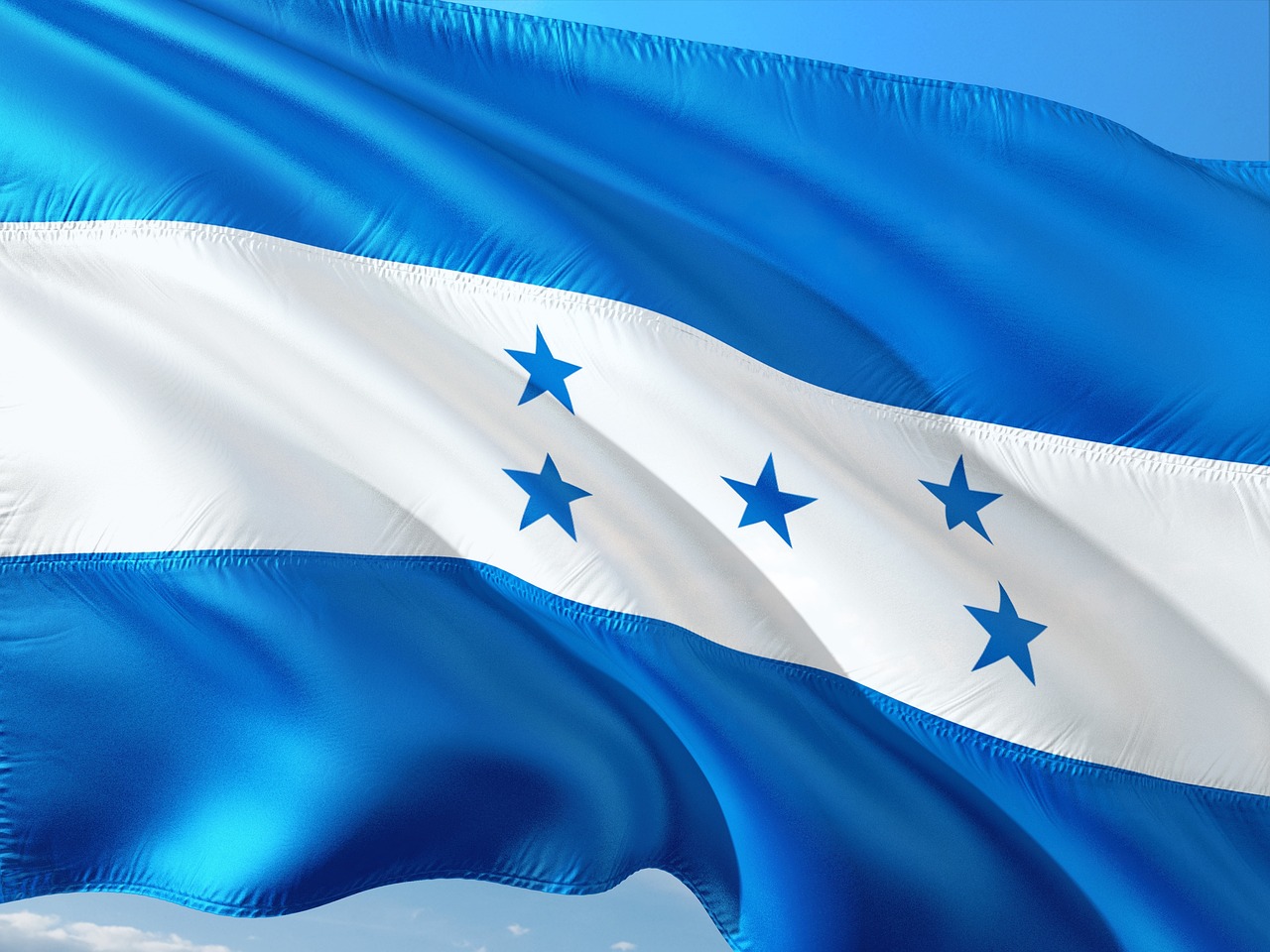
🌍 Honduras – Beautiful country in Central Americ
Honduras boasts warm people, green landscapes, historic ruins, and a long Caribbean coastline. Rich in culture and full of natural wonders, everywhere you travel there are mountains, forests, beaches, rivers, and small villages with friendly communities. Due to its special location in the heart of Central America, Honduras brings together ancient traditions, colonial history, and modern lifestyle. Although the country does have its struggles, at the same time, it is full of life, pride, and culture. Many people have said that Honduras feels real, raw. The environment is natural; the food is basic but tasty, while people are warm and open. Little by little, the country grows, develops, and opens its doors to the rest of the world. The more you learn about Honduras, the more you will realize that it is not only a place of history and nature but of strong identity and deeply rooted culture.
🏞️ Geographical Setting
Honduras borders Guatemala to the west, El Salvador to the southwest, and Nicaragua to the southeast, with the Pacific Ocean on the southern border and the Caribbean Sea to the north. The Caribbean coastline is longer and features beaches, islands, and coral reefs, while the interior is mountainous and filled with numerous valleys and rivers. Due to this geography, Honduras has a variety of climates: hot and humid coastal areas, especially around the Caribbean Sea; cooler and fresh mountains; and dense, green, wild forests. Travel through the country and dramatic changes in landscapes greet you: one moment you are climbing a cool mountain road, the next you are standing on a quiet tropical beach.
🎭 People and Culture of Honduras
People from Honduras are called Hondureños. They belong to the following ethnic groups:
- Mestizo (mixed indigenous and Spanish heritage), These include the Lenca, Maya-Ch’orti’, Pech, Tolupan, among many other indigenous groups.
- Afro-Caribbean communities, especially the Garífuna along the coast, Creoles and English-speaking islanders, especially in the Bay Islands
Due to this diversity, Honduras presents a peculiar cultural combination. It has strong indigenous traditions, mainly in the countryside. Spanish colonial influence is reflected in the language, food, and architecture. Meanwhile, Afro-Caribbean culture contributes to lively, colored music, dances, and food. Spanish is the national language; however, in the coastal areas, many speak Garífuna or English.
🎶 Music, Dance, and Celebrations
Music in Honduras plays a significant role in daily life. Traditional music includes:
- Punta – fast, energetic Afro-Caribbean dance created by the Garífuna people; Marimba – a wooden barred instrument; produces warm, soft sounds
- Ranchera and Cumbia – popular across Latin America
Festivals occur year-round. These include dancing, singing, brightly colored costumes, and traditional food. Holy Week sees cities host major religious processions; in the Garífuna communities, drumming festivals and rituals to the sea celebrate identity and cultural pride.
🍽️ Food of Honduras
Food in Honduras is simple, fresh, and full of flavor. Many meals include
- Beans and rice, Corn tortillas, which are consumed with nearly every meal, Baleadas, a large tortilla filled with beans, cheese, eggs, or meat
- Tamales, wrapped in banana leaves, Fried fish, especially along the Caribbean coast, Coconut-based dishes introduced by Afro-Caribbean influences
Fruit is everywhere. Mangoes, bananas, pineapples, coconuts, papayas, and watermelons grow easily in the tropical climate. Food in Honduras is just part of daily life, and it’s also part of culture and community: families are often together for the long meals, sharing stories and laughter.
🏛️ Early History: The Land of Ancient Civilizations
Long before the Europeans arrived, there was already the Maya civilization living in Honduras. The Maya built cities, temples, ball courts, and stone sculptures. The most famous of these places is Copán, near the Guatemalan border. It is famous worldwide for its magnificent carvings and its knowledge in advanced astronomy and mathematics.
⚔️ Spanish Arrival and Colonial Period
In 1502, Christopher Columbus arrived on the coast of Honduras during his fourth voyage. Later, Spanish explorers and soldiers entered the region in search of gold and new land. The natives resisted, but the Spanish later conquered the land and created settlements. During colonial times:
- Spanish became the predominant language. While indigenous groups faced pressure, they maintained their cultural identities.
- New towns and cities were built around churches and plazas. Mining of silver became important in the economy. Until the early 19th century, Honduras remained under the Spanish colonial administration for almost 300 years.
🎇 Independence and Modern Honduras
Honduras became independent, together with the rest of Central America, in 1821. Following independence, Honduras was beset with problems, which included political strife, foreign interventions, and severe economic conditions. In spite of all these challenges, Honduras continued to develop as a nation. Now, the country is making efforts towards the betterment of education, tourism, economy, and stability. Its people remain resilient, hopeful, and proud of their cultural roots.
🌴 Tourism in Honduras
Honduras is a country with many beautiful tourist sites. It has beaches, islands, ancient ruins, tropical forests, mountains, protected parks, lakes, waterfalls, and colorful towns. Visitors may find quiet places to rest in or exciting ones for adventure. The natural environment remains very pure, with many spots feeling untouched and wild. Because of this, Honduras is ideal for those travelers who want nature, culture, and authenticity in a destination.
🏝️ The Bay Islands (Roatán, Utila, and Guanaja)
The Bay Islands are one of Honduras’s most well-known tourist destinations. These islands lie in the Caribbean Sea, and they are famous for their clear blue water, white sand, coral reefs, and warm weather.
🌊 Roatán
Roatán is the largest and most developed island. It is famous for:
- Long, beautiful beaches, Luxury resorts and small family hotels
- Scuba diving over coral reefs, Dolphin encounters, Zip lines over tropical forests
- Quiet fishing villages, Viewing sunset from the hills.
The island is situated right next to the Mesoamerican Barrier Reef, the second-largest coral reef in the world. That, in itself, makes Roatán one of the best diving destinations in the Caribbean. Here, divers may see colorful fish, reef walls, sea turtles, coral gardens, and even, on occasion, a whale shark.
🐠 Utila
Utila is smaller, and used to be a backpacker island. It is known for:
- Budget-friendly scuba diving, Calm waters, Whale shark tours, Beach bars and cafés
Utila is considered one of the cheapest places in the world to get a diving certificate, and many young travelers come here to learn diving.
🌿 Guanaja
Guanaja is the quietest island. It offers:
- Waterfalls, Green hills, A calm atmosphere, Clean beaches, Clear lagoons. This island is ideal for the traveler who seeks nature, silence, and privacy.
🌳 Pico Bonito National Park
Pico Bonito is one of the best natural sites in Honduras. It’s located near the city of La Ceiba. The park is enormous and full of mountains, rivers, waterfalls, and tropical forests. These are some of the things that any visitor can do to spend their time in the city:
- Hiking in thick jungle, Bird watching, Waterfall swimming, white-water rafting, River kayaking, Wildlife spotting
This park houses the following animals: jaguars, pumas, monkeys, exotic birds, snakes, butterflies, and unique plants. The air is fresh, the forest is deep green, and the sound of water is everywhere.
🐒 The Mosquito Coast (La Mosquitia)
La Mosquitia is a very big, remote natural region in eastern Honduras. It is one of the most untouched places in Central America. Dense forests, rivers, swamps, and lagoons fill the area. The most famous part of La Mosquitia is the Río Plátano Biosphere Reserve, which is a UNESCO World Heritage Site. This region is known for:
- Pure wilderness. Indigenous communities, Ancient ruins inside the jungle, Rare animals, River expeditions
Coming here is like traveling to another world, one where nature is powerful, deep, and alive in amazing ways.
🕌 Copán Ruins – Ancient Maya Capital
The Copán ruins are one of the most important archaeological sites in Central America. They offer:
- Stone pyramids, Ball courts, Stelae carved with faces and symbols, Hieroglyphic staircases, Ancient plazas, Sculptures of kings and gods
The carvings are very detailed. According to the archaeologists, Copán was the center of knowledge, astronomy, and culture back in the Maya times. A walk through the ruins is really peaceful, calm, and full of history. The nearby town of Copán Ruinas is quaint, with cobblestone streets, small cafes, and very friendly locals.
🏙️ Tegucigalpa – Capital City Attractions
The capital city, Tegucigalpa, lies in a valley surrounded by hills. It combines old and modern elements. Tourist attractions include:
- The Central Cathedral, The National Identity Museum, Parque Nacional La Tigra outside of the city, Cultural markets, Art museums, Old colonial churches
La Tigra National Park has cloud forests, waterfalls, hiking trails, and cool weather, making it especially famous.
🏙️ San Pedro Sula and the North Coast
Even though San Pedro Sula is primarily an industrial city, the surrounding region has some great tourism attractions. These include:
- Prolific Sula Valley, Lago de Yojoa, The Merendón Mountains, Local craft markets
The city is well connected, so many visitors use it as a starting point for trips to the Caribbean coast or the western highlands.
🏞️ Lake Yojoa – The Largest Lake in Honduras
Lake Yojoa is surrounded by green mountains, small towns, and friendly communities. It is famous for:
- Fishing, Bird watching, Restaurants by the lake, Coffee farms, Nature reserves, Waterfall hikes- Pulhapanzak Falls is nearby
The lake area is peaceful and full of natural beauty. At the same time, visitors can enjoy boat rides and mountain views.
🌾 Gracias and the Lempira Region
Gracias is an historic town with stone streets, old churches, and colonial houses. Not far from the town is the Celaque National Park, which contains the highest mountain in Honduras. Visitors can:
- Climb mountains, Explore cloud forests, Visit indigenous Lenca villages, Learn about Lenca traditions
The Lenca are particularly noted for their pottery, textiles, and cultural festivals.
🛕 Comayagua – Colonial Beauty
Comayagua was once the capital of Honduras. It has many old buildings showing Spanish influence. Main attractions include:
- The Comayagua Cathedral, Historic squares, Old colonial houses, The oldest working clock in the Americas, During Holy Week, the city is very much alive.


🏖️ Tela – Caribbean Beaches and Natural Reserves
Tela is a popular coastal town, which has:
- Long beaches, Beach resorts, Fresh seafood, Warm weather
There are two protected areas near Tela: Punta Sal National Park, Punta Izopo Wildlife Refuge. Both offer hiking, bird watching, and boat trips through mangrove forests.
🥁 Garífuna Villages (Triunfo de la Cruz, Sambo Creek, Corozal)
These villages are home to the Afro-Caribbean Garífuna people. Visitors will relish:
- Traditional punta music, Coconut-based food, Fishing culture, Sea views, Cultural dances. The atmosphere is warm, rhythmic, and full of life.
🌄 Santa Rosa de Copán
This charming highland town is famous for: Colonial architecture, Coffee farms, Tobacco factories, Local cafés
It has cool weather with a peaceful environment.
🌲 Surrounding Places of Honduras
Honduras is surrounded by beautiful countries, rich landscapes, warm seas, and vibrant cultures. These surrounding places enable travelers to see more of Central America in one journey. Each nearby region has a natural beauty that makes it unique, along with an exciting history and thrilling attractions. Below is a detailed guide that explains the surroundings in simple sentences and smooth transitions.
Guatemala – A Land of Ancient Cities and Mountain Beauty
Guatemala is a beautiful country to the west of Honduras, filled with dramatic landscapes, Mayan ruins, and colorful towns. Many tourists who visit Honduras extend their journey to Guatemala because the border crossing is straightforward and accessible.
Key Attractions in Guatemala
- Antigua Guatemala : Antigua is a historic city: its streets, covered in cobblestones, are charming and picturesque. When walking around, the sight of bright, multicolored buildings, ancient churches, and quiet patios is inevitable. The city is encircled by high volcanoes-an unforgettable backdrop. Travelers like to visit local markets, taste local coffee, and see colonial architecture.
- Tikal National Park : Tikal is one of the most famous Mayan cities in the world, where huge stone pyramids rise above the rainforest canopy. As visitors climb the temples, they get wide views over the jungle and hear the sounds of tropical birds and monkeys.
- Lake Atitlán : Lake Atitlán is a beautiful blue lake surrounded by volcanoes and small traditional villages. Each village has its character. Some are quiet and peaceful, and others have become quite lively with shops and restaurants.
Why It Complements a Trip to Honduras
Guatemala is culturally deep and historically rich, making it a great extension for anyone who enjoyed the natural and coastal beauty of Honduras and wanted a bit of ancient cities and mountain regions.
El Salvador – Small Country with Big Surprises
To the southwest of Honduras is another small but nonetheless very interesting country: El Salvador. Although it is the smallest country in the region, Central America has much to offer.
Major Attractions in El Salvador
- Flower Route : This is a scenic route that cuts through colorful villages famous for markets, murals, flowers, and coffee plantations. Along the way, you will be able to stop in quaint towns to sample delicious food and attend local festivals.
- San Salvador City : It has modern shopping areas, museums, and historical buildings. Travelers also explore nearby volcanoes and hiking trails.
- El Tunco and the Pacific Coast : Along the Pacific Ocean, El Salvador has some beautiful beaches with black sand. El Tunco is famous for surfing and sunsets. Many travelers relax here after exploring cities and mountains in Honduras.
Why It Complements Honduras
This small country allows visitors to experience Central American beach culture, charming villages, and peaceful mountain areas all in one trip.
Nicaragua – Culture, Lakes, and Colonial Cities
To the south of Honduras lies Nicaragua, which boasts vast lakes, colonial architecture, active volcanoes, and an unhurried lifestyle. It is a great destination for travelers who take it easy, slowly moving through their journeys.
Main Highlights of Nicaragua
- León : León is an old colonial city full of large white churches, street art, and vibrant energy. It is also known for adventure sports, such as volcano boarding.
- Granada : Granada is one of the oldest cities in the region, with bright colors on buildings, horse-drawn carriages running up and down the streets, and views of Lake Nicaragua. Visitors enjoy boat tours to tiny islands on the lake.
- Ometepe Island : Ometepe is a volcanic island in the middle of Lake Nicaragua. It is shaped by two large volcanoes and is popular among hikers, cyclists, and nature lovers.
Why It Complements Honduras
After all the adventures that took place in Honduras, Nicaragua provides travelers with serene landscapes, gentle atmosphere, and lovely old towns.
Belize – Caribbean Beauty Near Honduras
Belize is located across the Caribbean Sea to the northeast of Honduras. Although they do not share a direct land border, Belize is easily accessible from Honduras by sea.
Top Attractions in Belize
- Belize Barrier Reef : This is one of the best places in the world to go snorkeling or diving. The waters are clear, calm, and full of colorful marine life.
- Great Blue Hole : It is one of the most well-known dive sites on Earth. It is a huge circular hole in the ocean with deep blue water in it.
- San Pedro Town (Ambergris Caye) : Ambergris Caye is a friendly town with sandy streets, golf carts instead of cars, and an extremely relaxing atmosphere.
Why It Complements Honduras
They both have the best of the Caribbean for travelers. In fact, after visiting Bay Islands in Honduras, travelers can enjoy more underwater adventures by continuing to Belize.
The Caribbean Sea and Nearby Islands
Equally, Honduras is surrounded by the Caribbean Sea, full of beautiful islands, coral reefs, and marine life. While these islands are not part of Honduras, they are proximate enough to visit.
Nearby Caribbean Spots
- Cayman Islands : It is known for its clean beaches, resort hotels, and tranquil blue waters. For divers, Cayman Brac and Little Cayman are particularly appealing.
- Jamaica : A bit farther, but still part of the Caribbean region near Honduras. Travelers enjoy reggae music, waterfalls, and beach resorts.
Why They Matter
These islands expand the possibilities of travel. From the natural beauty of Honduras, visitors can move to other Caribbean islands for a full-fledged tropical experience.
Caribbean Coast of Guatemala (Livingston and Río Dulce)
Even though Guatemala is predominantly mountainous, a short coastline with Honduras gives it some unique cultural experiences.
- Livingston : Livingston is a small coastal town with Afro-Caribbean culture. The people here speak Garifuna, Spanish, and English. The atmosphere is relaxed, filled with music, fresh seafood, and colorfully painted houses.
- Río Dulce : Rio Dulce is a tranquil river area surrounded by jungle. One can kayak, rest in nature lodges, or see ancient forts.
Why It’s a Good Surrounding Place
This part of Guatemala offers a mix of Caribbean and Latin cultures. It’s very close to northern Honduras.
Southern Caribbean Region (Near Puerto Cortés and Omoa)
The southern Caribbean region allows travelers to explore both coastal cultures, close to the Honduran border.
- Punta Gorda (Guatemala) : A quiet, coastal town with simple beaches, warm people, and access to marine parks.
Why It’s Worth Visiting
Travelers in love with sea views, fishing, and calm waters cross borders to enjoy peaceful villages.
🎭 Honduran Culture and Daily Life
In Honduras, everyday life is simple. The families are close, communities share meals, and neighbors help one another. People also love music, football, markets, and outdoor living.
💼 Economy of Honduras
Main economic activities include:
- Agriculture: banana, coffee, palm oil ; Fishing Tourism Manufacturing, Local crafts Tourism is growing slowly and helping out small communities.
✈️ Travel Experience
Beautiful is the nature. People are friendly here. The food is simple but delicious. The culture feels real and authentic. It is a green and peaceful environment. Visitors enjoy beaches, mountains, ruins, and vibrant markets. 
🧭 Conclusion
Honduras is a country of beauty, diversity, and deep cultural roots. It offers beaches, forests, mountains, islands, ancient ruins, and warm people. Although the country faces challenges, its natural landscapes and cultural traditions remain strong. From the ancient temples of Guatemala, passing through the pretty villages of El Salvador, the calm lakes of Nicaragua, to the coral reefs of Belize, each surrounding area offers something special. In this way, travelers can explore many beautiful cultures, natural landscapes, and historical sites in one continuous and exciting journey. Honduras is the perfect destination for travelers in quest of authenticity, nature, and history.
Author

sadikhan.ceo@gmail.com
Related posts
Slovakia
- 0
- 2,323 words
Slovakia : Discover the Hidden Gem of Central Europe Tucked right in the heart of Central Europe, Slovakia is one of those...
Read out all
Singapore
- 0
- 2,246 words
Singapore : A Global City and Travel Hub Singapore’s one of those places where modern life and nature seem to fit together...
Read out all
Seychelles
- 0
- 2,644 words
Seychelles : A Dream Destination in the Indian Ocean You hear about places as “dream destinations” all the time, but Seychelles totally...
Read out all
Serbia
- 0
- 2,789 words
Serbia Travel Guide: Regions of the Balkan Nation Serbia sits right at the heart of the Balkans, and honestly, it’s one of...
Read out all
Senegal
- 0
- 2,277 words
Senegal Travel Guide: Discover the Culture, History, Tourism, and Surrounding Regions of West Africa Welcome to Senegal—a place that really captures the...
Read out all
Saudi Arabia
- 0
- 2,914 words
Saudi Arabia: A Powerful Nation in the Middle East and Global Importance of the Kingdom Saudi Arabia stands out as one of...
Read out all