
Hanoi, Vietnam – Oldest and most culturally rich City
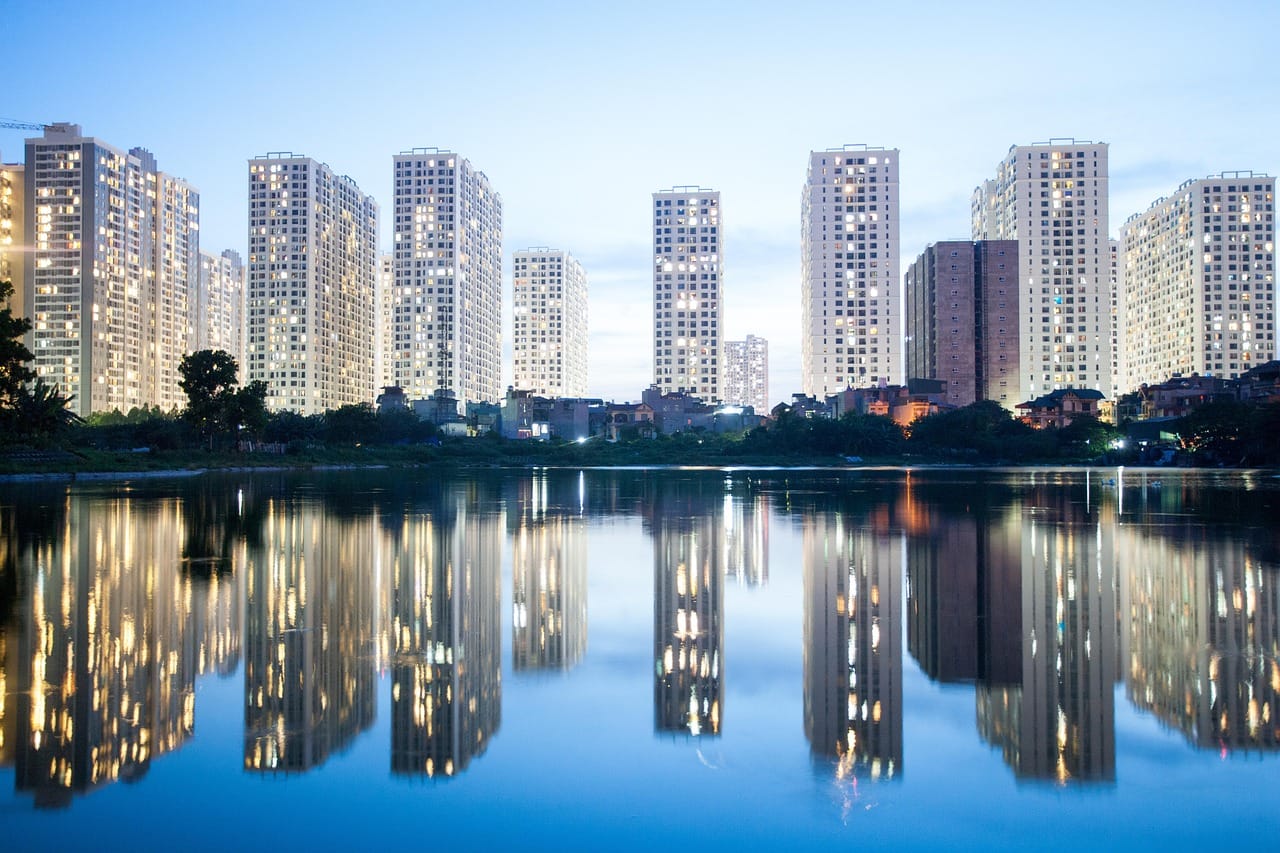
Hanoi isn’t just Vietnam’s capital—it’s a living, breathing museum of history and culture. Tucked along the banks of the Red River in the north, the city holds the country’s heart, where old traditions mix with the beat of modern life. While other Asian cities sprinted into the future, Hanoi took its time, holding tight to its roots. That’s probably why so many travelers fall in love with it; you get ancient temples, French-era charm, and rapid growth all tangled together. Every year, more people from around the world show up, and honestly, it’s not hard to see why. This is the kind of city you don’t just visit—you experience it, right down to your bones. Lakes so calm you could hear your own thoughts, temples that seem to whisper old secrets, and streets that never sleep. Hanoi tells its story through every bowl of steaming pho and every corner where scooters weave around street carts. Plus, it’s the main gateway to northern Vietnam, so it’s perfect for jumping off to see mountain villages, rice fields, or ancient wonders just outside the city.
Geographical Location and Importance of Hanoi
Hanoi sprawls out across the flat plains of the Red River Delta. This spot has fed and sheltered people for thousands of years, and it’s still a powerhouse for the country, both politically and economically. The city’s location isn’t just a detail on a map—it’s why Hanoi has always mattered, and why it still does. Getting in and out is easy. Airports, highways, trains, river boats—you name it, Hanoi connects to it. That solid infrastructure makes it a no-brainer for travelers, whether you’re landing from overseas or riding in from elsewhere in Vietnam.
Historical Background of Hanoi
Hanoi sprawls out across the flat plains of the Red River Delta. This spot has fed and sheltered people for thousands of years, and it’s still a powerhouse for the country, both politically and economically. The city’s location isn’t just a detail on a map—it’s why Hanoi has always mattered, and why it still does. Getting in and out is easy. Airports, highways, trains, river boats—you name it, Hanoi connects to it. That solid infrastructure makes it a no-brainer for travelers, whether you’re landing from overseas or riding in from elsewhere in Vietnam.
Old Quarter – The Living Heart of Hanoi
Hanoi’s roots run deep. Over a thousand years ago, King Ly Thai To picked this place for his capital, and it’s been at the center of Vietnam’s story ever since. The city saw dynasties rise and fall, outlasted foreign rulers, and stood firm during the fight for independence. Walk around, and the past is everywhere—pagodas that have watched centuries pass, ancient citadels, and stately French buildings all jumbled together. That’s why people call Hanoi the soulful heart of Vietnam.
Hoan Kiem Lake – Symbol of Hanoi Tourism
Ask anyone about Hanoi, and the Old Quarter pops up right away. This maze of skinny streets and old shop houses near Hoan Kiem Lake is always buzzing. Each street once had its own specialty—silk, silver, paper, you name it. Wandering the Old Quarter feels like time travel, but there’s nothing sleepy about it. Street vendors shout over the din, cafés spill out onto the sidewalks, and scooters zip past at all hours. It’s gritty, lively, and totally real. If you want to know what daily Hanoi feels like—and eat some of the best street food around—this is where you go.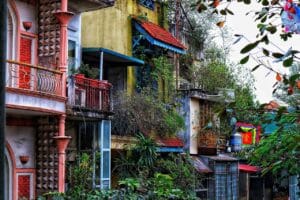
Ho Chi Minh Mausoleum and Political Landmarks
Right in the city’s center, Hoan Kiem Lake pulls everyone in. Locals stroll the shady paths, couples pose for photos, and old men practice tai chi as the sun comes up. Turtle Tower sits at the lake’s heart, wrapped in legend, while Ngoc Son Temple waits on its little island, reached by a bright red bridge. In the early mornings and evenings, the whole area comes alive. People exercise, chat, or just soak up the calm. With its beauty and feel, Hoan Kiem Lake isn’t just a landmark—it’s where the city comes together.
Temples and Pagodas in Hanoi
Hanoi’s got a quiet, spiritual core too. The Temple of Literature stands out—not just for its beauty, but because it was Vietnam’s first university. It’s dedicated to Confucius and still feels like a sanctuary for learning and respect. Don’t miss Tran Quoc Pagoda out by West Lake or the ancient Quan Thanh Temple.
Hanoi Street Food and Culinary Tourism
Food is the main event in Hanoi, no question. If you ask people why they love this city, chances are they’ll start talking about what they ate. The street food here isn’t just something tourists rave about—it’s part of how people live. Pho, bun cha, banh mi, egg coffee… you don’t have to look hard to find them. They’re on every street, from busy main roads to those tiny, tucked-away alleys. And honestly, you don’t need much money to eat like a king.
Museums and Cultural Experiences
That said, Hanoi has way more than just great food. The place is packed with museums and cultural spots. You’ve got the Vietnam Museum of Ethnology, which dives into the country’s many ethnic groups, and the Military History Museum, where you get a closer look at Vietnam’s tough past and big wins. Art galleries, water puppet shows, cultural centers—they’re not just for tourists to snap photos. They help you actually feel what Vietnamese culture is about and make your time here mean something.
Tourism in Hanoi, Vietnam
Tourism is huge in Hanoi. As the capital, it pulls in millions of visitors—locals and foreigners—for good reason. The mix is wild: ancient history, everyday traditions, old French buildings, and the rush of modern life all mashed together. Whether you’re into history, food, culture, or just want to take it easy, you’ll find your spot. One thing that really sets Hanoi apart? Its deep roots. This city’s been around for over a thousand years, and you can feel that history everywhere. The Old Quarter is a maze of narrow lanes and old houses. Every street has a story—about what people used to make and sell, how they lived, and what’s stuck around.
Cultural Heritage and Historical Tourism in Hanoi
Landmarks like the Temple of Literature, Ho Chi Minh Mausoleum, and the Imperial Citadel of Thang Long pull in anyone curious about Vietnam’s past—whether that’s politics, education, or royalty. These sites are in great shape, so Hanoi’s a top pick if you’re after culture and heritage in Southeast Asia.
Urban Tourism and City Life in Hanoi
If you’re looking for a city with energy, Hanoi’s got it. Streets swarm with motorbikes, markets, street food stalls, and those tiny coffee shops that seem to pop up everywhere. Around Hoan Kiem Lake, things slow down a bit, but you can still feel the city’s pulse. Brand-new malls and fancy hotels show how fast Hanoi’s changing, but those old French buildings—like the Opera House and St. Joseph’s Cathedral—keep things grounded. That blend of old and new is what makes Hanoi such a fun place to explore, but also strangely cozy.
Religious and Spiritual Tourism in Hanoi
Then there’s the spiritual side. Hanoi is dotted with pagodas and temples. Religion’s woven into daily life, from Buddhism and Taoism to local beliefs. Tran Quoc Pagoda, sitting by West Lake, is one of the oldest Buddhist temples and draws people looking for some peace or maybe just a quiet moment. Other places, like Quan Thanh Temple and the One Pillar Pagoda, give you a glimpse of real spiritual life. These aren’t just relics—they’re living places, which makes visiting them feel authentic.
Nature and Lake Tourism in Hanoi
Hanoi buzzes with city life, but it still has its pockets of calm. Take Hoan Kiem Lake—right in the center, always full of people walking, relaxing, or just escaping the chaos for a bit. West Lake is bigger, a spot for a quiet drink, good views, and probably the best sunset in town. These green spaces break up the concrete and give everyone a breather. Tourists come looking for that sense of calm, and Hanoi delivers—even if it’s not a full-on nature escape like the countryside. It’s still a big part of what makes the city charming.
Shopping and Local Market Tourism in Hanoi
Shopping in Hanoi is an adventure. You’ve got the old-school markets like Dong Xuan, packed with everything from handmade crafts to street food. Bargaining is half the fun, and you never know what you’ll find. But if you’re after something modern, Hanoi has that too. Huge malls, familiar brands, air-conditioning—the whole deal. What’s great is, you don’t have to pick one style. You can wander through ancient market stalls in the morning and hit up a sleek shopping center in the afternoon.
Surrounding Places Around Hanoi
Hanoi isn’t just a destination—it’s a jumping-off point for some of the best places in northern Vietnam. Hop in a car or join a tour, and you’re suddenly surrounded by mountains, rivers, old towns, and world-famous natural wonders. The city’s location makes it easy to pack your trip with variety.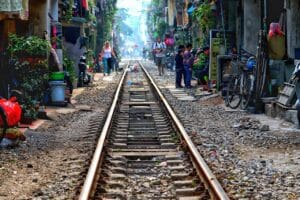
Ha Long Bay – World-Famous Natural Wonder
Everyone’s heard of Ha Long Bay. It’s about three or four hours from Hanoi, and once you get there, the emerald water and limestone islands are just unreal. UNESCO even put it on the map as a World Heritage Site, and for good reason. Most people go for a boat cruise—some stay overnight, others just soak it all in for a day. There’s kayaking, exploring caves, and always that incredible view. No wonder it’s a must-do side trip from Hanoi.
Ninh Binh – Ha Long Bay on Land
Ninh Binh has a different vibe but is just as stunning. It’s about two hours south, full of limestone peaks, green rice paddies, and slow-moving rivers. People call it “Ha Long Bay on land,” and honestly, they’re not wrong. You can drift through caves at Trang An or Tam Coc, or check out Bai Dinh Pagoda, which is massive. The landscapes are peaceful and ridiculously photogenic, and there’s plenty of history and culture too. For nature and a bit of spiritual exploration, Ninh Binh is a standout.
Sapa – Mountain Beauty and Ethnic Culture
Sapa sits way up in Vietnam’s northwest. Getting there from Hanoi takes a bit more effort, but most travelers say it’s worth every minute. The weather is cool, the mountains are often covered in mist, and the rice terraces go on forever. Sapa is also home to ethnic groups like the Hmong and Dao. Visitors hike between villages, try local food, and get a glimpse of daily life. The mix of scenery and culture turns Sapa into a highlight for anyone traveling out from Hanoi.
Mai Chau – Peaceful Valley Experience
If you want something quieter, Mai Chau is perfect. It’s about four hours from Hanoi, tucked away in a peaceful valley surrounded by mountains. The area is famous for traditional stilt houses and the warm hospitality of the Thai people who live here. Most visitors stay in homestays, ride bikes through the fields, and join in with local food and evening dances. The pace is slow, the scenery is beautiful, and it’s a real break from the city rush.
Ba Vi National Park – Nature Escape Near the City
Ba Vi National Park sits just 60 kilometers from Hanoi, making it an easy escape. The place is all about green mountains, cool air, and quiet trails. You’ll find old French ruins, hidden in the forest, and plenty of spots to stop for a picnic or to take in the view. It’s perfect for a quick getaway—hiking, fresh air, and a bit of history, all close enough for a day trip.
Perfume Pagoda – Spiritual and Scenic Journey
The Perfume Pagoda is one of the most important spiritual sites near Hanoi. It’s about two hours away, tucked into mountains and caves, and surrounded by gorgeous landscapes. The journey there is part of the experience—riverboat rides, a gentle hike, and then temples set right into the hills. For anyone after a mix of nature and tradition, this spot delivers.
Duong Lam Ancient Village – Traditional Vietnamese Life
Duong Lam Ancient Village sits just outside Hanoi, but walk through its narrow alleys and crumbling brick houses, and you feel like you’ve left the present behind. Every corner seems to whisper old stories—there’s something about those ancient gates and quiet courtyards that pulls you in. Just wandering around, you catch glimpses of how life used to be for northern Vietnamese families, centuries ago. But Duong Lam isn’t just about its old houses. The village is dotted with weathered temples, mossy stone wells, and tucked-away spots selling local snacks you’ll want to try. It’s easy to reach from the city, and anyone curious about Vietnamese roots or heritage really shouldn’t miss it.
Tam Dao – Cool Climate Hill Station
Tam Dao feels like a different planet, honestly. Head up into the hills about two hours from Hanoi, and the air turns fresh and cool, the city noise disappears, and the views go on forever. When Hanoi’s summer feels unbearable, people pack their bags and escape up here. So, what makes Tam Dao special? Think misty overlooks, quiet mountain paths, waterfalls hidden in green forests. It’s the sort of place where you can actually slow down, breathe a little deeper, and forget the rush for a while.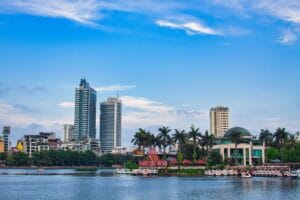
Conclusion
Hanoi isn’t just another capital city. It’s a blend of old legends, lively streets, and food that’ll stick in your memory. Stroll through its tangled alleys, walk around the lakes, poke through the markets—you’ll spot bits of history at every turn. And with places like Duong Lam and Tam Dao right nearby, there’s always something new just outside the city limits. Whether you’re chasing flavors, culture, or a bit of adventure, Hanoi stands out.
Author

sadikhan.ceo@gmail.com
Related posts
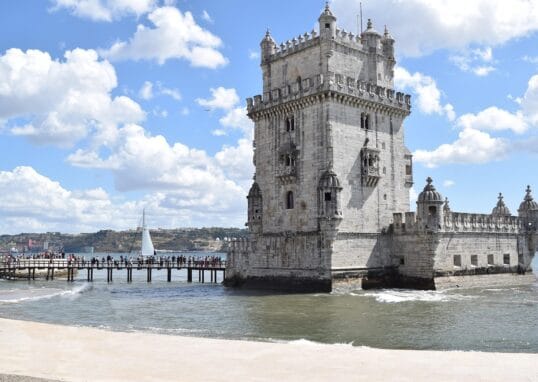
Lisbon Travel Guide
- 0
- 2,266 words
Lisbon Travel Guide – A Beautiful Coastal Capital with Culture and Value Lisbon pops up on pretty much every list of Europe’s...
Read out all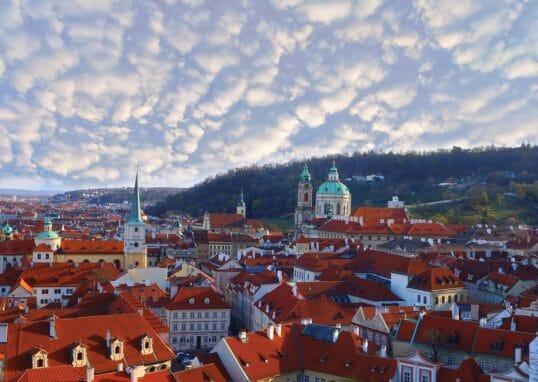
Prague Travel Guide
- 0
- 2,455 words
Prague Travel Guide – A Magical European Destination Full of History and Charm If you’re dreaming of a city that looks and...
Read out all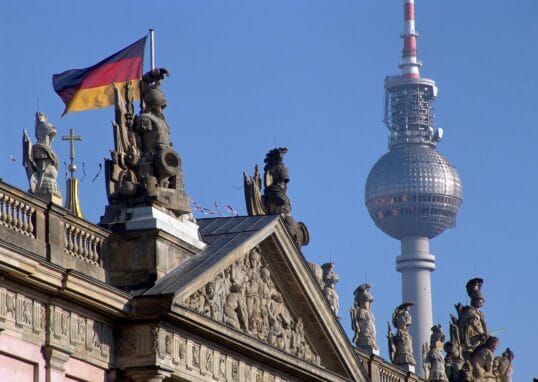
Berlin Travel
- 0
- 2,097 words
Berlin Travel Guide – A City of History, Culture, and Modern Energy Berlin isn’t your typical European capital—it buzzes with history and...
Read out all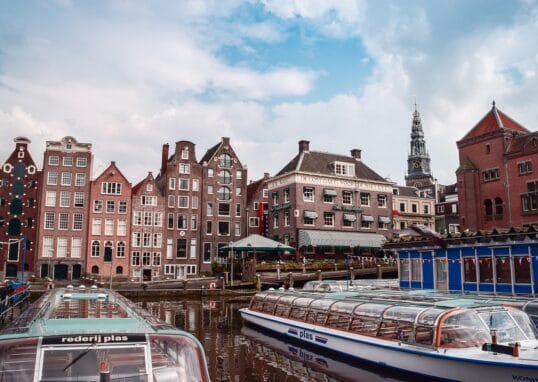
Amsterdam Travel Guide
- 0
- 2,602 words
Amsterdam Travel Guide – A City of Canals, Culture, and Timeless Beauty Honestly, Amsterdam is one of those cities that just grabs...
Read out all
Barcelona, Spain
- 0
- 2,340 words
Barcelona, Spain Travel Guide – A Vibrant Mediterranean City Barcelona feels alive, no matter what time of year you show up. The...
Read out all
Male, Maldives
- 0
- 2,442 words
Malé, Maldives Travel Guide – The Capital of Island Paradise Malé might be tiny compared to other capitals, but it’s at the...
Read out all