
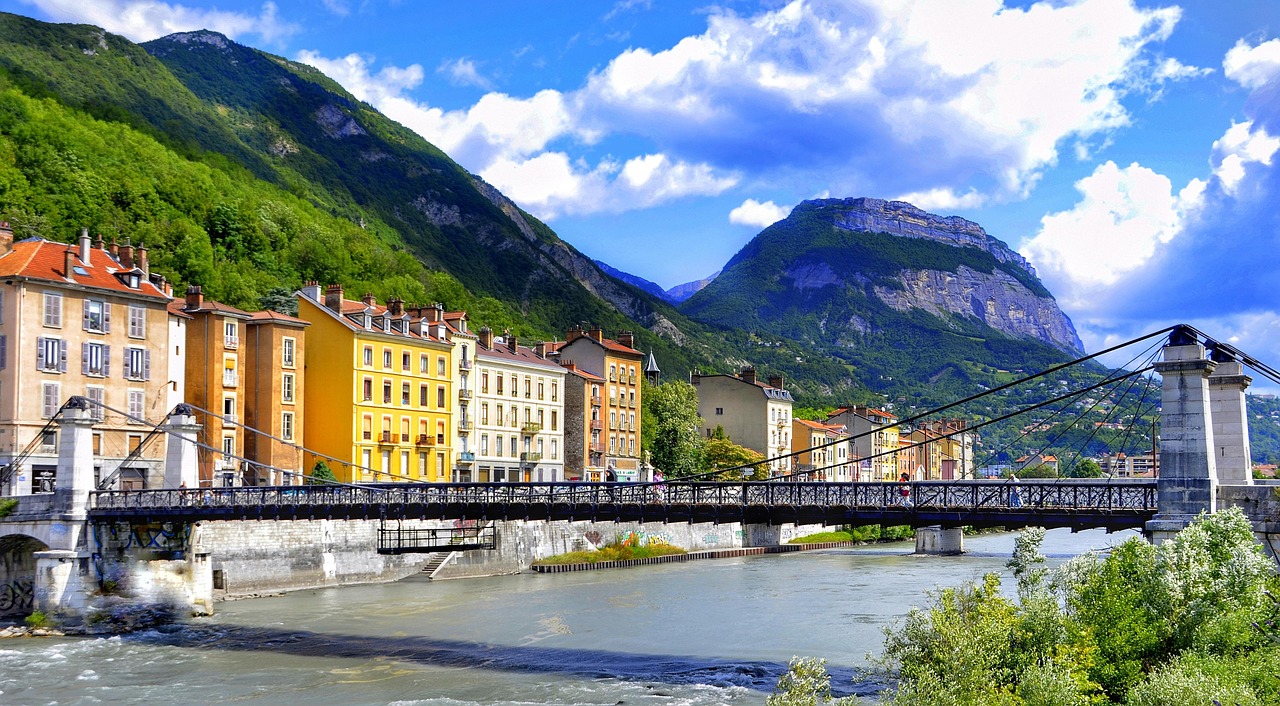
Grenoble, France – Stunning natural Scenery
Grenoble is a beautiful city in southeastern France, nestled among high peaks and a miraculous natural landscape. Actually, it lies at the foot of the French Alps, where three mountain ranges meet: the Vercors, Chartreuse, and Belledonne. Thanks to this particular location, Grenoble is often called the “Capital of the Alps.” Moreover, Grenoble is not only a tourist destination but also a city of education, research, and innovation. Many universities and research centers are located here, making the atmosphere young and energetic. Yet at the same time, Grenoble has a very long and rich history that exceeds more than 2,000 years. Therefore, visitors can feel both ancient heritage and modern life here.
Geographical Location and Natural Setting
Grenoble is located in the Auvergne-Rhône-Alpes region of France. The city stands in a valley where the Isère and Drac rivers meet. Since mountains rise on all sides, Grenoble looks like a city protected by nature. During winter, its mountain peaks are fully capped with snow, while in summer they turn green and lively. For such shifting scenes, Grenoble exhibits a different kind of beauty in each season. Besides, the surrounding mountains have a strong impact on the city’s way of life. Outdoor sports like hiking, skiing, cycling, climbing, and paragliding are part of daily routine. Unlike many large cities, Grenoble allows visitors to reach the mountains in minutes, which makes it very special.
History of Grenoble
Grenoble has a long history, which began during Roman times: the city was known as Cularo, then later it got renamed Gratianopolis, which with time turned into Grenoble. During the Middle Ages, Grenoble grew into an important regional center. The city was fortified to protect it, and some of those walls still remain today. Later, Grenoble played a very important role during the French Revolution. The city became one of the first to challenge the royal authority. That is why Grenoble is also called the “Cradle of the French Revolution.” As time passed, the city kept on developing as an industrial but also scientific center. Today, its past is still alive through old buildings, museums, and historic streets, while its future is made up of technology and research.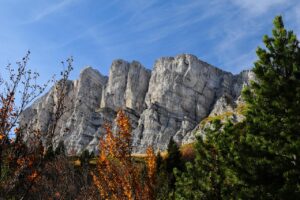
Culture and Lifestyle in Grenoble
The culture of Grenoble reflects both its history and its mountain environment. The city has a relaxed but active lifestyle: people enjoy their cafés, local markets, and cultural events-but they also spend time outdoors. Festivals, art exhibitions, music concerts, and theater performances take place throughout the year. Besides that, Grenoble is environmentally friendly.
Tourism in Grenoble
Grenoble is one of the most beautiful cities in southeastern France, nestled between the French Alps. Owing to this fact-that Grenoble sits amidst high mountains and green valleys-many consider Grenoble as the “Capital of the Alps.” This makes tourism special in Grenoble, striking a proper balance between nature, history, culture, and modern city life. The moment tourists enter this city, they come across fresh mountain air, scenic views, and an overall relaxed atmosphere. Over the years, Grenoble has evolved to be an equally significant tourist destination for people interested in outdoor activities, cultural heritage, science, and peaceful landscapes. Furthermore, the city invites one to visit any time of year, each season having its own charm.
Old Town of Grenoble (Grenoble Historic Center)
One of the most tourist-friendly areas is the old part of Grenoble. The narrow streets, colorful buildings, small cafes, and small shops make up this city area. While tourists walk through the historic heart of the city, they feel the peace and grain of a more authentic France. Especially popular with tourists is the Place Saint-André neighborhood due to its embodiment of medieval architecture and joyful, vivid local life. Moreover, restaurants in the old town often offer classic French and Alpine cuisine, so tourists can taste local flavors, being surrounded by history. Because everything is close together, the old town is perfect for slow walking and relaxed sightseeing.
La Bastille Fortress – Icon of Grenoble Tourism
The most famous tourist attraction in Grenoble is La Bastille. Situated on a hill overlooking the city, this historic fortress offers great and panoramic views of Grenoble and the Alps around it. It is usually reached by cable car, locally known as “Les Bulles” due to its round glass cabins. Actually, the cable car ride itself is already a memorable experience while it rises over the city and river. On top, one can view the old military fortifications, walk along pathways, and take great pictures. Besides, there are restaurants and viewpoints, which make La Bastille a perfect place for relaxation and sightseeing.
Mountain and Nature Tourism in Grenoble
Grenoble is a dream destination for nature lovers, with three mountain ranges-Vercors, Chartreuse, and Belledonne mountains-surrounding the city. These natural surroundings make outdoor tourism one of the strongest attractions of the city. In summer, visitors enjoy hiking, mountain biking, rock climbing, and nature walks; in winter, these same nearby mountains are popular places to go skiing and snowboarding. This makes Grenoble very attractive to adventure travelers from all over the world. At the same time, the chances for visitors who prefer more gentle activities to enjoy beautiful views, forest trails, and quiet natural parks are available almost within the city limits.
Winter Sports and Alpine Tourism
Grenoble is closely connected with winter sports tourism, primarily because it hosted the Winter Olympics in 1968. As a result of this event, much in the way of tourism infrastructure was developed, and the city became world-renowned. Nowadays, many ski resorts can be found within a short radius around Grenoble. Among other things, this makes Grenoble an excellent starting point for all kinds of winter holidays.
Religious and Architectural Tourism
Grenoble also possesses quite interesting religious and architectural sights that attract tourists. The Cathedral of Notre-Dame of Grenoble can be considered the most relevant religious building in the city. In addition, the combination of old churches with modern architecture underlines the evolution of the city while respecting its past.
River and Urban Tourism
Grenoble is crossed by two rivers: the Isère and the Drac. They add an expression of natural beauty to the urban environment. The riverbanks are well-developed with walking paths, cycling routes, and green spaces. Tourists very often like to take relaxing walks along the river, especially in the evening when city lights are reflected in water. These places are popular for picnics and outdoor relaxation. Besides, Grenoble has a modern tram system that makes urban tourism comfortable and easy. It is easy to move smoothly from one tourist area to another, to some shopping district, or to some cultural site.
Science and Innovation Tourism
Grenoble is also widely regarded as a hub of science, research, and technology. Further, this new identity contributes to the development of its tourism product. Among these visitors, tourists who are interested in innovation typically visit science centers, research campuses, and exhibitions on energy, physics, and environmental studies. Therefore, it hosts a rather significant number of academic tourists, students, and businesspeople coming for conferences and international events. The availability of universities and research institutions imparts a youthful and dynamic atmosphere to the city.
Festivals and Events Tourism
The festivals and cultural events throughout the year create a relaxed tourism season in Grenoble. Music, film, art, and seasonal celebrations fill the city with performances. During festivals and events, tourists experience a taste of local traditions, creative performances, and community spirit.
Food and Cuisine of Grenoble
The cuisine of Grenoble is a representative of the Alpine region. Traditional dishes are warm and rich, offering good comfort. Cheese holds an important place, especially the Bleu du Vercors-Sassenage-type family of cheeses. Dishes often include potatoes, meat, and local herbs. It also has numerous bakeries, cafes, and restaurants that sell French and international food. The local markets also provide fresh fruits, vegetables, cheeses, and bread. Trying regional food is also the most important thing in the visit.
Surrounding Places Near Grenoble
Grenoble is ideally situated in southeastern France, flanked by mountains, lakes, historic towns, and natural parks. Due to this privileged position, many beautiful places are easily reachable by travelers within a short distance. These destinations offer nature, history, adventure, and relaxation, combining to make Grenoble an ideal base for tours across the French Alps and its surroundings.
Chartreuse Mountains
The Chartreuse Mountains rise directly above Grenoble and are one of the closest natural escapes from the city. The mountain chain is known for its green forests, steep cliffs, and its peacefulness. While leaving the city behind, the sceneries change into quiet villages, alpine meadows, and deep valleys. The Chartreuse area is perfect during spring and summer for hiking, cycling, and nature walks. In winter, the mountains turn into a snowy playground for skiing and snowshoeing. Also, it is famous for the Chartreuse Monastery, which has accommodated monks in silence for centuries. In addition, its surroundings make it appropriate for travelers who need peace and a lot of reflecting over anything.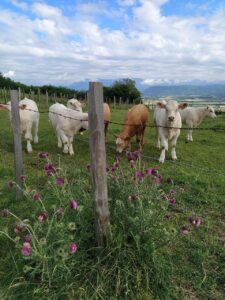
Vercors Regional Natural Park
Situated southwest of Grenoble, the Vercors Regional Natural Park presents some of the most striking natural scenery in France. The park contains dramatic limestone cliffs, deep gorges, wide plateaus, and dense forests. Traveling through Vercors, one will notice many breathtaking viewpoints overlooking valleys and rivers. This area played a very important role during World War II, with many memorials reminding visitors of this fact. Nowadays, it is a paradise for those who love nature. In summer, people enjoy hiking, rock climbing, cycling, and cave exploration. Winter time turns the region into a popular destination for cross-country skiing and snow activities. With its untouched beauty and great historical input, Vercors makes a big impression on every visitor.
Belledonne Mountain Range
The Belledonne Mountains stretch east of Grenoble and offer a more rugged and wild alpine experience. These mountains are higher and steeper compared to Chartreuse, and their popularity mainly exists among very active hikers and climbers. In Belledonne, one finds several crystal-clear alpine lakes, rocky peaks, and narrow mountain paths. During the warm season, the place is excellent for extended hiking and photo shooting, whereas during winter, it welcomes skiers. It is less crowded, which can allow travelers to be in close contact with nature. Belledonne is especially attractive for those who love adventure and untouched landscapes.
Lake Paladru
Lake Paladru lies northwest of Grenoble and is one of the most beautiful lakes in the area. It is surrounded by hills, a green carpet of forests, and charming villages. The water is clear blue, like a mirror to the sky, giving an impression of serenity and freshness. It appeals to visitors for swimming, kayaking, paddleboarding-or even just relaxing on its shores. At the lake, walking trails with peaceful views and a smidge of history, since ancient settlements once existed here, abound. The pace of life around Lake Paladru is slow, and thus very well adapted for families and travelers in search of a quiet getaway.
Chambéry
Chambéry lies north of Grenoble and is the historic capital of the Savoy region. This beautiful town includes medieval streets, colorful buildings, and charming squares. While walking in the old town, narrow lanes, hidden courtyards, and fountains tell stories of times gone by.
Annecy
Annecy is often called the “Venice of the Alps” and probably constitutes one of the most famous towns near Grenoble. North from the city, Annecy boasts its crystal lake, canals, and old town with painted houses. Following the canals, you would get the flowers, bridges, and old houses reflected in the water. Lake Annecy is ideal for swimming, cycling, boating, or simply chilling out on its shores. Scenic views are added by the surrounding mountains, which are great to hike. No wonder that Annecy has visitors from all over the world due to its romantic atmosphere and scenery.
Valence
Valence lies south of Grenoble, marking the transition area between the Alps and southern France. It offers a more Mediterranean ambiance, with its warmer climate. Wide streets in the city parade green parks and elegant houses. The Rhône River lends a pretty touch to the city. Gastronomy, markets, and ease make Valence a part of life. It acts as the entrance to the very famous Drôme region of lavender fields, vineyards, and historic villages.
Gap
Gap is situated southeast of Grenoble, lying encircled by alpine scenery. This small city offers a friendly atmosphere, mountain views, and a gateway into outdoor activities. The region around Gap is known for its sunshine, fresh air, and open landscapes. Visitors often come for hiking, cycling, and winter sports. The town itself is quiet and friendly, with local shops and cafés expressing the traditional life in the Alps. Gap serves as an excellent destination for vacationers because it offers a combination of nature with small-town charm.
Briançon
Briançon, one of the highest towns in Europe, lies further southeast of Grenoble. The town boasts Vauban-designed fortified walls that are a UNESCO World Heritage Site. Walking through the old town gives one the feel of powerful mountain history and military past. During winter, Briançon is a great ski destination, while during summer, hiking and breathtakingly beautiful scenery attract people to this area. Surrounded by the Alps, Briançon offers spectacular views and refreshing mountain air.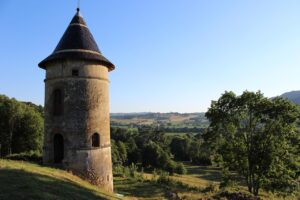
Lyon
Although a bit further away, Lyon will still be an important destination around Grenoble. Lyon is France’s third-biggest city and is renowned for its food, culture, and history. The city lies at the meeting point of the Rhône and Saône rivers and offers a lively urban experience. As you explore Lyon, you come across Roman ruins, Renaissance streets, modern districts, and world-class restaurants. The combination between mountain surroundings of Grenoble and the urban life of Lyon makes this trip interesting in all aspects.
Oisans Region and Alpe d’Huez
South of Grenoble, the Oisans region wraps up two of France’s most famous alpine resorts, including Alpe d’Huez. It is an area made famous for its high mountain peaks, glaciers, and dramatic sceneries. In winter, it becomes a main skiing center, and in summer, it attracts cyclists and hikers. It is even famous because of appearances with steep mountain roads in the Tour de France that challenge professional cyclists. Because of this natural beauty and alpine culture, Oisans is one of the most exciting regions around the city of Grenoble.
La Grave
Situated east of Grenoble, La Grave is the smallest mountain village, famous for its wild alpine character. While large ski resorts have become more flashy and modern over time, La Grave remains simple and authentic. The village nestles under huge glaciers and seriously rugged peaks with breathtaking views. Adventure travelers adorate La Grave for off-piste skiing, mountaineering, and high-altitude exploration. Quiet streets and traditional stone houses make this village seem timeless, ideal for travelers who appreciate raw nature and authenticity.
Best Time to Visit Grenoble
The town of Grenoble can be visited all year round, yet each season has its own particular charm. Spring and summer are the best times for hiking, sightseeing, and café sitting outdoors. During autumn, there are leaves changing color and cooler temperatures. Winter is ideal for skiing and engaging in snow activities in nearby mountains. It follows, therefore, that the best time is a question of personal interests. Nature lovers like it when it is warmer, and people who enjoy winter sports just love it when it is cold.
Conclusion
In Grenoble, mountains, history, culture, and modern life are beautifully combined. From stunning views, rich heritage, scientific innovation, and accessibility to nature easily, Grenoble will embody all of these qualities. All that is left for the visitors is to either stroll along museums, historic streets, and rivers or fortresses, with a refreshing feel of mountain air and the possibility of outdoor activities. Every destination enriches the journey with a new layer so that Grenoble can be regarded as more than just a city to travel to, but also a perfect gateway to the very heart of the French Alps and beyond. On the other hand, its surroundings add even more value to the journey, offering the possibility to visit lakes, parks, villages, and famous cities close by. For travelers seeking a balanced experience between city life and natural beauty, Grenoble is definitely one of the best options. It is not just a place to stay in but also a place to get inspiration and refresh oneself.
Author

sadikhan.ceo@gmail.com
Related posts
Lisbon Travel Guide
- 0
- 2,266 words
Lisbon Travel Guide – A Beautiful Coastal Capital with Culture and Value Lisbon pops up on pretty much every list of Europe’s...
Read out all
Prague Travel Guide
- 0
- 2,455 words
Prague Travel Guide – A Magical European Destination Full of History and Charm If you’re dreaming of a city that looks and...
Read out all
Berlin Travel
- 0
- 2,097 words
Berlin Travel Guide – A City of History, Culture, and Modern Energy Berlin isn’t your typical European capital—it buzzes with history and...
Read out all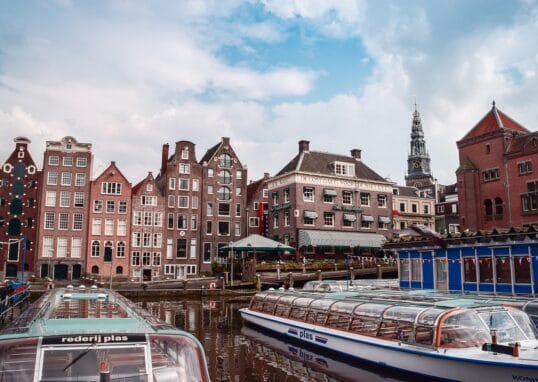
Amsterdam Travel Guide
- 0
- 2,602 words
Amsterdam Travel Guide – A City of Canals, Culture, and Timeless Beauty Honestly, Amsterdam is one of those cities that just grabs...
Read out all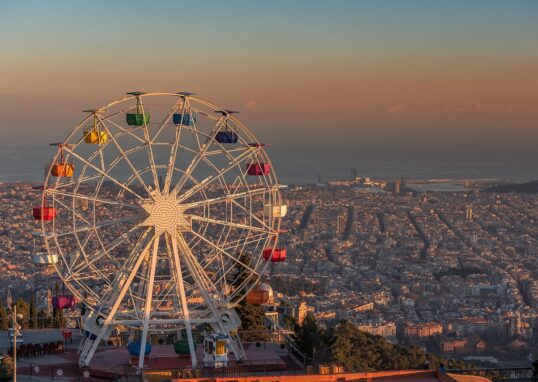
Barcelona, Spain
- 0
- 2,340 words
Barcelona, Spain Travel Guide – A Vibrant Mediterranean City Barcelona feels alive, no matter what time of year you show up. The...
Read out all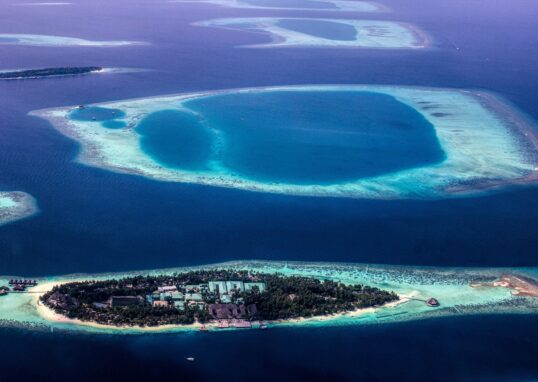
Male, Maldives
- 0
- 2,442 words
Malé, Maldives Travel Guide – The Capital of Island Paradise Malé might be tiny compared to other capitals, but it’s at the...
Read out all