
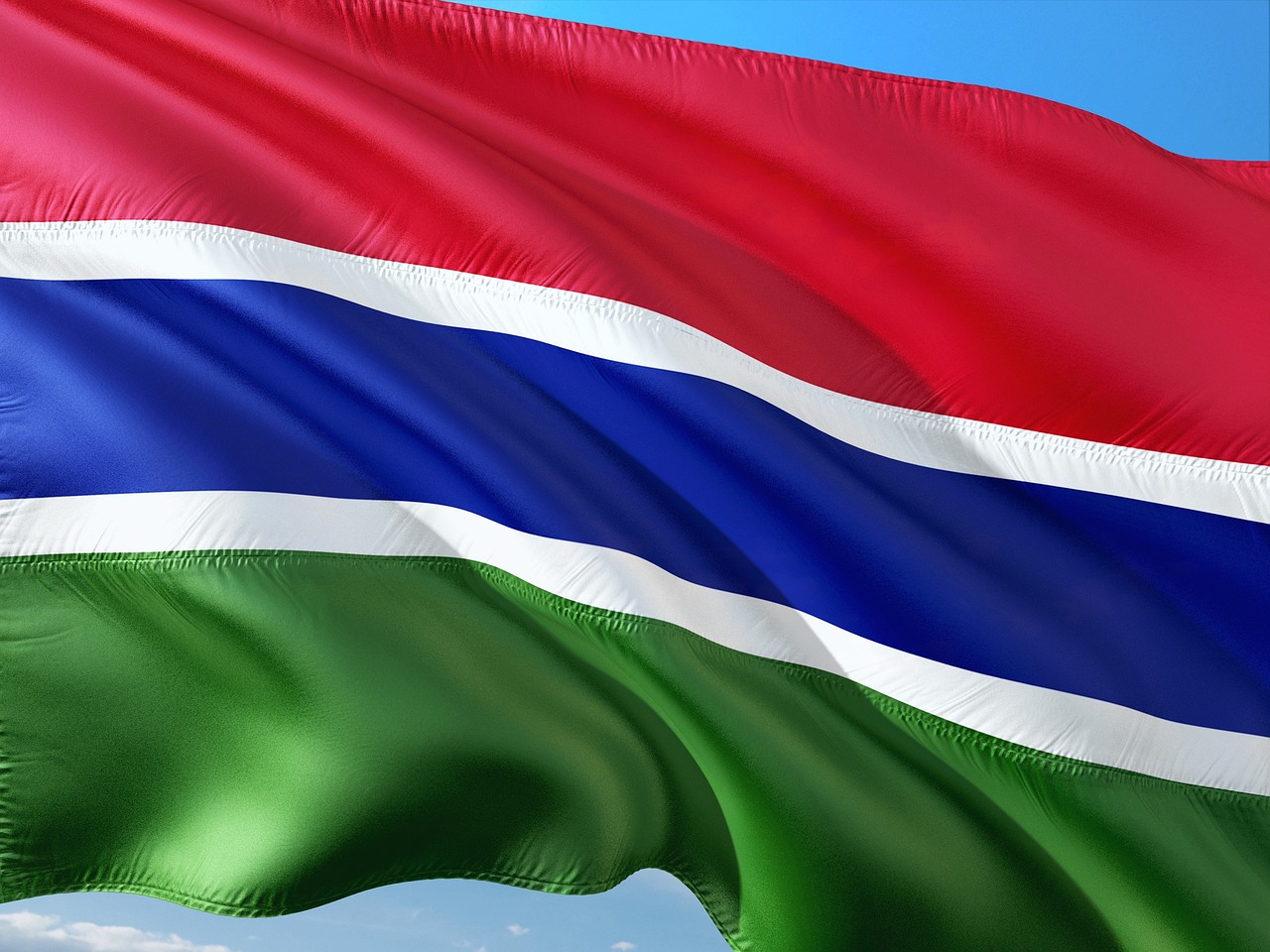
Gambia – Smallest Country on the African Mainland
The Gambia is a small country on the western tip of Africa. It is one of the smallest countries in the African mainland. Yet, although it is small, it is full of life, color, and culture. The Gambia has friendly people, peaceful towns, and beautiful natural areas. It is for this reason that many travelers visit it to relax, learn about nature, and feel at ease with warm African hospitality. The country lies along the Gambia River, which cuts across the land from east to west. The river is the heart of the country because it gives water, transportation routes, and rich wildlife. Consequently, most villages and towns grew around the riverbanks. The Gambia is also known for its calm beaches along the Atlantic Ocean. Many tourists come from Europe to enjoy sunshine during winter. Since the weather is warm all year, the beaches stay active and lively.
Geography of The Gambia
The Gambia is long and narrow. It stretches around the Gambia River like a thin belt. The country is only about 48 kilometres wide in its widest part. Senegal fully surrounds The Gambia except for its short coastline on the Atlantic Ocean. This unique shape makes The Gambia a river country. Therefore, many of its landscapes include mangroves, wetlands, and plains. Most of the land in The Gambia is flat. This makes travel easy and allows farming to be done in most areas. The climate is warm tropical; there are only two seasons:
- Dry Season (November–May) : Hot sunshine, clear skies, very little rain. This is an ideal time for tourism.
- Rainy Season (June–October) : Warm days with occasional strong showers. Farms become green and fertile.
Due to the river and climate, in The Gambia, many birds, monkeys, reptiles, and plants are found. Indeed, it is one of Africa’s most renowned birdwatching spots. Birdwatchers from everywhere travel to see colorful species.
History of The Gambia
The Gambia has a rich, deep history. Long before the modern settlements, there existed on this River Gambia some ancient African kingdoms. These communities traded in gold, ivory, cloth, and agricultural products. They also created traditions, languages, and cultures that still exist today.
Arrival of Europeans
The Portuguese explorers arrived on the West African coast in the 15th century. Later, British and French traders arrived. They were mostly interested in trade, especially in slaves. The Gambia River became a major transportation route during the transatlantic slave trade. Thousands of enslaved Africans were taken from this region, where today places like Kunta Kinteh Island (formerly James Island) preserve that history.
Colonial Period
Britain colonized The Gambia in the 19th century. It became a colony of the British for many years. The British established towns, trading posts, and administration centres during this period.
Independence
Gambia gained its independence on 18th February 1965. Later, it became a republic in 1970. The country has grown peacefully ever since its independence and has been developing its tourism industry.
Culture of The Gambia
Gambian culture is colourful, musical, and friendly. The people of The Gambia belong to different ethnic groups, including:
- Mandinka, Wolof, Fula, Jola, Serahule, Manjago. Each group has its own language, traditions, and stories. However, most people understand English, which is the official language.
Music and Dance
Music plays a strong role in Gambian life. Traditional instruments include the kora, balafon, and djembe drum for use in ceremonies and celebrations. Gambian music is both rhythmic and soulful. Quite a number of people dance during festivals, weddings, and community events.
Food
Food in Gambia is warm, rich, and delicious. The most popular dishes include:
- Domoda – Peanut butter stew with meat or fish.
- Benachin Jollof Rice: rice cooked with vegetables and spices.
- Yassa – Chicken or fish with onions and lemon
- Fresh seafood from the Atlantic coast. Street foods are also widespread: grilled fish, roasted peanuts, and fresh fruits are widely available.
Clothing
Most Gambians wear bright coloured traditional clothes: long robes for men and bright dresses with wraps for women. During festivals, people dress even more beautifully.
The People of The Gambia
The biggest strength of The Gambia is its people. People there are warm, polite, and welcoming. It is commonly referred to as “The Smiling Coast of Africa.” The name shows the friendly local population. Hospitality is a big part of Gambian culture: frequent visitors are greeted with smiling faces, steaming cups of tea, and affable conversations. Family life is tight, and communities look after each other. Religion also plays a significant role. The majority of Gambians are Muslim, though Christianity and traditional beliefs are also valued. People coexist without problems.
Economy of The Gambia
The Gambian economy is small but growing. The major industries include:
Tourism
Tourism is one of the major sources of income. Thousands of visitors come every year to enjoy the beaches, culture, and nature. The tourism sector supports hotels, restaurants, markets, and transport services.
Agriculture
Many Gambians farm peanuts, rice, millet, sorghum, and vegetables. The rainy season helps crops grow. The Gambia is one of the famous groundnut producers in Africa.
Fishing
Fishing supports coastal communities: Barracuda, snapper, and ladyfish are common fish caught by fishermen. Seafood is fresh, available, and highly sold in the markets.
Trade
Small shops and markets are common; people sell clothes, food, crafts, and other daily items. Traditional markets like Serrekunda Market and Banjul Market are very busy and colourful.
Tourism in The Gambia
Tourism is considered the heart of the country’s development. The Gambia appeals to travellers in search of warm weather, nature, culture, and peaceful holidays. The country provides:
- beaches, wildlife reserves, historical sites, river tours, birdwatching, cultural villages, Scenic islands. The tourism season is strongest between November and April because the weather is dry and pleasant.
Major Cities and Towns of The Gambia
Though a small country in West Africa, The Gambia comprises several interesting cities and towns. Each of these places has a culture, history, and natural attractions. Tourists enjoy the country in its peaceful, friendly, and easy-to-explore environment. Below are the major cities and towns of The Gambia explained in detail.
Banjul – The Capital City
Banjul is the capital of The Gambia. It is situated on an island at the mouth of the River Gambia into the Atlantic Ocean. Although a small city, it is important in terms of history and governance.
What to See in Banjul
- Arch 22 : This tall monument celebrates the 1994 political change. Visitors can go to the top and enjoy a wide view of the city and ocean.
- National Museum : This museum showcases Gambian history, traditional music, crafts, and colonial times in an easy-to-understand manner. It was great for learning.
- King Fahad Mosque : It is one of the largest mosques in the country. It is a very attractive and calm building.
- Banjul Market (Albert Market) : This busy marketplace sells vibrant fabrics, spices, fruits, and local handicrafts. It is ideal for buying souvenirs.
What’s Around Banjul
- Banjul Beach : Long, quiet beaches on which visitors relax and enjoy soft waves.
- Kotu and Kololi Beaches : These beaches are just 20–30 minutes away. They are famous for hotels, nightlife, and water activities.
Serrekunda – The Largest City
Many travelers find accommodation in Serrekunda since it is close to the beaches and tourist areas.
Main Attractions in Serrekunda
- Serrekunda Market : A huge market of clothes, shoes, crafts, food, and electric gadgets. It was just so vibrant with colors and sounds.
- Kachikally Crocodile Pool in Bakau : This sacred pool is a habitat for friendly crocodiles, and visitors can walk close to them, take photos, and learn about local spiritual beliefs.
- Local Craft Markets : Many small markets sell wood carvings, paintings, and jewelry made by Gambian artists.
Nearby Places
- Kololi : Full of restaurants, hotels, bars, and nightclubs, this is the heart of Gambia’s nightlife.
- Kötü : Known for beaches, birdwatching spots, and nature walks.
- Fajara : Quiet coastal area, with beautiful sea views and in proximity to golf courses.
Brikama – Cultural and Music Hub
Brikama is one of the oldest towns in The Gambia, well-known for wood carving, music, and other traditional crafts; it is the hometown of many talented artists.
What to See in Brikama
- Brikama Craft Market : One of the best places to buy handmade wooden sculptures, drums, masks, and traditional jewelry.
- Music Studios : Brikama is the heart of Gambian music. At times, visitors are able to watch musicians record songs.
- Forests and Nature Areas : The area around Brikama has thick forests with monkeys, birds, and small wildlife.
Surrounding Attractions
- Makumbaya Village : A tranquil village with traditional houses and friendly local people.
- Tanji Fishing Village : Smoked fish markets and sunset views are what this village is best known for, located only a short drive away.
Bakau – A Town Between Culture and Ocean
Bakau is a very popular town not far from the Atlantic Ocean. It has many tourist attractions, beautiful beaches, and quiet neighborhoods.
Major Tourist Attractions in Bakau
- Bakau Botanical Gardens : A relaxed garden with many flowers and plants, birds, and shaded paths.
- Cape Point Beach : A clean and peaceful beach with soft sand and beautiful resorts.
- Kachikally Crocodile Pool : Though generally associated with Serrekunda, this landmark is actually located in Bakau.
Local Areas
- Fajara : Known for cliff views, eco-lodges, and coastal walking paths.
- Cape St. Mary : A popular area for fishing and water sports.
Barra – Entry Point to Banjul
Barra lies directly opposite Banjul on the River Gambia. Barra and Banjul have a very significant ferry across the river that many travelers and goods rely on.
What to See
- Barra Fort (Fort Bullen) : This is a historic fort built by the British in the 1800s, with beautiful river views; it is also a UNESCO site.
- Local Fish Markets : Visitors can witness fishermen bringing in fresh fish every morning.
Local Attractions
- River Gambia Estuary : Perfect for birdwatching and boat cruises.
- Juffureh and Kunta Kinteh Island : These places are located nearby and are famous for their roles in African history and the story behind the book “Roots.”
Basse Santa Su – Eastern Gambia’s Hub
Basse is one of the largest towns in the east of The Gambia, close to the Senegalese border, and holds a distinctive culture.
Things to Do in Basse
- Basse Market : A colorful marketplace where people from villages around sell wares.
- River Cruises : Scenic boat rides across the River Gambia can be enjoyed.
- Historic Buildings : Small colonial-era buildings are standing around the town.
Places of interest
- Wassu Stone Circles (north bank) : These stone circles are over 1,000 years old and are a UNESCO World Heritage Site.
- Georgetown (Janjanbureh) : A peaceful town on MacCarthy Island, with colonial history.
Soma – Growing Transit Town
Soma is a small but important town located at a major road intersection.
What to See
- Local Markets : Soma has a busy food and produce market.
- Roadside Restaurants : Travelers enjoy traditional Gambian dishes here.
Nearby Places
- Kiang West National Park : Large wildlife park with monkeys, antelopes, hyenas, and over 300 birds.
Tourism Sites & Attractions In The Gambia
Tourism attractions abound in The Gambia. Even though the country is small, it has a surprisingly wide variety of places to see. From river landscapes, beaches, and wildlife through to history, The Gambia is a favourite destination for many travelers. In this section, we explore the most important and most beautiful tourism sites across the country in detailed and easy language.
Kunta Kinteh Island (James Island)
This UNESCO World Heritage Site is one of the most meaningful places in The Gambia. The island sits in the middle of the Gambia River. Though it is very small, it holds much emotional significance from the past due to its use as a slave trading post by Europeans during the Atlantic slave trade. Today, visitors come to learn about history and pay respect to the people who suffered during that time. You can explore the ruins of the fort, old cannons, and stone walls. The island feels quiet, and the silence gives visitors a moment to reflect. Many travellers say that standing on this island makes them feel connected to history in a powerful way. Most trips to Kunta Kinteh Island originate from Albreda and Juffureh, two villages close by. These villages house small museums and memorial spots as well. The guides are clear and respectful while explaining the history. It is, thus, a visit that becomes both educating and emotional.
Abuko Nature Reserve
Abuko Nature Reserve is the oldest national reserve in The Gambia. It is among the most visited natural attractions. Located near Serrekunda, it is easily accessible and contains many walking paths. This forest is green and peaceful, where one can take a walk under tall trees, cross bridges, and view wetlands. Many animals live here, including:
- monkeys , crocodiles , antelopes , snakes , many bird species.
Abuko is a haven for nature lovers. The park is small enough to be covered in a few hours, yet teeming with wildlife. As one walks, the chirping of birds, rustling of leaves, and jumping of monkeys between branches might be heard. Photographers like the reserve because of its natural light and scenes.
Bijilo Forest Park (Monkey Park)
Bijilo Forest Park lies close by the coastal tourism area and is thus popular with many visitors keen to see monkeys at close range. The red colobus and green vervet monkeys can be seen roaming free and are quite friendly, but guests should not feed them.
Beaches of The Gambia
The Gambia has long and beautiful beaches along the Atlantic Ocean. These beaches are wide, clean, and perfect for sunbathing or walking.
Kololi Beach
One of the busiest beaches. It has restaurants, hotels, music, and nightlife.
Kotu Beach
A peaceful beach popular for long walks, birdwatching, and gentle waves.
Cape Point Beach
A family-friendly area with wide sandy space and calm water.
Sanyang Beach (Paradise Beach)
A quiet beach far from busy towns. It has golden sand and relaxing scenery. Many travellers call it the best beach in the country.
Tanji Beach
Famous for its fishing village. At sunset, you can watch fishermen return with colourful boats. The view is beautiful and full of local life.
Nature of The Gambia
Despite its small size, The Gambia has rich natural environments. The river, forests, wetlands, and coastal areas create a home for many species. The country is especially famous for birdwatching, with over 500 species recorded.
- Mangroves : Mangrove trees grow along the sides of the rivers, their twisted roots resembling sculptures of some sort. These trees also prevent erosion and are habitats for fish and birds alike.
- Wetlands : Wetlands attract a lot of animals. You can see kingfishers, herons, cranes, and egrets. During the time of sunrise and sunset, the light reflected on the water gives a beautiful scene.
- Savannah and Grasslands : These open areas host antelopes, monkeys, and reptiles. They also create wide views of the sky.
Wildlife

- Monkeys : Green vervet monkeys and red colobus monkeys are common in forests and parks.
- Hippos : Hippos live along the upper Gambia River. Boat trips sometimes allow visitors to see them in the water.
- Crocodiles : Crocodiles appear in rivers, wetlands, and sacred pools.
River Life
The Gambia River shapes daily life. Many villages sit along its banks, and people fish, farm, travel, and trade via the river.
- River Cruises : Special cruises allow visitors to adventure into mangroves, wildlife, and villages, while others offer sunset dinner cruises with cultural performances.
- Fishing : Fishing is important to both locals and visitors alike. The main kinds of fish include ladyfish, barracuda, and snapper.
- Villages : Riverside villages have rich traditions: people grow rice, vegetables, and fruits.
Conclusion
Although small in size, Gambian cities and towns reflect a combination of culture, history, and natural beauty in their own way and rhythm. Banjul reveals the heritage and government life of the country, while Serrekunda reflects modern energy, busy markets, and coastal tourism. Brikama will lead the visitor to traditional music and craft work. Bakau combines quiet beaches with cultural sites. Towns like Farafenni, Basse, and Barra manifest typical Gambian life: full of small shops, friendly people, and local traditions. Meanwhile, Janjanbureh and Soma offer quiet landscapes, river views, and important historical stories.
Author

sadikhan.ceo@gmail.com
Related posts
Slovakia
- 0
- 2,323 words
Slovakia : Discover the Hidden Gem of Central Europe Tucked right in the heart of Central Europe, Slovakia is one of those...
Read out all
Singapore
- 0
- 2,246 words
Singapore : A Global City and Travel Hub Singapore’s one of those places where modern life and nature seem to fit together...
Read out all
Seychelles
- 0
- 2,644 words
Seychelles : A Dream Destination in the Indian Ocean You hear about places as “dream destinations” all the time, but Seychelles totally...
Read out all
Serbia
- 0
- 2,789 words
Serbia Travel Guide: Regions of the Balkan Nation Serbia sits right at the heart of the Balkans, and honestly, it’s one of...
Read out all
Senegal
- 0
- 2,277 words
Senegal Travel Guide: Discover the Culture, History, Tourism, and Surrounding Regions of West Africa Welcome to Senegal—a place that really captures the...
Read out all
Saudi Arabia
- 0
- 2,914 words
Saudi Arabia: A Powerful Nation in the Middle East and Global Importance of the Kingdom Saudi Arabia stands out as one of...
Read out all