
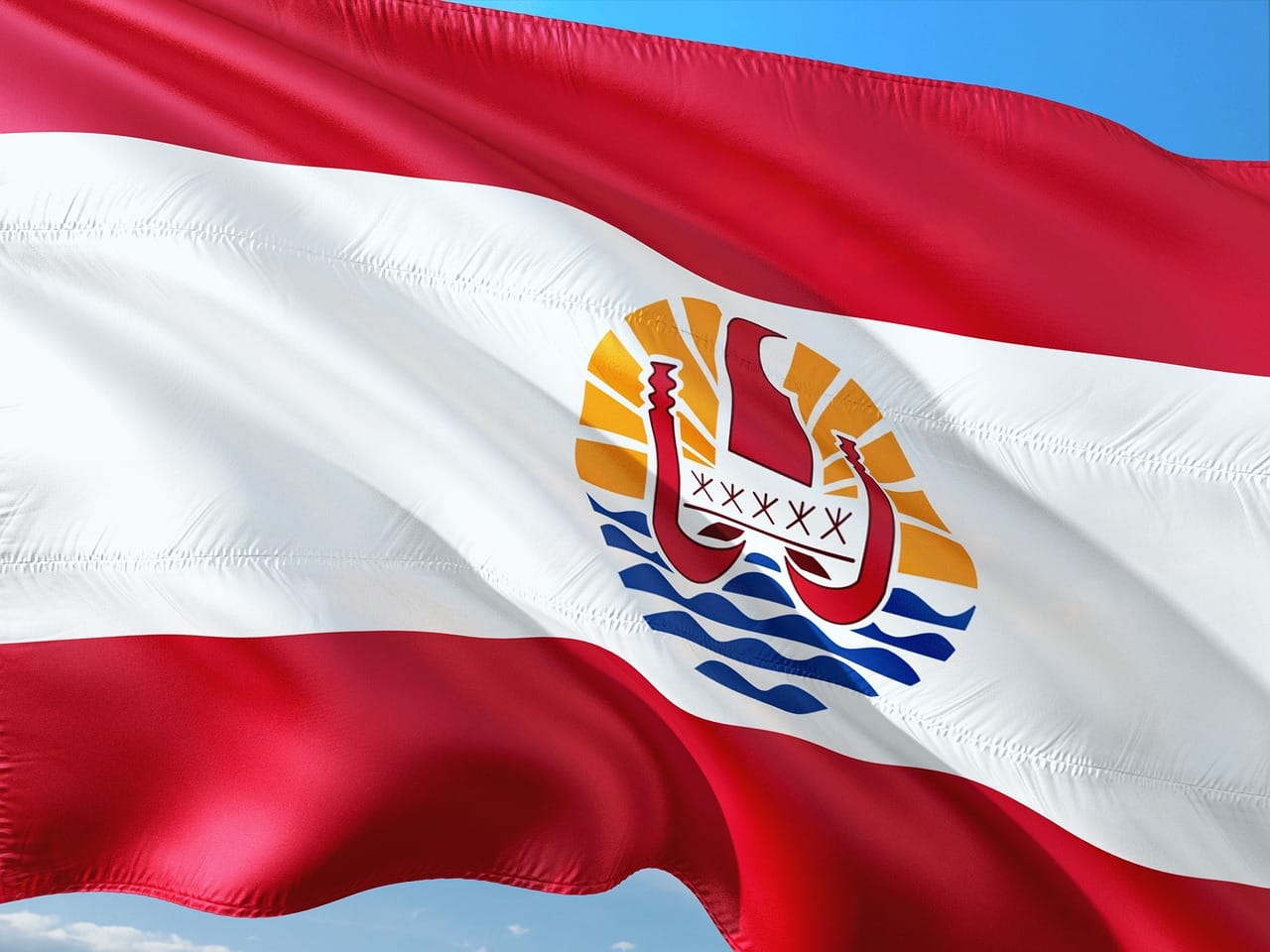
French Polynesia – History, Geography and Culture
French Polynesia is one of the most beautiful island regions in the world. It is situated in the South Pacific Ocean, quite far from big continents and cities. It includes 118 islands, and all these islands are scattered in a huge area of water. Though the area of the region is big, many islands are small and peaceful. The islands are famous for their crystal-clear lagoons, green mountains, tall waterfalls, and warm sunshine. They attract travelers from every part of the world. French Polynesia is an overseas collectivity of France. In other words, it belongs to France but at the same time has its own local government. Its capital is Papeete and is located on Tahiti Island. This region is subdivided into five main island groups. These include the Society Islands, the Tuamotu Archipelago, the Marquesas Islands, the Austral Islands, and the Gambier Islands. Each of them carries their different charm, traditions, and natural wonders. For this reason, French Polynesia feels like several small worlds inside one big region.
Early History
The first to reach French Polynesia were Polynesian explorers. They arrived over 1,000 years ago aboard wooden canoes, using the stars, waves, and winds for guidance. These early settlers built villages, farms, and temples. The temples were referred to as marae and were a very significant place for ceremonies and other gatherings. Lots of marae still remain today, and visitors can explore them to learn about the island’s past. Later on, European explorers arrived in the 16th and 18th centuries. Famous explorers like James Cook visited the islands and wrote about their beauty. With time, France took control of the islands, and French influence grew strong. These days, a mixture of the Polynesian and French cultures results in a unique lifestyle.
Geography and Natural Beauty
French Polynesia possesses some of the world’s most wonderful natural landscapes. The islands come in two major shapes. Some are volcanic with steep mountains and waterfalls. Others are coral atolls with thin strips of land surrounding turquoise lagoons.
Volcanic Islands
Volcanic islands include Tahiti, Moorea, Raiatea, Huahine and Bora Bora. These islands have rich green forests, sharp mountain peaks, deep valleys and freshwater streams. The mountains create dramatic scenery. It is quite common for the first-time visitor to exclaim at how green and alive everything looks.
Coral Atolls
The Tuamotu Archipelago consists mainly of coral atolls. These islands are flat and ring-shaped. They surround bright lagoons filled with fish, rays, and sharks. Atolls such as Rangiroa, Fakarava, and Tikehau are famous for diving.
The Sea
The sea around French Polynesia is calm and warm; it is clear and bright-colored most of the time. You can see coral, fish, and marine animals very easily in it. The ocean also plays a large part in culture, food, and daily life.
Beaches
There are many beaches in French Polynesia. The sands of some are white, some black volcanic ones, while some are pink. Most beaches are quiet, with many almost feeling private. The gentle waves, tanning sun, and soft breeze make them perfect for relaxation.
Climate
French Polynesia enjoys a warm, tropical climate. For the whole year, temperatures remain pleasant. Days are sunny, and nights are calm. There are two seasons: the dry season from May to October and the wet season from November to April. The dry season is cooler and less humid, while the wet season is warmer, and rain comes more often. However, these rain showers usually pass quickly, and the sunshine returns soon. Because of this stable climate, travelers can visit French Polynesia in any month.
People and Culture
The majority of the people from French Polynesia are Polynesian, but there are French inhabitants on its islands, too. This mixture brings a certain richness and color to the culture. Music and dancing, tattoos, and handicrafts form significant parts of daily life. Traditional dances, like ʻori Tahiti, are full of energy and rhythm. These dances are often performed during festivals. Tattoos also play a very important role in Polynesian identification. Years ago, tattoos depicted social ranking, family, and even bravery. Nowadays, many natives still wear traditional patterns of tattoos. Many tourists from all over the world come to the islands just to get a Polynesian tattoo from professional artists. Others include art. They weave baskets and mats from pandanus leaves. Tahiti black pearls are renowned all over the world. Rare, shiny, and lustrous, they only come from some specific lagoons. Food in French Polynesia is fresh and packed with flavor. Most of the local dishes make great use of fish, coconut, fruit, and taro root. One of the most popular dishes is poisson cru, raw fish marinated in lime and coconut milk. Local cuisine also draws from French food. Bread, pastries, and cheese are common on the islands. This mixture gives travelers a great way to experience local dining. French Polynesian culture is warm, expressive, artistic, and connected with nature. People are friendly. They smile easily. They welcome visitors with open arms and flowers.
Traditional Arts
They are good at wood carving, basket weaving, tattooing, dancing, and music. The most essential skill is tattooing; it has deep cultural value and life, family, and spiritual meaning.
Dance and Music
Dance plays a great part in many celebrations. The famous ‘Ori Tahiti dance is powerful and expressive. Drums, ukuleles, and guitars play quick rhythms.
Flowers
Flowers are a part of everyday life. The people wear flower crowns. Women place flowers behind the ear. Perfumed plants like tiare and frangipani have become symbols of beauty and love.
Lifestyles
Life is relaxed here. People especially like the sea. They fish. They spend time with family. They like big meals together. Nature is respected.
Economy and Tourism
Tourism is the main sector of the economy. French Polynesia receives many guests from around the world for honeymoon trips, family vacations, and nature adventures. The islands are famous for luxury resorts featuring overwater bungalows. The overwater bungalows sit on stilts above the lagoon and have glass floors where guests can observe the fish swimming. The economy, aside from tourism, focuses on pearl farming, fishing, and agriculture. Of the exports, black pearls rank among the most important. Farmers commonly produce coconuts, vanilla, and fruits.
Society Islands Overview
The most visited group is the Society Islands, which includes Tahiti, Bora Bora, and Moorea. These islands are well-developed, offering a variety of hotels, restaurants, and activities. It is because of their beauty that they are world-famous honeymoon destinations. These islands constitute the tourism heart of French Polynesia.
The Tourist Places
French Polynesia is composed of many islands; however, the most famous belong to the Society Islands group. These islands are tourism, cultural, and local life hot spots. In this second part, we will explore Tahiti, Bora Bora, Moorea, Huahine, Raiatea, and Taha’a through simple words and smooth transitions.
Tahiti – The Heart of French Polynesia
Tahiti is the largest island in French Polynesia. It is in a figure-eight shape, comprising two parts: the bigger one named Tahiti Nui and the smaller one called Tahiti Iti. The capital city, Papeete, is situated on Tahiti Nui. The mountains rise steeply, covered in green forests. There are deep valleys, waterfalls, and rivers. You find black-sand beaches along the coast, busy markets, and modern buildings. This mix gives Tahiti a unique personality.
Papeete City
Colorful and full of life, Papeete offers numerous facilities for tourists. The marketplace called Marché de Papeete is a must-visit, specializing in products ranging from fresh fruits, flowers, spices, and handicrafts to pearls. The parks, restaurants, and shops are part of the waterfront area. Among visitors, it is very popular to head for food trucks called “roulottes” serving appetizing dishes: grilled fish, crepes, steak plates.
Natural Beauty of Tahiti
Although Tahiti is busier than other islands, it also has natural wonders. There are waterfalls such as Faarumai Waterfalls and Fautaua Waterfall that are found on the island. The inner parts of the island are perfect for hiking. The coastline includes surf beaches like Teahupo’o, one of the most powerful surf breaks in the world. Tahiti is a great place to start your journey because it has both city areas and wild landscapes.
Bora Bora – The Romantic Island
Bora Bora is probably the most famous island in French Polynesia and has been described as the “Pearl of the Pacific.” It is a semicircular island surrounded by a beautiful blue lagoon, coral reefs, and small islets called motus. It has a tall mountain called Mount Otemanu right in the middle, which creates a dramatic view.
Why People Love Bora Bora
In Bora Bora, the resorts are synonymous with having luxurious overwater bungalows. The bungalows are built above the clear lagoon, featuring steps leading right into the water. With that, Bora Bora is a dream destination for honeymoon couples. The lagoon is calm and ideal for swimming, snorkeling, and paddleboarding. The lagoon houses many types of fish, rays, and small sharks. Many visitors join tours for swimming with stingrays or for blacktip shark viewing.
Peaceful Surroundings
Even though Bora Bora is a popular destination, it still feels peaceful. Many beaches have soft white sand and quiet shady spots. People come here to relax, enjoy the sunset, and celebrate special moments.
Moorea – The Magical Mountain Island
Moorea lies just a short, generally easy ferry ride from Tahiti. It is known for its green valleys, pineapple farms, and high peaks. Two mountain ridges come together at a sharp point and form the shape of a giant shark’s tooth.
A Beautiful Landscape
Moorea has two large bays: Cook’s Bay and Opunohu Bay. Both bays are deep and peaceful, with boats floating on clear water. Above the bay, you see sharp peaks covered in trees. The views make Moorea one of the most photographed islands in the Pacific. Travelers especially enjoy the hiking trails, boat tours, and viewpoints. Perhaps the most famous lookout point is Belvedere Lookout because it gives a wide look over bays and mountains.
Simple Island Life
Moorea feels quieter than Tahiti. Small villages line the coast; people live close to nature. Biking around the island is a common activity. Local fruit shops sell fresh pineapple juice, bananas, and coconuts.
Huahine – The Garden Island
Huahine is often called the “Garden Island” because it is very green and fertile. The island is made of two parts: Huahine Nui and Huahine Iti, connected by a short bridge. Huahine is calm, quiet, and close to nature.
Culture and Nature Together
Huahine is home to ancient Polynesian temples, fish traps, and archaeological sites. The island, full of legendary stories, has locals willing to share stories with visitors regarding gods, spirits, and nature. For its untouched beaches and gentle hills, Huahine can boast of a reputation as a great destination for those who seek a quiet sojourn.
Raiatea – The Sacred Island
Raiatea means “faraway heaven,” and many Polynesians consider it their cultural homeland. Some believe the first Polynesian voyagers departed from Raiatea to explore the Pacific.
Historic Importance
Taputapuātea was the largest and one of the most sacred marae temples in Polynesia, lying on Ra’iatea. It is now a UNESCO World Heritage Site. There were ceremonies here for centuries. The site draws visitors with a curiosity about navigation, religion, and the traditions of early Polynesians.
Natural Attractions
Raiatea is also known for its rivers, waterfalls, and mountains. It is a popular place for sailing because the lagoon is wide and calm. Many yachts circle the island or travel to nearby islands.
Taha’a – The Vanilla Island
Taha’a sits next to Raiatea and they share the same lagoon. This means traveling between these two islands is very easy. Taha’a is known for one thing: vanilla. All over this island grow plants of vanilla, which this climate helps to develop a rich smell.
A Sweet-Scented Island
There are excursions to the vanilla farms, from which one learns about the beans’ growth, their drying, and processing. The island also features small pearl farms that farm black pearls. Since Taha’a is quiet and slow, it is perfect for those who need a calm vacation.
Surrounding Places in Great Detail
Listed below are the detailed surrounding places located near or around the main islands of French Polynesia.
Surroundings of Tahiti
- Moorea: Just 30 minutes by ferry. A green, peaceful island with its mountains, bays, beaches, and pineapple fields.
- Tetiaroa: A luxurious private island once owned by Marlon Brando. Just pure nature, birds, and clear waters.
- Mehetia Island: uninhabited volcanic island southeast of Tahiti. It is rare and wild.
Surroundings of Moorea
- Tahiti: Always in view from Moorea. Easy day trip.
- Maiao: A small private island southwest of Moorea. Very quiet, rarely visited.
- Ocean barrier reef: off Moorea provides excellent snorkeling.
Surroundings of Bora Bora
- Tupai Atoll: Heart-shaped atoll seen from above. Highly romantic.
- Taha’a: Nicknamed ‘Vanilla Island’. Quiet villages and gentle beaches.
- Raiatea – The sacred island linked by boat to Taha’a.


Surroundings of the Tuamotu Atolls
- Rangiroa’s Blue Lagoon: A lagoon inside a lagoon. Famous for its beauty.
- Tiputa Pass: One of the best drift dives in the world.
- Village of Avatoru: Local shops and pearl farms.
Surroundings of the Marquesas
- Ua Pou: Sharp spire-like mountains rise from the sea.
- Hiva Oa: Burial place of Paul Gauguin.
- Fatu Hiva: Dramatic cliffs, deep bays, and ancient culture.
Surroundings of Austral Islands
- Rapa Iti: Remote island with old stone fortresses.
- Tubuai: Peaceful villages and dancing traditions.
- Rurutu: It’s basically famous for whale-watching.
Conclusion
French Polynesia is more than a destination; it is a world of beauty, culture, peace, and deep history. Its islands are different from each other, as are its warm and welcoming people, stunning landscapes, and its sea, which gives life to everything. Whether you are looking for beaches, mountains, lagoons, culture, diving, or food, French Polynesia gives you it all. And the surrounding places add even more richness to the experience.
Author

sadikhan.ceo@gmail.com
Related posts
Slovakia
- 0
- 2,323 words
Slovakia : Discover the Hidden Gem of Central Europe Tucked right in the heart of Central Europe, Slovakia is one of those...
Read out all
Singapore
- 0
- 2,246 words
Singapore : A Global City and Travel Hub Singapore’s one of those places where modern life and nature seem to fit together...
Read out all
Seychelles
- 0
- 2,644 words
Seychelles : A Dream Destination in the Indian Ocean You hear about places as “dream destinations” all the time, but Seychelles totally...
Read out all
Serbia
- 0
- 2,789 words
Serbia Travel Guide: Regions of the Balkan Nation Serbia sits right at the heart of the Balkans, and honestly, it’s one of...
Read out all
Senegal
- 0
- 2,277 words
Senegal Travel Guide: Discover the Culture, History, Tourism, and Surrounding Regions of West Africa Welcome to Senegal—a place that really captures the...
Read out all
Saudi Arabia
- 0
- 2,914 words
Saudi Arabia: A Powerful Nation in the Middle East and Global Importance of the Kingdom Saudi Arabia stands out as one of...
Read out all