
FIFA and the Tourism Business: How Football Brings the World Together
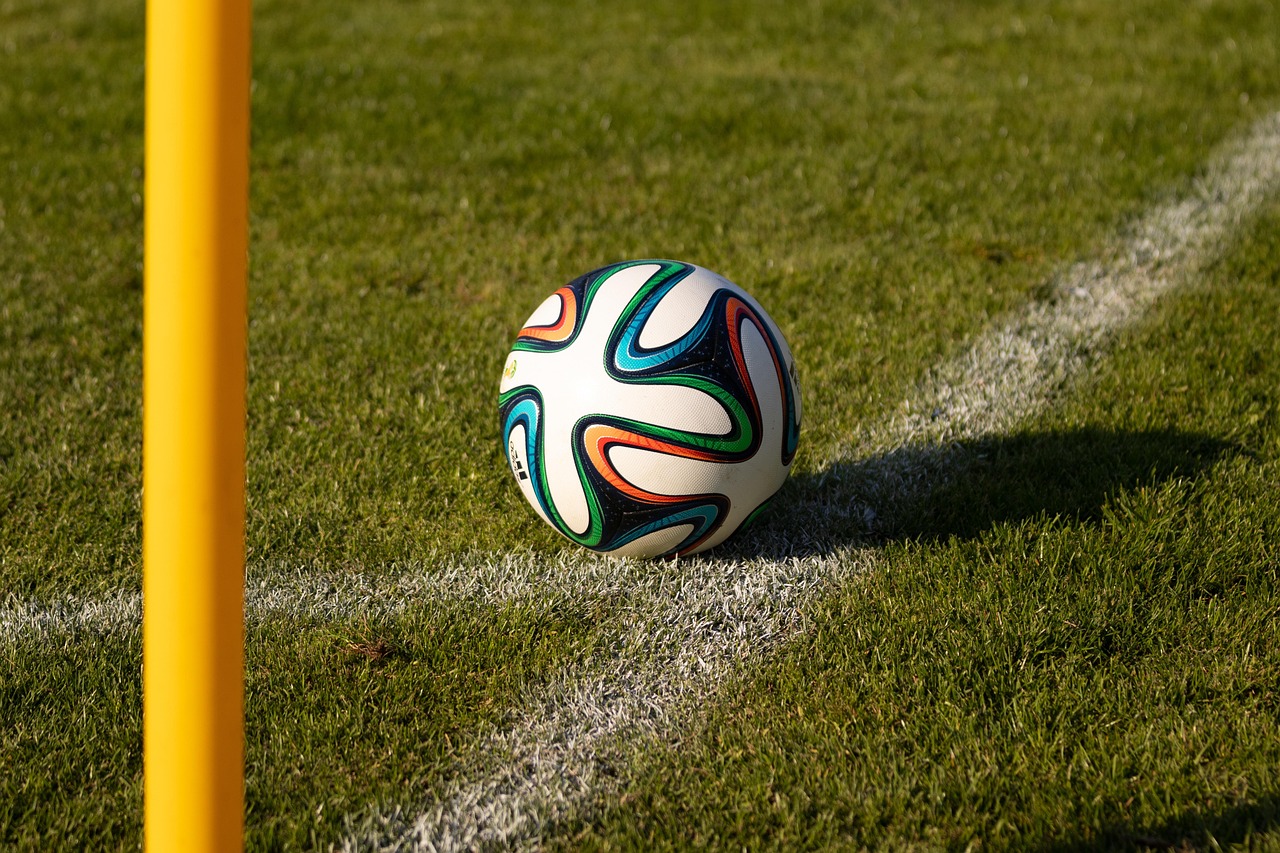
Football is much more than a sport. In fact, it is a language understood by people of every country. It unites millions and creates moments that live forever. The FIFA World Cup is the greatest event in the world of football. It happens once every four years, bringing together teams from every continent. It is organized by the Fédération Internationale de Football Association, commonly known as FIFA. However, the FIFA World Cup encompasses more than just football. It also has a huge effect on tourism, culture, and international business. This means that every host country experiences a wave of visitors, investments, and new opportunities. The fans from all parts of the world travel to support their teams, explore new cities, and spend money on hotels, restaurants, and local attractions. It’s a mixture of sports passion with global travel, which we call the FIFA Tourism Effect. This blog will explore how FIFA connects to tourism: the most recent World Cup events, their economic and cultural impacts, and which surrounding places reached fame thanks to them. 
FIFA and Global Tourism: A Strong Connection
FIFA tournaments always bring people together. The announcement of a country’s success in a World Cup bid opens the floodgates of an upward spiral in preparations. Cities race to build new stadiums, upgrade their airports, improve transport, and develop new tourist attractions. These projects not only serve football fans but also benefit the country for years to come. Roads, hotels, and entertainment areas remain after the event. The world’s attention is turned toward the host nation, boosting its global image and economy. During the event, millions of visitors arrive. They take up residence in hotels, eat local food, shop, and visit nearby attractions. Tourism booms and local businesses rack up record profits. And all these fans did not come just to watch matches; they visited museums, beaches, deserts, and heritage sites.
FIFA World Cup and Economic Impact
Each World Cup generates billions of dollars. The tourism industry receives a lion’s share. Airlines, travel agencies, tour operators, and restaurants are all beneficiaries. The hospitality industry especially grows. Hotels get fully booked months before the matches begin. During Qatar 2022, some luxury hotels charged up to $1,000 per night, while the economical ones were also occupied. The local transport systems operate at full capacity: buses, taxis, and trains. Restaurants, cafes, and shopping malls experience a much larger influx of people than usual. Cultural shows, concerts, and exhibitions add even more options to entertain tourists. Moreover, the event opens thousands of temporary and permanent jobs. From construction workers to tour guides, from chefs to translators—everyone benefits. Hosting the FIFA World Cup also enhances a nation’s reputation internationally. Such international exposure through media attracts future tourists and investors. Even years afterward, people remember a country for its welcome and exciting experience.
FIFA World Cup 2014 – Brazil
The 2014 FIFA World Cup took place in Brazil, a country famous for football, beaches, and festivals. The event drew over 1 million foreign tourists and 3 million local travelers.
Tourism in Brazil
Brazil took this opportunity to display their nature and culture before the whole world. Cities like Rio de Janeiro, São Paulo, Brasília, and Salvador became global attractions. Rio de Janeiro was one of the main hosts. Tourists visited Copacabana Beach, Sugarloaf Mountain, and the Christ the Redeemer statue, one of the Seven Wonders of the World. São Paulo offered urban excitement in the form of restaurants, museums, and nightlife. Its capital, Brasília, impressed visitors with its modern architecture designed by Oscar Niemeyer. Salvador was full of street music and dance, steeped in its colonial charm and Afro-Brazilian culture. During the day, World Cup fans enjoyed football; by night, they had parties. It brought billions into Brazil’s tourism sector, making the country also one of the top destinations for travel after games were completed. The 2018 World Cup raised Russia’s image in the world and generated a long-term tourism legacy. Many visitors said they would return again to explore more.
FIFA World Cup 2018 – Russia
The 2018 FIFA World Cup, held in Russia, was one of the most successful tournaments ever. It was held across 11 cities, including Moscow, Saint Petersburg, Sochi, and Kazan.
Tourism and Cultural Exchange
Russia welcomed over 3 million visitors. It was a great opportunity to show its cultural heritage, its art, and hospitality. In Moscow, the fans visited Red Square, the Kremlin Palace, and the Bolshoi Theatre. The city turned into a huge celebration zone: there were open-air concerts and fan parks. Saint Petersburg offered beauty with the Hermitage Museum, Winter Palace, and scenic canals.
FIFA World Cup 2022 – Qatar
The FIFA 2022 World Cup in Qatar was one to go down in the history books. It was the first in the Middle East and the most compact tournament thus far; all eight stadiums were within 50 kilometers of each other.
Tourism Growth in Qatar
Qatar welcomed more than 1.4 million visitors during the tournament. The country massively invested in new infrastructure-airports, metro systems, and luxury hotels. The final was held at the Lusail Iconic Stadium, a modern architectural wonder. The capital city, Doha, has several cultural and modern attractions: the Museum of Islamic Art, Souq Waqif market, and Corniche waterfront. Art exhibitions and performances also drew fans to the Katara Cultural Village. Desert Safari around Doha gained popularity as camels became the means of transportation and the golden dunes served as the backdrop at sunset. World-class hospitality was provided at the Mandarin Oriental, Four Seasons, and W Doha Hotel among other luxury hotels.
FIFA’s Influence Beyond the World Cup
While the FIFA World Cup is the biggest event, FIFA organizes other tournaments, including the Women’s World Cup, U-17 World Cup, and Club World Cup. Smaller events like these also bring in thousands of fans and tourists. For instance, the FIFA Women’s World Cup 2019 in France attracted thousands of fans who toured Paris, Lyon, and Nice. The Club World Cup promoted tourism for the host countries, the UAE and Morocco, showcasing their stadiums, beaches, and culture. FIFA events inspire countries to put in place new sports infrastructure, work out tourist strategies, and open new travel markets. They allow people from different backgrounds to communicate through sport, food, and culture.
FIFA and Sustainable Tourism
In recent years, FIFA has put more emphasis on sustainability and responsible tourism: host countries are encouraged to build eco-friendly stadiums, reduce carbon emissions, and promote local culture.
- In Qatar, stadiums were built with energy-efficient systems. Others were constructed from modular parts, to be reused elsewhere.
- In Russia, environmental awareness programs were launched during the 2018 World Cup. Cultural tourism and ecotourism in the Amazon were promoted by Brazil.
FIFA now works in partnership with the United Nations World Tourism Organization for greater inclusivity and environmentally responsible tourism.
🏟️ Surrounding Attractions Near FIFA World Cup Hosts
The FIFA World Cup is not only about football, but also it’s about beautiful destinations. Every country that hosts this event opens its doors for millions of visitors.
⚽ Brazil (FIFA World Cup 2014)
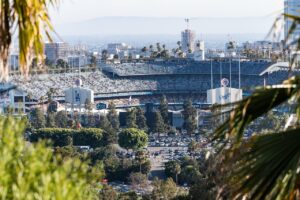
Brazil is a country of rhythm, sunshine, and joy. During the 2014 World Cup, millions of fans will visit vibrant cities filled with music and color. Besides the stadiums, Brazil has a lot to offer.
Rio de Janeiro
Rio de Janeiro was the heart of the 2014 World Cup. It is famous for its vibrant atmosphere and natural beauty. The major attraction of this city is the statue of Christ the Redeemer, which stands high on Mount Corcovado. This huge statue oversees the entire city and gives breathtaking views that are considered unforgettable. Nearby, Sugarloaf Mountain offers cable car rides and stunning sunsets.
São Paulo
São Paulo is the biggest city in Brazil and hosted several matches. The city is modern, full of skyscrapers, museums, and restaurants. Tourists loved the São Paulo Museum of Art, which has one of the best art collections in Latin America. The Ibirapuera Park provided green spaces, lakes, and walking paths in the middle of the busy city. Nightlife in areas like Vila Madalena offered endless fun, from live music to graffiti.
Salvador
Salvador was situated on Brazil’s northeast coast, and was a mix of football with history and culture. The Pelourinho District was a UNESCO World Heritage Site, full of colorful colonial buildings, churches, and street performers. The tourists continued to visit one of the best beaches in Brazil, Porto da Barra Beach, and taste the local dishes, including acarajé and moqueca. The Afro-Brazilian culture made Salvador one of a kind and truly unforgettable.
Manaus and the Amazon Rainforest
A surprise World Cup city, Manaus was in the middle of the Amazon Rainforest. Visitors took river cruises to explore the jungle and see pink dolphins, monkeys, and other wildlife, such as exotic birds. Meeting of two rivers, Rio Negro and the Amazon River, created a natural wonder known as the Meeting of the Waters. It was quite an experience for nature lovers.
Iguaçu Falls
Iguaçu Falls, one of the biggest and most magnificent waterfalls in the world, also proved a popular diversion for many football fans. The cataract lies on the border of Brazil and Argentina, with boat rides and hiking trails through a lush rainforest.
⚽ Russia (FIFA World Cup 2018)
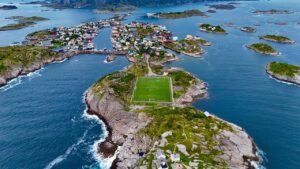
The 2018 FIFA World Cup in Russia showed the world the country’s beauty, its art, and its hospitality. Russia offered its visitors history, architecture, and cultural treasures apart from the football matches.
Moscow
The capital, Moscow, was the hub of excitement. Fans roamed around Red Square, featuring the pride of the Kremlin and Saint Basil’s Cathedral. Colorful domes positioned the cathedral as one of the world’s most photographed landmarks. Visitors also made time for the boisterous Arbat Street, lined with cafes, souvenir shops, and street performers. The Bolshoi Theatre provided visitors with world-class ballet and opera shows. Moscow’s Gorky Park became a fun spot for fans to gather, complete with open-air screens and events during the tournament.
Saint Petersburg
Saint Petersburg is considered the cultural capital of Russia. The world’s largest art museums, such as the Hermitage Museum, impressed guests with its paintings, sculptures, and treasuries of royalty. When Russian emperors lived in the Winter Palace, its architecture was incredible. Peterhof Palace, also known as the “Russian Versailles,” drew in tourists with its golden fountains and lush gardens. The canals and bridges in the city made it like a northern Venice with beautiful evening boat rides.
Sochi
Another host city that impressed the fans was Sochi, located on the Black Sea coast. With its beaches and mountains, Sochi became a favorite place of relaxation. Tourists visited the Rosa Khutor Alpine Resort, which is famous for winter sports and summer hiking. Sochi’s Arboretum offered scenic views of plants and trees from all over the world. The Krasnaya Polyana area provided adventure activities like ziplining and mountain biking.
Kazan
Kazan was an amalgamation of Russian and Tatar cultures. The Kazan Kremlin, a UNESCO World Heritage Site, came to be a symbol of its mixed heritage, having both a mosque and a church within its walls. Visitors explored the Kul Sharif Mosque, one of the most beautiful in Russia, enjoyed local cuisine such as chak-chak-a sweet honey dessert, and several Volga River cruises for a relaxed tour to see the city’s beauty.
Golden Ring Towns
Still more fans ventured out of the host cities into the Golden Ring, a circle of ancient towns northeast of Moscow. These towns — among them Suzdal, Vladimir, and Yaroslavl — are inhabited with traditional wooden houses, old churches, and monasteries telling stories of old Russia.
⚽ Qatar (FIFA World Cup 2022)
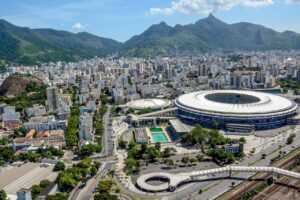
The Qatar 2022 World Cup has been a modern marvel. For the first time in the Middle East, all the stadiums in this World Cup are close to each other. Visitors not only watched the matches but also discovered Qatar’s rich culture, art, and desert landscapes.
Doha
The capital of Qatar, Doha, became the global hub for football. The Corniche-a beautiful, seafront promenade-offered quiet walks with skyline and Arabian Gulf views in sight. The Museum of Islamic Art, designed by architect I.M. Pei, showcases one of the best collections of Islamic artifacts in the world. The lively traditional market of Souq Waqif is adjacent, where tourists go to purchase spices, clothes, and souvenirs, not forgetting the great local food and music. It housed various art exhibitions, performances, and film screenings that showed a mix of old and new Qatar at the Katara Cultural Village.
Lusail
The city of Lusail was built as a futuristic destination for the 2022 World Cup. The final match took place in the Lusail Iconic Stadium. Shopping, dining at fancy restaurants, and going on yacht cruises were offered at the Lusail Marina Promenade.
Al Zubarah
Al Zubarah Fort is located northwest of Doha and is considered a UNESCO World Heritage Site. It shows Qatar’s history as a center of pearl trading and fishing. The old ruins and the museum were toured by the tourists to learn about the country’s heritage.
Desert Adventures
One of the most thrilling experiences was the Desert Safari. Visitors took 4×4 jeeps over sand dunes, making stops at Khor Al Adaid, also known as the Inland Sea, where the desert meets the sea. This was made unforgettable with camel rides, sandboarding, and sunset photography.
The Pearl-Qatar
This artificial island near Doha was brimming with luxury hotels, boutiques, and cafes. It was to become a favorite place for international visitors to relax after watching the matches. Education City Attention was also given to the modern stadium and international universities in Qatar’s Education City. The area fosters innovation and culture and had interactive exhibitions during the tournament.
⚽ Legacy and Continued Tourism
Even after the matches ended, all these places continued to attract visitors. Tourists who came for the FIFA World Cup often returned later to explore more. Beaches in Brazil, cultural cities in Russia, and futuristic designs in Qatar-all leave a different kind of legacy. The stadiums were landmarks, and the improved transport systems facilitated easier travel for future visitors. The FIFA World Cup showed how sports and tourism are closely related. This excitement around football triggers a desire in people to travel, get to know other cultures, and spend their leisure time well. These surrounding attractions turned every tournament into an adventure of joy and unforgettable memories.
FIFA World Cup Legacy
After the matches are over, and the fans have gone home, a legacy remains: stadiums become community centers or sports academies; and infrastructure such as airports and highways remain in service for locals and future tourists alike. Brazil’s government converted many stadiums into multi-use arenas. In Russia, the fan zones were converted into cultural parks. Qatar has reutilized the stadium materials for other countries that needed them. Tourism and the hospitality sector continue to benefit from the gained reputation and visibility during the FIFA event. Most tourists who visit during the World Cup return later for more in the host country.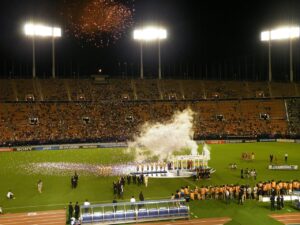
Conclusion
FIFA and tourism are deeply connected. The World Cup is more than a football competition but a global cultural travel festival, a meeting of people in a spirit of brotherhood. Every host country becomes the focal point of the world for one month, embracing guests, forming friendships, and creating memories to last a lifetime. The economic growth, cultural exchange, and tourism development brought about by the tournaments of FIFA showcase just how strong sports can be. Each tournament leaves its own mark in a wave of progress and global friendship-from Brazil’s Carnival spirit to Russia’s cultural charm to Qatar’s futuristic vision. As FIFA evolves, so too will its role in promoting sustainable tourism, cultural understanding, and international cooperation.
Author

sadikhan.ceo@gmail.com
Related posts
Lisbon Travel Guide
- 0
- 2,266 words
Lisbon Travel Guide – A Beautiful Coastal Capital with Culture and Value Lisbon pops up on pretty much every list of Europe’s...
Read out all
Prague Travel Guide
- 0
- 2,455 words
Prague Travel Guide – A Magical European Destination Full of History and Charm If you’re dreaming of a city that looks and...
Read out all
Berlin Travel
- 0
- 2,097 words
Berlin Travel Guide – A City of History, Culture, and Modern Energy Berlin isn’t your typical European capital—it buzzes with history and...
Read out all
Amsterdam Travel Guide
- 0
- 2,602 words
Amsterdam Travel Guide – A City of Canals, Culture, and Timeless Beauty Honestly, Amsterdam is one of those cities that just grabs...
Read out all
Barcelona, Spain
- 0
- 2,340 words
Barcelona, Spain Travel Guide – A Vibrant Mediterranean City Barcelona feels alive, no matter what time of year you show up. The...
Read out all
Male, Maldives
- 0
- 2,442 words
Malé, Maldives Travel Guide – The Capital of Island Paradise Malé might be tiny compared to other capitals, but it’s at the...
Read out all