
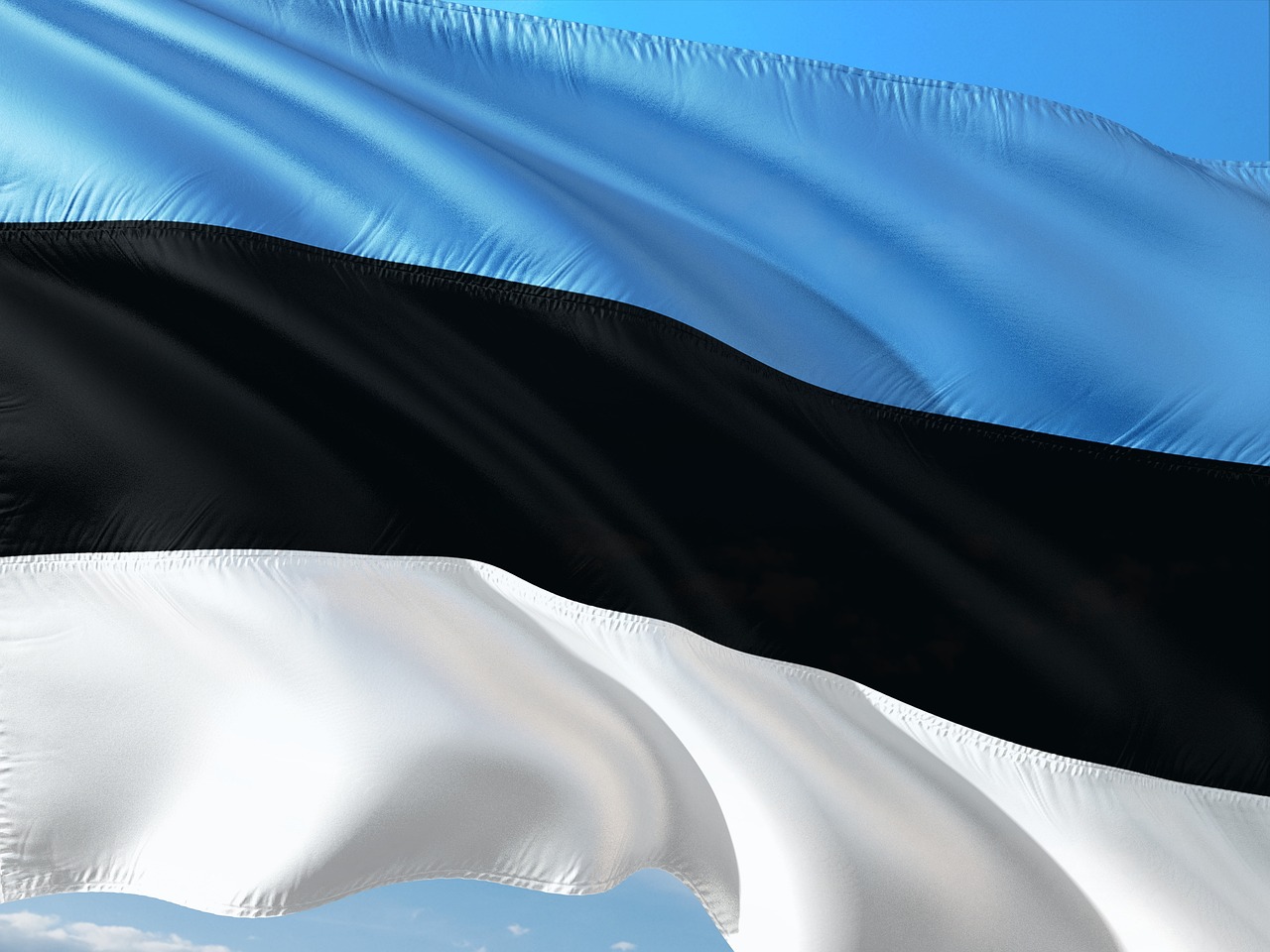
Exploring Estonia – The Baltic Gem of Northern Europe
Estonia is a small, magical country in Northern Europe. It lies along the Baltic Sea, between Latvia and Russia, and across the water from Finland. Even being small, Estonia offers big beauty: old cities, quiet forests, and peaceful islands make it a favorite for travelers who like calm, history, and natural charm. It is a country famous for its clean air, friendly people, and intelligent application of technology. Estonia is one of the most digital countries in the world. Ancient traditions coexist here with modern life, and that is what makes the atmosphere of the country so special. For visitors, Estonia seems to be both peaceful and inspiring.
Geography and Climate
Estonia is generally flat, which has several gentle hills, many forests, and more than 1,500 islands in the Baltic Sea. Its land is green and filled with lakes and rivers. The largest lake is Lake Peipus, shared with Russia, while the longest river is Emajõgi, which flows through the beautiful city of Tartu. The coastline of Estonia is 3,800 kilometers long, with sandy beaches, small bays, and rocky cliffs. The air is cool and fresh. Winters are cold, with snow covering the land, while summers are mild and sunny, perfect for walks or cycling in nature. Due to its northern position, Estonia has very long days in summer and extremely short days in winter. In summer, it enjoys the “white nights”–when the sun barely sets and the sky glows even at midnight.
A Short Look at History
Estonia’s history is full of change. Many foreign powers ruled this land, among which are Denmark, Sweden, Germany, and Russia. Each left a certain mark on the country’s culture and architecture. For the first time, Estonia became independent in 1918. During World War II, the country was occupied first by Nazi Germany and then by the Soviet Union. After the war, it joined the Soviet Union. Only in 1991 did Estonia finally get its freedom back. Since then, the country has developed a robust democracy and a modern economy. Estonia has since become a proud part of the European Union and NATO while keeping its traditions alive.
Culture and People
The Estonians are a people who love nature, music, and freedom. They are Estonian-speaking people, although the language is closely related to Finnish, it is quite different from most European languages. Music is very important here. Every five years, a huge Song and Dance Celebration takes place in Estonia, where several thousand singers and dancers perform together. It is such a wonderful sight that brings out the spirit and unity of the nation. Estonian culture is closely connected with nature, too. People often spend their weekends in the forests or by the sea. Saunas, folk songs, and family gatherings hold important places in life. Traditions of the country blend well with modern ideas: the capital Tallinn is one of the most digital cities in the world, where practically everything is possible online, including voting. People, nonetheless, still respect their rural roots and old customs.
Major Cities of Estonia
Tallinn – The Fairytale Capital
Tallinn is the capital and main city of Estonia. This city looks like something out of a fairy tale with its cobblestone streets lined by medieval towers and colorful houses. The Old Town of Tallinn is a UNESCO World Heritage Site and the best-preserved medieval town in Europe. Visitors can walk along the city walls, explore the Town Hall Square, and climb Toompea Hill for amazing views of the city and the sea. Another stunning landmark is the Alexander Nevsky Cathedral with its onion-shaped domes. Tallinn is also modern, full of art galleries, cafes, and technology companies. The Telliskivi Creative City is one trendy district that is full of design shops and street art, loved by young travelers.
Tartu – The City of Learning
Tartu is Estonia’s second-largest city and the country’s intellectual heart, home to the University of Tartu-one of the oldest universities in Northern Europe-founded in 1632. The city feels young and full of energy because of the large number of students living there. It means one could go on quiet walks along the Emajõgi River, pay a visit to the Tartu Art Museum, or head to Aparaaditehas-a creative area full of art studios and cafes. The city combines old academic charm with a lively, modern spirit.
Pärnu – The Summer Capital
Pärnu is a resort town that lies on the southwest coast of Estonia. It is famous for its long sandy beach and health spas. In summer, people come here to relax at the sea, swim, and attend concerts in the parks. This city is perfect for a laid-back holiday with its lovely old wooden houses and quiet mood. Pärnu Mud Baths are famous all over the world for healing treatments and relaxing spa experiences.
Narva – The Eastern Gateway
Narva is a frontier city next to Russia. Narva Castle and, on the Russian side of the river, the Ivangorod Fortress stand across from each other, testimonial to the rich and complex history of this area. It is a city that reflects both Estonian and Russian cultures. One can have a glimpse of history here and how two cultures meet at one place.
Kuressaare – The Island Charm
Kuressaare is the main town on Saaremaa Island, which is the biggest island in Estonia. It is quiet, beautiful, and ideal for those who enjoy nature. The Kuressaare Castle, constructed in the 14th century, is one of the best-preserved castles in the Baltic region. The island has windmills, coastal villages, and picturesque lighthouses. It’s a perfect place for cycling and exploring the countryside.
Natural Beauty and Outdoor Adventures
Estonia is full of untouched natural beauty, with more than half of the country being covered in forests, and much of that having been set aside as national parks. The land is also packed with bogs, rivers, and islands, making it a paradise for lovers of the outdoors.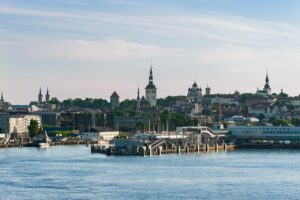
Lahemaa National Park
The largest national park in Estonia, Lahemaa lies just northeast of Tallinn. It includes forests, waterfalls, and fishing villages. You can walk along the Viru Bog Trail, visit the Palmse Manor, or simply relax on the quiet beaches of the Baltic Sea.
Soomaa National Park
Soomaa, otherwise known as the “land of bogs,” is the home of the fifth season when floodwaters blanket the landscape and people move around by boats. It’s also famous for canoeing, wildlife watching, and eco-tourism.
Matsalu National Park
On the west coast, Matsalu is one of Europe’s best bird-watching places. In spring and autumn, thousands of migratory birds stop here. The meadows and wetlands in the park are calm and beautiful.
Islands of Estonia
The islands are the hidden treasures of Estonia. Every one of them-Saaremaa, Hiiumaa, and Kihnu-has something special. Kihnu is known for its woman-led traditions and UNESCO-recognized cultural heritage.
Food and Traditions
Traditional Estonian food is simple, in accordance with local ingredients. Rye bread, potatoes, fish, and berries are common. Traditional foods include verivorst (blood sausage), sült (meat jelly), and kohupiim (curd dessert). During winter holidays, people like to enjoy warm drinks and Christmas markets. In summer, outdoor grilling and picnics are favored. Estonians also love coffee and pastries, which you can find in every café.
Economy and Modern Life
Estonia has been changing rapidly in recent years. It is called a digital society, and people can do nearly everything online-from filing their taxes to signing various documents. The startup scene in the country is very well developed; Tallinn is often called “the Silicon Valley of Europe.” Tourism also plays a big role in the economy of the nation. Visitors come from across the world to see Estonia’s culture, history, and natural beauty.
Festivals and Events
Throughout the year, there are many festivals in Estonia. The Tallinn Old Town Days celebrate the medieval spirit with music and crafts. The Viljandi Folk Music Festival brings together musicians from around the world. In winter, the towns are lit up with Christmas markets, hot chocolate, and handmade gifts. In summer, there are outdoor festivals and beach concerts that attract locals and travelers alike.
Surrounding Places and Connections
Situated in Northern Europe, Estonia borders the Baltic Sea on the north, Latvia on the south, and Russia on the east. While the country as a whole is full of natural beauty and medieval charm, its surrounding places also offer travelers wonderful opportunities to explore. These regions are rich in culture, history, and landscapes comprising the best of Nordic and Baltic influences. Let’s explore these surrounding destinations in detail.
Latvia – The Southern Neighbor
To the south of Estonia is Latvia, another Baltic country boasting forests, beaches, and a fairy-tale-like capital called Riga. The journey from Estonia to Latvia is short and scenic, thus making it one of the most common cross-border trips among travelers.
Riga – the Capital Jewel
Riga is known for Art Nouveau architecture, including cobblestone streets and an Old Town that is a UNESCO World Heritage Site. Visitors can take in a stroll around Dome Square, visit the House of the Blackheads, or enjoy an evening along the Daugava River. Moreover, the Central Market is one of the largest in Europe, taking up vast grounds covered by former Zeppelin hangars; it provides local food and handicrafts.
Gauja National Park
The Gauja National Park is located in the center of Latvia, with the Gauja River running through it. Gauja National Park, located near Sigulda, is the oldest and largest in Latvia. In addition, it features sandstone cliffs, ancient castles, and dense forests. It offers the chance for hiking, canoeing, and cycling. Turaida Castle sits on a hill overlooking the Gauja River, offering a breathtaking view.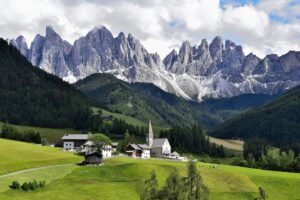
Jurmala
Only 30 minutes from Riga, the resort town of Jurmala boasts long sandy beaches and wooden houses. The combination of sea breeze and pine forests makes it a quiet retreat.
Russia – The Eastern Neighbor
Saint Petersburg
Saint Petersburg is one of the most beautiful cities in the world and is easily accessible from Estonia. It is famous for its imperial palaces, cathedrals, and the Hermitage Museum, which is among the largest art museums in the world. Its canals, graceful bridges, and neoclassical buildings give this city its nickname, the “Venice of the North.” The Winter Palace is a highlight, as is Peterhof Palace and Church of the Savior on Spilled Blood.
Pskov
Pskov is one of Russia’s oldest cities and is closer to the Estonian border. The symbol of Russian medieval architecture is the Pskov Kremlin, known as Krom. The city’s atmosphere is unhurried and historic, and should appeal to those who show interest in old Russian culture and religion.
Pechory Monastery
Pechory Monastery is a remarkable religious site near the Estonian border. Partially constructed underground, this monastery has been a place of worship for centuries. It also symbolizes the shared Orthodox traditions that are common in both Russia and Estonia.
Finland – Across the Gulf of Finland
Of course, Finland is also a very close neighbor that lies to the north across the Gulf of Finland; Tallinn to Helsinki takes two hours by ferry. Because of this easy connection, Helsinki has been one of the most-visited destinations for travelers coming from Estonia.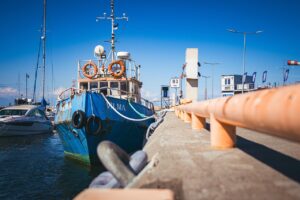
Helsinki – A Modern Nordic Capital
Helsinki is famous for its clean design, beautiful sea view, and lively culture. Among the favorite places of interest are Senate Square, the Helsinki Cathedral, and Market Square. The city’s Suomenlinna Fortress, a UNESCO World Heritage Site, provides an interesting glimpse into Finland’s military history.
Porvoo
Just an hour east of Helsinki, Porvoo is a small town famous for its colorful wooden houses, cobbled streets, and old riverfront. It’s one of Finland’s oldest towns and is perfect for a peaceful day trip.
Nuuksio National Park
The lakes, rocky cliffs, and forests of Nuuksio National Park are situated near Helsinki. For all lovers of outdoor activities, such as hiking and camping, this is a place of their dreams. Its silence and fresh air provide relaxation for city-weary people.
Sweden – Across the Baltic Sea
Across the Baltic Sea to the west is Sweden, another major Nordic country. The ferry route from Tallinn to Stockholm is popular with tourists and locals alike.
Stockholm
The Capital of Islands Stockholm, built on 14 islands, is one of Europe’s most picturesque capitals. Colors abound in Gamla Stan, or Old Town, along with narrow alleys and the Royal Palace. The Vasa Museum exhibits a 17th-century warship preserved and on display, while Skansen is the oldest open-air museum in the world, showcasing traditional Swedish life.
Gotland Island
Gotland is a historic island in the Baltic Sea, featuring medieval ruins, stone churches, and long beaches. The main town, Visby, is a UNESCO World Heritage Site known for its old walls and charming streets.
Uppsala
Uppsala, which is near Stockholm, is famous for its university, cathedral, and Viking history. This is a quiet and intellectual city featuring beautiful gardens and museums.
Baltic Sea Islands and Coastline
Hundreds of islands and small towns speckle the Estonian coastline, linking naturally to the wider Baltic region. Most of these islands are connected with others either by ferry or by boat and boast both historical and natural interest.
Saaremaa Island
Saaremaa is Estonia’s largest island and one of the most popular vacation destinations, including the Kuressaare Castle, windmills, and spa resorts. The island also has beautiful coastal views and peaceful villages.
Hiiumaa Island
Smaller and more quiet than Saaremaa, Hiiumaa is ideal for nature and tranquility lovers. The Kõpu Lighthouse is one of the oldest lighthouses in the world and offers great sea views. Pine forests cover the island, while long sandy beaches offer great places to relax.
Pärnu
Pärnu is the summer capital of Estonia, lying on the southwest coast of the country. It boasts wide beaches, modern spas, and charming cafes. Visitors often walk along the Pärnu River or visit Pärnu Vallikäär Park for relaxation.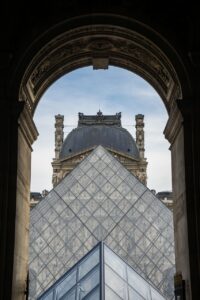
Conclusion
Estonia is where the past and future meet. Its medieval towns, quiet forests, and friendly people make it unforgettable. Visitors can walk through centuries of history and still enjoy modern-day comfort. From the fairytale-like streets of Tallinn, to the tranquil beaches of Pärnu, to the mystifying bogs of Soomaa, beauty lies waiting around every corner in Estonia. The country may be small, but it has a big heart. Estonia is for anyone who loves culture, nature, and calm adventure: it is one of the true hidden gems in Europe, where every path leads to discovery. The surroundings of Estonia create a fascinating circle of history, culture, and nature. From the islands of the Baltic Sea to the palaces of Saint Petersburg, from Riga’s cobblestones to Helsinki’s modern streets, every nearby destination adds richness to Estonia’s travel experience. Travelers can move easily between these countries, discovering the unique charm that makes Northern Europe and the Baltics one of the most diverse and rewarding regions in the world.
Author

sadikhan.ceo@gmail.com
Related posts
Slovakia
- 0
- 2,323 words
Slovakia : Discover the Hidden Gem of Central Europe Tucked right in the heart of Central Europe, Slovakia is one of those...
Read out all
Singapore
- 0
- 2,246 words
Singapore : A Global City and Travel Hub Singapore’s one of those places where modern life and nature seem to fit together...
Read out all
Seychelles
- 0
- 2,644 words
Seychelles : A Dream Destination in the Indian Ocean You hear about places as “dream destinations” all the time, but Seychelles totally...
Read out all
Serbia
- 0
- 2,789 words
Serbia Travel Guide: Regions of the Balkan Nation Serbia sits right at the heart of the Balkans, and honestly, it’s one of...
Read out all
Senegal
- 0
- 2,277 words
Senegal Travel Guide: Discover the Culture, History, Tourism, and Surrounding Regions of West Africa Welcome to Senegal—a place that really captures the...
Read out all
Saudi Arabia
- 0
- 2,914 words
Saudi Arabia: A Powerful Nation in the Middle East and Global Importance of the Kingdom Saudi Arabia stands out as one of...
Read out all