
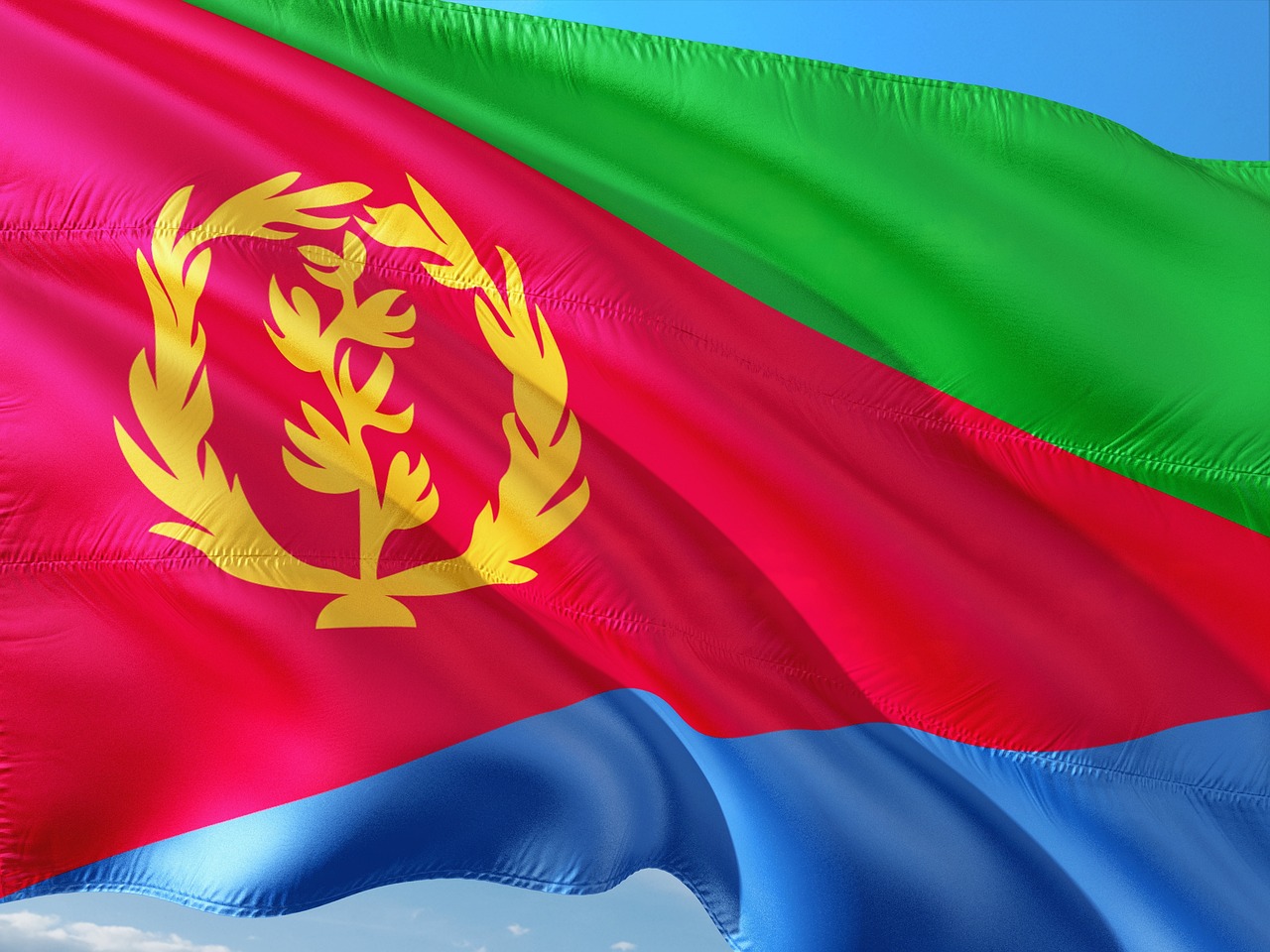
Eritrea – A Land of Beauty, History, and Resilience
Eritrea is a beautiful country located in the Horn of Africa. It lies along the Red Sea coast and has a long and rich history. The nation is known for its cultural diversity, beautiful landscapes, and ancient cities. Eritrea may not be a large country, but it has a big story to tell. Its people are proud, hardworking, and deeply connected to their land. Eritrea is situated in the northeastern part of Africa. It borders Sudan to the west, Ethiopia to the south, and Djibouti to the southeast. To the east, Eritrea fronts the Red Sea, which gives it a long and beautiful coastline. Its strategic position made it an important trading center in ancient times. The total area of Eritrea is about 117,000 square kilometers; it is inhabited by approximately 3.7 million people. Its capital is Asmara, which is very famous for its beautiful buildings in the Italian style. The official languages of the country include Tigrinya, Arabic, and English. Eritrea’s climatic zones vary from one geographical region to another. The coastal areas are hot and dry, while the highlands are much cooler and more pleasant. The country has two rainy seasons: one from June to September and another from December to February.
A Brief History of Eritrea
Eritrea’s history stretches several thousand years into the past. Ancient kingdoms such as D’mt and Aksum once ruled here. One of the greatest African civilizations, the Aksumite Empire, ruled from the first to the seventh century and was famous for its trade, art, and tall stone monuments known as stelae. In later centuries, Eritrea became a part of several empires and foreign powers. For several years, the Ottoman Empire ruled its coastal areas. At the close of the 19th century, Italy colonized Eritrea, making it Italy’s first colony in Africa. The Italians built roads, schools, and beautiful architecture, mostly in Asmara. After World War II, Italy lost control, and Eritrea was placed under British administration. In 1952, the United Nations decided to make Eritrea a federation with Ethiopia, but Ethiopia annexed the country in 1962. This act led to a long war of independence, which lasted for 30 years. Finally, in 1993, after a successful referendum, Eritrea gained independence. Since that time, it has been a sovereign nation, run by its own government and with its own identity.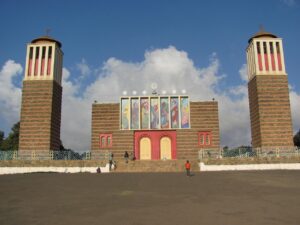
Geography and Natural Beauty
The landscape of Eritrea is diverse and full of contrasts, going from high mountains through rolling hills to dry deserts and long coastlines. The Eritrean Highlands form part of the Ethiopian Plateau rising over 2,000 meters above sea level; these highlands have a mild climate and are home to most of the population. To the east, the land descends into the Danakil Depression, one of the hottest and lowest places on Earth. The coastline along the Red Sea stretches for about 2,200 kilometers and is bordered by golden beaches with crystal clear, blue waters. The Dahlak Archipelago is a group of islands in the Red Sea famous for coral reefs and marine life. The country also contains many rivers, most of which are seasonal. The Barka River and Anseba River play an important role in agriculture and the livelihood of the locals.
Culture and People
Eritrea is home to nine ethnic groups, each with its own language, traditions, and customs. The cultural heritage of the country is a mix of African, Arab, and Mediterranean influences. Traditional attires, music, and dancing play a very significant part in daily life. Eritreans love coffee ceremonies, which form part of good hospitality. The major religions are Christianity and Islam; they co-exist peacefully. Festivals like Independence Day on May 24 and Martyrs’ Day are joyous but respectful.
Economy and Development
The largest industries in Eritrea are agriculture, mining, and fisheries. Most of the inhabitants engage in farming, where they grow crops like sorghum, barley, and maize. The government also invests in mining, particularly for gold, copper, and zinc. The Red Sea provides rich fishing grounds, and fish exports are growing. Tourism is developing along with the coastal cities and historical sites. Massawa’s port city is significant for trade and transport. Despite the many adversities to its economy, Eritrea has been advancing its infrastructure in roads, energy, and education. The government promotes self-reliance and attaining sustainable growth.
Major Cities of Eritrea
Though small in size, Eritrea abounds with breathtakingly beautiful and interesting cities. Let’s explore the major cities of Eritrea in some detail.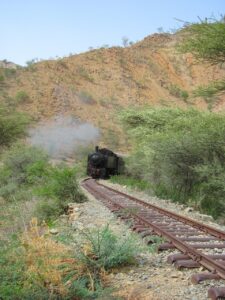
Asmara – The Capital City
Asmara serves as the capital and most significant city in Eritrea. Commonly called “The City of Dreams” or “Little Rome”, the nickname comes from the great number of buildings built in Italian style during the colonial period. Asmara is located on the central highlands, at an altitude of about 2,325 meters above sea level. Because of its elevation, the weather throughout the entire year is mild and pleasant.
- Cinema Impero – One of the best-preserved Art Deco cinemas in the world. Asmara Cathedral is a beautiful church featuring a tall clock tower. Al Khulafa Al Rashiudin Mosque: A symbol of the peaceful coexistence of religions in the city.
Asmara’s streets are clean, calm, and lined with palm trees. There are cozy cafés that sell rich Eritrean coffee and Italian-style pastries. The city also has many small shops and markets where locals sell handicrafts, jewelry, and clothes. Asmara is the political capital of Eritrea but also represents the country’s cultural heart, where music, art, and education flourish.
Massawa – The Pearl of the Red Sea
Massawa is one of the oldest and most beautiful cities in Eritrea, lying on the Red Sea coast about 100 kilometers from Asmara. The city has a long history as a major port and trading hub. It was ruled by several empires, including the Ottoman Empire and Italy. Because of its location, Massawa was known as the “Pearl of the Red Sea.” The architecture of the city reflects a mix of Arab, Turkish, and Italian influences. The old town has white coral stone buildings, narrow streets, and wooden balconies that remind visitors of ancient coastal life. Some important landmarks in Massawa include: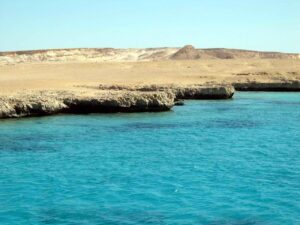
- Imperial Palace – This was built by the Italians and later used by the Ethiopian Emperor Haile Selassie.
- Old Town Mosque (Sheikh Hanafi Mosque) – One of the oldest mosques in Eritrea.
- Massawa War Memorial: A tribute to the struggle of Eritrea for independence.
Massawa also serves as the primary entrance to Dahlak Islands, which are well-recognized for coral reefs, multi-colored fish, and crystal clear waters. These islands are frequented for diving, snorkeling, and relaxation at quiet beaches. The city has two parts: the mainland and Taulud Island, joined together by a causeway, in addition to Massawa Island, where a great number of historical buildings can be found. However, notwithstanding the fact that Massawa was damaged during the war, it is being rebuilt gradually. Nowadays, it represents a quiet seaside town visited by people who like history, culture, and the sea.
Keren – The Mountain City
Keren is the third biggest city in Eritrea and is located northwest of Asmara. It is also encircled by beautiful mountains. The city is known for its vibrant markets, friendly people, and strong traditions. Keren enjoys a vital role in the economy and culture of Eritrea. Among the major landmarks in Keren is the Mariam Dearit Shrine, a small church that was built inside a hollow baobab tree. It is one of the most sacred Christian sites in Eritrea and attracts many pilgrims every year. During World War II, it was the site of the Battle of Keren-a large battle between the British and Italian forces. There are war cemeteries and memorials that honor those who fought there. Today, Keren is a tranquil and hospitable city.
Assab – The Southern Port
Assab is another important coastal city located in southern Eritrea and on the Red Sea, near the border with Djibouti. Historically, Assab was a major port city and an important stop for ships traveling between Africa and the Arabian Peninsula. During the Italian colonial rule, the city’s port was developed and later used by Ethiopia before the independence of Eritrea. Today, it serves as a regional trading center. The area surrounding Assab is generally dry, with a desert-like setting, but possesses its own particular beauty. Assab is surrounded by an excellent Red Sea coastline for swimming and diving. The beaches are serene and untouched, ideal for the tourist who loves peace and nature. There are a few hotels and restaurants in the city offering local seafood dishes. It provides a window to the coastal life of Eritrea and its maritime traditions.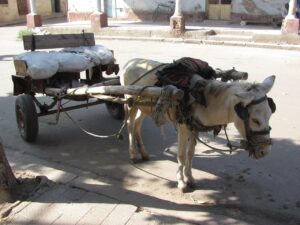
Teseney – The Western Gateway
Teseney is located in western Eritrea, bordering Sudan. It is a major trade route between the two countries. Although it is situated in a semi-desert area, with a very hot climate, the city is pulsating with life. These traders come from both Eritrea and Sudan to buy and sell in this market different commodities like textiles, foodstuffs, and livestock. Teseney Market is one of the most famous markets due to its lively atmosphere and variety of products. Because of its location, Teseney has a mix of Eritrean and Sudanese cultures. People speak both Tigrinya and Arabic, and the food has a strong Middle Eastern influence. The city is also a link between the highlands and the western lowlands, which makes it important in terms of transportation and trade. Although not a big tourist destination, Teseney gives its visitors a very real sense of Eritrean rural life and cross-border culture.
Mendefera – The Historic Highland Town
Mendefera is located south of Asmara and is an historically significant city. The name of the city originates from a Tigrinya word meaning “No one dared.” It refers to the bravery of Eritrean fighters who resisted foreign occupation. Mendefera is located in the highlands with a generally mild and pleasant climate. The area is good for farming, and people grow grains, vegetables, and coffee. The town has a strong social texture, with its markets, schools, and churches forming the center. In Mendefera, visitors can tour the old battle sites, traditional villages, and beautiful hills surrounding it. It’s also an excellent center for exploring nearby attractions such as Adi Quala with its famous Italian World War II cemetery.
Barentu – The Cultural Hub of the West
Barentu is a town in western Eritrea and the capital of the Gash-Barka Region. It is also called the “breadbasket of Eritrea,” as this area produces much of the nation’s food. It is surrounded by rich farmlands and small villages. Many different ethnicities are represented here: Kunama and Nara communities, among others. Their colorful traditions and dances form a big part of the local culture. During recent years, Barentu has grown fast, with new roads, schools, and markets. There are opportunities for visitors to experience local festivals, traditional food, and enjoy the beautiful scenery around the city. It is also a gateway to the exploration of Gash River Valley and other nearby archaeological sites that illustrate Eritrea’s ancient past.
Tourism and Attractions
Eritrea has a blend of history, adventure, and natural beauty. In one trip, a tourist can visit ancient ruins, coral islands, and mountains.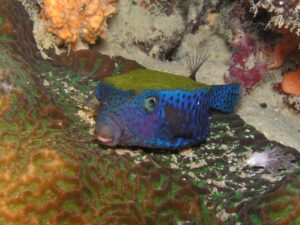
- Qohaito Ruins: This is an ancient city from the Aksumite period, and contains old temples, tombs, and rock carvings.
- Dankalia Desert: It consists of salt plains, volcanic hills, and hot springs. This place is ideal for photography.
- Asmara’s Modernist Architecture: Art deco cinemas, old Italian cafes, and vintage buildings take you back in time.
Eritrea looks small, but it is full of surprises. The mix of peaceful cities, natural beauty, and cultures makes it a special place for travelers.
Food and Cuisine
Eritrean food is delicious and full of flavors. The main course is injera, which consists of a spongy flatbread made with teff flour. It is eaten with spicy stews, called zigni or with vegetable sauces. Coffee is an important part of Eritrean culture, often served in a special ceremony. Other popular dishes include:
- Shiro – A spicy chickpea stew; Alicha – Mild stew made with meat or vegetables; Himbasha – Sweet bread taken on occasions of festivals. Food is usually shared among family members to show togetherness and love.
Art, Music, and Traditions
Traditional drums, lyres, and string instruments are used to make Eritrean music. Most folk songs are about love, freedom, and nature. Dances are also different from region to region, with each ethnic group having its own style.
Challenges and Hope
Eritrea has a limited economy and has set political restrictions. However, its people are not easily deterred and have remained strong and hopeful. Its education, agriculture, and tourism sectors are slowly developing. Its government is working on improving international relations and developing its infrastructure.
Surrounding Places and Neighboring Countries
Eritrea borders Ethiopia, Sudan, and Djibouti, each offering something different in terms of cultural and geographical links.
Ethiopia
To the south, Ethiopia shares deep historical and cultural links with Eritrea. The ancient Aksumite Kingdom once connected both lands. Today, visitors can travel to Aksum, Lalibela, and Gondar to see Ethiopia’s rock churches and castles.
Sudan
To the west is Sudan, home to the Nubian pyramids of Meroe and Khartoum, at which the Blue and White Nile converge. Many Eritreans trade and work across the border in Sudan.
Djibouti
To the southeast lies Djibouti, another nation along the Red Sea. Its Lake Assal, salt flats, and desert landscapes attract adventurers. The linkage of Eritrea to Djibouti contributes to regional trade and tourism.
Red Sea and Yemen (Across the Water)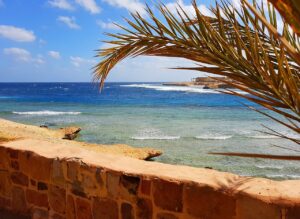
Across the Red Sea is Yemen with similar coastal culture and ancient trade history, where in the past, boats from Massawa used to sail for trade to Yemeni ports.
Conclusion
Eritrea is a country of strength, beauty, and diversity. Its story is one of endurance and hope. From the mountains of Asmara to the coral islands of the Red Sea, every corner of Eritrea has a charm of its own. A blend of ancient ruins, colorful traditions, and warm-hearted people-these are the things that make Eritrea unforgettable. Though beset on many fronts, Eritrea is proud of its independence, hard-won and fought for with tenacity. Many visitors say that when they arrive in this country, it is as if they have traveled through time to a world more tranquil, serene, and genuinely honest. Eritrea is not simply a place on the map but a living story of courage, unity, and pride.
Author

sadikhan.ceo@gmail.com
Related posts
Slovakia
- 0
- 2,323 words
Slovakia : Discover the Hidden Gem of Central Europe Tucked right in the heart of Central Europe, Slovakia is one of those...
Read out all
Singapore
- 0
- 2,246 words
Singapore : A Global City and Travel Hub Singapore’s one of those places where modern life and nature seem to fit together...
Read out all
Seychelles
- 0
- 2,644 words
Seychelles : A Dream Destination in the Indian Ocean You hear about places as “dream destinations” all the time, but Seychelles totally...
Read out all
Serbia
- 0
- 2,789 words
Serbia Travel Guide: Regions of the Balkan Nation Serbia sits right at the heart of the Balkans, and honestly, it’s one of...
Read out all
Senegal
- 0
- 2,277 words
Senegal Travel Guide: Discover the Culture, History, Tourism, and Surrounding Regions of West Africa Welcome to Senegal—a place that really captures the...
Read out all
Saudi Arabia
- 0
- 2,914 words
Saudi Arabia: A Powerful Nation in the Middle East and Global Importance of the Kingdom Saudi Arabia stands out as one of...
Read out all